Top 3 Castles around Juliénas
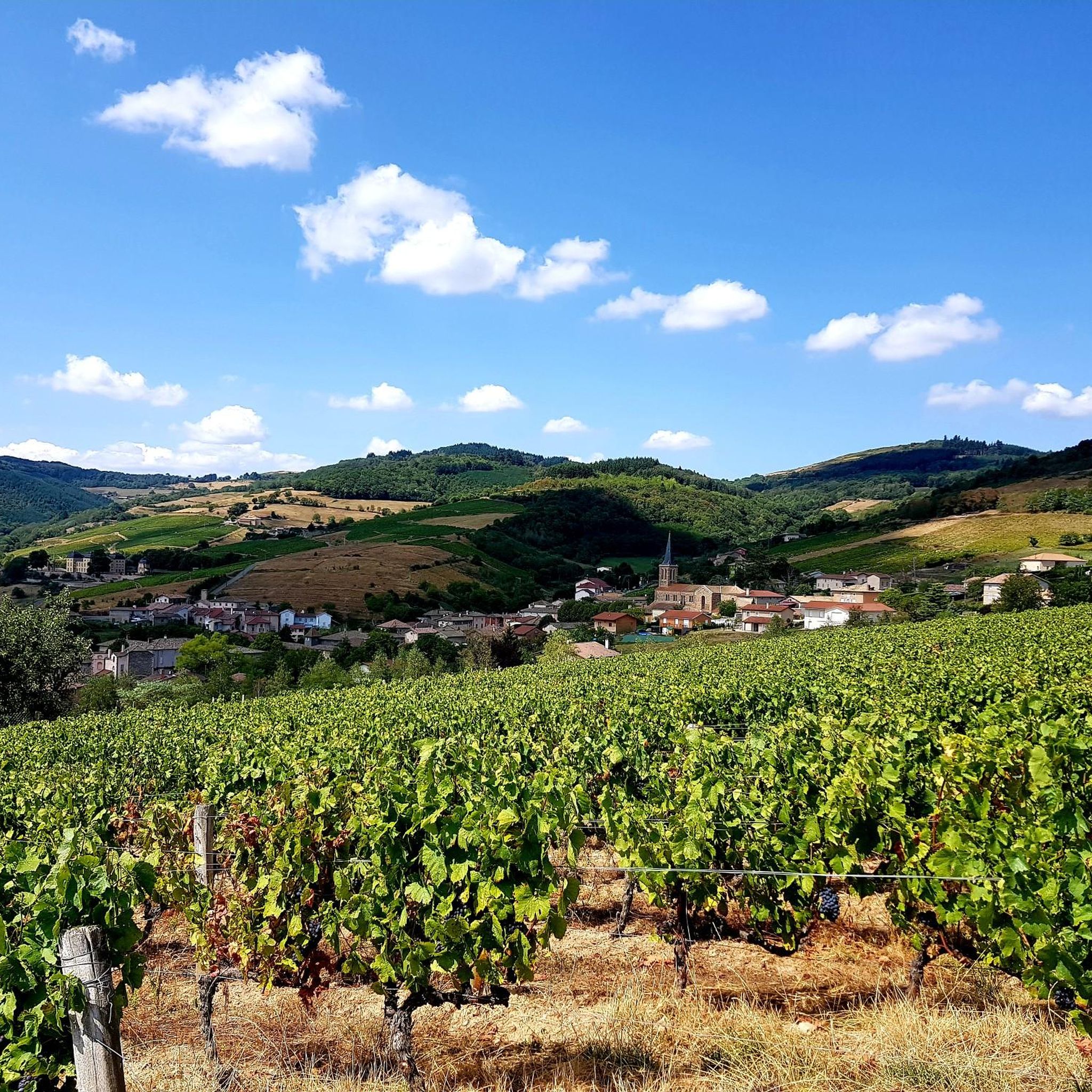
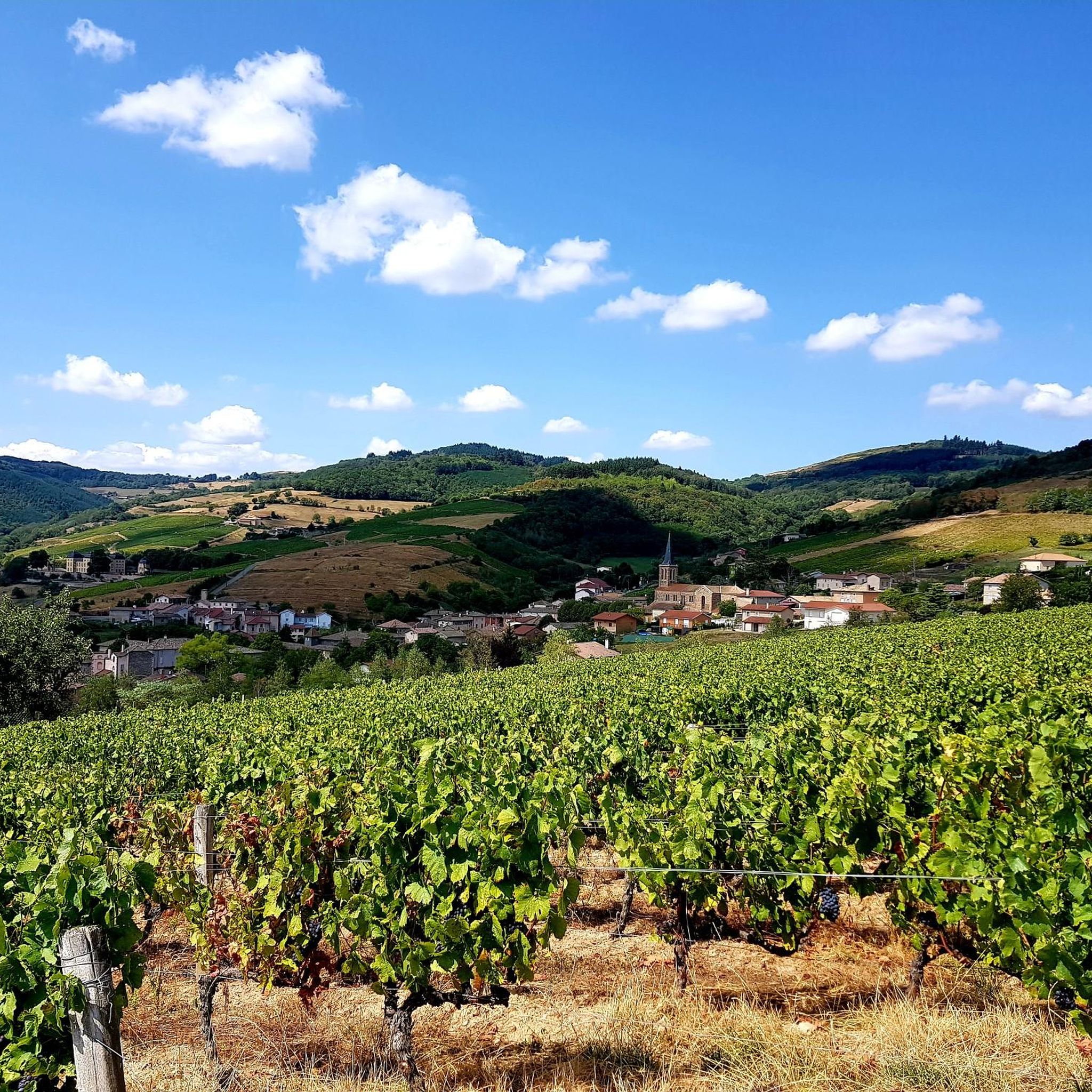
Castles around Juliénas offer a blend of historical architecture and the region's renowned viticulture. This area, a prominent wine-producing village in Beaujolais, France, is characterized by rolling vineyards and historical estates. Visitors can explore structures that showcase centuries of history alongside active wineries. The landscape provides a scenic backdrop for discovering these historical sites.
Best castles around Juliénas
- The most popular castles is Tramayes, a settlement that features a castle in its town center. The village also offers services…
Last updated: June 22, 2026
Tramayes
Highlight • Settlement
The village has a pretty castle
Translated by Google •
Tip by

Pierreclos Castle
Highlight • Other
Tip by

Sign up now to discover places like this
Get recommendations on the best single tracks, peaks, & plenty of other exciting outdoor places.
Sign up for free
Corcelles-en-Beaujolais Castle
Highlight • Castle
Translated by Google •
Tip by

Château de Chasselas
Highlight • Castle
Translated by Google •
Tip by

Château Avenue
Highlight • Castle
Its origins date back to the 9th to 11th centuries, beginning with a Romanesque chapel. In the …
Showing Translation
Tip by

Start today with a free account
Your next adventure awaits.
Login or Signup

Tips from the Community

The historic Château de Corcelles (Castle in the French department of Rhône in Corcelles-en-Beaujolais) in the famous Beaujolais wine region was originally built in the 13th century on the foundations of an old Carolingian fortress as a defensive castle to protect against the Burgundians. After severe destruction, Jean de Laye rebuilt the castle around 1470 in its present basic form with a square keep and round towers. In the 16th century, a distinctive half-timbered gallery in the courtyard and a Gothic chapel were added. The estate has been a listed monument since 1927.
1
0
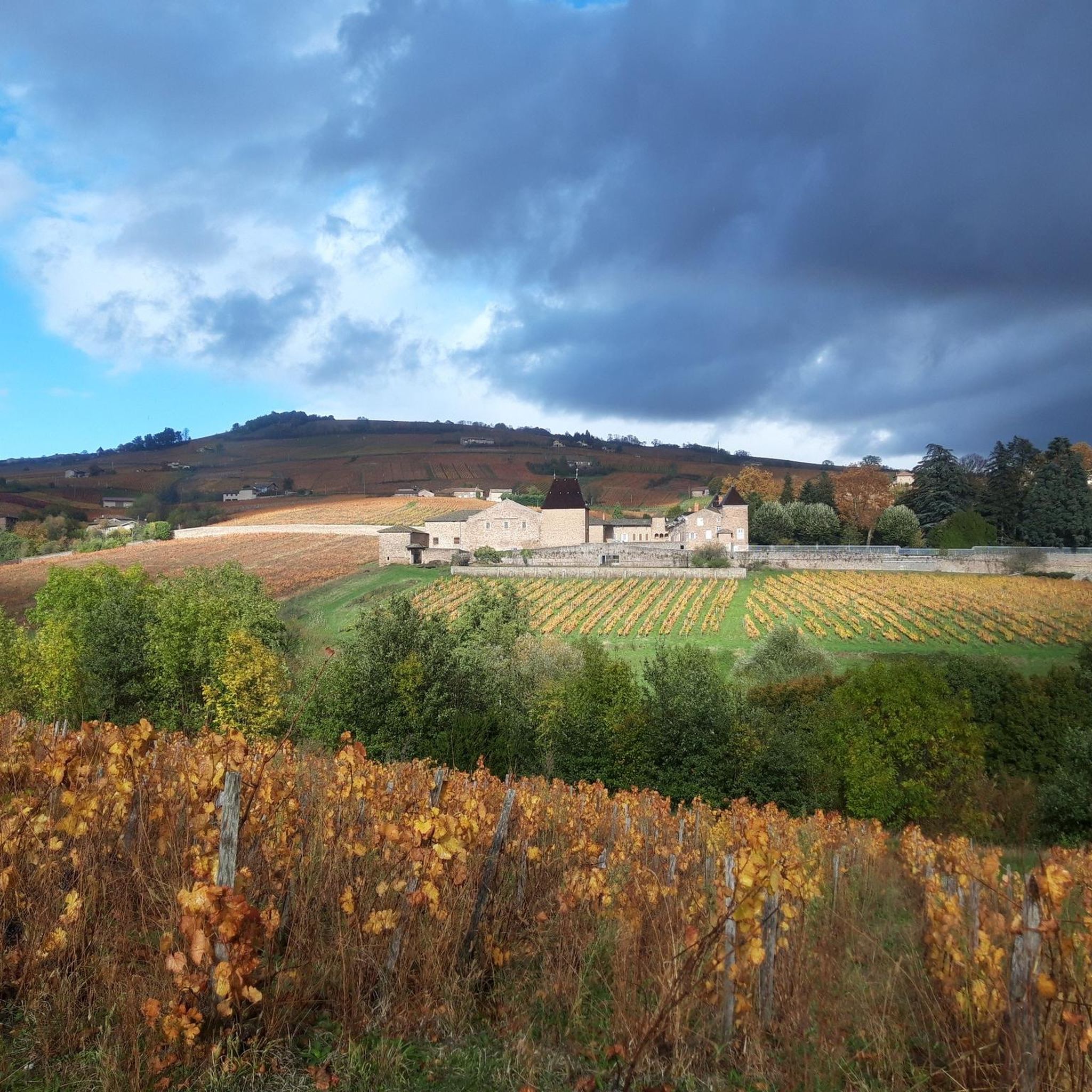
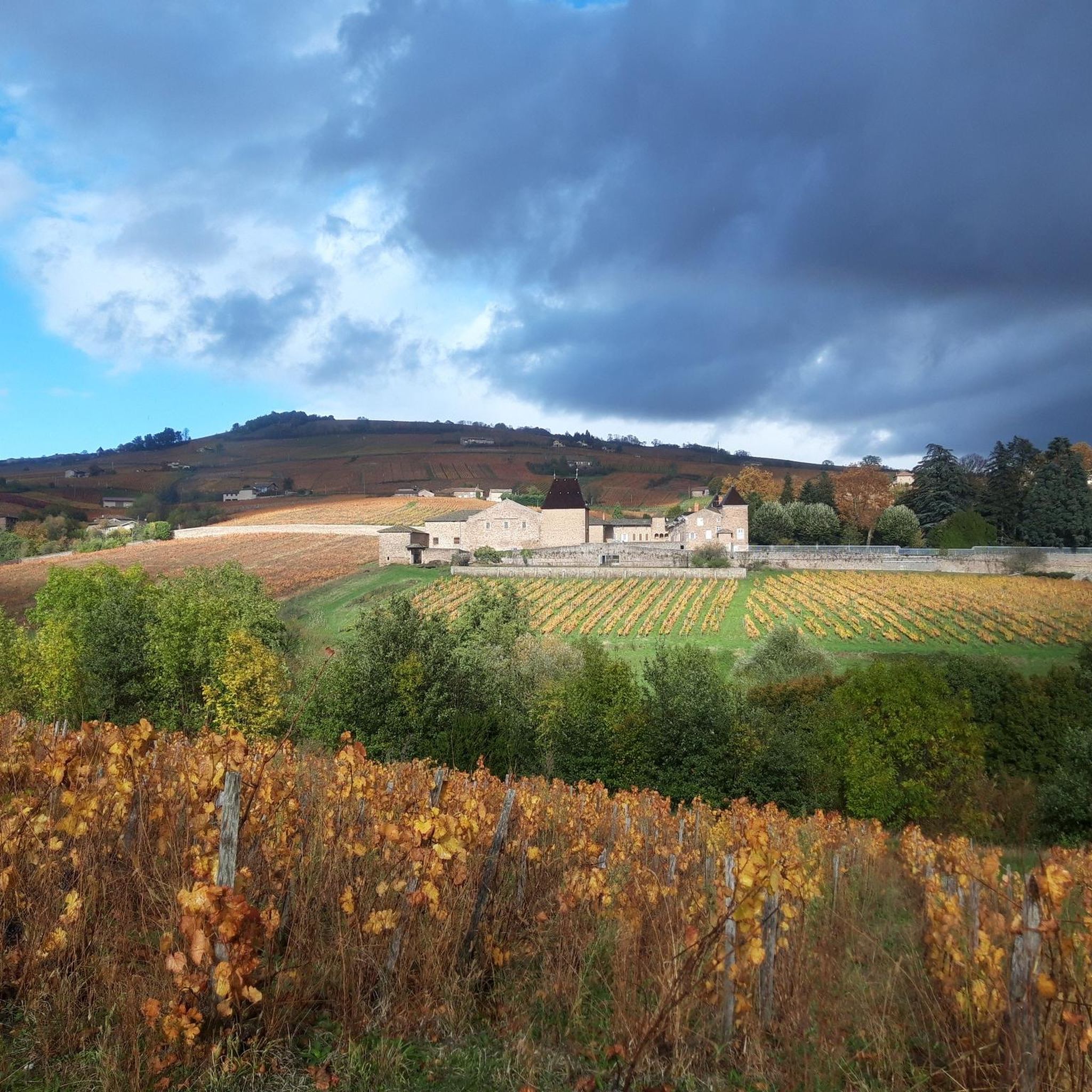
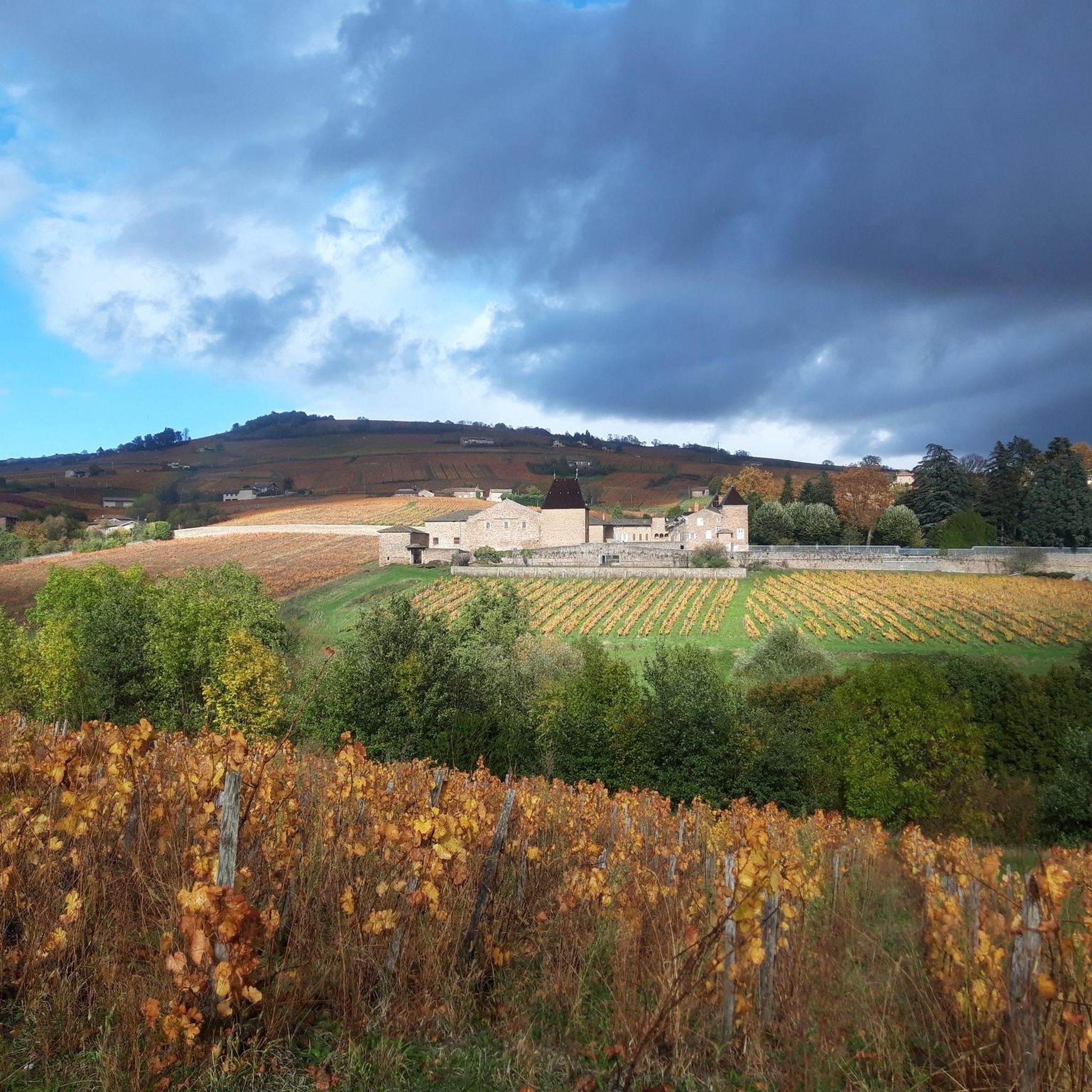
The Château de Pierreclos is a historic Romanesque castle and a renowned winery. Its origins date back to the 9th to 11th centuries, beginning with a Romanesque chapel. In the 13th century, the complex was expanded into a medieval fortress. Today, it is protected as a private historical monument. The castle is situated on a rocky outcrop that has been used for viticulture since the 6th century. The Pidault family's winery produces organically certified white and red wines (including Pouilly-Fuissé and Mâcon-Pierreclos).
1
0
The Pierreclos Castle (Château de Pierreclos) is a historic, Romanesque castle complex and a renowned winery. The origins date back to the 9th to 11th centuries, starting with a Romanesque chapel. In the 13th century, the complex was expanded into a medieval fortress. It is now protected as a private historical monument. The castle is located on a rocky outcrop that has been used for viticulture since the 6th century. The Pidault family's winery produces organically certified white and red wines (including Pouilly-Fuissé and Mâcon-Pierreclos).
2
0

In the middle of the vineyards, on a rocky outcrop, stands this impressive Burgundy castle with a 1000-year history. The castle's property is made up of small vineyard plots that are cultivated organically. You can taste our wines: Pouilly-Fuissé, Saint-Véran, Mâcon-Pierreclos and Bourgogne rouge Pinot noir, as well as Burgundy specialties (ratafia, creme de pêche de vigne and creme de cassis) in the shop or in our wine cellars.
1
0


Wonderful stage stop on my Camino https://huettemann.eu/de/2023/10/von-cluny-an-die-loire-berndscamino/
1
1

Frequently Asked Questions
What kind of historical experiences do the castles around Juliénas offer?
The castles in the Juliénas area provide a rich blend of history and local culture. For example, Pierreclos Castle boasts origins dating back to the 9th to 11th centuries, evolving from a Romanesque chapel into a medieval fortress. Similarly, Corcelles-en-Beaujolais Castle, originally from the 11th century, was rebuilt and transformed into a mansion, now managed by the Richard family alongside its vineyard.
Are there any family-friendly castles to visit near Juliénas?
Yes, several castles in the region offer a welcoming atmosphere for families. The village of Tramayes, which features a pretty castle, is categorized as family-friendly and provides various services in its town center. The Château de Juliénas itself offers unique experiences like picnics in the vineyards and 'Wine Tasting Truck' tours, which can be enjoyable for older children and families.
Which castles in the Juliénas area are also active wineries?
Many castles in this renowned wine region are indeed active wineries, offering a unique blend of history and viticulture. Pierreclos Castle is a historic Romanesque complex and a renowned organic winery, producing Pouilly-Fuissé and Mâcon-Pierreclos wines. Château de Chasselas is another picturesque wine estate where you can buy their red, white, and rosé wines, including the famous Pouilly Fuissé. The Château de Juliénas is also a significant wine estate, spanning 35 to 40 hectares of vineyards and offering guided tours and tastings.
What kind of wine tourism activities are available at Château de Juliénas?
Château de Juliénas offers a variety of immersive wine tourism experiences. You can take guided tours of the castle, winery (cuvage), and cellars, often followed by wine tastings that range from free options to more elaborate experiences with local cheeses and cured meats. Unique activities include picnics in the vineyards with panoramic views and 'Wine Tasting Truck' tours in a vintage Volkswagen Combi, allowing you to explore the terroir directly with the winemaker. You can find more details on their offerings at oenotourisme.com.
Are there hiking opportunities near the castles around Juliénas?
Yes, the region around Juliénas offers excellent hiking opportunities that can be combined with castle visits. You can explore routes like the 'Circuit de la Montagne de Remont' or the 'Rémont Mountain – View of the Vineyards loop from Juliénas', both offering moderate difficulty and scenic views. For more options, check out the Hiking around Juliénas guide.
What cycling routes are available in the vicinity of these castles?
Cyclists can enjoy a range of routes near the castles, from moderate to difficult. Options include the 'Restaurant Chez Paulette – Windmill loop from Juliénas' (moderate) or more challenging rides like the 'View of La Roche de Solutré – Windmill loop from Juliénas'. These routes often pass through vineyards and offer beautiful landscapes. Discover more routes in the Cycling around Juliénas guide.
What is the best time of year to visit the castles and vineyards in Juliénas?
The Beaujolais region, including Juliénas, is particularly beautiful during spring (April-May) when the vineyards begin to green, and autumn (September-October) during the harvest season, when the leaves turn vibrant colors. These seasons offer pleasant weather for exploring castles, enjoying wine tastings, and participating in outdoor activities like hiking or cycling. Summer (June-August) is also popular, though it can be warmer.
Can I find local services and amenities near the castles?
Yes, the village of Tramayes, which features a castle, offers various services in its town center, including a bar, pharmacy, and bank. Juliénas itself, home to the Château de Juliénas, is a village with local amenities. Many of the castle wineries also have shops where you can purchase local products and wines.
Are there any castles known for their commitment to sustainable practices?
Yes, Château de Juliénas is notable for its commitment to sustainable agriculture. The estate adopted the Terra Vitis label in 2018 and achieved organic certification in 2022, demonstrating a strong focus on environmentally friendly winemaking. Pierreclos Castle also operates an organically certified winery.
What makes the Château de Juliénas unique compared to other castles in the region?
Château de Juliénas stands out for its unique blend of historical architecture and deep integration with the local wine heritage. While parts of the building date back to 1582, it's primarily celebrated as a premier wine estate within the Juliénas appellation. Its extensive cellars, commitment to organic farming, and diverse oenotourism offerings, including vineyard picnics and 'Wine Tasting Truck' tours, provide a comprehensive and immersive experience of Beaujolais winemaking history and culture.
Are there any castles with notable viewpoints or scenic surroundings?
Many castles in the Juliénas area are nestled amidst picturesque vineyards, offering beautiful views. Château de Juliénas itself is surrounded by vineyards that benefit from excellent sunshine, providing a scenic backdrop. Pierreclos Castle is situated on a rocky outcrop in the middle of vineyards, offering impressive views of the surrounding landscape.
Most popular routes around Juliénas
Most popular attractions around Juliénas

Get inspired with the komoot mobile app


Explore more
Looking for the best castles somewhere else? Discover other guides around Juliénas:
