Top 5 Gorges around Guillestre
Best canyons around Guillestre are found in the Hautes-Alpes region of France, an area known for its impressive geological formations. The region features natural slides, abseils, and clear waters, making it a popular destination for aquatic adventures. Guillestre offers a variety of experiences, from family-friendly descents to more challenging routes. The canyons are characterized by their unique rock formations and diverse aquatic environments.
Best canyons around Guillestre
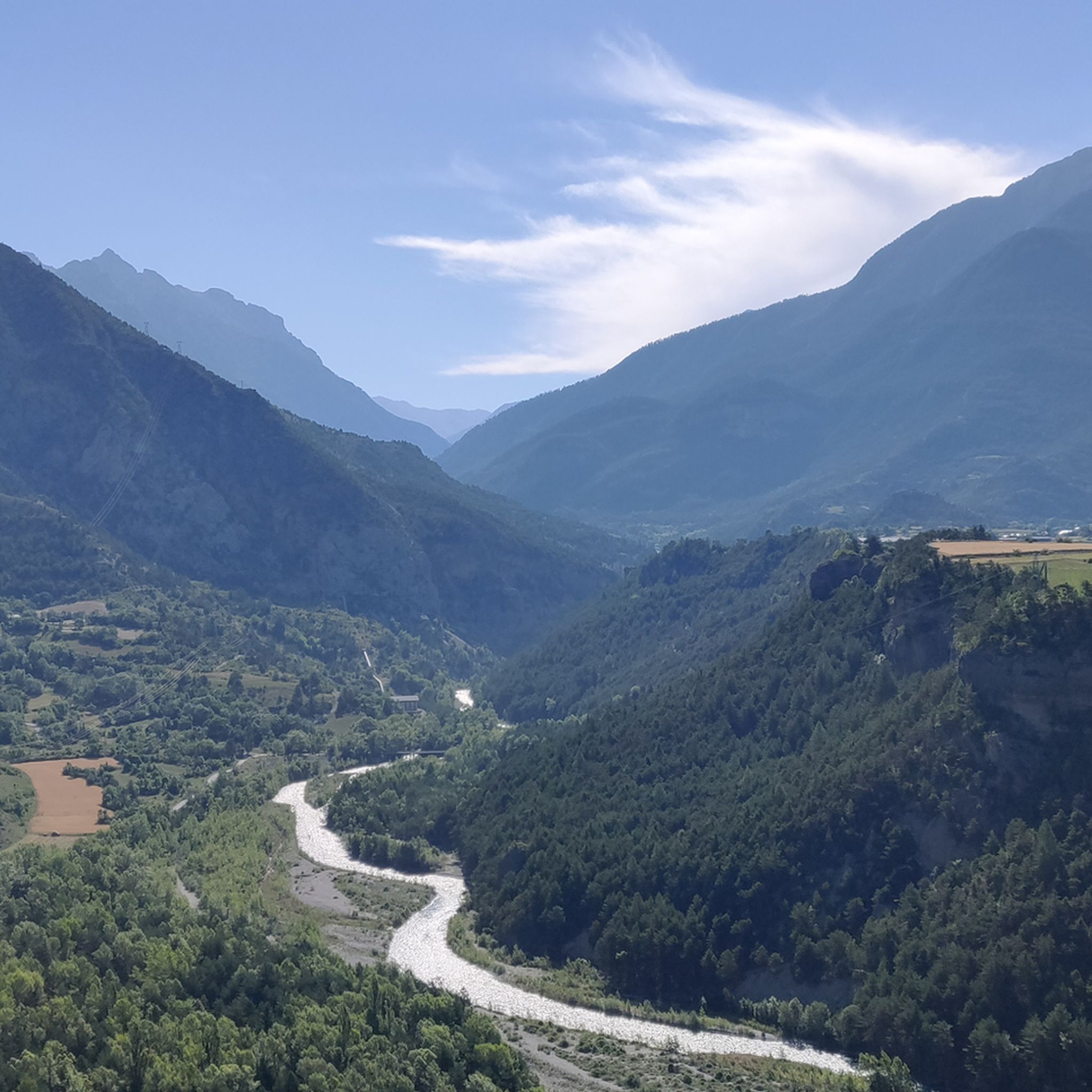
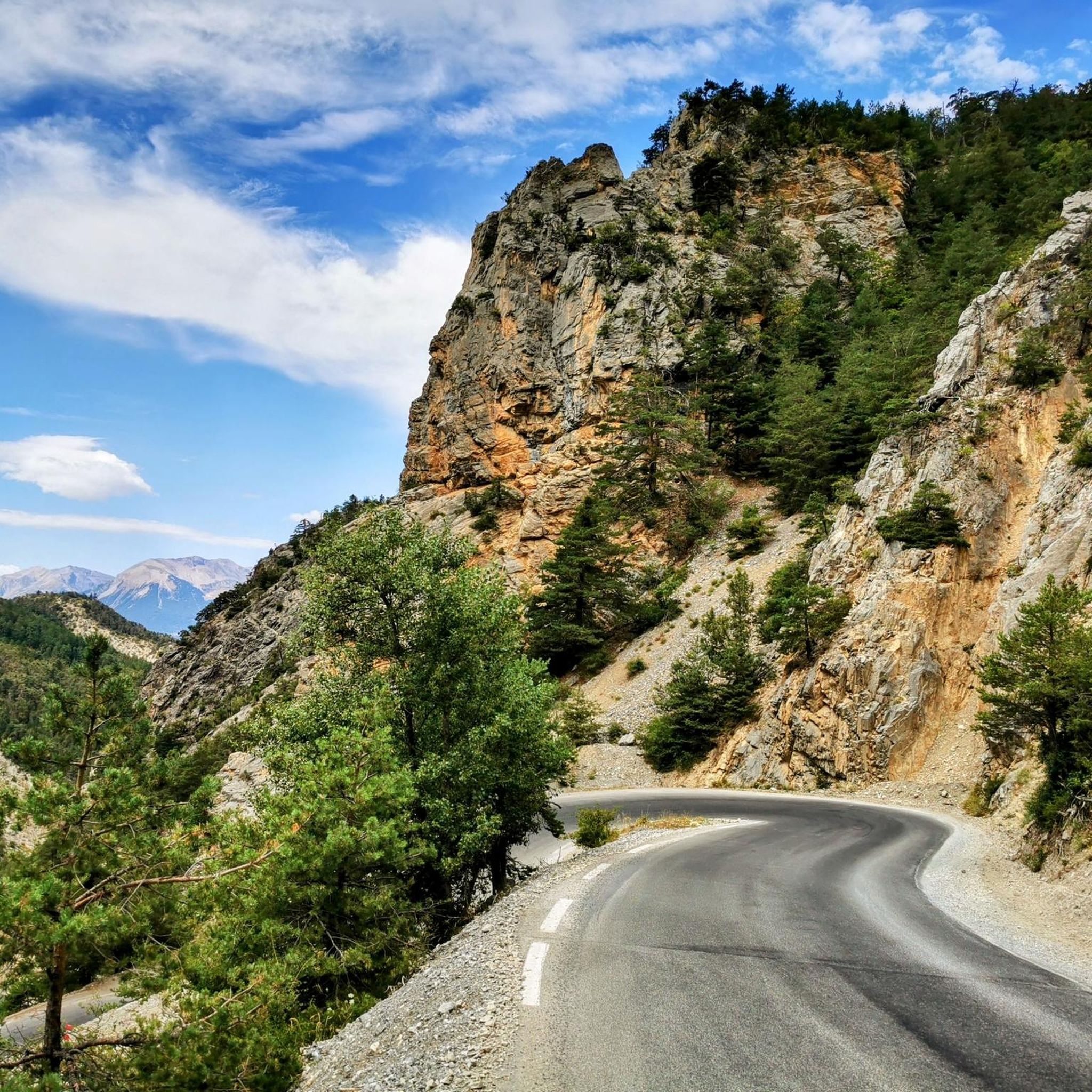
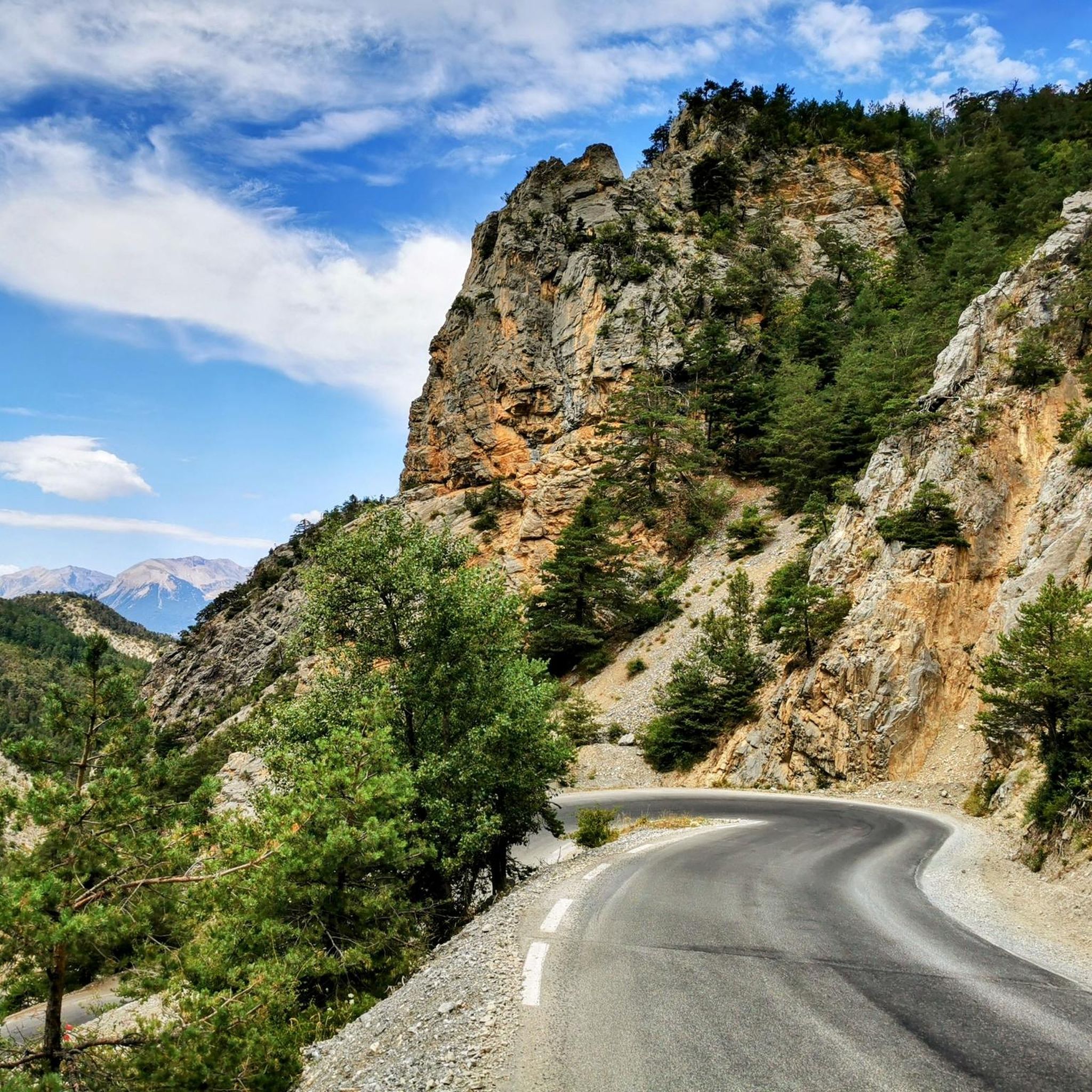
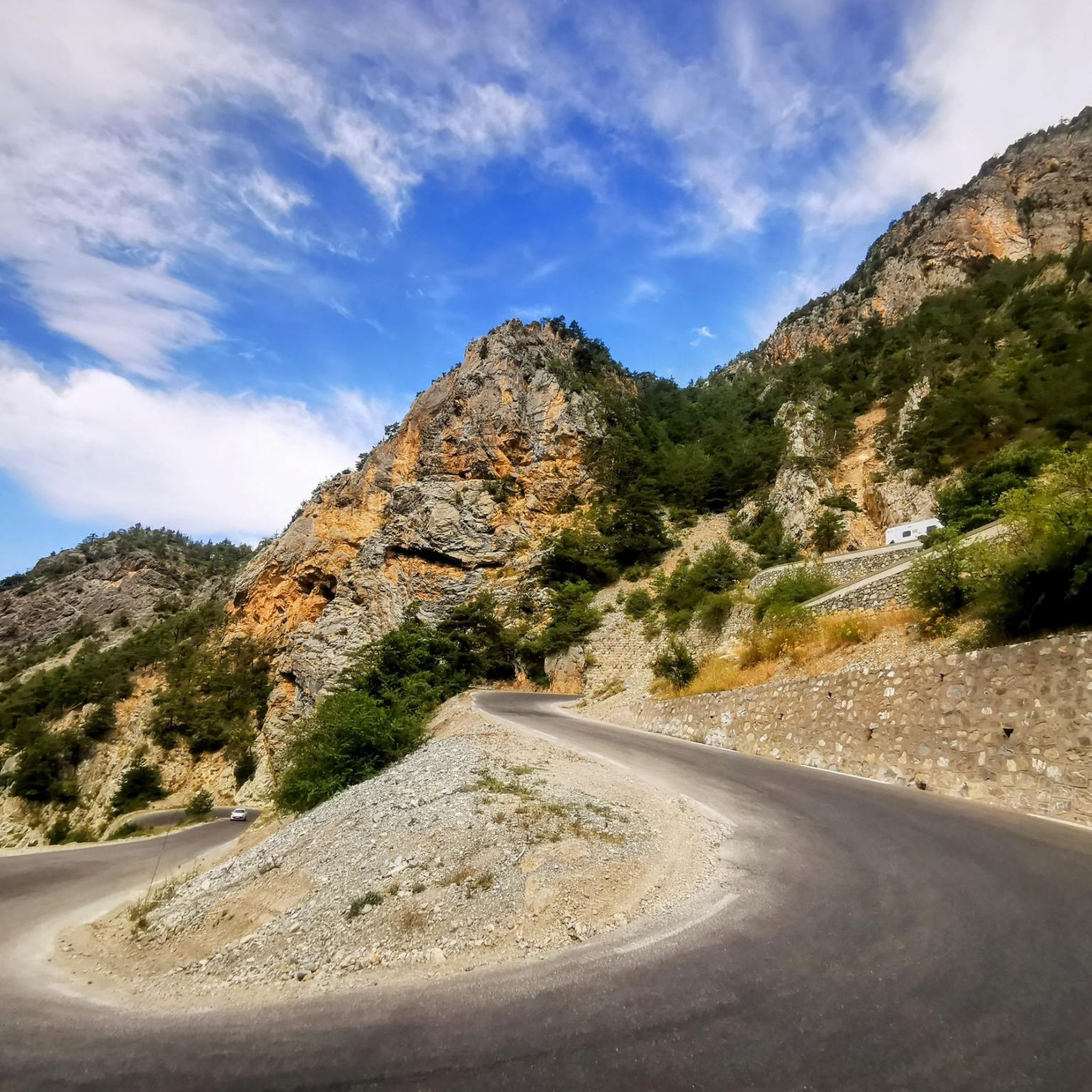
- The most popular canyons is Gorges of the Guil, a gorge that offers a wonderful cycling experience. The Guil has carved the rock over millions of years, creating an almost fairytale passage.
- Another must-see spot is Ruine Blanche Ravine, a gorge. This formation of gypsum was deposited in the lagoons of the ancient Alpine Ocean, with fossilized sea sands still visible.
- Visitors also love Wild, mineral valley with ibex, a gorge. The climb to the Col des Houerts offers a mineral and wild view, where ibexes or chamois can sometimes be observed.
- Guillestre is known for its gorges, ravines, and canyons. The area provides a rich and diverse landscape, suitable for a wide range of skill levels.
- The canyons around Guillestre are appreciated by the komoot community. The community has contributed more than 180 upvotes and 17 photos to these canyons.
Last updated: August 28, 2026
Gorges of the Guil
Highlight • Gorge
Translated by Google •
Tip by

Gorges du Guil
Highlight • Gorge
Translated by Google •
Tip by
Sign up now to discover places like this
Get recommendations on the best single tracks, peaks, & plenty of other exciting outdoor places.
Sign up for free
Ruine Blanche Ravine
Highlight • Gorge
Tip by

Guil Gorges
Highlight • Gorge
Translated by Google •
Tip by

Wild, mineral valley with ibex
Highlight • Gorge
Translated by Google •
Tip by

Sign up for free to discover even more gorges around Guillestre.
Sign up for free
Already have an account?
Start today with a free account
Your next adventure awaits.
Login or Signup
Popular around Guillestre
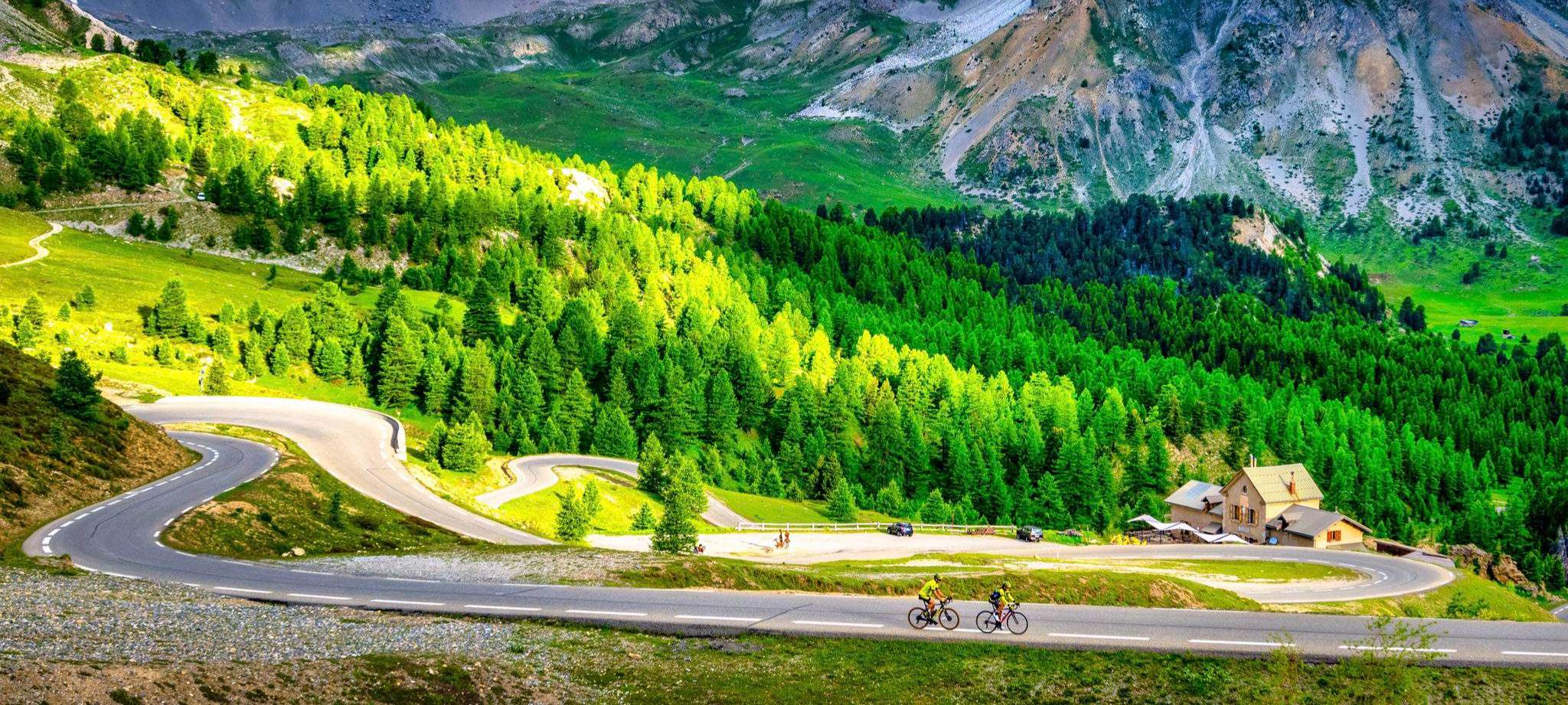
Route des Grandes Alpes
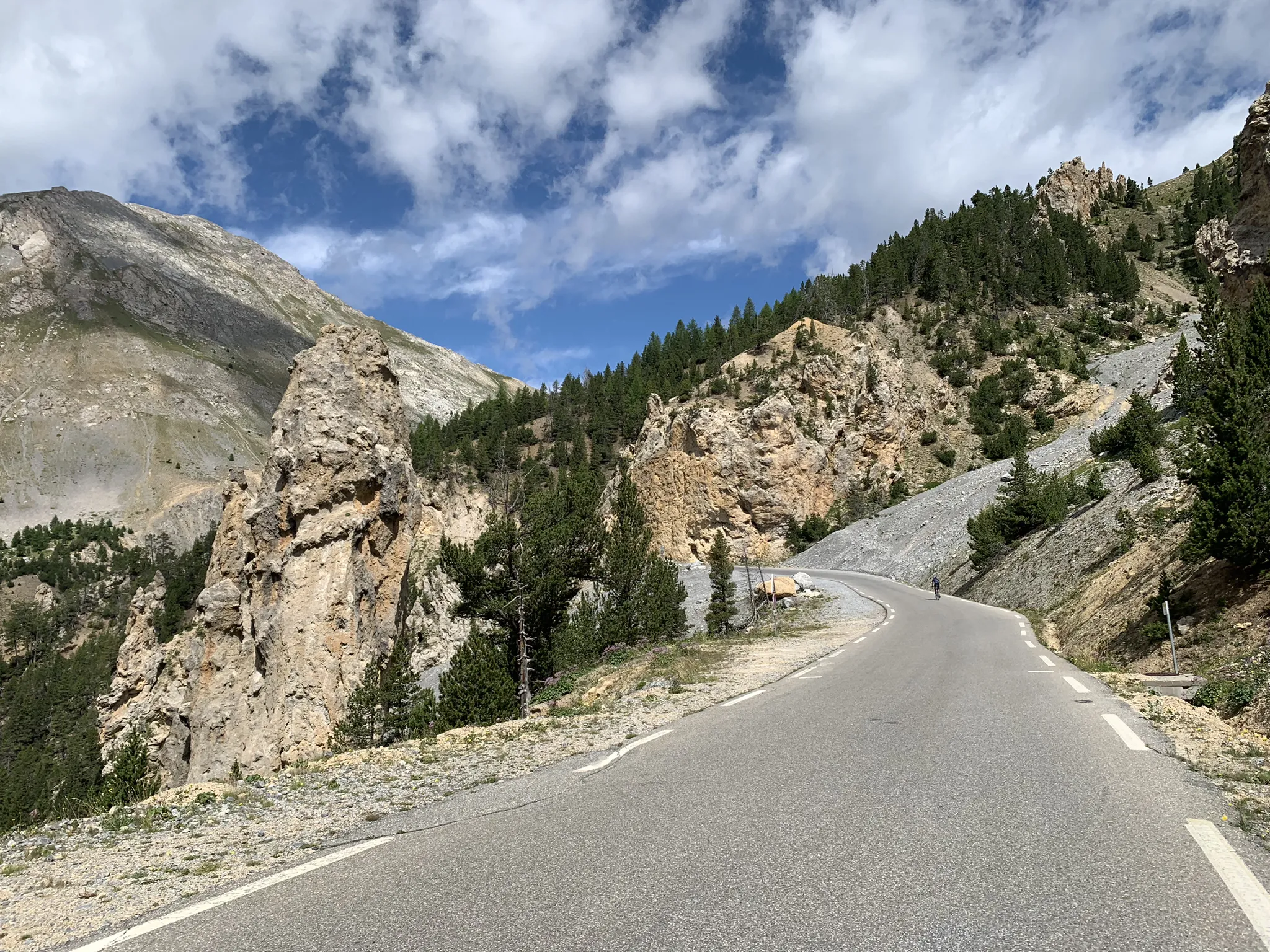
Cycling from the Italian Riviera to the French Alps – Alpine Arc (part 1)
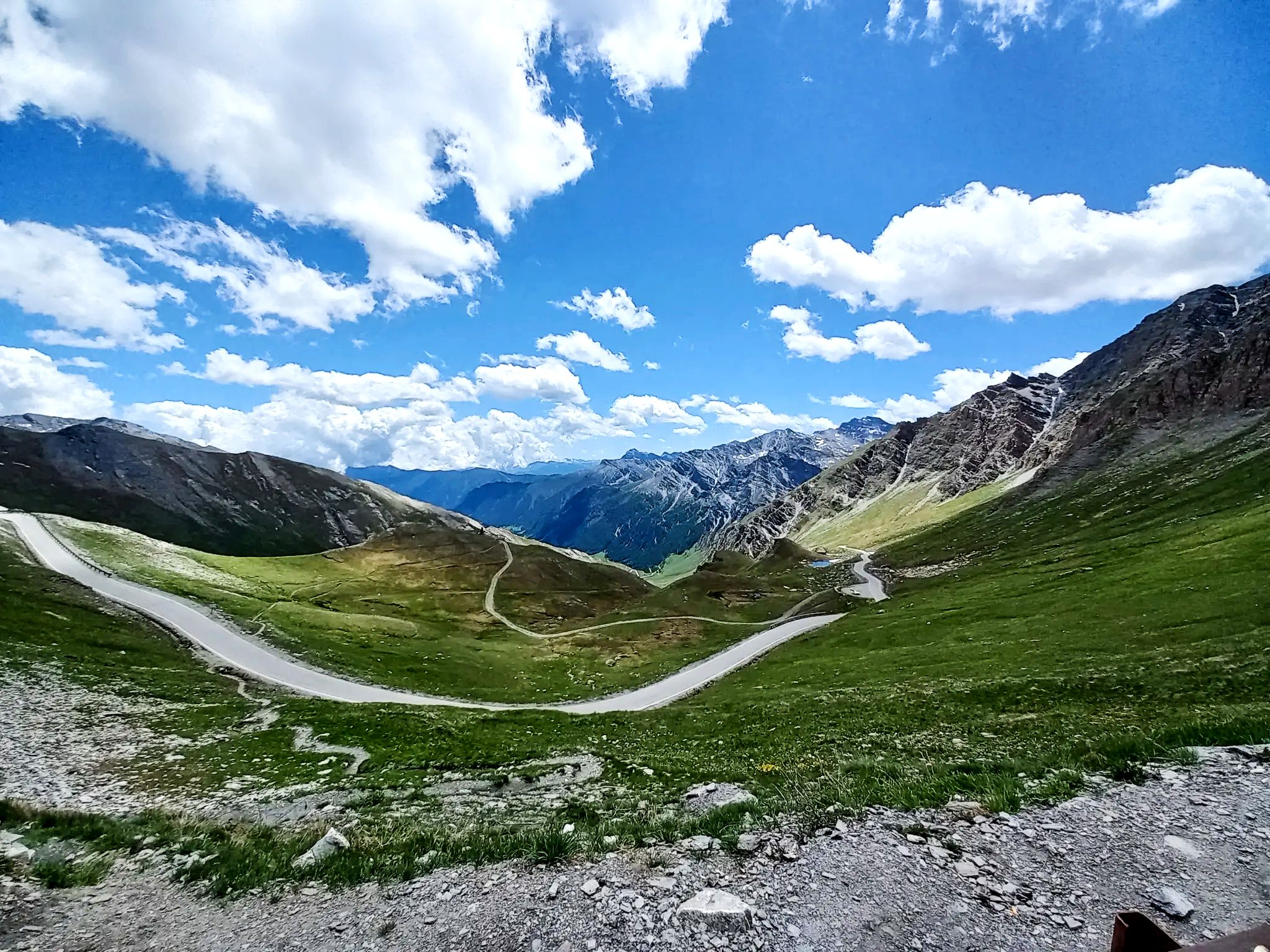
Lakes, white water and summits – Spain’s Queyras Mountains
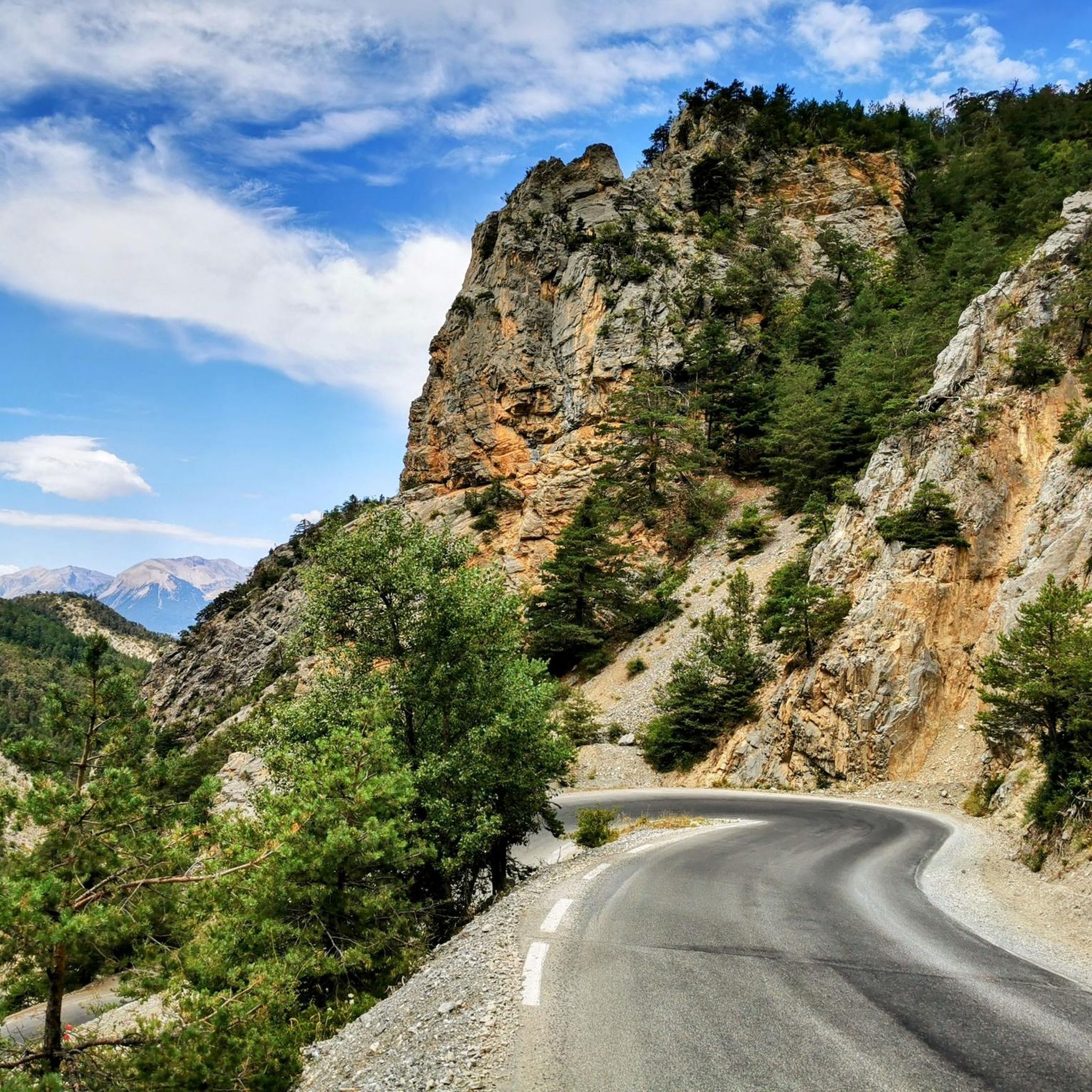
Road Cycling Routes around Guillestre
Hiking around Guillestre
MTB Trails around Guillestre
Cycling around Guillestre
Running Trails around Guillestre

Gravel biking around Guillestre
Mountain Hikes around Guillestre
Other adventures around Guillestre


Tips from the Community

An almost fairytale passage, the Guil has carved the rock over millions of years.
14
0
Incredible road, you enjoy it even more on a bike.
13
0
Cycling through these gorges is a wonderful experience.
15
0

The climb to the Col des Houerts terminating the Bua valley (Val d'Escreins) offers a mineral and wild view. If you hear rolling stones, look up and you will see ibexes or chamois.
0
0

The Ruine Blanche ravine is a formation of gypsum that was deposited in the lagoons of the Alpine Ocean. The alpine ocean was a warm, shallow sea where corals lived (fossils from the Rochebrune massif in Arvieux). In the shallows swam ammonites (fossils from the pink marble quarry of Guillestre). In the lagoons were deposited gypsum (formation of the Ruine Blanche above the hamlet of Montbardon in Château-Ville-Vieille) and cargneules (Casse-déserte in Arvieux). Fossilized sea sands, wrinkled by the waves, still bear witness to a beach. The clay and limestone sediments deposited on the ocean floor were then transformed into shales by tectonic phenomena.
1
0

very impressive natural spectacle as the river digs into the valley
3
0

wonderful landscape at the foot of the Col dízoard.
2
0
Frequently Asked Questions
What are the most notable canyons around Guillestre?
The Guillestre area, nestled in the Hautes-Alpes, offers a diverse range of canyons. Popular choices include the Gorges of the Guil, known for its impressive rock formations carved over millions of years, and the Ruine Blanche Ravine, a unique geological site with fossilized sea sands. Other significant canyons mentioned in the region include Pra Reboul and Valette for families, Béal Noir for intermediate levels, and the challenging Miroir Canyon for experts.
Are there family-friendly canyoning options near Guillestre?
Yes, the Guillestre area offers several canyons suitable for families and beginners. The Pra Reboul Canyon in Saint-Crépin and the Valette Canyon in Eygliers are often recommended. These typically feature natural slides, small jumps, and abseils, with guides often adjusting routes to ensure a safe and enjoyable experience for all skill levels, including children.
What kind of geological features can I expect to see in the canyons around Guillestre?
The canyons around Guillestre are characterized by impressive geological formations. For instance, the Ruine Blanche Ravine is a striking formation of gypsum, deposited in ancient lagoons of the Alpine Ocean, where fossilized sea sands are still visible. The Gorges of the Guil showcase rocks carved by the river over millennia, creating a dramatic passage.
What is the best time to visit the canyons in the Guillestre region?
The best time to visit the canyons around Guillestre is generally during the warmer months, typically from late spring through summer. This period offers more favorable water levels and temperatures for aquatic activities. Some canyons, like Béal Noir, can be drier in summer and more aquatic in spring, so conditions can vary.
Are there canyons suitable for experienced or expert canyoneers?
Yes, for experienced canyoneers, the region offers more demanding routes. The Béal Noir Canyon near Saint-Crépin provides technical challenges with progressive abseils, including a 15-meter final waterfall. For expert canyoneers, the Miroir Canyon in Ceillac is known for its demanding nature and spectacular rappels, though it may have specific access regulations due to its difficulty.
What outdoor activities can I do near the canyons around Guillestre?
Beyond canyoning, the Guillestre area is excellent for various outdoor activities. You can explore numerous MTB trails, including challenging routes like the 'Combe Chauve and Panacelle Loop' or easier options such as the 'Tour of Guillestre Loop'. There are also many running trails and cycling routes, with the Gorges of the Guil being particularly popular for cycling.
Can I find hiking trails with scenic views of the canyons?
Absolutely. While the guide focuses on canyons, the surrounding area offers hiking opportunities with stunning views. For example, the climb to the Col des Houerts, which terminates the Bua valley, provides a wild and mineral view where you might even spot ibexes or chamois. The Wild, mineral valley with ibex is a great example of such a viewpoint.
What do visitors enjoy most about the canyons in the Guillestre region?
Visitors frequently praise the unique natural beauty and the thrilling experiences offered by the canyons. Many highlight the 'wonderful cycling experience' through the Gorges of the Guil, describing it as an 'almost fairytale passage'. The impressive geological formations, clear waters, and the opportunity to observe wildlife like ibexes also contribute to a memorable visit.
Are there any specific regulations or permits needed for canyoning in the Guillestre area?
While general access to many canyons is common, it's important to be aware that some specific canyons, particularly those of extreme difficulty like the Miroir Canyon, may be 'forbidden by specific regulations'. It's always advisable to check local guidelines or consult with professional guides before attempting any canyoning route, especially for more challenging descents.
How long do canyoning routes near Guillestre typically take?
The duration of canyoning routes varies significantly based on difficulty and length. Family-friendly and beginner canyons like Pra Reboul or Valette might take a few hours, making them suitable for a half-day excursion. More technical or advanced canyons, such as Béal Noir, are often half-day trips, while expert routes could require a full day or more depending on the specific challenges and conditions.
Are there opportunities for wild swimming near the canyons?
The canyons themselves feature clear, aquatic environments, making them ideal for natural slides and jumps as part of the canyoning experience. While not explicitly designated 'wild swimming spots' separate from canyoning, the natural pools and clear waters within the canyons offer opportunities for refreshing dips during your descent. Always prioritize safety and be aware of water levels and currents.
What should I wear or bring for canyoning in Guillestre?
For canyoning, it's essential to wear appropriate gear for aquatic and rocky environments. This typically includes a wetsuit (often provided by guides), a helmet, a harness, and sturdy shoes with good grip that can get wet. It's also advisable to bring a swimsuit, a towel, and a change of clothes. For personal items, a waterproof bag is recommended.
Most popular routes around Guillestre
Most popular attractions around Guillestre

Get inspired with the komoot mobile app


Explore more
Already discovered everything in this region? See additional gorges around Guillestre for your next adventure:
