Top 6 Castles around Palamós
Best castles around Palamós offer a journey through the region's rich history and strategic coastal defenses. Palamós, situated on the Costa Brava, features a rugged coastline with historical sites built upon ancient settlements. The area's castles provide insights into its Iberian, Roman, and medieval past, often serving as lookout posts against maritime threats. Many are accessible via coastal paths, integrating historical exploration with scenic walks.
Best castles around Palamós
- The most popular castles is Begur — Old Town and Castle, a settlement that is a little off the coast on a hill, overlooked by an old castle. Begur is known as one of the most notable small towns in the Baix Empordà.
- Another must-see spot is Castell de Sant Esteve de Mar, a castle built on top of a Roman villa, which itself was likely built on an Iberian settlement. This ruined castle offers panoramic views of the Mediterranean Sea and the coastline.
- Visitors also love Vulpellac Historic Centre, a historical site structured around a castle-palace complex and a parish church. The old town, with its unique buildings in late Gothic and Renaissance styles, was declared a cultural asset of national interest.
- Palamós is known for its historical castles, ancient settlements, and fortified structures. Visitors can explore a variety of sites, from ruined medieval castles to historic centers with castle-palace complexes.
- The castles around Palamós are appreciated by the komoot community, with more than 370 upvotes and over 110 photos shared by visitors.
Last updated: October 7, 2026
Begur — Old Town and Castle
Highlight • Settlement
Translated by Google •
Tip by

Castell de Sant Esteve de Mar
Highlight • Castle
During the Middle Ages it was owned by different feudal lords: Simon de Geronella, Jaume de Cornellà, Bernat Pallarès (Barcelona), his son Pere Pallarès and, finally, Berenguer de Cruïlles, an important feudal lord of Empordà, who bought it in the previous owner for 20,000 Barcelona sous. In 1484, all the domains of Sant Esteve Castle and the town of Palamós passed into the hands of Galceran de Requesens, first count of Palamós.
During the War of the Remences it was demolished almost in its entirety and was abandoned until in the 16th and 17th centuries it was converted into a farmhouse. The castle becomes a strategic point of surveillance and advanced defense of Palamós and its surroundings. At the same time, it became a farmhouse. During the Modern Age, agricultural exploitation was combined with control of the coast, especially to alert the population of raids by pirates and corsairs from North Africa.
The old castle remained as a farmhouse until the middle of the 20th century, when it was definitively abandoned. From that moment, it suffered a slow but progressive degradation. Its situation, near the sea, subject to inclement weather, and also away from the most frequented centers, were determining factors for its decline.
Translated by Google •
Tip by

Sign up now to discover places like this
Get recommendations on the best single tracks, peaks, & plenty of other exciting outdoor places.
Vulpellac Historic Centre
Highlight • Historical Site
The castle and the church of Sant Julià i Santa Basilissa constitute the original nucleus of the town, and houses were added around it, surrounded by a fortified wall. The streets outside the walls were built in the 17th and 18th centuries, and have a good number of unique buildings in the late Gothic and Renaissance styles.
Translated by Google •
Tip by

Sant Sebastià Lighthouse and Viewpoint
Highlight • Viewpoint
Translated by Google •
Tip by

Sant Sebastià de la Guarda Archaeological Site and Tower
Highlight • Historical Site
Translated by Google •
Tip by

Sign up for free to discover even more castles around Palamós.
Already have an account?
Start today with a free account
Your next adventure awaits.
Popular around Palamós
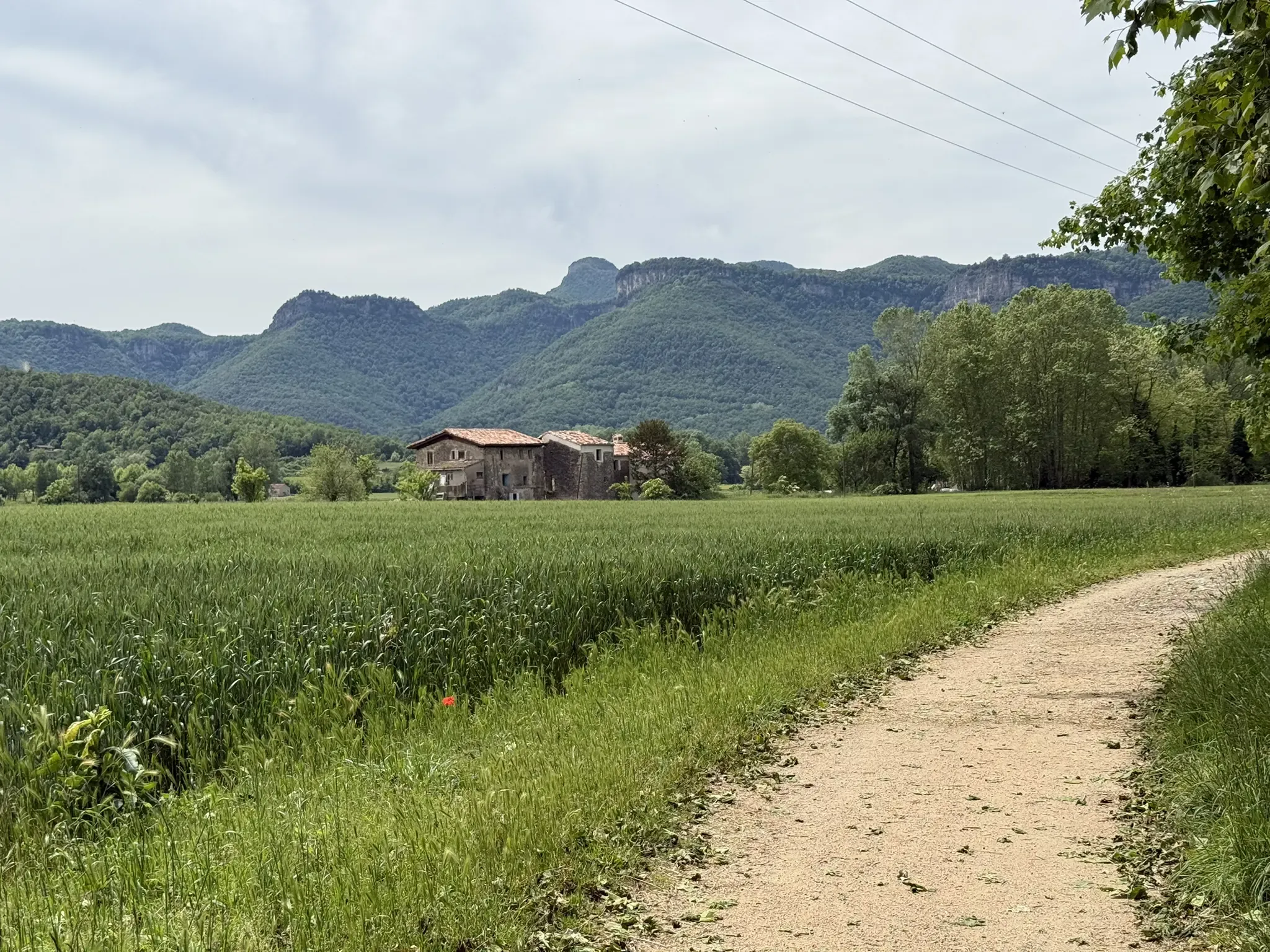
Pirinexus – Pyrenees and Costa Brava bikepacking
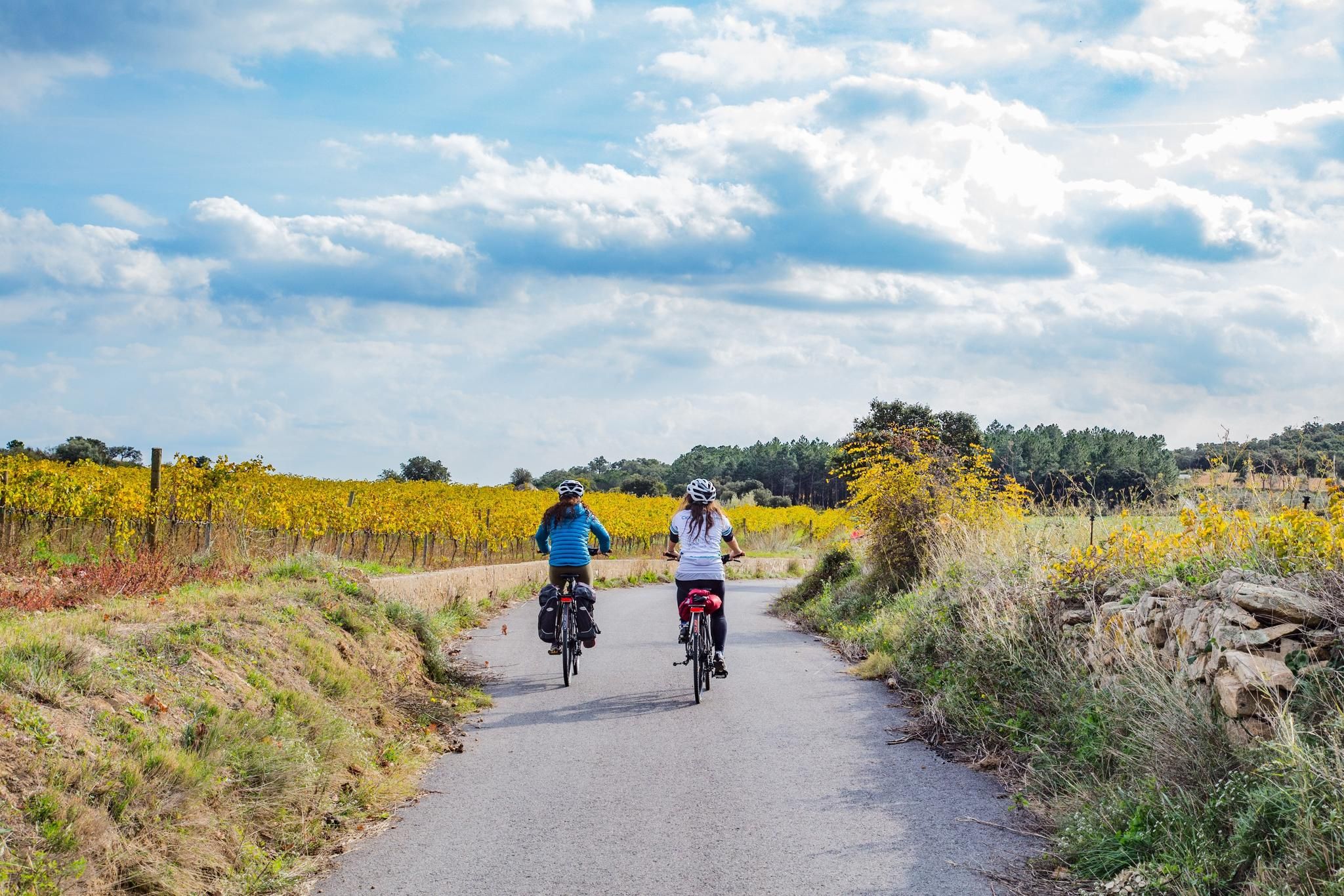
A journey from the Pyrenees to the Costa Brava – Pirinexus Route
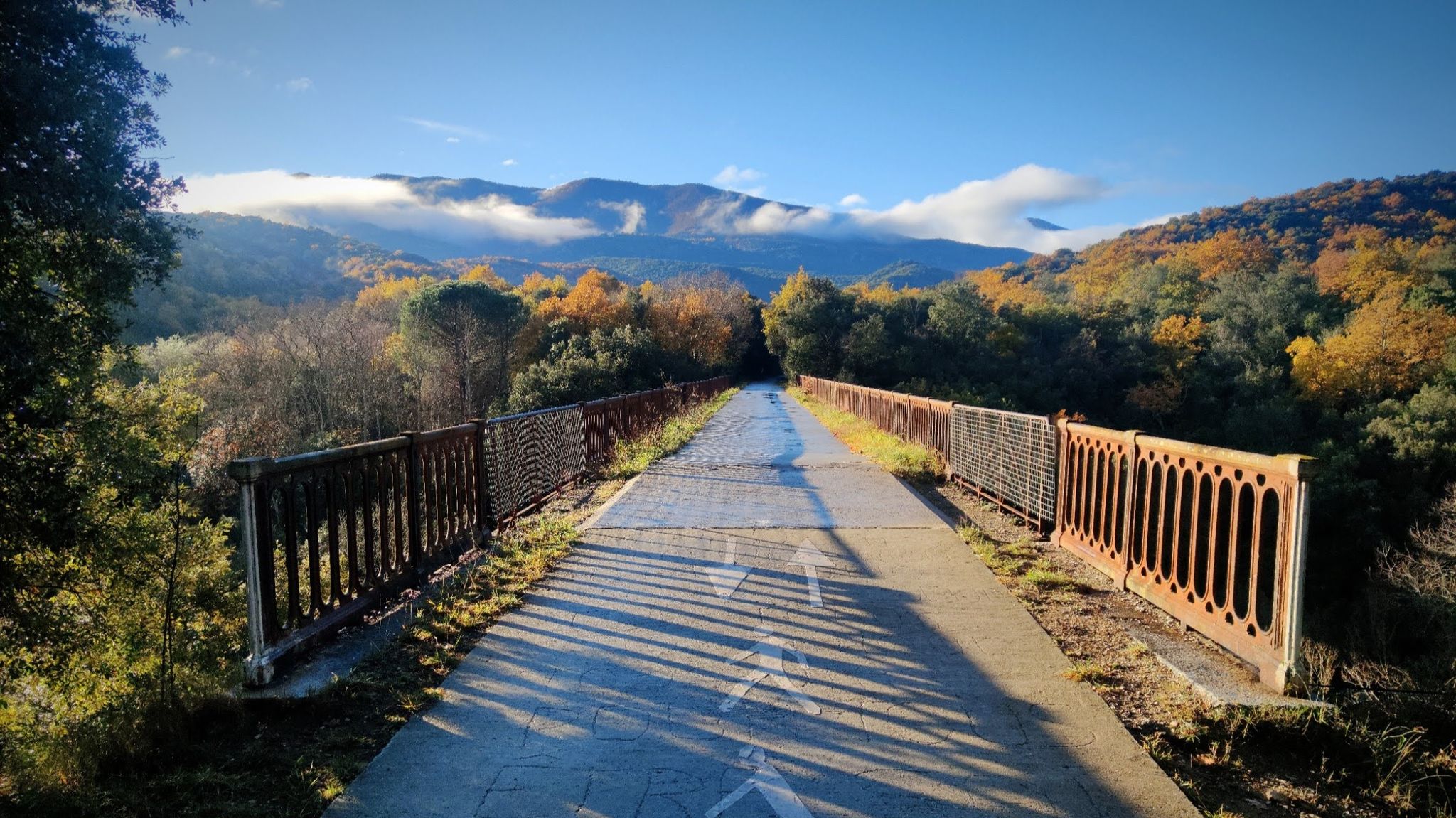
Landscapes and monuments of the Empordà plain by bike -- Pirinexus
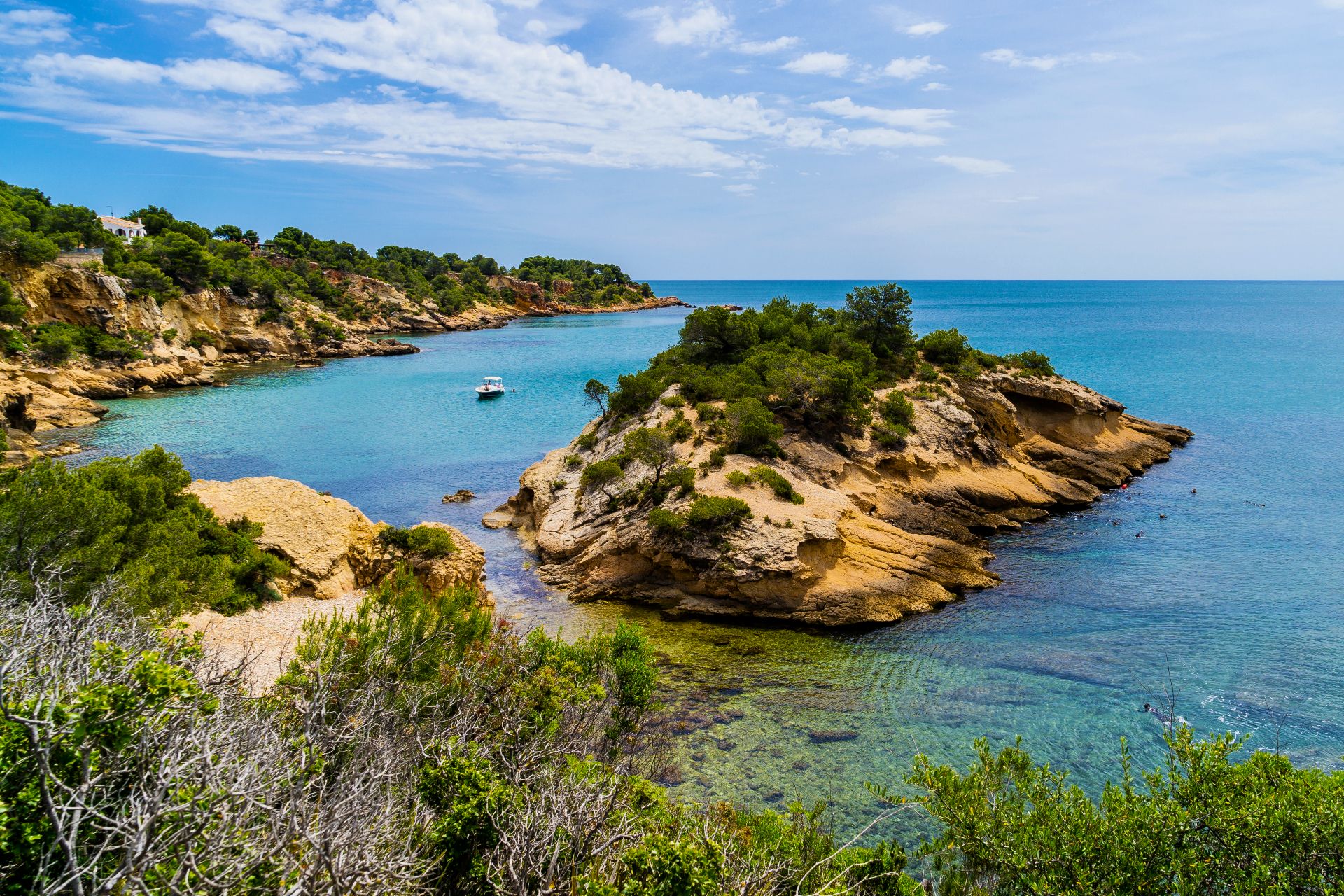
The Catalan coast on foot – Mediterranean Path (GR 92)
Costa Brava on foot from Girona – Camí de Ronda
Road Cycling Routes around Palamós
Hiking around Palamós
Running Trails around Palamós
Cycling around Palamós
MTB Trails around Palamós
Other adventures around Palamós


Tips from the Community

Beautiful old town to walk and look around
0
0

From here you have a really beautiful view of the sea, but also in the other direction of the coast and the mainland.
0
0

It is a diverse excursion with great natural and cultural charm. We will pass through places such as the Ses Negres Marine Reserve and we will enter the water path where we will discover the culture that is hidden there. We will also enjoy a magnificent view of the Costa Brava from the Mirador de la Creu. Peace of mind is guaranteed.
0
1

The lighthouse was built in 1857 on a small hill at Punta del Bou, on the coast of Calella de Palafrugell, with the aim of guiding ships that sailed through the Gulf of Lion. The original tower had a height of 12 meters, but in 1867 a lantern was added and its height was increased to 18 meters.
2
0

At Cape Sant Sebastià is the lighthouse of the same name, famous for being the most powerful on the entire peninsula. In addition to this particularity, the views from the lighthouse are spectacular.
1
1

The name of Vulpellac appears for the first time in the records in the year 894, although its importance would be given centuries later (13th and 14th centuries), thanks to the importance of the lord of Vulpellac, Guillem Sarriera. It is during this period that the castle is reformed, turning it into a luxurious palace. The castle and the church of Sant Julià i Santa Basilissa constitute the original nucleus of the town, and houses were added around it, surrounded by a fortified wall. The streets outside the walls were built in the 17th and 18th centuries, and have a good number of unique buildings in the late Gothic and Renaissance styles.
0
0

Very interesting route, there are all kinds of gravel and also road; if you only want gravel it is not the right route. In any case, very interesting.
2
0

The town is made up of an old town of remarkable architectural interest, which is structured around the castle-palace complex and the parish church of Sant Julià and Santa Bassilissa. The old town was declared in 2009 by the General Directorate of Heritage of the Generalitat as a cultural asset of national interest (BCIN) in the category of historical ensemble. https://www.visitperatallada.cat/ca/pobles/l/1003-vulpellac.html
0
0
Frequently Asked Questions
What historical significance do the castles around Palamós hold?
The castles in the Palamós area offer a deep dive into the region's history, from Iberian and Roman settlements to medieval defenses and lookout posts against pirate raids. For example, Castell de Sant Esteve de Mar was built on a Roman villa, which itself was likely on an Iberian site, showcasing centuries of strategic importance. Similarly, Vulpellac Historic Centre features a castle-palace complex dating back to the 13th and 14th centuries, declared a cultural asset of national interest.
Which castles offer the best panoramic views?
For breathtaking views, Castell de Sant Esteve de Mar is an excellent choice. Perched atop a cliff between La Fosca beach and Cala s'Alguer, it provides impressive panoramic views of the Mediterranean Sea and the coastline. Another great spot is the Sant Sebastià Lighthouse and Viewpoint, located 169 meters above sea level, offering spectacular vistas of the Costa Brava.
Are there hiking trails near the castles around Palamós?
Yes, several castles are integrated into scenic hiking routes. Castell de Sant Esteve de Mar is accessible via the coastal path from La Fosca beach to S'Alguer, which is part of the GR 92 long-distance footpath. You can find various hiking options, including routes like 'Cala Estreta from Cala de la Fosca - Camino de Ronda on the Costa Brava' or 'S'Alguer Cove – Estreta Cove loop from Palamós', by exploring the Hiking around Palamós guide.
When is the best time to visit the castles around Palamós?
The Costa Brava region generally enjoys pleasant weather for visiting historical sites. Spring (April-May) and autumn (September-October) are ideal, offering mild temperatures and fewer crowds, perfect for exploring the castles and coastal paths. Summer can be warm, but the sea breezes make coastal visits enjoyable. Winter visits are also possible, though some facilities might have reduced hours.
How can I reach the castles around Palamós?
Many castles, like Castell de Sant Esteve de Mar, are accessible by car with nearby parking or via coastal walking paths. For those relying on public transport, Palamós has bus connections to nearby towns. From there, local buses or walking routes can lead you to the sites. For specific details on public transport to Castell de Sant Esteve de Mar, you might find information on local transport websites or the Visit Costa Brava website.
Are there family-friendly castles or activities nearby?
Yes, several sites are suitable for families. Begur — Old Town and Castle is listed as family-friendly, offering an interesting settlement to explore. The coastal paths leading to sites like Castell de Sant Esteve de Mar also offer easy walking sections, such as 'Views from the Camí de Ronda – La Fosca Beach loop from Palamós', which are suitable for families. Always check the specific route difficulty for younger children.
What other outdoor activities can I do near these castles?
Beyond hiking, the Palamós area offers various outdoor activities. You can find numerous road cycling routes, such as 'Sant Grau d'Ardenya Climb' or 'La Ganga Pass from Calonge', in the Road Cycling Routes around Palamós guide. For runners, there are trails like 'Mont-ras, Coves and Virgin Beaches Trail' or 'Port de Palamós loop from Palamós' available in the Running Trails around Palamós guide.
Are the castles around Palamós accessible for visitors with mobility issues?
Access to some castle sites, particularly those in ruins or perched on cliffs like Castell de Sant Esteve de Mar, may involve uneven terrain, stairs, or coastal paths that are not fully wheelchair accessible. Historic centers like Vulpellac Historic Centre might offer more accessible areas within the village, but the castle structures themselves often present challenges. It's advisable to check specific accessibility details for each site before visiting.
Can I visit the Palamós Fishing Museum in conjunction with a castle visit?
Yes, the Palamós Fishing Museum, which focuses on the town's maritime heritage, is located near the ruins of Castell de Sant Esteve de Mar. This proximity allows for a combined visit, offering a comprehensive understanding of Palamós's history, from its ancient defenses to its fishing traditions. Free guided tours to the castle ruins are sometimes organized from the museum, though booking in advance is recommended.
What do visitors enjoy most about the castles and historical sites in the Palamós area?
Visitors frequently highlight the stunning panoramic views, especially from coastal sites like Castell de Sant Esteve de Mar and Sant Sebastià Lighthouse and Viewpoint. The rich historical context, from Iberian settlements to medieval defenses and pirate lookouts, also captivates many. The opportunity to combine historical exploration with scenic coastal walks on the Camino de Ronda is another popular aspect, as noted by the komoot community's numerous upvotes and shared photos.
Are there any cafes or restaurants near the castles?
While the immediate vicinity of some ruined castles might not have direct facilities, popular spots like Sant Sebastià Lighthouse and Viewpoint are known to host restaurants, some offering excellent views. Towns like Begur, home to Begur — Old Town and Castle, and the historic center of Vulpellac, are well-equipped with cafes and eateries where you can relax after exploring.
Most popular routes around Palamós
Most popular attractions around Palamós

Get inspired with the komoot mobile app


Explore more
Looking for the best castles somewhere else? Discover other guides around Palamós:
