Top 5 Castles around El Port De La Selva
Best castles around El Port De La Selva are situated in a coastal village in Catalonia, known for its historical fortifications. The region is part of the Cap de Creus Natural Park and the Serra de Rodes mountains, offering a blend of historical sites and natural landscapes. These structures provide insight into the area's past and its strategic importance.
Best castles around El Port De La Selva
- The most popular castles is Sant Pere de Rodes Monastery, a religious…
Last updated: July 4, 2026
Sant Pere de Rodes Monastery
Highlight • Religious Site
Translated by Google •
Tip by

Sant Salvador de Verdera Castle Ruins
Highlight • Castle
Translated by Google •
Tip by

Sign up now to discover places like this
Get recommendations on the best single tracks, peaks, & plenty of other exciting outdoor places.
Sign up for free
Citadel of Roses
Highlight • Historical Site
Translated by Google •
Tip by

Quermançó Castle
Highlight • Castle
Translated by Google •
Tip by

Castell de la Trinitat
Highlight • Castle
Translated by Google •
Tip by

Sign up for free to discover even more castles around El Port De La Selva.
Sign up for free
Already have an account?
Start today with a free account
Your next adventure awaits.
Login or Signup
Popular around El Port De La Selva
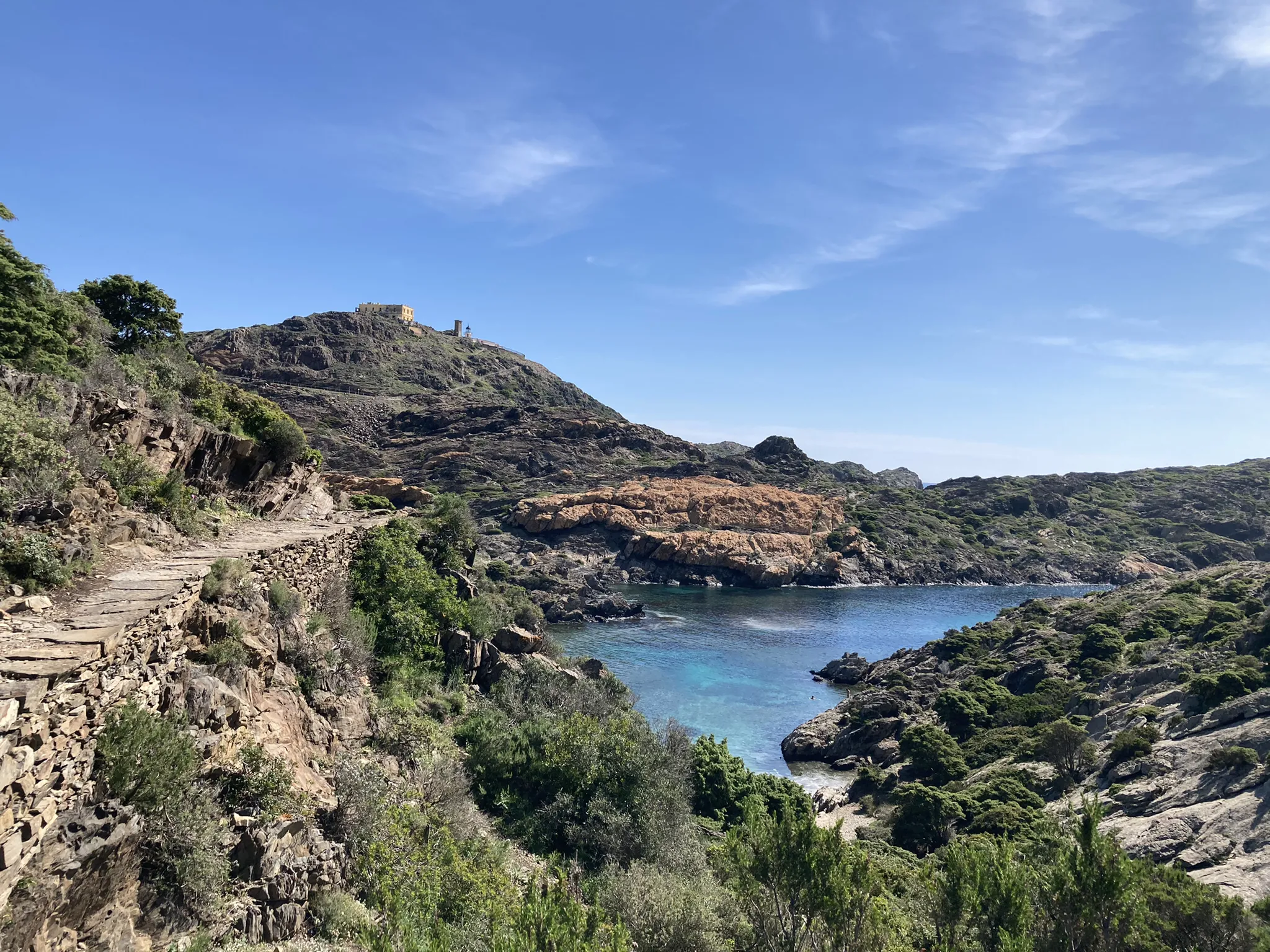
The paradise of the Costa Brava — Trail Running from Girona to Llançà
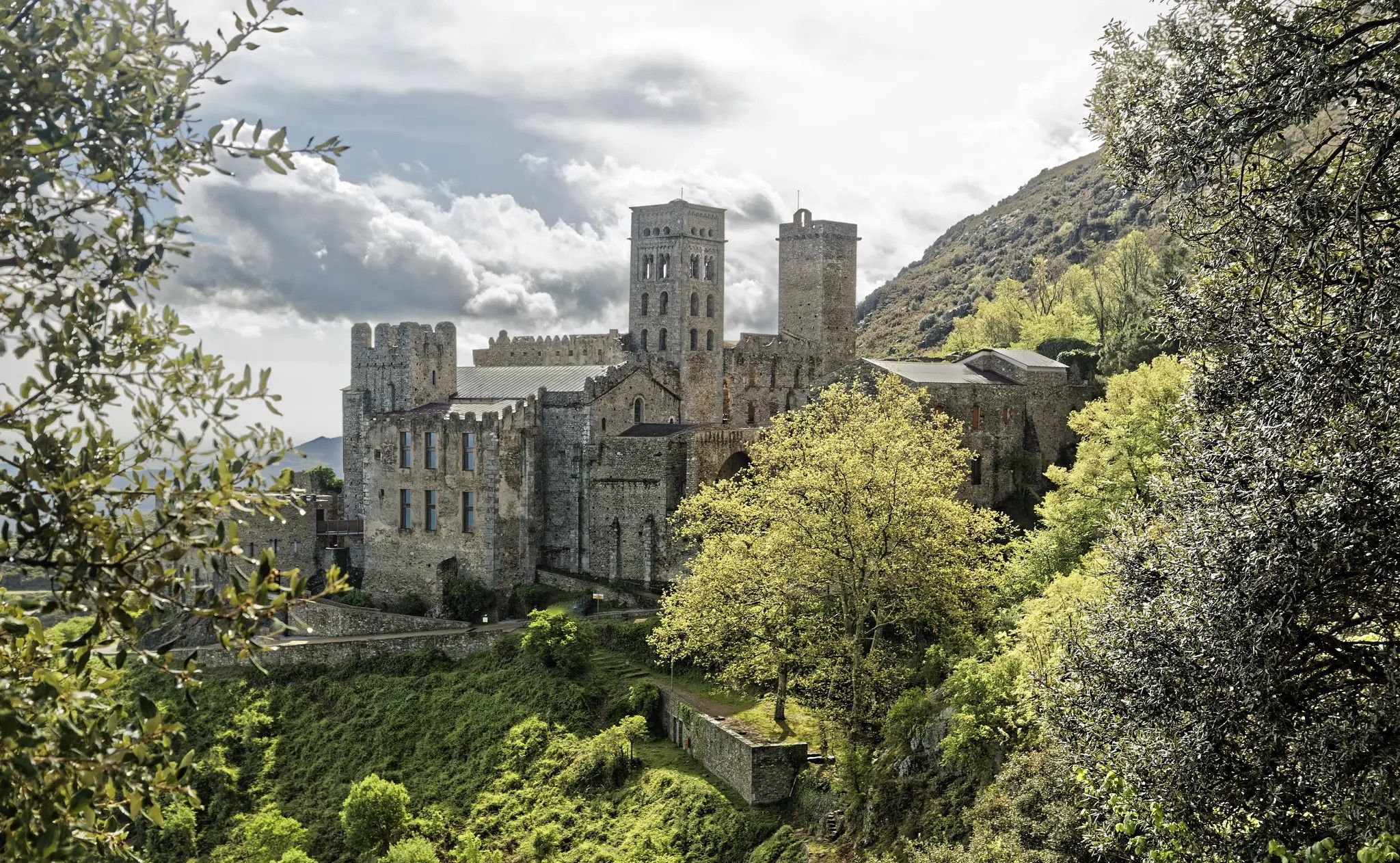
Discover ancient history – Camino de Girona
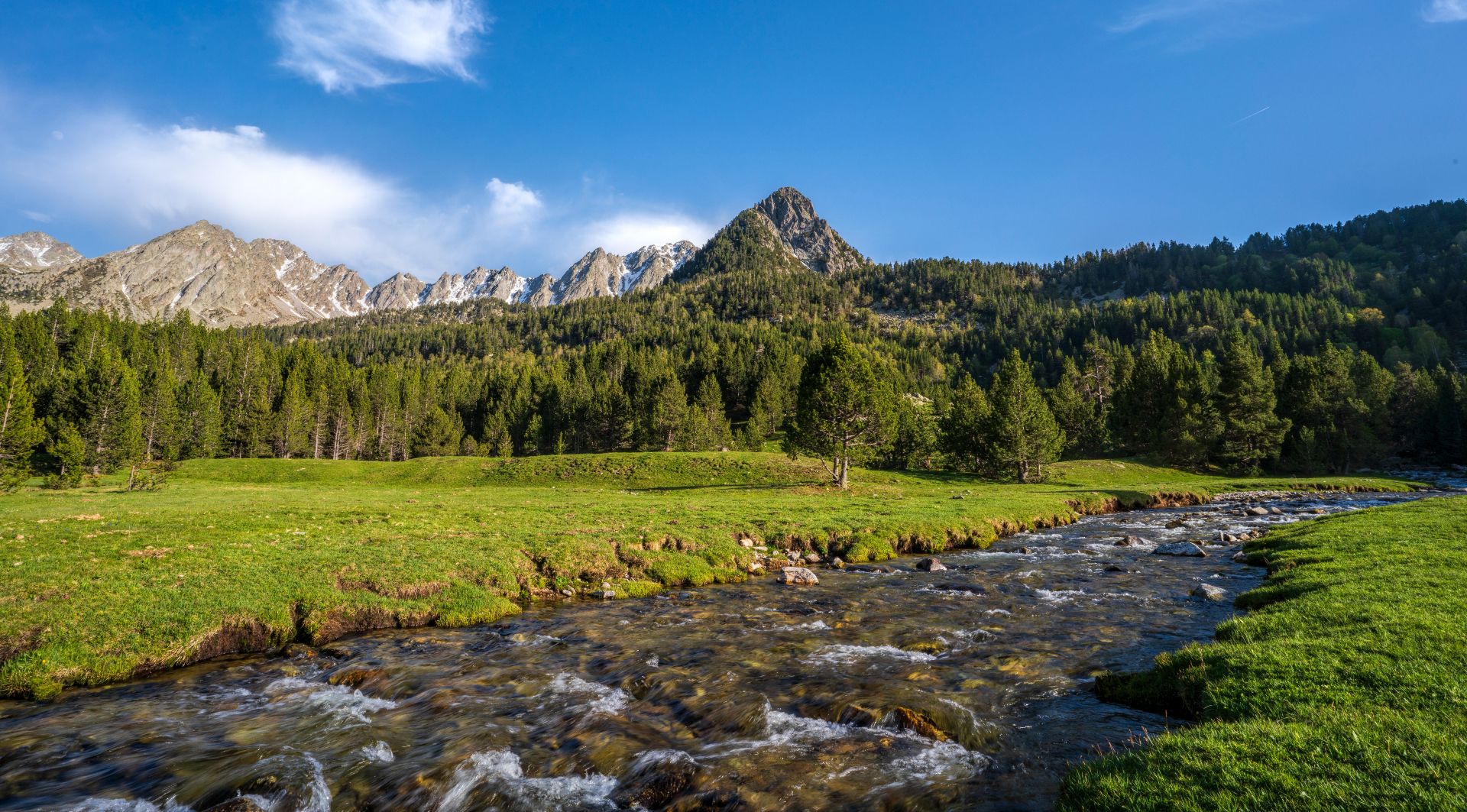
Catalonia and Andorra on the Pyrenean Trail – GR 11
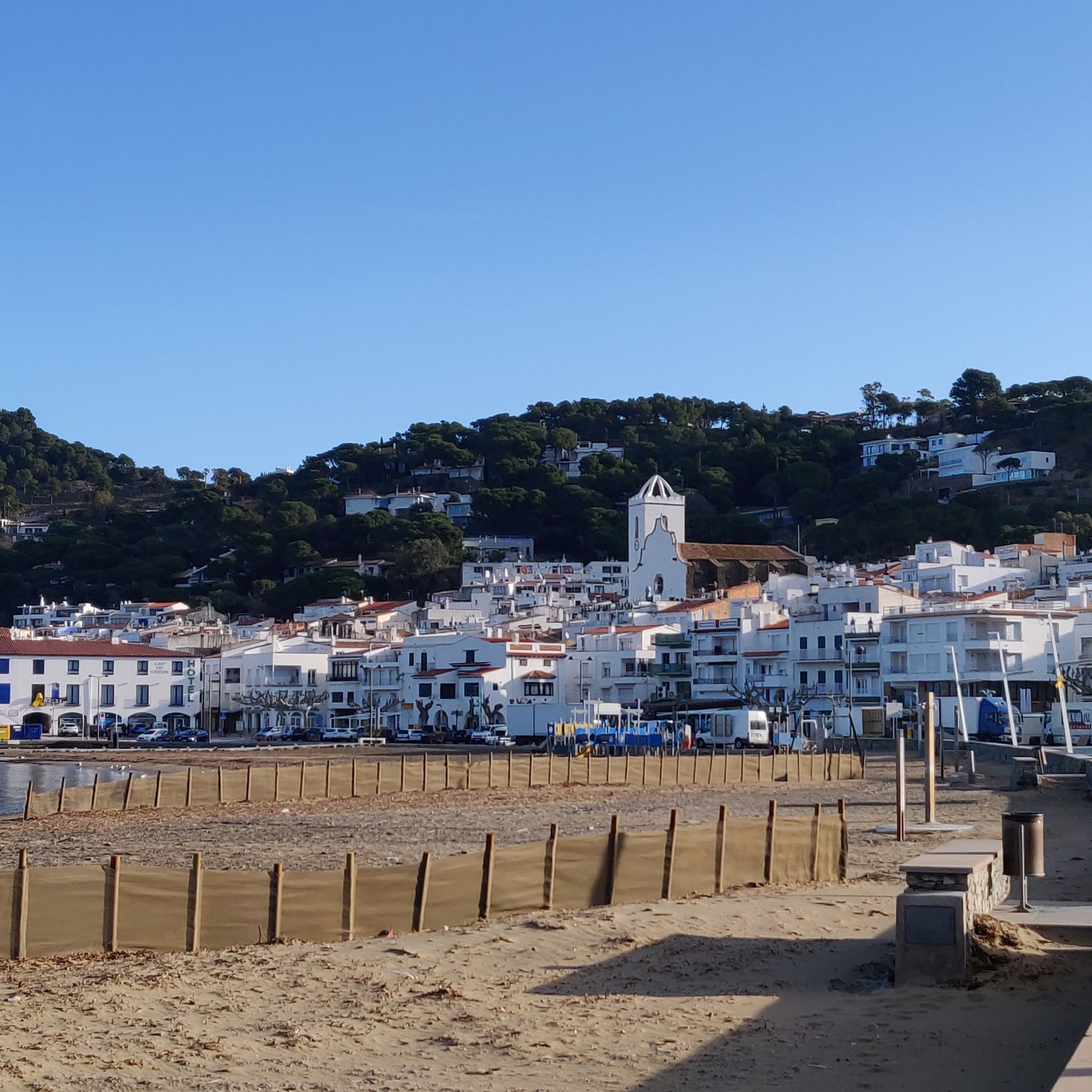
Hiking around El Port De La Selva
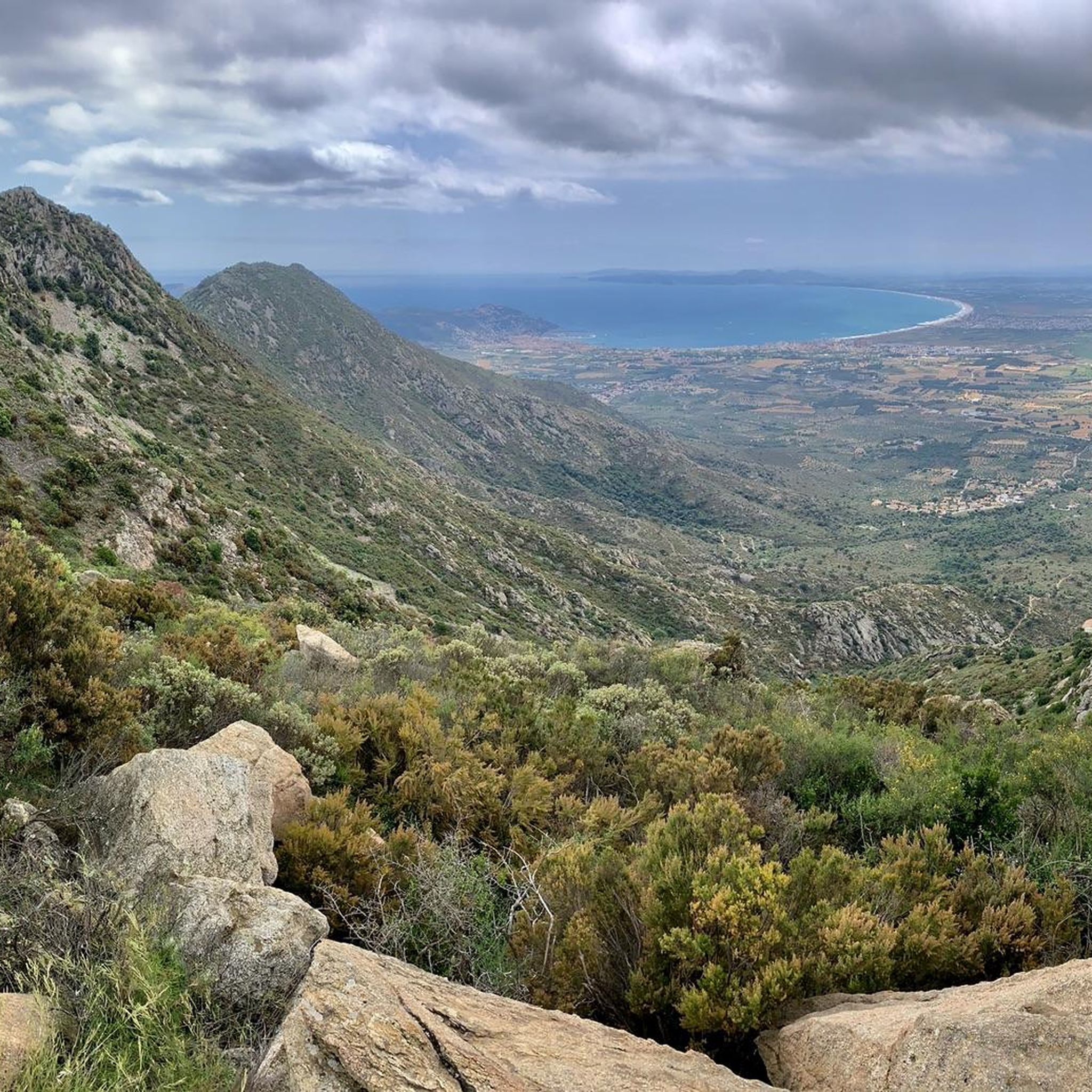
Road Cycling Routes around El Port De La Selva
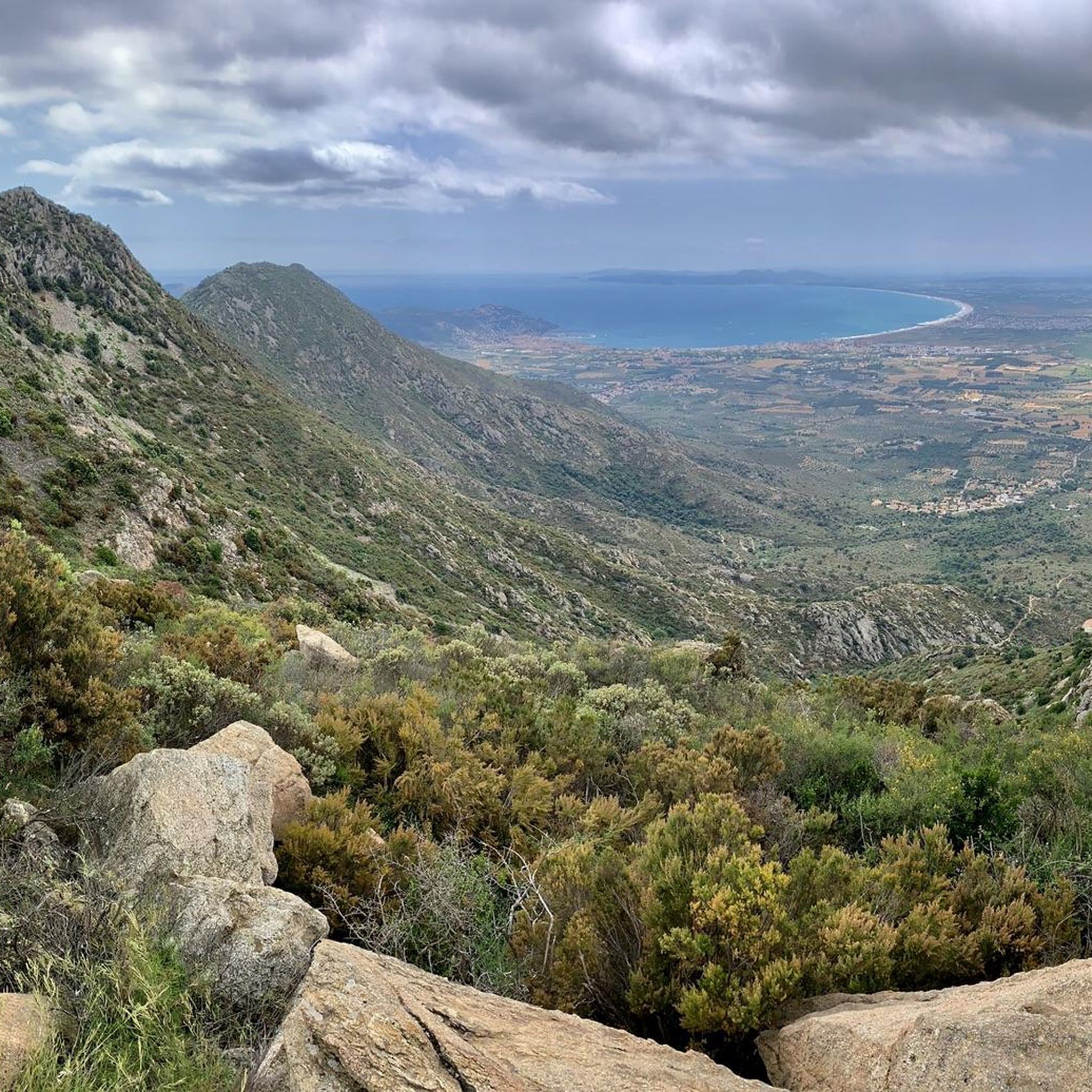
Running Trails around El Port De La Selva
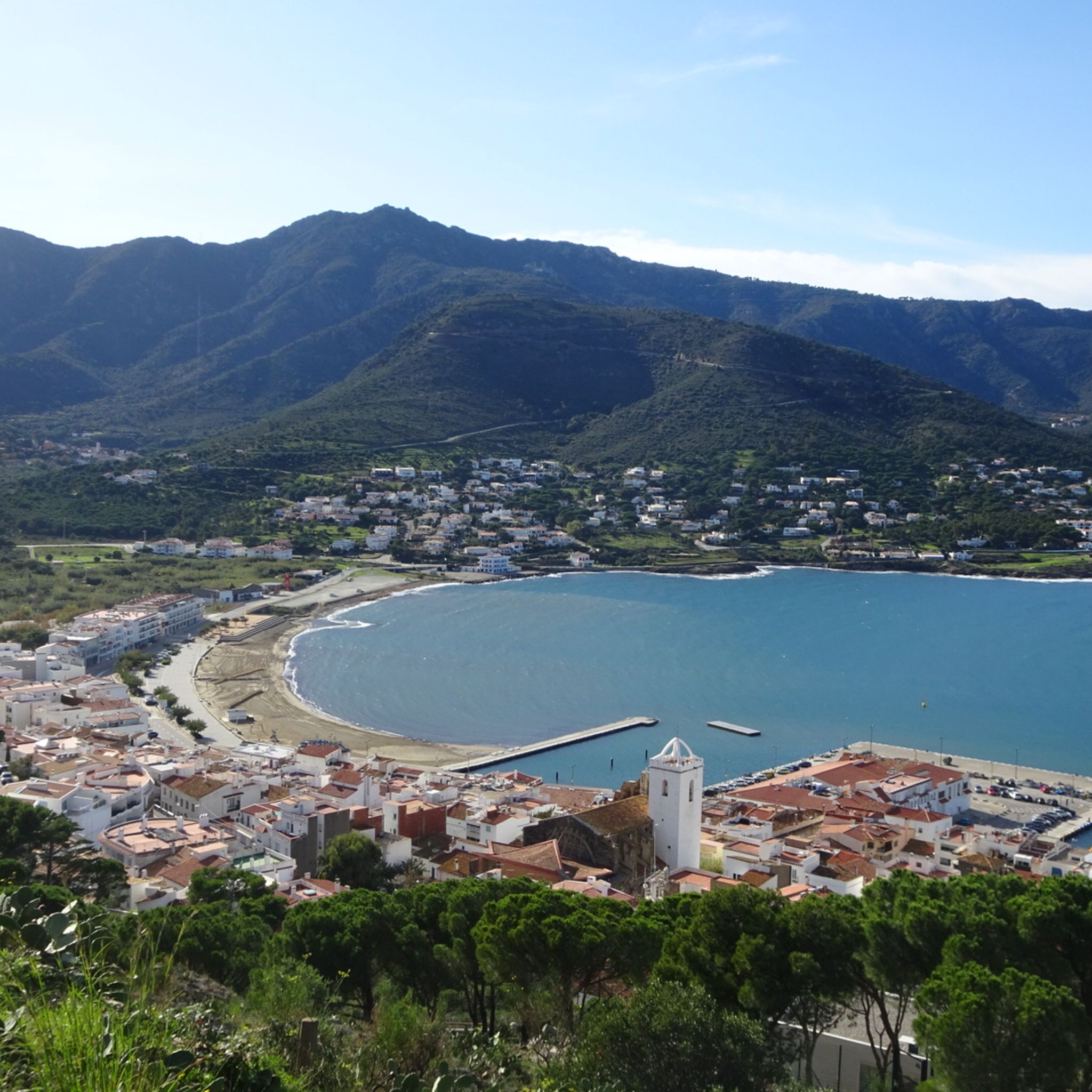
Cycling around El Port De La Selva
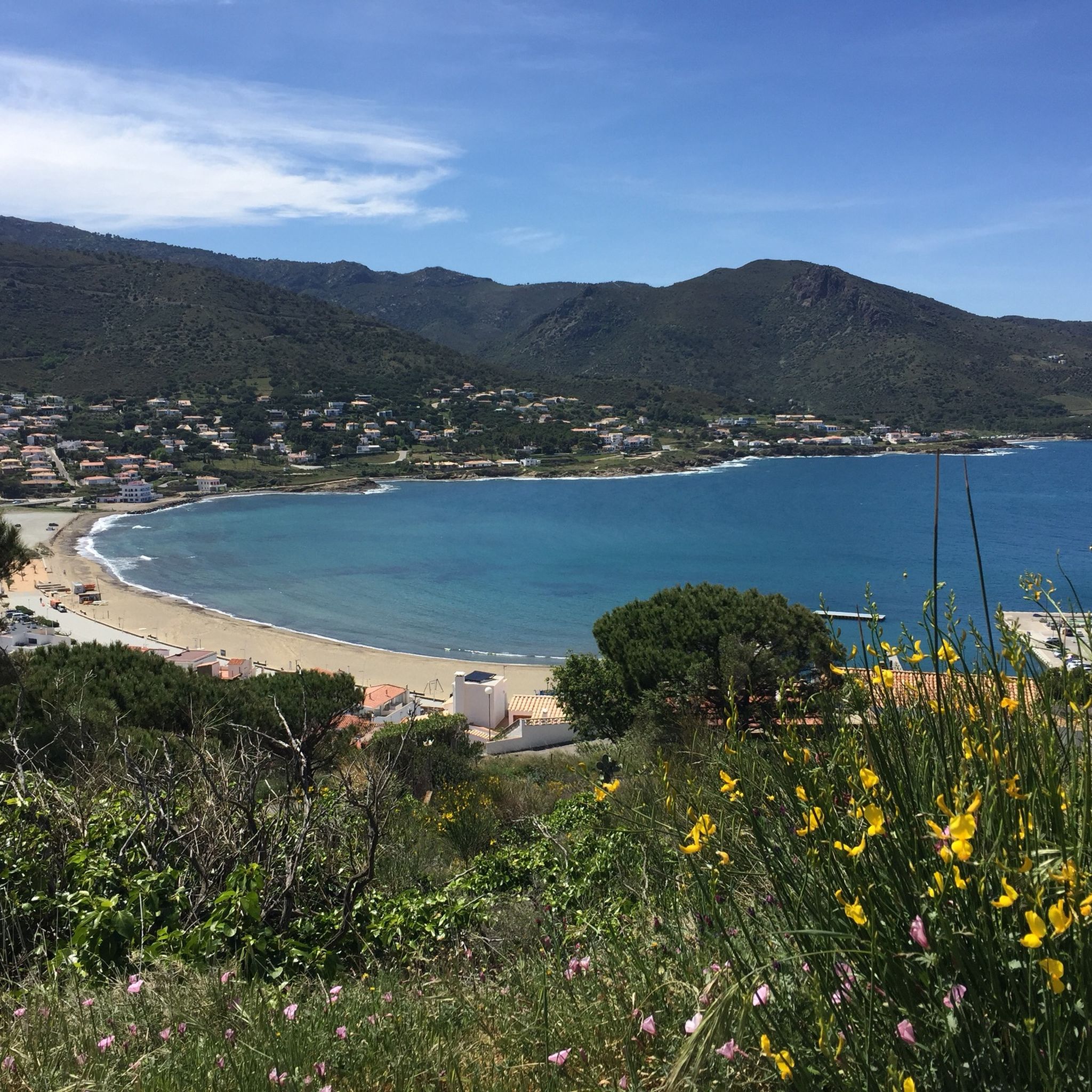
MTB Trails around El Port De La Selva

Gravel biking around El Port De La Selva

Mountain Hikes around El Port De La Selva
Other adventures around El Port De La Selva


Tips from the Community

If you don't want to go about 400 m along the National Road, there is a path, although it is only for mountain bikes and you will still have to push through certain rather complex sections.
0
0

Beautiful view of roses del mar and the bay
0
0

Ruins of the medieval castle, located on a high hill about two kilometers from the town of Vilajuïga. It is an isolated fortification that underwent many renovations and expansions during the 10th and 15th centuries. At the time, the complex was surrounded by a wall, today in a ruined state. Currently, part of the old Keep, the outer circular tower, and some later constructions are preserved. The castle of Quermançó is an important example of what early medieval Catalan castles were for defense, capable of resisting the onslaught of any crowd much larger than the few that could fit within its perimeter. https://www.catalunya.com/es/continguts/patrimoni-cultural/castillo-de-quermanco-17-16003-580470
4
0

Castle located at the end of the Roses beach.
0
0

Admission moderate (no 20€ for 2 adults and 2 children). The wifi key and a QR code hang at the entrance. This means that one cell phone can be used as an audio guide for the whole family :)
5
2

The way there is also recommended on the road because there is very little traffic. Very nice route and a great view.
2
0

The Ciutadella de Roses is a 16th century construction that houses an archaeological site where there are vestiges of various historical periods. From remains of the Greek colony of Rhode (4th century BC) to the Renaissance fortification that gives it its name, passing through Visigothic or late-Roman sites.
1
0

Magnificent all-round view to the Pyrenees and the Costa Brava.
3
0
Frequently Asked Questions
What historical sites can I explore near El Port de la Selva?
Beyond traditional castles, the region offers significant historical fortifications. Key sites include the medieval ruins of Sant Salvador de Verdera Castle Ruins, perched high in the Serra de Rodes, and the impressive Sant Pere de Rodes Monastery, an ancient Benedictine abbey. You can also find the partially fortified Ermita of Sant Baldiri de Taballera within the Cap de Creus Natural Park, featuring a circular watchtower from 1558.
Are there any family-friendly historical sites or walks around El Port de la Selva?
While many sites involve hiking, the Citadel of Roses is a notable fortress that houses an archaeological site with vestiges from various historical periods, including Greek and Roman finds. It's generally considered family-friendly for exploration. For walks, consider easier sections of trails that lead to viewpoints rather than challenging ascents.
What kind of views can I expect from the castles in this region?
The castles and fortified sites in this area are renowned for their spectacular panoramic views. From Sant Salvador de Verdera Castle Ruins, you can see the Port de la Selva bay, the Mediterranean Sea, and the Cap de Creus Massif. Similarly, Sant Pere de Rodes Monastery offers exceptional views over the bay of Llançà and Port de la Selva.
How can I reach the Sant Salvador de Verdera Castle Ruins and Sant Pere de Rodes Monastery?
Both sites are located in the Serra de Rodes mountains. The Sant Salvador de Verdera Castle Ruins are accessible by a path that begins at the entrance of the Sant Pere de Rodes Monastery. You can drive to the monastery, where parking is available, and then continue on foot to the castle ruins. Public transport options to the monastery are limited, so driving or cycling is often preferred.
Are there hiking trails that incorporate these historical sites?
Yes, the region is excellent for hiking. A popular route connects the Sant Pere de Rodes Monastery with the Sant Salvador de Verdera Castle Ruins. The Ermita of Sant Baldiri de Taballera is also accessible via the 'dels masos' trail, which is part of the GR11 Long Distance Trail. For more hiking options, explore the Hiking around El Port De La Selva guide.
What is the historical significance of Sant Pere de Rodes Monastery?
The Monastery of Sant Pere de Rodes, founded in 878, became an independent abbey by the 10th century. It was a significant spiritual, political, and economic power center in the region, intrinsically linked with the nearby Sant Salvador de Verdera Castle. Its Romanesque church is an exceptional piece of Catalan Romanesque architecture.
Can I find other fortified structures besides castles in the area?
Absolutely. The region features several fortified structures. The Ermita of Sant Baldiri de Taballera, for instance, is a partially fortified complex with a notable circular watchtower. The Citadel of Roses is another significant fortress with a rich archaeological history.
What is the best time of year to visit the castles and historical sites?
The Cap de Creus Natural Park and Serra de Rodes mountains offer pleasant conditions for visiting most of the year. Spring and autumn generally provide mild temperatures, ideal for hiking and exploring. Summer can be warm, but the coastal breeze often makes it enjoyable. Winter visits are possible, but check for potential seasonal closures or reduced hours for specific sites.
Are there any cycling routes near these historical sites?
Yes, the area around El Port de la Selva offers various cycling routes that can take you near some of these historical locations, especially through the scenic Cap de Creus Natural Park. You can find detailed routes and difficulty levels in the Cycling around El Port De La Selva guide.
What makes Quermançó Castle unique?
Quermançó Castle, located near Vilajuïga, is an important example of early medieval Catalan castles. It's an isolated fortification that underwent many renovations and expansions between the 10th and 15th centuries. It's known for its ability to resist sieges and preserves parts of its old Keep and an outer circular tower.
Are dogs allowed on trails leading to these castles?
Many trails within the Cap de Creus Natural Park and Serra de Rodes are dog-friendly, especially if kept on a leash. However, specific rules may apply to the interior of historical monuments like the Sant Pere de Rodes Monastery or the Citadel of Roses. It's always best to check individual site regulations before your visit.
What amenities are available near the Sant Pere de Rodes Monastery?
The Monastery of Sant Pere de Rodes has facilities for visitors, including parking. There are also cafes and restaurants in the nearby villages, such as El Port de la Selva, which offer dining options after your exploration. The ancient village of Santa Creu de Rodes, part of the same medieval complex, historically served as a supply center.
Most popular routes around El Port De La Selva
Most popular attractions around El Port De La Selva

Get inspired with the komoot mobile app


Explore more
Looking for the best castles somewhere else? Discover other guides around El Port De La Selva:
