Top 5 Caves around El Port De La Selva
Caves around El Port De La Selva are primarily found within the Cap de Creus Natural Park, an area characterized by its rugged coastline and unique geological formations. The region, including El Port De La Selva, is known for its dramatic landscapes shaped by erosion, leading to various natural shelters and sea caves. These formations offer opportunities for exploration and provide insights into the natural processes of the Mediterranean coast. The area's natural features are a significant draw for visitors…
Last updated: July 4, 2026
Norfeu Tower
Highlight • Viewpoint
Whether you choose the easy way or the more difficult one, it is worth it either way. Arrive, sit down and just switch off
Translated by Google •
Tip by

Cave of Hell
Highlight • Cave
Translated by Google •
Tip by

Sign up now to discover places like this
Get recommendations on the best single tracks, peaks, & plenty of other exciting outdoor places.
Sign up for free
Natural cave in Cap de Creus
Highlight • Cave
Translated by Google •
Tip by

Pi Beach
Highlight • Beach
Translated by Google •
Tip by

Hermits' Cave
Highlight • Cave
Translated by Google •
Tip by

Sign up for free to discover even more caves around El Port De La Selva.
Sign up for free
Already have an account?
Start today with a free account
Your next adventure awaits.
Login or Signup
Popular around El Port De La Selva
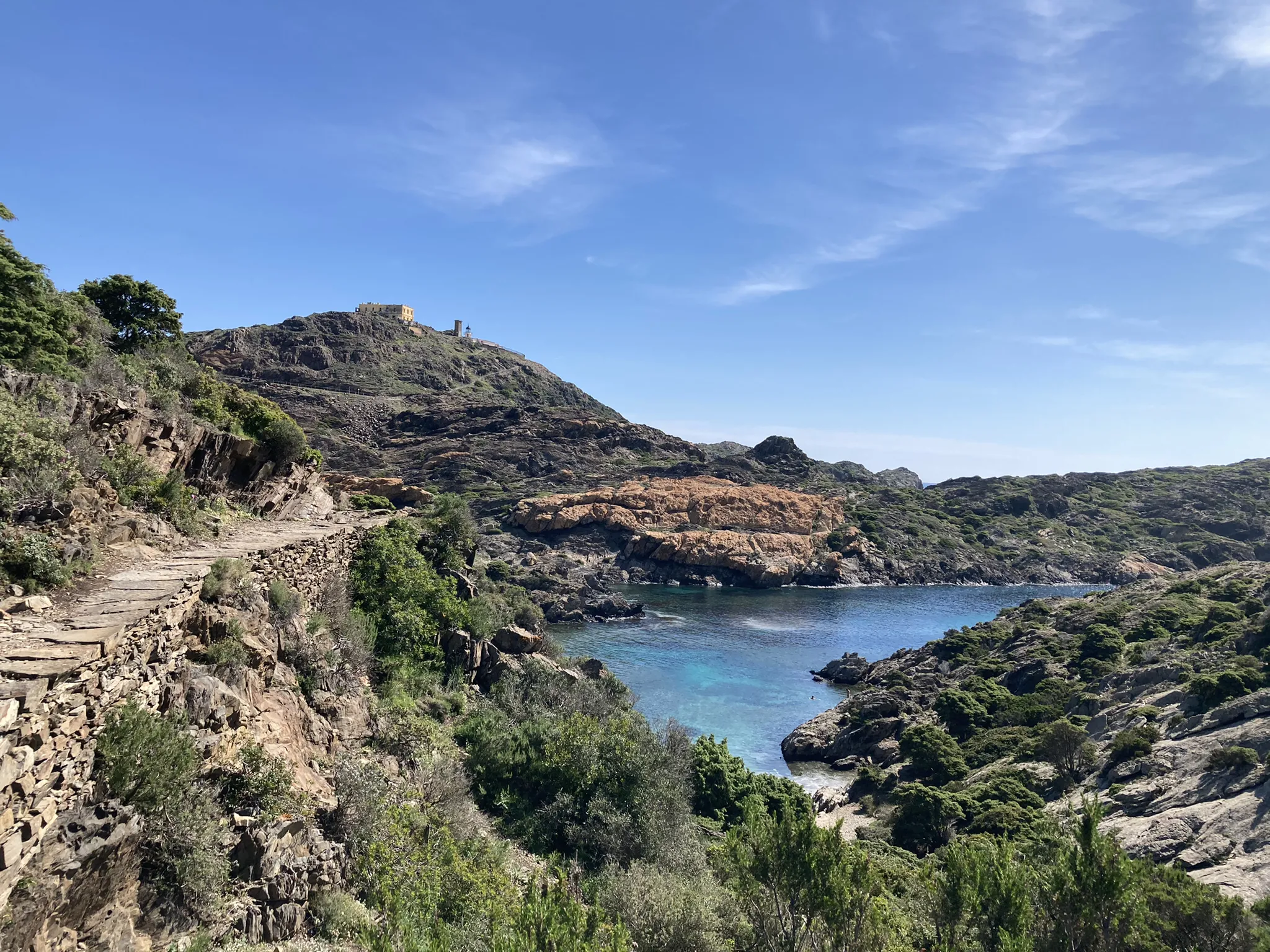
The paradise of the Costa Brava — Trail Running from Girona to Llançà
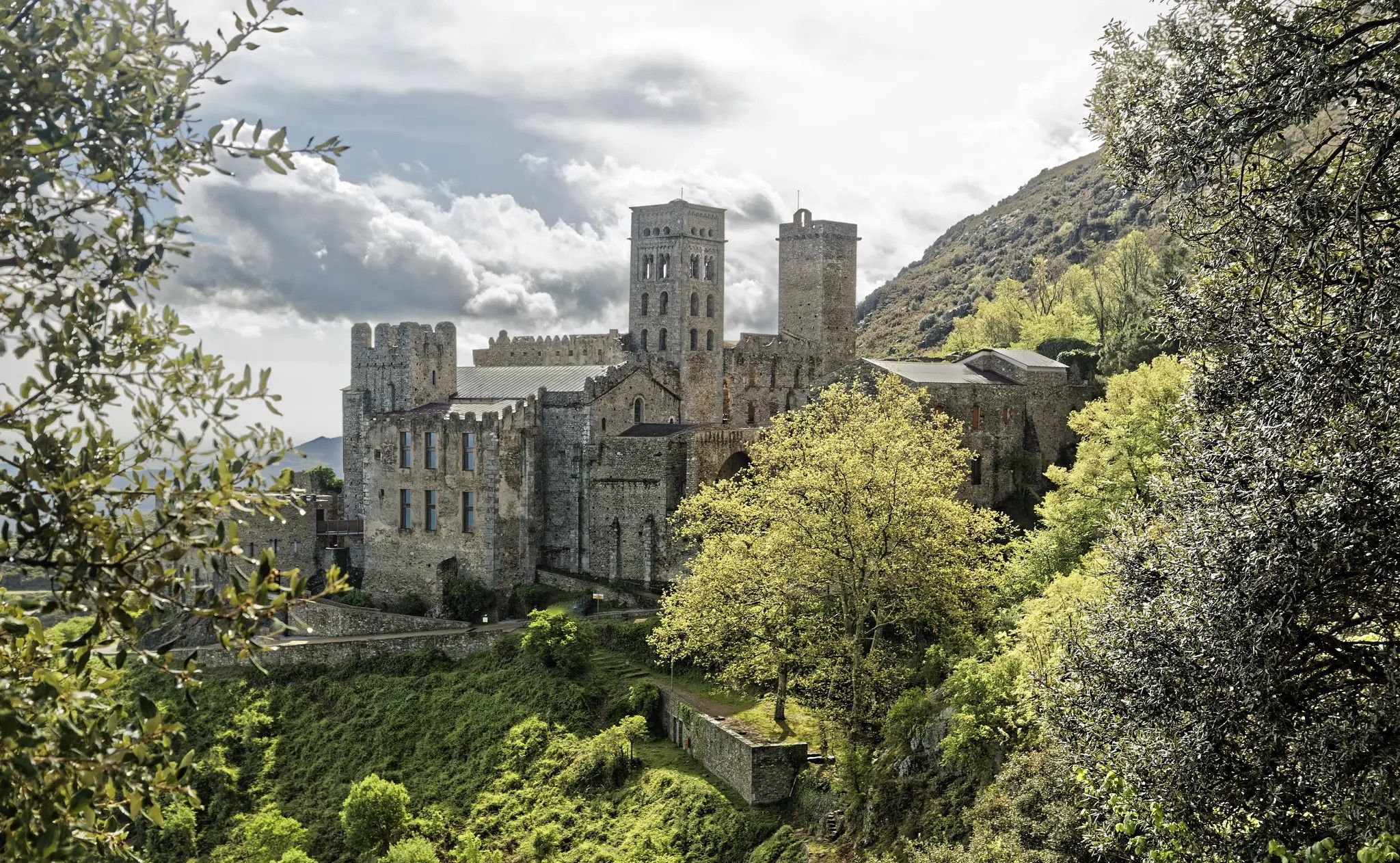
Discover ancient history – Camino de Girona
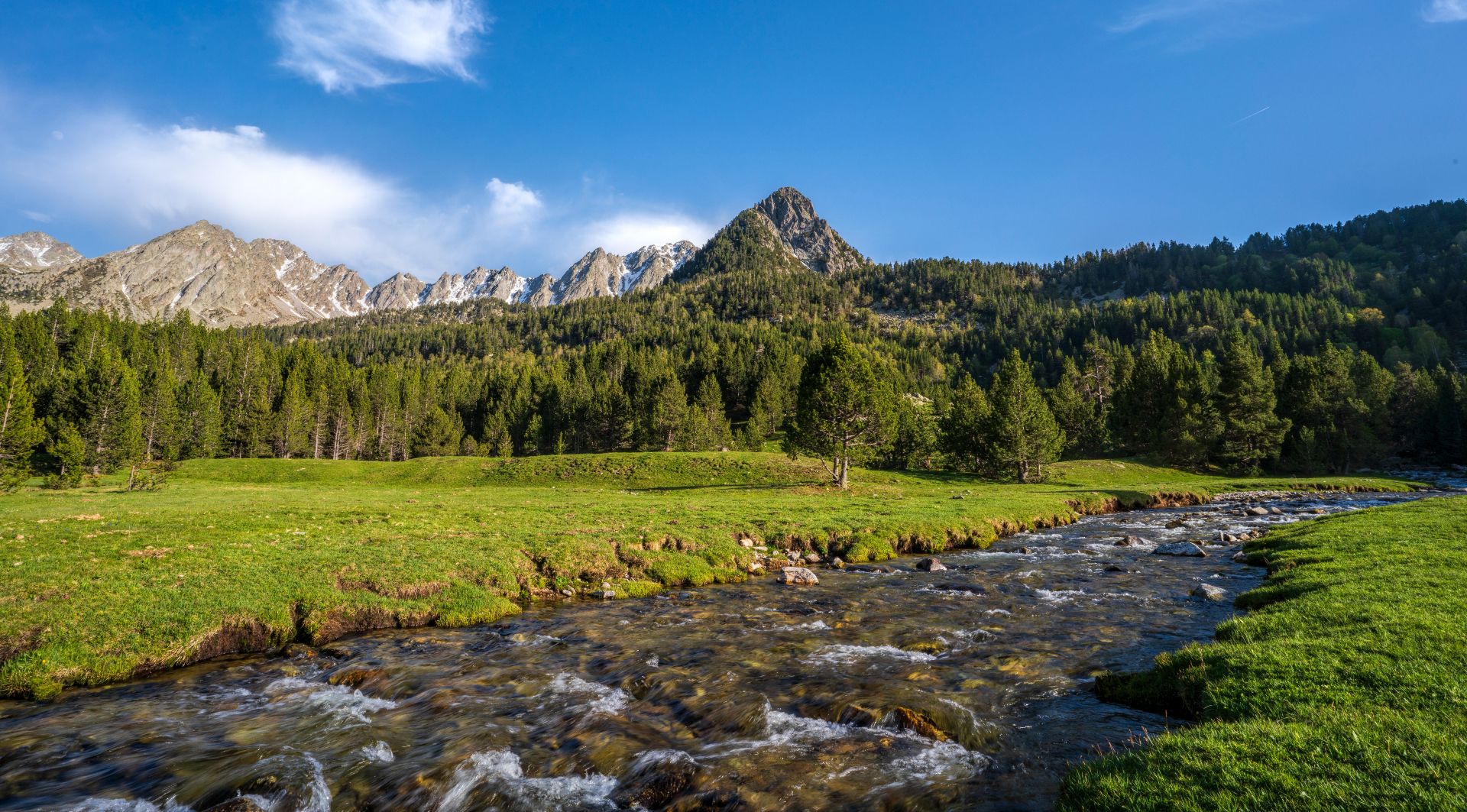
Catalonia and Andorra on the Pyrenean Trail – GR 11
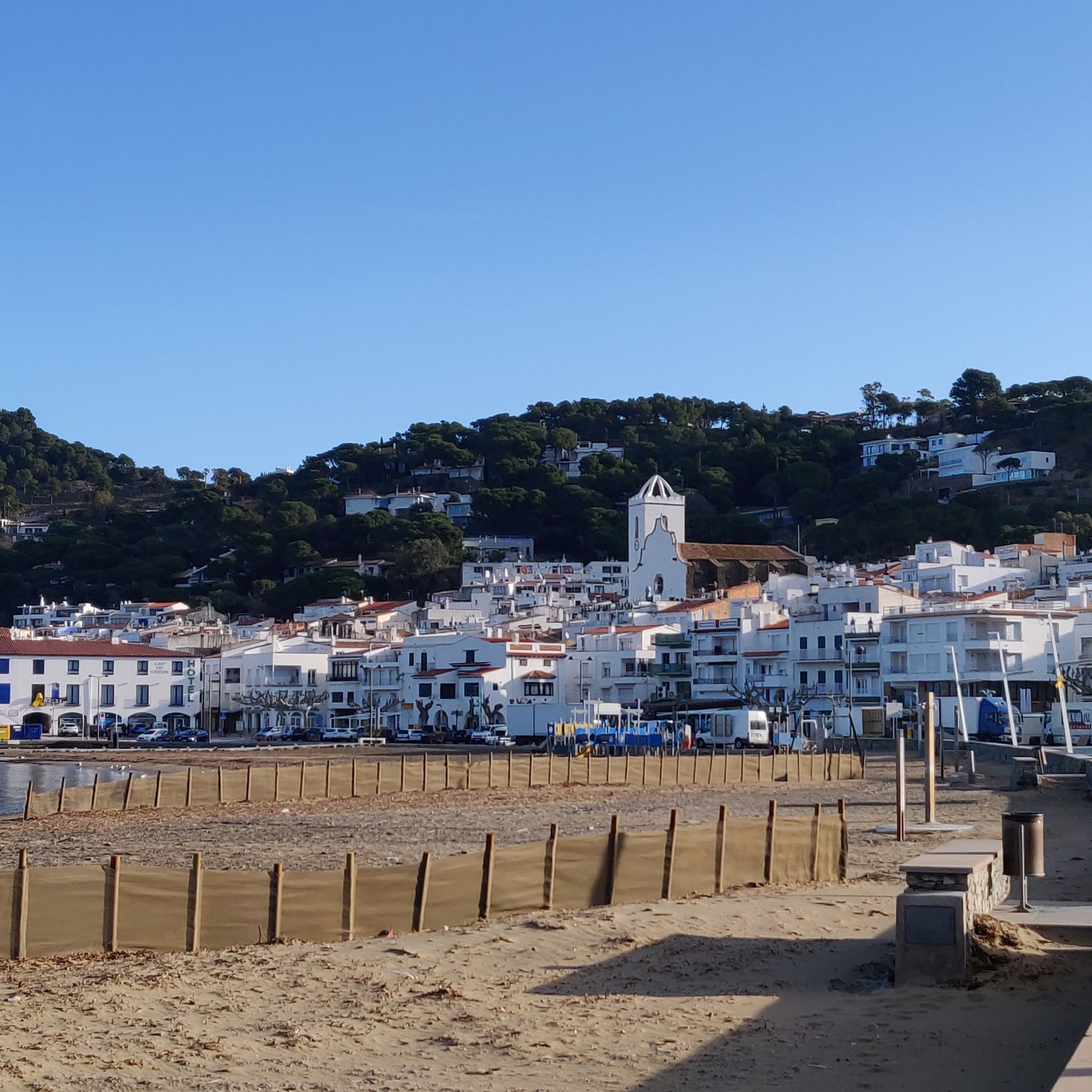
Hiking around El Port De La Selva
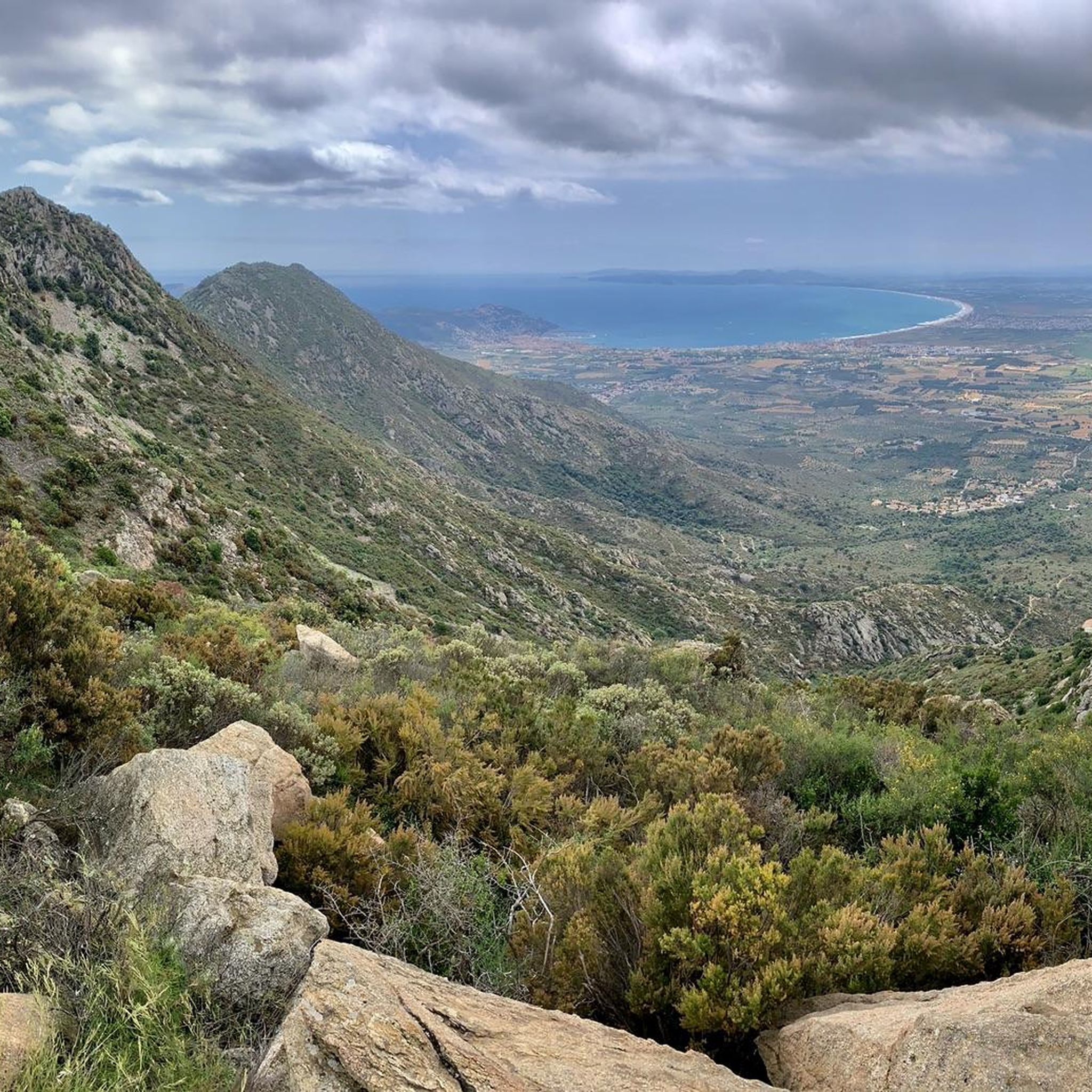
Road Cycling Routes around El Port De La Selva
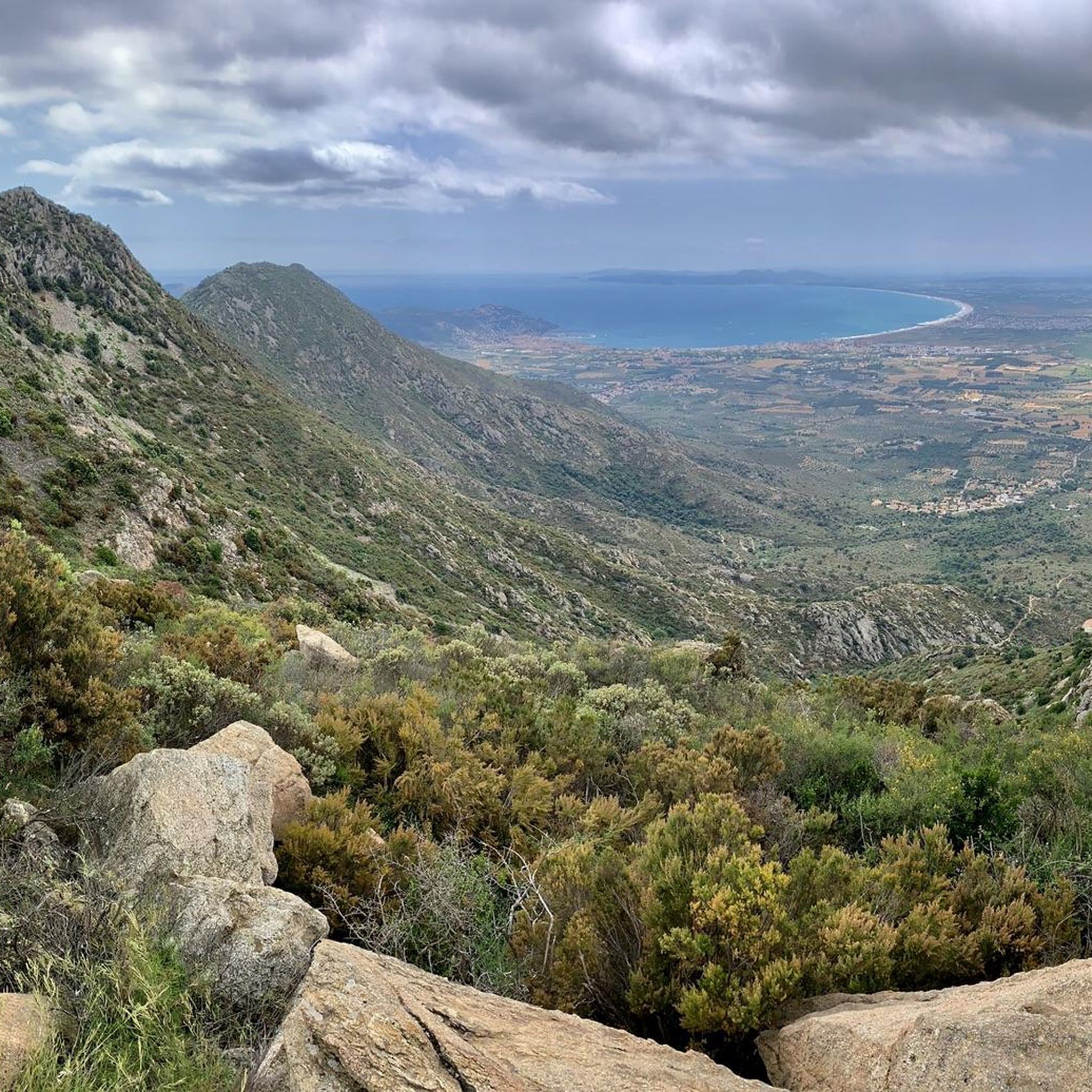
Running Trails around El Port De La Selva
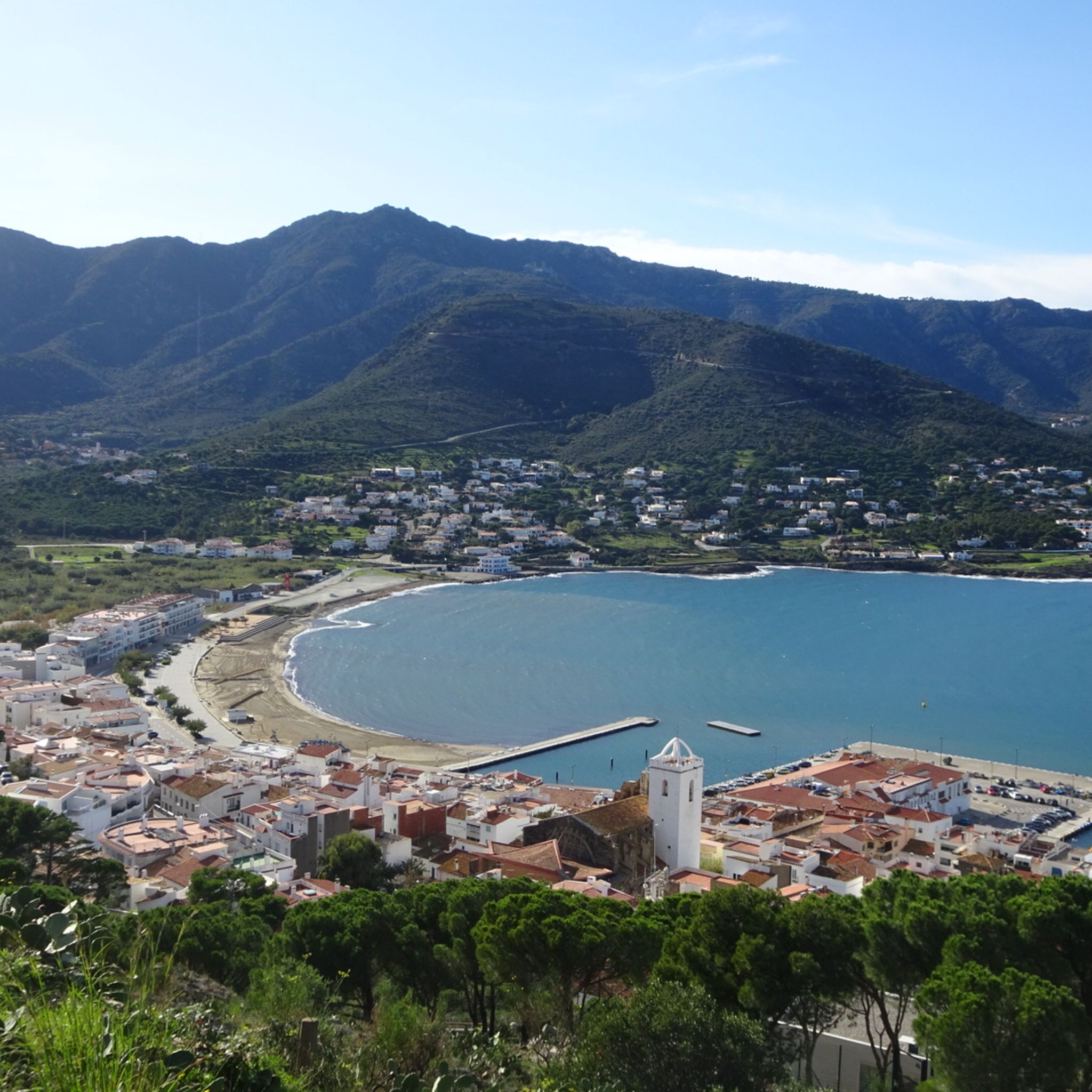
Cycling around El Port De La Selva
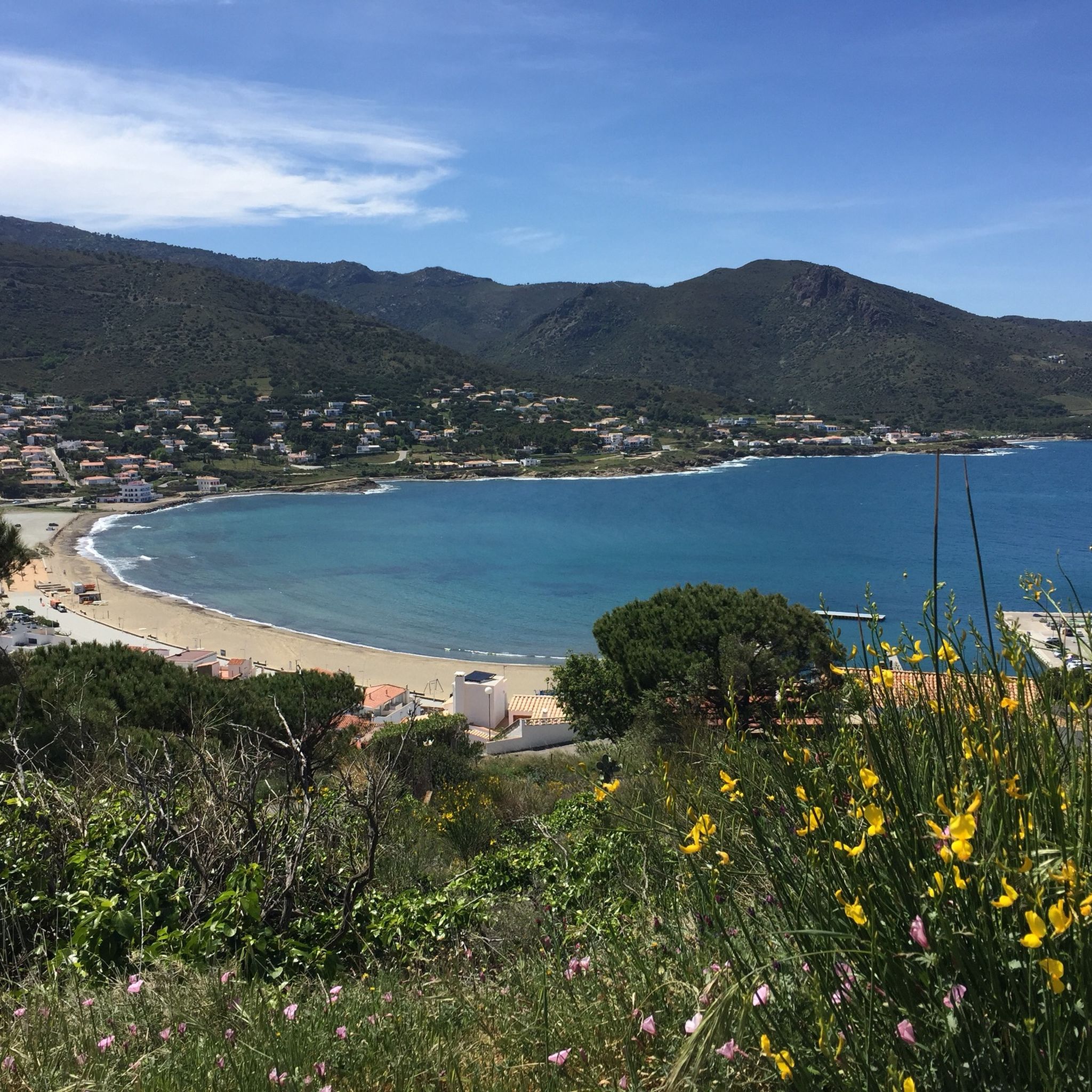
MTB Trails around El Port De La Selva

Gravel biking around El Port De La Selva

Mountain Hikes around El Port De La Selva
Other adventures around El Port De La Selva


Tips from the Community

The Norfeu Tower is a historic watchtower built in the 16th century to defend against pirate attacks. It stands atop a rocky cliff overlooking the Mediterranean Sea and offers stunning views of the Roses coastline.
3
0
The natural metamorphic limestone of the Norfeu massif allows for the presence of several cavities. Following the marked trails, you will find the nearby Les Ermites cave.
4
0

Super nice view of the sea and the national park
0
0

The cave of the hermitages, also known as the hermits, is located on the northern slope of Cap Norfeu, next to the path that leads to the tip. The cavity is triangular in plan with a wide entrance that becomes narrower as it sinks. The mouth, 7 meters, is closed with a wall made of slate slabs arranged flat with an opening: the door. The walls of the cave are retouched and at one point even lowered as is the case of the north side where there is a bench and shelves, all excavated in the natural rock. In front of the cave there is a limited artificial terrace that has a fence as its limit. In this space there are the remains of a square-shaped hut also made of slate slabs. This is well built since the corners are carefully made with retouched slates of a larger size than in the rest of the building. Apart from its name, there is no written record of the use of this cave, located in Cap Norfeu, as a dwelling for hermits. Although it is a subject, like many others, little studied, we find some references to the phenomenon of hermitism in the municipality of Roses. The book Roses o a la recerca de la zona grisa summarizes them: [...] on May 17, 1380, the bishop of Girona, Bertran de Mont-rodon i de Sorribes, asked the clergy of Santa Maria de Roses, Cadaqués, Palau-saverdera and Santa Creu de Rodes to hear the confessions of the hermits who lived in these mountains - something that confirms, on the one hand, their presence and, on the other, the more or less widespread nature of the phenomenon - and not to say that they were not his parishioners - a precision indicative of the fact that the hermits, beyond living geographically isolated in a solitary wilderness, were also socially and religiously abandoned. A few years later, a woman - let no one unconsciously tend to identify hermitism with an exclusively masculine option -, named Francesca, worked as a hermit in a place called Panin, located in the municipality of Cadaqués. She had built a cell there and arranged a garden, which the Rosicrucian Guillem Riba, owner of the territory, donated to her on April 25, 1411, a means of living that was increased in 1418, when a vesana of land located in La Font was added. The hermit occupation of the place was still maintained in 1427. On November 26, those possessions were assigned to a new ascetic, Guillem Savella, a native of Guimerà, a remote town in the Conca de Barberà, in Tarragona, a provenance that suggests the possible attraction that the Rodes mountain range could have as a hermitic center. At a date as late as the mid-18th century - a time when the religious authorities would once again promote this way of life - it is still possible to discover another case of survival of hermitism in Roses. On 17 July 1759, the bishop granted Felip Castelló Vila, master of servants in Roses, permission to go and work as a hermit in the small church of Santa Anna de Pontós. After all, it does not seem that the cave of the Hermitage of Cap Norfeu is an isolated reference in the religious panorama of Roses and the entire mountainous area that serves as its hinterland (since the Middle Ages, for example, there are testimonies of hermits in Sant Baldiri de Taballera and on the mountain of Sant Pere de Rodes; and, during the 17th and 18th centuries, in Sant Sebastià de Cadaqués, Llançà, Sant Onofre de Palau-saverdera or Santa Elena de Selva de Mar). Now it seems a little more plausible to be able to affirm the hermitic character of the aforementioned cave. Who knows if one day we will know the name of the hermit who inhabited it Source: https://rosespedia.cat/index.php/Cova_de_les_Ermites
1
0
The Torre de Norfeu is a building in the municipality of Roses (Alt Empordà) protected as a cultural asset of local interest. Located within the small peninsula that forms the Cap de Norfeu, on top of the highest hill of all those that make up the orography of the area, with a great command over the sea. These are the remains of a watchtower located in these contours. Circular in plan, with a slightly sloping profile and a large diameter, the tower is built with stone of various sizes and some ashlars, without being worked, arranged in irregular rows and bound with lime mortar. It currently has an approximate height of about six meters and maintains the hemispherical vault that covered the ground floor. The interior walls still maintain remains of the hydraulic lime layer that coated them and the bottom was built with a fairly well-preserved tile pavement, since the floor was intended to be a rainwater collection cistern. In the center of the vault, the register through which the water was extracted and the first floor was reached is still preserved.[1] Currently, access to the interior of the tower is through a slightly raised chasm, which gives access to the space of the cistern. Large fragments of built walls and scattered rubble, from the demolition of the upper part, are scattered around the construction. Source: https://ca.m.wikipedia.org/wiki/Torre_de_Norfeu
2
0

El Pi de Portbou beach is the first beach on the Costa Brava accessible by road that we find after crossing the border with France. It is a place that is very collected and allows you to enjoy the view of the port of Portbou from a distance. We can also reach it on foot through the circular path that comes from the center of Portbou, passing first by the beach of Les Tres Platgetes, walking approximately 1 kilometer. It is a beach formed by stones, in the middle of a beautiful natural environment dominated by cliffs. Right next to it we find a cave and a waterfall. The pines give the beach its name, but very few of them are currently preserved. It is a very quiet beach, and is usually frequented by couples and nudists. In addition, it is suitable for anchoring and practicing water sports.
1
0

La Cova de s'Infern (Hell's Cave) is the name by which this natural passageway or tunnel is known (since it is open to the sea on two sides), which offers an impressive picture. They gave it this name due to the reddish color in which the water inside it turns with the first rays of the sun at dawn, simulating a "door to hell".
0
0

A wild trail through the scrubby landscape with great views.
4
0
Frequently Asked Questions
What kind of caves can I explore around El Port de la Selva?
The area around El Port de la Selva, particularly within the Cap de Creus Natural Park, is known for its diverse geological formations. You'll find a variety of natural shelters, sea caves, and grottos formed by coastal erosion. These range from easily accessible formations to smaller coves often explored by sea, offering unique insights into the Mediterranean coast's natural processes.
Are there any sea caves accessible by boat or for swimming?
Yes, the region is particularly known for its sea caves. The most prominent is the Cave of Hell (Cova de s'Infern), a remarkable geographical feature within Cap de Creus Natural Park. It's a passageway open to the sea on two sides, known for the reddish hue its waters acquire at sunrise. While it can be accessed by swimming or a small boat, it's a significant feature of the coastline. The wider Costa Brava region also features other notable sea caves like Cova d'en Gispert and Cova de la Sal, often explored by boat or kayak.
What are some unique geological features to look out for in these caves?
Many caves in the Cap de Creus Natural Park showcase impressive rock color combinations due to their geological makeup. For instance, the Natural cave in Cap de Creus is appreciated for its striking rock formations and colors, offering a super nice view of the sea and the national park. The Hermits' Cave, located in the Norfeu massif, is carved into metamorphic limestone, providing a distinct geological experience.
Are there any caves with historical significance?
Yes, the Hermits' Cave on the northern slope of Cap Norfeu is a historical site. While its exact use by hermits lacks extensive written records, the cave features a walled entrance and an artificial terrace, suggesting past human habitation. Historical accounts from the Middle Ages mention hermits in the broader Roses area, making this cave a plausible site for such ascetic life.
Can I find caves that offer good viewpoints?
Absolutely. Several cave locations double as excellent viewpoints. The Norfeu Tower area, for example, offers a cave on one of its side roads near the extreme point, alongside a dream-like view. Similarly, the Natural cave in Cap de Creus provides shelter and a fantastic view of the sea and the national park.
Are there any family-friendly caves or accessible options?
While many caves in the Cap de Creus area involve rugged terrain, some are more accessible. The Natural cave in Cap de Creus offers natural weather protection and impressive rock formations, which can be enjoyed by families. For sea caves, boat trips are often the most family-friendly way to explore the coastline and its grottoes, allowing for swimming and snorkeling in calm waters.
What should I wear or bring when exploring caves in this region?
Given the rugged coastal environment and potential for sea exploration, it's advisable to wear sturdy footwear suitable for uneven terrain if exploring on foot. If you plan to access sea caves by swimming or small boat, swimwear, a towel, and snorkeling gear would be beneficial. For caves like the one near Norfeu Tower that require bridging a height difference, a flashlight is recommended.
What outdoor activities can I combine with a visit to these caves?
The Cap de Creus Natural Park offers numerous outdoor activities. You can combine cave exploration with hiking along the rugged coastline; there are many trails, including sections of the GR 92. Cycling is also popular, with options for gravel biking, general cycling, and road cycling routes around El Port de la Selva. Kayaking and boat trips are excellent ways to discover the smaller, unnamed sea caves and grottoes along the coast.
Are there any caves near beaches where I can relax?
Yes, Pi Beach, located near Portbou, is a quiet beach formed by stones, set in a beautiful natural environment dominated by cliffs. Right next to it, you can find a cave and a waterfall. It's a tranquil spot, often frequented by couples and nudists, and suitable for anchoring and water sports.
What do visitors enjoy most about the caves and natural features in this area?
Visitors frequently praise the stunning views and the wild, untamed nature of the Cap de Creus Natural Park. The unique geological formations, impressive rock colors, and the opportunity to find natural shelters are highly valued. The dramatic coastal landscapes and the chance to explore sea caves by boat or swimming are also highlights for many.
What is the best time of year to visit the caves around El Port de la Selva?
The best time to visit is generally during the spring (April-June) and early autumn (September-October) when the weather is pleasant for outdoor activities like hiking and exploring the coast. Summers can be hot, but ideal for swimming and boat trips to sea caves. Winters are milder but some services might be reduced.
Most popular routes around El Port De La Selva
Most popular attractions around El Port De La Selva

Get inspired with the komoot mobile app


Explore more
Extend your search for the best caves by checking out these guides of the top ones around El Port De La Selva:
