Top 4 Castles around Alcàntera De Xúquer
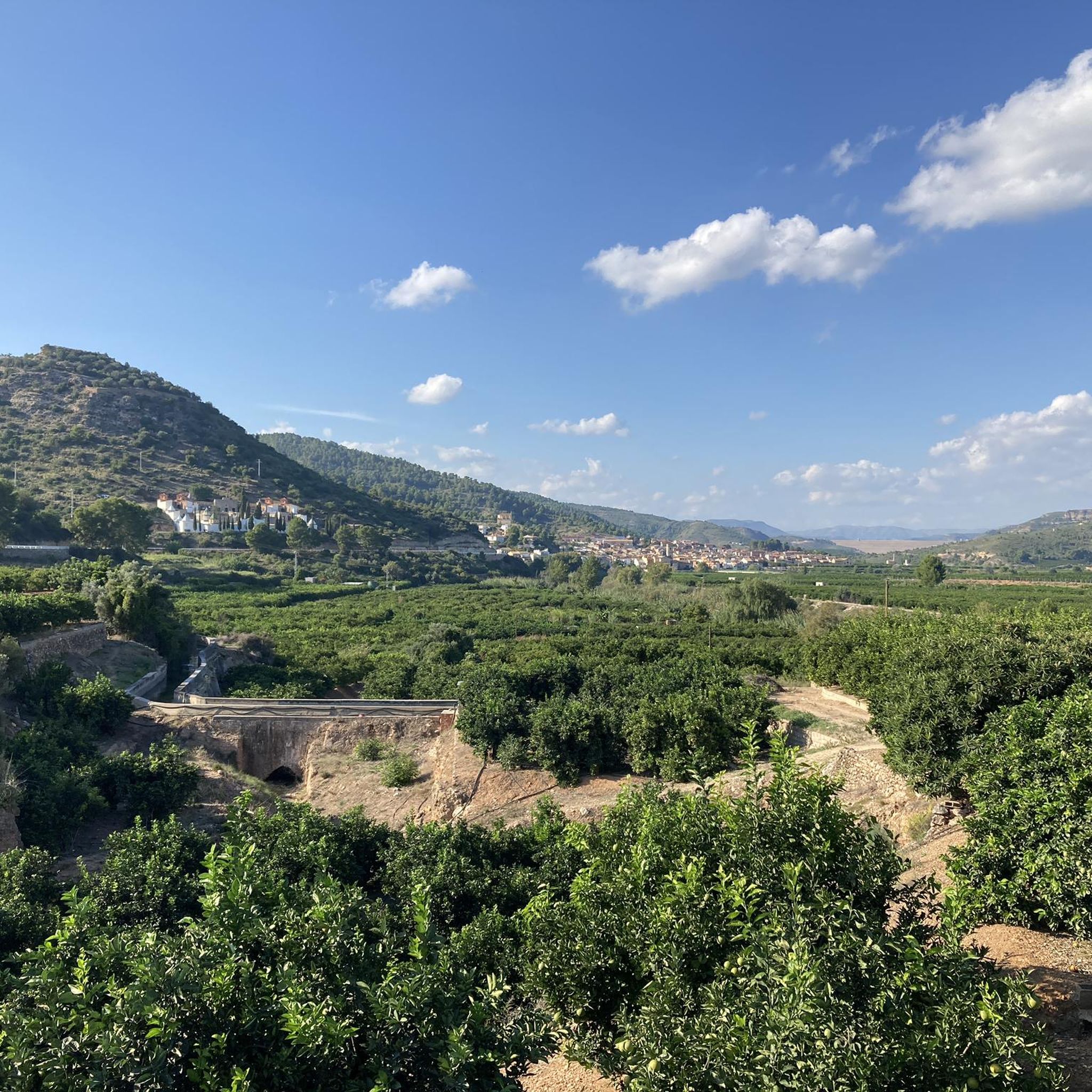
Best castles around Alcàntera De Xúquer offer a journey through the rich history of the Valencian Region. While Alcàntera De Xúquer itself is a tranquil area, it serves as a gateway to significant historical sites nearby. The surrounding landscape features the Sierra del Castell ridge, providing strategic locations for ancient fortifications. This area is characterized by its historical depth, with sites reflecting Iberian, Roman, Islamic, and Christian influences.
Best castles around Alcàntera De Xúquer
- The most popular castles is Castell de Xàtiva, a castle that is an imposing twin fortification and one of the most historically important fortresses in the region. Its foundations date back to Iberian and Roman times, and it held immense strategic value.
- Another must-see spot is Sun Tower of Xàtiva, an Almohad tower from the 13th century. It was part of the defense wall of the castle of Xàtiva and features a rectangular floor plan with a semicircular side.
- Visitors also love La Solana del Castell, an ancient Iberian city of Saitabi that presents beautiful views of the back of the castle. It offers a very cool and entertaining path along the sunny side, with archaeological remains found there.
- Alcàntera De Xúquer is known for its historical sites, including ancient fortifications, defensive towers, and archaeological remains. Visitors can explore a variety of castles and historical sites that showcase the region's diverse past.
- The castles around Alcàntera De Xúquer are appreciated by the komoot community, with 99 upvotes and 105 photos shared by visitors.
Last updated: June 20, 2026
Castell de Xàtiva
Highlight • Castle
Translated by Google •
Tip by

Sun Tower of Xàtiva
Highlight • Castle
Translated by Google •
Tip by

Sign up now to discover places like this
Get recommendations on the best single tracks, peaks, & plenty of other exciting outdoor places.
Sign up for free
La Solana del Castell
Highlight • Historical Site
Translated by Google •
Tip by
Start today with a free account
Your next adventure awaits.
Login or Signup

Tips from the Community

Impressive facility and fantastic views
1
0

Wonderful place worth visiting and exploring. The Castell has a unique value for the entire Valencian Community since it was once one of the strongest and strategic points of the ancient Kingdom of Valencia. Today it offers amazing views of the entire La Costera valley and you cannot miss visiting it from the inside. To get there you will travel part of the Via Augusta, an ancient and well-known route that linked Rome with Cartagena and Cádiz, running along the Mediterranean coast and crossing the Pyrenees.
2
0
A very cool and entertaining path along the sunny side with very nice views of the castle and its fortress. It is a very pleasant route with a surface in very good condition.
3
0
It is an Almohad tower from the 13th century that was part of the defense wall of the castle of Xàtiva. Its name is due to its orientation since it is given the first rays of the sun of the day. It consists of a rectangular floor plan with its peculiar semicircular side. It has two floors and an attached cistern.
4
0

Double fortress located in the Sierra del Castell, above Xàtiva, due to the strategic location of the city it has been the scene and witness of numerous conflicts. Divided into the Castell Menor and the Castell Major, the former sits on Iberian and Roman remains. The successive cultures that have populated these lands have been expanding and fortifying it. It already had a leading role during Hannibal's campaigns, and in the Al-Andalus period. It was later important, in the times of the Kingdom of Valencia, in the wars against Castile, in those of Germanías and in the Succession, as well as a prison for illustrious convicts.
12
0

The visit to the castle is worth it.👍
2
0
Location of the ancient Iberian city of Saitabi that presents beautiful views of the back of the castle and where archaeological remains of that population have been found. It is reached through paths both on foot and by mtb.
0
0
Very picturesque castle in very good condition with impressive views towards Xativa and the valley. It is a reconstruction for the most part after the 1748 earthquake that largely destroyed it. It is reached by paved road, it can be visited at the established times (see image), it has a bar and restaurant and a drinking water fountain. **Very picturesque castle in perfect condition with impressive views towards Xativa and the valley. It is a reconstruction for the most part after the 1748 earthquake that largely destroyed it. It is reached by paved road, it can be visited at the established times (see image), it has a bar and restaurant and a drinking water fountain.
0
0
Frequently Asked Questions
What are the main castles to visit near Alcàntera de Xúquer?
While Alcàntera de Xúquer itself doesn't host prominent castles, the surrounding region offers several historically rich sites. The most notable is the Castell de Xàtiva, an imposing twin fortress with Iberian, Roman, Islamic, and Gothic origins. Other significant castles include Marinyén Castle (Castillo de la Reina Mora) in Benifairó de la Valldigna, known for its Arabic origins, and Castillo de Corbera, offering panoramic views despite being largely in ruins.
What is the historical significance of Castillo de Xàtiva?
The Castell de Xàtiva holds immense historical importance due to its strategic location on the ancient Via Augusta. It played a crucial role in conflicts from Roman-Carthaginian wars to the War of the Spanish Succession and even served as a state prison. The fortress is divided into the older Castell Menor, built on Iberian and Roman remains, and the Castell Major, which is larger and better preserved from the Middle Ages.
Are there family-friendly castles to visit in the region?
Yes, Castell de Xàtiva is considered family-friendly. Its extensive grounds allow for exploration of battlements, gardens, and towers. A tourist train can take visitors up to the castle from Xàtiva, making access easier for families with young children.
Can I go hiking or walking around the castles?
Absolutely. The region around Alcàntera de Xúquer offers various hiking opportunities, especially near the castles. For instance, you can explore the area around Castell de Xàtiva, with routes like the "Landscapes of Xàtiva Trail" or the "Castell de Xàtiva – Sun Tower of Xàtiva loop from Xàtiva." Marinyén Castle also has walking paths leading to it, providing lovely views. You can find more hiking routes in the region on our Hiking around Alcàntera De Xúquer guide.
Which castles offer the best panoramic views?
Both Castell de Xàtiva and Castillo de Corbera are renowned for their panoramic views. From Xàtiva Castle, you can enjoy sensational vistas of the town and the surrounding La Costera region. Castillo de Corbera, despite its ruined state, also provides magnificent views over the territory from its elevated position.
What is the Sun Tower of Xàtiva?
The Sun Tower of Xàtiva is an Almohad tower dating back to the 13th century. It was an integral part of the defense wall of the Castell de Xàtiva. Its name comes from its orientation, as it catches the first rays of the sun each day. It features a unique rectangular floor plan with a semicircular side and includes two floors and an attached cistern.
Are there any less-known or 'hidden gem' castles to explore?
Marinyén Castle (Castillo de la Reina Mora) in Benifairó de la Valldigna could be considered a hidden gem. It's an ancient Muslim fortification with later Christian reforms, offering a glimpse into Islamic and medieval architecture. It's less frequented than Xàtiva and provides lovely views of the sea and the Mondúver mountain range, accessible via walking paths.
What other outdoor activities can I do near these castles?
Beyond hiking, the area around Alcàntera de Xúquer and its castles is suitable for various outdoor activities. You can find numerous road cycling routes, such as the "La Canal de Navarrés Loop," or explore running trails like the "Running loop from Alcàntera de Xúquer." For more options, check out our guides for Road Cycling Routes and Running Trails around Alcàntera De Xúquer.
What is La Solana del Castell?
La Solana del Castell is the location of the ancient Iberian city of Saitabi, situated near Castell de Xàtiva. It offers beautiful views of the back of the castle and its fortress. Visitors can enjoy a pleasant and entertaining path along the sunny side, where archaeological remains of the ancient population have been discovered.
What is the best time of year to visit the castles?
The best time to visit the castles in this region is typically during the spring (April-May) and autumn (September-October) months. During these periods, the weather is generally mild and pleasant, ideal for exploring outdoor historical sites and enjoying the scenic views without the intense heat of summer or the cooler, potentially wetter days of winter.
Are there facilities or amenities available at the castles?
At Castell de Xàtiva, you can expect to find facilities such as restrooms and potentially a cafe or restaurant, especially given its popularity and tourist train access. For other castles like Marinyén or Corbera, amenities might be more limited, so it's advisable to bring your own water and snacks.
Most popular routes around Alcàntera De Xúquer
Most popular attractions around Alcàntera De Xúquer

Get inspired with the komoot mobile app


Explore more
Looking for the best castles somewhere else? Discover other guides around Alcàntera De Xúquer:
