Top 13 Caves around Puntallana
Best caves around Puntallana are found on La Palma, an island characterized by its volcanic origins and diverse natural features. The region offers a variety of cave experiences, from geological formations to sites of cultural and historical significance. These locations provide insights into the island's natural subterranean structures and its pre-Hispanic past. Puntallana's caves present a multifaceted exploration of the area's unique character.
Best caves around Puntallana
- The most popular caves is Through 13 tunnels to the Marcos and Cordero…
Last updated: October 7, 2026
Through 13 tunnels to the Marcos and Cordero springs
Highlight (Segment) • Trail
Translated by Google •
Tip by

Water Tunnel of La Palma
Highlight • Structure
Translated by Google •
Tip by

Sign up now to discover places like this
Get recommendations on the best single tracks, peaks, & plenty of other exciting outdoor places.
Shrine Cave Above Barranco Norza
Highlight • Cave
Translated by Google •
Tip by

Cueva del Infierno
Highlight • Cave
Translated by Google •
Tip by

Cueva del Morro de las Cebollas
Highlight • Cave
Translated by Google •
Tip by

Sign up for free to discover even more caves around Puntallana.
Already have an account?
Start today with a free account
Your next adventure awaits.

Other adventures around Puntallana

Tips from the Community

A stunningly beautiful hiking trail leads along here, surrounded by stunning nature. A visit is highly recommended and interesting 👍🏻.
1
0

The route is currently closed.
4
0

Did this tour today. Some pretty narrow paths along steep cliffs. Not for the faint hearted! Be sure to have sufficient hiking experience and make sure you have hiking poles. Necessary! Else too dangerous / slip falls. Piece of advice: bring a flashlight for the water tunnels.
0
0

This was the first tour of our La Palma holiday. It was supposed to be an easy one. However, it ended up being a steep uphill climb over some rocky paths covered in roots. However, we were rewarded with a variety of plants, some of them exotic, that grow wherever there is a patch of earth. At the turning point in the tour, there is the option of doing the circular route through a tunnel, which also contains the channel that carries water from the summit into the valley. This tunnel is visibly blocked off with four gates, distributed along the entire route. However, you can go past it from the side, which is what a few hikers did, i.e. keep your head down. It is not completely dark, as the tunnel is repeatedly ventilated through holes in the rock.
0
0

Decorated rock niches above the Barranco Norza.
0
0

A place for a rest and an opportunity to meditate on the wonders of life.
1
0

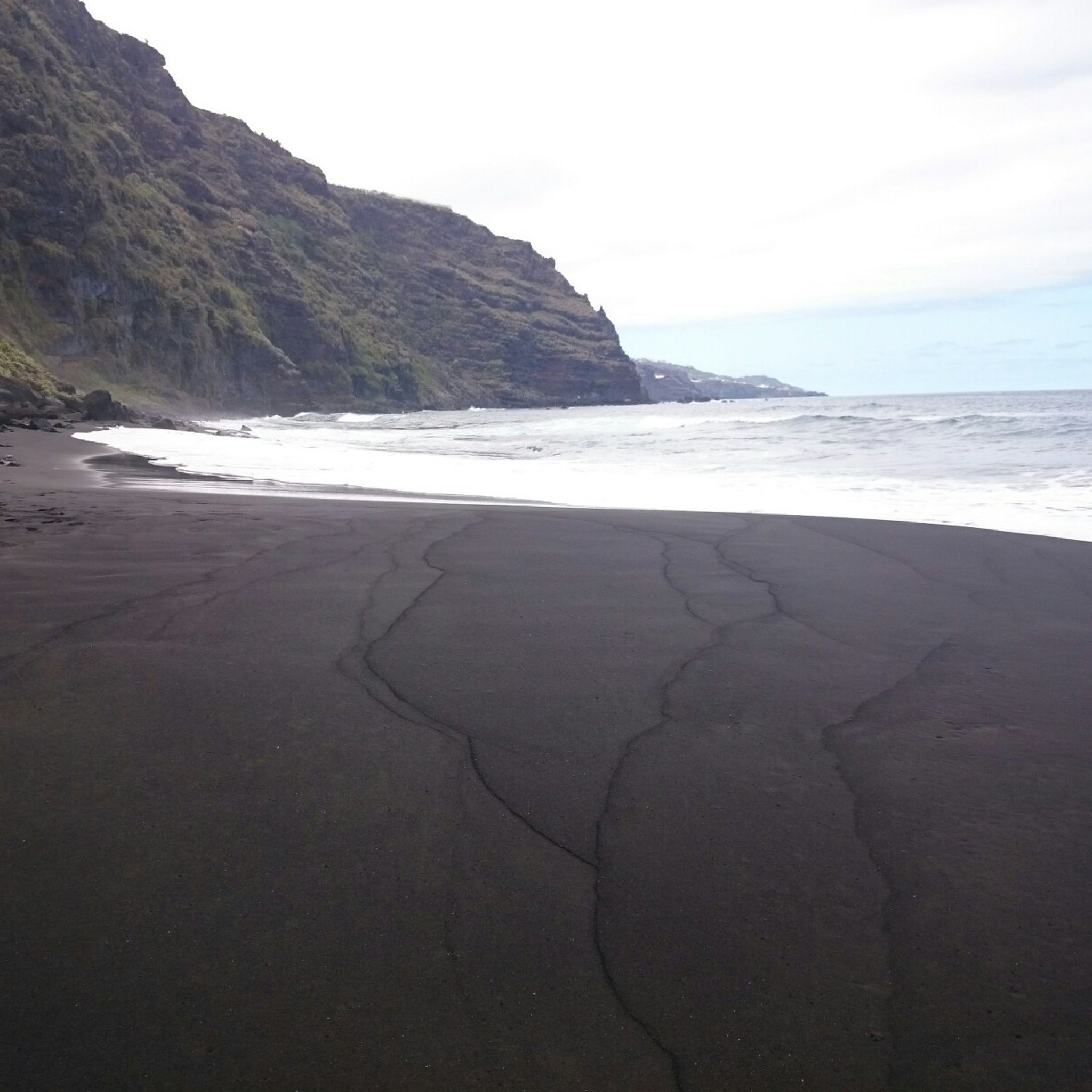
Unfortunately, we walked quite a bit along the road on the way there because we chose the wrong hike via Komoot, even though you have a great view of the sea. To get to the playa you have to go down a lot of stairs 😊. It's definitely worth it. There are parking spaces available before descending. We went back along the hiking route.
1
0

The route has been closed for several months because it is too warm. Therefore, the routes shown on Komoot are currently unusable. It is possible to hike in the forest in Los Tilos, but not through the tunnels. According to the tourist information, you can find out which hiking trails are currently usable on La Palma here: www.senderosdelapalma.es . I went hiking spontaneously myself and found it life-threatening in some places, despite having a lot of water in my bag. So please do your research first! La Palma is not easy, especially because of the heat.
7
7
Frequently Asked Questions
What unique cave experiences can I find around Puntallana?
Puntallana and the surrounding area offer diverse cave experiences. You can explore the geological formations of a volcanic tube like the Through 13 tunnels to the Marcos and Cordero springs, which requires a flashlight and rain gear. There's also the historically significant Cueva del Infierno, known for local legends of pirates. For a cultural experience, visit the Shrine Cave Above Barranco Norza, a devotional site nestled in nature.
Are there any caves with historical or cultural significance near Puntallana?
Yes, several caves in the region hold historical and cultural importance. The Cueva del Infierno in Puntallana is steeped in local legend, believed to have been a hiding place for pirates. Further afield, the Buracas Caves are an archaeological site with pre-Hispanic petroglyphs and burial sites, showcasing continuous human use. The Porís de Candelaria, a sea cave on the northwest coast, is remarkable for its small settlement of white houses built directly into the cliff, historically used by fishermen.
What should I wear and bring for cave exploration in Puntallana?
For routes involving tunnels or more challenging terrain, such as Through 13 tunnels to the Marcos and Cordero springs or the Water Tunnel of La Palma, it's essential to bring a flashlight and rain gear. Many trails also involve narrow paths and steep cliffs, so sure-footedness and hiking poles are highly recommended for safety.
Are there any family-friendly cave experiences around Puntallana?
While many cave explorations in La Palma can be challenging, some offer more accessible views or shorter visits. The Cueva del Infierno offers great sea views and parking before a descent to the playa, which might be suitable for families looking for a scenic spot rather than deep cave exploration. For a unique stay, consider the cave houses in Puntallana, which offer a distinctive lodging experience with ocean views.
What kind of natural features can I expect to see in the caves around Puntallana?
The caves around Puntallana showcase the island's volcanic origins and diverse natural beauty. You can explore volcanic tube formations, such as the Through 13 tunnels to the Marcos and Cordero springs, which are part of an impressive water channel system. Sea caves like Cueva Bonita, though further afield, are famed for natural light displays, while others offer stunning viewpoints of the Atlantic Ocean and barrancos.
What outdoor activities can I do near the caves in Puntallana?
The area around Puntallana is excellent for various outdoor activities. You can find numerous hiking trails, including challenging routes like the Cubo de la Galga – trail running circular. For mountain biking enthusiasts, there are demanding MTB Trails around Puntallana, such as the Transvulcania Trail. Cycling routes like the Mirador de los Andenes – Roque de los Muchachos loop also offer stunning views.
Is it possible to explore volcanic tubes near Puntallana?
Yes, La Palma is known for its volcanic tubes. While not directly in Puntallana, the Cueva de Las Palomas Volcanic Tube, formed during the 1949 eruption of the San Juan Volcano, is accessible on the island. It offers guided tours to explore its geological formations and learn about the unique ecosystems within, providing a fascinating glimpse into the island's volcanic past.
Are there any caves that offer exceptional views?
Absolutely. The Cueva del Infierno offers great views of the sea. Additionally, the Cueva de Barranco Seco, located alongside the LP-1 road, is notable for its exceptional views, particularly looking up into Barranco Seco. The Cueva del Morro de las Cebollas provides a nicely framed view of the caldera from its entrance.
What is the best time of year to visit caves in Puntallana?
La Palma generally enjoys a mild climate year-round. However, for some specific routes like Through 13 tunnels to the Marcos and Cordero springs, there can be closures due to high temperatures or other conditions. It's always advisable to check local conditions and trail statuses before planning your visit, especially during warmer months, to ensure accessibility and safety.
Are there any caves that are difficult to access or require special preparation?
Yes, some caves and associated trails can be challenging. The path to Cueva del Morro de las Cebollas is barely visible and overgrown, requiring careful navigation. The Water Tunnel of La Palma involves narrow paths along steep cliffs, demanding sufficient hiking experience and poles. Always research the specific highlight and its tips before attempting, and be prepared for potentially difficult conditions.
Can I find parking near the cave attractions in Puntallana?
For some popular spots like the Cueva del Infierno, there are parking spaces available before descending to the playa. For other more remote or challenging routes, such as the starting point for Through 13 tunnels to the Marcos and Cordero springs, you might need to use specific transport services like four-wheel taxis, as the access road may not be suitable for normal cars.
Most popular attractions around Puntallana

Get inspired with the komoot mobile app


Explore more
Extend your search for the best caves by checking out these guides of the top ones around Puntallana:
