Top 10 Caves around Icod De Los Vinos
Best caves around Icod De Los Vinos are primarily volcanic lava tubes, offering insights into the geological history of Tenerife. Located in the north of the island, Icod De Los Vinos is known for its unique subterranean landscapes formed by ancient lava flows. The region's caves provide opportunities to explore complex underground passages and observe diverse geological formations. These natural monuments are a significant feature of the area's volcanic terrain.
Best caves around Icod De Los Vinos
- The most popular…
Last updated: July 4, 2026
Cueva del Viento
Highlight • Cave
Fantastic
A great guide
Translated by Google •
Tip by

Cuevas Negras
Highlight (Segment) • Cave
Translated by Google •
Tip by

Sign up now to discover places like this
Get recommendations on the best single tracks, peaks, & plenty of other exciting outdoor places.
Sign up for free
Great Cave of Chío
Highlight • Cave
Translated by Google •
Tip by

Hoya Fría Gallery
Highlight • Cave
Translated by Google •
Tip by

Cueva del Hielo (Ice Cave)
Highlight • Cave
Translated by Google •
Tip by

Sign up for free to discover even more caves around Icod De Los Vinos.
Sign up for free
Already have an account?
Start today with a free account
Your next adventure awaits.
Login or Signup
Popular around Icod De Los Vinos

Canary Islands: With TOUR on Tenerife
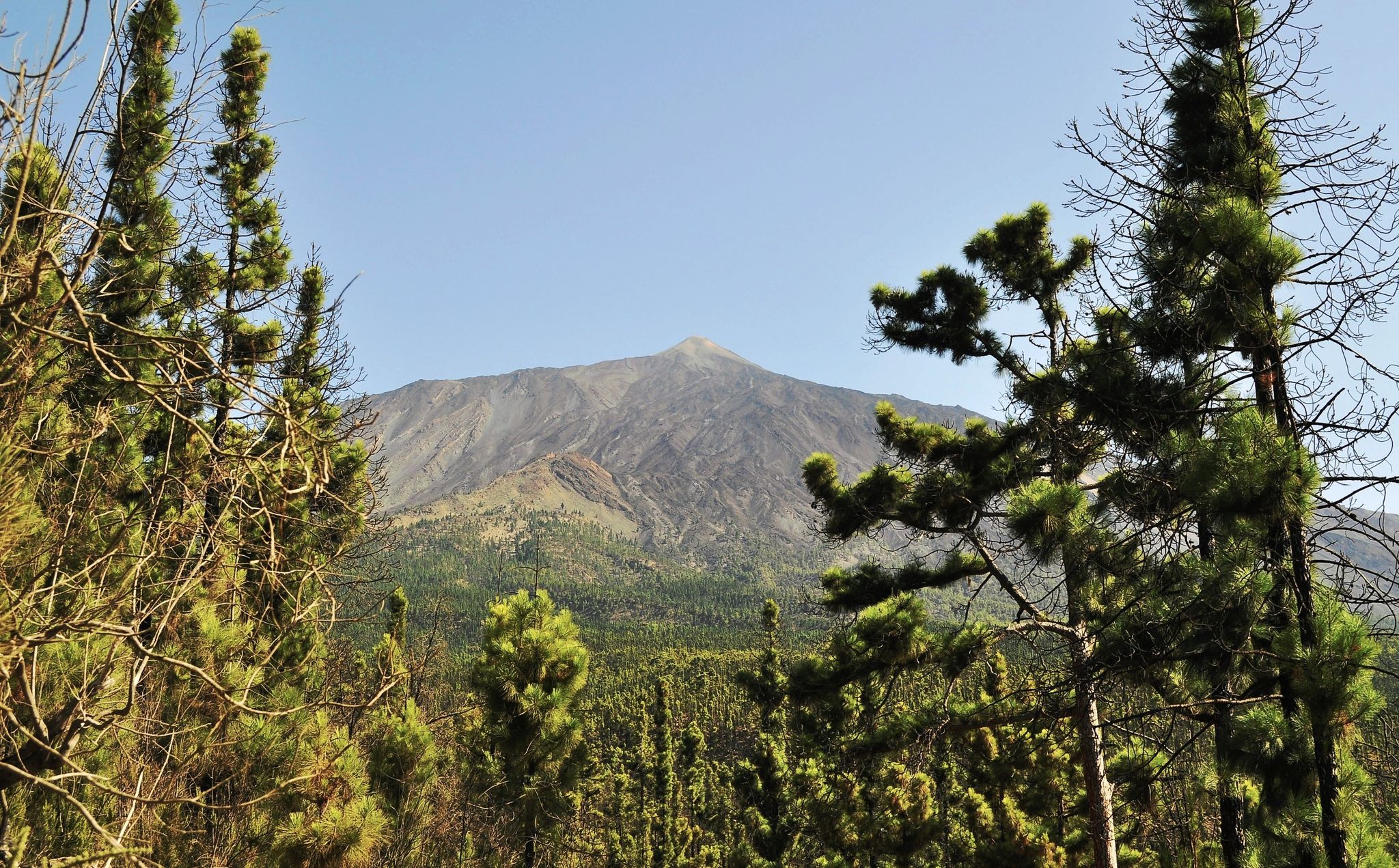
An island pilgrimage – Camino de Santiago de Tenerife
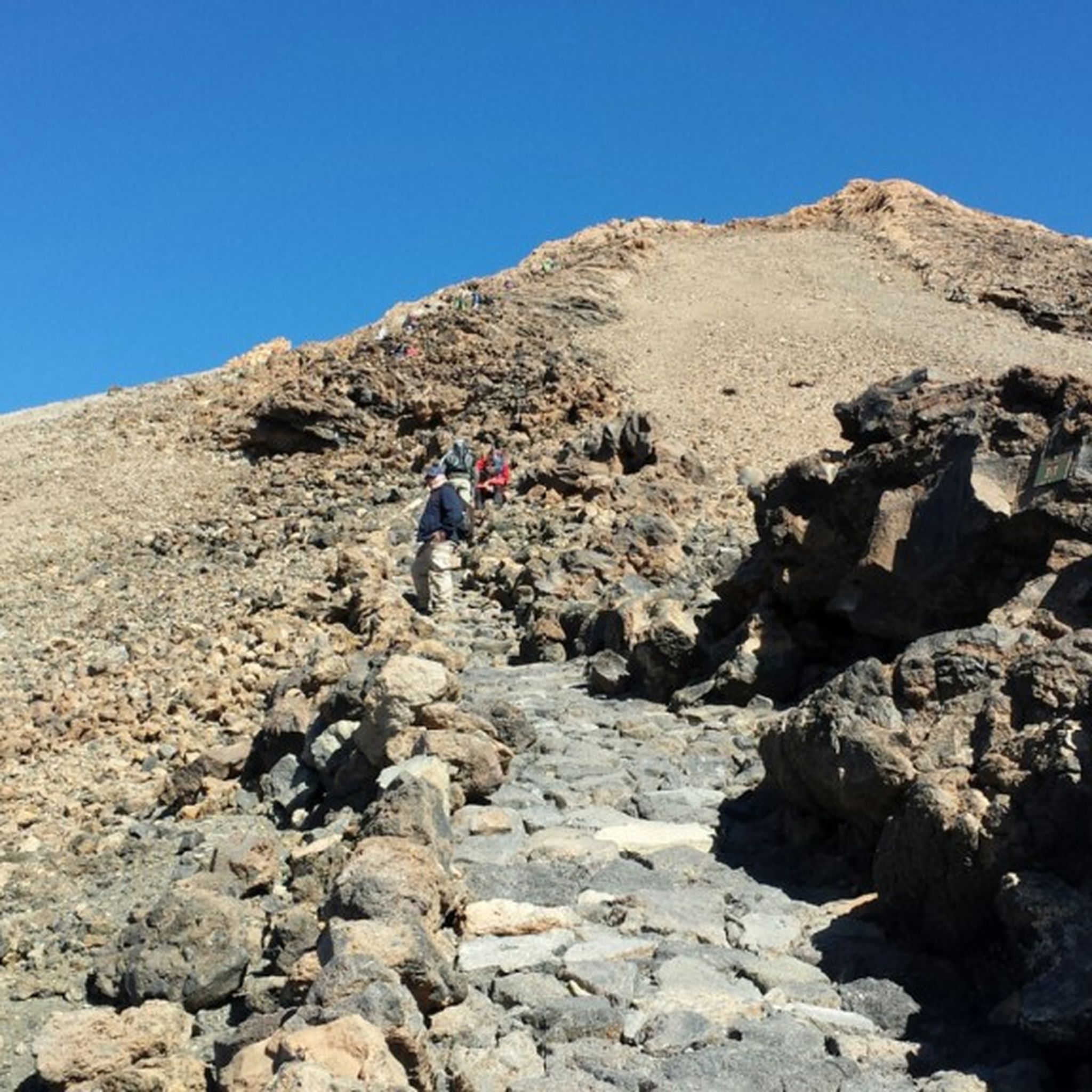
Hiking around Icod De Los Vinos
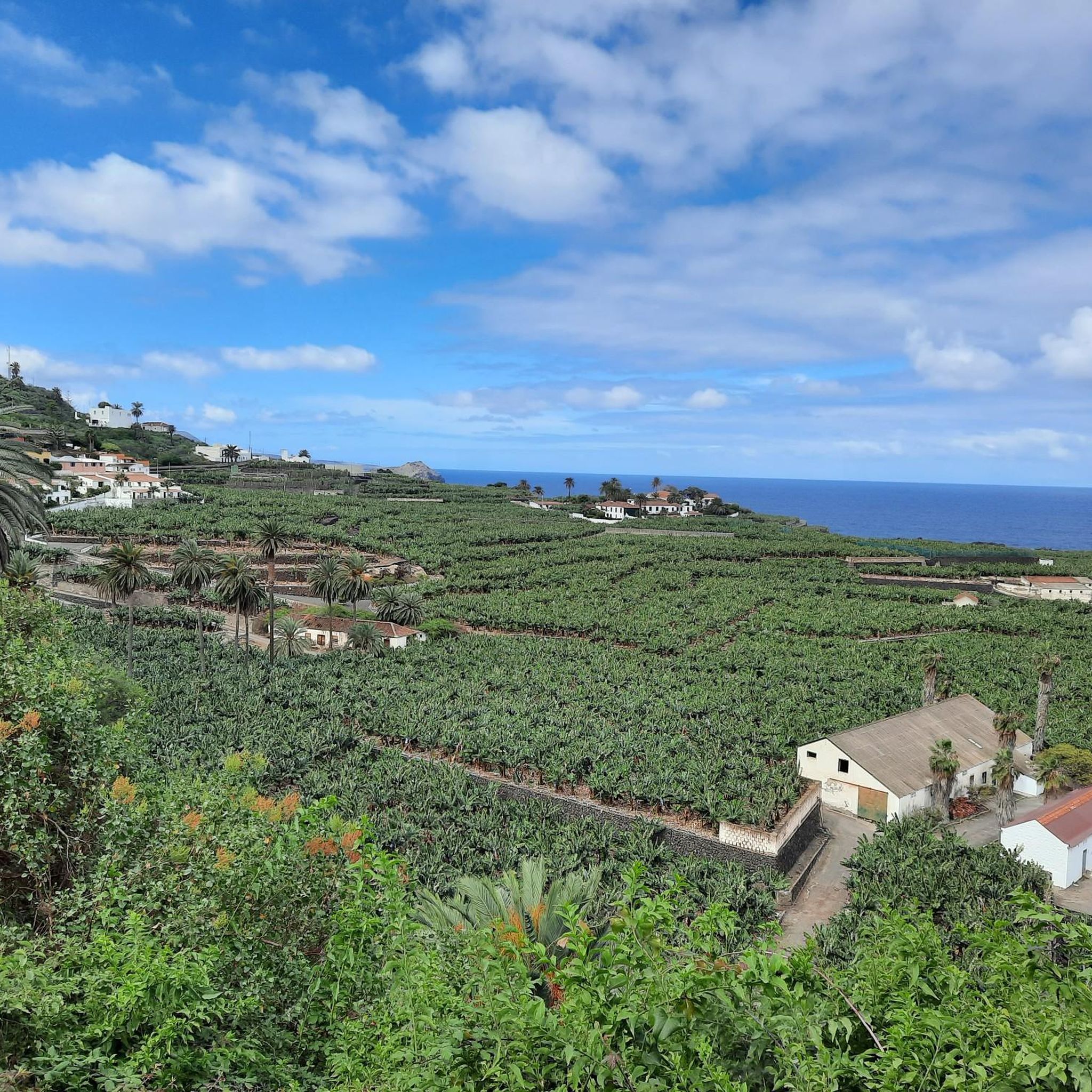
Road Cycling Routes around Icod De Los Vinos

Gravel biking around Icod De Los Vinos

Mountain Hikes around Icod De Los Vinos
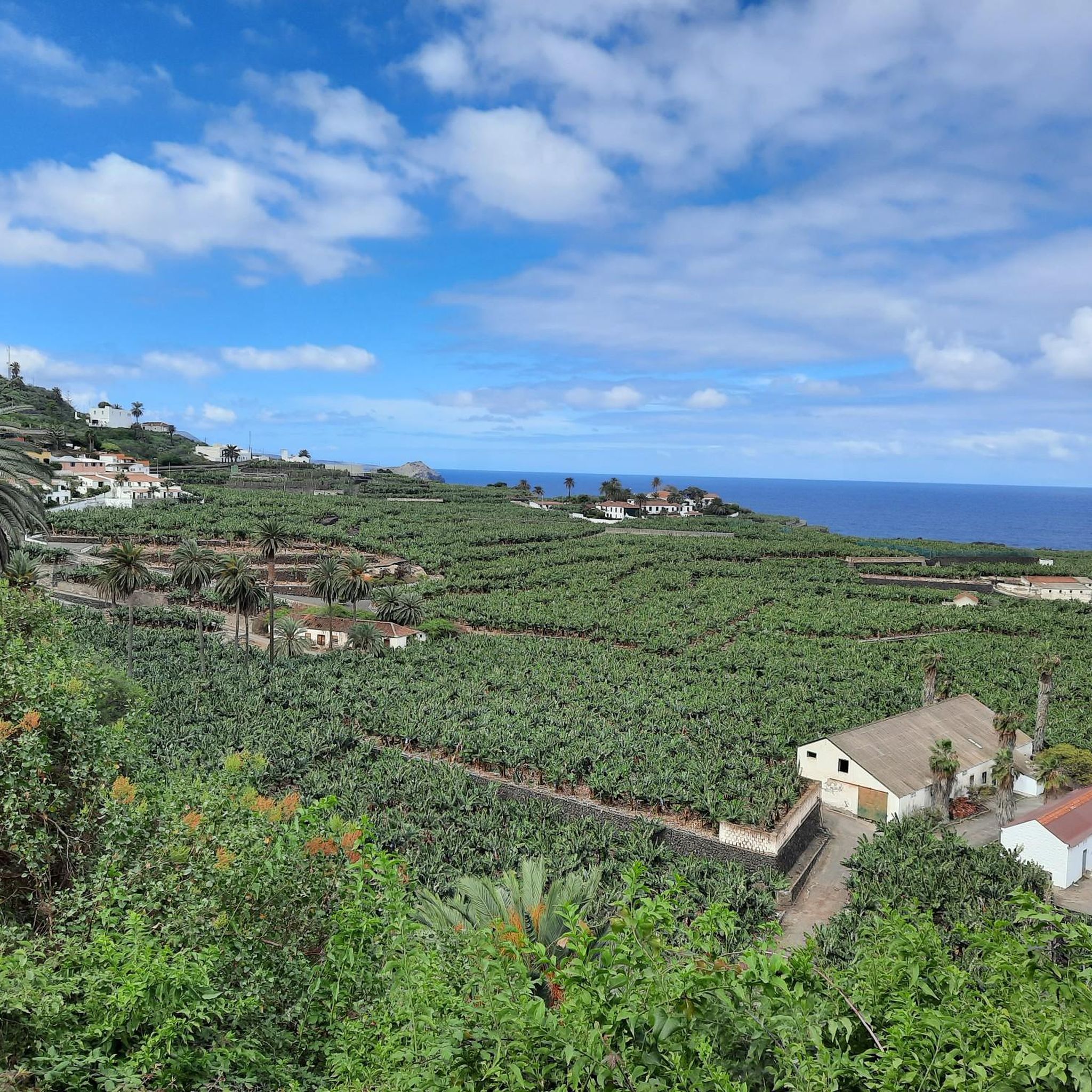
Cycling around Icod De Los Vinos
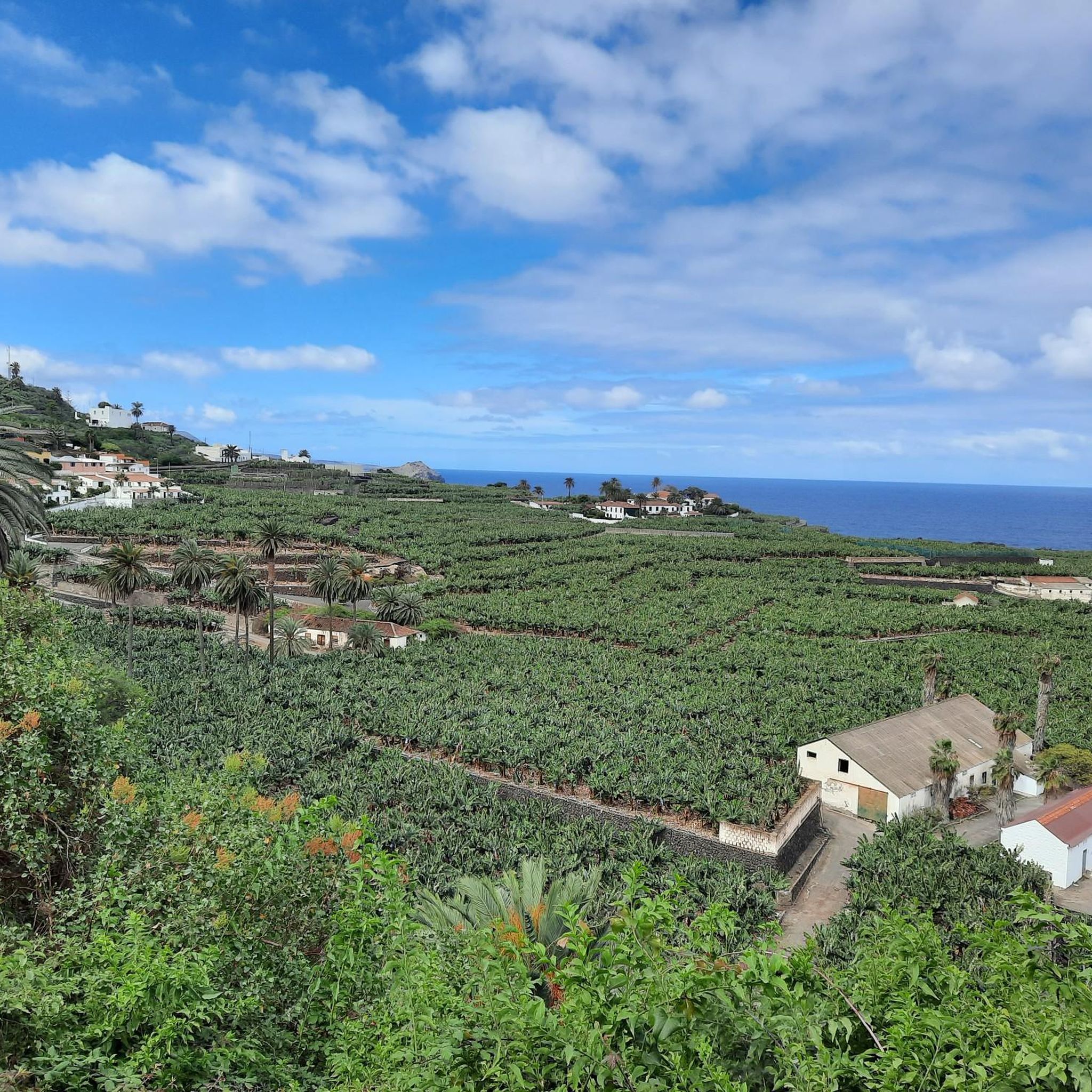
MTB Trails around Icod De Los Vinos
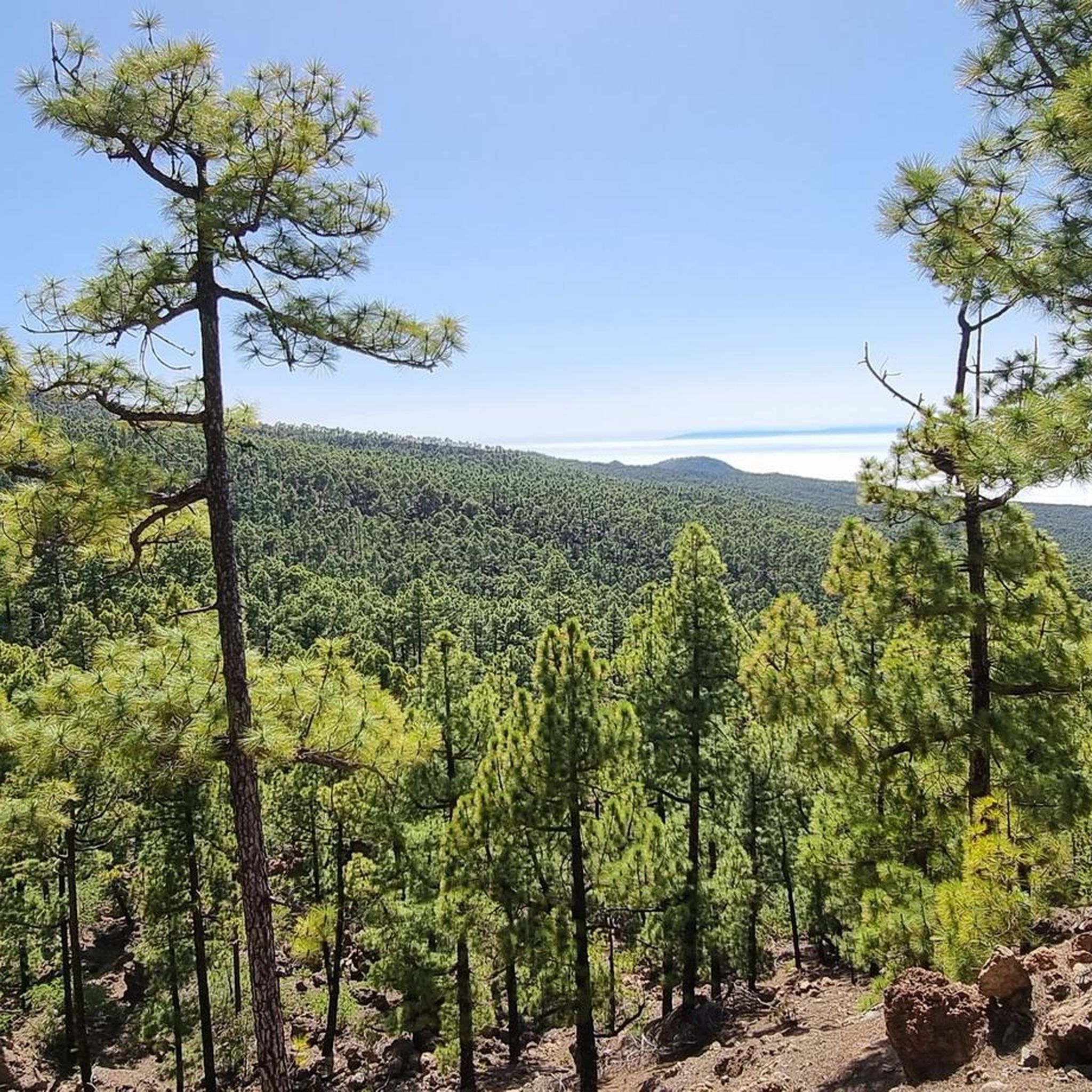
Running Trails around Icod De Los Vinos


Tips from the Community

If you like the barren lava landscape, this is the place for you.
0
0

The large Chio cave is hidden in the volcanic landscape, between ancient lava flows and an open pine forest, a short distance from the El Canal trail. It can be an ideal short detour to pause and explore on foot for a few minutes.
0
0

Trail goes over multiple No Bike zones. At the end there is a bit where you have to carry your bike over lava rocks. Nice views and mostly a good ride. But the way described is not allowed to ride this way and there are not many options to reroute…
0
0

Old volcanic cave, where snow was collected so that it was transformed into ice and from there, lowered to La Orotava. Currently closed to the public.
0
0

The fifth largest volcanic tube in the world and the largest in Europe. Guided tour only: https://cuevadelviento.net/en/ruta-en-aleman-viaje-al-interior-de-la-tierra/ The Cueva del Viento volcanic tube is located in the eponymous district of Icod de los Vinos. It was formed 27,000 years ago from basalt lava from the first eruption phase of the Pico Viejo volcano, next to Mount Teide. The Spanish name of the volcano tube comes from the remarkable air currents inside. With its considerable length (18 kilometers have been recorded topographically so far), the Cueva del Viento is in fifth place in the world, right after the first four longest tubes, all of which are located on the largest Hawaiian island (USA). The volcano tube consists of a huge, network-like labyrinth of underground passages. Numerous branches remain unexplored and indicate a considerable expansion of the cave complex.
0
0


As always, I recommend my video about the tour: https://youtu.be/oRQZzar7hYo
1
1
Frequently Asked Questions
What types of caves can I explore around Icod de los Vinos?
The region around Icod de los Vinos is primarily known for its volcanic lava tubes, which offer a unique glimpse into Tenerife's geological history. These include extensive subterranean passages formed by ancient lava flows, such as the Cueva del Viento, as well as other natural monuments like Cuevas Negras and the Great Cave of Chío.
What makes Cueva del Viento a significant attraction?
Cueva del Viento is Europe's largest volcanic tube and one of the longest in the world, stretching over 17 kilometers across three levels. It features exceptional geomorphology with lava stalactites, cascades, and terraces. It also holds rich paleontological and archaeological significance, containing fossils of extinct 'Canarian megafauna' and remains of the indigenous Guanches.
Are there guided tours available for the caves?
Yes, guided tours are mandatory to explore the protected natural attraction of Cueva del Viento. The experience typically begins at a visitor center with an introduction to the cave's history and geology, followed by an immersive journey into the lava tubes. Visitors wear helmets with headlamps, as there is no artificial lighting inside.
How long does a typical tour of Cueva del Viento last?
A guided tour of Cueva del Viento typically lasts about two hours, providing an engaging and educational journey through its unique subterranean passages.
What should I wear for a cave tour in Icod de los Vinos?
For tours like the one at Cueva del Viento, it's recommended to wear comfortable clothing and sturdy, closed-toe shoes suitable for walking on uneven surfaces. The cave maintains a constant cool temperature, so a light jacket or long sleeves are advisable. Helmets with headlamps are provided for safety and visibility.
Is Cueva del Viento suitable for families with children?
While Cueva del Viento offers an educational experience, tours have age and height restrictions for children due to the nature of the terrain and safety requirements. It's best to check the official website for specific guidelines regarding family visits before planning your trip. Other caves like Great Cave of Chío might offer a shorter, more accessible exploration.
What are the geological features I can expect to see in these caves?
The volcanic caves in this region, particularly Cueva del Viento, showcase a wide variety of primary volcanic structures. These include lava stalactites, lava cascades, lateral terraces, and lava lakes, which illustrate how lava flows solidify. Cuevas Negras is also noted for its diverse volcanic rocks differing in mineral composition, color, and structure.
Are there any historical or archaeological findings in the caves?
Yes, Cueva del Viento is significant for its paleontological and archaeological discoveries. It contains bones of extinct 'Canarian megafauna' such as the giant lizard and giant rat, unique to Tenerife. Archaeological remains of the Guanches, the island's indigenous people, have also been found at several entrances, indicating their ancient use of the cave system.
What outdoor activities can I do near the caves around Icod de los Vinos?
Beyond cave exploration, the area offers various outdoor activities. You can find numerous hiking trails, including moderate routes like the 'Helicopter Landing Area – View of El Teide loop' or 'San Marcos Parish – Old Wash Place (1925) loop'. For more challenging adventures, there are mountain hikes and cycling routes. Explore more options on the Hiking around Icod De Los Vinos or Cycling around Icod De Los Vinos guide pages.
Is parking available near Cueva del Viento?
Yes, parking is available at the visitor center for Cueva del Viento. From there, visitors typically receive an introduction before being transported to the cave entrance for the guided tour.
What is the best time of year to visit the caves in Icod de los Vinos?
Tenerife generally enjoys a mild climate year-round, making the caves accessible in most seasons. However, it's always advisable to check the official website for Cueva del Viento for specific seasonal information, opening hours, and potential closures, especially during public holidays or maintenance periods.
Are there any cafes or restaurants near the Cueva del Viento visitor center?
The Cueva del Viento visitor center is located near Icod de los Vinos, a town that offers various amenities including cafes, restaurants, and accommodation options. You can find places to eat and drink within a short drive from the visitor center.
Most popular routes around Icod De Los Vinos
Most popular attractions around Icod De Los Vinos

Get inspired with the komoot mobile app


Explore more
Extend your search for the best caves by checking out these guides of the top ones around Icod De Los Vinos:
