Top 5 Caves around La Guancha
Best caves around La Guancha are closely associated with Tenerife's volcanic landscape, featuring diverse geological formations. This region offers significant volcanic tubes and natural rock shelters, providing insights into the island's volcanic history and unique ecosystems. Its proximity to areas like Icod de los Vinos connects it to major cave systems. La Guancha itself is a Canarian village known for its green landscapes.
Best caves around La Guancha
- The most popular caves is Cuevas Negras, a challenging volcanic cave.…
Last updated: June 20, 2026
Cueva del Viento
Highlight • Cave
Fantastic
A great guide
Translated by Google •
Tip by

Cuevas Negras
Highlight (Segment) • Cave
Translated by Google •
Tip by

Sign up now to discover places like this
Get recommendations on the best single tracks, peaks, & plenty of other exciting outdoor places.
Sign up for free
Cueva del Hielo (Ice Cave)
Highlight • Cave
Translated by Google •
Tip by

Guanche Burial Cave in Drago Park
Highlight • Cave
Translated by Google •
Tip by

Start today with a free account
Your next adventure awaits.
Login or Signup

Tips from the Community

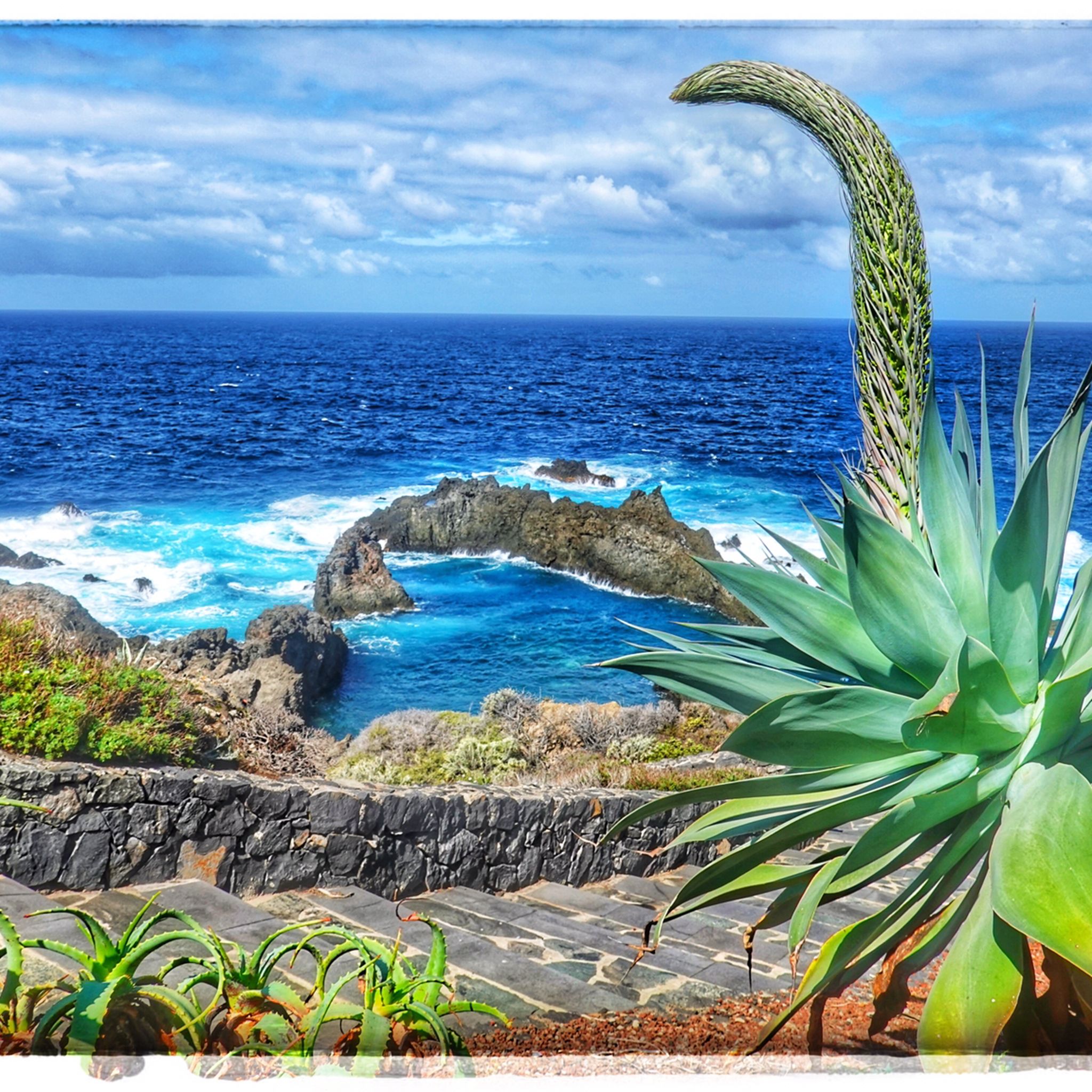
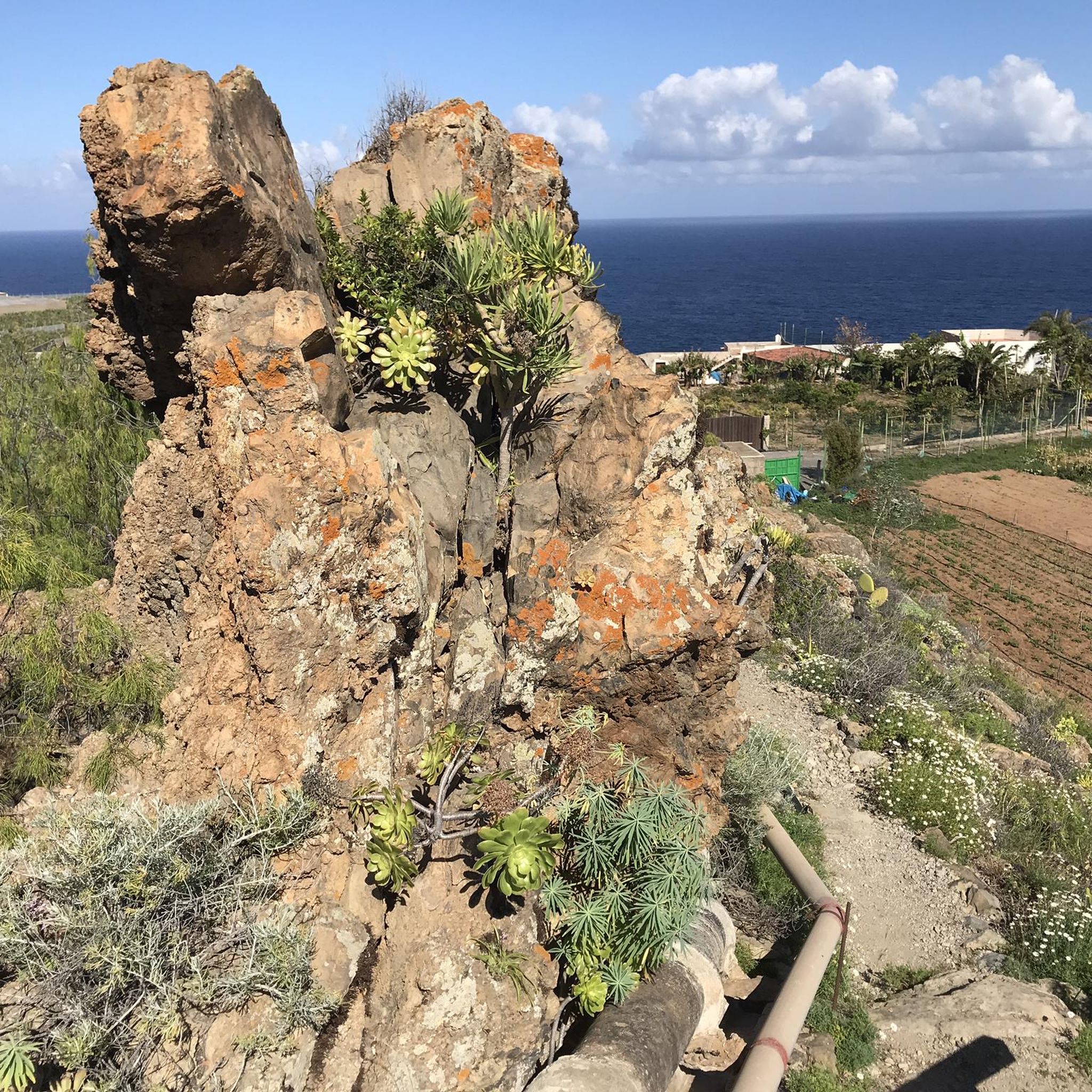
If you like the barren lava landscape, this is the place for you.
0
0

A small lava cave, slightly lit. Nothing special.
0
0

Old volcanic cave, where snow was collected so that it was transformed into ice and from there, lowered to La Orotava. Currently closed to the public.
0
0

The fifth largest volcanic tube in the world and the largest in Europe. Guided tour only: https://cuevadelviento.net/en/ruta-en-aleman-viaje-al-interior-de-la-tierra/ The Cueva del Viento volcanic tube is located in the eponymous district of Icod de los Vinos. It was formed 27,000 years ago from basalt lava from the first eruption phase of the Pico Viejo volcano, next to Mount Teide. The Spanish name of the volcano tube comes from the remarkable air currents inside. With its considerable length (18 kilometers have been recorded topographically so far), the Cueva del Viento is in fifth place in the world, right after the first four longest tubes, all of which are located on the largest Hawaiian island (USA). The volcano tube consists of a huge, network-like labyrinth of underground passages. Numerous branches remain unexplored and indicate a considerable expansion of the cave complex.
0
0

As always, I recommend my video about the tour: https://youtu.be/oRQZzar7hYo
1
1

There is a Guanche mummy in the Drago Park cave
4
0

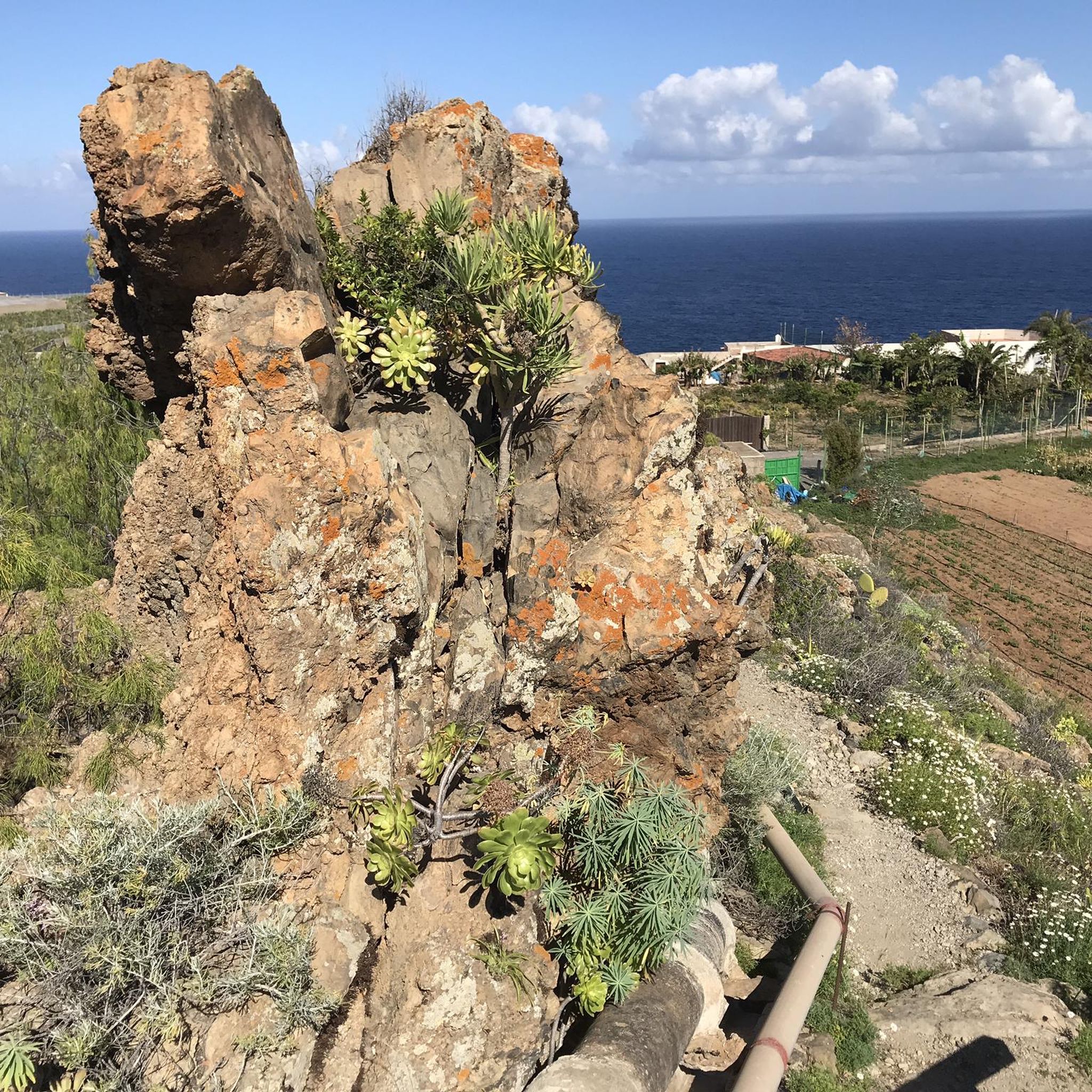
On the hikes you can admire the different volcanic rocks in terms of mineral composition, colour, shape and structure in their lush variety. Interesting not only for geologists.
4
1

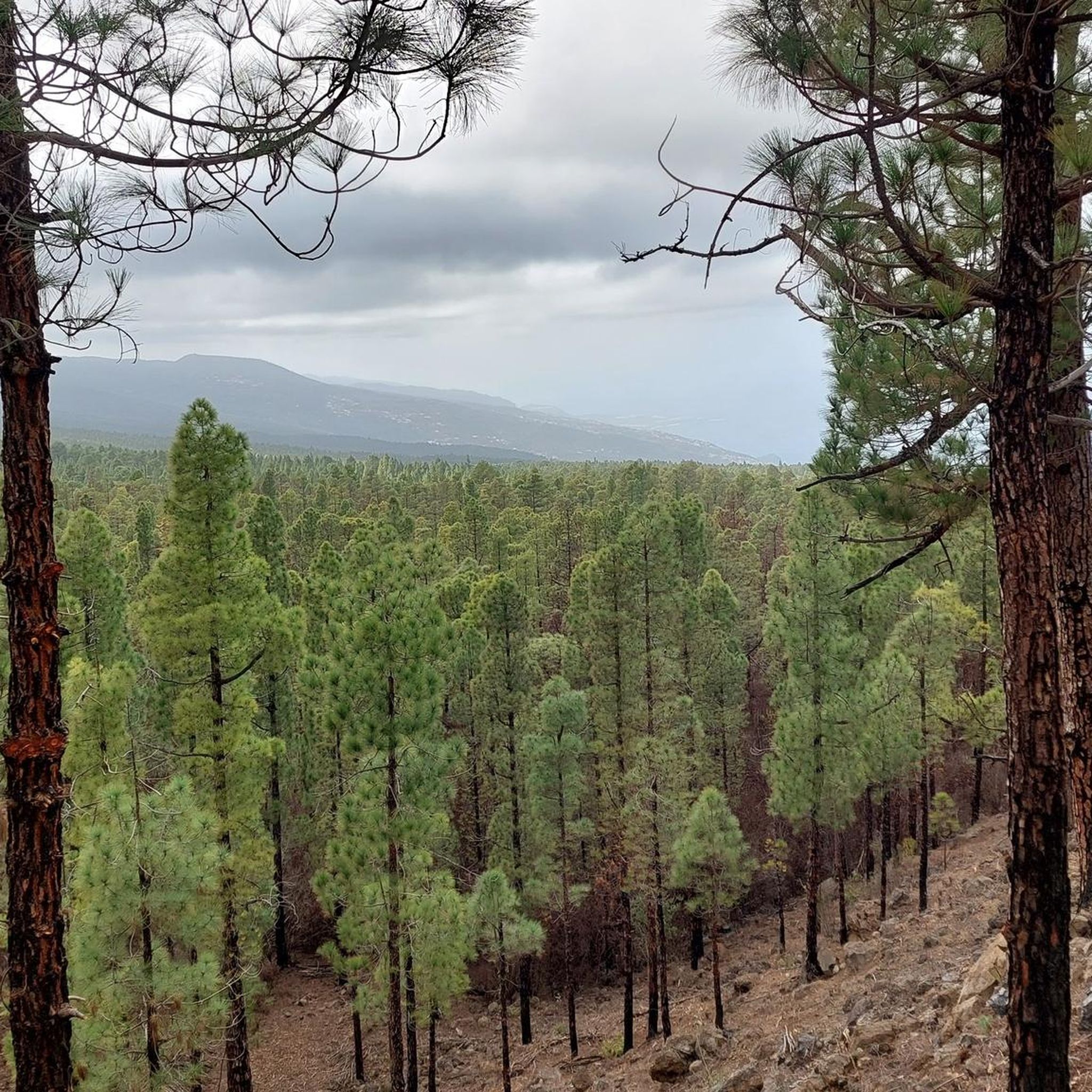
One of the most beautiful places on this island...
7
0
Frequently Asked Questions
What is the most significant cave to visit near La Guancha?
The most significant cave near La Guancha is the Cueva del Viento (Cave of the Wind). It is renowned as one of Europe's largest lava tubes, formed by ancient lava flows from Pico Viejo, next to Mount Teide. Its unique geomorphology includes galleries arranged in three superimposed levels, a phenomenon not observed anywhere else in the world.
What kind of geological formations can I expect to see in the caves around La Guancha?
The caves around La Guancha, particularly Cueva del Viento, are primarily volcanic lava tubes. You can expect to see incredible rock formations such as stalactites, stalagmites, lava cascades, lava lakes, and fascinating 'lavacicles' formed from solidified lava. The region also features natural rock shelters and barren volcanic landscapes.
Do the caves near La Guancha have historical significance?
Yes, many caves in the region hold historical significance. For example, Cueva del Viento was known to the Guanches, the aboriginal inhabitants of the Canary Islands, over 2,000 years ago, with burial remains found within. The Cave of the Guanches (Cueva de los Guanches) in the north of Tenerife is also an important archaeological site known for a rare individual secondary burial pit. You can learn more about it on Wikipedia.
Are there family-friendly caves to explore near La Guancha?
While specific family-friendly caves are not detailed, Cueva del Viento offers guided tours that can be suitable for families, providing insights into geology and history. It's advisable to check age restrictions and tour difficulty directly with the cave's official booking site before planning your visit.
What is the best time of year to visit the caves around La Guancha?
Caves generally maintain a stable temperature year-round, making them a good option regardless of the season. However, for comfortable travel to and from the caves and to enjoy other outdoor activities in the region, spring (April-May) and autumn (September-October) offer pleasant weather with moderate temperatures.
What should I wear when exploring caves in the La Guancha area?
Inside volcanic caves like Cueva del Viento, temperatures are consistently cool. It's recommended to wear comfortable, sturdy closed-toe shoes suitable for uneven terrain and a light jacket or long-sleeved top, even if it's warm outside. Helmets are typically provided by tour operators for safety.
Are permits or advance bookings required for cave visits?
For popular caves like Cueva del Viento, advance booking is essential. Tickets cannot be purchased at the office and must be booked online well in advance due to limited group sizes. Always check the specific requirements for any cave you plan to visit, as some may require permits or guided tours.
What outdoor activities can I do near the caves around La Guancha?
The region around La Guancha offers a variety of outdoor activities. You can find numerous hiking trails, such as the 'Charco del Viento – Coastal Path Along the Cliffs loop' or the 'Helicopter Landing Area – View of El Teide loop'. There are also extensive MTB trails and cycling routes available. For more details, explore the Hiking around La Guancha, MTB Trails around La Guancha, and Cycling around La Guancha guides.
Are there any accessible caves for visitors with mobility challenges near La Guancha?
Most natural caves, especially lava tubes with uneven terrain, narrow passages, and steps, are not fully accessible for visitors with significant mobility challenges. It is best to contact specific cave attractions directly to inquire about their accessibility features and any adapted tours they might offer.
What makes the caves around La Guancha unique compared to other regions?
The caves around La Guancha are unique due to their volcanic origin, specifically as lava tubes. Cueva del Viento, for instance, is globally significant for its three superimposed levels of galleries, a geological rarity. This offers a distinct experience compared to limestone or erosion-formed caves found elsewhere, providing a direct insight into Tenerife's volcanic history.
Are there any cafes or amenities near the cave attractions?
While La Guancha is a small village, you can find local cafes and restaurants. For major attractions like Cueva del Viento, there might be visitor facilities or small shops nearby. It's always a good idea to bring water and snacks, especially if you plan to explore more remote areas or embark on longer tours.
Most popular routes around La Guancha
Most popular attractions around La Guancha

Get inspired with the komoot mobile app


Explore more
Extend your search for the best caves by checking out these guides of the top ones around La Guancha:
