Top 9 Caves around San Sebastián De La Gomera
Best caves around San Sebastián De La Gomera are found on an island known for its rugged volcanic landscape and deep ravines. The municipality offers access to unique geological formations and sites with historical significance. These formations provide insights into the island's natural history and past inhabitants. The area features a variety of caves, from those with historical aboriginal connections to natural formations along the coast and within gorges.
Best caves around San Sebastián De La Gomera
- The most popular…
Last updated: July 4, 2026
White Caves
Highlight • Cave
Translated by Google •
Tip by

El Cedro Water Tunnel
Highlight • Structure
Translated by Google •
Tip by

Sign up now to discover places like this
Get recommendations on the best single tracks, peaks, & plenty of other exciting outdoor places.
Sign up for free
Chinguarime Beach
Highlight • Beach
Translated by Google •
Tip by

Cave Houses of La Gomera
Highlight • Structure
Translated by Google •
Tip by
Descent to Taguluche Gorge and Cave
Highlight • Gorge
Translated by Google •
Tip by

Sign up for free to discover even more caves around San Sebastián De La Gomera.
Sign up for free
Already have an account?
Start today with a free account
Your next adventure awaits.
Login or Signup
Popular around San Sebastián De La Gomera
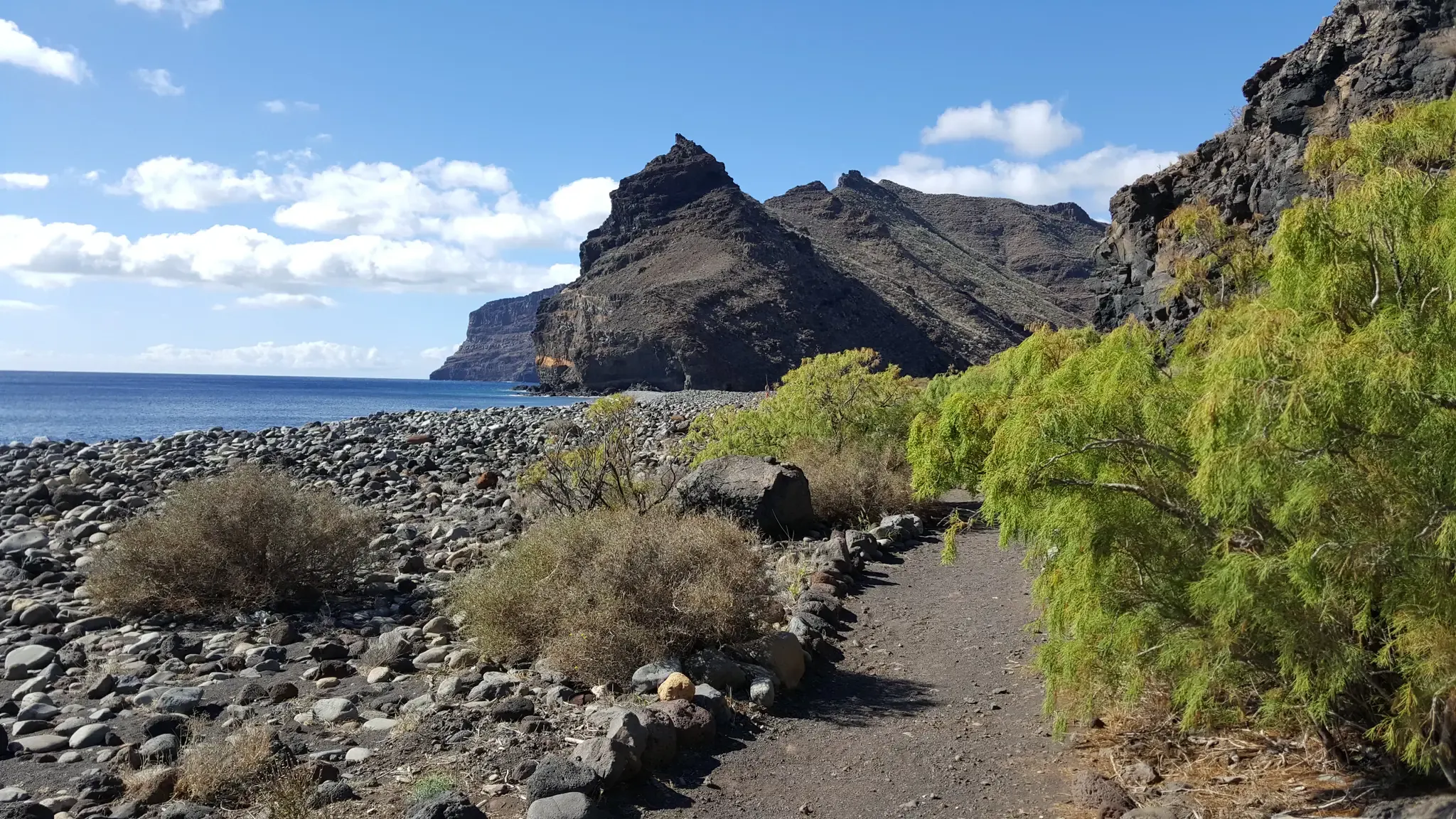
GR 132 – Up and down on an island loop of La Gomera
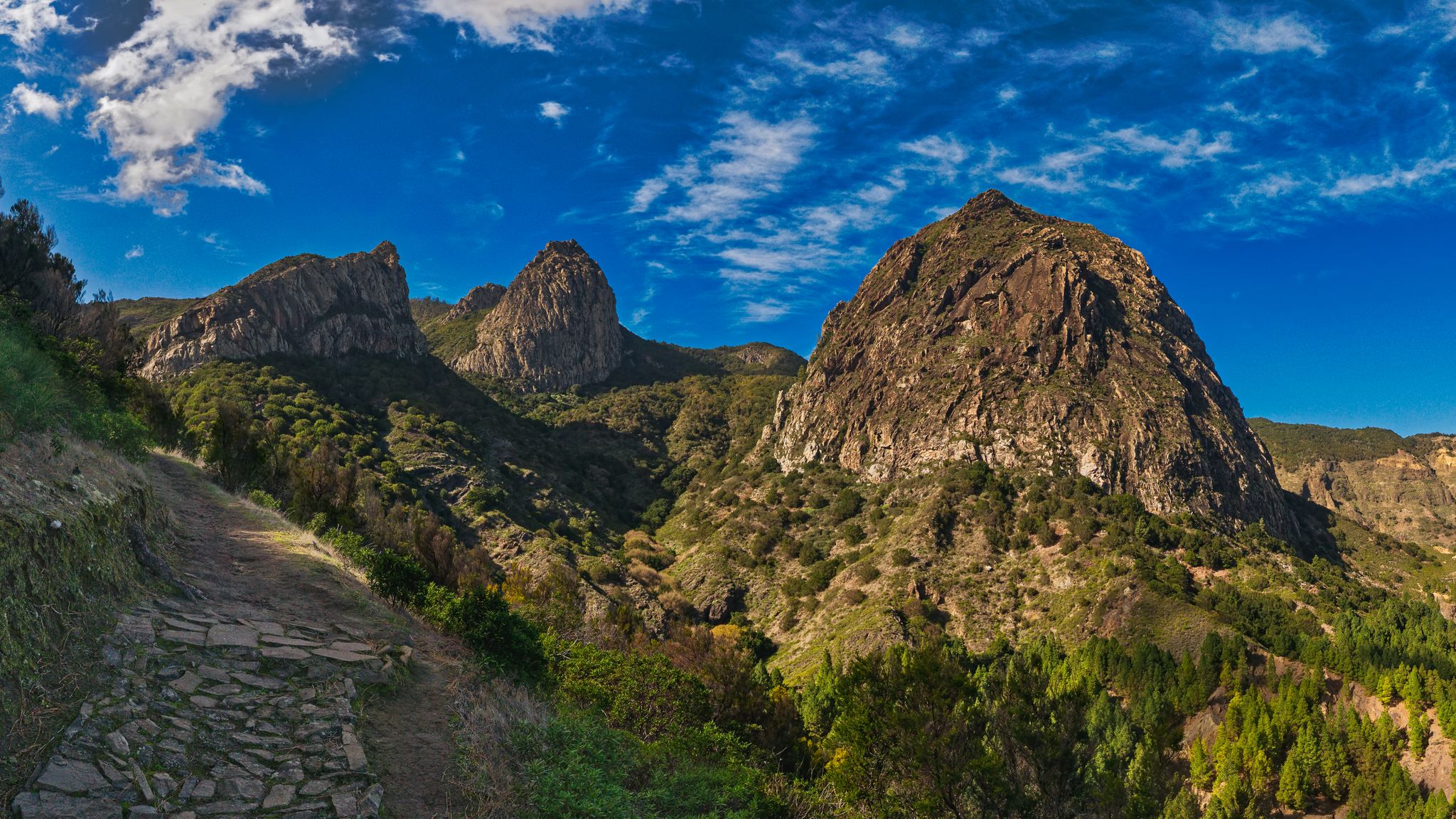
The magical island – Cumbres de La Gomera Natural Trail (GR 131)
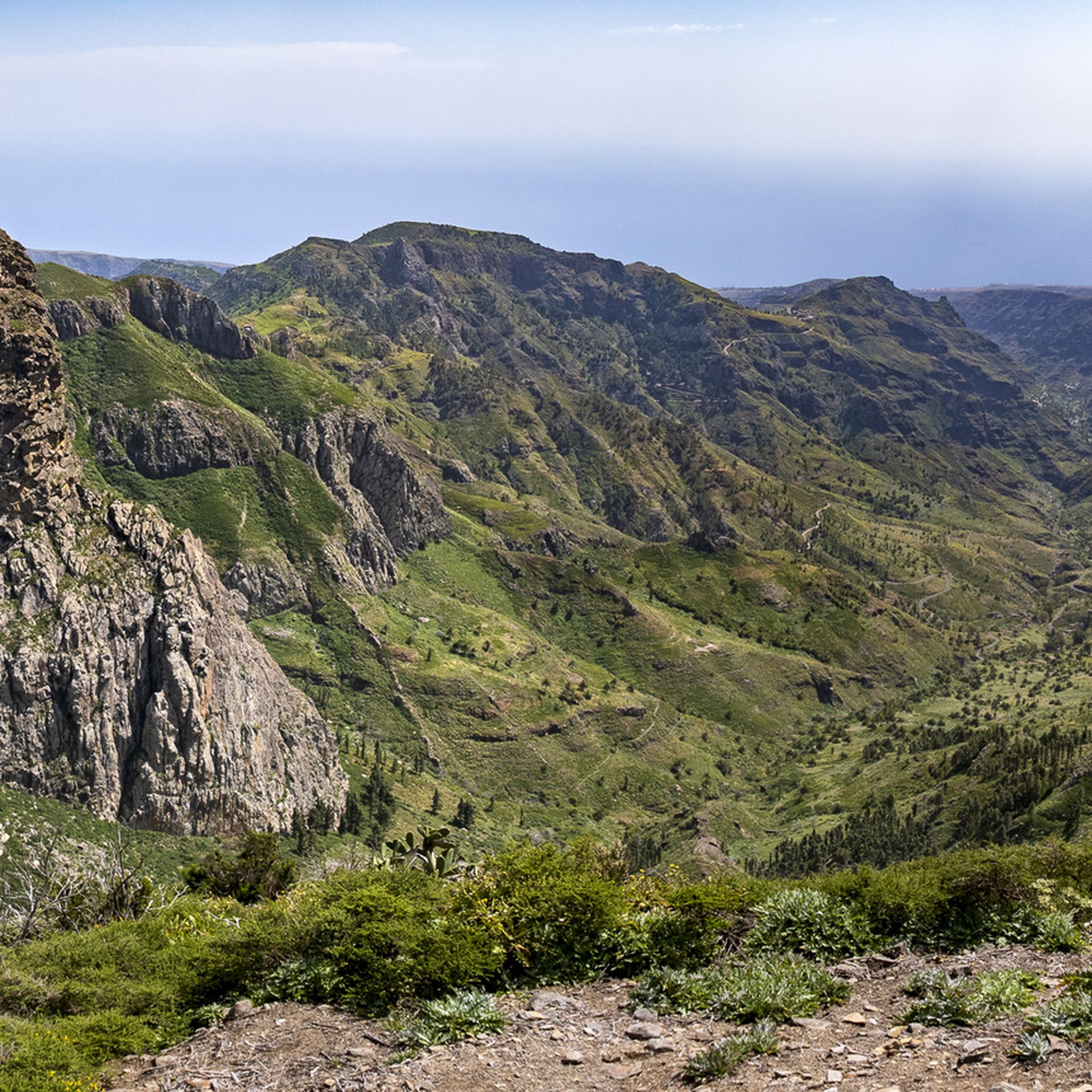
Hiking around San Sebastián De La Gomera
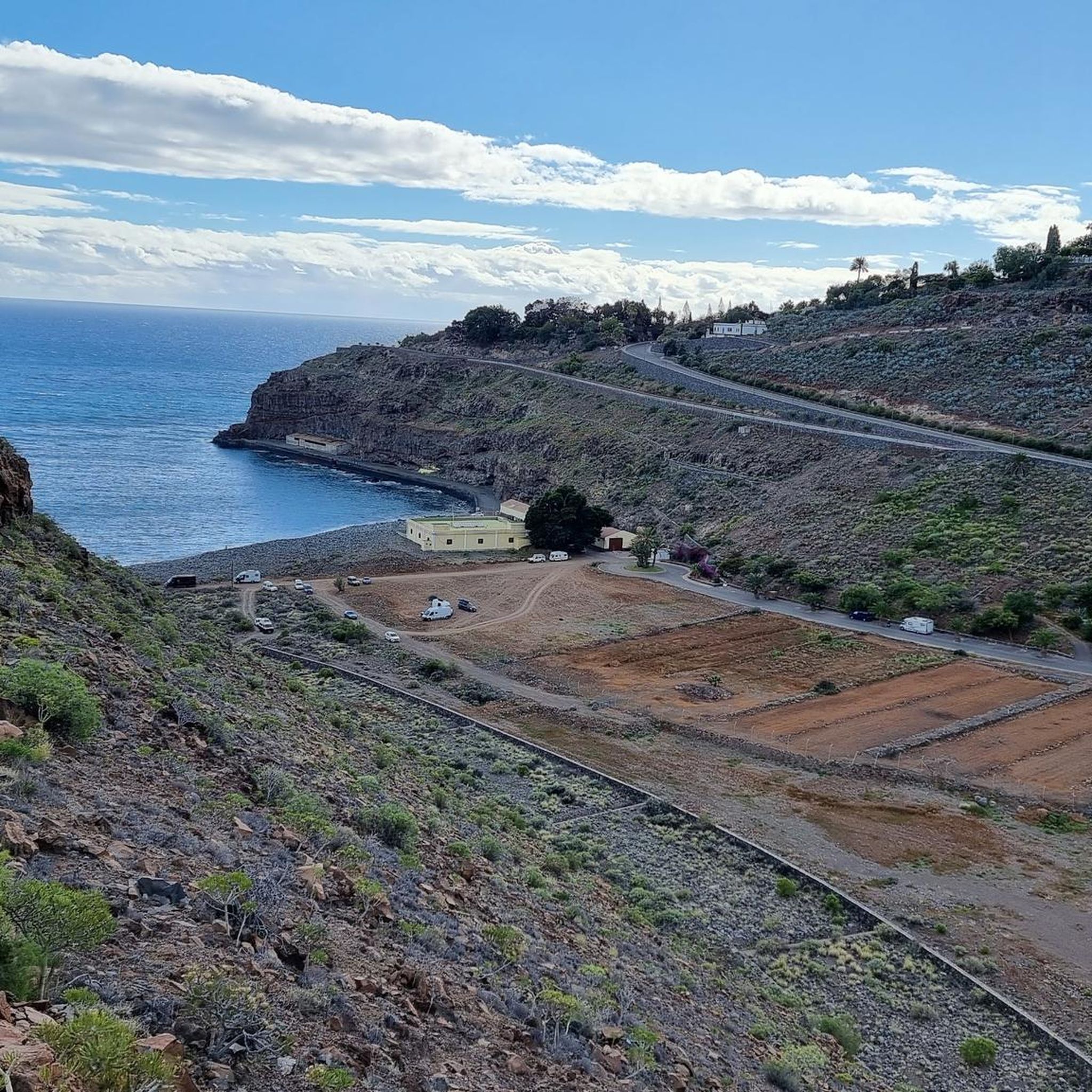
Road Cycling Routes around San Sebastián De La Gomera
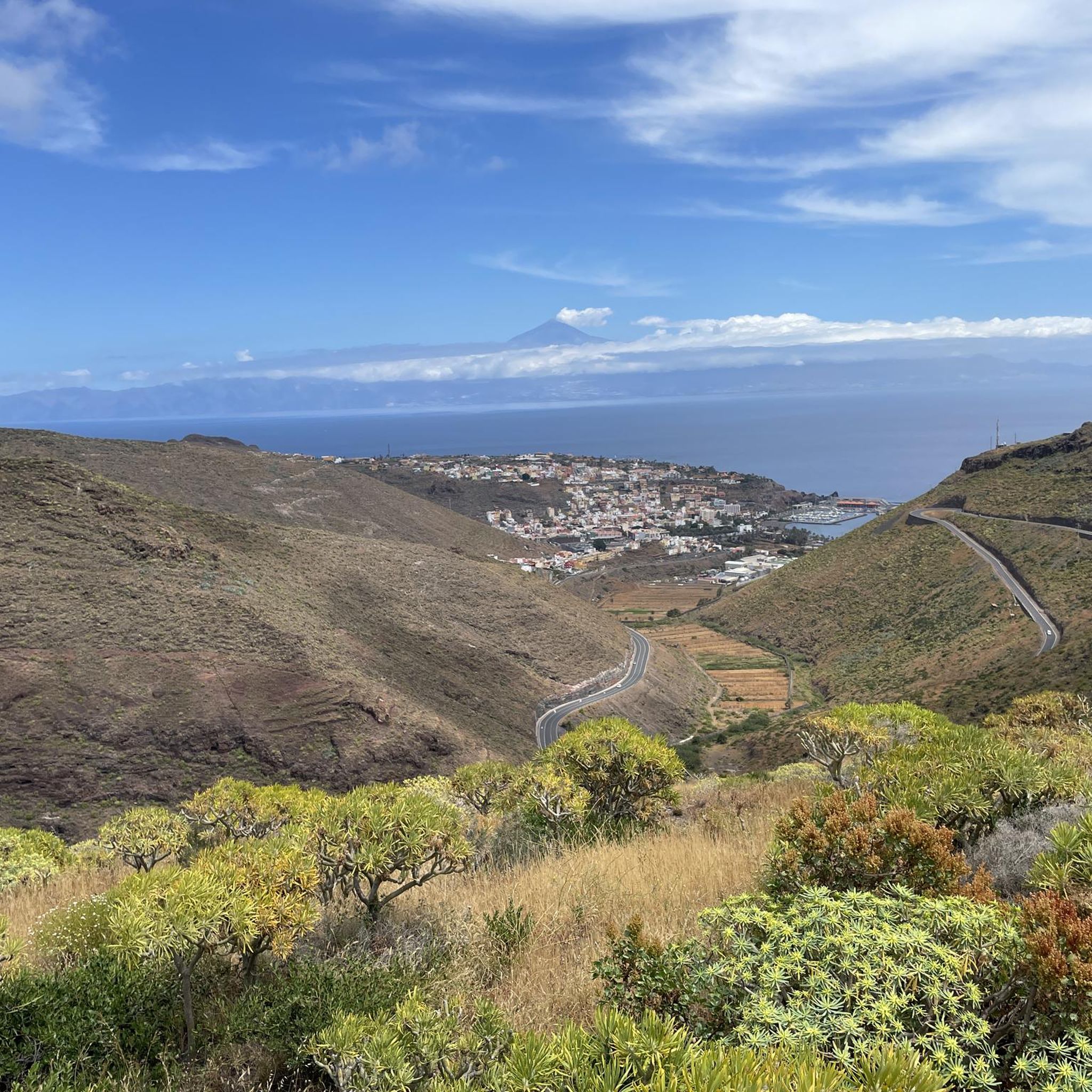
Running Trails around San Sebastián De La Gomera
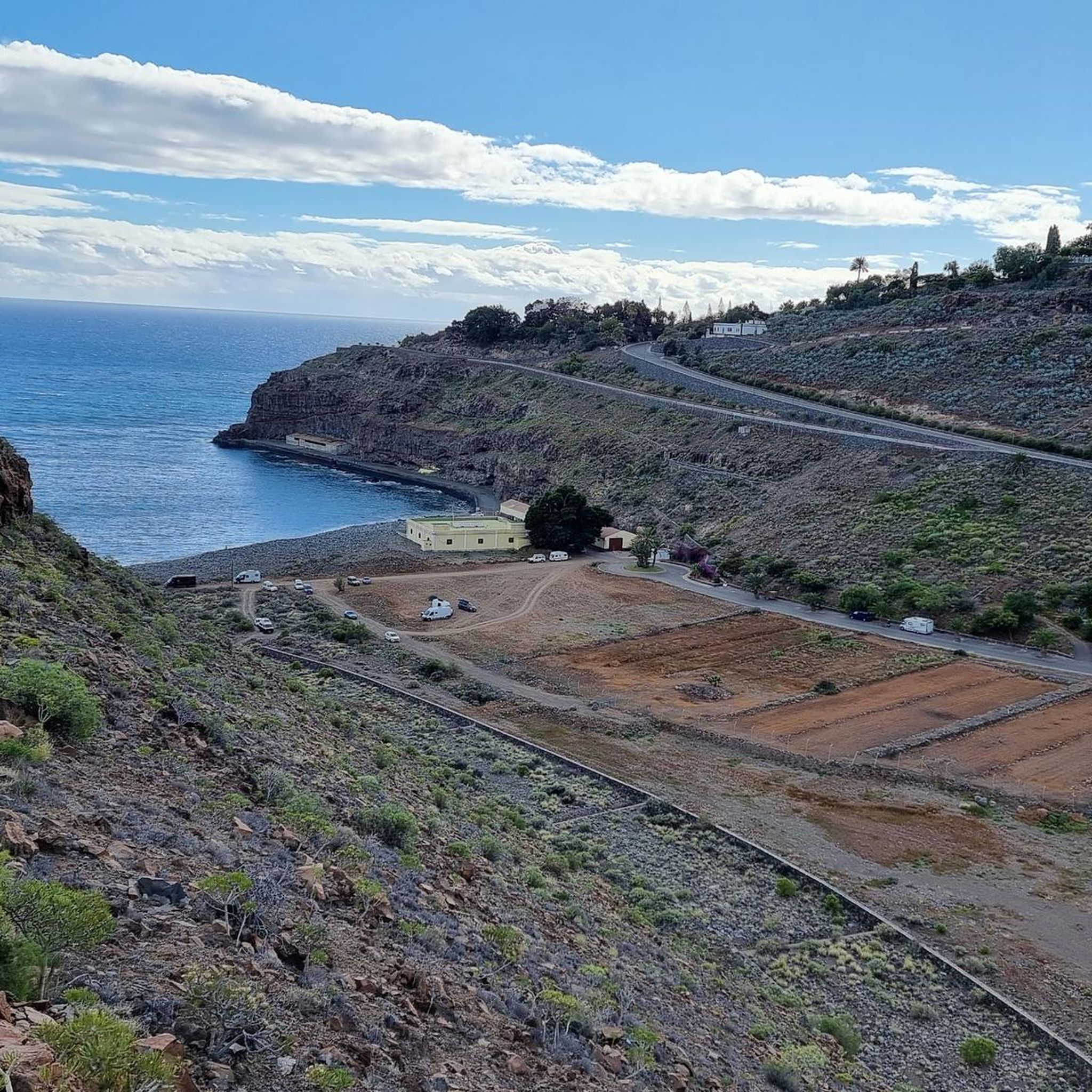
MTB Trails around San Sebastián De La Gomera
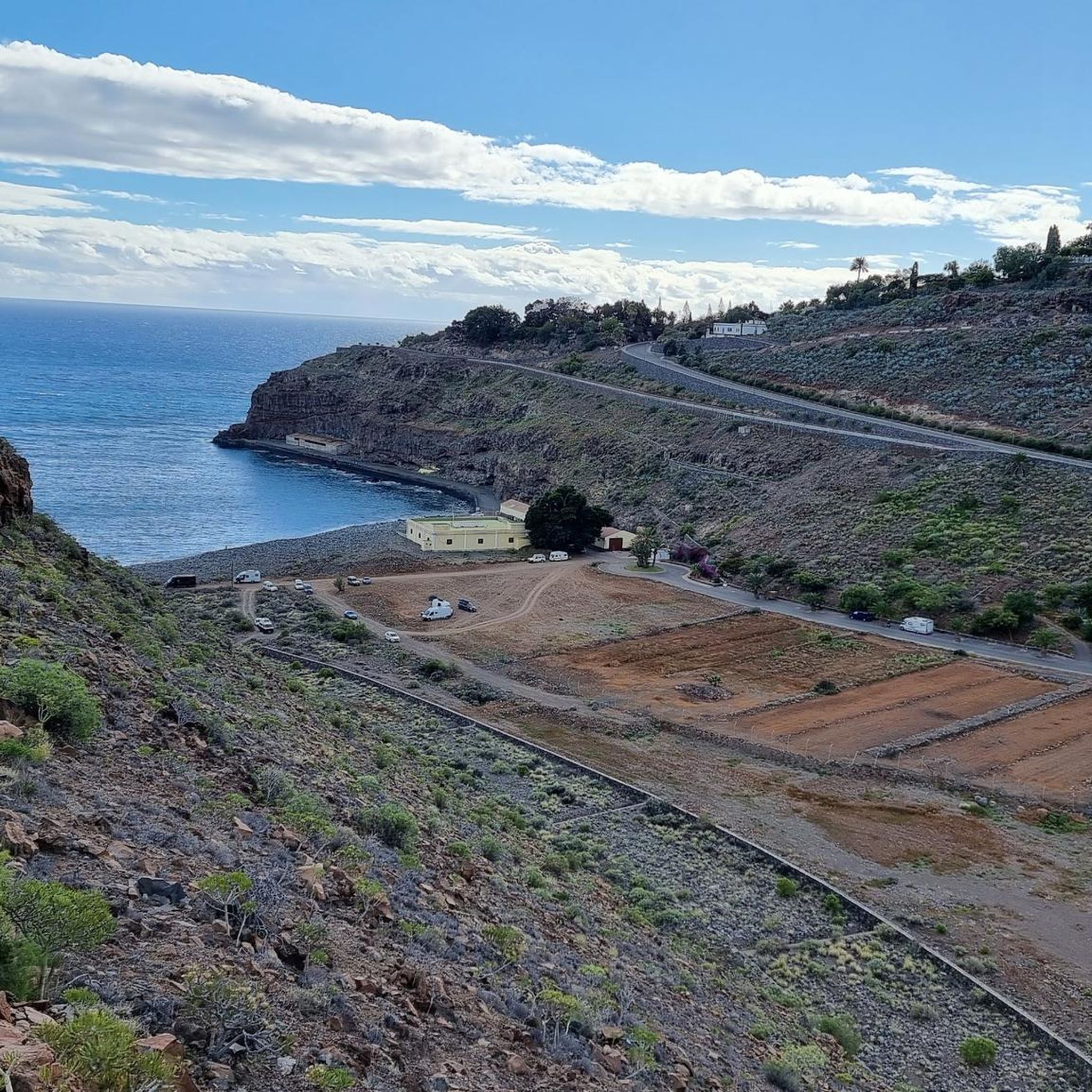
Cycling around San Sebastián De La Gomera
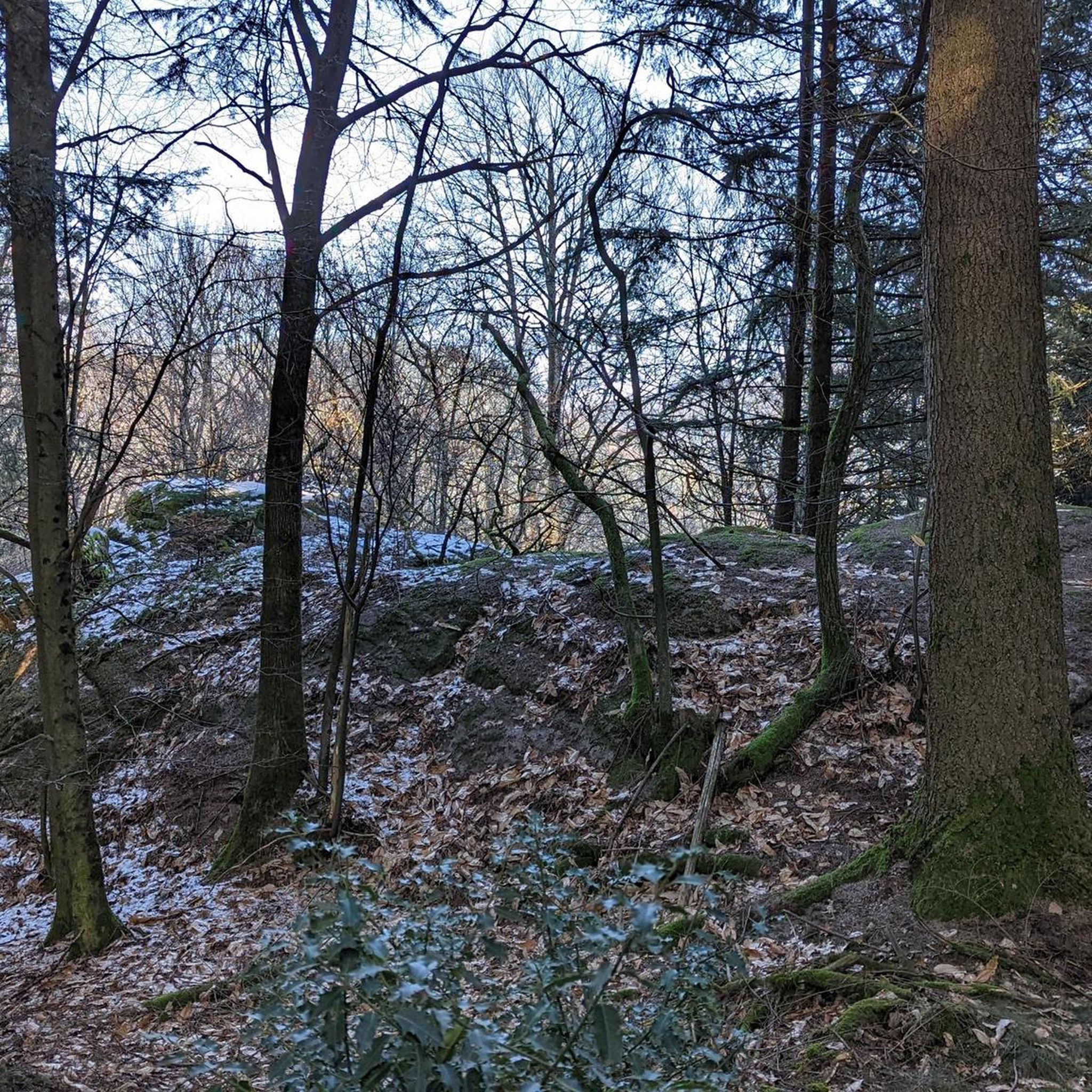
Mountain Hikes around San Sebastián De La Gomera
Other adventures around San Sebastián De La Gomera


Tips from the Community

Enchanting stone houses that nestle under the rock faces of Valle Gran Rey.
0
0

The "White Caves" (Spanish: Cuevas Blancas or Casa de las Cuevas Blancas) on La Gomera are a former, now abandoned rock cave village. The dwellings were carved directly into the rock but should not be confused with the inhabited so-called "dropout caves", which are often found directly by the sea. Rather, they seem to be a testament to the former, simple way of life on the island. Probably already used in prehistoric times until the 15th century by the indigenous population before the Spanish conquest. After the conquest of La Gomera in the late 15th century (around 1488), the traditional use of caves apparently declined sharply. These caves (-houses) here were very likely occasionally used by shepherds or farm laborers until just before the turn of the millennium, but definitely no longer permanently as a main residence. The tour here via the so-called "Pole Path" is phenomenal - however - despite "defusing" - (now the path itself is wide and (almost) level to walk) not for people with a fear of heights. The "poles" are largely dismantled (good riddance!), what remains are rather "historical" railing fragments that provide psychological security. A great path that you should have done!
0
0

The white caves in the far east of La Gomera are a very interesting destination for a hike. The path there is very varied and offers great views 👍
0
0

05.12.24 Unfortunately it has completely collapsed, no way through is possible. The 30cm wide gap that was still there is now also buried.
2
2

Beautiful spot but hard to reach and not really worth it. U catch some scratches and bruises along the way to the end.
0
0

you like walking past it. It feels like you are walking through a shepherd's backyard. After that it gets spectacular. You should have a fairly good head for heights...it gets steep
2
0
First you have to walk through the town's garbage dump 🥾🙃
1
0

Frequently Asked Questions
What are some popular caves to explore around San Sebastián de La Gomera?
The region offers a variety of caves, each with unique appeal. You can visit the White Caves, which were once inhabited by farmers and offer stunning ocean views after a hike. Another popular spot is Chinguarime Beach, where natural caves on the rocky slopes provide shelter and a place to relax by the sea. For a more adventurous experience, consider the Descent to Taguluche Gorge and Cave, known for its spectacular views and challenging sections.
Are there any historically significant caves in La Gomera?
Yes, the island is rich in history. The **Cave of Guahedum** (also known as Cueva del Conde or Cueva de Iballa) in San Sebastián holds immense historical significance, linked to the 1488 "Rebellion of the Gomeros" and the indigenous princess Iballa. Another site is the **Cueva de Las Palomas Chapel**, a mini cave housing a chapel dedicated to the Virgin of Candelaria, where skeletons of indigenous people were recovered, blending natural beauty with cultural heritage.
What kind of natural features can I expect to see near these caves?
Exploring the caves around San Sebastián de La Gomera often means encountering diverse natural landscapes. You'll find dramatic volcanic formations, deep ravines, and coastal views. The hike to White Caves, for instance, passes through the Parque Natural de Majona and offers panoramic views of the ocean and Tenerife. Chinguarime Beach features natural caves directly on its wide pebble shores, perfect for enjoying the sea.
Are there family-friendly caves to visit?
While many caves on La Gomera involve hiking, Chinguarime Beach offers natural caves directly on the beach, making it a more accessible option for families looking to relax and enjoy the seaside. The caves provide natural shelter, and the beach is suitable for swimming.
When is the best time to visit the caves around San Sebastián de La Gomera?
La Gomera enjoys a mild climate year-round, making it suitable for visiting caves and hiking at any time. However, the spring (April-May) and autumn (September-November) months often offer the most pleasant temperatures for outdoor activities, avoiding the peak summer heat while still providing good weather for exploration.
Do I need any special permits for caving in La Gomera?
For the natural caves and historical sites mentioned, such as the White Caves or those at Chinguarime Beach, special caving permits are generally not required as they are more accessible natural formations or historical points of interest. Always check local regulations for any specific, more technical caving expeditions you might plan.
What outdoor activities can I do near these caves?
The rugged landscape of La Gomera offers numerous outdoor activities. Near the caves, you can find excellent opportunities for hiking and running. For example, you can explore various running trails or embark on mountain hikes that often lead to viewpoints or through scenic gorges. Cycling is also popular, with many cycling routes available across the island.
Are there any caves known for alternative lifestyles or 'dropouts'?
Yes, some caves on La Gomera have been historically used by individuals seeking an alternative lifestyle. The Monkey Cave, for instance, is known as a place where people who have chosen to live outside conventional society, sometimes referred to as 'dropouts' or 'hippies', have resided. This offers a glimpse into a different aspect of the island's culture and history.
What do visitors enjoy most about the caves around San Sebastián de La Gomera?
Visitors frequently highlight the unique blend of natural beauty and historical intrigue. Many appreciate the rewarding hikes that lead to caves like the White Caves, offering spectacular views. The sense of discovery, whether it's finding a secluded beach cave at Chinguarime Beach or exploring a challenging gorge with a cave, is a common theme. The connection to the island's ancient past and indigenous culture also leaves a lasting impression.
Are there any caves that are part of a challenging hiking route?
Absolutely. The Descent to Taguluche Gorge and Cave is a challenging trail appreciated by hikers for its scenic beauty, though parts of the route can be steep and require a good head for heights. Another adventurous option is the Exit from the Water Channel Cave, which is part of a demanding route along a water canal, requiring surefootedness and a head for heights due to airy sections along a rock face.
Most popular routes around San Sebastián De La Gomera
Most popular attractions around San Sebastián De La Gomera

Get inspired with the komoot mobile app


Explore more
Extend your search for the best caves by checking out these guides of the top ones around San Sebastián De La Gomera:
