Top 6 Castles around Alcorcón
Best castles around Alcorcón include historical sites and cultural centers. The area is notable for the Castles of Valderas, a complex of palaces rather than traditional fortresses, featuring distinctive Saxon-style architecture. These structures, located within the Parque de los Castillos, offer a blend of historical significance and cultural engagement. The region provides opportunities to explore various castles and their surrounding landscapes.
Best castles around Alcorcón
- The most popular castles is The Royal Palace of Madrid, a historical site that…
Last updated: June 20, 2026
The Royal Palace of Madrid
Highlight • Historical Site
Translated by Google •
Tip by

Vargas Mansion
Highlight • Historical Site
Translated by Google •
Tip by

Sign up now to discover places like this
Get recommendations on the best single tracks, peaks, & plenty of other exciting outdoor places.
Sign up for free
Torreón de Arroyomolinos
Highlight • Castle
Translated by Google •
Tip by

Castle of Villaviciosa de Odón
Highlight • Castle
Translated by Google •
Tip by

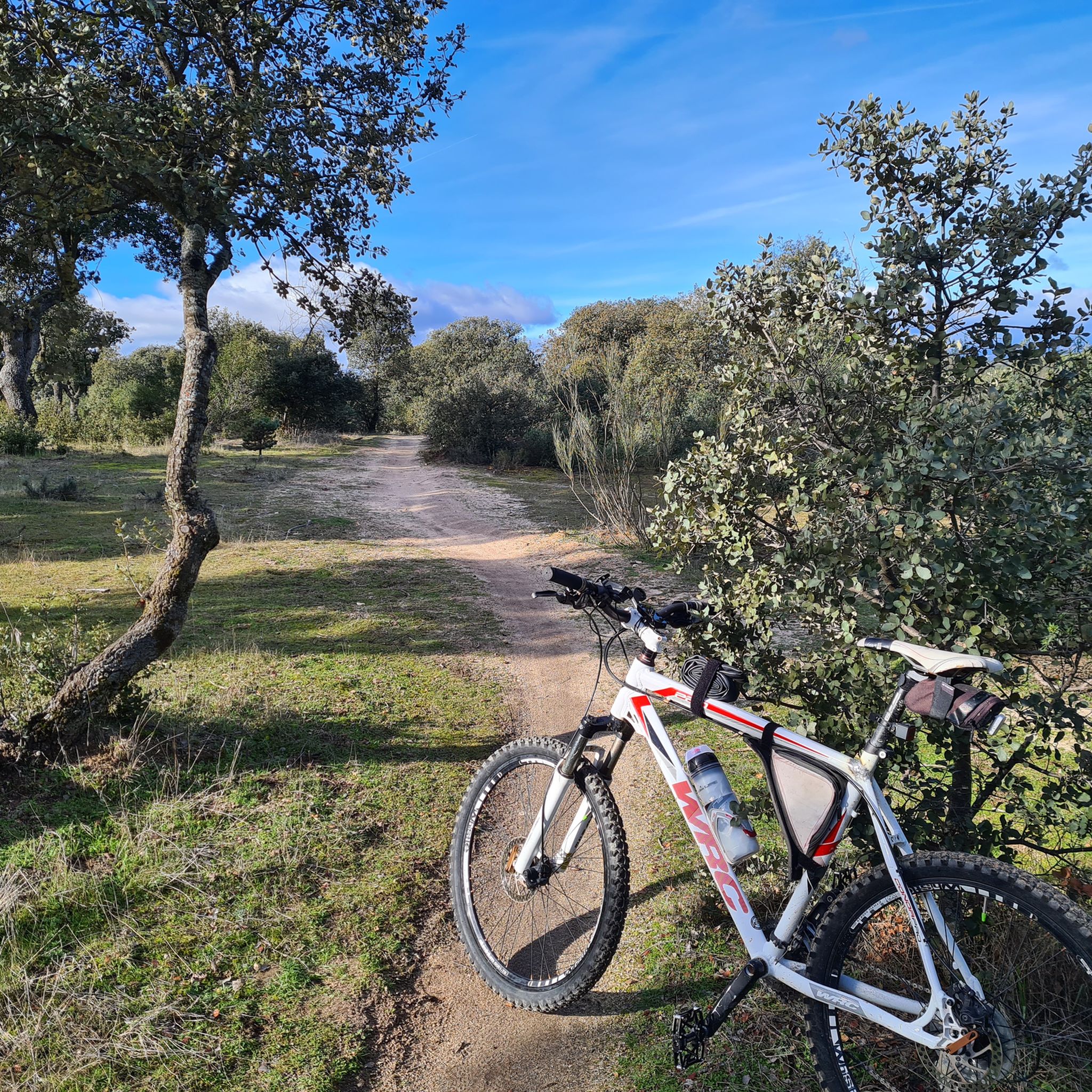
Technical MTB Ascent to Castillo de Polvoranca
Highlight • Climb
Translated by Google •
Tip by

Sign up for free to discover even more castles around Alcorcón.
Sign up for free
Already have an account?
Start today with a free account
Your next adventure awaits.
Login or Signup

Tips from the Community

Villaviciosa Castle is a historic fortification located in the municipality of Villaviciosa de Odón, in the Community of Madrid. This castle has a rich history dating back to the Middle Ages, being one of the most emblematic elements of the town. Today, Villaviciosa Castle is used for various cultural and social events, such as weddings, exhibitions and concerts.
0
0
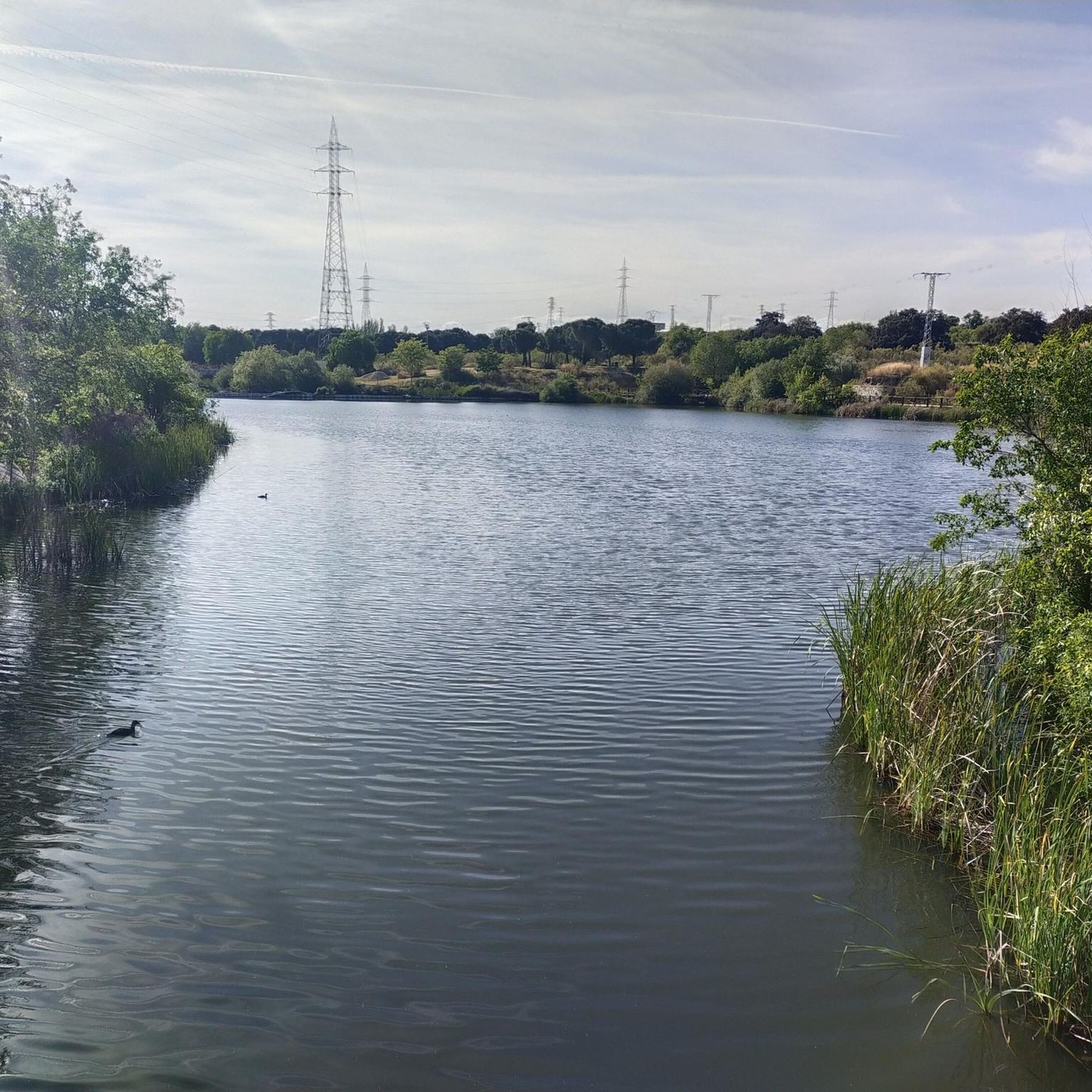
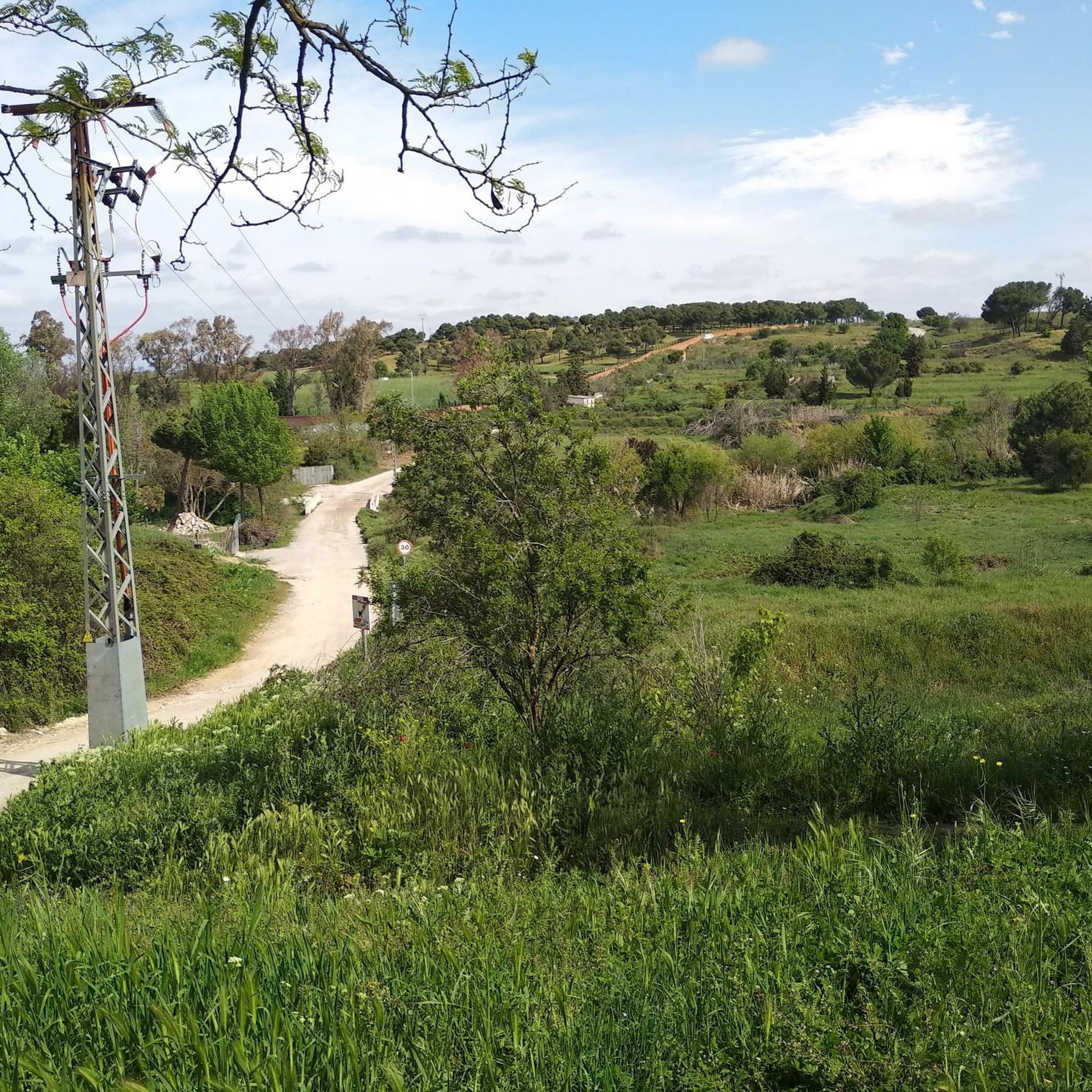
access area to the country house.
1
0

Magnificent, majestic, and gigantic – the Palacio Real in Madrid could hardly be better described. Visitors have also described the Royal Palace as "imposing," "beautiful to look at," or "very impressive." Before the Palacio Real was built at the end of the 18th century on Plaza de Oriente, a Spanish Moorish castle stood on the site, which burned down on Christmas Eve 1784. After several wartime setbacks, Spain's aim with the construction of the palace was to demonstrate a new beginning with renewed courage and self-confidence. This was perfectly reflected in the palace's architectural style: a mix of classical and baroque architecture makes the Palacio Real shine like a work of art from afar. Countless halls, a palace chapel, and a Hall of Mirrors are hidden within the impressive labyrinth. Paintings adorn entire ceilings of individual rooms, chandeliers sparkle in the rays of the sun, and the furniture looks as if it had been designed by the 18th-century king himself – everything is utterly pompous. The royal family itself, however, does not consider the palace its residence. Instead, they reside in the Palacio de la Zarzuela, which is considerably more modest. https://www.urlaubsguru.de/reisemagazin/sehenswuerdigkeiten-madrid/
8
0

The tower of Pan, or Arroyomolinos, is the only remaining bastion of an ancient castle. Its current state of conservation is very good and it is part of the medieval buildings that can be visited in the Community of Madrid.
0
0

Also called Torre del Pan (the only trace of the Castle of Pan), it is a fortification of interesting shape, typical of the late medieval period. It dates back to the 15th century and is located in the historic center, very close to the green areas of Arroyomolinos. It has information panels, so come and learn its history.
3
0

The Palacio Real is the successor to the Moorish Alcazar that burned down in 1734 and was built on behalf of King Felipe V. However, it was King Carlos III who was the first to move into the palace 23 years later. Of the 2,800 halls and rooms in the palace, about 50 can be visited. Every first Wednesday of the month at 12:00 noon there is a changing of the guard.
10
0

The Royal Palace of Madrid has been the home of the kings of Spain for more than 200 years. It is an impressive building built in the 18th century, which took more than 17 years to complete. The construction of the palace was ordered by King Felipe V, who chose the Italian architect Filippo Juvarra to design the building. However, after Juvarra's death, the Spanish architect Ventura Rodríguez was commissioned to complete the project. The Royal Palace has more than 3,000 rooms and is one of the largest palaces in Europe. The building is built in a neoclassical style and features Baroque-influenced details. The interiors are decorated with an impressive collection of works of art, which is why it is considered one of the most important in the world. The palace has been the scene of many historical events, such as the proclamation of Alfonso XIII as King of Spain in 1902 or the signing of the Spanish Constitution of 1978. In addition, it has hosted many cultural events, such as concerts, art exhibitions and presentations of books. Currently, the Royal Palace is only used for ceremonial and official occasions, since the official residence of the kings of Spain is the Palacio de la Zarzuela. However, it is an impressive place that all visitors to Madrid should see. I hope this brief history of the Royal Palace of Madrid has been useful to you.
5
0

Royal Palace of Madrid The Royal Palace is a historic and architectural wonder that should top your Madrid to do list. This vast estate is the largest palace in Europe and it's been standing for nearly three centuries. From the outside it is huge and imposing and the inside, well it is simply completely decadent, lavish, opulent…words fail me. I’m well travelled and this was the most impressive regal palace I’ve been to. I have not visited Buckinham Palace or Windsor Castle in the UK though. Tickets - Well I went mid day on a Sunday in February and stood in line for about thirty minutes. You can buy them on line and skip the line. I just couldn’t be bothered. Prices - Basic general entry is €12. Anything else like audio, guide or kitchen visit is between €2-5 each. There is free entry for -5 and +65 along with teachers. Inside - Truly outstanding rooms, reeks of history and you can of course download a multimedia guide including a map for €5. Photos - Yes ‘but’ not once you enter the stately rooms. This is where you really want to have the photos though 🤷. I don’t like this silly rule but to be honest it is very busy there and if people took photos too it would add immensely to the bustle. Marks - 11/10. Simply superb, world class….well done Spain!
5
0
Frequently Asked Questions
What are the Castles of Valderas in Alcorcón?
The Castles of Valderas are a unique architectural complex in Alcorcón, consisting of early 20th-century palaces rather than traditional medieval fortresses. Commissioned in 1917, these Saxon-style buildings, particularly the main castle, have a rich history, hosting figures like King Alfonso XIII and serving as a military headquarters during the Spanish Civil War. Today, the main castle houses a significant cultural institution.
What cultural attractions can I find at the Castles of Valderas?
The main Valderas Castle is home to the Museum of Contemporary Art in Glass of Alcorcón (MAVA). This museum showcases a unique collection of over 200 contemporary glass artworks from international artists, including sculptures and installations. Admission to MAVA, including guided tours, is free, offering an enriching cultural experience within a historic setting.
Are there other historical castles or sites to visit near Alcorcón?
Yes, beyond the Castles of Valderas, you can explore several other historical sites. These include the impressive The Royal Palace of Madrid, the largest in Western Europe, and the historic Castle of Villaviciosa de Odón, which hosts various cultural events. You can also visit the Torreón de Arroyomolinos, a well-preserved 15th-century fortification.
Are there family-friendly castles to visit around Alcorcón?
Many of the castles and historical sites in the area are considered family-friendly. The Royal Palace of Madrid, Vargas Mansion, Torreón de Arroyomolinos, and the Castle of Villaviciosa de Odón are all categorized as such, offering engaging experiences for all ages.
What outdoor activities can I do near the castles around Alcorcón?
The region around Alcorcón offers various outdoor activities. You can find numerous routes for gravel biking, road cycling, and hiking. For example, there are moderate gravel biking loops like the 'Alto de Garabitas – Casa de Campo Park loop' and easy hiking trails such as 'Parque de las Presillas – circular from Alcorcón'. You can explore more options on the Gravel biking around Alcorcón, Road Cycling Routes around Alcorcón, and Hiking around Alcorcón guide pages.
How can I reach the Castles of Valderas by public transport?
The Castles of Valderas are located in Alcorcón, which is well-connected by public transport from Madrid. You can typically reach Alcorcón via metro (Line 10 or 12) or commuter train (Cercanías C5). Once in Alcorcón, local bus services can take you closer to the Parque de los Castillos area where the Valderas complex is situated.
Is there parking available at the Castles of Valderas?
Yes, parking is generally available in the vicinity of the Castles of Valderas, particularly around the Parque de los Castillos area. As it's an urban park and cultural center, there are usually designated parking spots for visitors to the museum and the surrounding recreational areas.
What is the best time of year to visit the castles around Alcorcón?
The best time to visit the castles and explore the surrounding areas around Alcorcón is typically during the spring (April-June) and autumn (September-October). During these seasons, the weather is mild and pleasant, ideal for both indoor cultural visits and outdoor activities like hiking or cycling in the parks. Summers can be very hot, and winters can be chilly, though indoor attractions remain accessible year-round.
Are there any free-entry castles or historical sites near Alcorcón?
Yes, the Museum of Contemporary Art in Glass (MAVA), located within the main Valderas Castle in Alcorcón, offers free admission and guided tours. This provides an excellent opportunity to experience a unique cultural attraction without an entry fee.
Can I find places to eat or drink near the Castles of Valderas?
Yes, being located within the city of Alcorcón, there are various cafes, pubs, and restaurants in the surrounding neighborhoods near the Castles of Valderas. You'll find options for refreshments and meals within walking distance or a short drive from the complex.
Are there any dog-friendly historical sites or parks near Alcorcón's castles?
While specific castle interiors may have restrictions, the urban park surrounding the Castles of Valderas, known as Los Castillos, is a 12.65-hectare green area that is generally dog-friendly for walks on a leash. Many other parks and outdoor routes in the Alcorcón area, such as those mentioned in the Hiking around Alcorcón guide, are also suitable for exploring with dogs.
Most popular routes around Alcorcón
Most popular attractions around Alcorcón

Get inspired with the komoot mobile app


Explore more
Looking for the best castles somewhere else? Discover other guides around Alcorcón:
