Top 20 Caves around San Bartolomé De Tirajana
Best caves around San Bartolomé De Tirajana are found on Gran Canaria, offering a diverse range of natural formations and historical sites. This region is known for its significant geological features and insights into ancient aboriginal culture. Visitors can explore various cave types, from expansive natural caverns to ancient dwelling complexes. The area provides numerous opportunities for exploring unique landmarks and natural features.
Best caves around San Bartolomé De Tirajana
- The most popular caves is Fortaleza Grande Cave, a…
Last updated: August 28, 2026
Fortaleza Grande Cave
Highlight • Cave
Translated by Google •
Tip by

Caballero Caves
Highlight • Cave
Translated by Google •
Tip by

Sign up now to discover places like this
Get recommendations on the best single tracks, peaks, & plenty of other exciting outdoor places.
Sign up for free
Roque Bentayga
Highlight • Natural Monument
The Bentayga …
Translated by Google •
Tip by

Goat Caves at Degollada de las Yeguas
Highlight • Cave
Translated by Google •
Tip by

Caves of Morros de Ávila
Highlight • Cave
Tip by

Sign up for free to discover even more caves around San Bartolomé De Tirajana.
Sign up for free
Already have an account?
Start today with a free account
Your next adventure awaits.
Login or Signup
Popular around San Bartolomé De Tirajana
Canary Islands at a slow pace – six hikes immersed in nature
The challenge of the year — Transgrancanaria Classic
An island of contrasts – crossing Gran Canaria
Escape to the south — road cycling in Gran Canaria
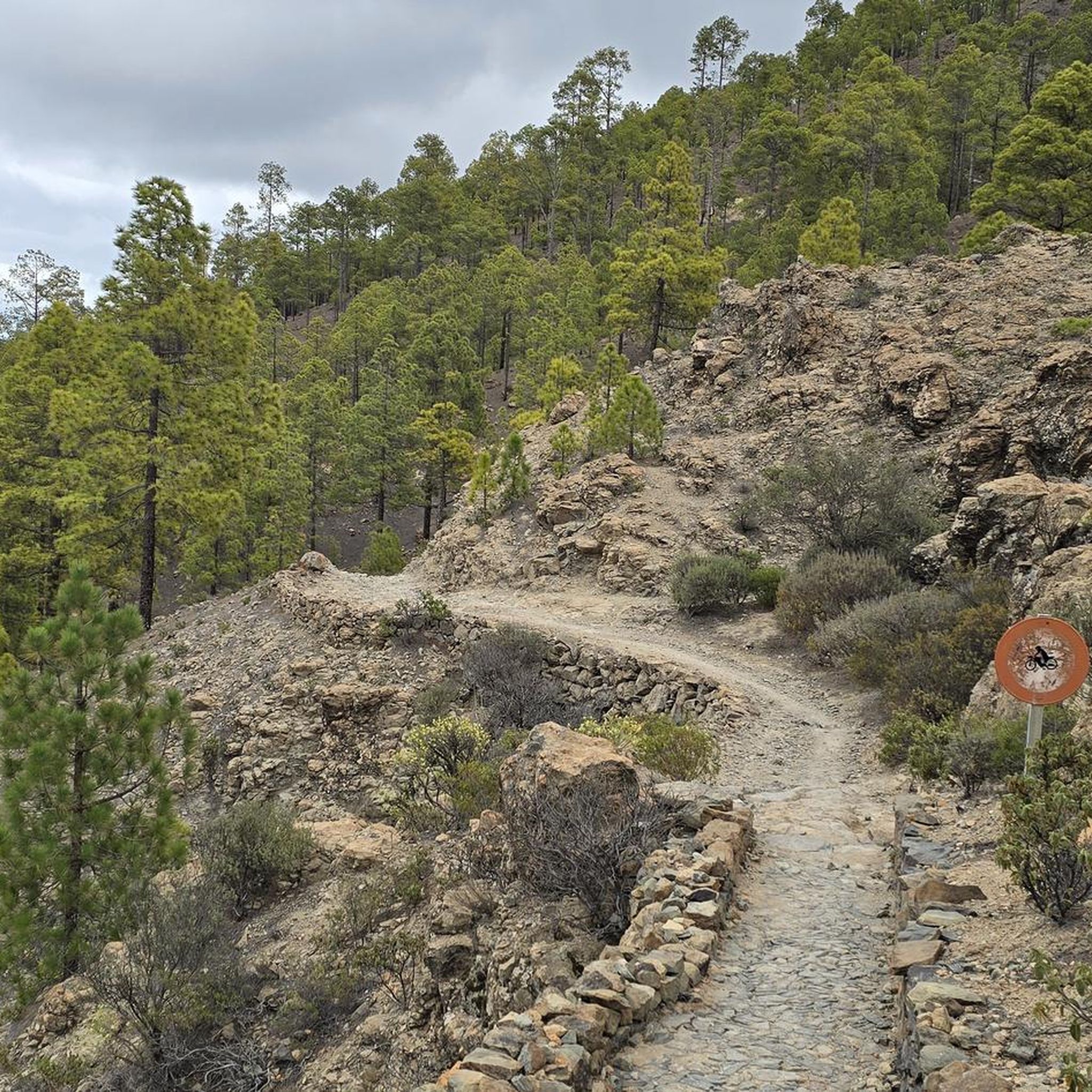
Road Cycling Routes around San Bartolomé De Tirajana
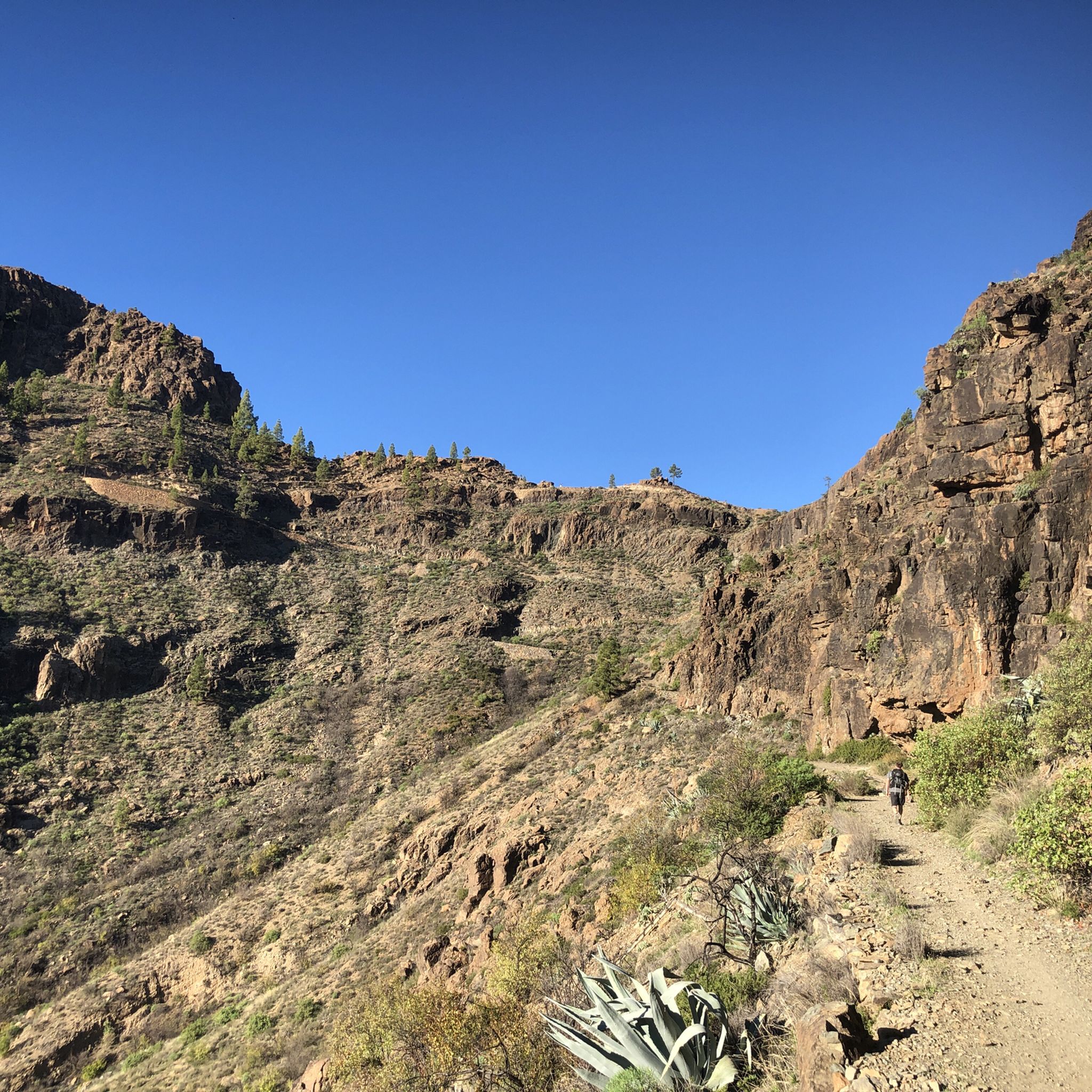
Hiking around San Bartolomé De Tirajana
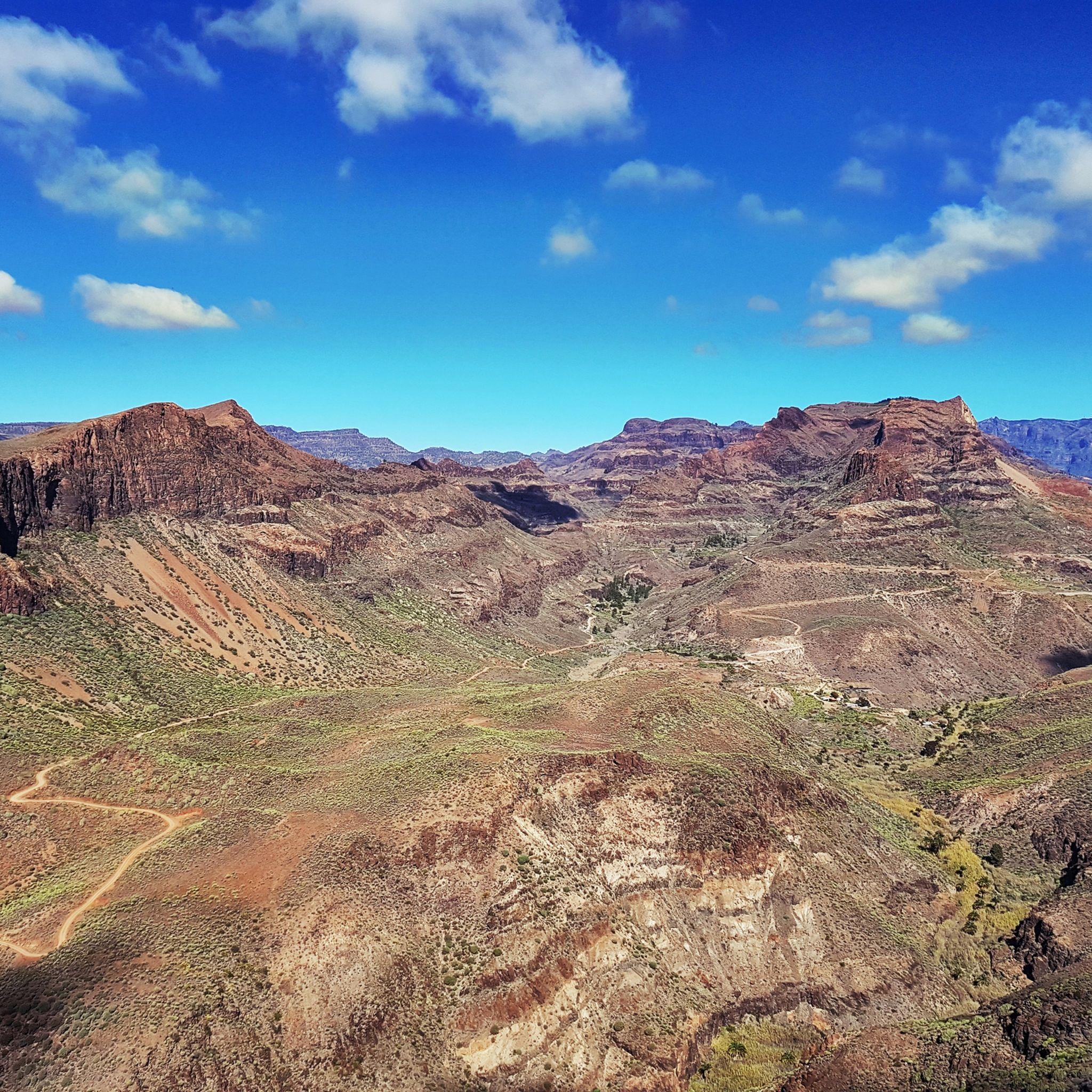
Cycling around San Bartolomé De Tirajana
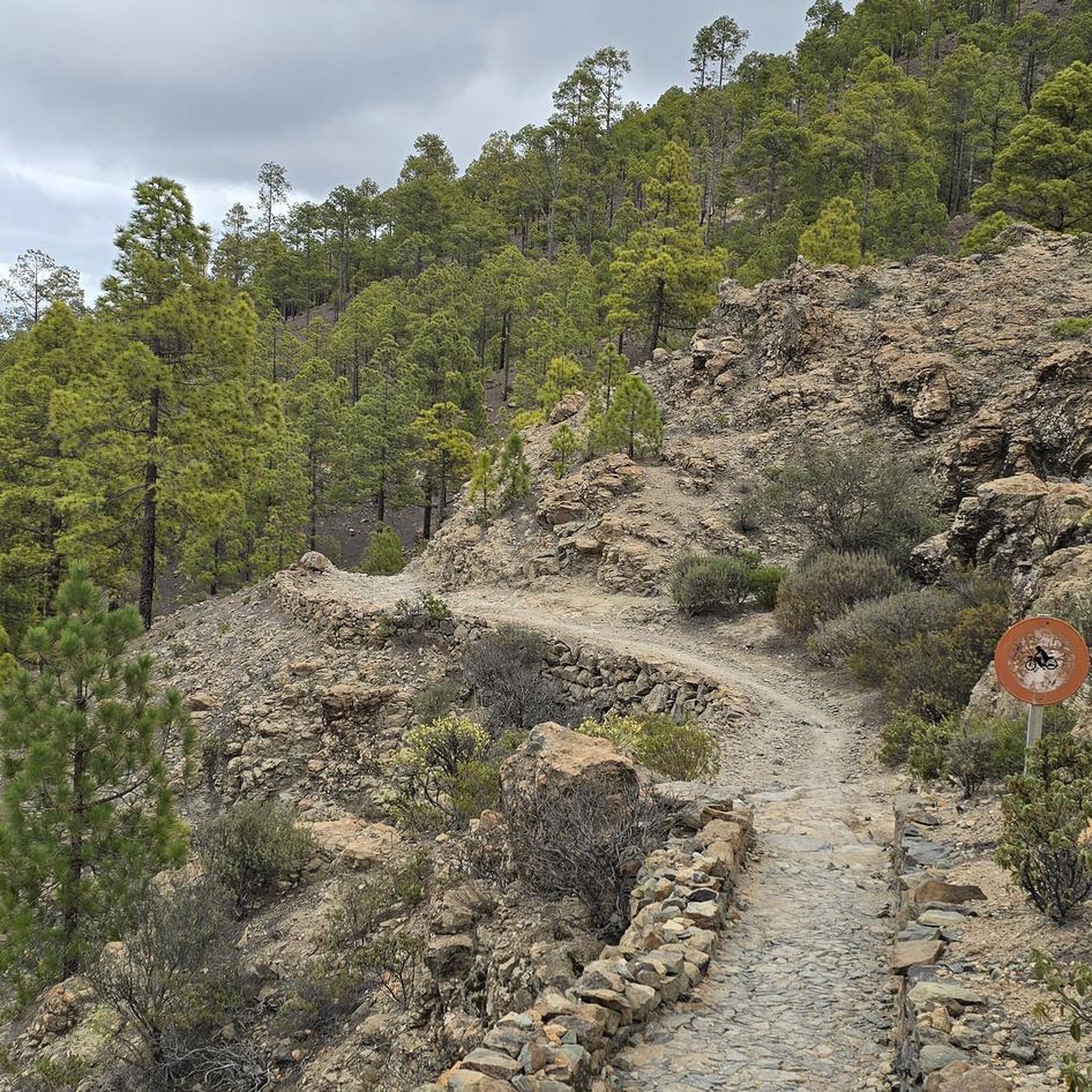
Running Trails around San Bartolomé De Tirajana
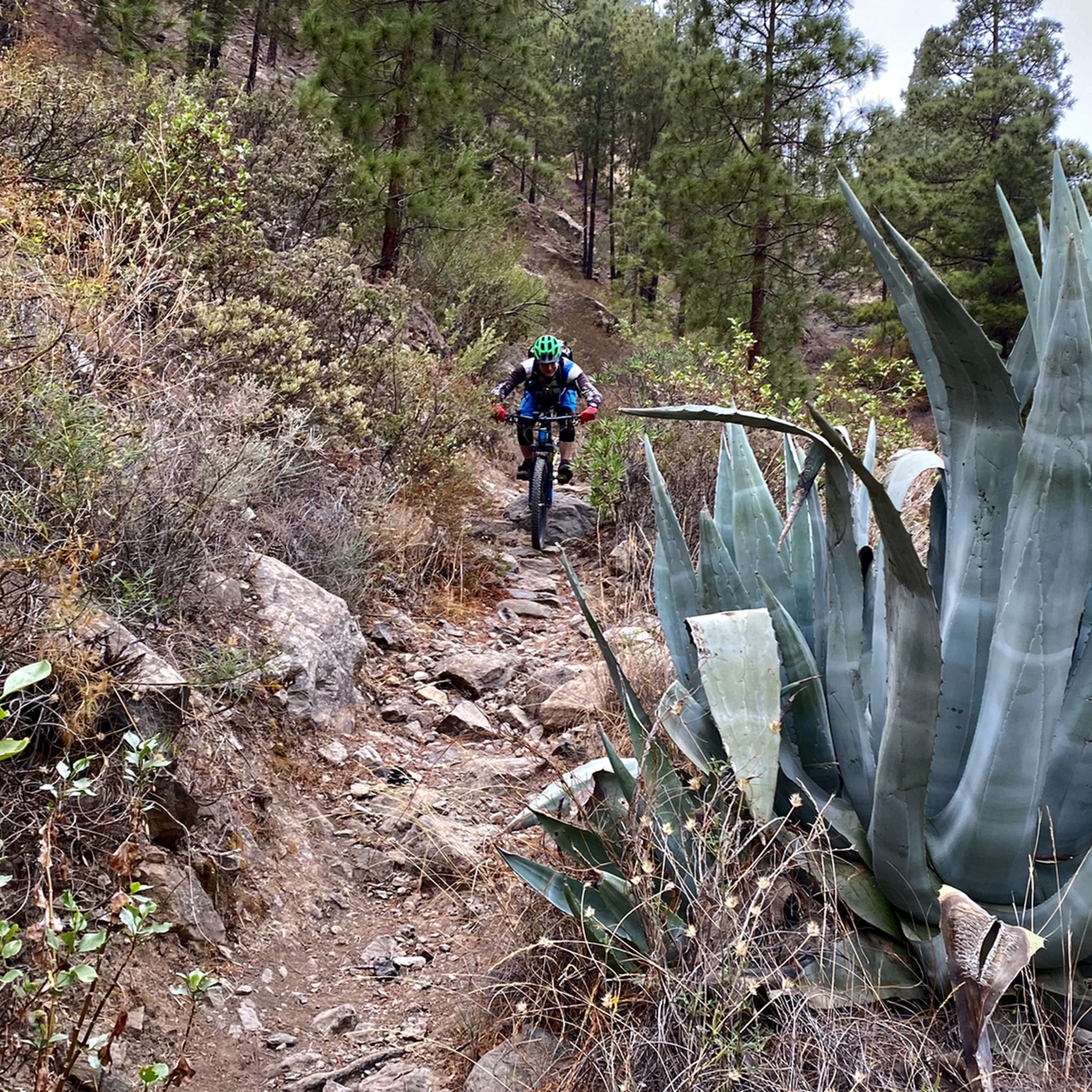
MTB Trails around San Bartolomé De Tirajana

Gravel biking around San Bartolomé De Tirajana
Other adventures around San Bartolomé De Tirajana


Tips from the Community

A very impressive area with many small "highlights", a little something to "discover", never too difficult but exciting; however, a head for heights and sure footing are very advantageous.
0
0

This cave is located in the archaeological area of los Morros de Ávila and is definitely worth a visit. It was inhabited by the guanches, the original inhabitants of the island. It is one of the largest I have seen here, consisting of two spacious rooms, the first of which still has rock paintings in the form of red triangles. In front of the rock is a fenced area, although the stone wall was built later by shepherds. The area has been marred by graffiti, but komoot hikers will undoubtedly show more respect.
2
0

They are an archaeological complex made up of twelve natural caves, most of which were adapted to be habitable through their chiseling. These caves are distributed along a south-facing platform, which protects them from the northern trade winds and offers beautiful views over the Bentayga and the Cuenca del Nublo.
0
0

The archaeological hiking trail on the Roque Bentayga offers not only a museum and great views but also impressions of the historical religious place of worship.
0
0
There is a free visitor center at Roque Bentayga - with parking. From there you can walk up the Bentaga in a few minutes, which was used as a religious place of worship. Great views from this impressive and historic mountain in the middle of the crater. Hikers should note that the access road is only open during opening hours. There are two barriers that are otherwise closed. Below the first barrier there are some parking spaces at the road junction.
0
0
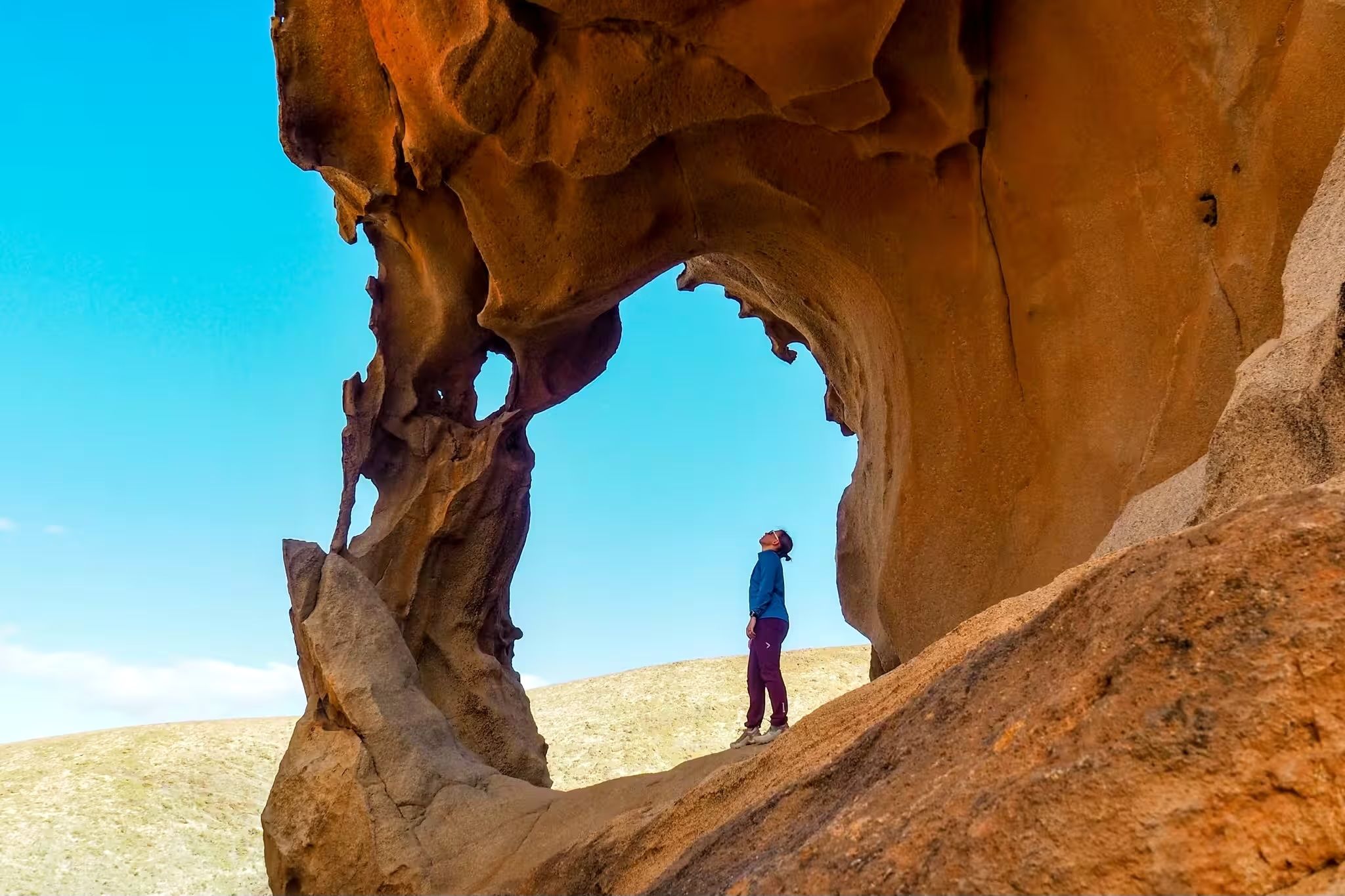
Really impressive! Great location and photo spot. You can walk through the cave, on the left a narrow path leads back, so it's basically a circular route 😉👍
4
0

Imposing group of rocks. The approx. 20 mtr. The long cave can be reached via stairs, the climb up there is definitely worth it - WOW effect! Magnificent view! If you go through the cave, you can turn left on the other side, there is a fairly wide path that leads back to the starting point - past more caves...
5
1
Frequently Asked Questions
What are some of the most historically significant caves in San Bartolomé De Tirajana?
The region is rich in archaeological sites. The Fortaleza Grande Cave is notable as the site of the final battle between Spanish conquerors and native islanders. The Montaña de los Huesos (Mountain of Bones) is an extensive troglodyte settlement with over a hundred interconnected caves, including dwellings and burial areas, showcasing the daily life of prehistoric inhabitants. Additionally, the Caves of Morros de Ávila were inhabited by the Guanches and still preserve ancient rock paintings.
Are there any caves with unique natural features or geological importance?
Yes, the area offers diverse natural formations. The Goat Caves at Degollada de las Yeguas feature impressive large crevices used as goat pens, offering a unique experience for those with a head for heights. The Cueva Grande, located in the peaks, is surrounded by abundant vegetation and offers picturesque landscapes as part of a notable hiking route.
Which caves are known for their archaeological importance, particularly burial sites?
The Necrópolis de Arteara is the largest aboriginal cemetery on Gran Canaria, featuring over a thousand tumular (mound-shaped) burials set amidst striking palm groves and volcanic rock. This site is also known for an archaeo-astronomical phenomenon during the equinoxes. The Montaña de los Huesos also served as a significant burial site, hence its name 'Mountain of Bones'.
What kind of outdoor activities can I do near the caves in San Bartolomé De Tirajana?
The region around San Bartolomé De Tirajana is excellent for various outdoor activities. You can find numerous hiking trails, including routes that pass by caves like Cueva Grande. There are also MTB trails and running routes available, allowing you to explore the diverse landscapes of Gran Canaria.
Are there any family-friendly caves or sites suitable for all ages?
While some caves require sure-footedness, sites like the Necrópolis de Arteara offer an interpretation center, making it an educational and accessible experience for families to learn about ancient Canarian culture. The Montaña de los Huesos also has parts that are relatively easy to explore, providing a glimpse into an ancient underground village.
What is the best time to visit the caves in San Bartolomé De Tirajana?
Gran Canaria generally enjoys a mild climate year-round, making cave exploration possible in any season. However, for hiking and outdoor activities around the caves, the cooler months from October to May are often preferred to avoid the peak summer heat. Always check local weather conditions before your visit.
What should I wear when exploring the caves?
It's recommended to wear comfortable clothing suitable for walking or hiking. Sturdy, closed-toe shoes with good grip are essential, especially for sites that involve uneven terrain or require sure-footedness, such as the Goat Caves at Degollada de las Yeguas. A light jacket might be useful as temperatures inside caves can be cooler than outside.
Are there any caves that offer impressive viewpoints?
Many cave sites in the region are situated in elevated positions, offering spectacular views. The Montaña de los Huesos provides extensive vistas of the surrounding landscape. The Caballero Caves offer magnificent views over the Bentayga and the Nublo basin, while the Goat Caves at Degollada de las Yeguas are known for their panoramic outlooks.
What is the difficulty level for exploring the caves in this area?
The difficulty varies significantly between sites. Some, like parts of Montaña de los Huesos or the Necrópolis de Arteara, are relatively easy to access and explore. Others, such as the Goat Caves at Degollada de las Yeguas, require sure-footedness and a good head for heights due to paths leading close to edges. Always check specific site information if available.
Are there any caves that were used as ancient dwellings or settlements?
Absolutely. The Montaña de los Huesos is a prime example of an extensive troglodyte settlement, an entire underground village with dwellings and granaries. The Caballero Caves are an archaeological site of twelve natural caves, most of which were converted into habitable dwellings by the original inhabitants. Las Fortalezas also represent a fortified settlement with both natural and artificially excavated caves used for habitation and storage.
Can I find ancient rock paintings in any of the caves?
Yes, some caves still preserve ancient art. The Caves of Morros de Ávila, inhabited by the Guanches, feature two large chambers, with one still preserving red triangular rock paintings. Las Fortalezas also contain caves that retain rock paintings, offering a glimpse into the artistic expressions of the island's ancient inhabitants.
Most popular routes around San Bartolomé De Tirajana
Most popular attractions around San Bartolomé De Tirajana

Get inspired with the komoot mobile app


Explore more
Extend your search for the best caves by checking out these guides of the top ones around San Bartolomé De Tirajana:
