Top 5 Lakes around Valsequillo De Gran Canaria
Best lakes around Valsequillo De Gran Canaria are primarily man-made reservoirs and water features within a landscape characterized by ravines and a volcanic caldera. The region does not feature extensive natural lakes but offers significant water-related attractions valued for their ecological and scenic beauty. These features provide opportunities for outdoor activities and experiencing unique ecological environments.
Best lakes around Valsequillo De Gran Canaria
- The most popular lakes is View of La Sorrueda Reservoir from Mirador La Sorrueda, a viewpoint…
Last updated: July 4, 2026
Los Hornos Dam
Highlight • Lake
Translated by Google •
Tip by

Chira Dam
Highlight (Segment) • Lake
There is also construction work going on at the moment, we actually wanted to go back up to the reservoir.
But still a nice round.
Translated by Google •
Tip by

Sign up now to discover places like this
Get recommendations on the best single tracks, peaks, & plenty of other exciting outdoor places.
Sign up for free
El Charco de la Paloma
Highlight • Waterfall
Translated by Google •
Tip by

View of La Sorrueda Reservoir from Mirador La Sorrueda
Highlight • Viewpoint
Translated by Google •
Tip by

Presa de Chira
Highlight • Lake
Translated by Google •
Tip by

Sign up for free to discover even more lakes around Valsequillo De Gran Canaria.
Sign up for free
Already have an account?
Start today with a free account
Your next adventure awaits.
Login or Signup
Popular around Valsequillo De Gran Canaria
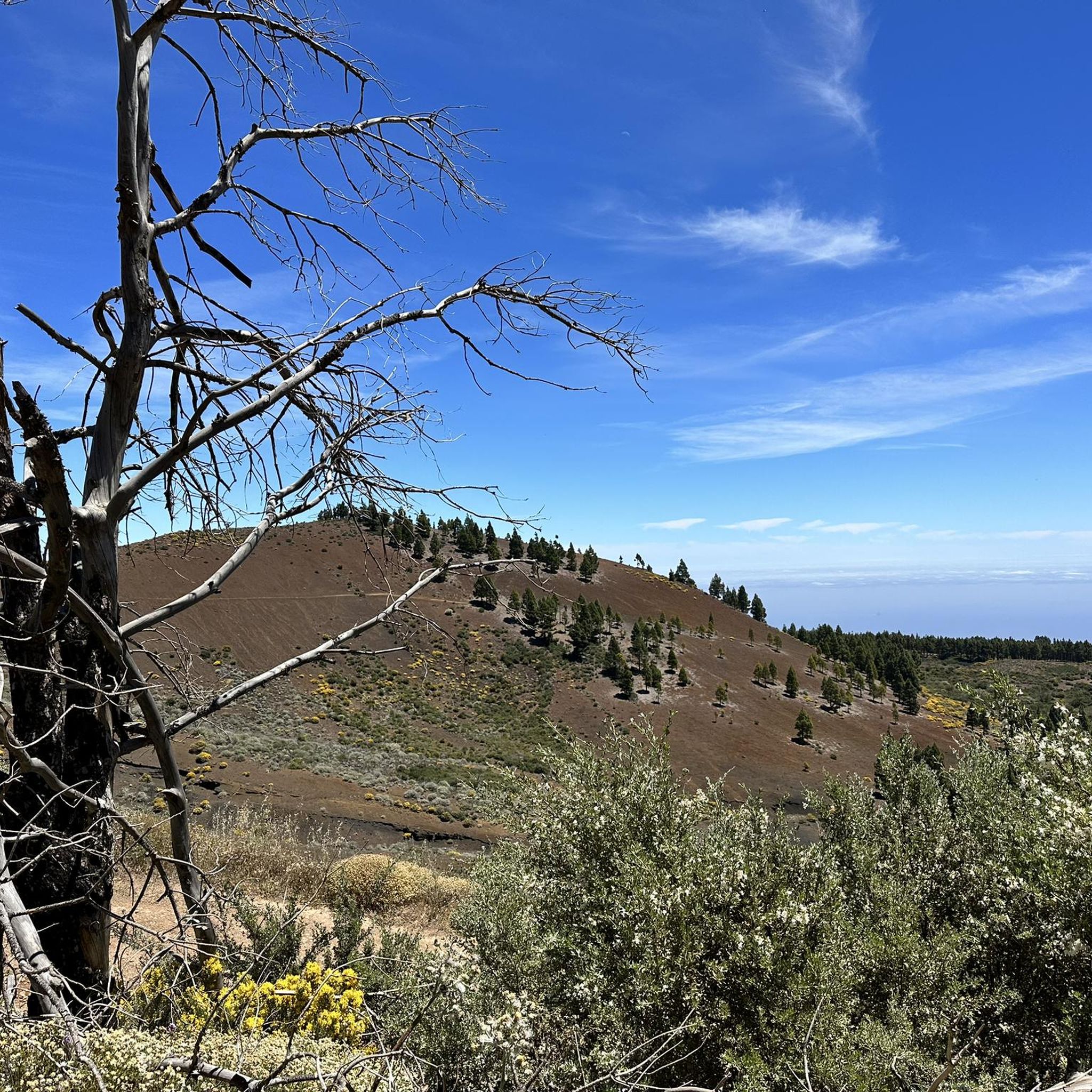
Hiking around Valsequillo De Gran Canaria
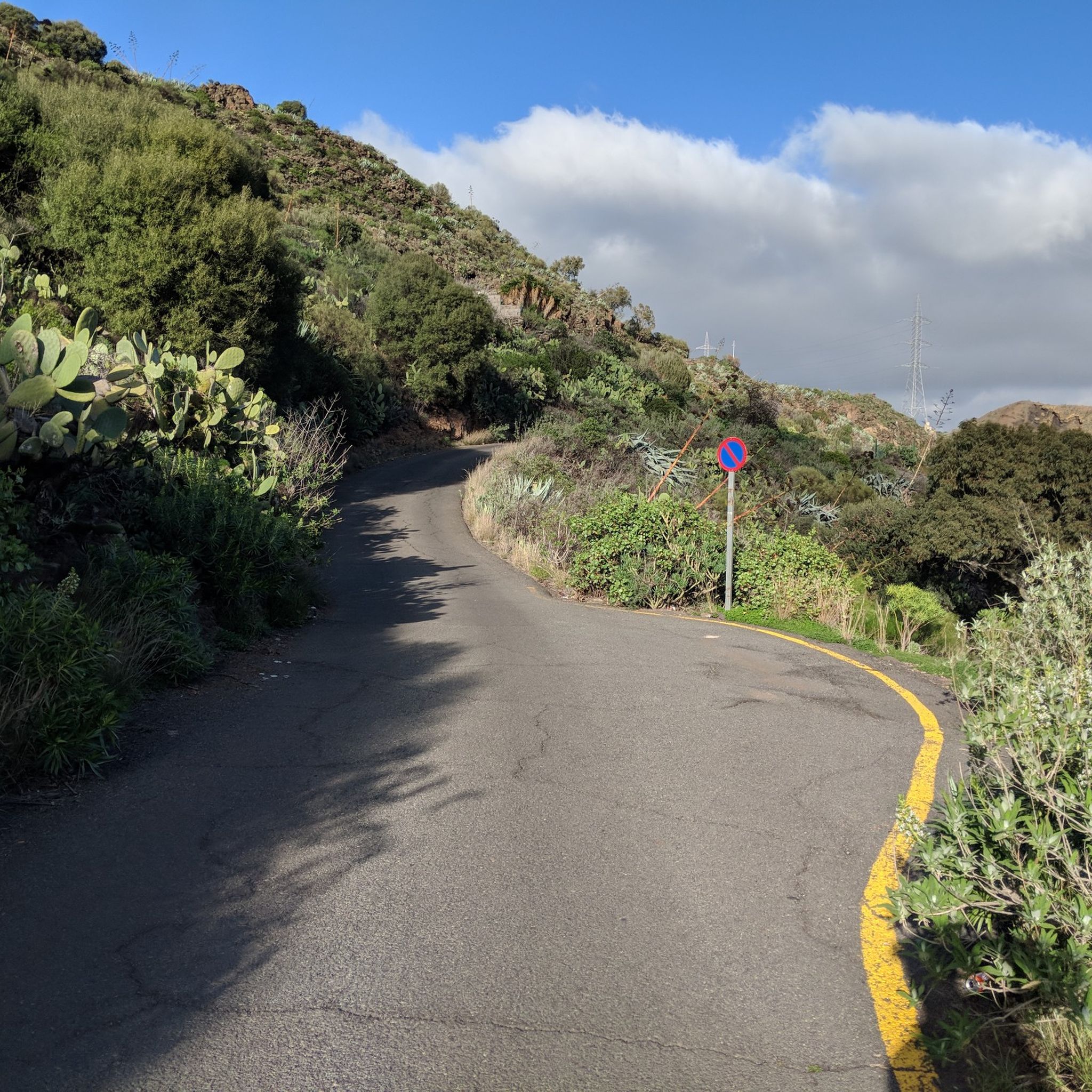
Road Cycling Routes around Valsequillo De Gran Canaria
MTB Trails around Valsequillo De Gran Canaria
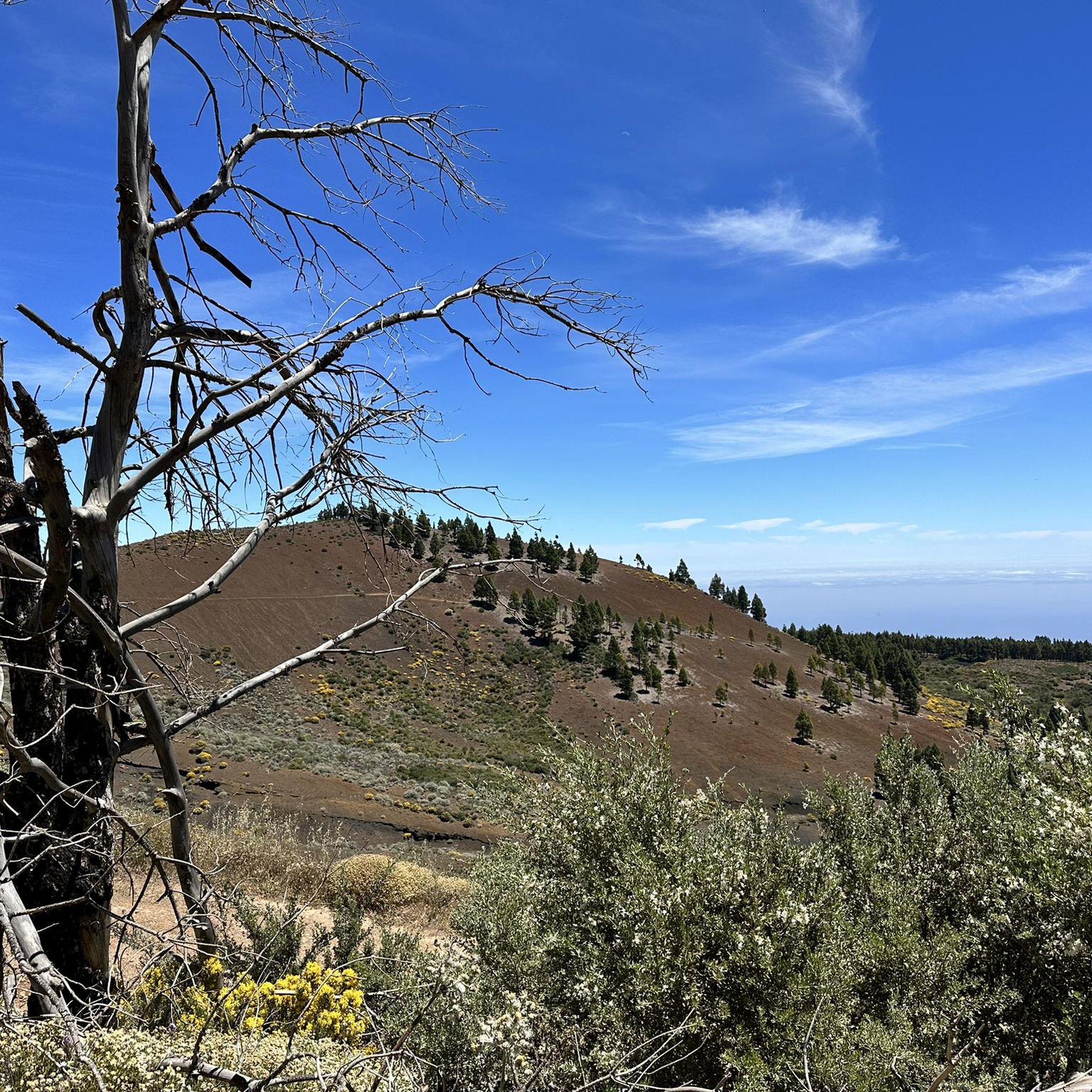
Cycling around Valsequillo De Gran Canaria
Running Trails around Valsequillo De Gran Canaria

Mountain Hikes around Valsequillo De Gran Canaria

Gravel biking around Valsequillo De Gran Canaria
Tips from the Community

From here you have a beautiful view of the Presa de Tirajana
0
0

After the recent rainfall, there is currently plenty of water for the small waterfall.
0
0

Los Hornos Dam Viewpoint The Los Hornos Dam or Cumbre Dam has a height of 1,565 meters above sea level. It dates from 1933, but was later enlarged. Made of ordinary masonry, it reached a height of 27 m and had a capacity of 697,000 m3 of water, which flows between ditches and tunnels towards the municipalities of Arucas and San Mateo.
3
1
The waterfall and the filled reservoir in front of it are probably best admired during the "rainy season" in autumn and winter. Since it doesn't rain often on the island, no water flows here from spring to autumn.
3
1
Beautiful vantage point with views of the valleys and the reservoir.
3
0
Los Hornos Dam Viewpoint The Los Hornos Dam or Cumbre Dam has a height of 1,565 meters above sea level. It dates from 1933, but was later enlarged. Made of ordinary masonry, it reached a height of 27 m and had a capacity of 697,000 m3 of water, which flows between ditches and tunnels towards the municipalities of Arucas and San Mateo.
6
0

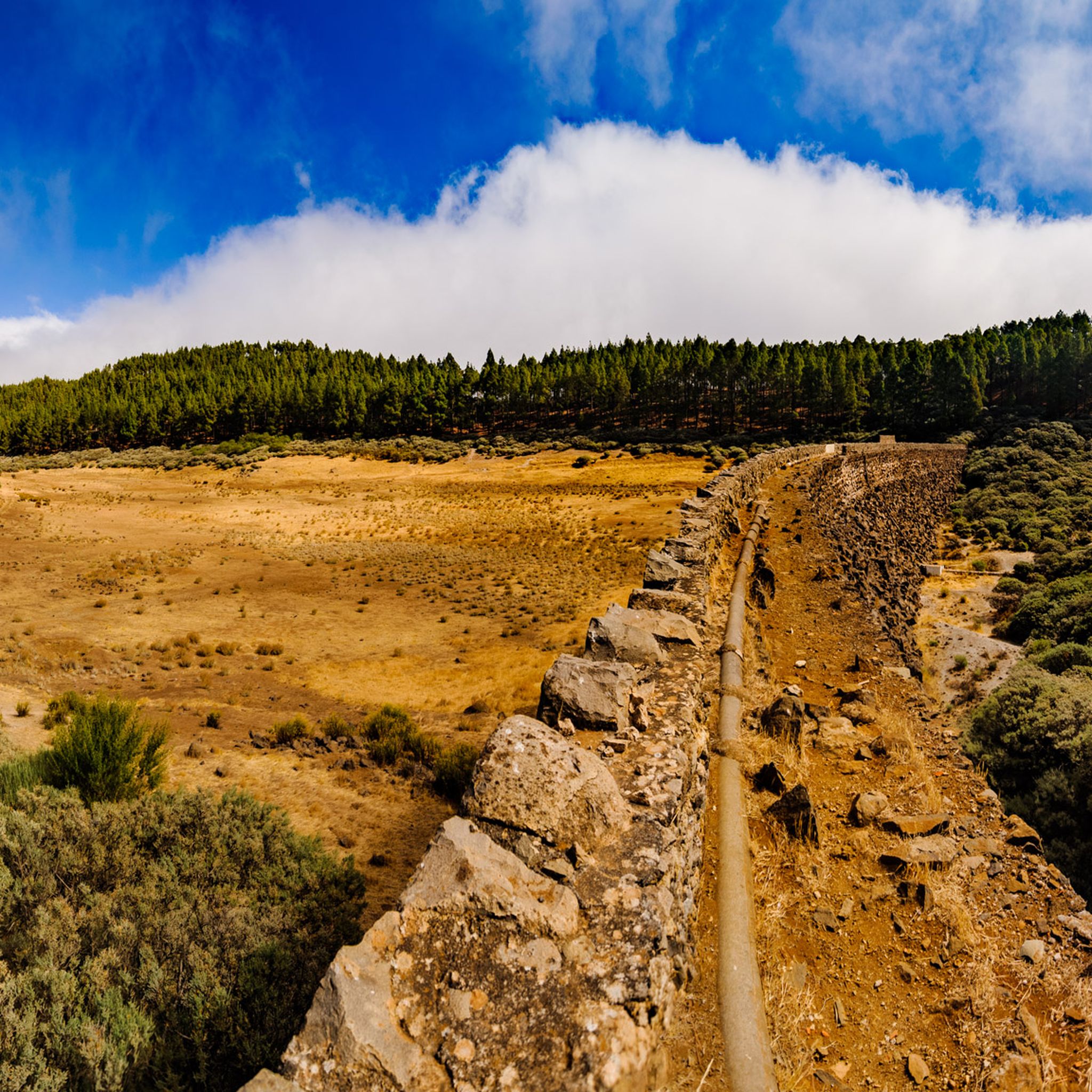
Reservoir almost completely dried up in March 2024, with very little water visible
2
0

Viewpoint on the "road" to/from Fortaleza with a view of the reservoir. Currently (Jan.24) pretty empty...
3
2
Frequently Asked Questions
What kind of water features can I expect to find around Valsequillo De Gran Canaria?
Valsequillo De Gran Canaria is characterized by dramatic natural landscapes, deep ravines, and volcanic formations rather than traditional natural lakes. You'll primarily find man-made reservoirs (dams) and natural water flows within gullies, offering unique ecological and scenic beauty. Notable features include the historic Los Hornos Dam and the impressive Barranco de Los Cernícalos with its waterfalls.
Are there any family-friendly water features or viewpoints in the area?
Yes, several spots are suitable for families. The View of La Sorrueda Reservoir from Mirador La Sorrueda offers a wide, scenic vista perfect for holiday photos. Additionally, El Charco de la Paloma, with its small lake and waterfall, is considered family-friendly, especially during the wetter seasons.
What is the best time to visit the water features around Valsequillo De Gran Canaria?
The 'rainy season' in autumn and winter (roughly October to March) is generally the best time to visit, especially for features like El Charco de la Paloma, as waterfalls and reservoirs are more likely to be full. During spring and summer, many natural water flows can dry up due to lack of rain. However, viewpoints like Mirador La Sorrueda offer great views year-round.
What outdoor activities can I do near these water features?
The region offers excellent opportunities for hiking and exploring. The Barranco de Los Cernícalos is a popular spot for trekking alongside waterfalls. You can also find various running, cycling, and mountain biking routes nearby. For more detailed routes, check out the Running Trails around Valsequillo De Gran Canaria, Cycling around Valsequillo De Gran Canaria, and MTB Trails around Valsequillo De Gran Canaria guides.
Are there any historical water structures in the area?
Yes, the region features several significant man-made dams. The Los Hornos Dam, built in 1933, is 27 meters high and has a capacity of 697,000m³. The Chira Dam is another historic reservoir, with its final construction completed in 1965, part of a larger water management project for the island.
Can I go wild swimming in any of the water bodies?
While the region has water features, traditional wild swimming in the dams or gullies is generally not recommended or permitted due to safety concerns, water quality, and their primary function as reservoirs or natural habitats. The natural pools on Gran Canaria are typically coastal formations, not found directly within Valsequillo.
What natural features, besides water, are prominent in the Valsequillo area?
Beyond the water features, Valsequillo is known for its dramatic volcanic landscapes, deep ravines (barrancos), and unique geological formations. La Caldera de Los Marteles, an oval-shaped volcanic crater, is a significant natural attraction offering impressive landscapes and serving as a starting point for hiking trails.
What do visitors enjoy most about the water features around Valsequillo De Gran Canaria?
Visitors frequently appreciate the unique natural beauty, the opportunity for invigorating hikes alongside waterfalls in areas like Barranco de Los Cernícalos, and the chance to experience lush, water-rich environments away from the coast. The panoramic views from spots like Mirador La Sorrueda are also highly rated for photography and enjoying the scenery.
Are there any easy walking trails near the water features?
While many trails in the region can be challenging due to the mountainous terrain, some sections, particularly around viewpoints or the initial parts of gullies like Barranco de Los Cernícalos, may offer easier walking options. El Charco de la Paloma is noted as being very easy to reach from Tejeda direction, suggesting a more accessible path.
Are the trails around Valsequillo De Gran Canaria's water features dog-friendly?
Many outdoor trails in Gran Canaria are generally dog-friendly, but it's always advisable to keep dogs on a leash, especially in protected natural areas or near livestock. Check specific trail regulations before you go, and ensure your dog is comfortable with varied terrain and potential elevation changes.
What should I wear when hiking near these water features?
Given the varied terrain and potential for both sun and cooler temperatures, especially at higher elevations or in shaded gullies, it's best to wear layers. Sturdy hiking shoes with good grip are essential, as paths can be uneven or wet. Sun protection (hat, sunscreen) and plenty of water are also crucial.
Most popular routes around Valsequillo De Gran Canaria
Most popular attractions around Valsequillo De Gran Canaria

Get inspired with the komoot mobile app


Explore more
Still not found your perfect lake around Valsequillo De Gran Canaria? Check out the guides of these regions to see even more beautiful places.
