Top 20 Gorges around Artenara
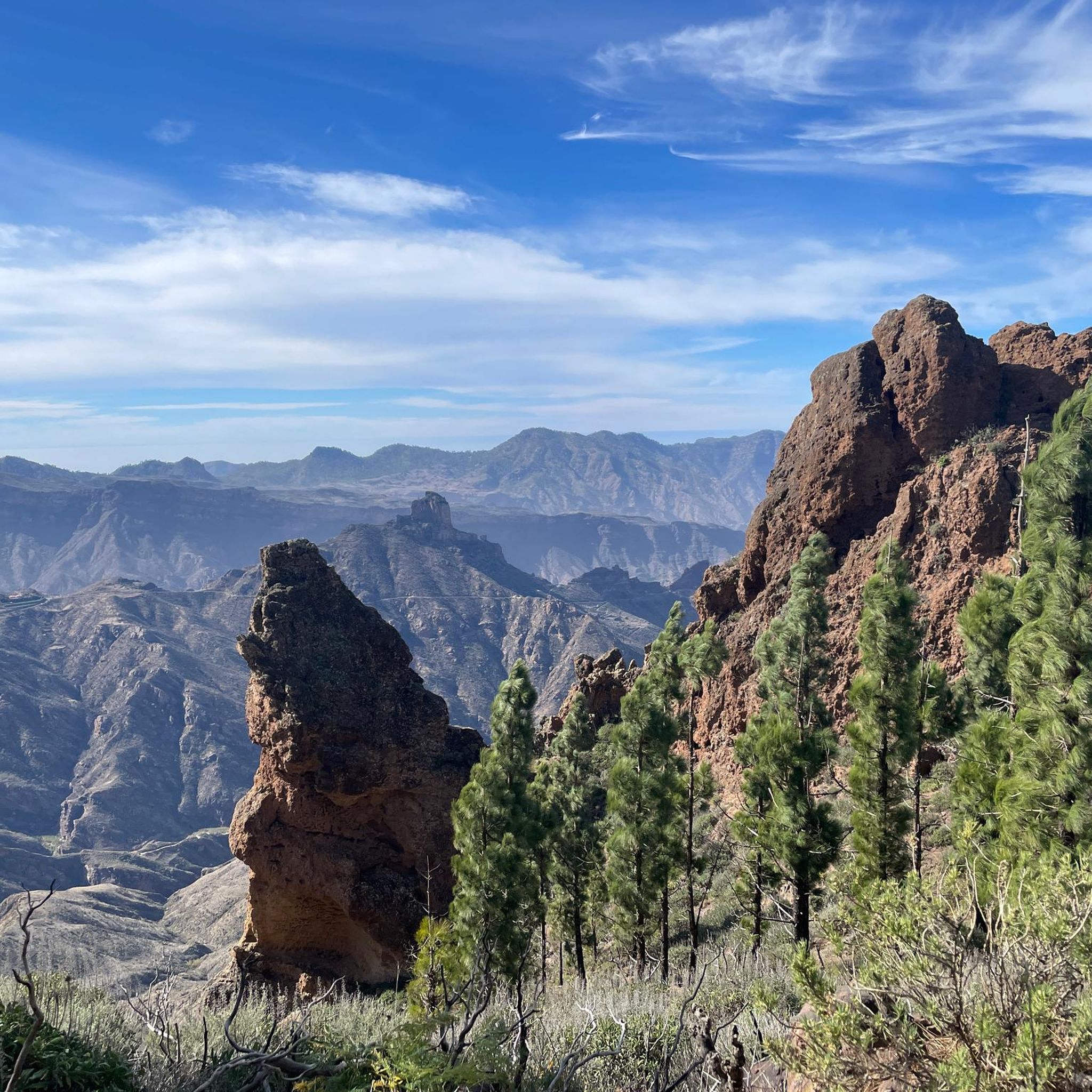
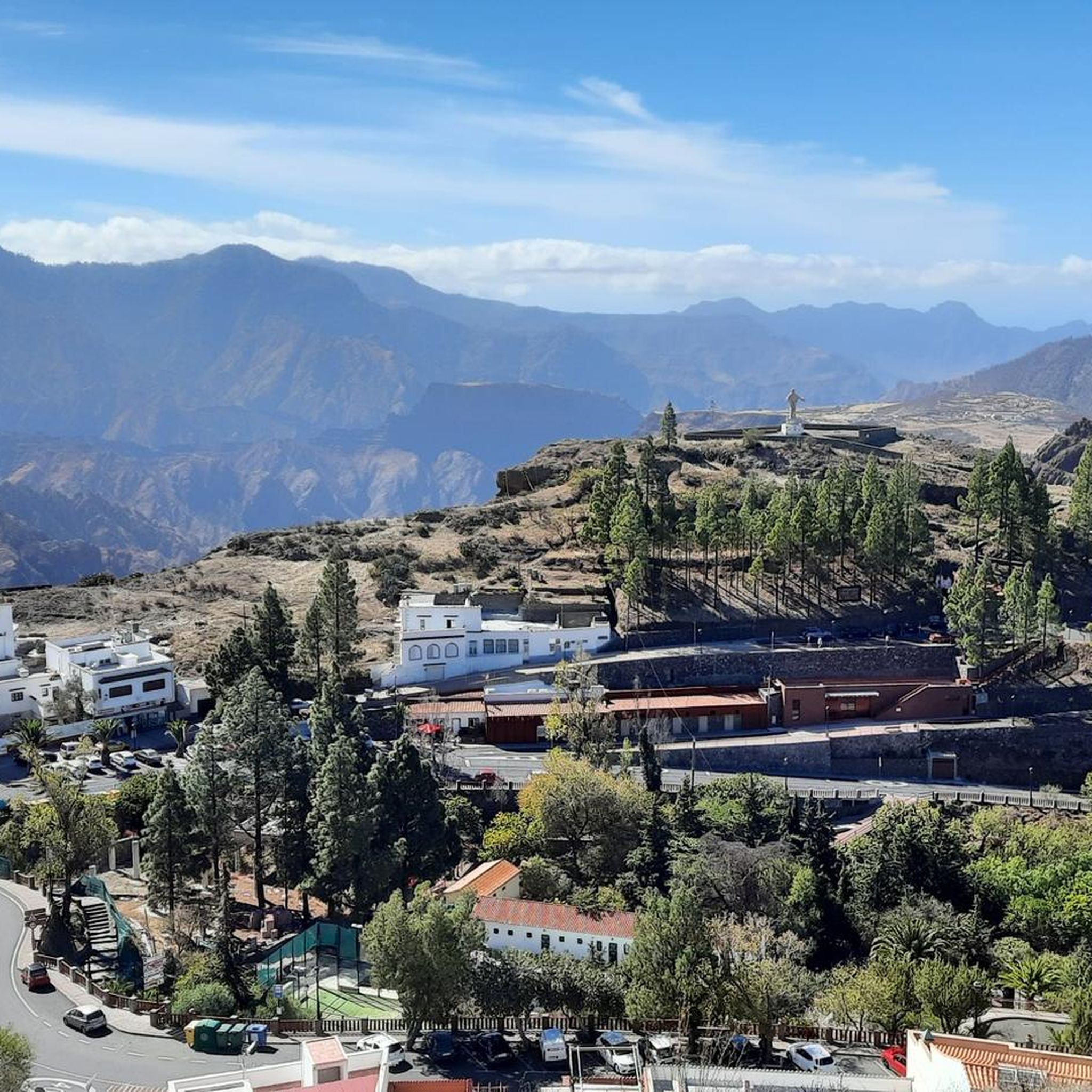
Best canyons around Artenara are situated within the Gran Canaria Biosphere Reserve, characterized by a dramatic landscape of deep ravines and unique geological formations. The region is known for its significant historical sites, including ancient cave dwellings and archaeological areas. Visitors can explore a variety of natural environments, from dry volcanic landscapes to remnants of laurisilva forests. The area offers diverse opportunities to experience Gran Canaria's natural and cultural heritage.
Best canyons around Artenara
- The most popular canyons is Dry…
Last updated: June 20, 2026
Pool with view of the Azulejos
Highlight • Natural Monument
Translated by Google •
Tip by

Barranco de Mogán
Highlight • Gorge
Translated by Google •
Tip by

Sign up now to discover places like this
Get recommendations on the best single tracks, peaks, & plenty of other exciting outdoor places.
Sign up for free
Gran Canaria: Barranco de la Virgen (Virgin Gorge)
Highlight • Gorge
Translated by Google •
Tip by

Barranco de San Pedro Exit
Highlight • Trail
Translated by Google •
Tip by

Rope-Assisted Climb in Barranco
Highlight • Climb
Translated by Google •
Tip by

Sign up for free to discover even more gorges around Artenara.
Sign up for free
Already have an account?
Start today with a free account
Your next adventure awaits.
Login or Signup


Other adventures around Artenara

Tips from the Community

These "pools" are small holes that sometimes contain a little water. There are also frogs here, so these pools are probably not intended for swimming or suitable if you respect nature - even if the name "pool" used here suggests that.
0
1

If you continue to the right and cross the bridge, you will pass the coffee plantation. Then the footpath follows various stairs through the winding streets of San Pedro.
1
0
The Charcos Azules of Los Azulejos in Veneguera should not be confused with El Charco Azul de Agaete near El Risco. The water has become rare here due to the dry years. The best chance is in spring. If it has rained for a long time, you can enjoy beautiful scenery here, such as water reflections or a refreshing swim. https://saldelatlantico.com/de/excursiones-en-las-islas-canarias/charcos-azules-azulejos-venegueras
1
0

Be sure to wear hiking boots, it's steep and there are lots of loose rocks along the way. But it's worth the climb.
5
1

In August there is no water to be seen anywhere. Just a few dried edges in the pools. Not recommended at this time of year...
3
0
At this point several hikers have obviously already missed the climb - approx. 50 m. Further on, if you missed the exit, the hiking trail through the Barranco ends at San Pedro and you can't go any further ("jungle feeling". End of the path, there are rock faces all around - definitely worth seeing ;-)). So go back and look for the exit ;- - at least that's what happened to us. So it's best to follow the official route directly: Coming from the direction of Agaete, go up to the left at the wooden post with a green marking (follow the trail) = BEFORE the small pond, and quite far before the foot bridge over the Barranco. After approx. 15 mtr. there is another post on the slope. Continue there along the old Levada wall. After about 30 meters you can decide whether to turn left onto the street or follow the path to the right over the "bridge". There we go up to San Pedro, where Finca la Laja is also located (can of course also be reached by road ;-)). By the way: If you don't turn left directly at the post, follow the now well-trodden path to the end of the dead end - definitely worth seeing (approx. 50 meters) - "jungle feeling" ;-).
4
0
A beautiful, fertile and green valley with laurel trees, eucalyptus trees etc. You can explore the valley on various hiking trails. The signs are quite good (and quite new) - we really liked the many signs and information boards along the way, where hikers can find out more about the valley, highlights and flora/fauna in different languages. Top !
0
0
On the way through the Barranco there are two places where sturdy ropes are attached as climbing aids, which are very helpful. You can easily pass the places in both directions, provided you are sure-footed, of course. Adventurous, but easy to master. In the Barranco you can sometimes get wet shoes/feet, depending on the weather and the water level, but it is usually not really deep. Stones and tree trunks are good help in most places and are welcome.
1
0
Frequently Asked Questions
What kind of natural features can I expect to see in the canyons around Artenara?
The canyons around Artenara offer a diverse range of natural features. You can find dramatic geological formations, remnants of ancient laurisilva forests, and unique endemic flora. For instance, Dry Waterfall showcases impressive visual courses of water when dry, while Pool with view of the Azulejos offers views of the striking Los Azulejos spectacle. Barranco Grande is a geological marvel, exposing parts of Gran Canaria's ancient volcano and a unique system of dikes. Barranco del Laurel, on the other hand, is known for its lush laurel forest remnants.
Do the canyons around Artenara have historical or cultural significance?
Yes, many canyons in the Artenara area hold significant historical and cultural value. Barranco Hondo, for example, is home to a major troglodyte settlement with numerous cave dwellings and artificial terraces. It also contains the Risco Caído archaeological site, a UNESCO World Heritage site, featuring ceremonial and residential caves with ancient engravings linked to aboriginal agricultural calendars. The area reflects centuries of human presence and interaction with the landscape.
Are there family-friendly options for exploring the canyons around Artenara?
While some canyon trails can be challenging, there are options for families. Many areas offer easier walks and opportunities to enjoy the natural beauty without strenuous hiking. For example, the Barranco de Mogán, known as the 'orchard of Gran Canaria,' offers a unique landscape with extensive cultivation that can be interesting for all ages. When planning, look for routes described as 'easy' or 'moderate' difficulty, and always check specific trail conditions.
When is the best time of year to visit the canyons around Artenara?
The best time to visit the canyons around Artenara generally depends on your planned activities. For hiking, cooler months from autumn to spring (October to May) are often preferred, as temperatures are more moderate. During summer, some waterfalls or pools, like the Pool with view of the Azulejos, might be dry. For canyoning, the best season is typically when water levels are suitable, often after rainfall but not during heavy downpours, which can vary seasonally.
What kind of hiking opportunities are available in the canyons around Artenara?
The canyons around Artenara offer diverse hiking opportunities, from exploring historical sites to immersing yourself in lush forests. Barranco Hondo provides routes through its historical troglodyte settlements and regenerating laurisilva forest. Barranco de la Virgen offers very nice valleys with quite easy-to-walk paths through the remains of the laurisilva forest. You can find more hiking routes in the region by checking out the Hiking around Artenara guide.
Can I go canyoning in the Artenara area?
Yes, canyoning is an activity available in the Artenara area, particularly in Barranco del Laurel. This ravine is known for its canyoning opportunities, featuring an impressive vertical drop with six rappels, descending over 100 meters to Charco Azul. It's important to be prepared for such activities, as they can be challenging and may require specific gear and experience.
What are some popular hiking routes near the canyons?
Near the canyons, you can find various popular hiking routes. For example, the Hiking around Artenara guide lists routes like the 'Tamadaba Peak – Tamadaba Pine Forest loop from Degollada de las Lajas' and the 'Cuevas de Acusa Seca – Caves of Gran Canaria loop from Acusa Seca'. These routes allow you to explore the diverse landscapes surrounding the canyons.
Where can I find the best viewpoints of the canyons around Artenara?
The Artenara region offers several spectacular viewpoints overlooking its canyons. The Unamuno viewpoint in Artenara provides breathtaking views of Barranco Grande, along with iconic landmarks like Roque Bentayga and Roque Nublo. Additionally, many hiking trails, such as those around Barranco de Mogán, offer scenic vistas of the valleys and their unique landscapes.
What kind of biodiversity can be found in the canyons of Artenara?
The canyons around Artenara are rich in biodiversity. Barranco Hondo, for instance, provides a habitat for unique plants and animals, including remnants of viñátigos, laurels, and heather. Barranco Grande boasts remarkable biodiversity on its slopes and cliffs, with endemic plants like rock cabbage and *Dendriopoterium pullidoi*, and palm groves providing refuge for owls, kestrels, and various bird species. Barranco del Laurel is distinguished by its verdant laurel forest remnants and unique endemic flora.
Are there any specific tips for visiting the Dry Waterfall?
When visiting the Dry Waterfall, visitors note that the path leads directly through or over its large, dry plateau. This allows for an impressive visual experience of the water's course, even when dry. It's accessible because the waterfall is not flowing, making it a unique geological feature to explore. One visitor mentioned experiencing 28-degree weather in November, with the waterfalls completely dry, highlighting the seasonal nature of water presence.
What makes Barranco de Mogán unique among the canyons?
Barranco de Mogán is uniquely known as the 'orchard of Gran Canaria.' Unlike many other valleys in the area, it features extensive cultivation of vegetables and fruits, including eggplant, bananas, mangos, papayas, and lemons. This agricultural landscape provides a striking contrast to the more arid or wilder canyons, making it a charming and visually distinct area to visit.
What outdoor activities, besides hiking, can I do near these canyons?
Beyond hiking, the region around Artenara offers various outdoor activities. You can find routes for mountaineering, such as those listed in the Mountain Hikes around Artenara guide, including challenging ascents with views of Roque Nublo. For those who enjoy running, the Running Trails around Artenara guide provides options like the 'Pico de la Bandera loop'. Birdwatching is also popular, especially at Presa del Parralillo within Barranco Grande.
Most popular routes around Artenara
Most popular attractions around Artenara

Get inspired with the komoot mobile app


Explore more
Already discovered everything in this region? See additional gorges around Artenara for your next adventure:
