Top 20 Caves around Artenara
Caves around Artenara provide a unique insight into Gran Canaria's history, culture, and natural landscape. The region is characterized by its ancient archaeological sites and distinctive modern cave dwellings. These subterranean structures offer a glimpse into the lives of pre-Hispanic inhabitants and the adaptation of early settlers to the volcanic island. Artenara's cliff sides feature numerous caves, showcasing a rich historical and cultural heritage.
Best caves around Artenara
- The most popular caves is Roque Bentayga, a natural monument that…
Last updated: October 7, 2026
Caballero Caves
Highlight • Cave
Translated by Google •
Tip by

Cave of Las Moriscas
Highlight • Cave
"CAVE OF THE MORISCAS
The cave is located in Los Llanos de Las Moriscas, Agaete.
The ancient Canarians dug a rectangular one …
Translated by Google •
Tip by

Sign up now to discover places like this
Get recommendations on the best single tracks, peaks, & plenty of other exciting outdoor places.
Cave on the Hiking Trail
Highlight (Segment) • Cave
Translated by Google •
Tip by

Berbique Caves Archaeological Site
Highlight • Cave
You can still explore some of them today
Translated by Google •
Tip by

Rocky Cliffs and Caves
Highlight • Gorge
Showing Translation
Tip by

Sign up for free to discover even more caves around Artenara.
Already have an account?
Start today with a free account
Your next adventure awaits.
Popular around Artenara
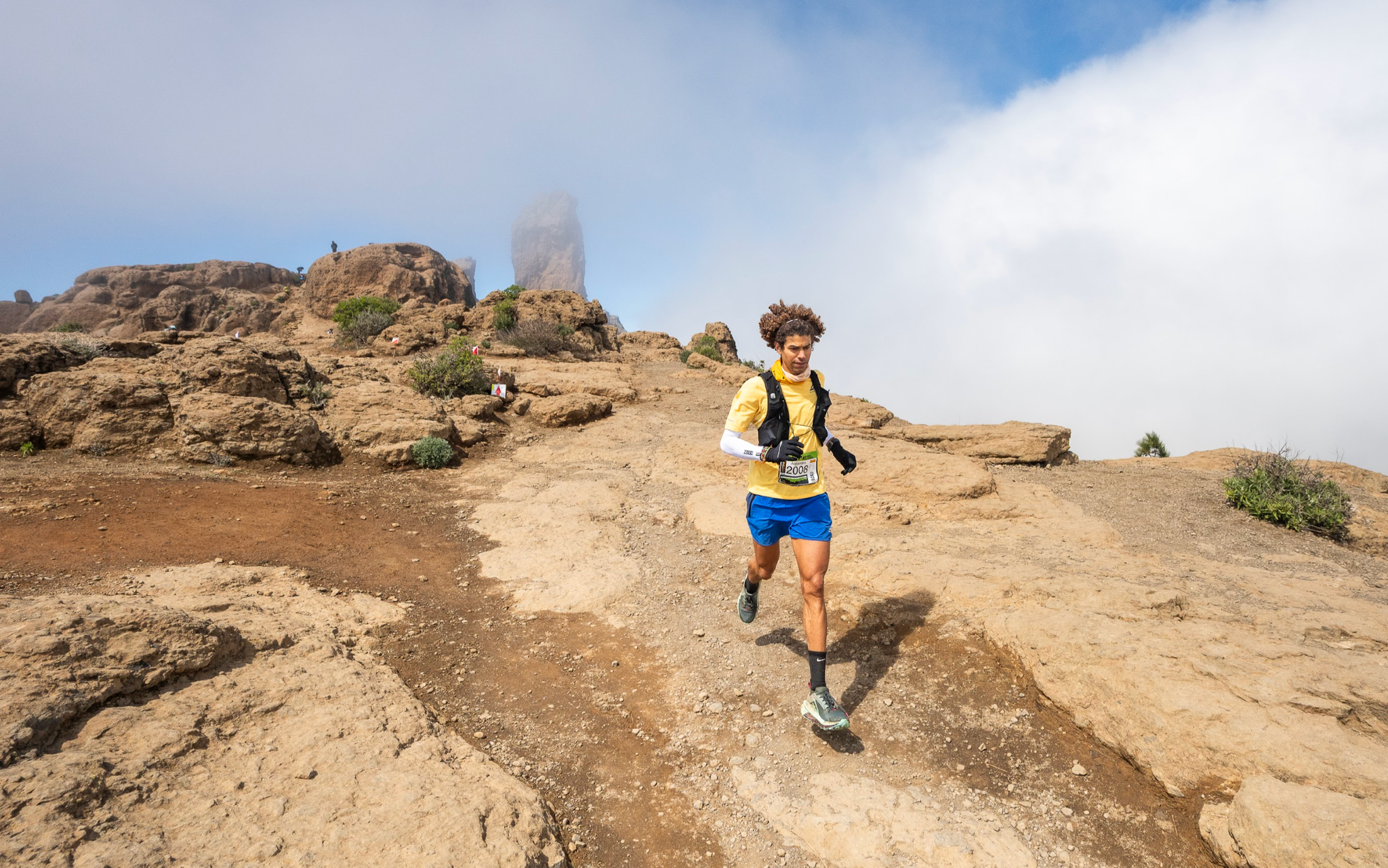
Trail on the Canary Islands – discover the legendary races!
The challenge of the year — Transgrancanaria Classic
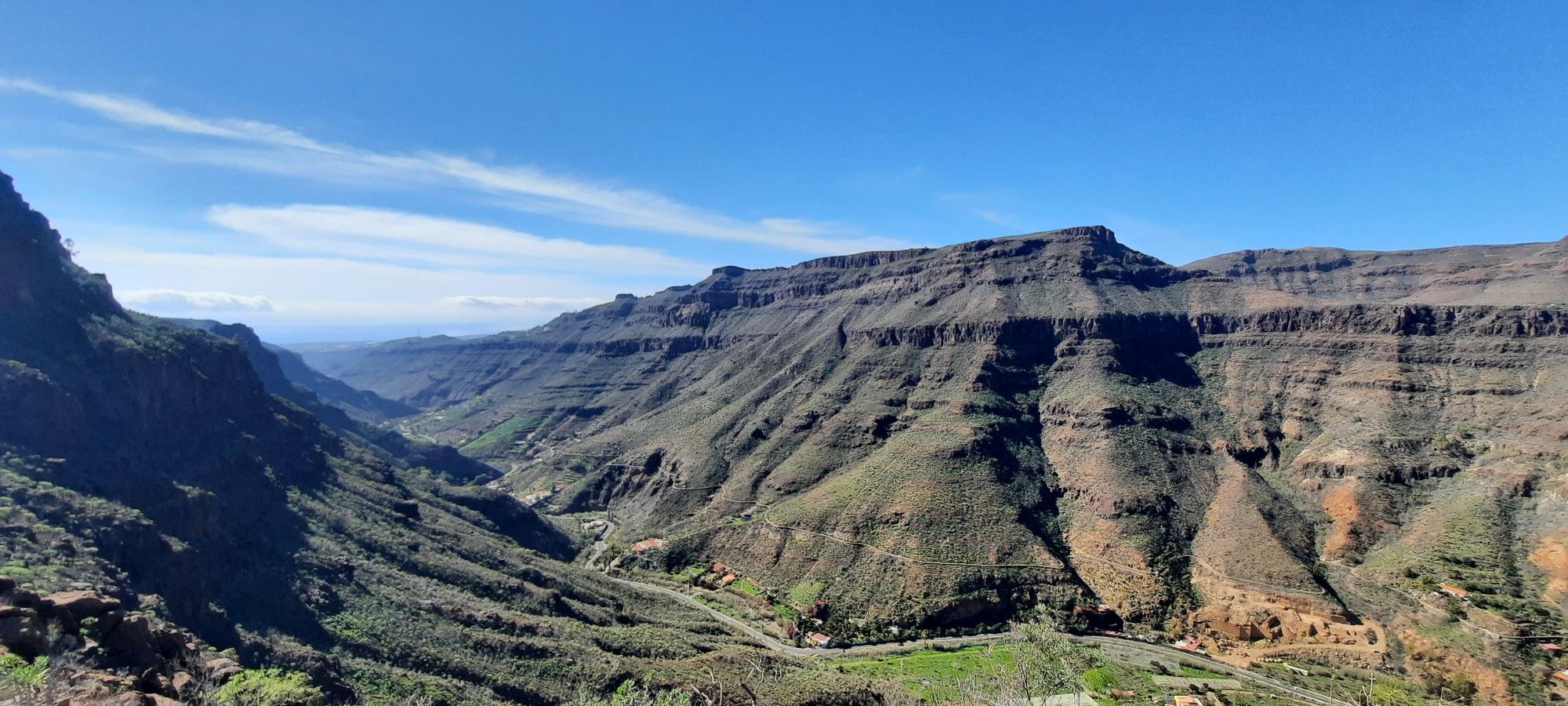
Hiking around Artenara
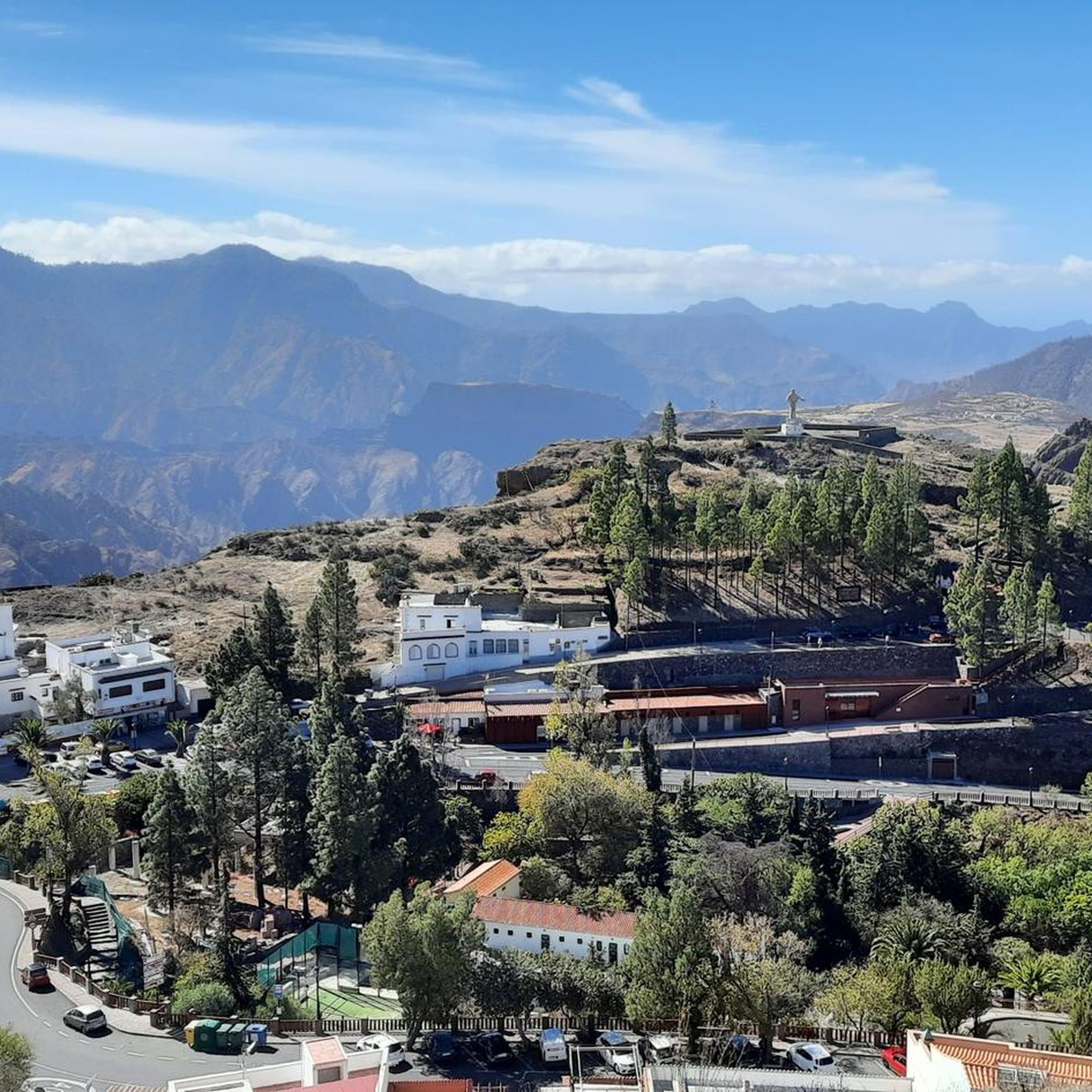
Road Cycling Routes around Artenara
Cycling around Artenara
Running Trails around Artenara
MTB Trails around Artenara

Mountain Hikes around Artenara

Gravel biking around Artenara


Tips from the Community

This superb ascent is in places carved, as stairs, directly into the rock. A physical climb but one that is worth every effort. Along the way, you can cool off in the various caves you will encounter.
0
0

People actually used to live in these caves: https://toponimograncanaria.blogspot.com/2012/04/berbique-cuevas-de-agaete.html You can still explore some of them today
2
0

They are an archaeological complex made up of twelve natural caves, most of which were adapted to be habitable through their chiseling. These caves are distributed along a south-facing platform, which protects them from the northern trade winds and offers beautiful views over the Bentayga and the Cuenca del Nublo.
0
0

In front of the cave there is a small stone wall that prevents direct access from the path. We accepted this "sign" and did not enter the cave, even though it is possible to do so via a side crossing...
1
0

Several caves can be visited here. However, the path there is arduous and slippery. However, it is clearly visible on the hiking map.
1
0

There are always caves that you come across on your hike. This is also exciting.
1
1
The entrance to the caves is blocked with bars.
1
0

The Caballero Caves are an archaeological site made up of twelve natural caves, most of them converted into habitable caves by crushing. They are distributed on a platform facing south and are therefore whipped by the northern trade winds. With magnificent views over the Bentayga and the Nublo basin. Source: https://artenara.es/turismo/index.php/es/cuevas-de-caballero-2
2
0
Frequently Asked Questions
What types of caves can I explore around Artenara?
Artenara offers a diverse range of caves, from ancient archaeological sites and historical dwellings to unique religious chapels and traditional cave houses. You can find sites like the Caballero Caves, which are archaeological sites with natural caves, or the Cave of Las Moriscas, a historical site with ancient silos. The region also features the extraordinary Ermita de la Virgen de La Cuevita, a chapel entirely carved into a cliff face.
Are there any archaeological cave sites in Artenara?
Yes, Artenara is rich in archaeological cave sites. The Caballero Caves are an important archaeological area with twelve natural caves, some containing rock art and unique symbology. Another significant site is the Complejo Arqueológico de Acusa, featuring dwelling and funerary caves that offer insight into the lifestyle of native Canary Islanders. The Berbique Caves Archaeological Site also showcases where people once lived.
Can I visit traditional cave houses in Artenara?
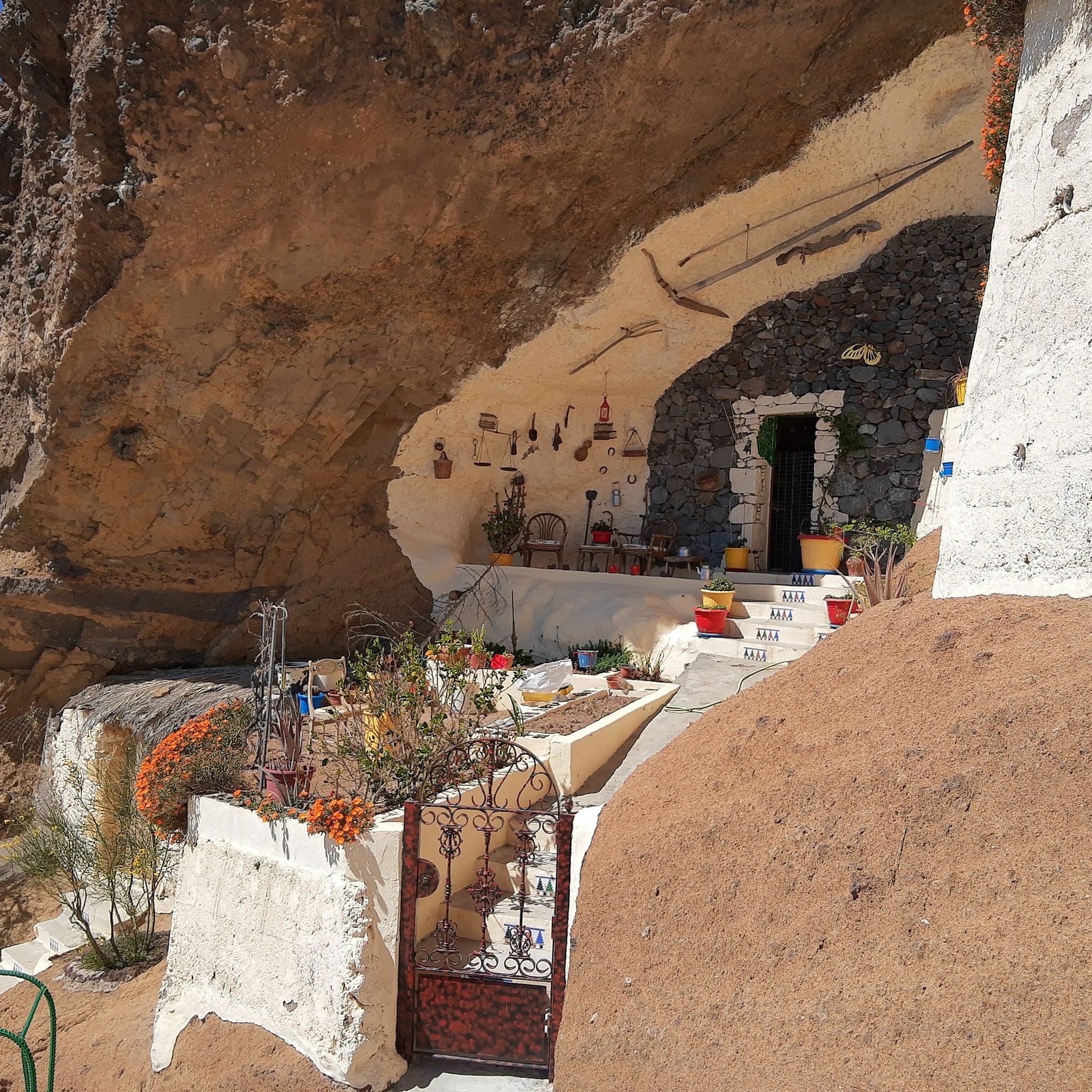
Absolutely. The Museo Etnográfico Casas Cueva de Artenara is an open-air museum featuring several old cave houses, fully furnished to show how early settlers adapted to life on the volcanic island. Additionally, in areas like Acusa Seca, many aboriginal dwellings are still present, and some are even inhabited today, offering a glimpse into traditional cave living.
What are the best viewpoints near the caves in Artenara?
Many cave sites in Artenara offer spectacular views. From the Caballero Caves, you can enjoy magnificent views over the Bentayga and Nublo basin. The area around Acusa Seca also provides stunning vistas of iconic landmarks like Roque Nublo and Roque Bentayga.
Are there family-friendly caves to visit in Artenara?
While specific 'family-friendly' categories aren't always noted, many sites are accessible for families. The Museo Etnográfico Casas Cueva de Artenara is an excellent option for all ages, offering an engaging look at traditional life. Exploring the archaeological sites like the Complejo Arqueológico de Acusa can also be an educational experience for older children, though some paths may be challenging.
What is the best time of year to visit the caves in Artenara?
The best time to visit the caves and enjoy hiking in Artenara is generally during the cooler, drier months, typically from autumn to spring (October to May). The weather is more pleasant for exploration, avoiding the intense heat of summer. Always check local weather conditions before your visit.
Are there any unique religious cave sites in Artenara?
Yes, Artenara is home to the remarkable Ermita de la Virgen de La Cuevita, an 18th-century chapel entirely dug into a cliff face. All its religious elements, including the altar and pulpit, are carved directly into the rock, making it a significant religious and architectural marvel.
What outdoor activities can I do near the caves in Artenara?
Beyond cave exploration, Artenara offers various outdoor activities. You can find numerous running trails, such as the 'View from Mirador del Sargento – La Laja Pass loop from Artenara', or explore gravel biking routes like the 'Old coastal road – Mirador del Sargento loop'. For more options, check out the Running Trails around Artenara, Gravel biking around Artenara, and Road Cycling Routes around Artenara guides.
Do I need permits to visit the caves in Artenara?
Generally, permits are not required for casual visits to most publicly accessible cave sites or archaeological complexes in Artenara. However, for specific sites like the Risco Caído caves (which have an Interpretation Center in Artenara), access to the actual caves might be restricted or require specific arrangements. It's always advisable to check with local tourism information for any specific site you plan to visit.
What is the significance of Risco Caído in relation to Artenara?
While the main Risco Caído site is a UNESCO World Heritage site, Artenara hosts an Interpretation Center for Risco Caído. This center provides a museum experience with a real-scale reproduction of Cave number 6 and details on the celestial light phenomenon that occurs within it, offering insight into the astronomical and agricultural importance of these ancient caves.
Are there any caves that are particularly challenging to access?
Some cave sites, especially archaeological ones, might involve challenging terrain. For instance, the Berbique Caves Archaeological Site is noted for having an arduous and slippery path. Similarly, the Cave on the Hiking Trail is part of a route that can be narrow, steep, and involves a boulder field, requiring surefootedness.
Most popular routes around Artenara
Most popular attractions around Artenara

Get inspired with the komoot mobile app


Explore more
Extend your search for the best caves by checking out these guides of the top ones around Artenara:
