Top 4 Lakes around Moya
Best lakes around Moya are primarily artificial reservoirs and small natural water bodies located within the mountainous interior of Gran Canaria. This region is characterized by its dramatic volcanic landscapes and efforts to manage water resources through dams. Visitors can explore these water features, which often serve as focal points for hiking trails and offer scenic viewpoints. The area provides opportunities to experience the island's unique geology and reforested pine groves.
Best lakes around Moya
- The most popular lakes is…
Last updated: June 20, 2026
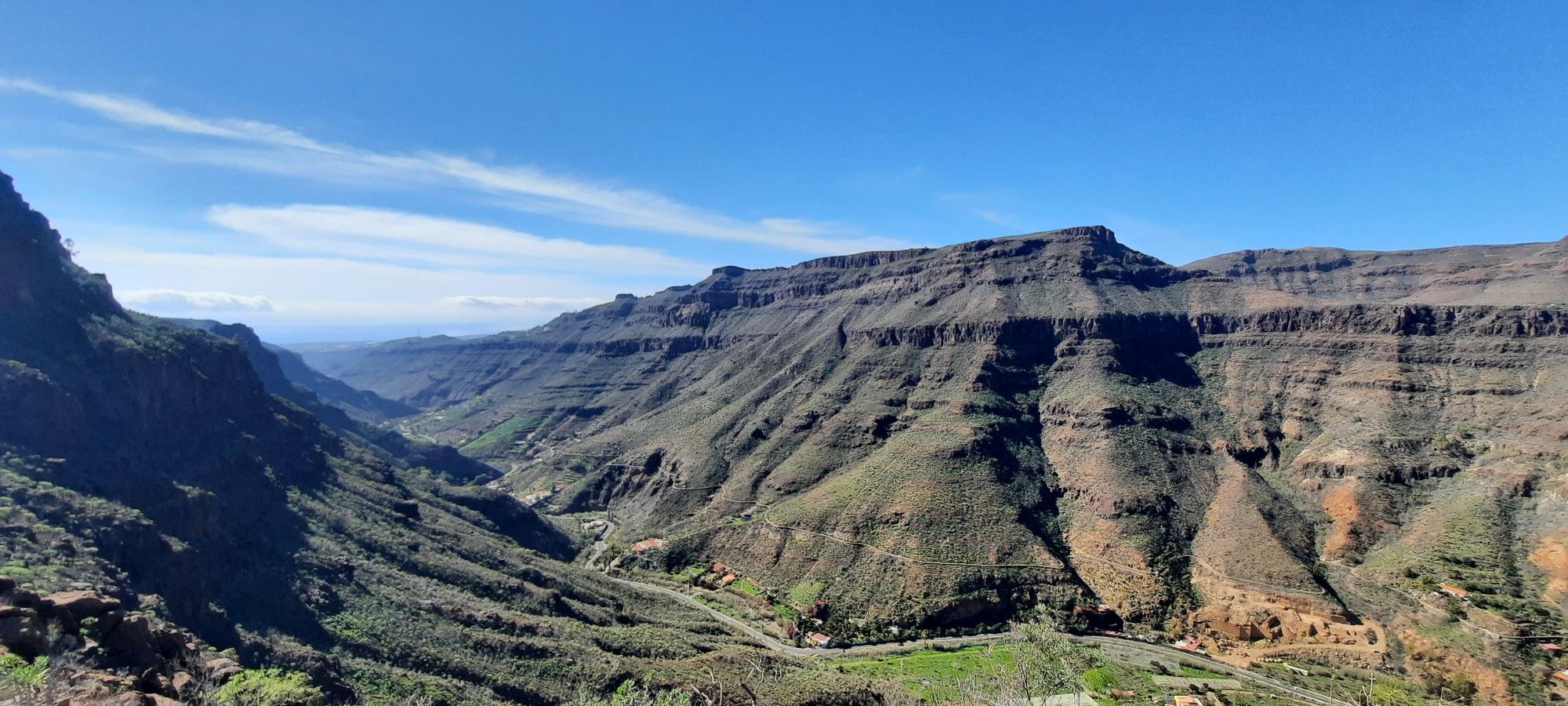
Los Hornos Dam
Highlight • Lake
Translated by Google •
Tip by

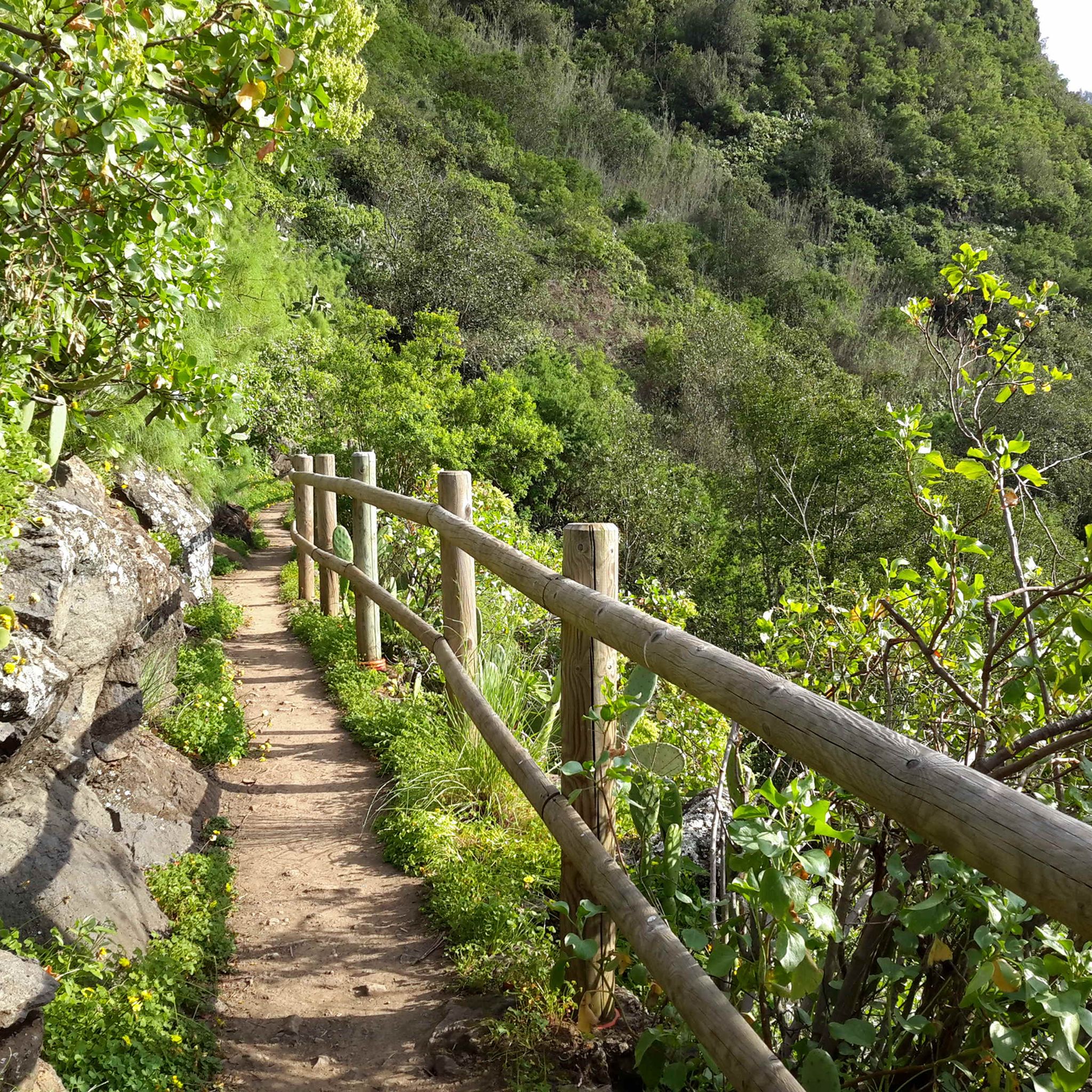
El Charco de la Paloma
Highlight • Waterfall
Translated by Google •
Tip by

Sign up now to discover places like this
Get recommendations on the best single tracks, peaks, & plenty of other exciting outdoor places.
Sign up for free
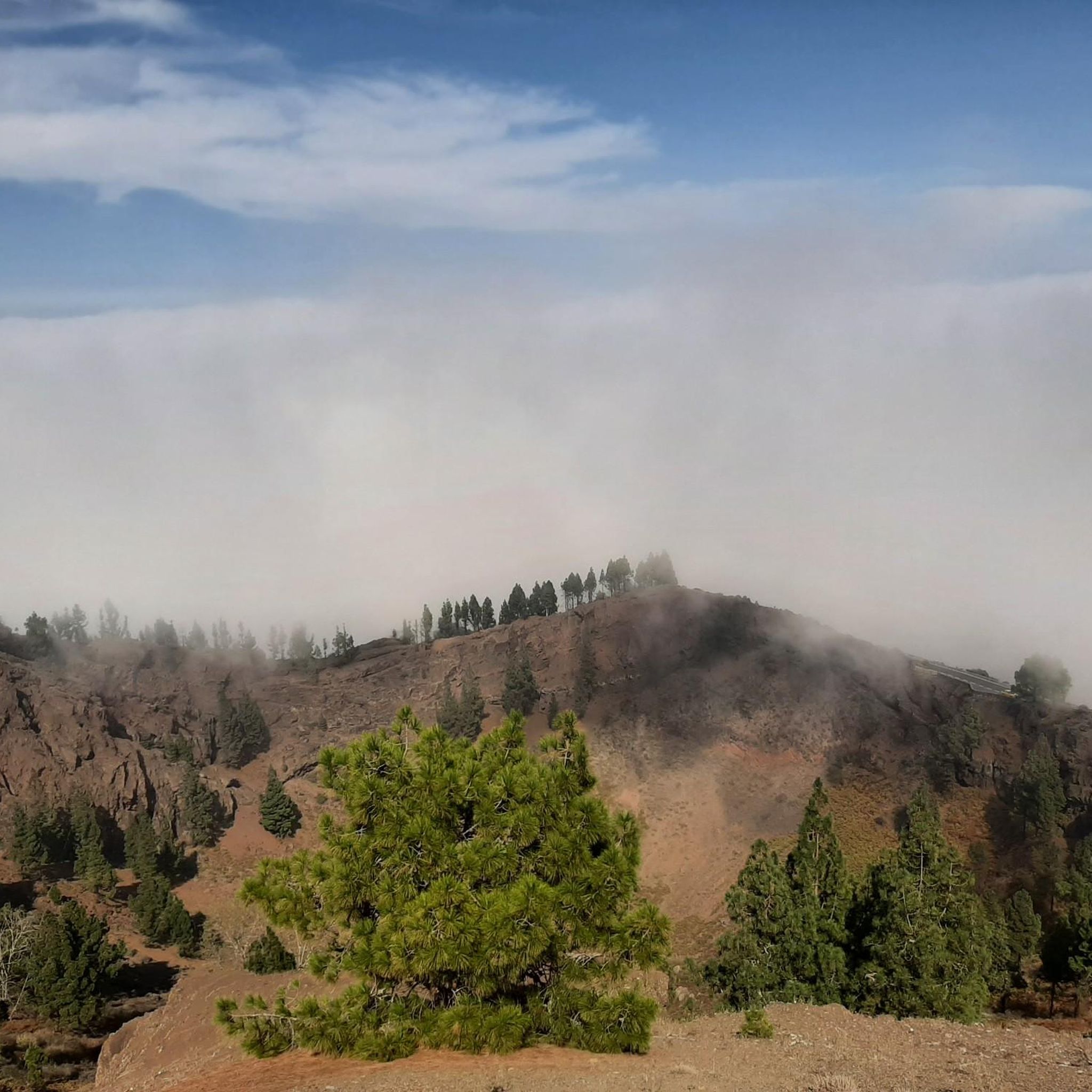
Upper waterfall
Highlight • Climb
Translated by Google •
Tip by

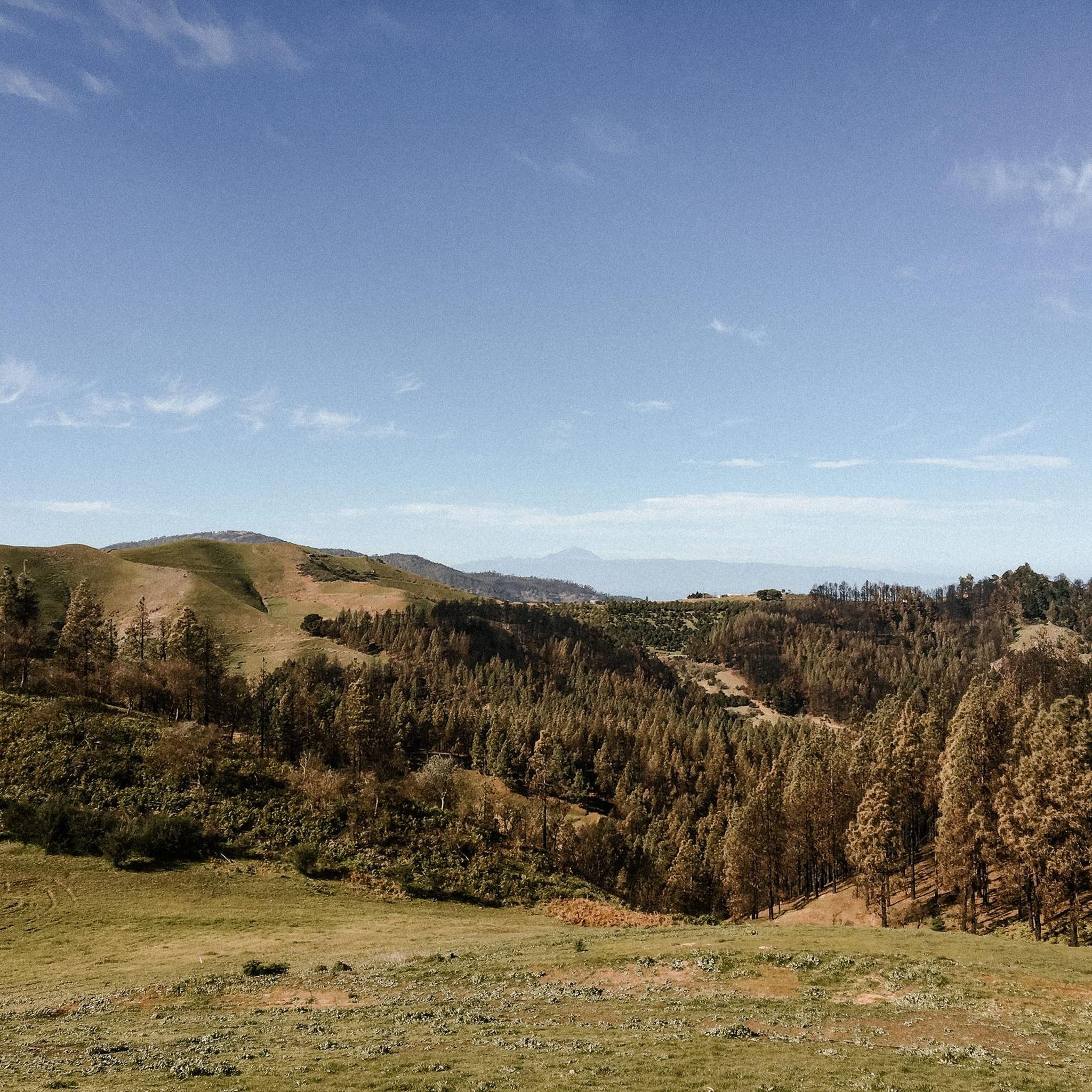
Los Hornos Dam Viewpoint
Highlight • Viewpoint
Showing Translation
Tip by

Los Pérez Dam
Highlight • Lake
Translated by Google •
Tip by

Sign up for free to discover even more lakes around Moya.
Sign up for free
Already have an account?
Start today with a free account
Your next adventure awaits.
Login or Signup

Other adventures around Moya

Tips from the Community

After the recent rainfall, there is currently plenty of water for the small waterfall.
0
0

Unfortunately not very spectacular and not accessible due to the higher water
0
0

Beautiful climbing rock with views of the Rogue Nublo and the reservoir
2
0

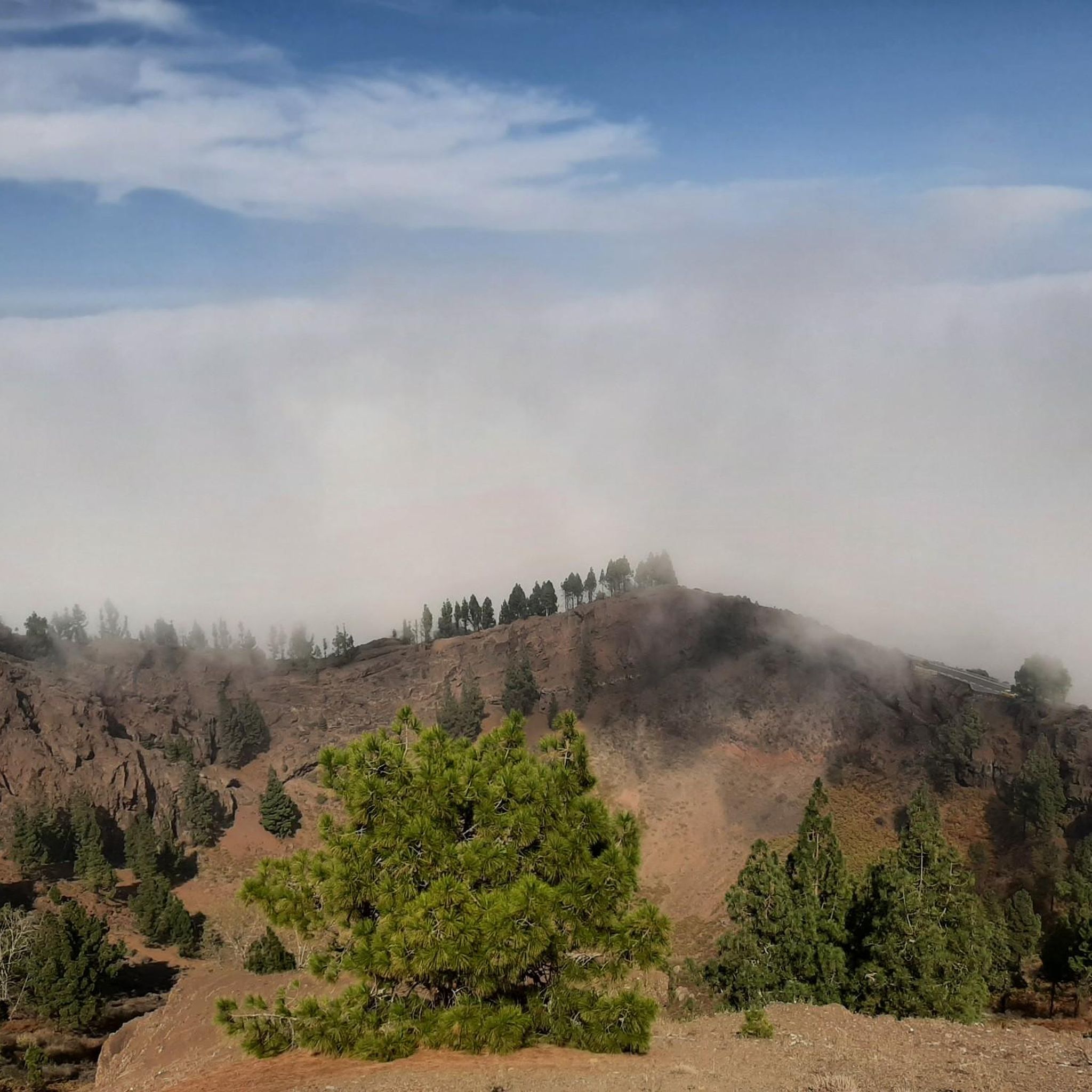
Los Hornos Dam Viewpoint The Los Hornos Dam or Cumbre Dam has a height of 1,565 meters above sea level. It dates from 1933, but was later enlarged. Made of ordinary masonry, it reached a height of 27 m and had a capacity of 697,000 m3 of water, which flows between ditches and tunnels towards the municipalities of Arucas and San Mateo.
3
1
The Los Hornos Dam or Cumbre Dam has a height of 1,565 meters above sea level. It dates from 1933, but was later enlarged. Made of ordinary masonry, it reached a height of 27 m and had a capacity of 697,000 m3 of water, which flows between ditches and tunnels towards the municipalities of Arucas and San Mateo.
4
0
The waterfall and the filled reservoir in front of it are probably best admired during the "rainy season" in autumn and winter. Since it doesn't rain often on the island, no water flows here from spring to autumn.
3
1
Los Hornos Dam Viewpoint The Los Hornos Dam or Cumbre Dam has a height of 1,565 meters above sea level. It dates from 1933, but was later enlarged. Made of ordinary masonry, it reached a height of 27 m and had a capacity of 697,000 m3 of water, which flows between ditches and tunnels towards the municipalities of Arucas and San Mateo.
6
0
The Los Hornos Dam or Cumbre Dam has a height of 1,565 meters above sea level. It dates from 1933, but was later enlarged. Made of ordinary masonry, it reached a height of 27 m and had a capacity of 697,000 m3 of water, which flows between ditches and tunnels towards the municipalities of Arucas and San Mateo.
6
0
Frequently Asked Questions
What kind of lakes can I expect to find around Moya?
The lakes around Moya are primarily artificial reservoirs and small natural water bodies, often integrated into the region's dramatic volcanic landscapes. They serve as focal points for hiking trails and offer scenic viewpoints, showcasing efforts to manage water resources through dams and reforested pine groves.
Are there family-friendly lakes or spots near Moya?
Yes, El Charco de la Paloma is a popular excursion spot with a small lake and waterfall that is considered family-friendly. Additionally, Los Pérez Dam is also noted as family-friendly, offering magnificent views and opportunities to observe local wildlife.
What are some notable natural features to see around the lakes?
Beyond the lakes themselves, you can observe volcanic rock formations, such as the 'Roque Nublo Breccie' near Los Hornos Dam. The surrounding vegetation includes recently reforested pine groves, as well as various types of broom and sage common in the high mountains. Waterfalls, like the one at El Charco de la Paloma, are also prominent features.
Can I go hiking near the lakes around Moya?
Absolutely. The lakes are often integrated into hiking routes. For example, from the Presa de Los Pérez Trail Junction, you can directly access the GR 138 trail leading into the Tamadaba Natural Park. You can find various hiking options by exploring the running trails around Moya, which often overlap with hiking paths.
When is the best time to visit the lakes and waterfalls in the Moya region?
For waterfalls and fuller reservoirs, the autumn and winter months are generally best, as water levels are higher during the 'rainy season.' During spring and summer, some waterfalls, like El Charco de la Paloma, may have reduced flow or be dry due to less rainfall.
Are there opportunities for cycling around the lakes near Moya?
Yes, the region offers various cycling routes that pass by or near the lakes and reservoirs. You can explore options for road cycling or general cycling around Moya, which include routes through scenic landscapes and past water features.
Are there any specific viewpoints offering great perspectives of the lakes?
Yes, several spots offer excellent views. The Presa de Los Hornos viewpoint provides panoramic vistas of the reservoir. Similarly, Los Pérez Dam is known for its magnificent views of the emerald green reservoir and the valley below.
Can I find places for wild swimming near Moya's lakes?
While the main reservoirs are primarily for water management, the Upper waterfall is mentioned as a great spot for swimming, though it involves climbing rock walls and venturing down slopes to reach. Always exercise caution and check local regulations before attempting wild swimming.
What kind of wildlife can I observe near the lakes?
Near reservoirs like Los Pérez Dam, visitors have noted opportunities for watching animals. The reforested pine groves and natural vegetation around the lakes provide habitats for various local species, though specific wildlife sightings can vary.
What should I wear for hiking around the lakes in Moya?
Given the mountainous terrain and varying elevations, it's advisable to wear appropriate hiking footwear. Layers are recommended as temperatures can change, especially at higher altitudes like Los Hornos Dam, which is 1565 meters above sea level. Sun protection is also important.
Are there any historical or cultural sites near the lakes?
The dams themselves, such as Los Hornos Dam, built in 1933, represent significant historical engineering feats for water management in the region. While not ancient ruins, they offer insight into the island's development and resourcefulness.
Most popular attractions around Moya

Get inspired with the komoot mobile app


Explore more
Still not found your perfect lake around Moya? Check out the guides of these regions to see even more beautiful places.
