Top 6 Castles around Calders
Best castles around Calders are found in a historically rich region, characterized by its varied terrain, including parts of the Moyanés region and the area between Bages and Vallès Occidental in the province of Barcelona. This landscape features hills and valleys, providing strategic locations for ancient fortifications. The area's castles often date back to the 10th century, reflecting centuries of feudal history and architectural evolution. These sites offer insights into medieval life and provide expansive views over the surrounding territory.
…Last updated: June 20, 2026
Castell de Pera
Highlight • Castle
The oldest documentation known about the Pera Castle dates from the year 978. It …
Translated by Google •
Tip by

Talamanca Castle
Highlight • Castle
Translated by Google •
Tip by

Sign up now to discover places like this
Get recommendations on the best single tracks, peaks, & plenty of other exciting outdoor places.
Sign up for free
Mas d'Esplugues de Castellcir
Highlight • Historical Site
Translated by Google •
Tip by

Granera Castle
Highlight • Castle
Translated by Google •
Tip by

Marfà Castle and Farmhouse
Highlight • Castle
Tip by

Sign up for free to discover even more castles around Calders.
Sign up for free
Already have an account?
Start today with a free account
Your next adventure awaits.
Login or Signup

Tips from the Community

This farmhouse is very special: it's built taking advantage of the natural shelter of a large rock and is located next to the Fontscalents stream. This spot has been home to different generations for over a thousand years, from medieval times until very recently, making it a place steeped in history. Although its name is already mentioned at the end of the 12th century, the building that stands today is the result of later renovations, especially from the 17th and 18th centuries. Some dates engraved in the stone still offer clues to these works. The façade, with its irregular and rustic appearance, blends elements of well-worked stone with simpler walls made of rubble and mortar.
1
0

Entrance to the old town of Granera, paved and on top of a hill above 800 meters above sea level, crowned by a beautiful castle. At the entrance you will find a fountain.
0
0

Incredible places to take photos
0
0

A town with a great history that is worth visiting 🤩
1
0

Pleasant walk through Talamanca and its surroundings with a moderate slope. The route runs along well-marked tracks and is marked with milestones with white and green labels. With this itinerary we will discover the medieval origins of Talamanca based on its cultural and natural heritage. The route follows a section of the stream between small gorges and waterfalls that have emerged between the rocks. The itinerary discovers constructions such as the dry stone huts, the water lilies or the unique area of the balma salt of the Gobians and a part following the stream bed, scene of one of the most important battles of the war of succession. Part of the excursion goes through Sant Llorenç del Munt i l'Obac Natural Park.
0
0
The original building, built in the 11th century, was the embryo of the town and the political center of the district. It was part of the network of castles aimed at the defense of the colonists who repopulated the lands conquered by the Saracens. In the twelfth century, the Saracen threat faded but the process of feudalization caused disputes between Castilians for control of the castle, with several sagas taking place: the Cardona, the Talamanca, the Castellbell. In 1717, Bourbon troops demolished the castle, a fate shared by many of the castles of Old Catalonia. In the 18th century, the Castellbells built the manor house with a tower.
0
0

Exceptional farmhouse built under a balma, next to the stream of Fontscalents. This place was inhabited from the early medieval period until the beginning of the 21st century. The toponym has been documented since 1192 and the farmhouse itself, since 1408. The construction that has come down to us is later, built between the 17th and 18th centuries. From this century there are several dates inscribed on the lintels: 1748, 1755. The facade, completely irregular, preserves several doors and windows framed with well-cut stone, while the facing is made of pebbles and little or no worked stones tied with mortar
2
0

very beautiful village in a magnificent area
2
0
Frequently Asked Questions
What are the most historically significant castles around Calders?
The castles around Calders are deeply rooted in history, with many dating back to the 10th century. Granera Castle is documented since 971 and forms the core of the old Granera town. Similarly, Castell de Pera, a 10th-century medieval fortress, is considered one of the oldest castles in Catalonia. Talamanca Castle is another significant Romanesque castle from the 10th century, known for its cultural importance.
Are there any castles that offer great panoramic views?
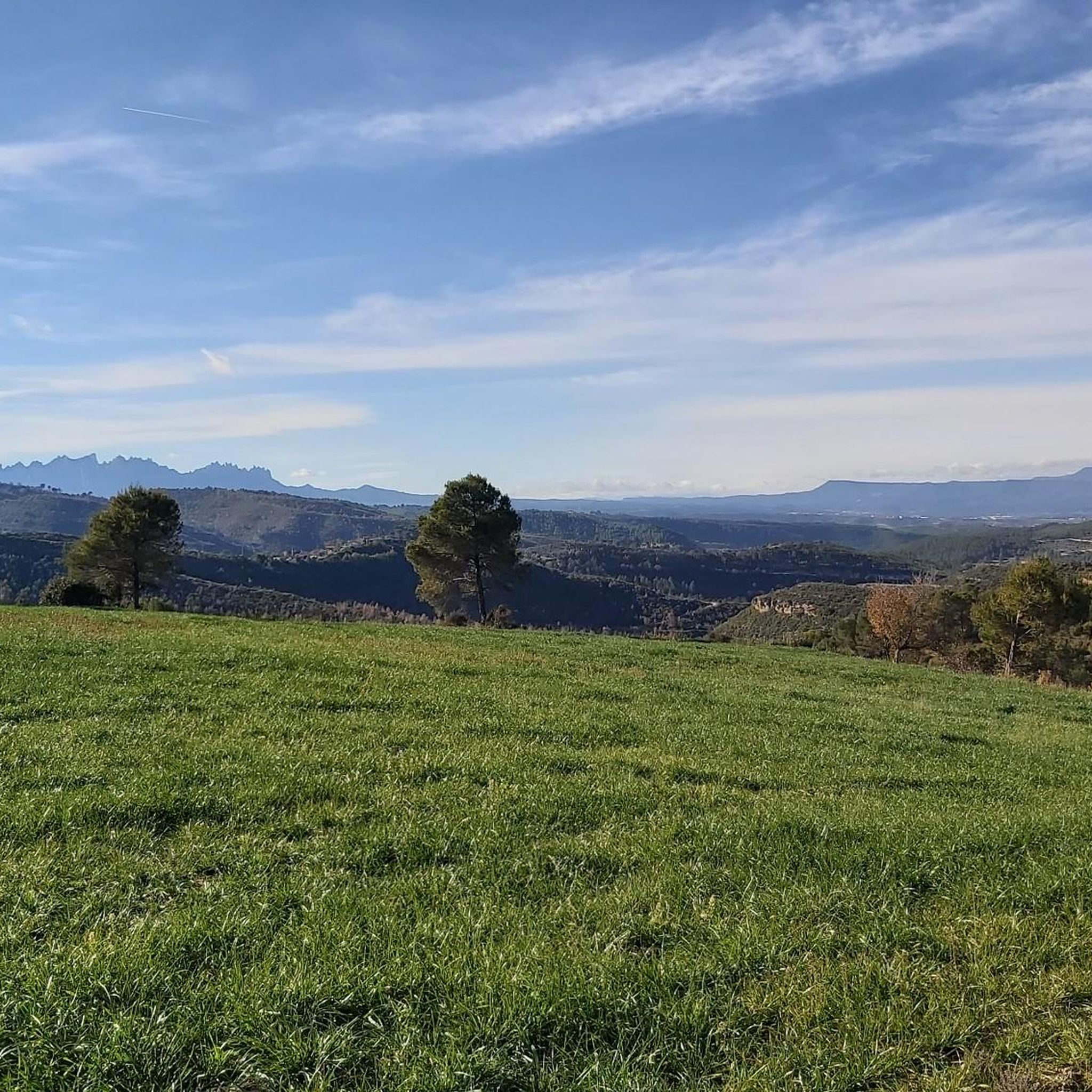
Yes, several castles provide excellent viewpoints. Castell de Pera, situated on a steep hill, offers wide views over the surrounding territory. The original Castell de Calders, though largely in ruins, is also known for its wonderful panoramic views of forests, fields, and vineyards.
What kind of architecture can I expect to see at these castles?
The castles around Calders primarily showcase Romanesque architecture and medieval fortress designs. You'll find structures like Talamanca Castle, a well-preserved Romanesque example, alongside the ruins of older fortifications like Castell de Pera, which highlight the functional and defensive building styles of the 10th century.
Are there family-friendly castles to visit in the Calders area?
Yes, Talamanca Castle is categorized as family-friendly, making it a good option for visitors with children. Exploring the historical ruins and enjoying the views can be an engaging experience for all ages.
What outdoor activities can I do near the castles around Calders?
The region around Calders offers various outdoor activities. You can find numerous routes for mountain biking, running, and road cycling. For example, there are MTB trails like the 'Riera de Calders near Malniu – Calders Castle loop', running trails such as the 'Cap de la Serra loop from Navarcles', and road cycling routes including the 'Avinyó – Balsareny Castle loop'.
Are there any unique historical sites besides traditional castles?
Yes, Mas d'Esplugues de Castellcir is a unique historical site. This farmhouse is exceptionally built taking advantage of the natural shelter of a large rock, next to the Fontscalents stream. It has been inhabited for over a thousand years, from medieval times until recently, offering a glimpse into continuous historical occupation.
What do visitors enjoy most about the castles around Calders?
Visitors appreciate the rich history and the expansive views offered by these ancient sites. The komoot community has shared 67 photos and given 33 upvotes, highlighting the visual appeal and historical significance of places like Granera Castle and Castell de Pera.
Can I find walking routes that connect multiple castles?
While specific multi-castle walking routes are not detailed, many castles are located within scenic areas that are popular for hiking and exploring. You can find various running and MTB trails in the region that pass by or near these historical sites, allowing you to combine castle visits with outdoor activity.
Is there a castle that is less crowded or a 'hidden gem'?
Marfà Castle and Farmhouse, located in the enclave of Vall de Marfà, might offer a more secluded experience. It's an old castle and farmhouse that centers a beautiful valley, with the church of Sant Pere de Marfà nearby, providing a tranquil historical setting.
What is the best time to visit the castles in Calders?
The region's climate, with its varied terrain, makes spring and autumn generally pleasant for exploring the castles and their surroundings. These seasons offer comfortable temperatures for walking and enjoying the panoramic views without the intense heat of summer or the chill of winter.
Are there any castles that are particularly good for photography?
Many of the castles, especially those offering wide views like Castell de Pera, provide excellent photographic opportunities. The unique architecture of Mas d'Esplugues de Castellcir, built under a rock, is also noted for being an 'incredible place to take photos'.
How accessible are the castles by public transport?
Information on specific public transport routes directly to each castle is limited. Many of these historical sites are located in rural or elevated areas, suggesting that personal vehicles or a combination of public transport and walking might be necessary to reach them. It's advisable to check local transport options for the specific village nearest to the castle you wish to visit.
Most popular routes around Calders
Most popular attractions around Calders

Get inspired with the komoot mobile app


Explore more
Looking for the best castles somewhere else? Discover other guides around Calders:
