Top 5 Castles around El Pinar
Best castles around El Pinar are situated in the province of Granada, a region characterized by its mountainous terrain and river valleys. This area holds significant historical and cultural importance, with fortifications dating back to medieval periods. The landscape offers commanding views, often featuring the Sierra Nevada mountains and fertile valleys. These historical sites provide insight into the defensive architecture and strategic significance of the region.
Best castles around El Pinar
- The most popular castles is Lanjarón Castle Ruins, a castle that was built between the 13th and 16th centuries during the Nasrid and Christian periods. It is a medieval fortress located on a rocky promontory overlooking the valley of the Lanjarón River.
- Another must-see spot is El Castillejo Fortress, an old fortress and historical site. Visitors can expect great views of the village and surrounding area from its ruins above Guajar Fondon.
- Visitors also love Lojuela Castle, a small fortress from the Muslim period located on a hill. Its position on the left bank of the river Dúrcal makes it a notable historical site.
- El Pinar is known for its medieval fortresses, historical ruins, and strategic viewpoints. The area offers a variety of castles to see and explore, showcasing different periods of construction and defensive architecture.
- The castles around El Pinar are appreciated by the komoot community, with 28 upvotes and 108 photos shared across the various highlights.
Last updated: August 14, 2026
Lanjarón Castle Ruins
Highlight • Castle
Built between the 13th and 16th centuries, during the Nasrid and Christian periods, it was part of the defensive programme of the sultans Yusuf I and Mohammad V. Although in ruins, the castle has been protected and restored on several occasions. Since 1993, it has been listed as a Site of Cultural Interest.
Translated by Google •
Tip by

El Castillejo Fortress
Highlight • Castle
Translated by Google •
Tip by

Sign up now to discover places like this
Get recommendations on the best single tracks, peaks, & plenty of other exciting outdoor places.
Sign up for free
Lojuela Castle
Highlight • Castle
Translated by Google •
Tip by
Cistern of Dúrcal Castle
Highlight • Historical Site
Translated by Google •
Tip by

Castillo de los Ulloa: Views of Vélez de Benaudalla
Highlight (Segment) • Castle
Translated by Google •
Tip by

Start today with a free account
Your next adventure awaits.
Login or Signup

Tips from the Community

Impressive and worth seeing, no special footwear needed.
1
0

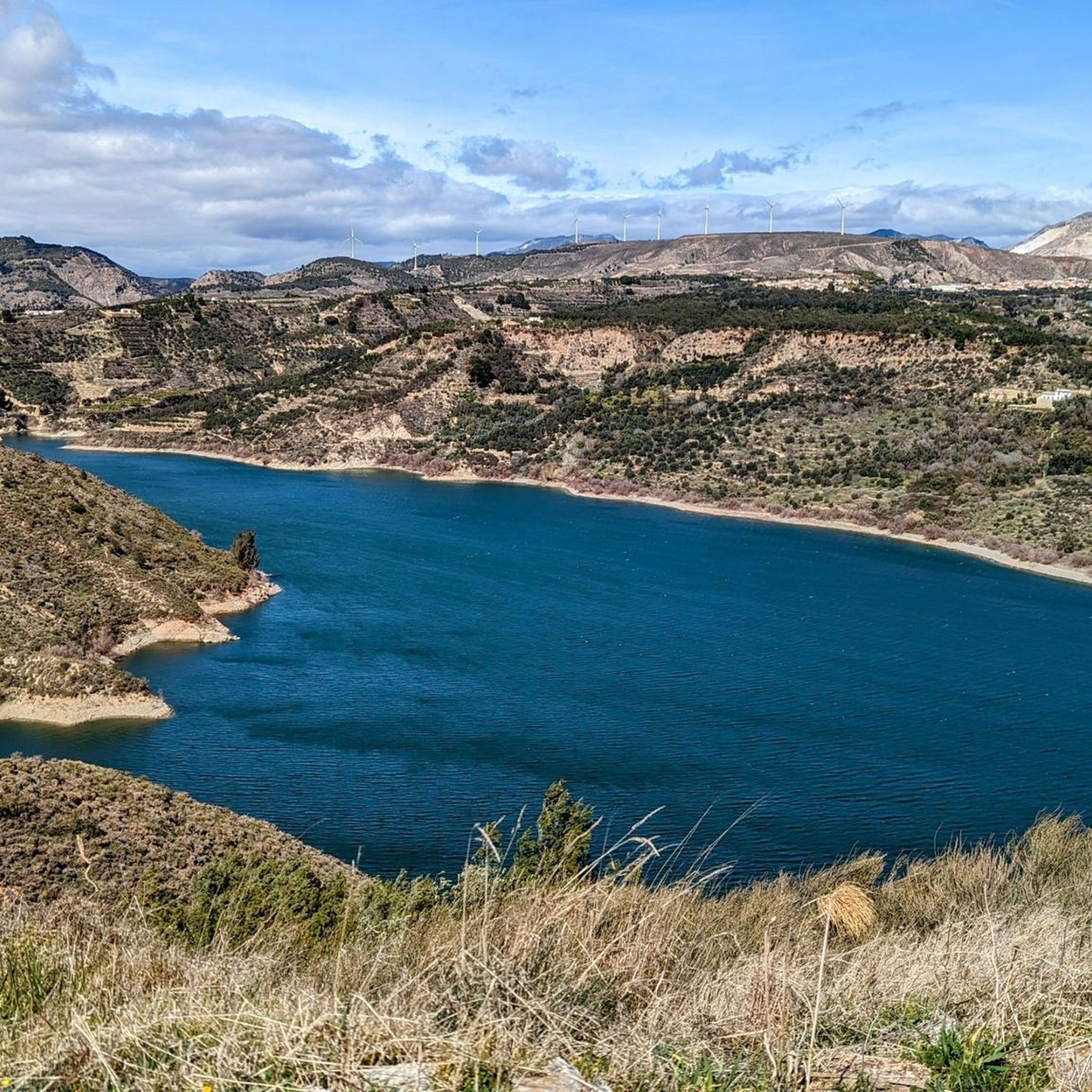
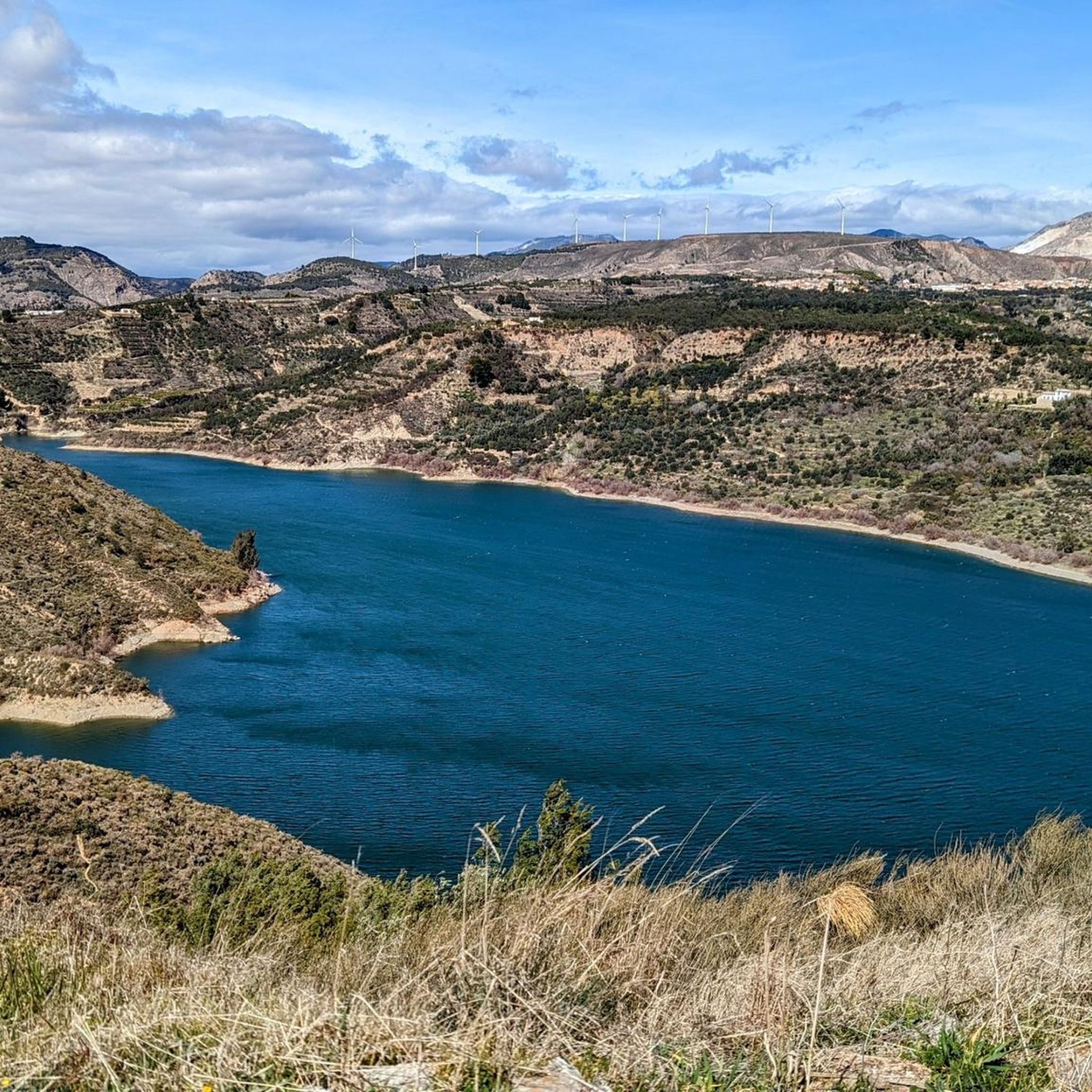
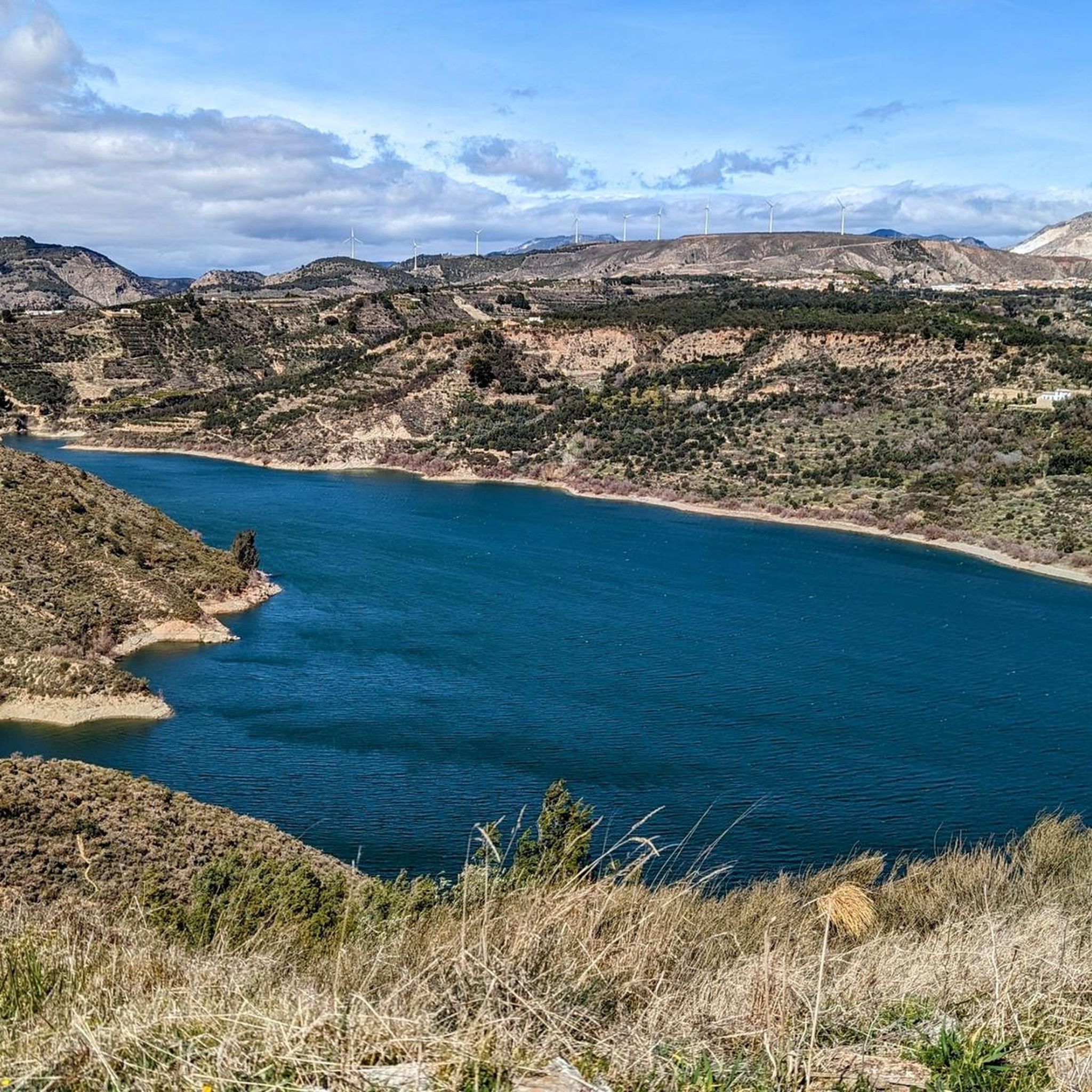
The Castillo de los Ulloa castle sits atop a rocky outcrop above the town of Vélez de Benaudalla, offering beautiful views of the entire old town and beyond to the valley of the Río Guadalfeo, the surrounding mountains, the reservoir, the slopes of the Alpujarra mountains, and the sometimes snow-covered mountain ranges of the Sierra Nevada.
1
0

Lanjarón Castle, also known as the Moorish Castle, is a medieval fortress located in the town of Lanjarón, in the province of Granada. It is located about 400 metres from the centre of Lanjarón, on a rocky promontory overlooking the valley of the Lanjarón River. Built between the 13th and 16th centuries, during the Nasrid and Christian periods, it was part of the defensive programme of the sultans Yusuf I and Mohammad V. Although in ruins, the castle has been protected and restored on several occasions. Since 1993, it has been listed as a Site of Cultural Interest.
2
0
Lanjarón Castle, also known as the Moorish Castle, is a medieval fortress located in the town of Lanjarón, in the province of Granada. It is located about 400 metres from the centre of Lanjarón, on a rocky promontory overlooking the valley of the Lanjarón River. Built between the 13th and 16th centuries, during the Nasrid and Christian periods, it was part of the defensive programme of the sultans Yusuf I and Mohammad V. Although in ruins, the castle has been protected and restored on several occasions. Since 1993, it has been listed as a Site of Cultural Interest.
5
0

This castle in ruins is located in front of Durcal, it is delimited by the Granada motorway. To get to it, you have to take from the exit of the town at the San Blas fountain towards the Urquizar baths, you have to be very careful once you cross the motorway bridge and we begin the descent quite descending because when we pass the last farmhouses on the right we are fixed to the right and we will find an indicative sign that will take us to the ruins of the castle of Durcal.
1
0
This is an old fortress located in the term called guajares, we have three towns Guajar Fondón, Guajar Faraguit and Guajar Alto. In which there are thousands of routes to discover and do MTB or hiking. Guajar Faraguit where we left the vehicle and went down to the river of los guajares once in the same river we crossed it by a picturesque bridge and right there we began the ascent to the old fortress about 3 or 4 km round trip from the same town In short, a good route I recommend it.
1
0

Also known as "Castillo de los Moros", it was built in the 13th century and its bare remains restored at the end of the 20th century.
3
0
This fortress, also known as the "Castle of the Moors", was built in the 13th century and its bare remains were restored at the end of the 20th century.
3
0
Frequently Asked Questions
What historical periods do the castles around El Pinar represent?
The castles in the El Pinar region showcase a rich history, primarily from the medieval period. For instance, Lanjarón Castle Ruins were built between the 13th and 16th centuries during both the Nasrid and Christian periods. Lojuela Castle is a small fortress from the Muslim period. The broader region, including Píñar in Granada, features castles with Caliphal (9th and 10th centuries) and Nasrid influences, while Cabrejas del Pinar in Soria has remnants from the 13th-14th centuries, with a possible 10th-century watchtower.
Which castles offer the best panoramic views of the surrounding landscape?
Many castles in the area are strategically located for commanding views. El Castillejo Fortress provides great views of Guajar Fondon and its surroundings. Similarly, Castillo de los Ulloa offers beautiful vistas of Vélez de Benaudalla, the Río Guadalfeo valley, and even the Sierra Nevada mountains. The Medieval Castle of Píñar also offers commanding views from its hilltop position.
Are there family-friendly castles to visit near El Pinar?
While specific 'family-friendly' designations aren't always available, many of the castles, being historical ruins, offer an engaging experience for families interested in history and exploration. The open-air nature of sites like Lanjarón Castle Ruins and El Castillejo Fortress allows for discovery and imagination, making them suitable for families who enjoy walking and exploring historical sites together.
What outdoor activities can I do near the castles around El Pinar?
The region around El Pinar is excellent for outdoor activities. You can find numerous routes for hiking, cycling, and gravel biking. For example, there are hiking routes like 'Cerro del Crucero de Pinos' or 'Playa de la Presa de Béznar' near the castles. Cyclists can explore routes such as 'Béznar Reservoir Circular' or 'Metal Bridge – Presa de Béznar loop'. You can find more details on these activities and routes on the Hiking around El Pinar, Cycling around El Pinar, and Gravel biking around El Pinar guide pages.
What is the best time of year to visit the castles in the El Pinar region?
The El Pinar region, being in Granada, generally experiences pleasant weather for exploring historical sites. Spring (April-May) and Autumn (September-October) are often ideal, offering mild temperatures suitable for walking and enjoying the outdoor ruins without the intense heat of summer. Winter can also be a good time, especially if you prefer cooler weather and fewer crowds, though some higher elevation areas might be chilly.
Are there any unique architectural features to look out for in these castles?
Yes, the castles offer diverse architectural insights. The Medieval Castle of Píñar features an irregular floor plan, eleven towers (two semicircular), and excavated cisterns. Cabrejas del Pinar Castle, though ruined, still shows a quadrangular keep and an older circular watchtower, possibly from the 10th century. Lanjarón Castle Ruins, also known as the Moorish Castle, displays construction from both Nasrid and Christian periods.
What should I wear when visiting the castles around El Pinar?
Given that most castles are ruins and often located on hills or rocky outcrops, comfortable walking shoes are highly recommended. Layers of clothing are advisable, especially during spring and autumn, to adapt to changing temperatures. A hat and sunscreen are useful during sunnier periods, and a light jacket might be needed for cooler mornings or evenings.
Can I find viewpoints or natural features near the castles?
Absolutely. Many castles double as excellent viewpoints due to their strategic locations. For example, Castillo de los Ulloa offers extensive views of the valley and mountains. The region is also characterized by mountainous terrain and river valleys, providing a natural backdrop to these historical sites. The nearby Béznar Reservoir is a significant natural feature, and routes like 'Playa de la Presa de Béznar' offer opportunities to explore its surroundings.
What do visitors enjoy most about the castles around El Pinar?
Visitors frequently appreciate the historical significance and the stunning views offered by these medieval fortresses. The sense of discovery among the ruins, the insights into defensive architecture, and the panoramic vistas of the surrounding villages, valleys, and mountains are commonly highlighted. The komoot community has shared over 100 photos, reflecting the visual appeal of these sites.
Are there any specific historical sites related to water management near the castles?
Yes, the region has historical sites related to water. For instance, the Cistern of Dúrcal Castle is a notable historical site, indicating past water management within the castle's context. The Medieval Castle of Píñar also features cisterns excavated from rock, highlighting the importance of water collection in these ancient fortifications.
How long does it typically take to visit a castle ruin in the El Pinar area?
The time required can vary depending on the castle and your interest level. For most castle ruins like Lanjarón Castle Ruins or El Castillejo Fortress, a visit typically ranges from 1 to 2 hours, allowing time to explore the remains, read any informational signs, and enjoy the views. If you combine it with a hike to the site, allow for additional time.
Are there any castles that are particularly well-preserved or restored?
While many castles in the region are in ruins, efforts have been made to protect and restore some. Lanjarón Castle Ruins, for example, have been protected and restored on several occasions since the 20th century, making its bare remains more accessible and understandable. The Medieval Castle of Píñar has also seen recent excavations uncovering internal layouts.
Most popular routes around El Pinar
Most popular attractions around El Pinar

Get inspired with the komoot mobile app


Explore more
Looking for the best castles somewhere else? Discover other guides around El Pinar:
