Top 12 Castles around El Montmell
Castles around El Montmell offer a journey through medieval history in the Baix Penedès region. This area is characterized by its varied terrain, from valleys to rocky hilltops, providing strategic locations for ancient fortifications. The castles here served as defensive positions and surveillance points, often overlooking trade routes and vast territories. Exploring these historical sites provides insight into the region's past and its role in medieval conflicts.
Best castles around El Montmell
- The most popular castles is El Castellot,…
Last updated: July 4, 2026
El Castellot
Highlight • Historical Site
Translated by Google •
Tip by

Sant Martí Sarroca Castle and Church Complex
Highlight • Castle
Translated by Google •
Tip by

Sign up now to discover places like this
Get recommendations on the best single tracks, peaks, & plenty of other exciting outdoor places.
Sign up for free
Castillo de Santa Oliva
Highlight • Castle
Translated by Google •
Tip by

Penyafort Castle
Highlight • Castle
Translated by Google •
Tip by
Sant Sadurní de Castellví
Highlight • Religious Site
Translated by Google •
Tip by
Sign up for free to discover even more castles around El Montmell.
Sign up for free
Already have an account?
Start today with a free account
Your next adventure awaits.
Login or Signup

Tips from the Community

climb up to the top and look at the views
0
0

Santa Oliva is a quaint little town with some interesting sites to see. The Castell de Santa Oliva dates back to the 8th century, although the most important tower dates back to the year 1012. It is located at the top of a small hill, which gives it a good panoramic view of the surroundings. The Monestir de Santa María is a Romanesque monastery from the 16th century. XII and also an interesting place to visit.
0
0

From the church of Sant Sadurní de la Marca you can see not only the chapel itself but also the views of the castle on top of the mountain.
0
0
Castle close to La Ràpita and from the outside you can see the shape of the castle and its surroundings.
0
0
Beautiful tower not only for its views but also for the views it offers of the Penedès plain. The demanding climb is worth it!
0
0

Turó de la Roca has historically been a prominent point in the municipality of Sant Martí Sarroca. Although the first references are from the 10th century, when it served as a surveillance and protection point, there are indications of previous Iberian and Roman settlements. The monumental complex is made up of the Romanesque church of Santa María, restored in 1906, and the castle of Sant Martí, built in the 11th century.
0
0
Located on the hill of the same name, at an altitude of 468 meters, on the Marmellar stream and dominating the entire extension of the Penedès plain, the Castellot is one of the most recognizable surveillance and defense structures of the medieval period. This small fortress had the mission of serving as a lookout and defense of the territory in the event of an attack by the Saracens. Due to its small size, it never had a castle structure, it was just a watchtower and defense tower, with a small attached construction and next to it the primitive chapel of Sant Miquel. The complex is dated between the end of the 10th century and the beginning of the 11th century, with some modifications made in the 13th century, before being abandoned and becoming a temporary refuge for shepherds, vagabonds and bandits. A second phase of restoration was completed in March 2021, mainly focused on the watchtower, the upper part of which can now be accessed via an internal staircase.
0
0
The castle dates from the 10th century, but it was converted into a convent at the beginning of the 17th century when Raimon de Penyafort, who was born here, was canonized. Raimon de Peñafort was confessor to Pope Gregorio IX and King Jaime I. Raimon de Peñafort is the patron saint of jurists.
0
0
Frequently Asked Questions
What are the most historically significant castles in the El Montmell region?
The El Montmell region is rich in history. The El Castellot, dating back to the 10th-11th century, served as a crucial watchtower against Saracen attacks. The Sant Martí Sarroca Castle and Church Complex, with its 11th-century castle and Romanesque church, also holds significant historical importance. Additionally, the Castell de Marmellar, constructed in the 11th century, was a strategic defensive position for trade routes, and the Castell del Montmell, documented before 974, controlled vast territories and formed part of the Penedès borderland defenses.
Which castles offer the best panoramic views?
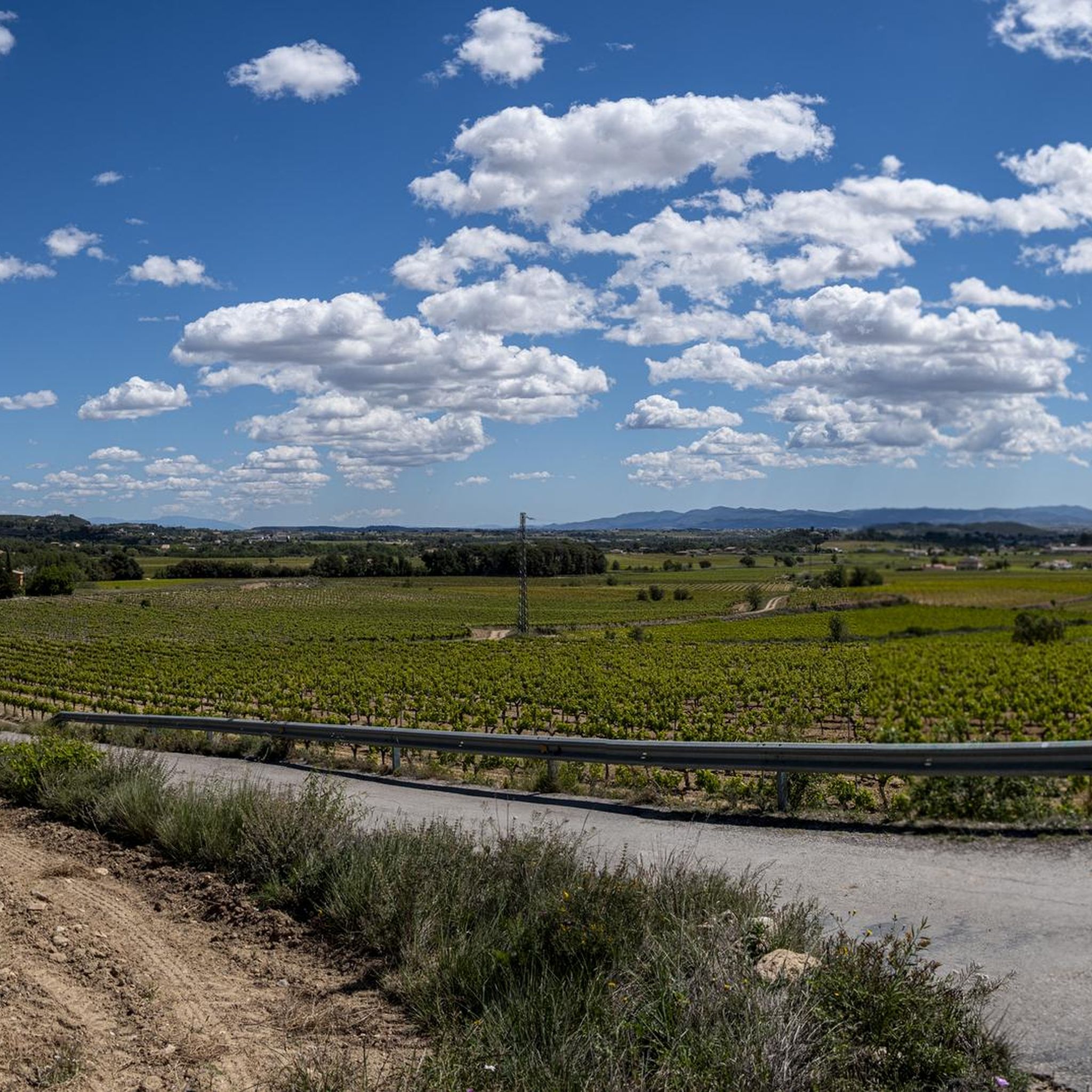
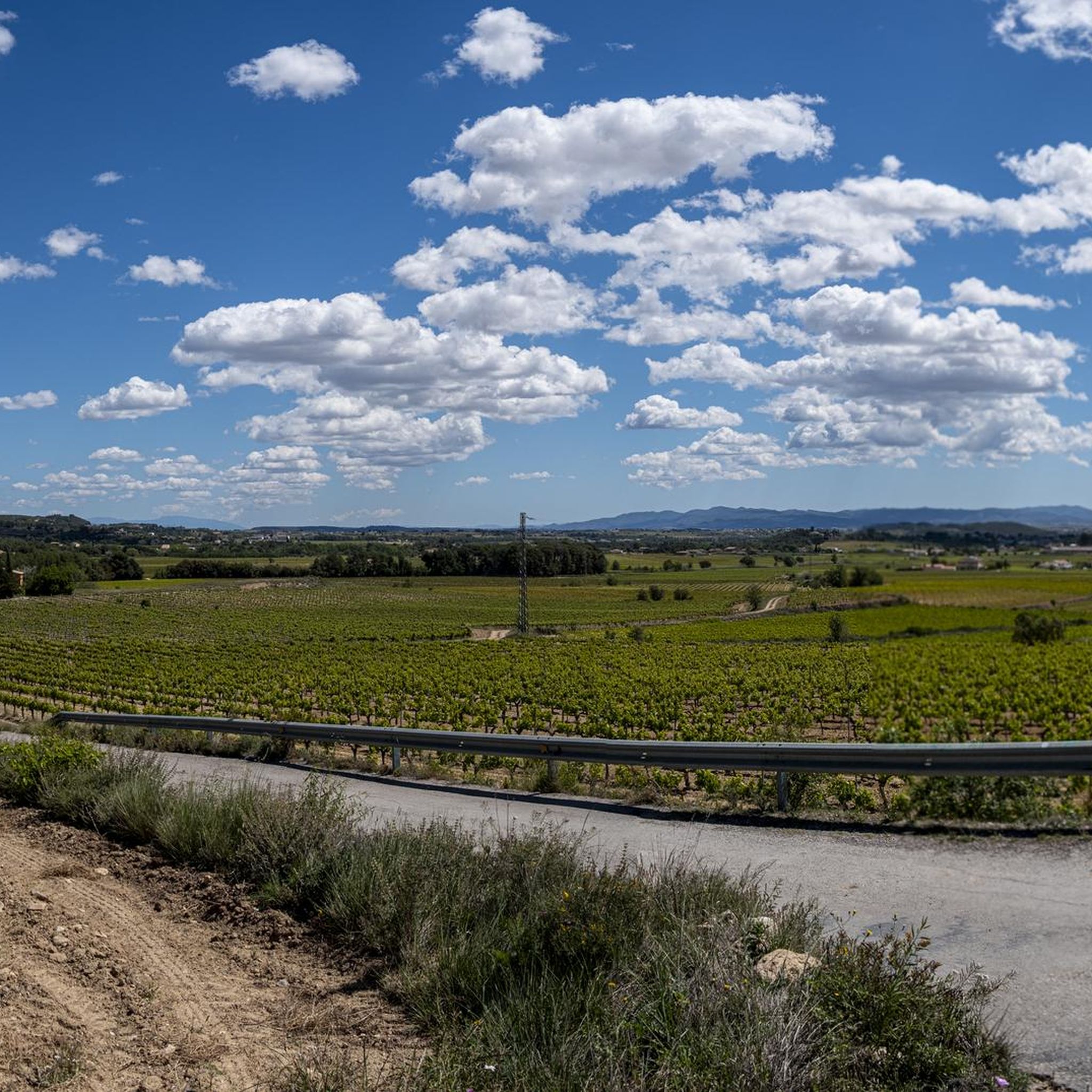
For breathtaking panoramic views, the Castell del Montmell is an excellent choice, perched atop a rocky hill at 781 meters above sea level in the Serra del Montmell. The El Castellot also offers commanding views of the Penedès plain. From the Sant Martí Sarroca Castle and Church Complex, you can enjoy great views of Penedès, and the Castillo de Santa Oliva, located on a small hill, provides good vantage points.
Are there any castles that are particularly well-preserved or restored?
Yes, the Castillo de Santa Oliva is noted for being very well-preserved. The El Castellot has also undergone restoration, with a second phase completed in March 2021, focusing on its watchtower, which now offers internal access to the upper part.
What kind of terrain and difficulty can I expect when visiting these castles?
Access to many castles in the region involves some hiking. For instance, reaching the Castell del Montmell requires a hike along a challenging path after reaching the new church of Sant Miquel del Montmell. The climb to El Castellot is described as demanding but rewarding, while the Sant Martí Sarroca Castle and Church Complex involves a short, crisp climb. Visitors to Castell de Marmellar should wear sturdy footwear due to uneven terrain and some climbing.
What outdoor activities can I do near the castles in El Montmell?
The area around El Montmell's castles is excellent for various outdoor activities. You can find numerous cycling routes, including difficult touring bicycle loops like 'Can Ferrer de la Cogullada – Coll de la Torreta loop' and moderate road cycling routes such as 'Coll d'Arca and Montferri Sanctuary Loop'. For mountain biking, there are trails like the 'Penedès 360 All Mountain: Montmell Loop'. You can explore more routes and details in the Cycling around El Montmell, Road Cycling Routes around El Montmell, and MTB Trails around El Montmell guides.
Are there any hidden gems or less-known castles worth exploring?
While not extensively detailed, the Castell de Marmellar is unique for its unusual valley placement, rather than a typical hilltop, offering a different perspective on medieval fortifications. Its Romanesque style and the presence of the Sant Miquel chapel make it a compelling visit for those interested in less conventional historical sites, despite its current state of ruin.
What do visitors enjoy most about the castles around El Montmell?
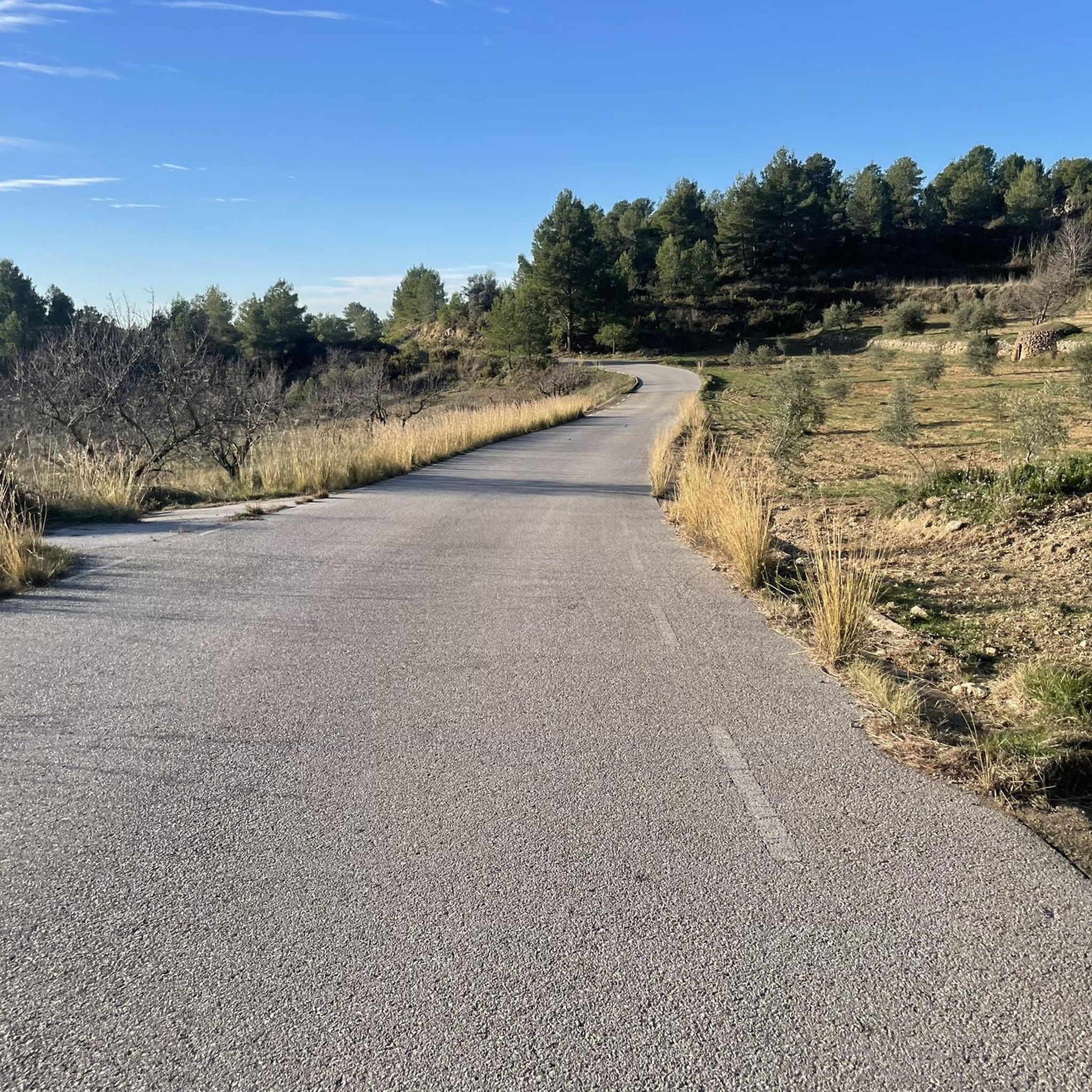
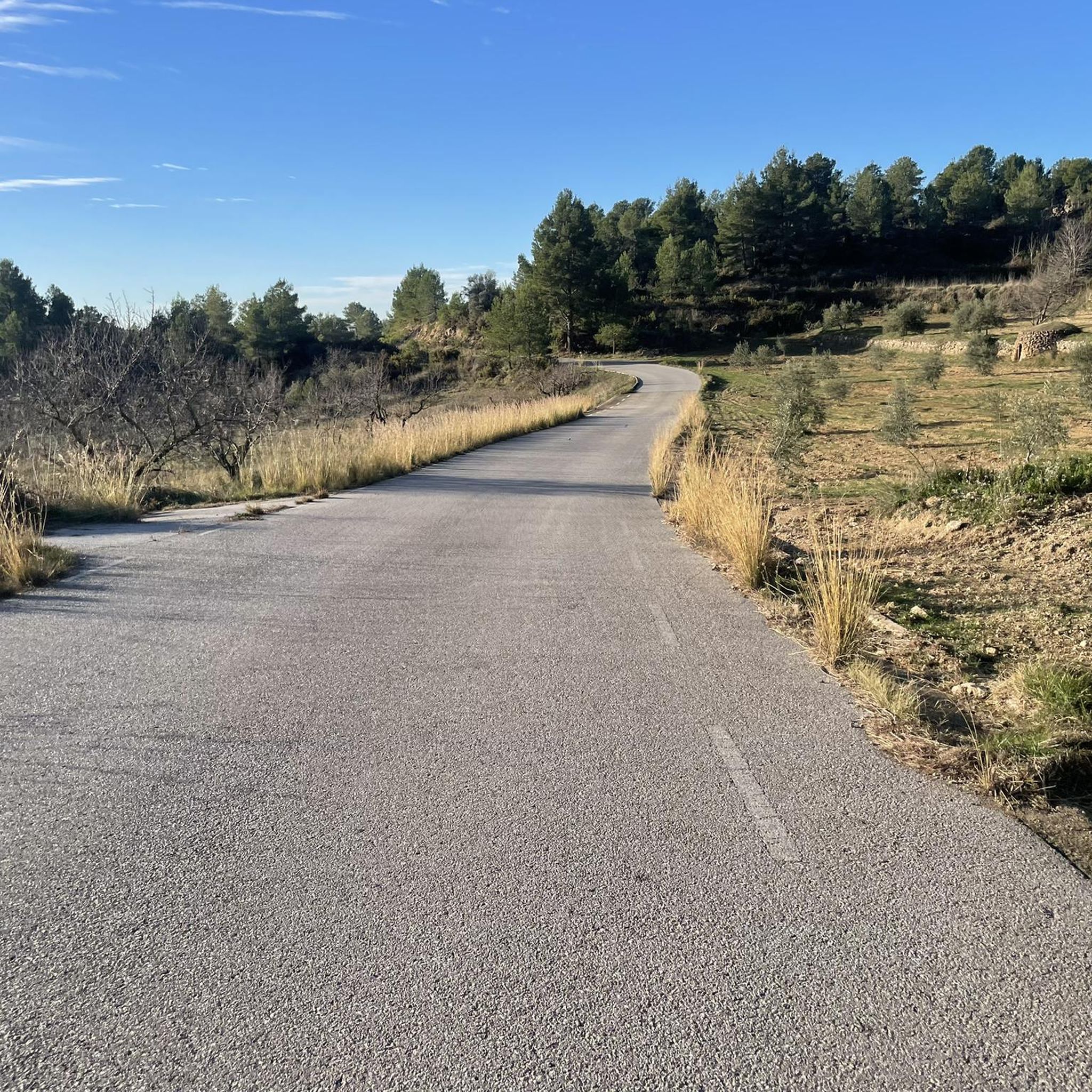
Visitors frequently appreciate the historical significance and the stunning views offered by these sites. The demanding climbs to places like El Castellot are often described as worth it for the panoramic rewards. The well-preserved nature of Castillo de Santa Oliva is also a highlight, with some visitors noting it as an ideal area to discover by gravel bike, enjoying the surrounding vineyards.
What is the best time of year to visit the castles in El Montmell?
While specific seasonal considerations are not detailed, the Mediterranean climate of the Baix Penedès region generally means pleasant conditions for outdoor exploration during spring (April-May) and autumn (September-October). Summers can be hot, making early mornings or late afternoons preferable for hikes. Winters are typically mild, but some paths might be muddy after rain.
Are there any religious buildings or complexes associated with the castles?
Yes, several castles in the region have religious associations. The Sant Martí Sarroca Castle and Church Complex includes the Romanesque church of Santa María. The Castell de Marmellar incorporates the smaller, adjacent chapel of Sant Miquel, whose frescos are now in the National Art Museum of Catalonia. Additionally, the ruins of the Castell del Montmell include remnants of its former chapel, and Sant Sadurní de Castellví is a church located near a castle.
Can I access the interior of the castle structures?
Access varies by castle. For example, the upper part of the watchtower at El Castellot can now be accessed via an internal staircase after its restoration. The Sant Martí Sarroca Castle and Church Complex has freely accessible rooms. Other castles, like Castell de Marmellar and Castell del Montmell, are largely in ruin, offering access to their surviving walls and foundations rather than intact interiors.
What kind of natural features can I expect to see around the castles?
The castles are often situated amidst varied natural landscapes. The Castell del Montmell is perched in the Serra del Montmell, offering expansive views and protected by a ravine. El Castellot overlooks the Penedès plain, providing a sense of the region's agricultural and natural expanse. The area is characterized by its terrain, from valleys to rocky hilltops, which historically provided strategic locations for these fortifications.
Most popular routes around El Montmell
Most popular attractions around El Montmell

Get inspired with the komoot mobile app


Explore more
Looking for the best castles somewhere else? Discover other guides around El Montmell:
