The 5 Most Amazing Peaks around Humada
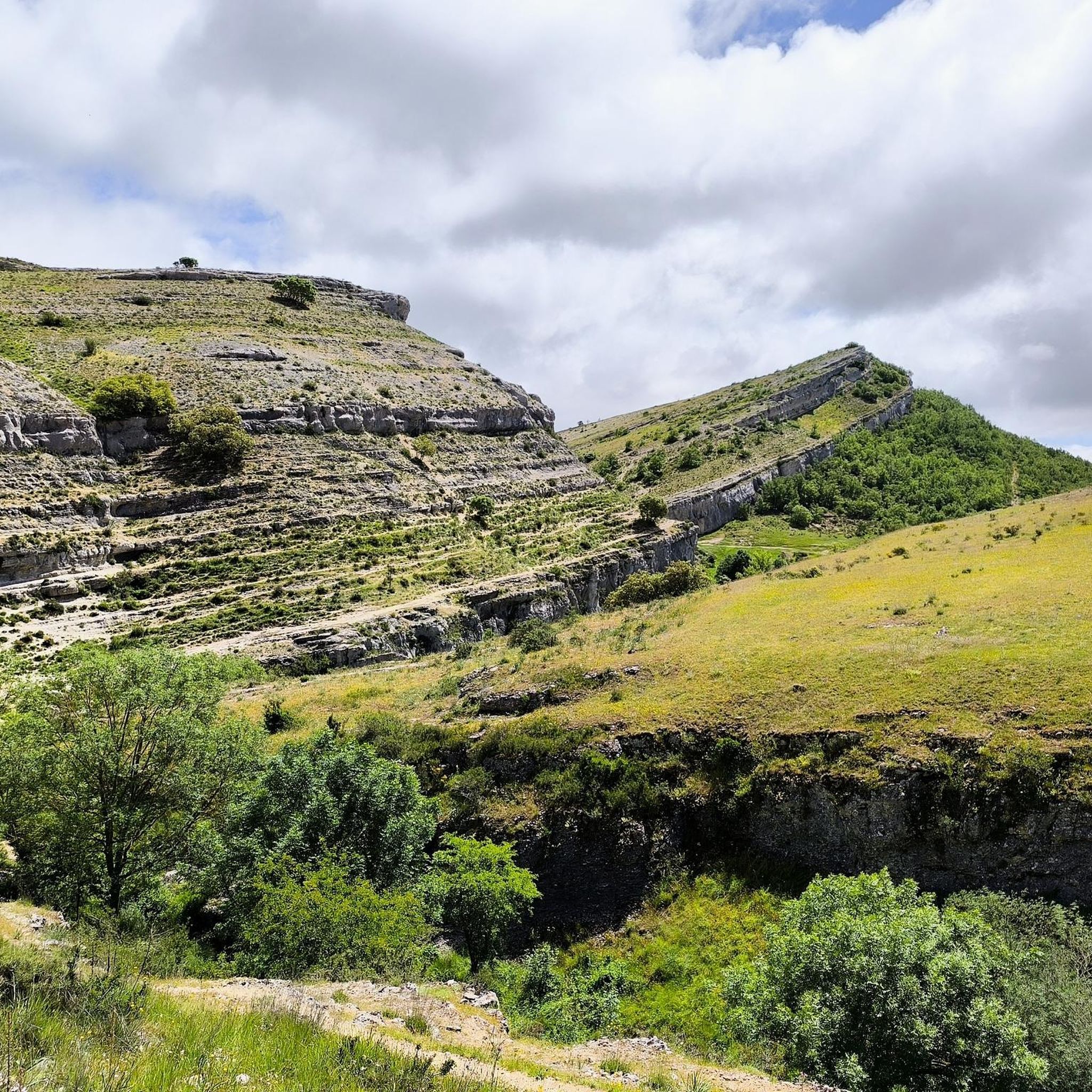
Best mountain peaks around Humada are found within a landscape characterized by "loras," which are elevated, flat-topped limestone massifs. This region, part of the UNESCO Global Geopark Las Loras, features several mountains with significant historical and geological importance. These peaks offer unique experiences, from exploring ancient fortified settlements to enjoying expansive views of the surrounding terrain. The area provides a blend of natural features and cultural heritage for visitors.
Best mountain peaks around Humada
- The most popular mountain peaks is…
Last updated: July 4, 2026
CastroAmaya
Highlight • Historical Site
Translated by Google •
Tip by

Peña Amaya
Highlight • Summit
Translated by Google •
Tip by
Sign up now to discover places like this
Get recommendations on the best single tracks, peaks, & plenty of other exciting outdoor places.
Sign up for free
Peña Corbera
Highlight • Viewpoint
It climbs very comfortably from the moor, where there is no established path but it is not lost.
There are remains of parapets and trenches from the Civil War.
Translated by Google •
Tip by

Castle
Highlight • Summit
Translated by Google •
Tip by
View of Peña Amaya and Castillo de Peña Amaya
Highlight • Viewpoint
Translated by Google •
Tip by

Start today with a free account
Your next adventure awaits.
Login or Signup
Tips from the Community

I tried to go around the rock, in the middle of the hillside but I had the impression that I was going to get caught up and for not going around I went down to the town of Villamartin de Villadiego literally using the bike as an ice ax
0
1

The town of Amaya is one of the few in the area that retains its pre-Romanesque name. Some suspect that the name is derived from Euskera and means the end, and in this case this would allude to its geographical location. This area has tremendous views. From here you can go up to the Peña Amaya Castle and some caves in the area, but access on two wheels is difficult.
0
1

Ancient city located on top of Peña Amaya, a massif of 1377 meters above sea level, located next to the town of the same name.
11
0
Peña Amaya: a colossus on the horizon... In a watchful and spectacular watchtower over a thousand meters high.
11
0
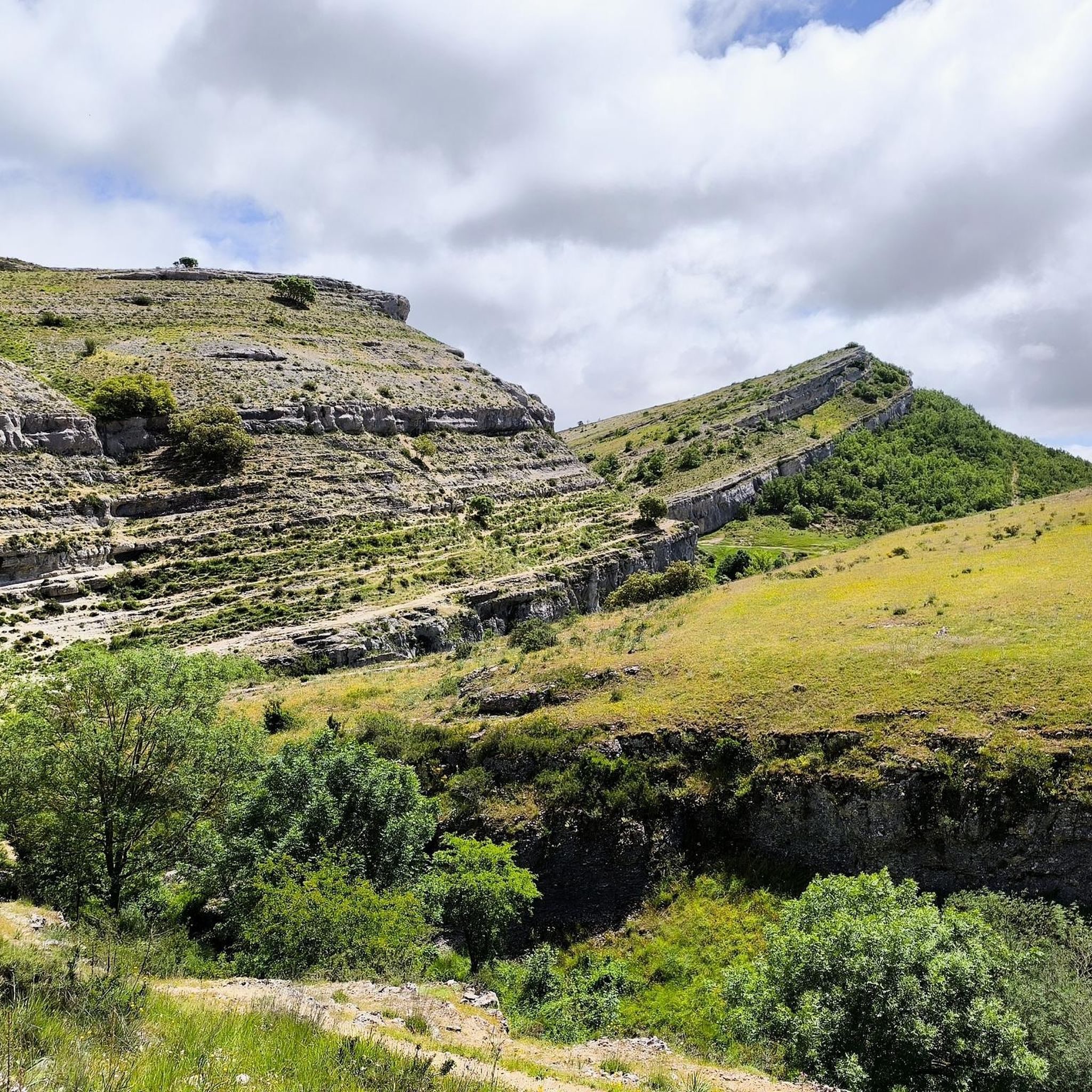
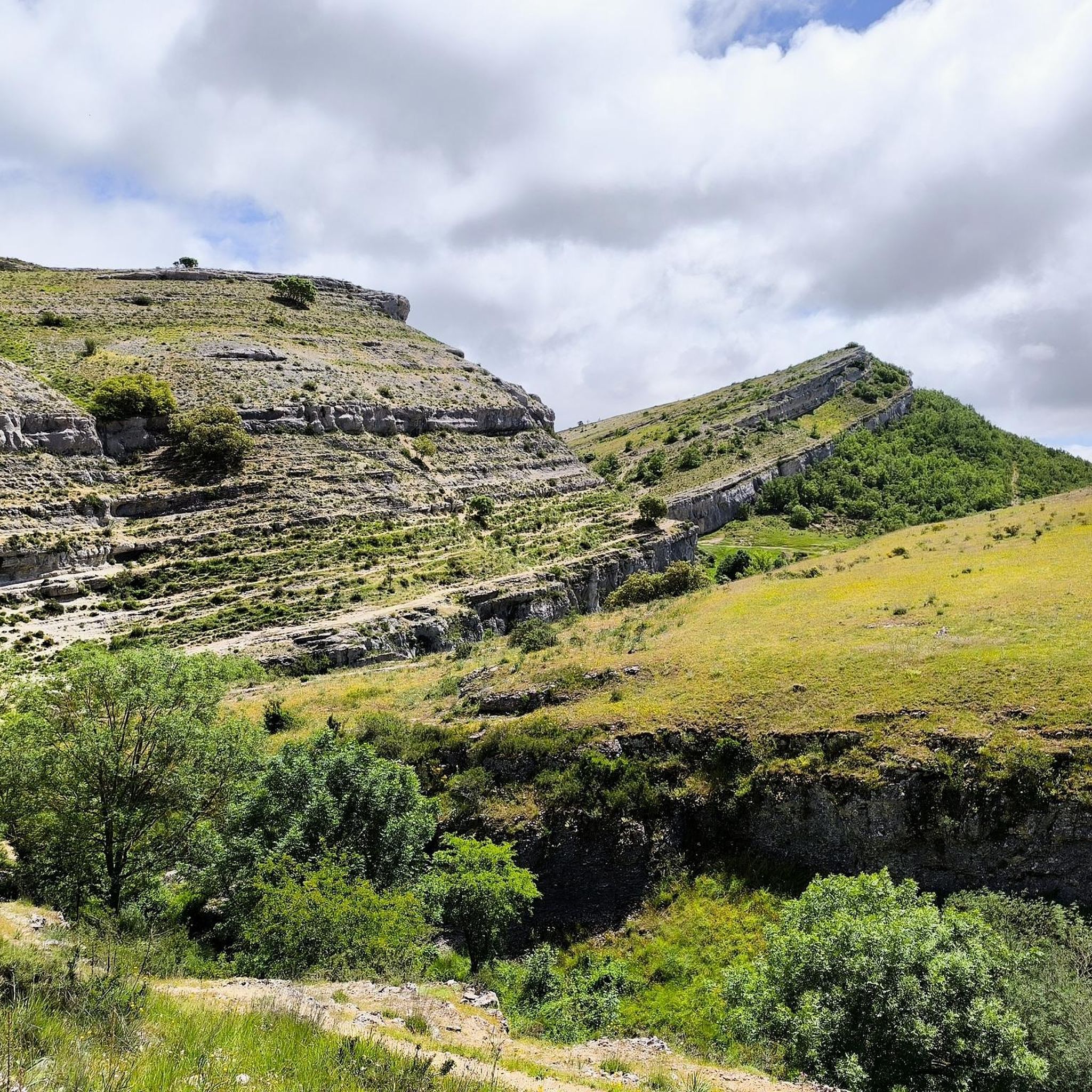
The Amaya rock (1,370 m) is the most prominent peak in the northwestern corner of the province of Burgos.
13
0

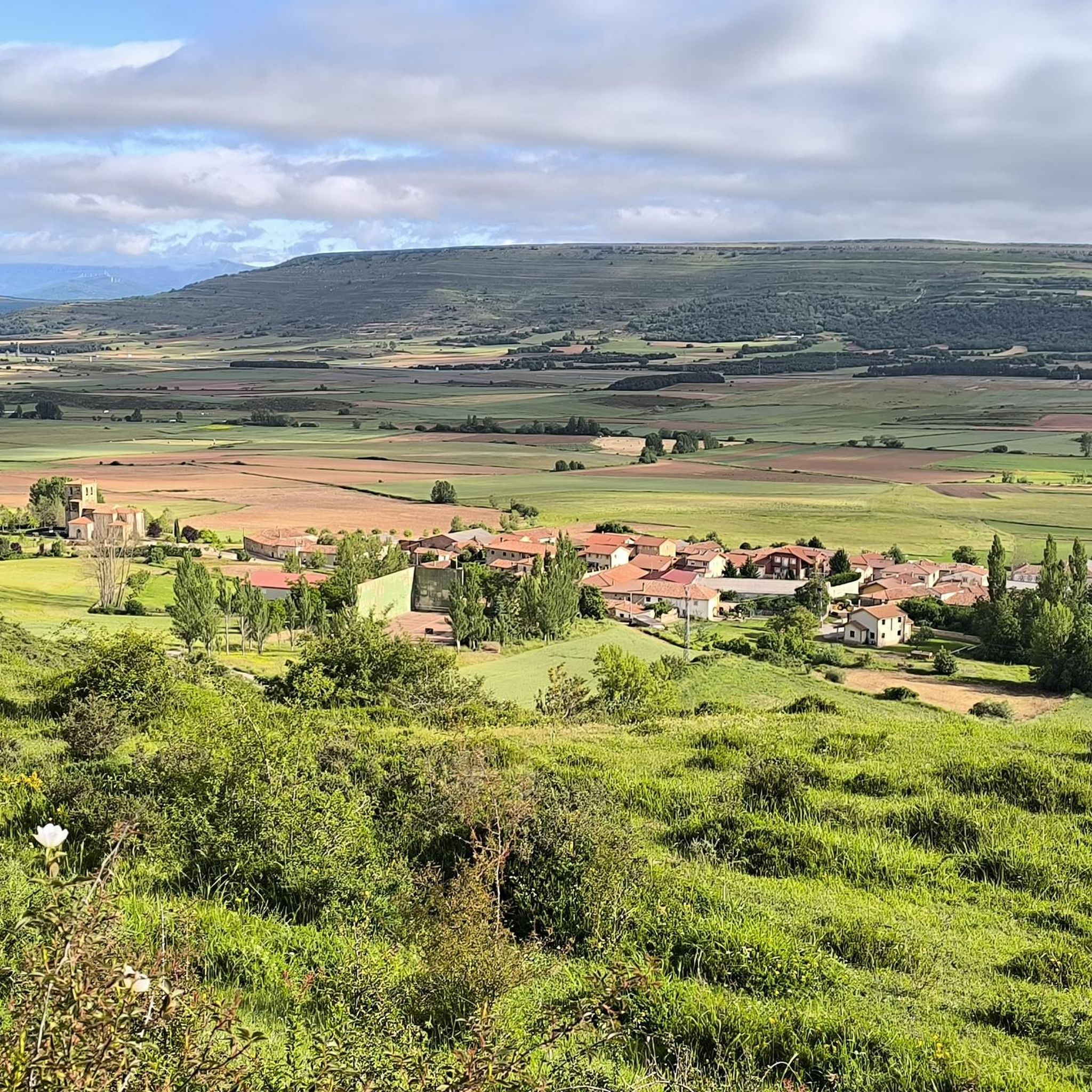
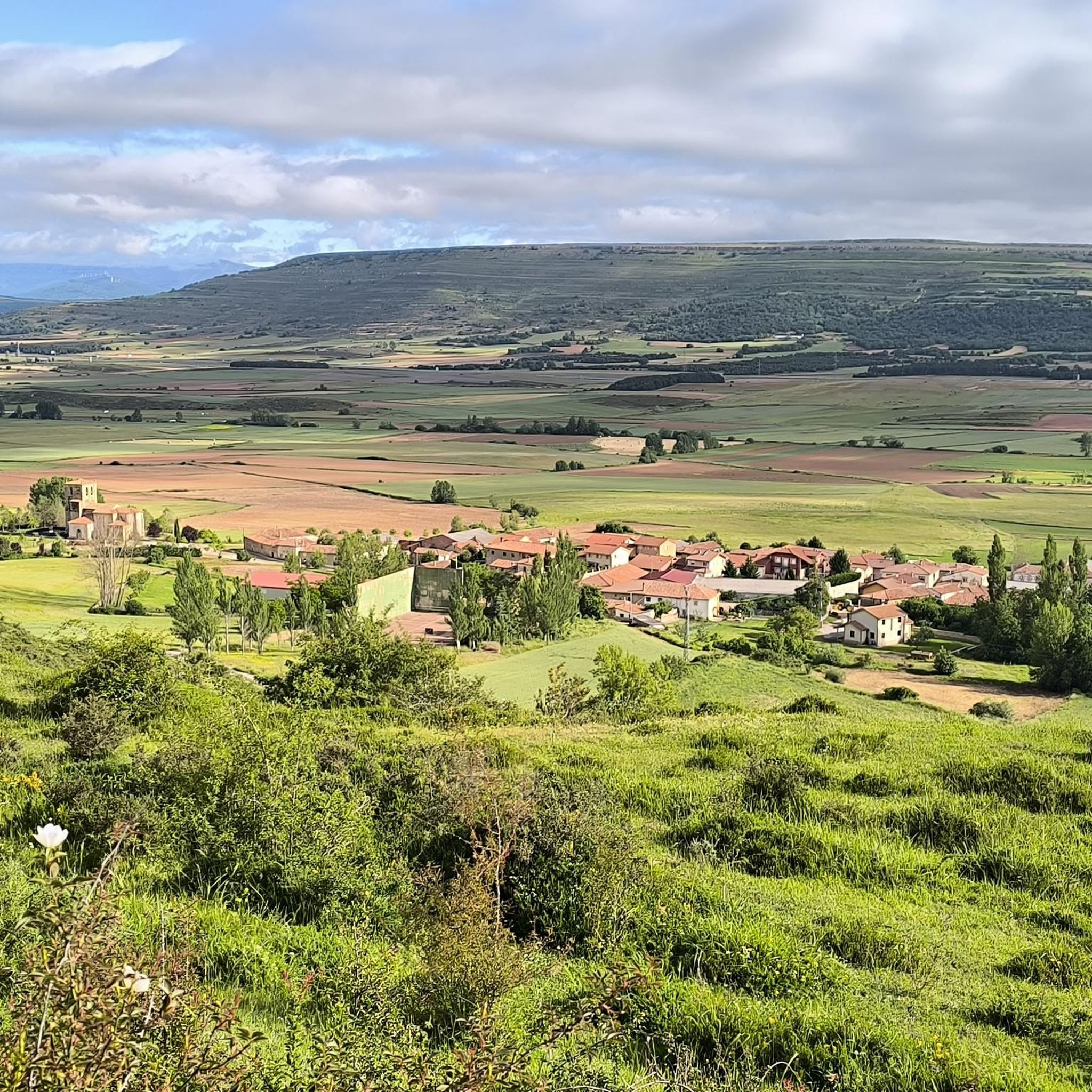
A little further from the Valcabado viewpoint, but very easy to access, especially if there is no wind.
2
0
Old village with remains of buildings. The walk between the stones is very evocative.
2
0
Frequently Asked Questions
What historical significance do the mountain peaks around Humada hold?
The mountain peaks in the Humada region are rich in history, particularly from pre-Roman times. For example, Peña Amaya was the ancient capital of the Cantabrians and a crucial stronghold during the Cantabrian Wars against the Romans. Peña Ulaña hosts one of Europe's largest pre-Roman fortified settlements (castros), with evidence of continuous occupation from the Bronze Age. Even Peña Castillo, despite its rugged appearance, was once home to a Celtiberian and Cantabrian fort.
Are there ancient settlements or archaeological sites to explore on these peaks?
Yes, the area is dotted with significant archaeological sites. On Peña Amaya, you can explore CastroAmaya, an ancient city with remains of buildings, trenches, and a medieval village. Peña Ulaña features an extensive pre-Roman castro covering approximately 600 hectares, with hundreds of structures. Peña Castillo also has remnants of a Celtiberian and Cantabrian fort on its summit.
Which mountain peaks offer the best panoramic views in the Humada area?
Several peaks provide exceptional panoramic views. From the summit of Peña Amaya, you can enjoy expansive vistas over the Castilian plateau to the south and the Palentian mountains to the north. Peña Ulaña's flat summit offers a broad perspective of the Cantabrian Mountains and the Iberian System. Peña Corbera is another excellent viewpoint, providing spectacular views of the moor and the Valderredible valley. Peña Castillo also rewards climbers with exceptional views of the surrounding 'loras'.
What kind of natural features can I expect to see on the mountain peaks near Humada?
The region is characterized by unique geological formations known as 'loras' – elevated, flat-topped limestone massifs. These are part of the UNESCO Global Geopark Las Loras. You'll encounter striking limestone cliffs, natural fortresses, and distinctive geological structures like Peña Amaya's 'sinclinal colgado' (hanging syncline). The landscape offers a blend of rugged rock formations and expansive plateaus.
Are there hiking trails near these mountain peaks for different skill levels?
Yes, the area offers a variety of hiking experiences. While some peaks like Peña Amaya and Peña Ulaña involve moderate to challenging ascents to their summits, others like Peña Corbera are known for their easy access. Peña Castillo involves navigating a steep channel, requiring some caution. For more detailed routes, you can explore the Running Trails around Humada guide, which includes routes like the 'Valcabado Viewpoint and Wolves' Well Trail'.
Can I do other outdoor activities like cycling or mountain biking near Humada's peaks?
Absolutely! The region around Humada is well-suited for various outdoor activities. For mountain biking, check out the MTB Trails around Humada guide, which features routes like the 'R3 - Riomance Valley MTB Route'. If you prefer road cycling, the Cycling around Humada guide offers options such as the 'Peña Amaya Loop from Alar del Rey'.
What makes Peña Ulaña a significant site to visit?
Peña Ulaña is notable for its immense historical importance as home to one of the largest pre-Roman 'castros' (fortified settlements) in Europe, spanning approximately 600 hectares. Archaeological findings indicate continuous occupation from the Bronze Age through the Iron Age. Beyond its history, its natural defenses of vertical limestone cliffs and its flat summit offer extensive panoramic views, making it an excellent spot for birdwatching, especially for birds of prey.
What is special about Peña Castillo?
Peña Castillo is a striking natural rock formation that stands out geologically as a 'desgajado' (detached) block of limestone from the larger Peña Ulaña. Historically, its flat summit hosted a Celtiberian and Cantabrian fort, adding a layer of intrigue to its rugged appearance. The ascent, though involving a steep channel, rewards visitors with exceptional panoramic views of the surrounding 'loras' and prominent peaks like Peña Ulaña and Peña Amaya.
Is it possible to spot wildlife while exploring the mountains around Humada?
Yes, the natural environment of the Humada mountains provides opportunities for wildlife observation. Peña Ulaña, with its extensive viewpoints, is particularly noted as an excellent spot for birdwatching, especially for birds of prey. The diverse landscape of the Geoparque Mundial de Las Loras supports various species, making it a rewarding experience for nature enthusiasts.
What is the best time to visit the mountain peaks around Humada?
The best time to visit the mountain peaks around Humada is generally during spring and autumn when the weather is milder and more conducive for outdoor activities like hiking and cycling. Summers can be hot, and winters may bring colder temperatures and potentially snow at higher elevations, which could make some trails more challenging. Always check local weather forecasts before your visit.
What are the main attractions on Peña Amaya?
Peña Amaya offers a blend of historical and natural attractions. Visitors can explore CastroAmaya, an ancient city with visible remains of buildings, trenches, and a medieval village. The summit also features a castle. Beyond its historical significance, the vast rocky plateau provides expansive views over the Castilian plateau and the Palentian mountains, making it a prime viewpoint and a geological wonder as a 'sinclinal colgado'.
Most popular attractions around Humada

Get inspired with the komoot mobile app


Explore more
See even more amazing summits around Humada with these guides:
