Top 4 Caves around Arroyo De Las Fraguas
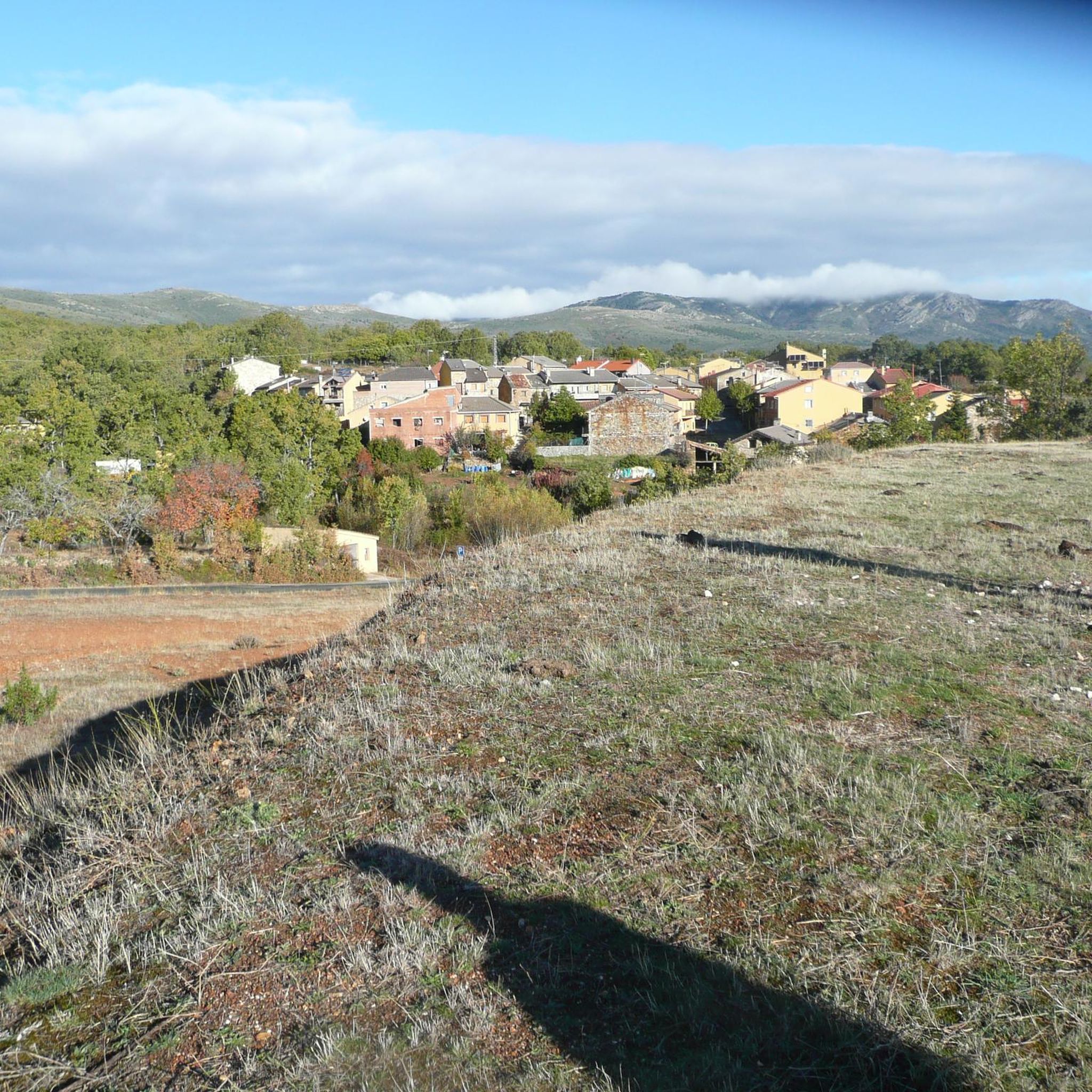
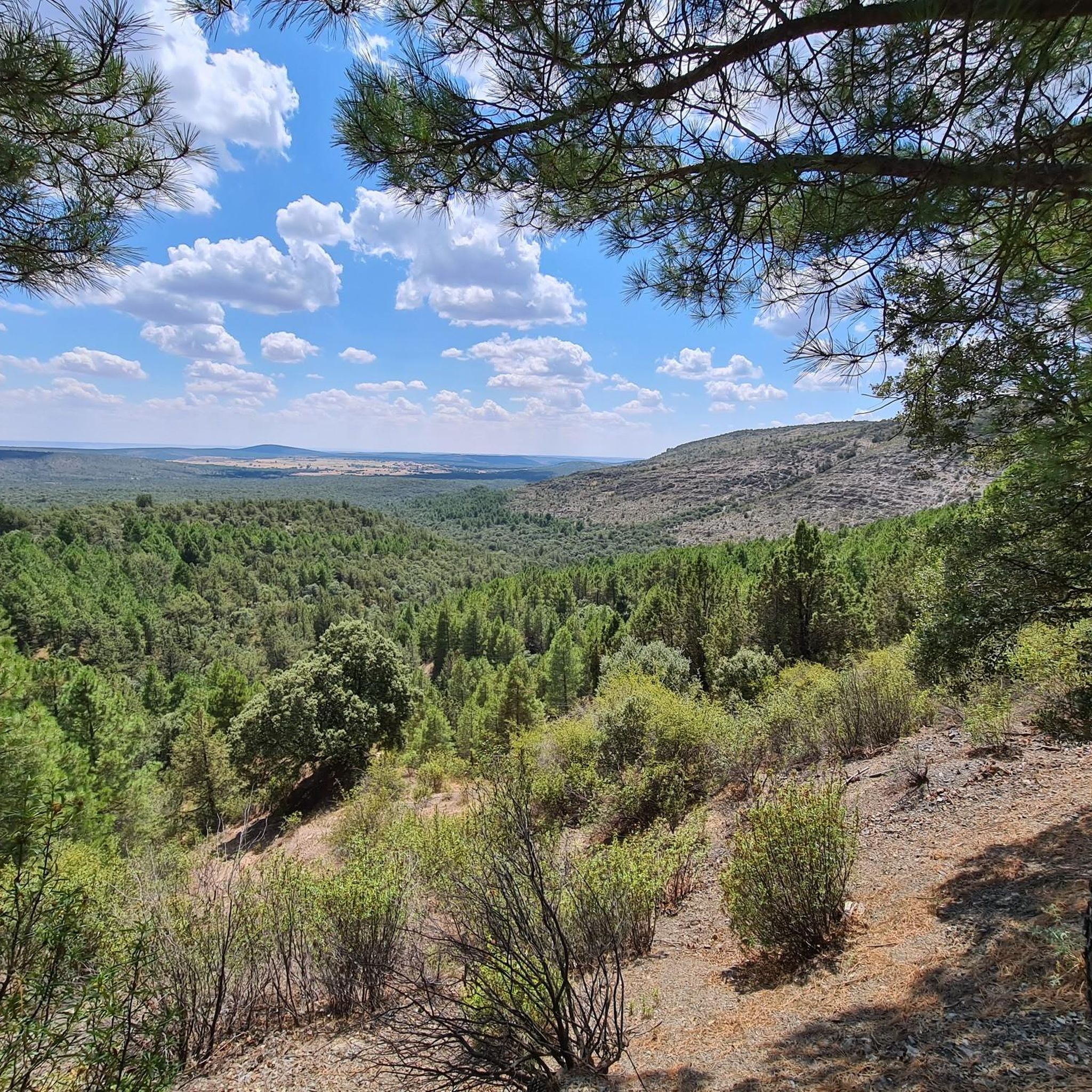
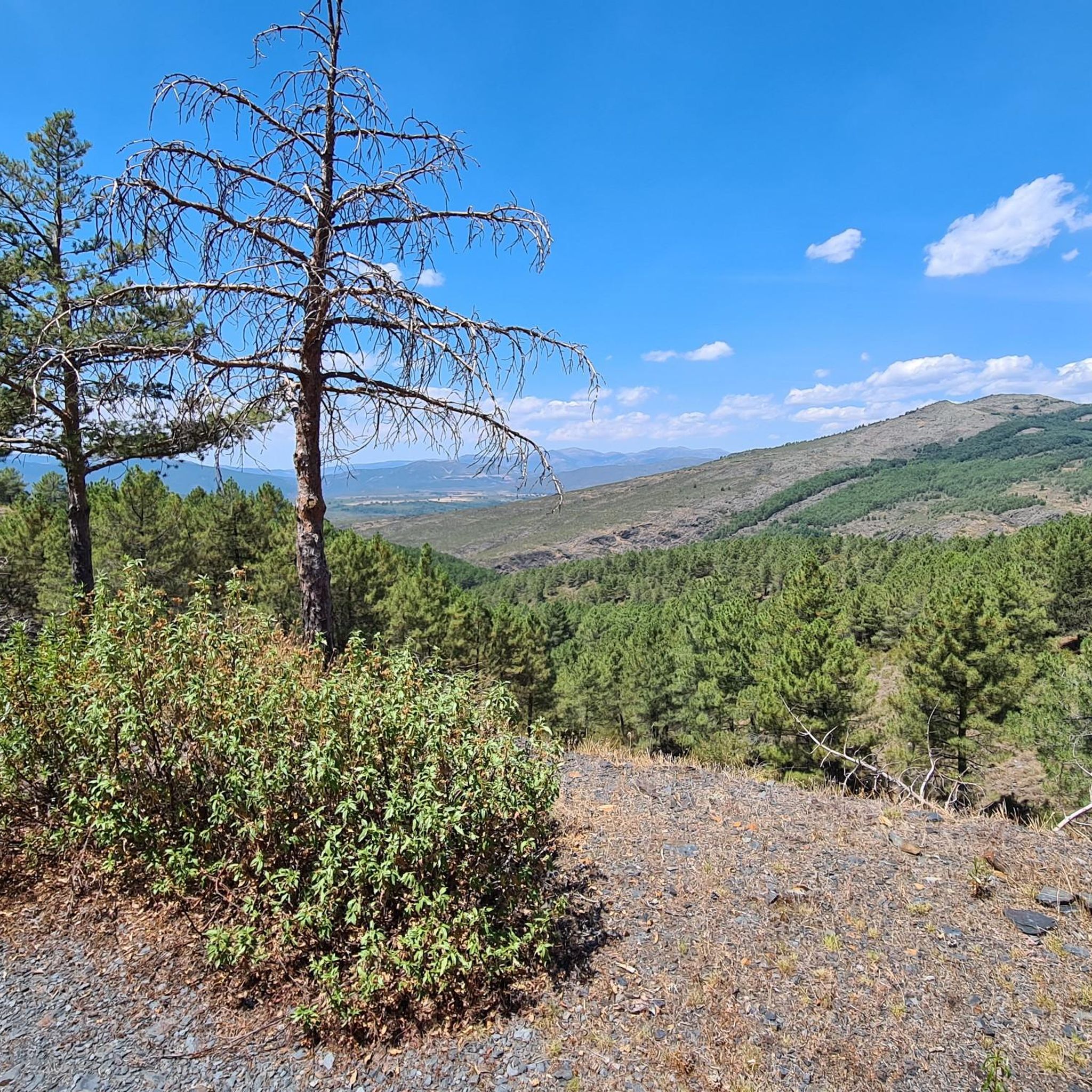
Best caves around Arroyo De Las Fraguas are found in a region known for its natural beauty, extensive forests, and mountainous terrain, situated within the Sierra Norte Natural Park. While the area is primarily recognized for hiking and outdoor exploration, it also features notable geological formations and historical cave sites. These natural features contribute to the diverse landscape of Arroyo De Las Fraguas, offering insights into both geological processes and prehistoric human activity.
Best caves around Arroyo De Las Fraguas
- The most popular caves is Enchanted City of Tamajón, a natural monument that features limestone rock formations with caves, cavities, rock arches, and sinkholes. These eroded rocks display unique shapes and offer small caves and natural bridges to explore.
- Another must-see spot is Prehistoric Cave of Los Torrejones, a cave and historical site. This location has been studied by archaeologists, revealing human remains and animal bones dating back more than 50,000 years, making it a significant prehistoric site in the Iberian Peninsula.
- Visitors also love View of Cueva del Oso, a cave and viewpoint. This cave is tucked inside a rocky outcrop, and local legend suggests it once provided refuge to historical figures.
- Arroyo De Las Fraguas is known for its natural rock formations and prehistoric habitation sites. The area offers a variety of caves, from those shaped by geological processes to others with significant archaeological findings.
- The caves around Arroyo De Las Fraguas are appreciated by the komoot community, with 12 upvotes and 6 photos shared by visitors.
Last updated: July 4, 2026
Enchanted City of Tamajón
Highlight • Natural Monument
Translated by Google •
Tip by

Prehistoric Cave of Los Torrejones
Highlight • Cave
Translated by Google •
Tip by

Sign up now to discover places like this
Get recommendations on the best single tracks, peaks, & plenty of other exciting outdoor places.
Sign up for free
Los Enebrales Shelters
Highlight (Segment) • Cave
Translated by Google •
Tip by
Cueva del Tío Remigín
Highlight • Cave
Translated by Google •
Tip by
View of Cueva del Oso
Highlight • Cave
Translated by Google •
Tip by
Start today with a free account
Your next adventure awaits.
Login or Signup

Tips from the Community

He also calls from Uncle Remigin. Prehistoric Paleolithic, with many valuable finds from a scientific point of view.
1
0
They are shelters under the rocky cliffs that were inhabited in Prehistory and that have been studied by Archaeologists from the University of Alcalá. The antiquity of use dates back to the Paleolithic, more than 30,000 years ago.
1
0
Eroded rocks with shapes of great beauty.
1
0
It is a Cave very well studied by Archaeologists from the University of Alcalá, in which human remains and animal bones from more than 50,000 years ago have been found. It is possibly the oldest place, in the center of the Iberian Peninsula, inhabited by man.
0
0

Cave tucked inside a rocky outcrop where legend has it that the great Cid Campeador took refuge one night.
2
0
Limestone rock formation with caves, cavities in the rock, rock arches, sinkholes and other formations. Thus, among the rocks and their capricious shapes you will be able to find small caves, bridges to cross and many strange shapes.
2
0
Frequently Asked Questions
What kind of caves can I explore around Arroyo De Las Fraguas?
The area around Arroyo De Las Fraguas offers a mix of natural rock formations and historically significant shelters. You can find limestone formations with small caves and cavities, as well as prehistoric sites that were once inhabited by early humans. These include places like the Enchanted City of Tamajón with its eroded rocks, and various prehistoric shelters.
Are there any caves with historical significance in this region?
Yes, several sites around Arroyo De Las Fraguas hold significant historical value. The Prehistoric Cave of Los Torrejones is particularly notable, having yielded human remains and animal bones dating back over 50,000 years, making it potentially the oldest inhabited site in the central Iberian Peninsula. Similarly, the Los Enebrales Shelters were inhabited during the Paleolithic era, over 30,000 years ago, and the Cueva del Tío Remigín also features valuable prehistoric Paleolithic finds.
What unique geological features can I expect to see?
The Enchanted City of Tamajón is a prime example of the region's unique geology. It features impressive limestone rock formations, natural arches, sinkholes, and various other formations carved by erosion, creating a landscape that resembles a 'city' of stone.
Are there any caves associated with local legends or folklore?
Yes, the View of Cueva del Oso is linked to a local legend. It's said that the great Cid Campeador once took refuge for a night in this cave, which is tucked within a rocky outcrop.
What outdoor activities can I combine with a visit to the caves?
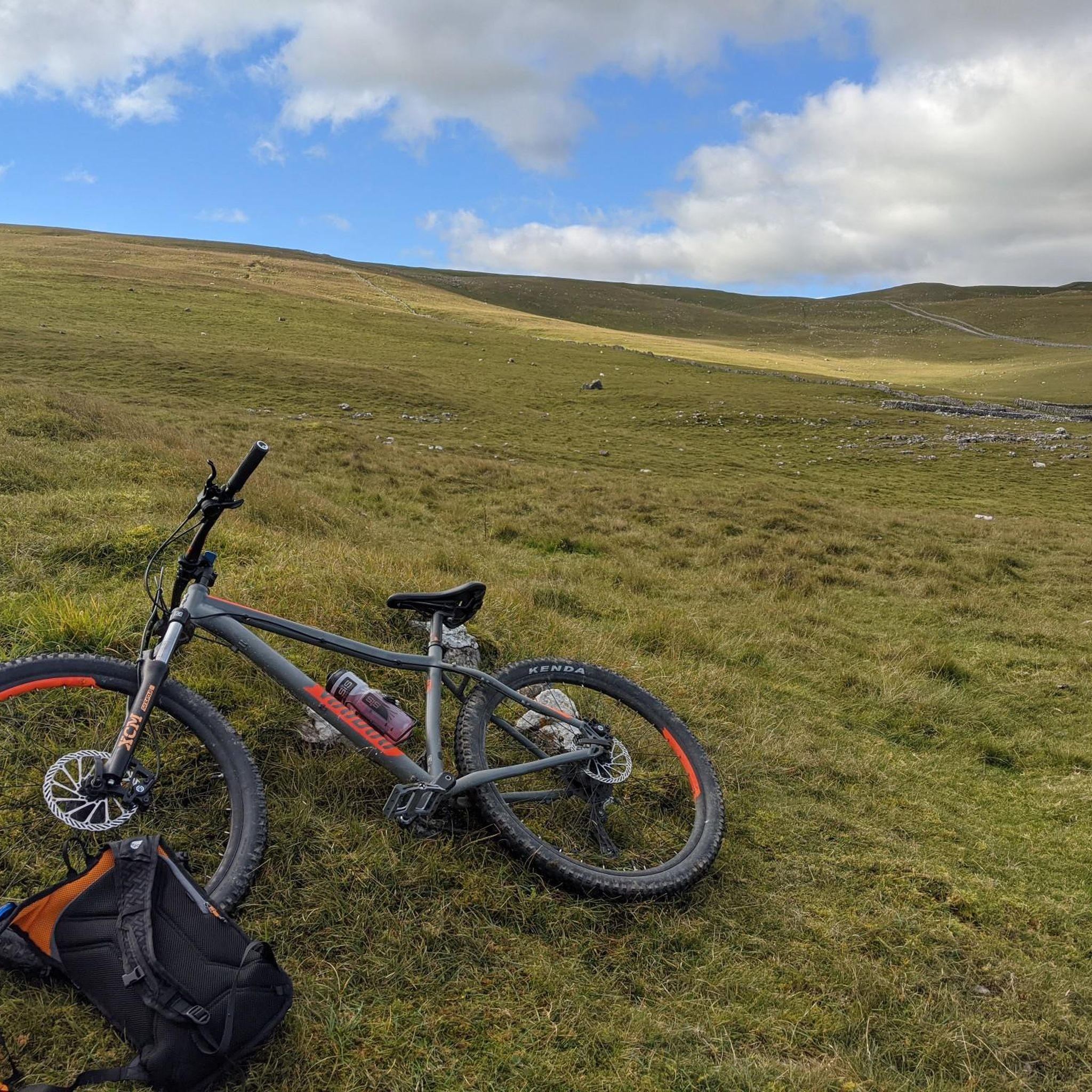
The natural surroundings of Arroyo De Las Fraguas are excellent for various outdoor activities. You can find numerous routes for mountain biking, running, and road cycling. For example, explore MTB Trails around Arroyo De Las Fraguas, discover Running Trails around Arroyo De Las Fraguas, or enjoy Road Cycling Routes around Arroyo De Las Fraguas. The Sierra Norte Natural Park, where these caves are located, is known for its extensive forests and mountainous terrain, perfect for hiking and exploration.
Is the area around Arroyo De Las Fraguas suitable for family outings?
While specific caves may vary in accessibility, the broader region of Arroyo De Las Fraguas, within the Sierra Norte Natural Park, offers a beautiful natural environment for family-friendly hikes and outdoor exploration. The Enchanted City of Tamajón, with its unique rock formations, can be an engaging site for families to explore.
What is the best time of year to visit the caves and surrounding area?
The Sierra Norte Natural Park, including the area around Arroyo De Las Fraguas, is generally pleasant for outdoor activities during spring and autumn when temperatures are milder. Summer can be hot, while winter might bring colder weather, especially at higher elevations. Always check local weather conditions before planning your visit.
Are there any permits required to visit these caves or hike in the Sierra Norte Natural Park?
While general access to the natural park for hiking typically does not require permits, specific regulations might apply to certain protected areas or for organized caving activities. It's always advisable to check with local visitor centers or park authorities for the most current information regarding permits or access restrictions, especially if you plan to explore beyond marked trails or enter specific cave systems.
What should I bring when visiting the caves or hiking in the area?
When exploring the caves or hiking in the Sierra Norte Natural Park, it's recommended to wear sturdy footwear suitable for uneven terrain. Depending on the specific cave, a headlamp or flashlight might be useful. Always carry enough water, especially during warmer months, and bring appropriate clothing layers as temperatures can change. A map or GPS device is also advisable for navigating trails.
Are there any less crowded or 'hidden gem' caves to discover?
Given that the region is not primarily known for major tourist caves, many of the sites, particularly the prehistoric shelters like Los Enebrales Shelters or Cueva del Tío Remigín, offer a more secluded and historically rich experience away from large crowds. The focus here is more on natural exploration and historical appreciation rather than commercial cave tourism.
Most popular routes around Arroyo De Las Fraguas
Most popular attractions around Arroyo De Las Fraguas

Get inspired with the komoot mobile app


Explore more
Extend your search for the best caves by checking out these guides of the top ones around Arroyo De Las Fraguas:
