Top 5 Caves around Arucas
Best caves around Arucas offer a glimpse into Gran Canaria's pre-Hispanic past through various archaeological cave sites and natural formations. This municipality features significant examples of ancient settlements, often utilizing natural caves and man-made constructions. The landscape includes volcanic features like Montaña de Arucas, which also hosts evidence of early human presence. Exploring these sites provides insight into the daily life and architectural ingenuity of the island's early inhabitants.
Best caves around Arucas
- The most popular caves is Impressive Cave…
Last updated: June 20, 2026
Cueva Pintada Museum and Archaeological Park
Highlight • Cave
Translated by Google •
Tip by

Along the cliff
Highlight • Cave
because it could have been worse. 🙏🙏🙏
Today I have screws …
Translated by Google •
Tip by

Sign up now to discover places like this
Get recommendations on the best single tracks, peaks, & plenty of other exciting outdoor places.
Sign up for free
Cave with Water Trough
Highlight • Cave
Translated by Google •
Tip by

Entrance to the Cave
Highlight • Cave
Translated by Google •
Tip by

Impressive Cave Quarry
Highlight • Cave
Translated by Google •
Tip by

Sign up for free to discover even more caves around Arucas.
Sign up for free
Already have an account?
Start today with a free account
Your next adventure awaits.
Login or Signup
Other adventures around Arucas

Tips from the Community

Cantera Cueva de Herrera was breathtakingly beautiful! An incredible place worthy of admiration! But!!! This place has turned into a dumping ground for construction waste (and not just construction waste). Spaniards! This is your home! How can you treat such a gift of nature like this????
0
0

The museum is located in the historic center of the town of Gáldar. Its mission is to protect the historical sites there, to conduct scientific research and to communicate the findings to the general public. The institution is named after the Cueva Pintada (painted cave), which was probably created in the 7th century AD by the island's original inhabitants, the Canarios. This cave was forgotten and buried after the conquest of the Canary Islands in the 15th century. It was only rediscovered in the second half of the 19th century. Its cultural and historical significance was already recognized by foreign experts at that time. It was not until the 1970s that a detailed scientific study of the cave began. After the site was declared a Bien de Interés Cultural in 1972, it was protected against environmental influences, which caused damage, among other things, from the irrigation of the surrounding fields. In 1982, access to the cave was closed to the public and in 1987 excavations began in the surrounding area. They revealed that the cave was not an isolated object, but part of a prehistoric settlement with more than 50 houses and other caves. To protect the site, construction began on a new type of museum. An area of 5700 m² was covered. Visitors now have the opportunity to walk through and view the archaeological site on footbridges. Reconstructed aboriginal dwellings were set up and exhibition, information and laboratory rooms were created. The new museum was opened in 2006. It displays objects found on site in separate exhibition rooms, such as pintaderas, statuettes, everyday objects and jewelry made of various materials.
4
0

The museum is more than just the painted cave. it is an archaeological park with real excavation sites where you can imagine what the oldest city in Gran Canaria looked like in indigenous times.
3
0

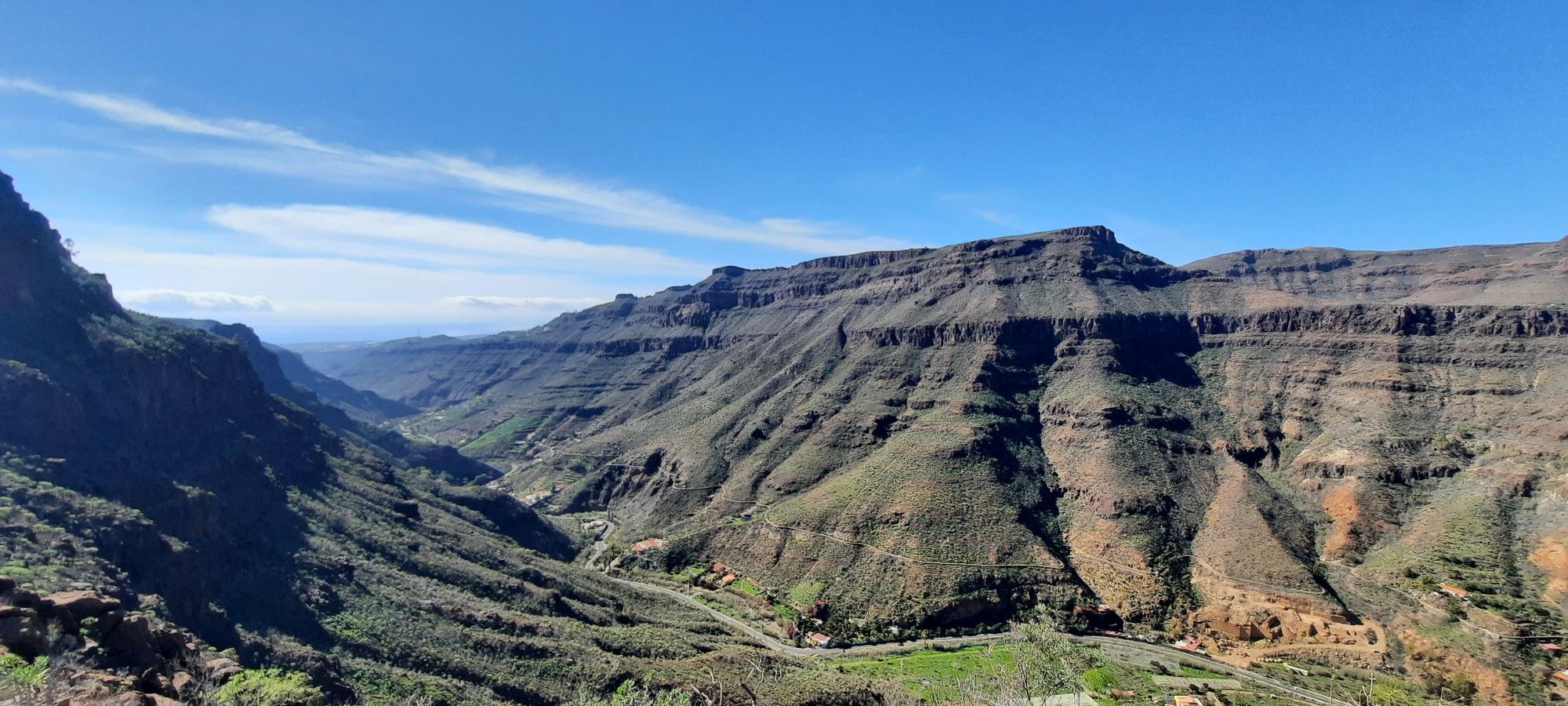
This is an example of the many caves that the ravine has. In the past they were used to preserve food or as shelter during bad weather during work days.
1
0

beautiful circuit through the laurel trees
0
0

Pay attention to 2 stairs and 1 level crossing. Some danger if you don't go with attention and care.
0
0

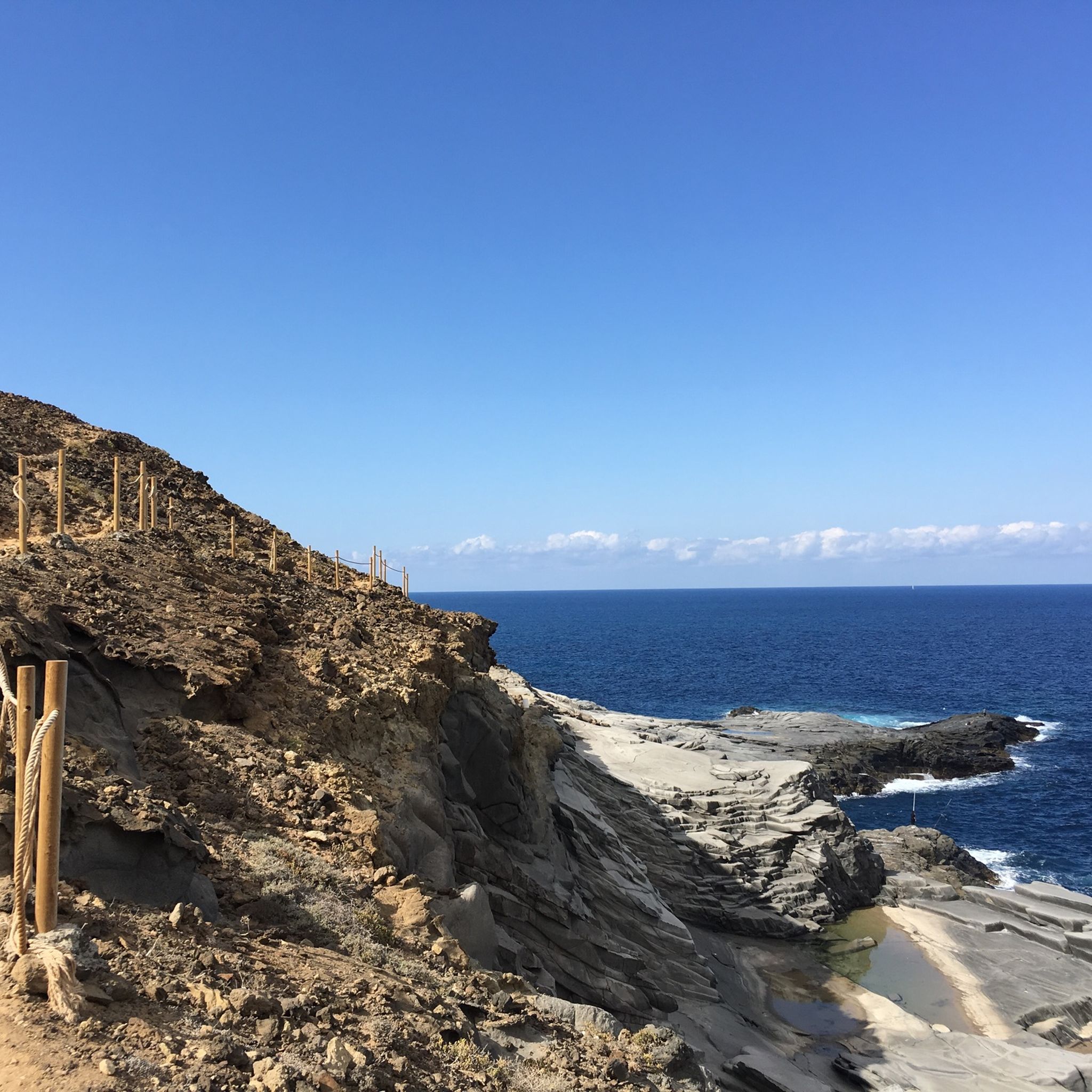
Today, November 24, 2024, and after 2 years after the fall, I know that I was reborn that day.. because it could have been worse. 🙏🙏🙏 Today I have screws and plates in my foot 👣 But if I had known the danger Of that place I would never have come to this place I still haven't gotten over it and I've had 3 operations And I'm still not well.. To get to this place you go around a cliff where the ground is loose and it's easy to fall off the cliff.. Then inside the cave it's dark and there's a risk of falling To the floor below.. ⬇️ why aren't there protection fences or anything marked In one of those holes is where I fell 4 meters high and broke my leg.. There's also no mobile coverage 📱 to ask for help!.. So I ask Everyone who wants to go... think about it before going,... because life is the best thing we have, and we only have it once and it is better not to risk it... There are many wonderful places to go without risk!
1
0
In this particular place, right where the path ends, it is quite dangerous because of the stones when going down, and you can run the risk of slipping and falling into the cliff of the sea 🌊.. There is a cave at the bottom, which connects with the sea inside, going up some ruined stairs inside the cave... But very important note! 🙏 Very dangerous🛑 Because there is a part inside the cave that is not walled off and this area looks like a shadow of the cave But nothing too far from reality.. It is a 4-meter high drop and from which you will not see what is there, and you run the risk of falling! You need a flashlight 🔦 for this site Yes or yes. I repeat. Extremely dangerous since there is no telephone coverage. But I do not recommend this place I fell into a hole 🕳️ in the cave that is not walled or 🚧signposted and this area is dark I fell from 4 M high right here And I broke my leg..And I thank God 🙏that I was reborn that day..
0
0
Frequently Asked Questions
What kind of caves can I explore around Arucas?
Arucas offers a diverse range of caves, including natural formations, archaeological sites with pre-Hispanic dwellings, and man-made troglodyte settlements. These sites provide insights into the geological history and the ancient inhabitants of Gran Canaria.
Are there any archaeological cave sites in Arucas?
Yes, Arucas is rich in archaeological cave sites. Notable examples include La Cerera, a pre-Hispanic habitation complex with natural and man-made structures, and the ancient cave dwellings on Montaña de Arucas. Another significant site is Las Cueveras de Tenoya, a troglodyte settlement featuring numerous artificial dwelling caves used by the aboriginal population.
What are some of the most interesting natural cave formations in the area?
You can visit the Impressive Cave Quarry, known for its unique geological structure. Another interesting natural formation is the Cave with Water Trough, which was historically used for food preservation or as shelter.
Are the caves around Arucas suitable for families?
While many archaeological sites offer educational experiences, some natural cave explorations may require caution. For a family-friendly experience focused on history and culture, consider visiting sites like La Cerera or the Montaña de Arucas dwellings, which are more accessible for general exploration. Always check specific access details for each location.
What should I know about accessibility and safety when visiting caves in Arucas?
Some cave sites, like the Entrance to the Cave, require attention and care due to their terrain. Certain areas, such as those Along the cliff, are noted as extremely dangerous with risks of falling and no mobile coverage. Always prioritize safety, wear appropriate footwear, and be aware of your surroundings. It's advisable to inquire locally about specific access conditions for less-developed sites.
Can I go hiking near the caves in Arucas?
Yes, Arucas offers various hiking opportunities. You can find routes that pass by or lead to some of these cave sites. For more detailed hiking trails around the region, explore the Hiking around Arucas guide, which includes options ranging from easy to difficult.
What other outdoor activities are available near the caves of Arucas?
Beyond hiking, the Arucas region is excellent for cycling and mountain biking. You can find numerous routes for both sports, offering different difficulty levels and scenic views. Check out the Cycling around Arucas guide and the MTB Trails around Arucas guide for more information.
What is the best time of year to visit the caves in Arucas?
Gran Canaria enjoys a mild climate year-round, making cave exploration possible in any season. However, visiting during the cooler months from autumn to spring (October to May) might be more comfortable for outdoor activities and exploring archaeological sites, as summer temperatures can be quite high.
Are there any significant archaeological parks related to caves near Arucas?
While not directly in Arucas, the Cueva Pintada Museum and Archaeological Park in Gáldar is a highly recommended site. It's a significant pre-Hispanic settlement featuring a painted cave and reconstructed aboriginal dwellings, offering a comprehensive look at the island's indigenous history. Note that visits to the painted cave itself are often limited and may require advance booking.
What historical insights do the Arucas caves offer?
The caves around Arucas provide a direct connection to the pre-Hispanic heritage of Gran Canaria. They reveal the ingenuity and adaptive lifestyle of the indigenous people, showcasing how they utilized natural formations and created artificial dwellings for shelter, storage, and community life. Sites like La Cerera and Las Cueveras de Tenoya offer tangible evidence of their daily lives, agricultural practices, and architectural skills.
Are permits required to visit the caves in Arucas?
For publicly accessible archaeological sites like La Cerera (if musealized) or Montaña de Arucas, general access typically does not require special permits, though some may have specific visiting hours or guided tour requirements. For exploring undeveloped or private natural caves, it's always best to inquire locally or with relevant authorities regarding access and safety regulations.
Most popular attractions around Arucas

Get inspired with the komoot mobile app


Explore more
Extend your search for the best caves by checking out these guides of the top ones around Arucas:
