Top 4 Caves around L'Espluga De Francolí
Caves around L'Espluga De Francolí are characterized by an extensive natural cave system, notably the Coves de l'Espluga de Francolí, which extends beneath the town. This region showcases significant geological formations, primarily formed by water erosion on conglomerate rock. The area holds rich prehistoric and historical importance, with archaeological findings dating back to the Middle Paleolithic era. Visitors can explore a blend of natural beauty and historical sites within these cave systems.
Best caves around L'Espluga De Francolí
- The most…
Last updated: July 4, 2026
Pere's Cave
Highlight • Cave
Translated by Google •
Tip by

Cova de Nialó
Highlight • Cave
Translated by Google •
Tip by

Sign up now to discover places like this
Get recommendations on the best single tracks, peaks, & plenty of other exciting outdoor places.
Sign up for free
Mas d'en Llort Rock Shelter – Cave Paintings
Highlight • Historical Site
Translated by Google •
Tip by

Cova del Lladre
Highlight • Cave
Free access cave without the need to be equipped.
Translated by Google •
Tip by

Coves de l'Espluga
Highlight • Cave
Translated by Google •
Tip by

Start today with a free account
Your next adventure awaits.
Login or Signup
Popular around L'Espluga De Francolí
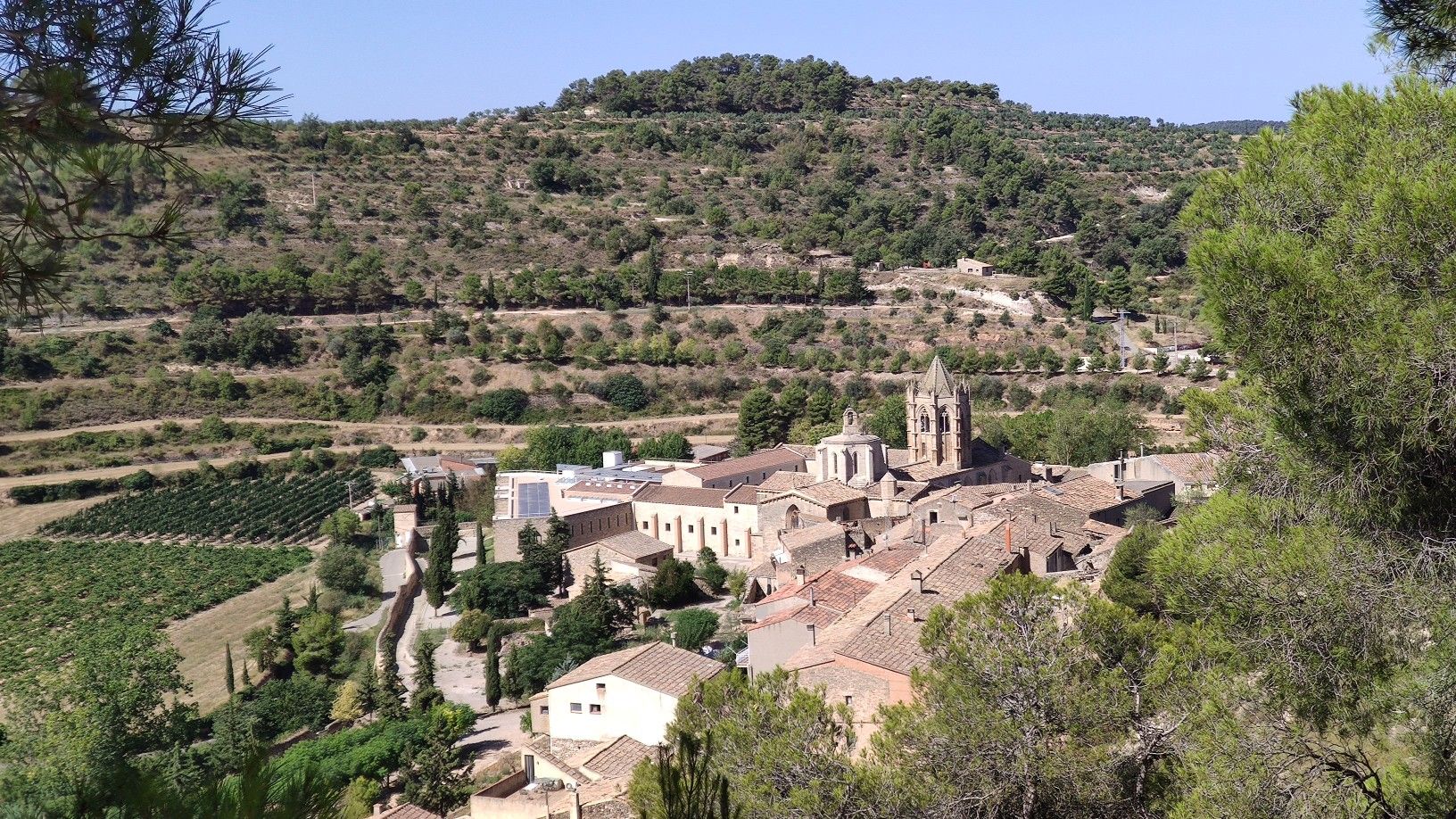
Monasteries, nature and culture – the Cistercian Route on foot
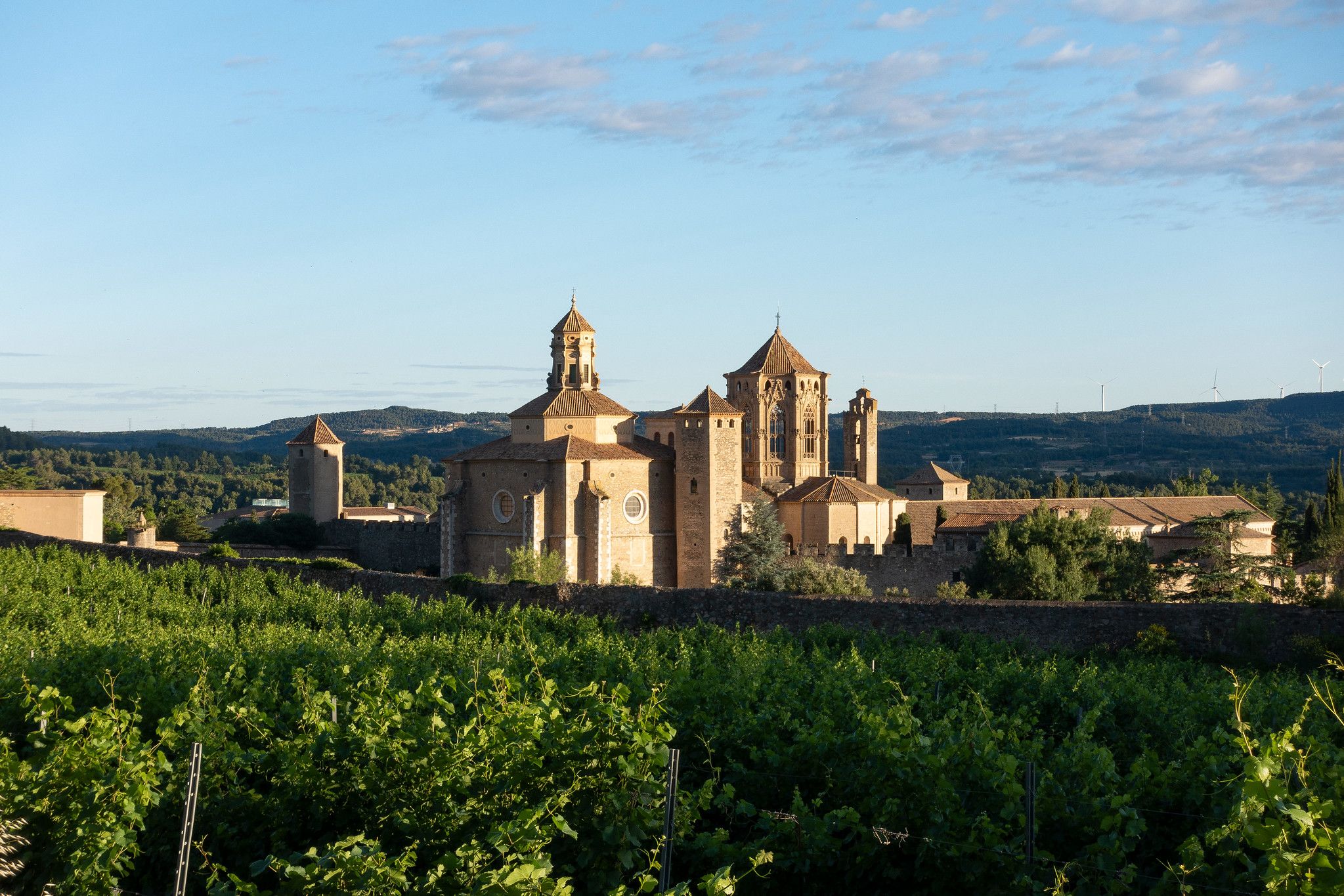
Ride Spain’s Cistercian Route – three monasteries and gravel
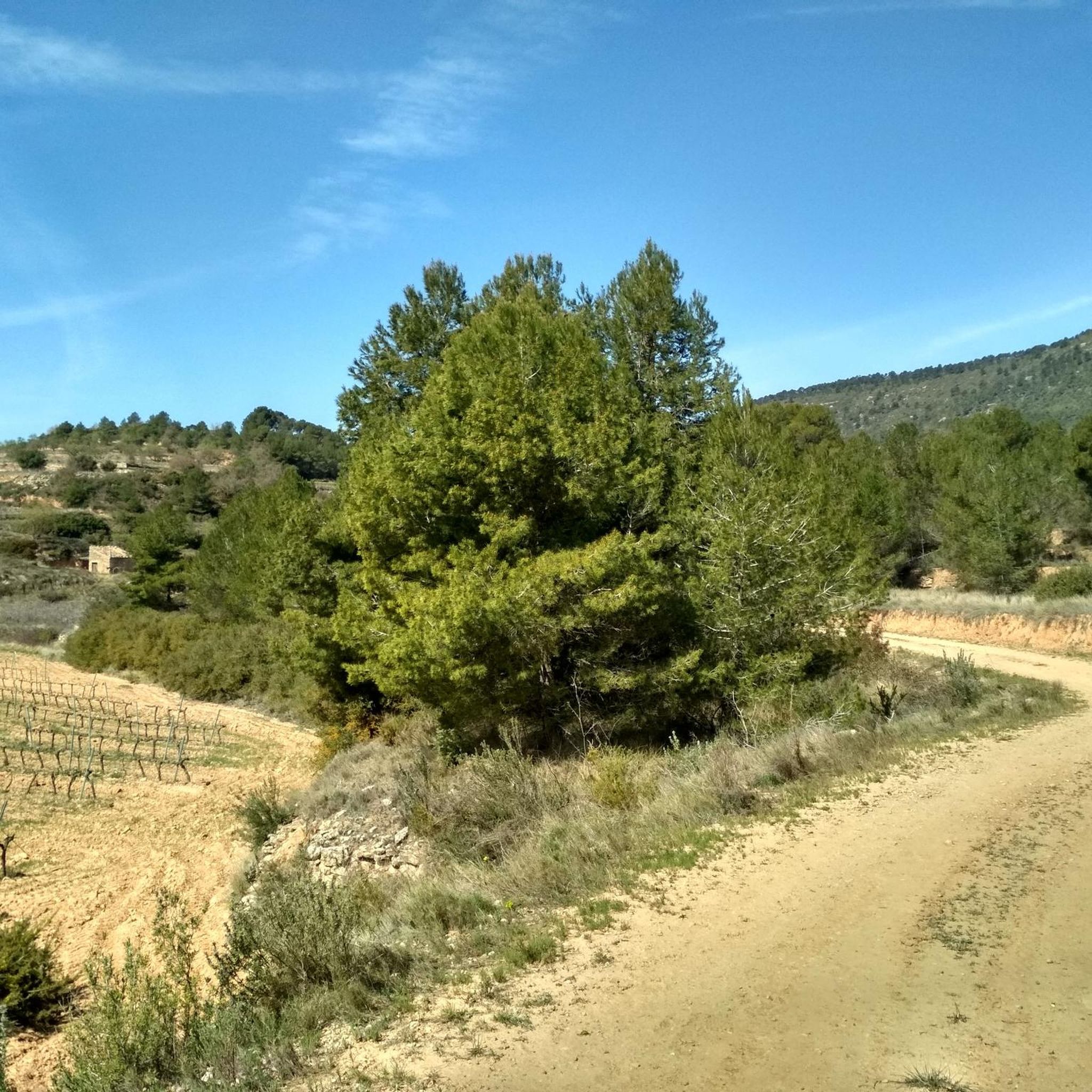
Road Cycling Routes around L'Espluga De Francolí
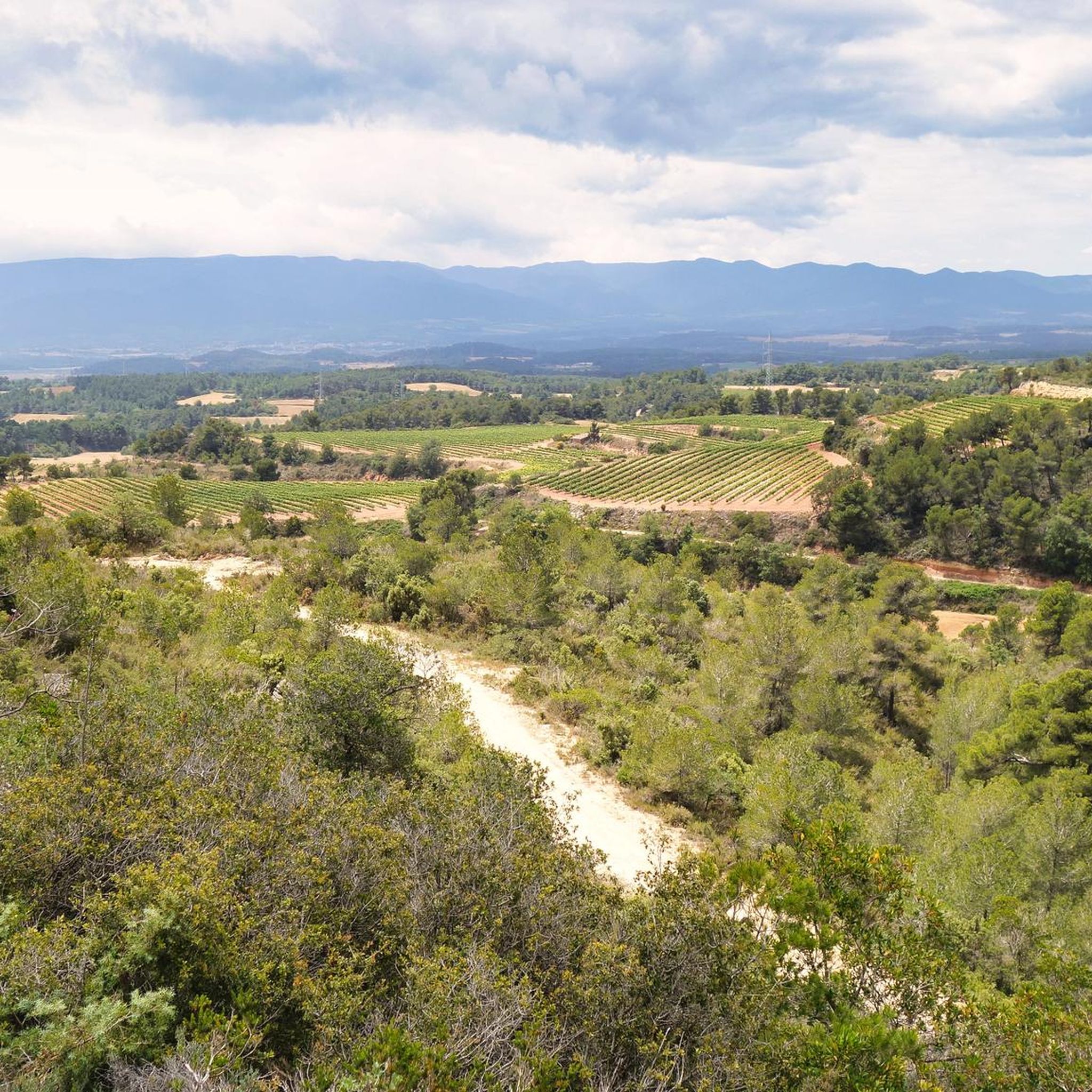
MTB Trails around L'Espluga De Francolí
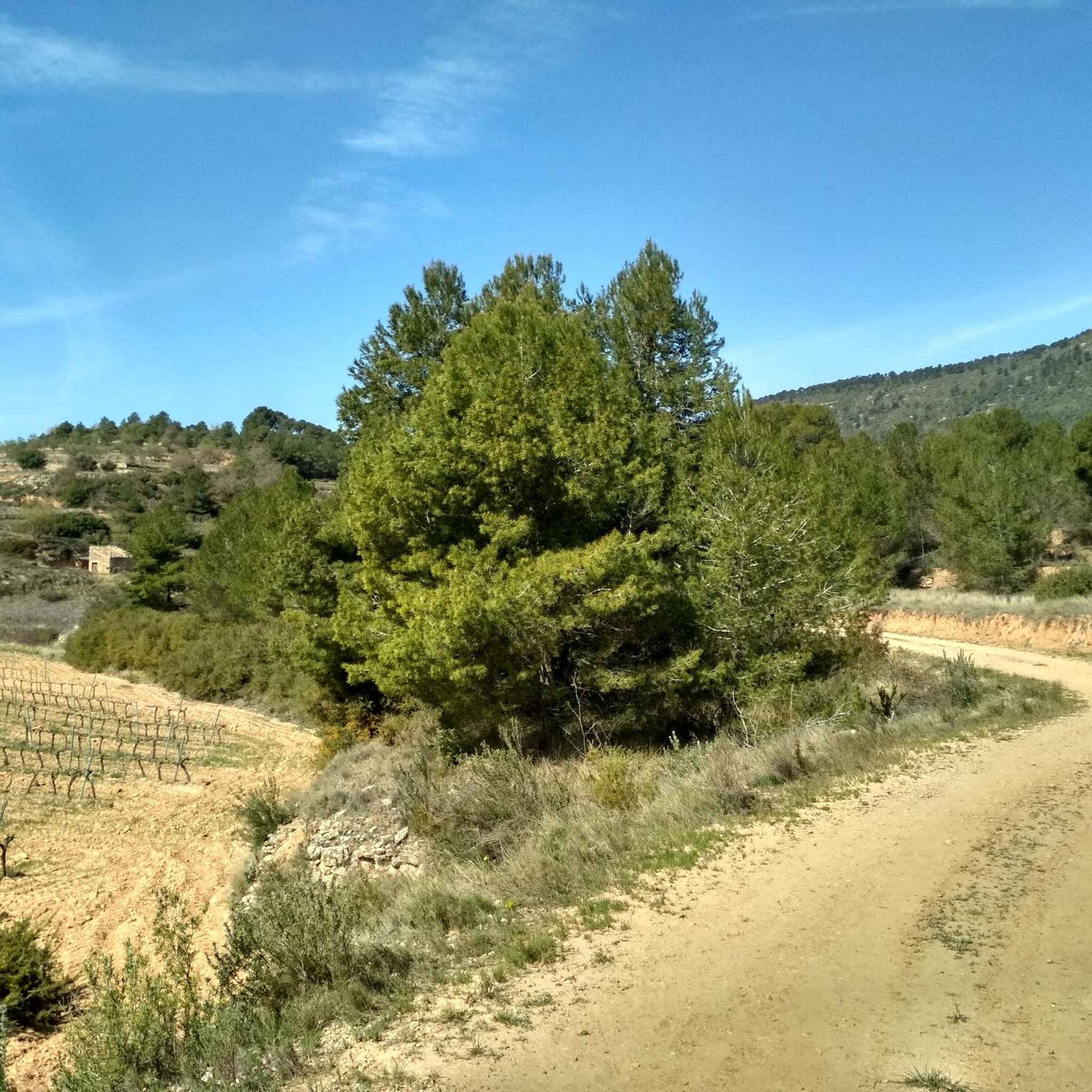
Cycling around L'Espluga De Francolí
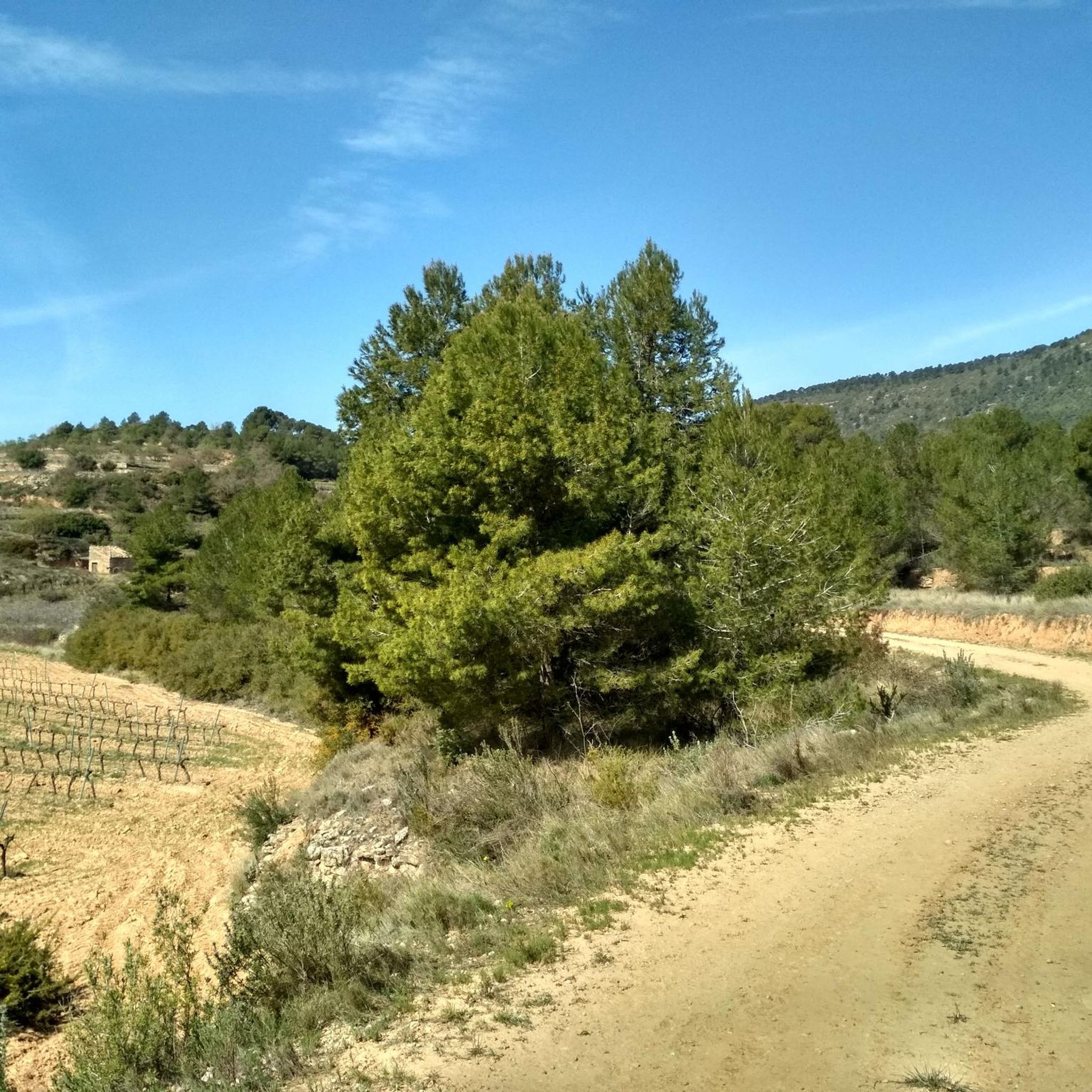
Hiking around L'Espluga De Francolí
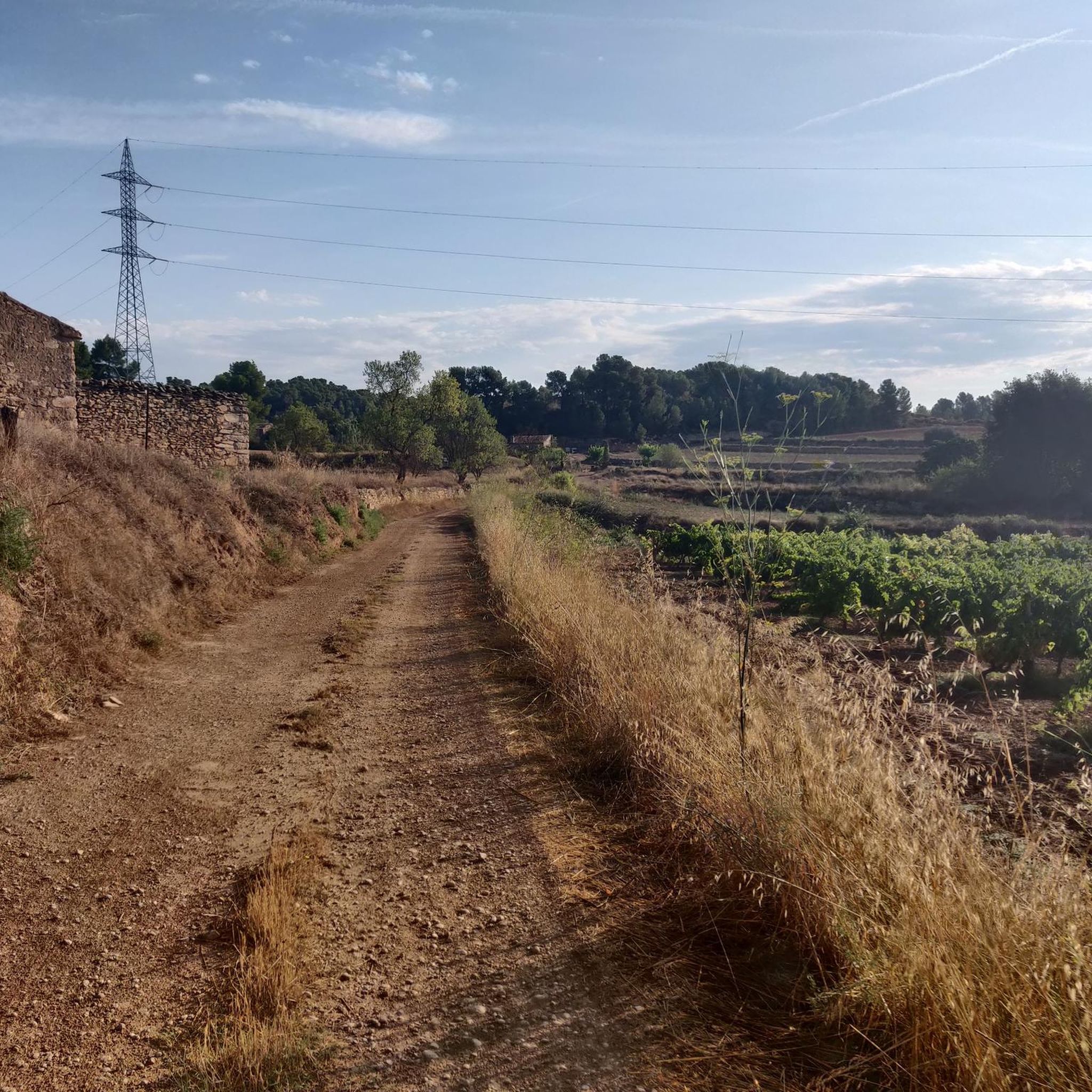
Running Trails around L'Espluga De Francolí
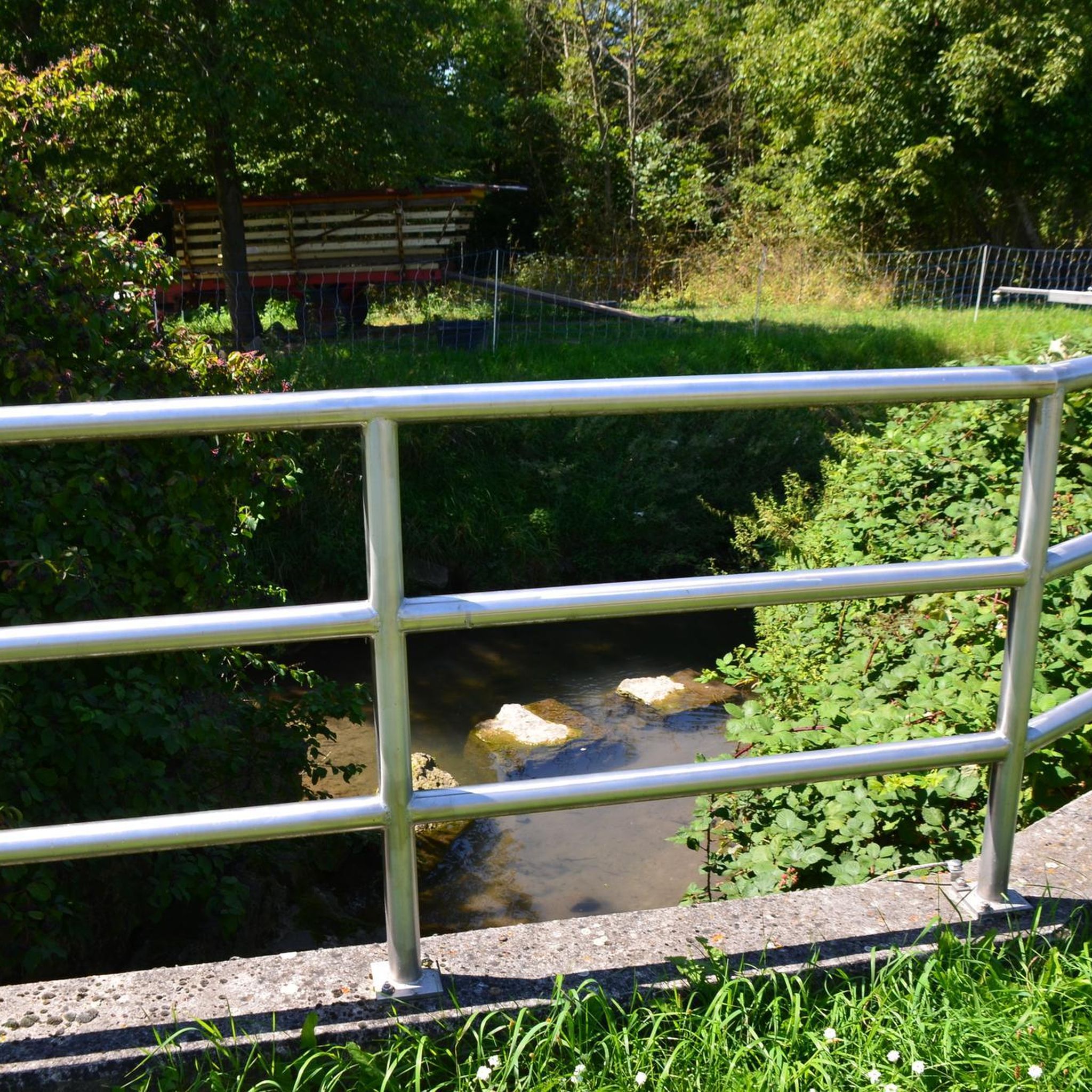
Gravel biking around L'Espluga De Francolí
Other adventures around L'Espluga De Francolí

Tips from the Community

Nice detour on the approach to the via ferrata.
3
0

The caves of l'Espluga de Francolí are a set of natural cavities formed in the conglomerate rock. Speleological explorations began in 1956, and so far 3,600 meters of galleries have been explored, making them one of the longest caves in the world. The archaeological findings inside show that they have been occupied since the Paleolithic: the last discovery, in 2019, was a Paleolithic sanctuary made up of more than 300 engravings, some of them more than 36,000 years old. The visits are guided and can be booked from https://covesdelespluga.info/
0
0

Peter's cave has an entrance 15 meters wide and about five meters high and where in the past, it was covered by a wall that gave it protection. It is known as the cave of Nen de Prades who was a soldier in the Carline War of the late 19th century.
1
1
Cave that is located just above the hermitage of Sant Joan de Muntanya, in the Coma del Castlà. The cave has a stepped access and has a length of more than 20 meters where you reach the outside on both sides. The entrance barrier is high with a sign indicating the entrance.
0
0
Cave that is more than 100 meters deep, close to Mas de la Pascuala. The cave is known because there is a local legend that explains that the Vallenc bandit Joan Serra, known as La Pera, lived there, hiding in this cave.
0
1

formed by an extensive network of mountain ranges and ravines, more than twenty sets of rock formations are located, a number that continues to grow because new ones are discovered every year. Currently, only Portell de les Lletres shelter, Mas d’en Llort and Mas d’en Ramon d’en Bessó can be visited due to the difficulty of access presented by the rest and also due to their conservation problems, This shelter, together with that of Portell de les Lletres and that of Mas d'en Ramon d'en Bessó, are part of the Catalan rock art ensemble, declared World Heritage by UNESCO since 1998, they constitute a group where a short distance away you can observe the two great cultural traditions and styles of cave art in our country, Levantine art and schematic art. This gives the visit a good opportunity to get to know the societies between the late Paleolithic and the Neolithic-Bronze, between 12,000 and 4,000 years ago. You can also visit the interpretation center located in the town of Montblanc.
0
0

The forest where the cave is is beautiful. Free access cave without the need to be equipped.
2
0

Frequently Asked Questions
What makes the caves around L'Espluga de Francolí historically significant?
The caves, particularly the Coves de l'Espluga de Francolí, are renowned for their rich prehistoric and historical past. Archaeological findings date back to the Middle Paleolithic era, including a significant discovery in 2019 of a Paleolithic sanctuary with over 300 engravings, some more than 36,000 years old. These findings offer a unique journey through different stages of human prehistory.
What kind of geological formations can be seen in the caves?
The caves are a prime example of water erosion on conglomerate rock. Visitors can observe impressive geological formations, learn about the filtering process, water currents, and the formation of the underground river that merges with the Francolí on the surface. The Coves de l'Espluga are considered one of the longest conglomerate caves in the world.
Are there guided tours available for the caves?
Yes, visits to the Coves de l'Espluga de Francolí are always guided. These tours provide insights into the geological formations and the human presence throughout history. Audioguides are also available in multiple languages, including English.
What is the 'Adventure Route' at Coves de l'Espluga?
For a more thrilling experience, the 'Adventure Route' offers a speleology tour through the underground river. Participants, equipped with wetsuits, helmets, and lights, explore the more genuine parts of the cave, navigating the underground river and discovering features like the Lake Gallery, a site of ancient Iberian rituals. You can find more information and book visits at covesdelespluga.info.
Are the caves suitable for families with children?
Yes, the Coves de l'Espluga are considered family-friendly. They offer an interactive museum experience within the cavern itself, with reproductions, audiovisual displays, and explanatory graphics that illustrate daily life from various prehistoric periods, making it engaging for all ages.
What is the typical temperature inside the caves?
The caves maintain a comfortable temperature of 14 to 16 degrees Celsius with over 90% humidity year-round. It is advisable to bring a jacket even in summer, and comfortable shoes are recommended for all visitors.
How long do tours typically last at Coves de l'Espluga?
Standard guided tours at Coves de l'Espluga usually last approximately one hour. The 'Adventure Route' speleology tour is a longer experience, typically lasting around two and a half hours.
Are there any challenging caves for experienced explorers?
Yes, the area offers more challenging options. Cova de Nialó is known as a challenging cave with a stepped access over 20 meters long. Additionally, Cova del Lladre is more than 100 meters deep and offers free access without the need for special equipment, though it's considered intermediate to challenging.
What outdoor activities can I do near the caves of L'Espluga de Francolí?
Beyond cave exploration, the region offers various outdoor activities. You can find numerous routes for running, mountain biking, and cycling. For example, there are challenging running trails like the 'Cave of the Thief – Sant Joan de Muntanya loop' and difficult MTB trails such as the 'Table of the Four Mayors – Pic de l'Àliga loop'. Explore more options on the Running Trails, MTB Trails, and Cycling guides around L'Espluga de Francolí.
Are there hiking trails around the L'Espluga de Francolí caves?
While specific hiking trails directly to the caves are not detailed, the broader L'Espluga de Francolí area is excellent for walking and exploring. Many of the running and cycling routes can also be adapted for hiking, offering opportunities to discover the natural surroundings and other landmarks like the hermitage of Sant Joan de Muntanya. Check the Running Trails guide for routes that might suit a hike.
What is the best time to visit the caves in L'Espluga de Francolí?
The caves maintain a consistent cool temperature year-round, making them a suitable destination in any season. However, visiting during spring or autumn allows for more comfortable exploration of the surrounding outdoor areas and trails before or after your cave tour, avoiding the peak heat of summer or colder winter days.
Are there other historical rock shelters to visit in the area?
Yes, the region is rich in historical sites. The Mas d'en Llort Rock Shelter – Cave Paintings is part of the Catalan rock art ensemble, a UNESCO World Heritage site. This shelter, along with Portell de les Lletres and Mas d'en Ramon d'en Bessó, offers a unique opportunity to observe both Levantine and schematic art, showcasing societies from the late Paleolithic to the Neolithic-Bronze ages.
Most popular routes around L'Espluga De Francolí
Most popular attractions around L'Espluga De Francolí

Get inspired with the komoot mobile app


Explore more
Extend your search for the best caves by checking out these guides of the top ones around L'Espluga De Francolí:
