Top 9 Castles around Cornago
Best castles around Cornago offer a journey into La Rioja's medieval past, set against a backdrop of varied landscapes. The region is characterized by its strategic historical importance, with fortifications guarding ancient borders. Visitors can explore the architectural heritage of these structures, many of which are situated on hilltops providing expansive views. Cornago itself is a town located on the northern side of the Sierra de Alcarama, with its center perched on a hill.
Best castles around Cornago
- The most…
Last updated: October 7, 2026
Préjano Castle
Highlight • Castle
Translated by Google •
Tip by

San Pedro Manrique
Highlight • Settlement
Translated by Google •
Tip by

Sign up now to discover places like this
Get recommendations on the best single tracks, peaks, & plenty of other exciting outdoor places.
Cornago
Highlight • Settlement
Translated by Google •
Tip by
Préjano
Highlight • Settlement
Translated by Google •
Tip by

Views of Cornago from the GR 93
Highlight • Viewpoint
Translated by Google •
Tip by

Sign up for free to discover even more castles around Cornago.
Already have an account?
Start today with a free account
Your next adventure awaits.


Tips from the Community

Picnic area with water and beautiful views of the Prejano castle and the valley
0
1

San Pedro Manrique is a municipality in Soria in the Tierras Altas region, in the community of Castilla y León. Its origin dates back to the Celts, Vascones, Iberians and Romans. With the passage of time, other neighboring towns such as Sarnago, Las Fuentes de San Pedro, Matasejún, Palacio de San Pedro, Taniñe, Valdenegrillos and Ventosa de San Pedro have been incorporated into the municipal area. San Pedro Manrique is well known for his particular way of celebrating San Juan Day. On the night of San Juan the well-known "paso del fuego" is carried out, in which the embers of a bonfire are stepped on by the town's natives, barefoot and carrying someone on their backs. Among its heritage, the hermitage of the Virgen de la Peña, the church of San Miguel, the remains of a castle on the outskirts and the ruins of the convent of San Pedro el Viejo stand out.
0
0


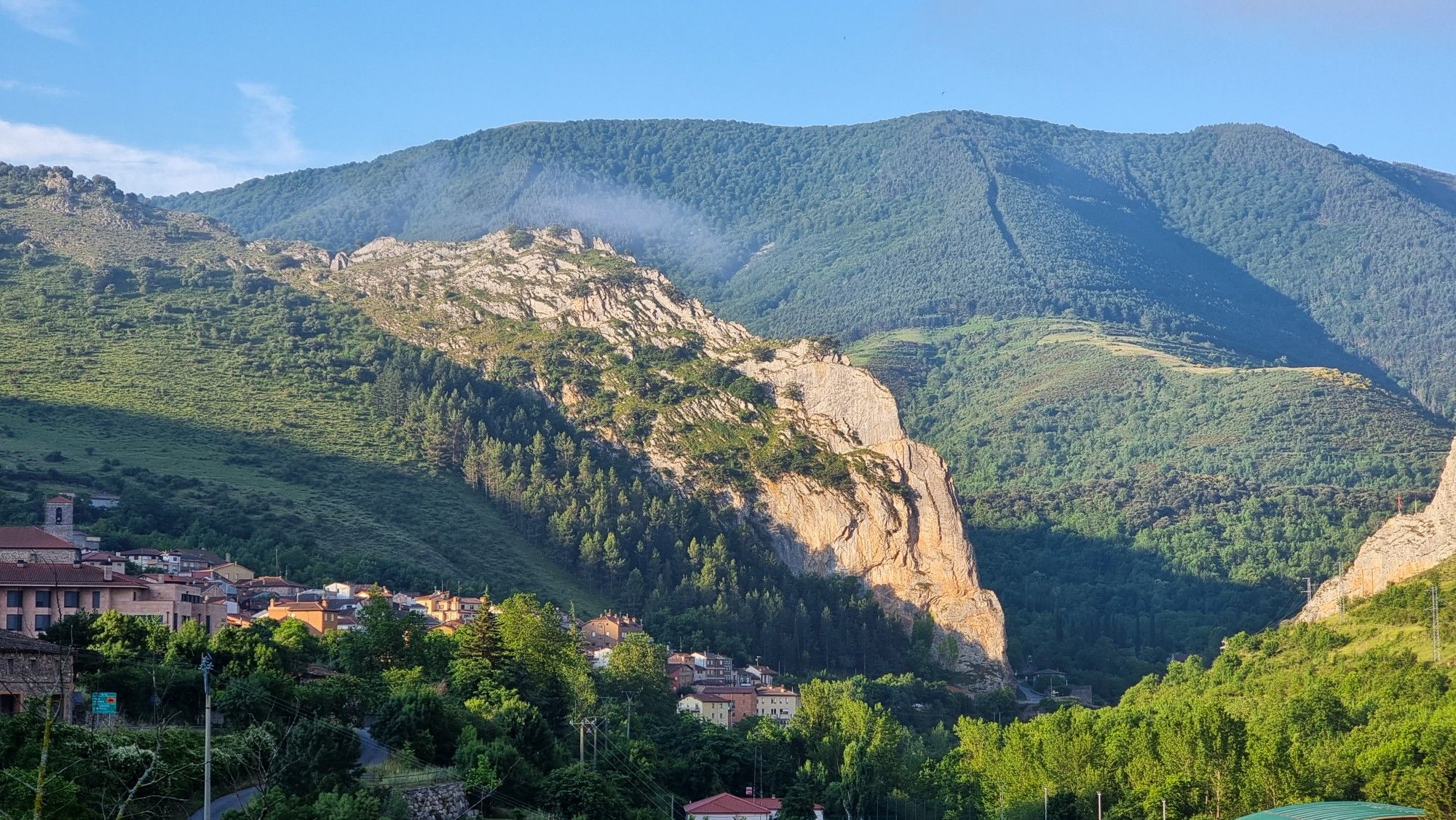
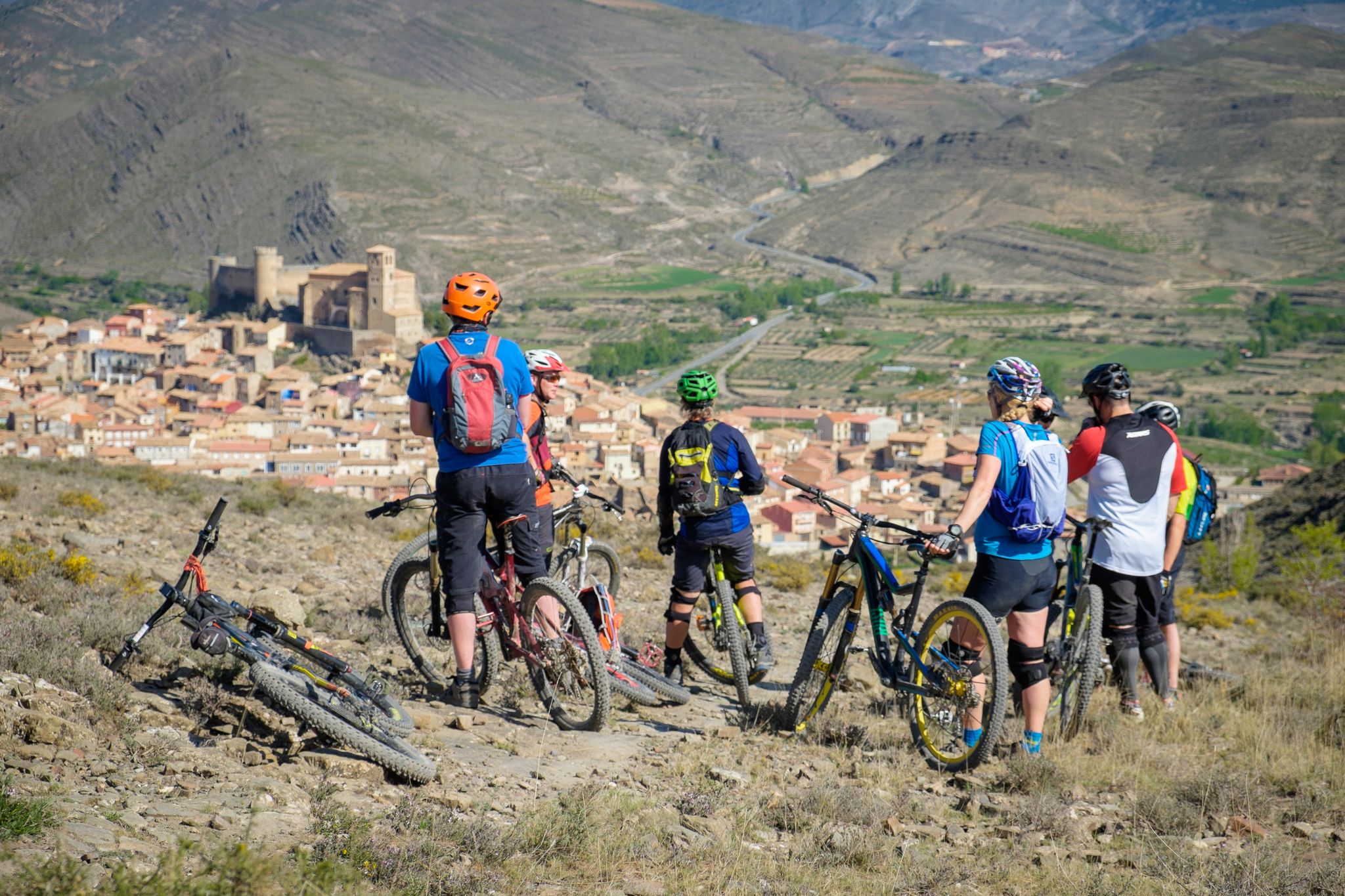
Spectacular town located on the northern side of the Sierra de Alcarama. From a distance you can see how the center is located at the top of a hill with its church as a flag. The group of houses form a very beautiful perspective.
0
0

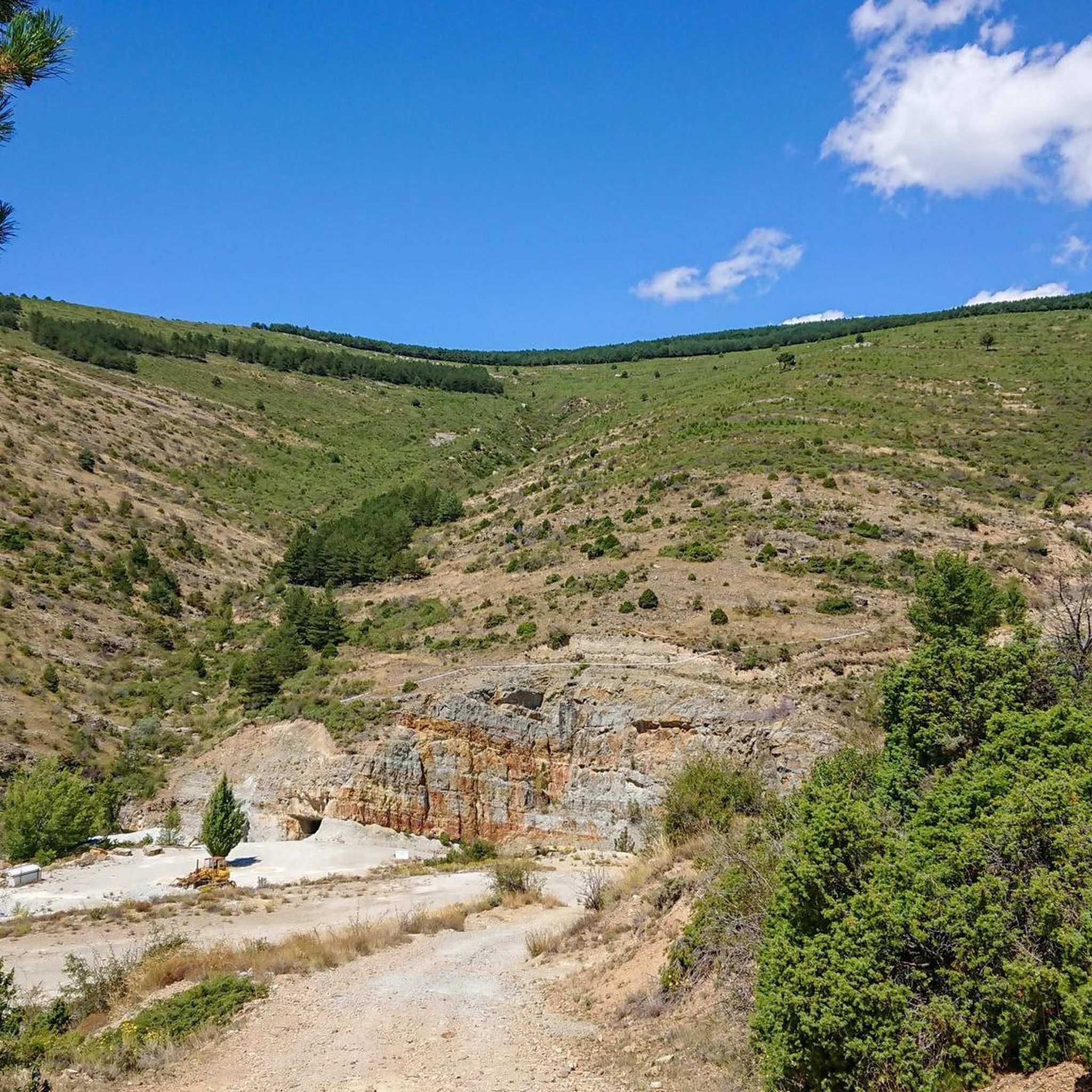
Raised on a small hillock northwest of Préjano, in La Rioja, are the remains of a 15th-century castle. In the current enclosure you can see a small tower 15 meters high.
2
1

It is located at the foot of Mount Isasa. It was famous in other times for its coal mines and its textile industry, based on the importance of sheep farming. You must see the tower of the medieval castle, the hermitage of Santo Cristo de La Canal, the church of San Miguel and the parish church of San Esteban.
1
1
Population that is located to the south of the Sierra de San Cristrobal and that is crossed by the Río Linaris. The town, in the middle of the Iberian System, is located in the place called Tierras Altas.
0
0

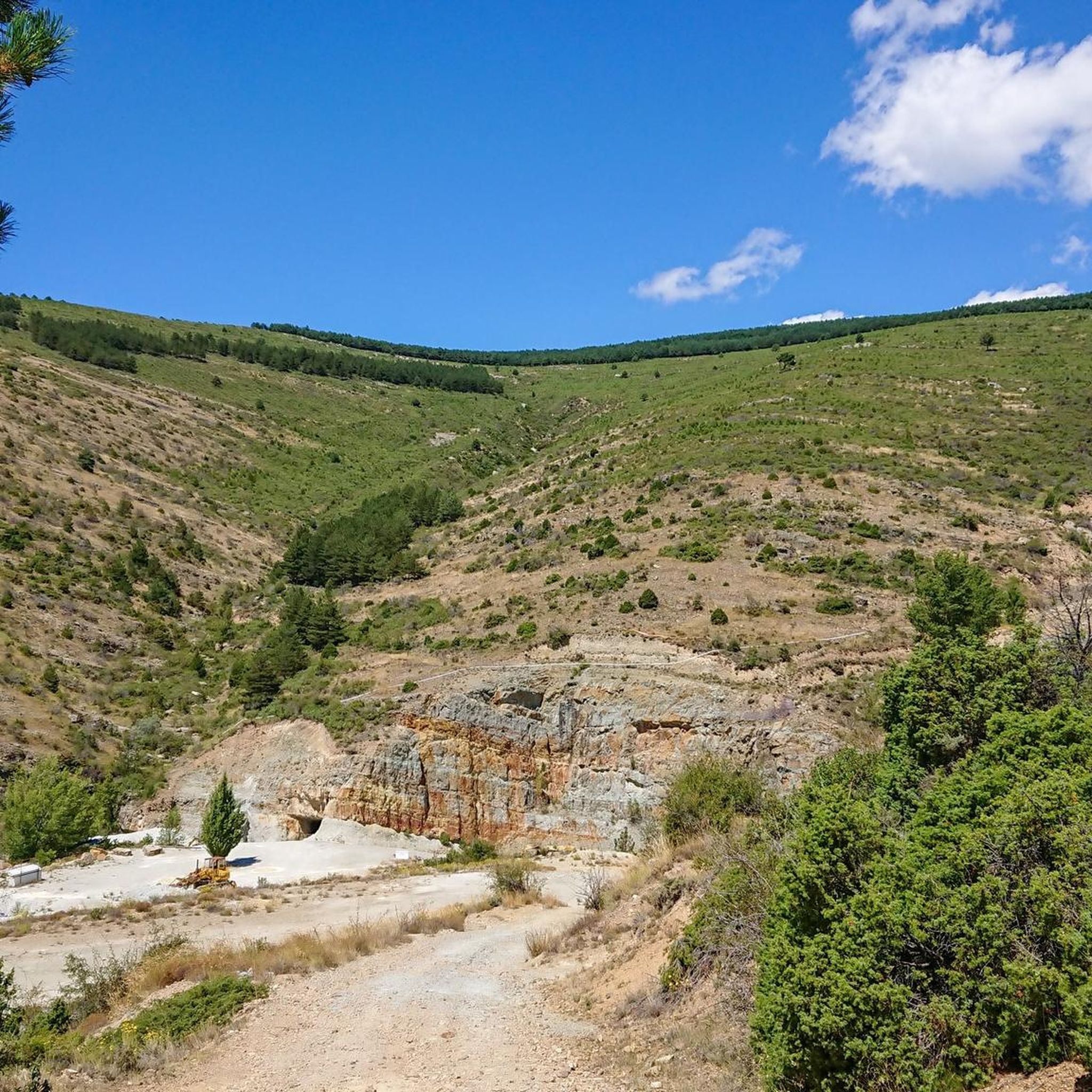
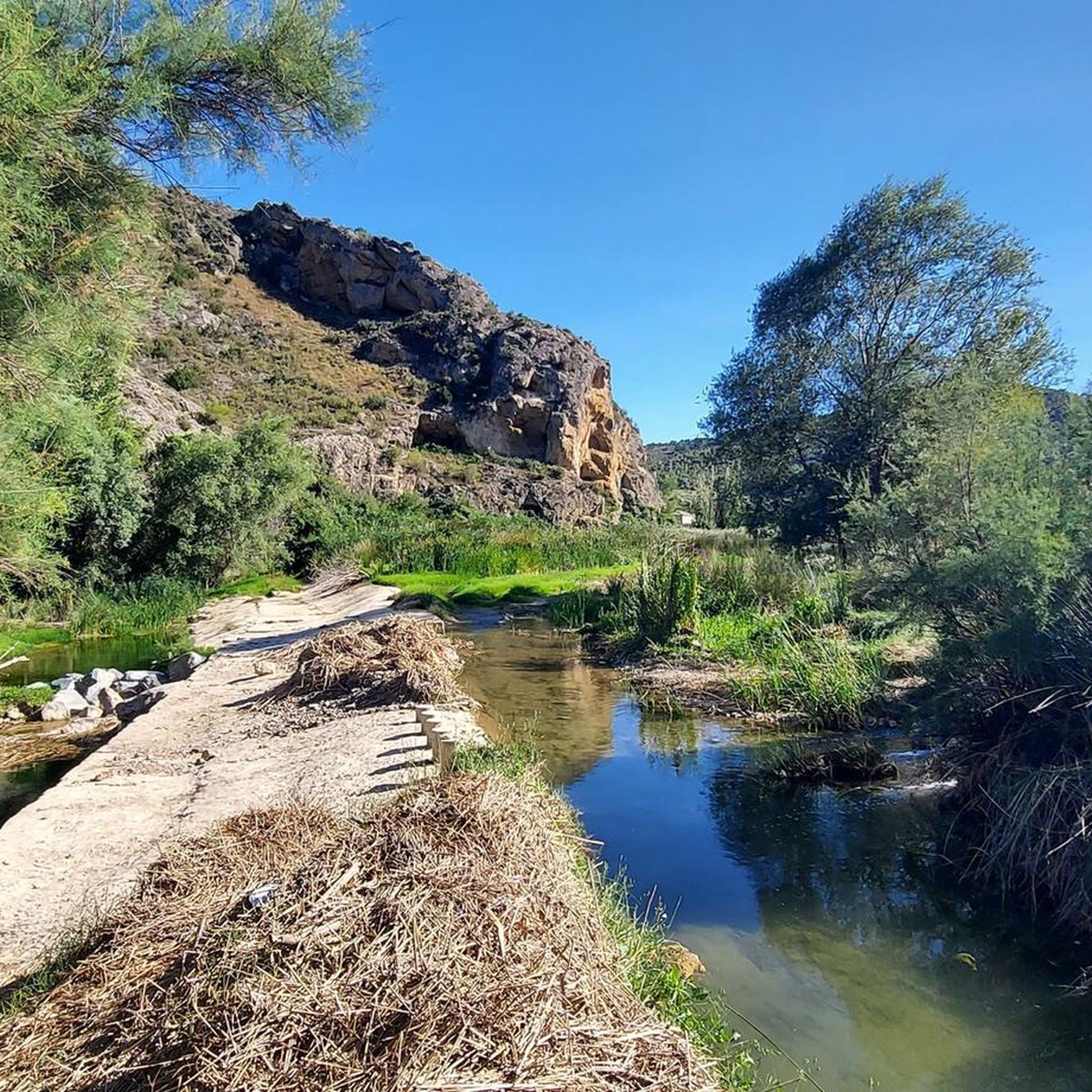
Small town in the Cidacos region, with a mining past.
0
1
Frequently Asked Questions
What are the main historical castles to visit in the Cornago region?
The most prominent historical castle in the immediate Cornago area is the Castillo de Cornago itself, a robust 13th-century fortress with a rich history, offering panoramic views. Other notable sites include Préjano Castle, which features the remains of a 15th-century structure including a 15-meter high tower, and the ruins of a castle at Cervera del Río Alhama, located at the top of "La Peña".
What unique historical features can I find at Castillo de Cornago?
The Castillo de Cornago, originally a 9th-century Muslim fortress, played a crucial role during the Reconquista due to its strategic location. It features a rectangular plan with distinct towers, three cylindrical and one square. Inside, you can observe a hearth or silo in a semicircular chamber and a well or cistern. The castle's Homage Tower still preserves its battlements, and an *adarve* (walkway) once connected the towers for sentinels.
Are there family-friendly activities or castles suitable for families around Cornago?
Yes, San Pedro Manrique, a historical settlement near Cornago with castle remains, is considered family-friendly. While the castles themselves offer historical exploration, the surrounding areas often provide easy walks and viewpoints. The promenade around Castillo de Cornago is also suitable for a leisurely family stroll.
What kind of views can I expect from the castles in the Cornago area?
The castles in the Cornago region, particularly the Castillo de Cornago, are often situated on hilltops, providing breathtaking panoramic views. From the Castillo de Cornago, you can see the surrounding valleys and the village. Similarly, the castle ruins at Cervera del Río Alhama offer views over the Alhama River, and Views of Cornago from the GR 93 highlight the scenic perspectives of Cornago and its castle from nearby trails.
What outdoor activities can I combine with a visit to the castles?
The Cornago area offers various outdoor activities. You can find numerous hiking trails, such as the moderate 'Yacimiento de los Cayos — circular desde Cornago por GR 93' or 'Peña Isasa Loop from Palomares'. For cycling enthusiasts, there are routes like 'Castillo de Cornago and ruins of Turruncún – circular from Cornago'. You can explore more options on the dedicated guides for hiking, cycling, and running around Cornago.
Are there any unique natural features or geological sites near the castles?
Yes, the region around Cornago is known for its geological interest. Along sections of the GR 93 south of Cornago, you can observe gray, marl-like sediment and strata rock slabs. This area was once a shoreline where dinosaurs roamed millions of years ago, and it's possible to spot dinosaur footprints. The landscape itself, with its valleys and hills, offers significant natural beauty.
What is the best time of year to visit the castles around Cornago?
While specific opening hours for all sites vary, visiting during spring or autumn generally offers pleasant weather for exploring the outdoor castle ruins and surrounding trails. These seasons avoid the intense heat of summer and the colder, potentially wetter conditions of winter, making for a more comfortable experience.
Is there parking available at Castillo de Cornago or other nearby castles?
For the Castillo de Cornago, parking is typically available within the village of Cornago, from where the castle is easily accessible. For other castles or ruins in the region, parking availability can vary, often found in the nearby settlements or designated areas close to the historical sites. It's advisable to check local signage upon arrival.
Can I bring my dog to the castle areas or on nearby trails?
Many outdoor trails and natural areas around Cornago are generally dog-friendly, especially if kept on a leash. However, access to the interior of historical buildings or specific castle ruins might be restricted for pets. The promenade around Castillo de Cornago is suitable for walks with dogs. Always check local regulations and signage at each specific site.
What kind of historical significance does the Cornago region hold?
The Cornago region, particularly the Castillo de Cornago, holds significant historical importance as a borderland between the kingdoms of Navarra, Castile, and Aragon during the Middle Ages. Its fortifications served as crucial defensive points during the Reconquista and were owned by influential figures. The area's history is deeply intertwined with medieval military architecture and regional power struggles.
Are there any cafes or accommodation options in Cornago village?
The village of Cornago, being a settlement, offers basic amenities including some local cafes and accommodation options. These typically cater to visitors exploring the castle and the surrounding natural areas. For a wider selection, nearby larger towns in La Rioja Baja would provide more choices.
Most popular attractions around Cornago

Get inspired with the komoot mobile app


Explore more
Looking for the best castles somewhere else? Discover other guides around Cornago:
