The best MTB trails around Cornago
4.3
(3)
61
riders
6
rides
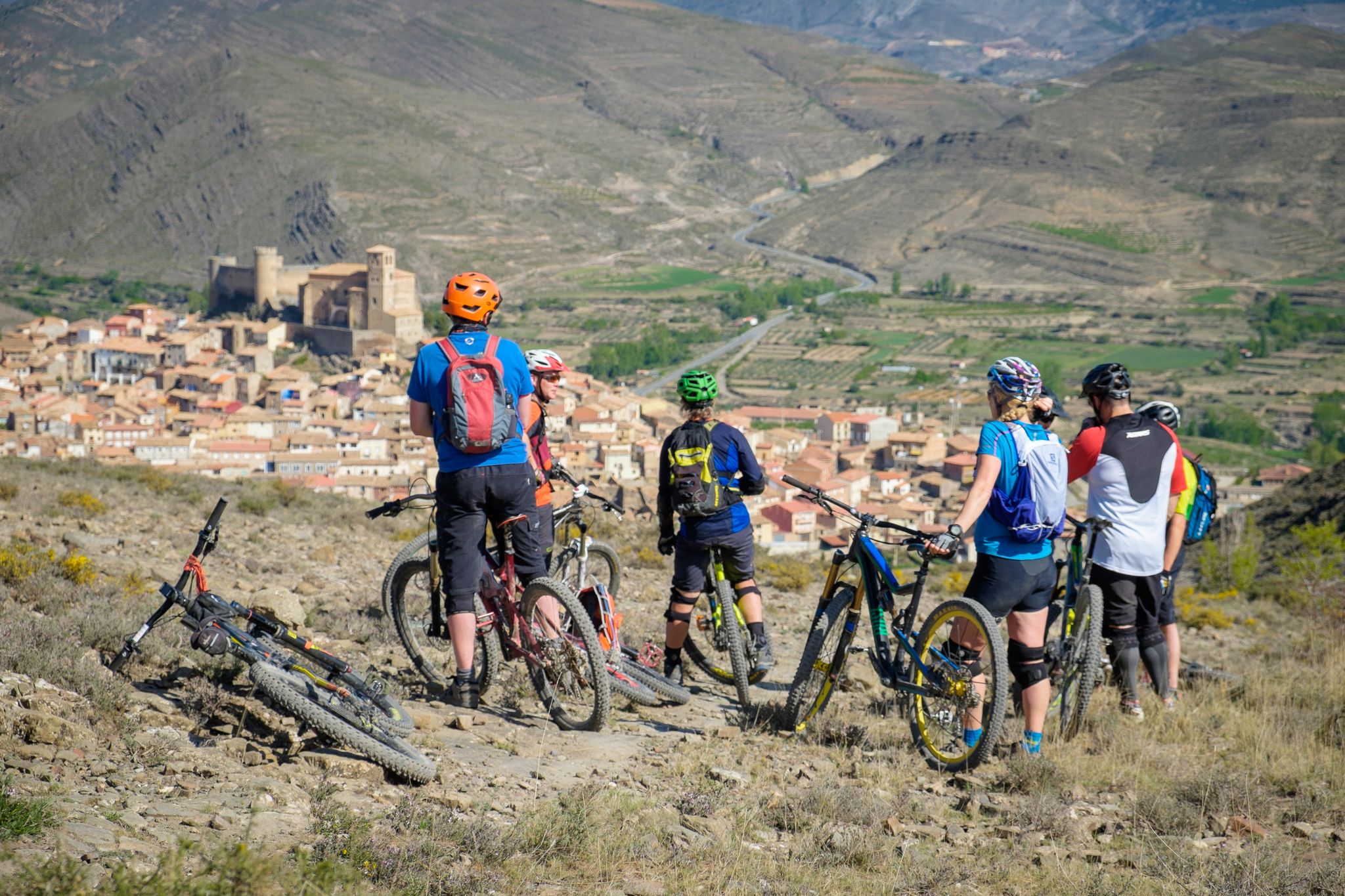
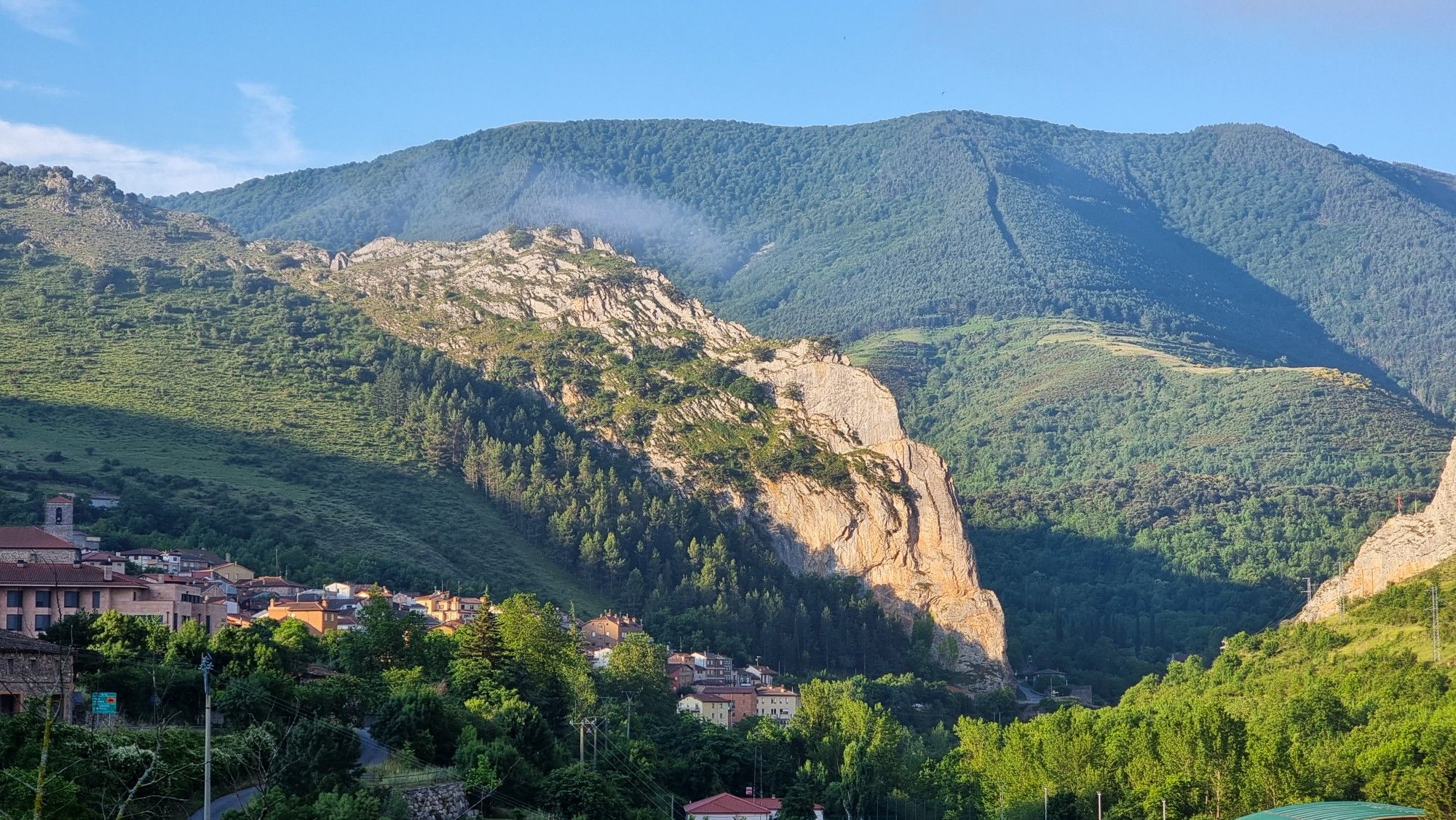
Mountain biking around Cornago offers diverse terrain within the Sierra de Alcarama mountains in La Rioja, Spain. The region features significant elevation changes, with peaks reaching over 1300 meters, providing challenging routes. The Linares River valley offers contrasting landscapes, while paleontological sites with dinosaur footprints add a unique historical dimension to some trails. The area combines rugged mountainous sections with historical landmarks like Cornago Castle, making for varied riding experiences.
Best mountain bike trails around Cornago
- The most popular mountain…
Last updated: June 28, 2026
33.8km
03:24
960m
960m
Hard mountain bike ride. Very good fitness required. Advanced riding skills necessary.
39.5km
03:49
1,230m
1,230m
This challenging 24.5-mile mountain bike route explores abandoned villages and historical sites, including the Ruins of Turruncún.

Sign up for free
55.7km
05:19
1,280m
1,280m
Hard mountain bike ride. Very good fitness required. Advanced riding skills necessary.
36
riders
36.5km
03:25
850m
850m
Moderate mountain bike ride. Good fitness required. Advanced riding skills necessary.
5
riders
26.8km
02:54
750m
750m
Moderate mountain bike ride. Good fitness required. Suitable for all skill levels.
Our route recommendations are based on thousands of hikes, rides, and runs completed by other people on komoot.
Start today with a free account
Your next adventure awaits.
Login or Signup


Tips from the Community

There is a fountain and a bar in the center of the village
0
0


Good enduro routes in the area, abandoned villages, historic trails...
0
0

Picnic area with water and beautiful views of the Prejano castle and the valley
0
1

San Pedro Manrique is a municipality in Soria in the Tierras Altas region, in the community of Castilla y León. Its origin dates back to the Celts, Vascones, Iberians and Romans. With the passage of time, other neighboring towns such as Sarnago, Las Fuentes de San Pedro, Matasejún, Palacio de San Pedro, Taniñe, Valdenegrillos and Ventosa de San Pedro have been incorporated into the municipal area. San Pedro Manrique is well known for his particular way of celebrating San Juan Day. On the night of San Juan the well-known "paso del fuego" is carried out, in which the embers of a bonfire are stepped on by the town's natives, barefoot and carrying someone on their backs. Among its heritage, the hermitage of the Virgen de la Peña, the church of San Miguel, the remains of a castle on the outskirts and the ruins of the convent of San Pedro el Viejo stand out.
0
0
Sarnago is a town in the Tierras Altas region, in the province of Soria, community of Castilla y León. It belongs to the municipality of San Pedro Manrique since 1972. The origins of Sarnago may date back to pre-Roman times, since a nearby mountain known as "el Castiillo" could have been the location of a surveillance watchtower. The time of greatest splendor of Sarnago was during the period of the Mesta (from the 13th to the 19th centuries), an organization created by Alfonso This small town has been losing population with the passage of time and the abandonment of rural activities, but an association founded in 1980 is recovering and restoring different infrastructure and heritage of Sarnago, such as the public fountain, the washing places, as well as the public lighting. . A project has recently been launched to create a "coliving" and attract population to the town.
1
0
Fuentes de Magaña is a town in Soria in the Tierras Altas region, in the community of Castilla y León. During the Middle Ages it was part of the Community of Villa y Tierra de Magaña. Of its heritage, the church of the Immaculate Conception and the hermitage of San Sebastián stand out. Just 200 meters from the town, to the south, you can see some dinosaur footprints, in the area known as the Miraflores ravine.
0
0

Frequently Asked Questions
What kind of terrain can I expect on mountain bike trails around Cornago?
Mountain biking around Cornago offers a diverse mix of terrain. You'll find significant elevation changes within the Sierra de Alcarama mountains, with peaks reaching over 1300 meters, providing challenging climbs and descents. The Linares River valley offers contrasting, potentially flatter sections. The region is also known for its unique paleontological sites with dinosaur footprints, adding a historical dimension to some trails. Expect a blend of rugged mountainous sections and paths near historical landmarks.
Are there mountain bike trails suitable for beginners or families in Cornago?
Yes, while Cornago is known for its challenging routes, there are options for different ability levels. The guide includes 1 easy trail and 3 moderate trails, which are generally more suitable for beginners or families looking for less strenuous rides. These routes offer a good introduction to the area's landscapes without the extreme technical demands of the more difficult paths.
Are there any circular mountain bike trails around Cornago?
Yes, several routes around Cornago are circular. For example, the Yacimiento Celtibérico, Castillo de Cervera – circular por GR93 is a difficult 21.0-mile (33.8 km) loop. Another option is the Cornago, Valdeperillo – circular con vistas al Castillo de Cervera, a longer 34.6-mile (55.7 km) difficult trail that also forms a loop.
What historical landmarks or attractions can I see along mountain bike trails in Cornago?
The region is rich in history and natural wonders. You can explore the impressive 12th-century Cornago Castle, which dominates the village skyline and offers panoramic views. Some trails pass by paleontological sites with dinosaur footprints, such as those near the Icnitas archaeological site. Other points of interest include the ruins of La Nevera and the Molino de La Aldehuela. You might also encounter highlights like Préjano Castle or the Celtiberian Archaeological Site of Contrebia Leucade.
What do other mountain bikers say about the trails in Cornago?
The mountain bike trails in Cornago are highly rated by the komoot community, with an average score of 4.3 stars from over 3 reviews. More than 56 mountain bikers have used komoot to explore the varied terrain, often praising the challenging mountainous sections, the scenic river valleys, and the unique historical sites encountered along the way.
Is Cornago a dog-friendly destination for mountain biking?
While the guide doesn't specify dog-friendly trails, the natural and open landscapes of the Sierra de Alcarama and Linares River valley generally offer good opportunities for outdoor activities with dogs. However, it's always recommended to keep dogs under control, especially near livestock or wildlife, and to check local regulations for specific trails or protected areas.
What is the best time of year for mountain biking in Cornago?
The best time for mountain biking in Cornago is typically during the spring and autumn months. These seasons offer milder temperatures, which are ideal for tackling the region's significant elevation changes. Summer can be quite hot, especially in the middle of the day, while winter might bring colder temperatures and potentially snow at higher elevations in the Sierra de Alcarama, making some trails more challenging or inaccessible.
Are there any mountain bike trails that offer views of Cornago Castle?
Yes, some routes provide excellent views of Cornago Castle. The village itself is built on a hillside, and trails ascending or circling the area will offer panoramic vistas of the castle dominating the skyline. For example, the highlight Views of Cornago from the GR 93 specifically points out a great viewpoint of the castle.
Where can I find parking for mountain biking in Cornago?
Cornago is a small village, and parking is generally available within or on the outskirts of the village. Given its nature as a starting point for many outdoor activities, you can typically find public parking areas. It's advisable to look for designated parking spots near the village center or trailheads to ensure easy access to your chosen route.
Can I reach Cornago by public transport with my bike?
Public transport options to Cornago might be limited, as it is a smaller village in a mountainous region. While some regional bus services may operate, their frequency and bike-carrying capacity can vary. It's highly recommended to check specific bus schedules and policies regarding bicycles with local transport providers in La Rioja before planning your trip.
Are there any cafes or places to eat in Cornago after a ride?
Yes, Cornago, being a historic village, offers some local establishments where you can refuel after your mountain bike ride. You can expect to find traditional Spanish cafes and restaurants within the village, providing opportunities for a meal or a refreshing drink. The village's charm also makes it a pleasant place for post-ride exploration.
What is the longest mountain bike trail listed in this guide?
The longest mountain bike trail featured in this guide is Cornago, Valdeperillo – circular con vistas al Castillo de Cervera. This difficult route spans 34.6 miles (55.7 km) and typically takes around 5 hours 20 minutes to complete.
Most popular attractions around Cornago

Get inspired with the komoot mobile app


Explore more
Browse the best MTB trails in other regions.
