Top 7 Castles around Rugat
Best castles around Rugat are found in the Valencian Community of Spain, a region characterized by its historical sites and natural landscapes. The area, including Castelló de Rugat, offers a glimpse into medieval military architecture and aristocratic past. Visitors can explore various fortifications and historical residences that dot the Albaida Valley. These sites provide historical context and often feature panoramic views of the surrounding mountains.
Best castles around Rugat
- The most popular castles is Castell de Benissili, a castle…
Last updated: June 20, 2026
Castell de Benissili
Highlight • Castle
Translated by Google •
Tip by

Castle of Aielo de Rugat
Highlight • Castle
Unfortunately, it was destroyed during the War …
Translated by Google •
Tip by

Sign up now to discover places like this
Get recommendations on the best single tracks, peaks, & plenty of other exciting outdoor places.
Sign up for free
Views of Perputxent Castle
Highlight • Viewpoint
Translated by Google •
Tip by
Palace House of the Counts of Ròtova
Highlight • Historical Site
Translated by Google •
Tip by
Borró Castle
Highlight • Castle
Tip by

Sign up for free to discover even more castles around Rugat.
Sign up for free
Already have an account?
Start today with a free account
Your next adventure awaits.
Login or Signup

Other adventures around Rugat

Tips from the Community

Viewpoint from where you can see the Castell de L'Orxa, a fortress of Muslim origin dating from the end of the 12th century. Before, a path climbed to the 380 meters of its summit in half a kilometer. Now, visiting the also known Castell de L'Orxa is prohibited. There is a risk of detachments and falls.
0
0

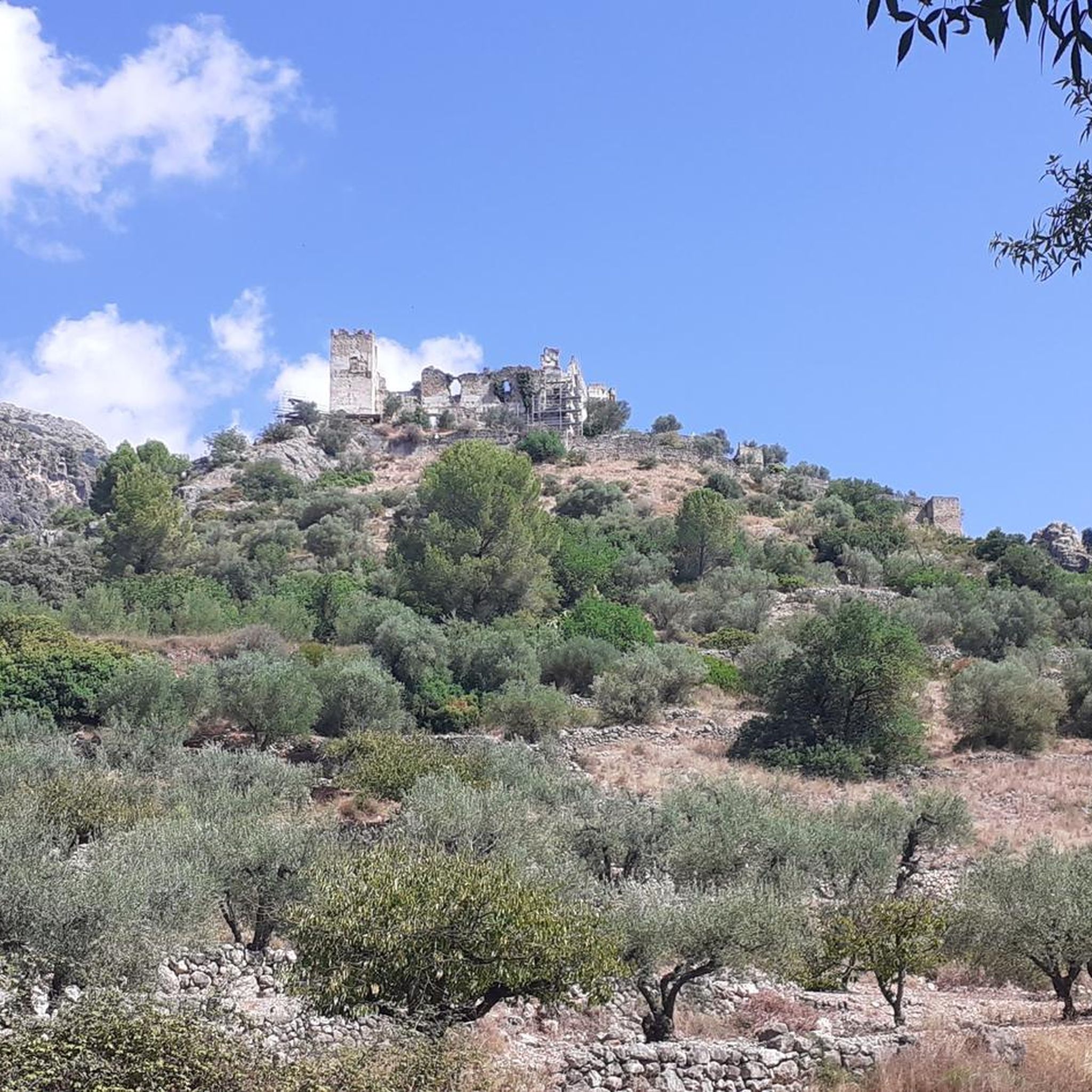
Located in a location with beautiful views, the castle is currently being rehabilitated and cannot be visited.
1
1
This back "terrace" of the castle is a good place to rest, eat and drink.
1
0
The castle of Benissili is historically known as the castle of Alcalà, and this is how it appears in the documents of the time, but it is better known by the name of the castle of Benissili, since this town is the one that is closest to the fortress . The historical function of the castle was to guard and defend the entrance to the Gallinera valley from the interior. This castle follows the normal guidelines of the Muslim castle, with albacar (large courtyard) and celoquia (citadel), but it stands out for its great extension, structural complexity and natural defenses.
2
0

This was the as far as I could get into the Castell as all other points had scaffolding and locked
1
0
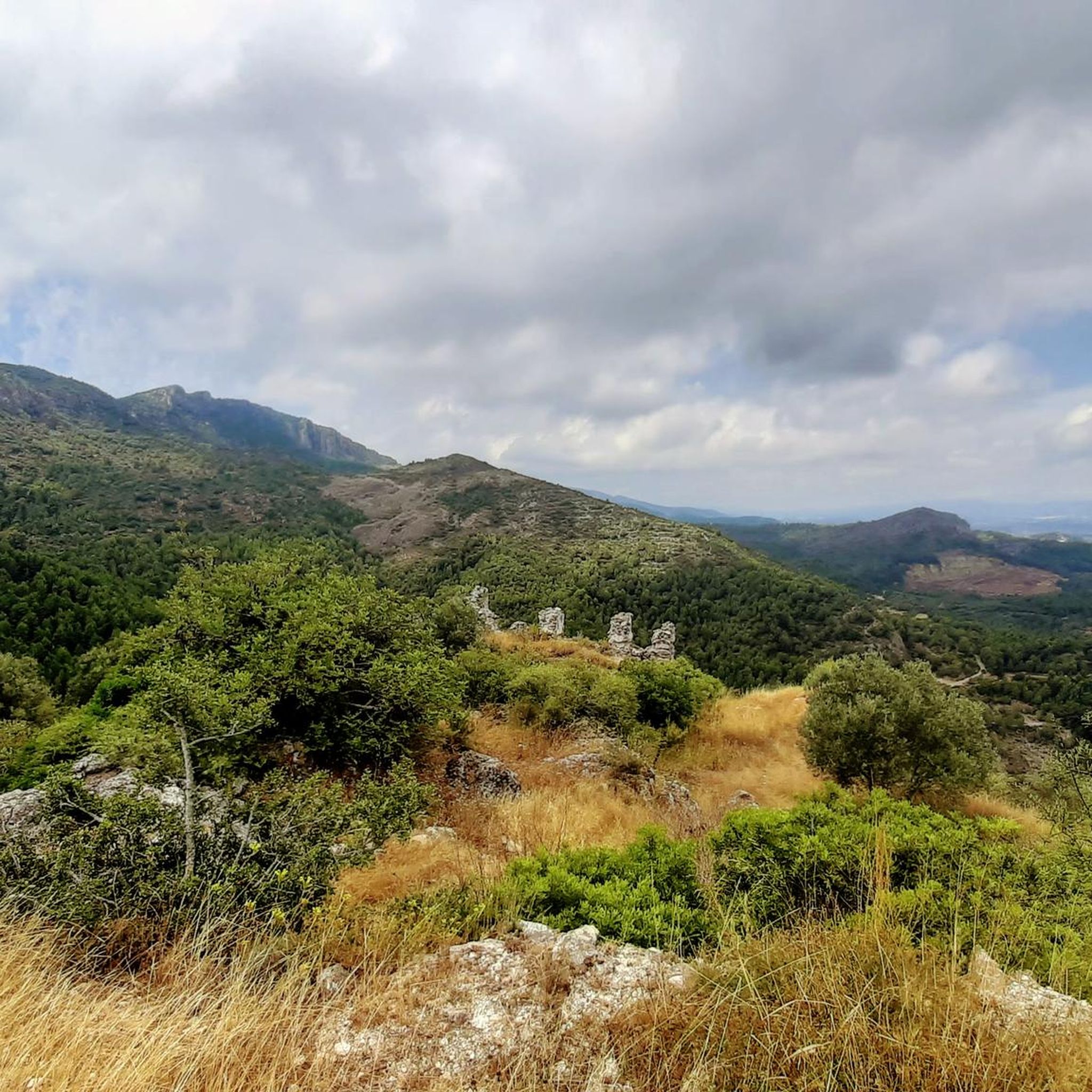
The Castell has a bit of a scramble up into in. Once inside it's heavily overgrown. Very little of the castle can be seen once inside. Some nice views though.
0
0
It is a Baroque urban building built in the second half of the 16th century and remodeled at the end of the 17th century, it is therefore what remains of the original building, the most important architectural heritage element of Ròtova. It is located in the part of the urban center where in the past the town was accessed from the royal road of Xàtiva. Historians say if its original building would not rise on the site occupied by an Arab control tower. Its origin would be an old manor house that covers an entire village block and that still today shows a slender facade on which the noble coat of arms of the family stands out in carved wood. The imperial limestone staircase with a robust column, supporting a canopy made of Arab tiles, also draws attention to the palace. Also pay attention to the pleasant layout of its courtyard enclosed by a battlemented wall, which preserves the tilework of the original 16th century palace. Inside the area of the palace, archaeological excavations have been carried out which have allowed the discovery of ceramic remains dating back to the Iberian era. The building retains some original rooms, being divided into three parts. The external warehouse housed an almássera, the parts of which are now in the Benialí cooperative. Of particular note is the large garden at the back of the palace, of which the remains of the walls that closed the enclosure remain, now partly occupied by the current Passeig del Nou d’Octubre. Since the beginning of 2004, the palace has been the property and heritage of the town of Ròtova, with public use projected with its future restoration that will allow, in addition to the location of the municipal offices, the adaptation of a cultural center with an auditorium and a garden. While the palace is being adapted, the current situation shows a space occupied by the palace has a surface of 1913.06 m2, in which the following spaces can be distinguished: A main building of the 16th-17th century, in the form of "L " with three and one surface per floor of 393.72 m2 and a total surface of 1,181.16 m2 built, which shows masonry walls 60 cm wide, forged with wooden beams and covered with Arabic tiles. In addition to a large access staircase to the main facade, topped with the noble coat of arms of the Comptes de Ròtova. A front access patio of 393.72 m2 with external enclosure formed by a crenellated masonry wall from which access to the garden located in the rear. Back gardens of 742.87 m2, where we will find pine trees. Annex buildings from the beginning of the 20th century, with a floor area of 300.06 m2.
1
0

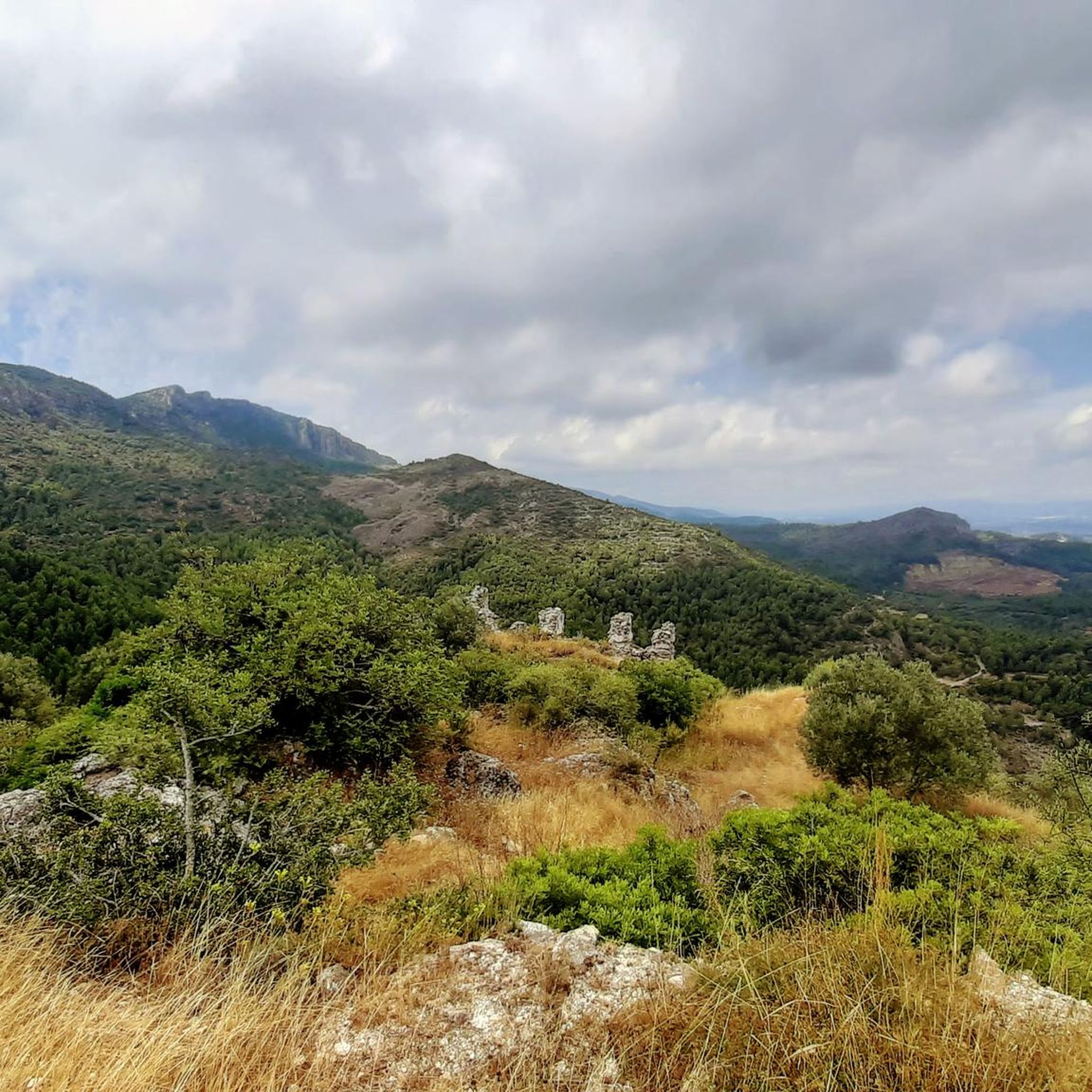
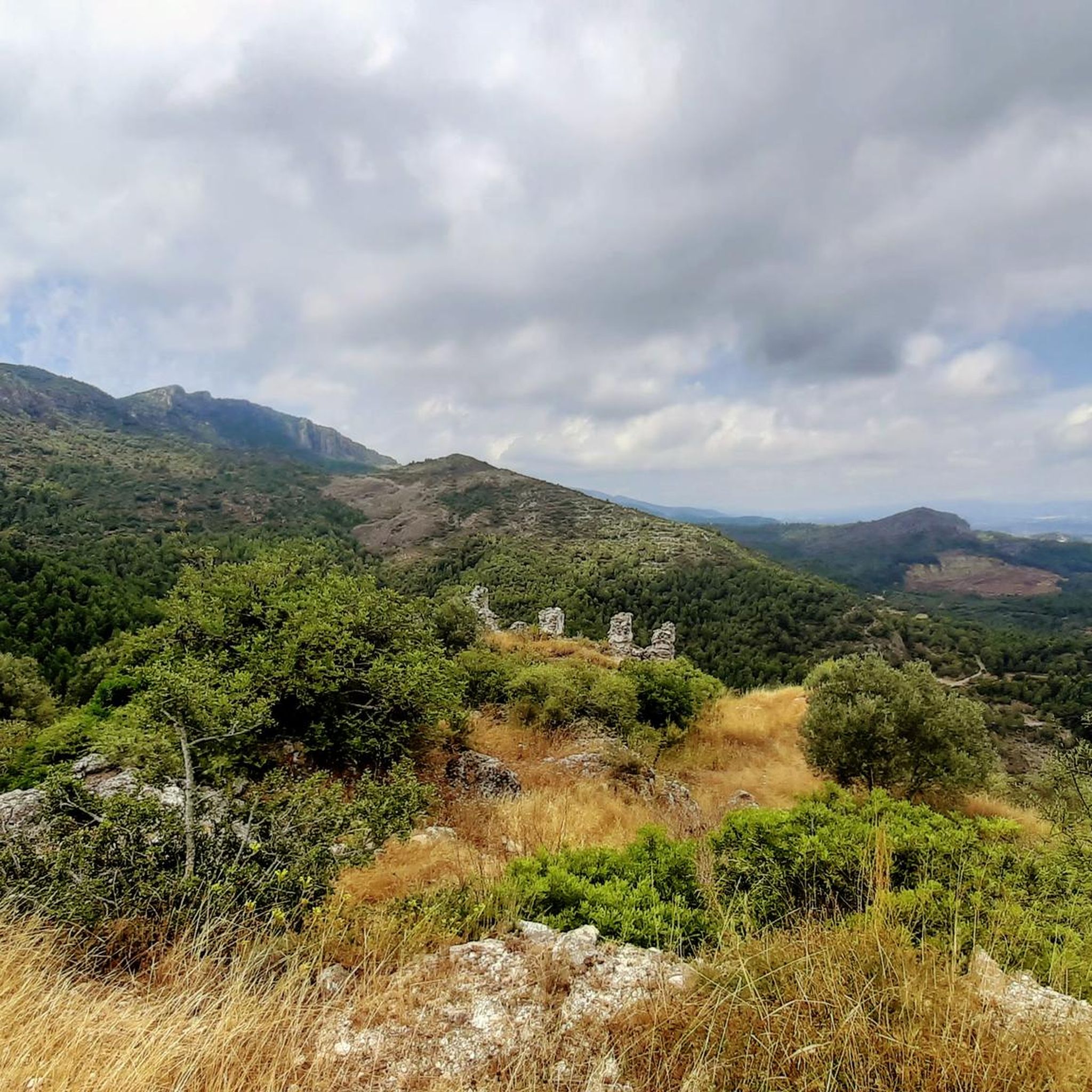
Beautiful old castle ruins.
1
0
Frequently Asked Questions
What types of historical sites can I explore around Rugat?
The Rugat area, particularly Castelló de Rugat, offers a variety of historical sites beyond traditional castles. You can explore ruined fortifications like the Castle of Aielo de Rugat, which provides archaeological insights into medieval military architecture. There are also significant noble residences such as the Old Borja Palace (Palacio Ducal) in Castelló de Rugat, a 14th-century site connected to the influential Borja family. Additionally, the Palace House of the Counts of Ròtova offers a glimpse into Baroque urban architecture and aristocratic life.
Are there any castles with panoramic views in the Rugat region?
Yes, several sites offer excellent panoramic views. The Ermita de San Antonio in Castelló de Rugat, built on the remains of an earlier castle, provides sweeping vistas of the Albaida Valley and surrounding mountains, with Xàtiva castle visible on clear days. The Castell de Benissili also offers spectacular views, being strategically located to guard the entrance to the Gallinera valley. Similarly, the Castle of Aielo de Rugat, despite its ruined state, once crowned a mill and offered stunning views of the valley.
What is the historical significance of the castles and palaces near Rugat?
The historical sites around Rugat are deeply rooted in the region's past. The Old Borja Palace in Castelló de Rugat was a summer residence for the Dukes of Gandia, highlighting the area's aristocratic connections. Fortifications like the Castell de Benissili and Perputxent Castle served as strategic military points, guarding valleys and river courses, often with Muslim origins from the 12th and 13th centuries. The Castle of Aielo de Rugat was destroyed during the 14th-century War of Castile, reflecting periods of conflict.
Can I find family-friendly activities or picnic spots near these historical sites?
Yes, the area around the Ermita de San Antonio in Castelló de Rugat is equipped with picnic facilities, making it a pleasant spot for recreation and enjoying nature after ascending to the hermitage. While specific family-friendly activities at other castle ruins might be limited, exploring the historical remains and enjoying the scenic views can be an engaging experience for families.
Are there hiking trails that incorporate castles or historical sites around Rugat?
Yes, the region offers opportunities for combining hiking with historical exploration. The ascent to the Ermita de San Antonio can be made via a narrow, cobblestone pedestrian street (Calle de L'Ermita), which features the stations of the Via Crucis. Additionally, the Castell del Xiu is nestled within the route of the Route of the Monasteries of Valencia, a monumental route that crosses this castle. For more general hiking options, you can explore Running Trails around Rugat, which include routes like 'Biotop – Penyes Llúcies loop from Rugat'.
What kind of outdoor activities can I do near the castles in the Rugat area?
Beyond exploring the castles themselves, the Rugat area is excellent for various outdoor activities. You can find numerous running trails, including challenging routes like 'Crossing – Benicadell Summit loop from Ráfol de Salem'. For cyclists, there are extensive road cycling routes and general cycling routes, such as the 'Palacio de los Milà y Aragón loop from Castelló de Rugat' or the 'Serpis River – Azud del Infierno or del Forn loop from l'Orxa / Lorcha'.
What is the best time of year to visit the castles and historical sites in Rugat?
The Valencian Community generally enjoys a Mediterranean climate, making spring (April-May) and autumn (September-October) ideal for visiting. During these seasons, the weather is typically mild and pleasant, perfect for exploring outdoor ruins and enjoying panoramic views without the intense heat of summer. Winter can also be a good option for cooler, clearer days, while summer might be very hot for extensive outdoor exploration.
Are there any castles or historical sites that are particularly well-preserved or undergoing restoration?
While many sites are in ruins, the Old Borja Palace (Palacio Ducal) in Castelló de Rugat is notable. Although much of it is divided and in ruins, a part of its façade is preserved, and one section is currently undergoing restoration with hopes of being opened to the public. The Palace House of the Counts of Ròtova, a Baroque building, also retains some original rooms and features, with public use projected after future restoration.
What can I expect to see at the Castle of Aielo de Rugat?
The Castle of Aielo de Rugat, a 12th-century fortification, is largely in ruins, having been destroyed in the 14th century. However, visitors can still distinguish features like arrow slits in some of its remaining walls, which were used for crossbows during wartime. A well-preserved cistern can also be found within what would have been the castle's interior, offering a tangible link to its past.
What do visitors appreciate most about the castles and historical sites around Rugat?
Visitors frequently appreciate the historical context and the stunning views offered by these sites. For instance, the Castell de Benissili is noted for its spectacular views and its role as a strategic defense point. The Castle of Aielo de Rugat is valued for its ancient ruins and the insight it provides into medieval military architecture. The komoot community has shared over 45 photos and given more than 15 upvotes, highlighting the visual appeal and historical interest of the area.
Are there any castles in the region that are part of a larger historical or cultural route?
Yes, the Castell del Xiu, a 12th-century military defensive construction, is located within the Route of the Monasteries of Valencia. This monumental route, inaugurated in 2008, passes through the castle on its way to the Monastery of Corpus Christi, offering a combined experience of historical fortifications and religious heritage.
Most popular attractions around Rugat

Get inspired with the komoot mobile app


Explore more
Looking for the best castles somewhere else? Discover other guides around Rugat:
