The 6 Most Amazing Peaks around Órgiva
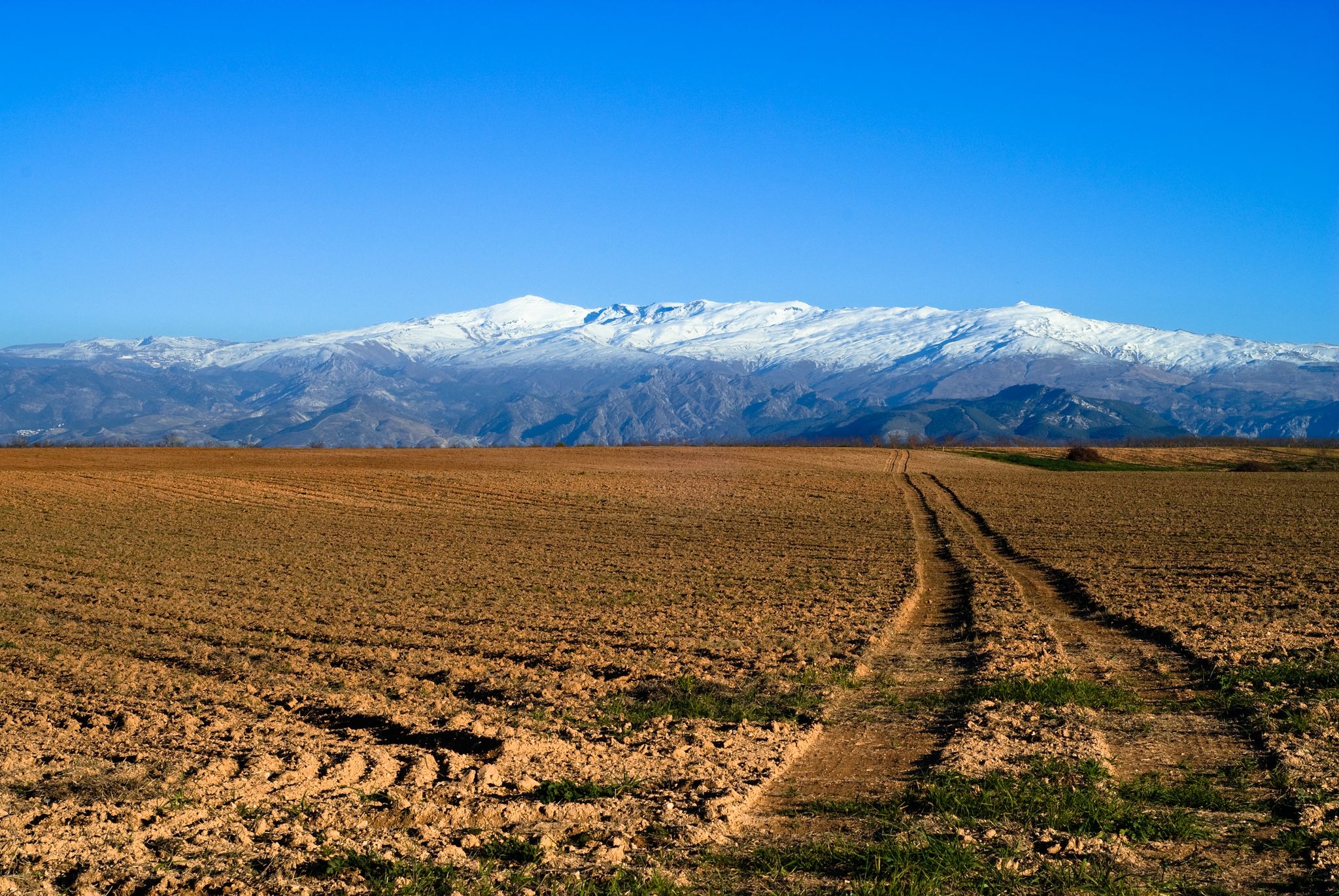
Mountain peaks around Órgiva are situated in the heart of the Alpujarras region in Andalusia, Spain. The area is surrounded by the Sierra Nevada to the north and the Sierra Lújar to the south, both featuring peaks exceeding 2,000 meters. This geographic setting provides diverse experiences for hikers and nature enthusiasts. The region is characterized by impressive mountain ranges and a rich natural landscape.
Best mountain peaks around Órgiva
- The most popular mountain peaks is Mecina Fondales, a settlement and summit that is a small village perfect for those seeking tranquility. It is known for its tranquil atmosphere and trails connecting to other villages in the La Taha region.
- Another must-see spot is Ermita Cristo del Zapato, a religious building and viewpoint. Visitors can expect a short but steep route leading to magnificent views from the top.
- Visitors also love Prado Llano Summit Marker, an intermediate summit and natural monument. It offers an alternative route to the Poqueira refuge, providing a less crowded experience.
- Órgiva is known for diverse mountain peaks, including high summits, historical sites, and viewpoints. The region offers a variety of experiences, from challenging ascents to tranquil village trails and panoramic coastal views.
- The mountain peaks around Órgiva are appreciated by the komoot community, with 55 upvotes and 23 photos shared by visitors.
Last updated: October 6, 2026
Mecina Fondales
Highlight • Settlement
The town hides several trails that take you to visit the rest of the towns in the La Taha region.
Translated by Google •
Tip by

Ermita Cristo del Zapato
Highlight • Religious Site
Translated by Google •
Tip by

Sign up now to discover places like this
Get recommendations on the best single tracks, peaks, & plenty of other exciting outdoor places.
Prado Llano Summit Marker
Highlight • Summit
Translated by Google •
Tip by

Cerro del Caballo
Highlight • Summit
Translated by Google •
Tip by
Pico del Águila
Highlight • Summit
Translated by Google •
Tip by

Sign up for free to discover even more peaks around Órgiva.
Already have an account?
Start today with a free account
Your next adventure awaits.
Popular around Órgiva
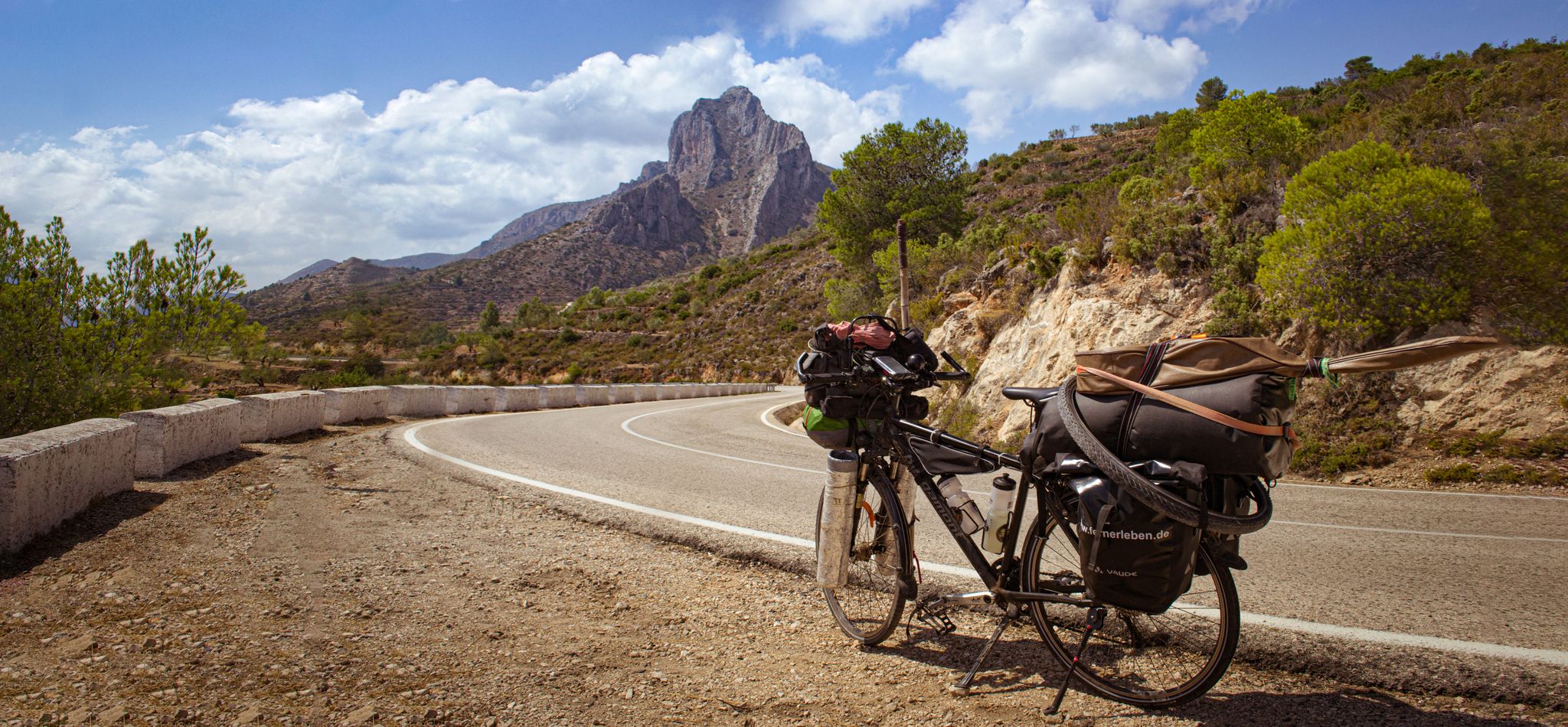
On the road to the sun — bikepacking to southeast Spain
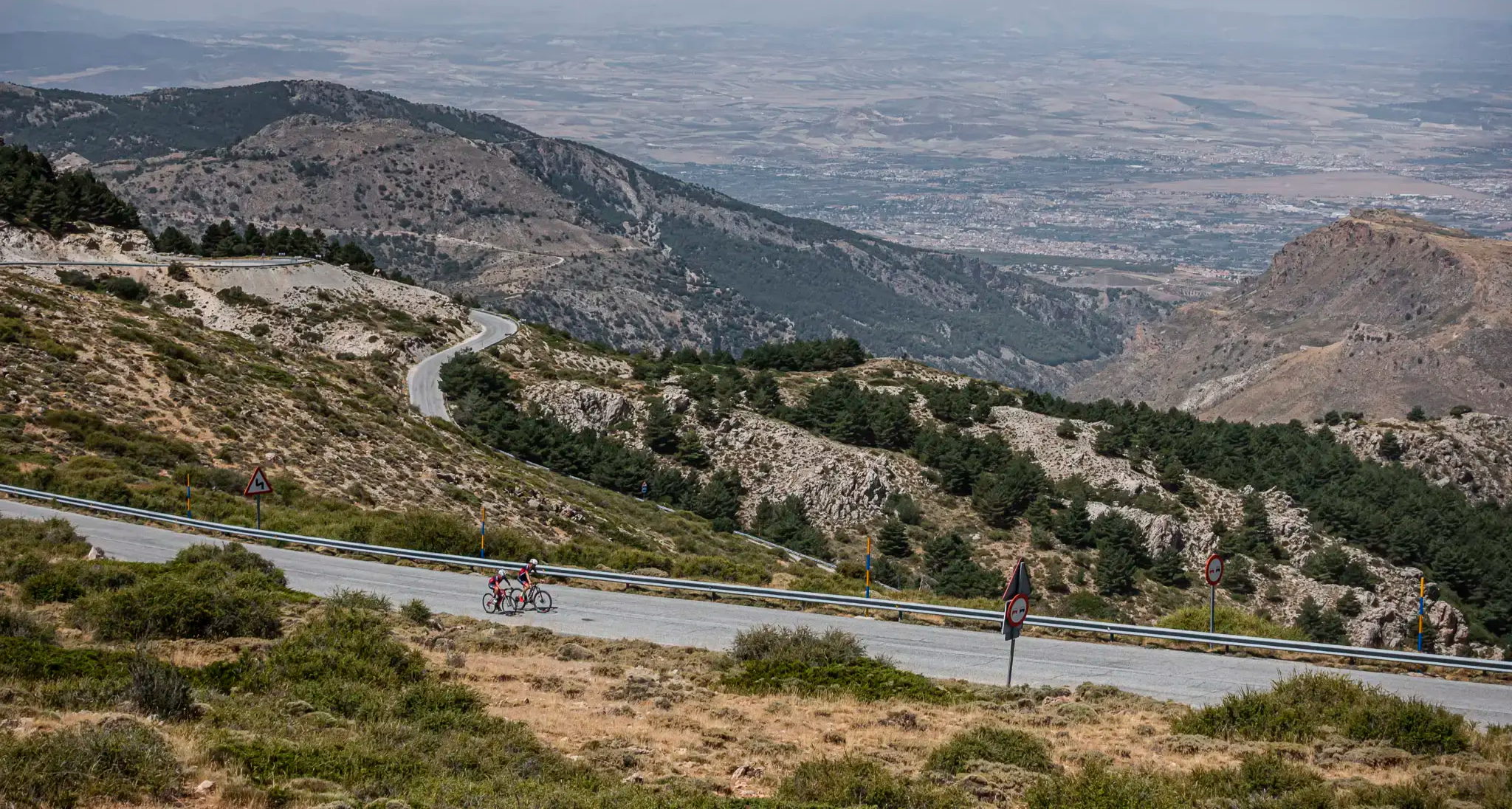
The challenge of the south - Routes through Sierra Nevada
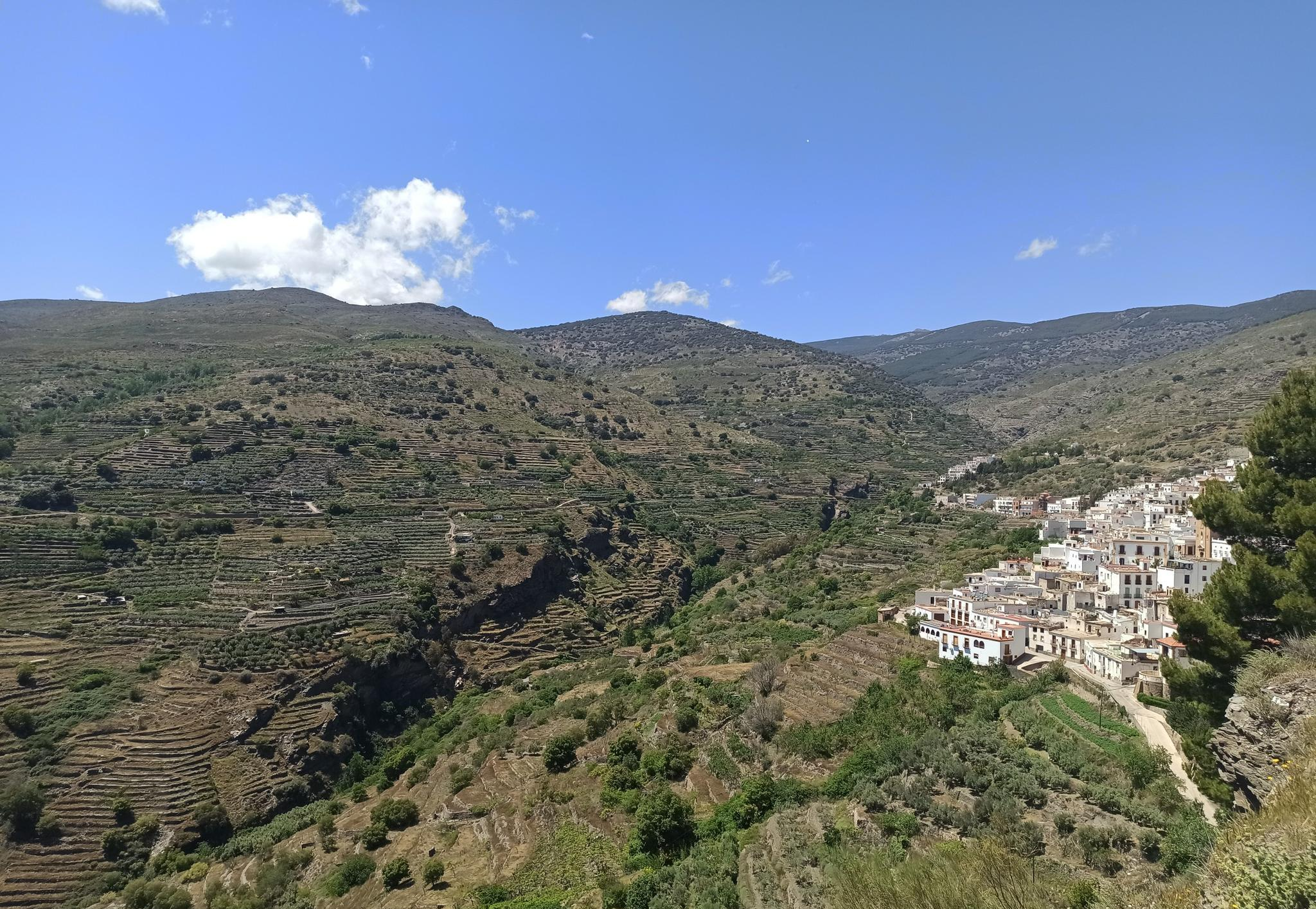
Among white villages - Path of the Alpujarra (GR 142)
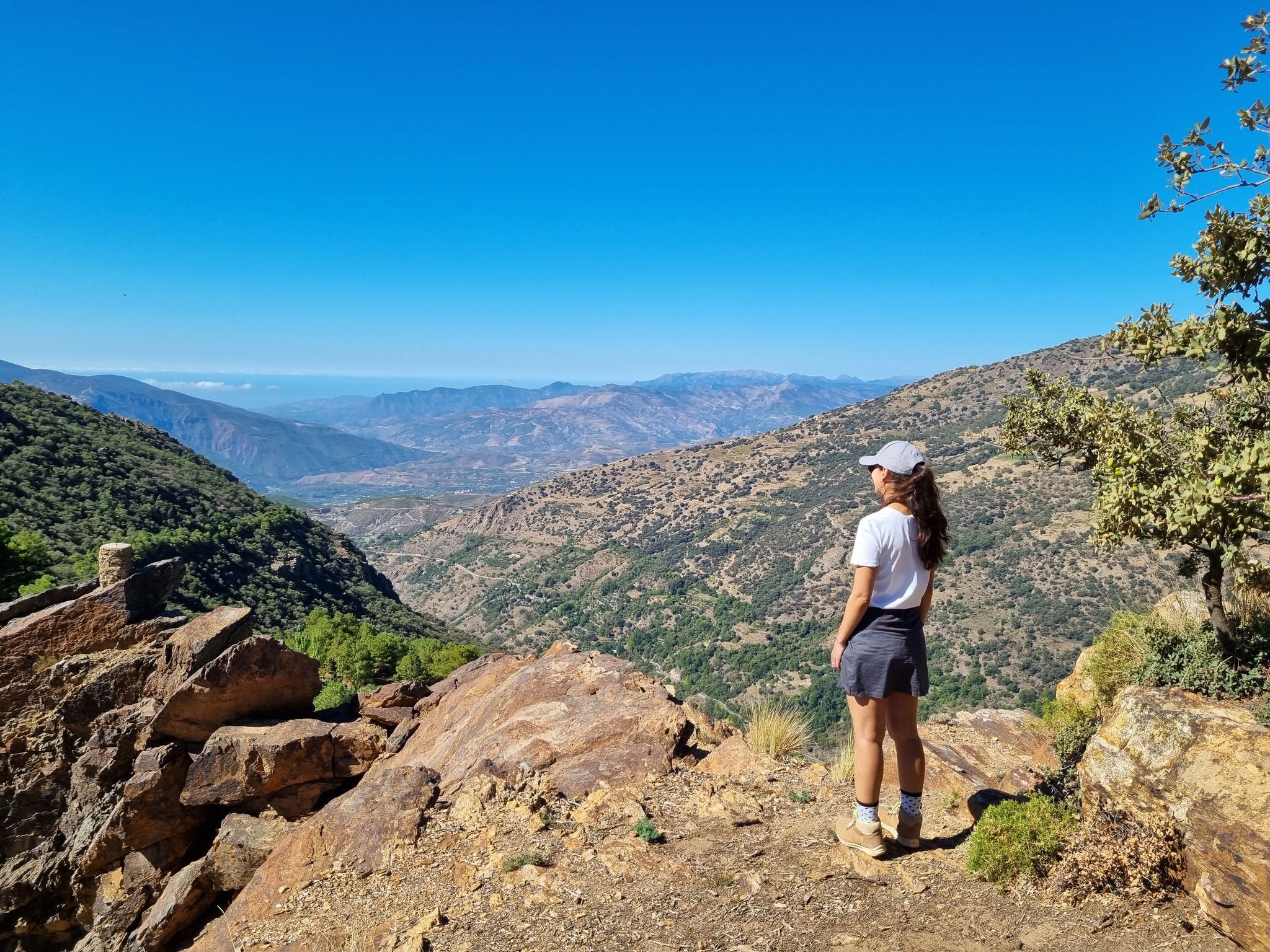
Lanjarón to Trevélez – five days in the Alpujarra of Granada
From the Alcazaba to the Alcazar – an Andalusian Adventure
Hiking around Órgiva
MTB Trails around Órgiva
Road Cycling Routes around Órgiva
Cycling around Órgiva

Gravel biking around Órgiva
Other adventures around Órgiva


Tips from the Community

Beautiful views. The place is accessed by a constant climb. The most direct way to access it is by leaving by car at the sports courts that are located next to the road in the highest part of the town.
1
0

Although it is somewhat larger than neighboring Mecinilla and Fondales, Mecina is still a small village perfect for those seeking tranquility. The town hides several trails that take you to visit the rest of the towns in the La Taha region.
2
1

Rockroses, male rosemary, torvizco shrubs, junipers, small olive trees, wild olive trees, thyme, broom, espartal grass and many other species typical of a coastal ecosystem, which receives a high level of humidity, with real surprises among its most characteristic species. This is the case of Teucrium rixanense, whose name refers to the Rijana and is considered an endemic species of this small territory, where it is also possible to find Mediterranean orchids, some of them very rare.
1
0
Going up to the Águila peak is one of the most attractive and easy routes that can be done on the eastern coast of Granada, since it combines landscape, with impressive views of both the marine strip and the interior, with the Lújar and Contraviesa mountains, and They show a sequence of ecosystems that are part of the purest thermo-Mediterranean and Mesomediterranean bioclimatic floor in the highest areas. From the road between Gualchos and El Conjuro, a little more than two kilometers away, there is a lane that connects directly with the trails to the highest peak on the Granada coast. Only 1.5 kilometers that show slopes cultivated with almond trees and areas of esparto trees where the original ecosystem degraded by the passage of time and climate emerges. After the lane, the path continues towards an old disused shooting range, a point where the calar begins, an ecosystem of limestone rocks and marble that becomes karstic towards the highest point of the Águila summit.
1
0
The osprey was habitual on the cliffs located between Calahonda and Castell de Ferro and its flights over the sea and the summits of the surrounding hills gave its name to the highest of the watchtowers that dominate the coast, the Pico del Águila, located on the town of Gualchos, a hill that rises between two ravines that flow into Rijana and Rijanilla, two anchorages used since the dawn of navigation and especially by the Romans and the first Umayyads to arrive on the Peninsula. The peak is the great vantage point from which you can see the entire eastern coastline of Granada and the rocky cliffs and cliffs that plunge down to the Calahonda and Carchuna delta, a karstic area, a cove of rocks sharpened by the wind, which They generate a peak on the ridged orography of the hill. settlers It is a territory in which the last Roman settlers of the coast of Granada sought refuge, forgotten by Rome at the time of the fall of the Empire.
1
0
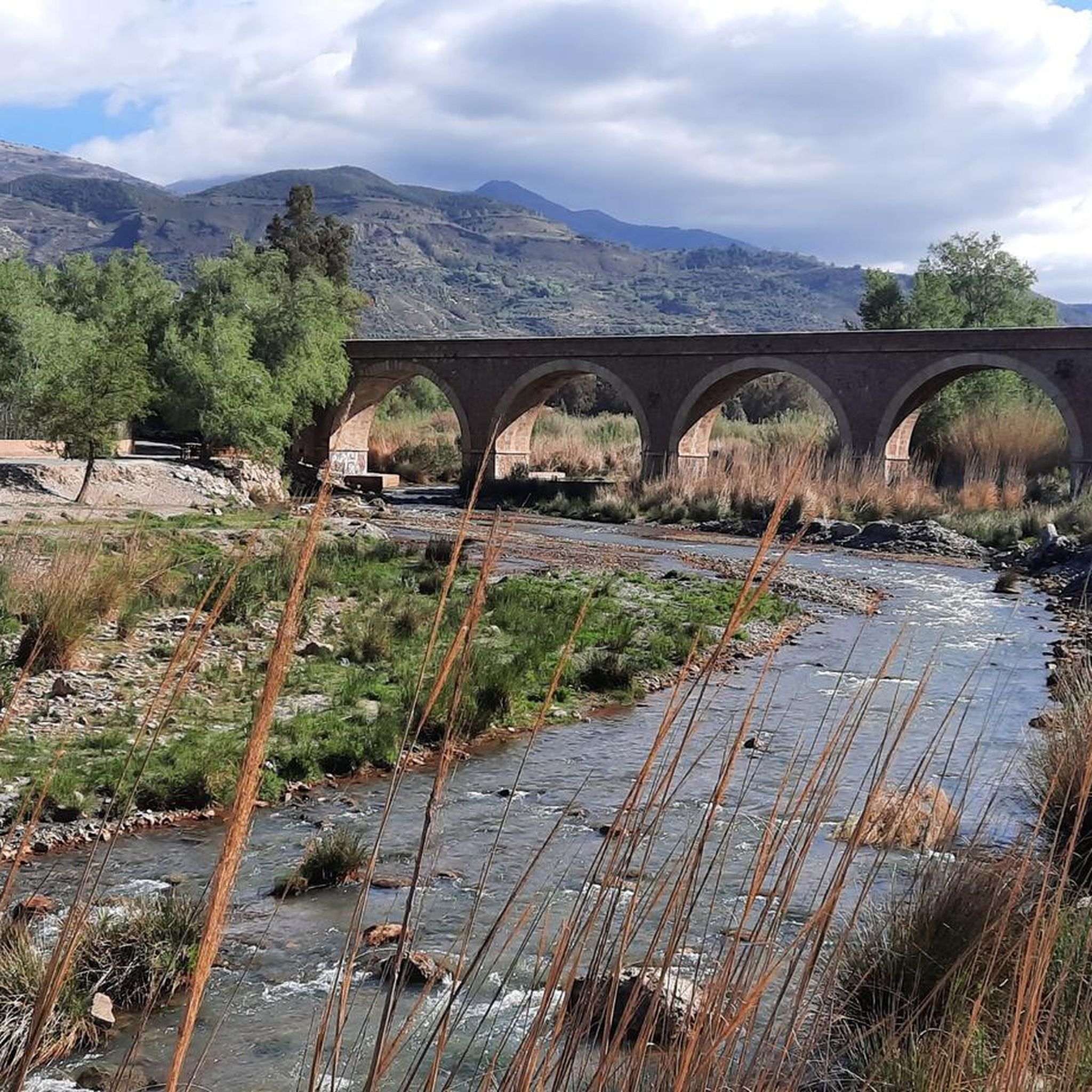
A hiking route through the town of Medina fondales, we left the car on the road next to said town and began to go down towards an old mill located on an old Roman bridge over the Trevelez river, a fabulous descent through a small boulevard that in some times It must carry a lot of water, we can see the bridge and what remains of the mill and we go back up where we came down from this same bridge. If we wanted, we could get to Orgiva to the right and to the left to the portichuelo de castaras. the slips.
2
0
Pico de el Águila, the point from which you can see a 360° panoramic view of the horizon and on clear days we can appreciate the Moroccan coast.
1
0
Frequently Asked Questions
What are some of the most rewarding mountain peaks to visit around Órgiva?
The region offers a variety of rewarding peaks. For panoramic views, consider the demanding climb to Antenas de Lújar, which provides 360º vistas of the Granada mountains and the Mediterranean coast. Ermita Cristo del Zapato also offers magnificent views from its summit after a short, steep route. For a tranquil experience, the settlement of Mecina Fondales provides trails connecting to other charming villages.
Are there challenging mountain climbs around Órgiva?
Yes, for those seeking a challenge, the ascent to Antenas de Lújar in the Sierra Lújar is described as demanding, but it rewards climbers with magnificent 360º views. The Cáñar Climb, while not a peak itself, features numerous hairpins and steep sections with an average gradient of 7%, offering a challenging ascent reminiscent of famous European mountain passes.
Are there any beginner-friendly mountain peaks or walks near Órgiva?
While many peaks offer challenging routes, the climb to Pico del Águila is noted for its accessible routes on the eastern coast of Granada, combining diverse landscapes with impressive views. For a more relaxed experience, the village of Mecina Fondales offers tranquil trails connecting to other villages in the La Taha region.
What kind of views can I expect from the mountain peaks around Órgiva?
The mountain peaks around Órgiva offer diverse and stunning views. From Antenas de Lújar, you can enjoy 360º panoramic views of the Granada mountains and the Mediterranean coast. Pico del Águila provides views of both the marine strip and the interior, including the Lújar and Contraviesa mountains, and on clear days, even the Moroccan coast. Ermita Cristo del Zapato also offers magnificent vistas from its elevated position.
Do any mountain peaks near Órgiva offer historical insights?
Yes, the Sendero Minero (Miner's Path) in the Sierra de Lújar ascends into the mountains, following the historical route of miners. Along this path, you can find remnants of iron-ore mines that closed in 1929, including settlements, wells, and mining cable remains. Pico del Águila is also a historical site, having served as a great vantage point for coastal observation and a refuge for Roman settlers.
When is the best time of year to visit the mountain peaks around Órgiva?
The region offers different experiences depending on the season. The Sierra Nevada mountains are known for world-class skiing and snowboarding during winter. During other seasons, particularly spring and autumn, the weather is ideal for hiking, mountain biking, and bird-watching. Summer can be hot, making early morning or late afternoon hikes preferable, while winter can bring snow to higher elevations like Antenas de Lújar, requiring suitable gear.
What outdoor activities can I do near the mountain peaks around Órgiva?
Beyond peak climbing, the area around Órgiva is excellent for various outdoor activities. You can find numerous hiking trails, including those around Órgiva itself, offering routes like the Río Guadalfeo loop. Gravel biking is also popular, with routes such as the Fuente de Vélez de Benaudalla loop. For runners, there are several running trails around Órgiva, including moderate to difficult loops.
Are there family-friendly mountain peaks or walks around Órgiva?
Yes, the area offers options suitable for families. The village of Mecina Fondales is categorized as family-friendly and provides tranquil trails connecting to other villages. While some climbs are steep, many routes can be adapted for families, especially those exploring the lower slopes and traditional Alpujarran villages.
What do visitors enjoy the most about the mountain peaks around Órgiva?
Visitors frequently highlight the stunning panoramic views, especially from peaks like Antenas de Lújar and Ermita Cristo del Zapato. The tranquility of places like Mecina Fondales and the less crowded alternative routes, such as passing through Prado Llano Summit Marker, are also highly appreciated. The blend of natural beauty, challenging ascents, and historical insights makes the region a favorite.
Can I find less crowded mountain trails near Órgiva?
Yes, if you wish to avoid more frequented paths, passing through Prado Llano Summit Marker offers a good way to access the Poqueira refuge with a less crowded experience. Exploring the trails around smaller villages like Mecina Fondales can also provide a more tranquil hiking experience.
Are there options for long-distance hiking near Órgiva?
Yes, the GR-7, a long-distance trail, passes through the Alpujarras region, connecting charming white villages. This offers opportunities for multi-day hikes and exploring the diverse landscapes and cultural heritage of the area around Órgiva.
Most popular attractions around Órgiva

Get inspired with the komoot mobile app


Explore more
See even more amazing summits around Órgiva with these guides:
