Top 4 Lakes around Pontons
Best lakes around Pontons are found within the Alt Penedès region of Catalonia, where the landscape is characterized by vineyards, forests, and historic farmhouses. While Pontons itself does not host large natural lakes, the surrounding area offers several notable aquatic environments. These include artificial reservoirs and natural pools formed by geological features, providing diverse natural settings. The region's hydrology is influenced by rivers like the Foix, which has connections to the Pontons Stream.
Best lakes around Pontons
- The most popular…
Last updated: June 19, 2026
Gran Pèlag of Vilobí del Penedès
Highlight • Lake
Translated by Google •
Tip by

Les Deus Fountains
Highlight • Natural Monument
Translated by Google •
Tip by

Sign up now to discover places like this
Get recommendations on the best single tracks, peaks, & plenty of other exciting outdoor places.
Sign up for free
View of the Largest Lake in Parc dels Talls
Highlight • Viewpoint
Translated by Google •
Tip by

Aiguaviva
Highlight • Settlement
Translated by Google •
Tip by

Formigosa Lake
Highlight • Lake
Translated by Google •
Tip by

Sign up for free to discover even more lakes around Pontons.
Sign up for free
Already have an account?
Start today with a free account
Your next adventure awaits.
Login or Signup

Tips from the Community

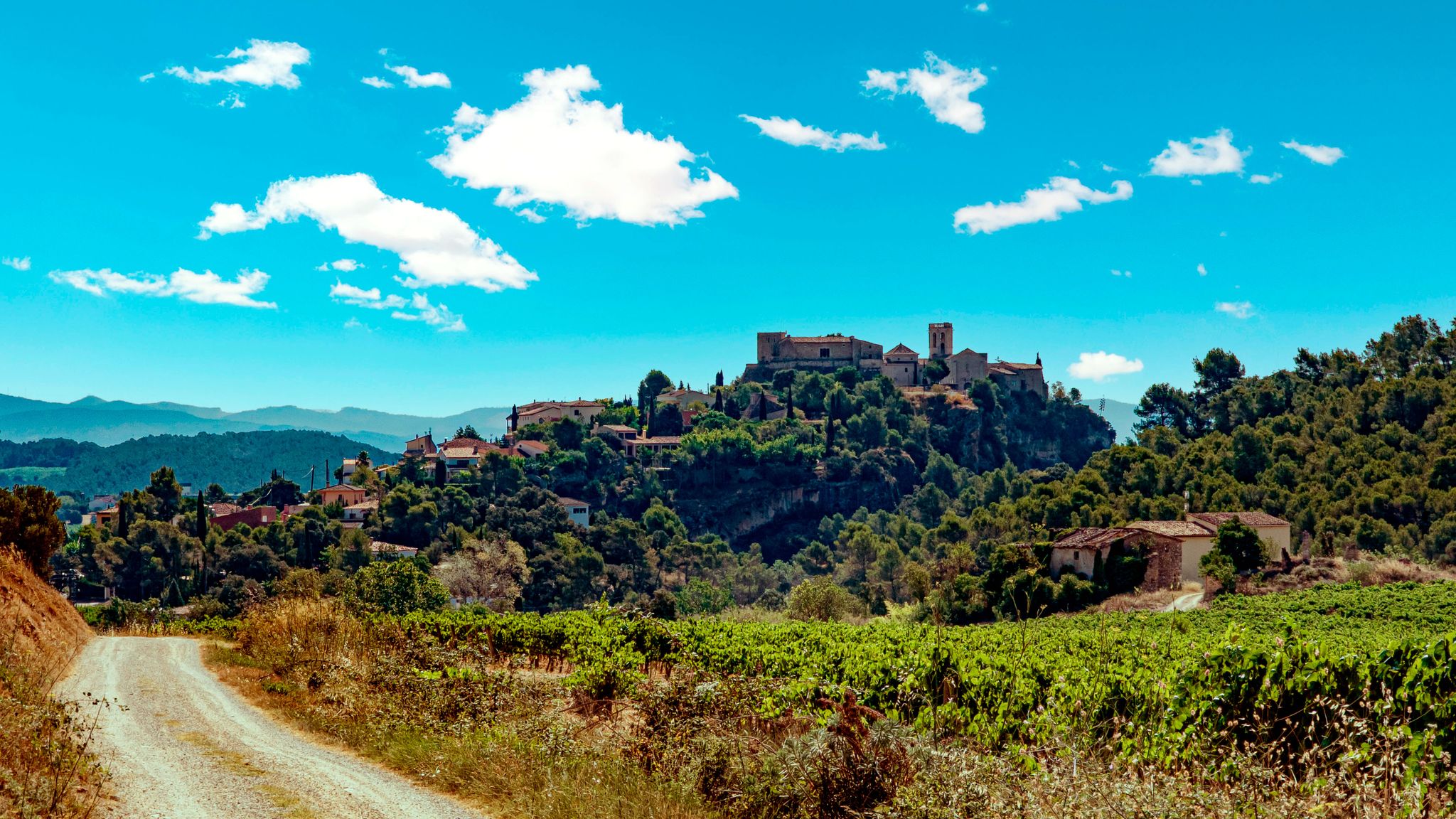
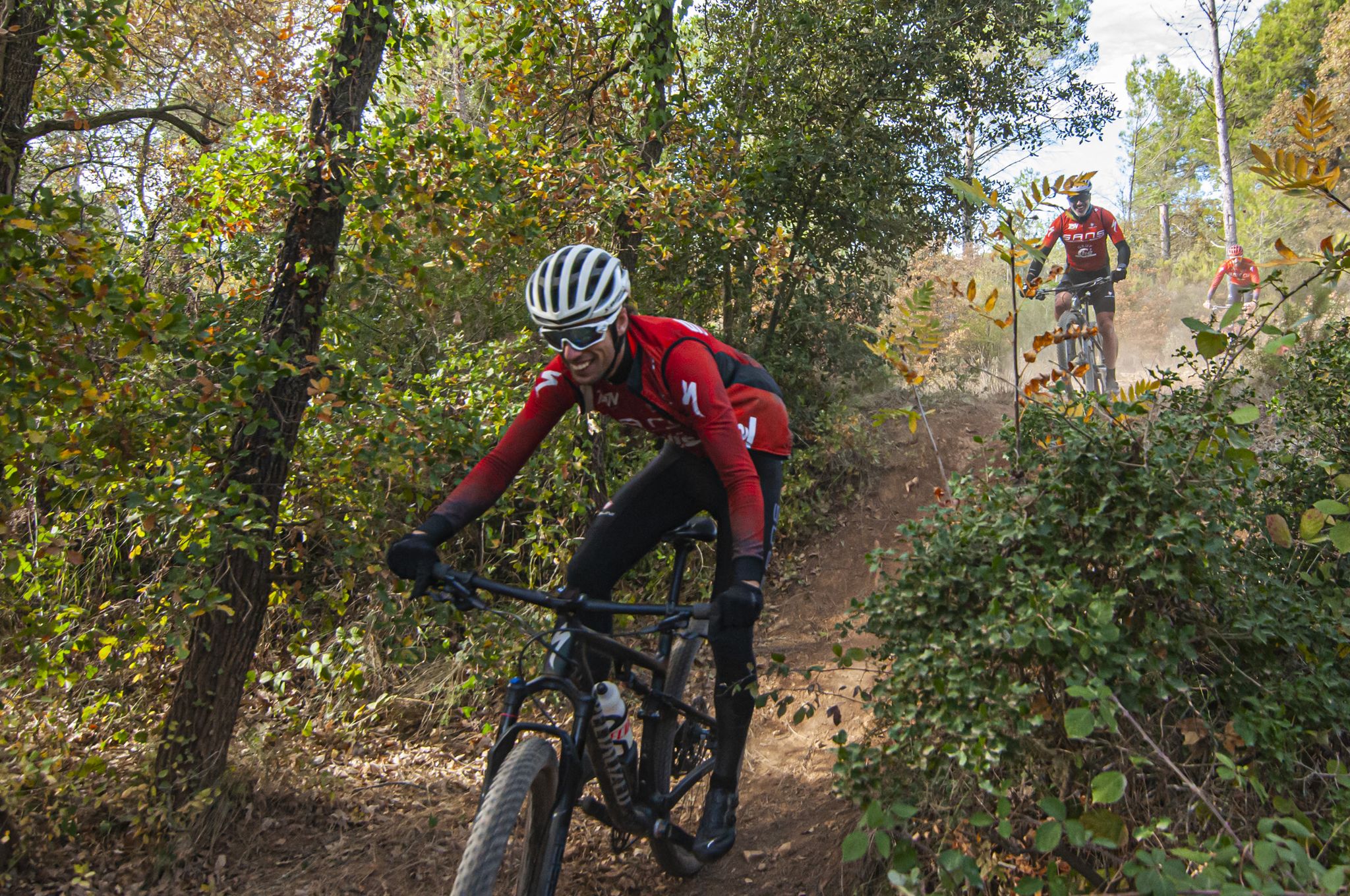
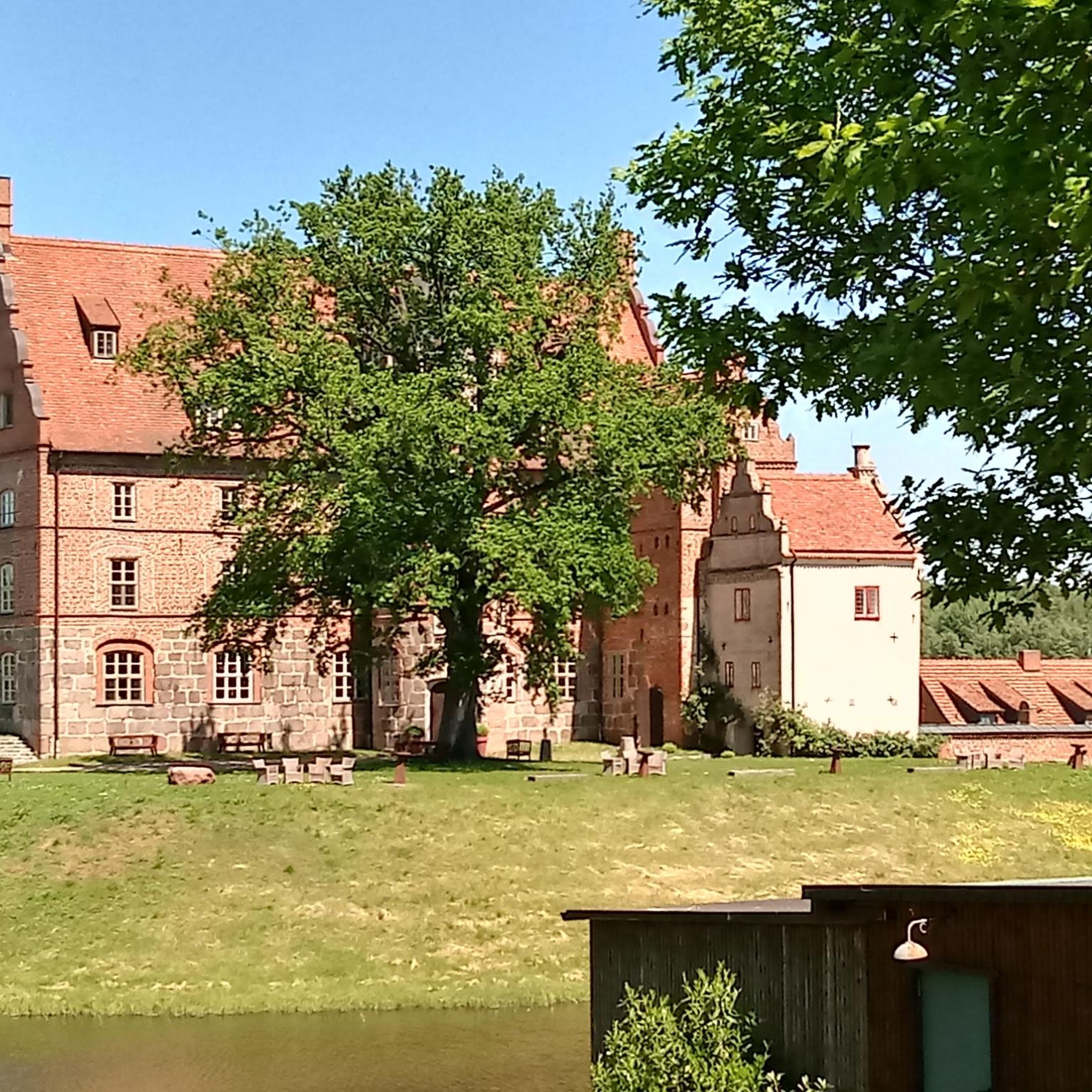
The Bassa d’Aiguaviva, next to the Casa Gran in the town, is a small artificial pond that was once used to collect water and give life to the orchards and the village. Today it is a meeting point and refuge for ducks, a quiet corner that preserves the rural charm of other times. It is historically linked to the Casa Gran, which probably managed it, and is part of this everyday heritage that explains how people lived and took advantage of each resource in Montmell. Getting there by MTB is a good excuse to stop for a moment, breathe calmly and enjoy a different image: the old stone of the village reflected in the water and the ducks swimming, a pleasant contrast before pedaling again along the paths and tracks of the mountain range.
0
0
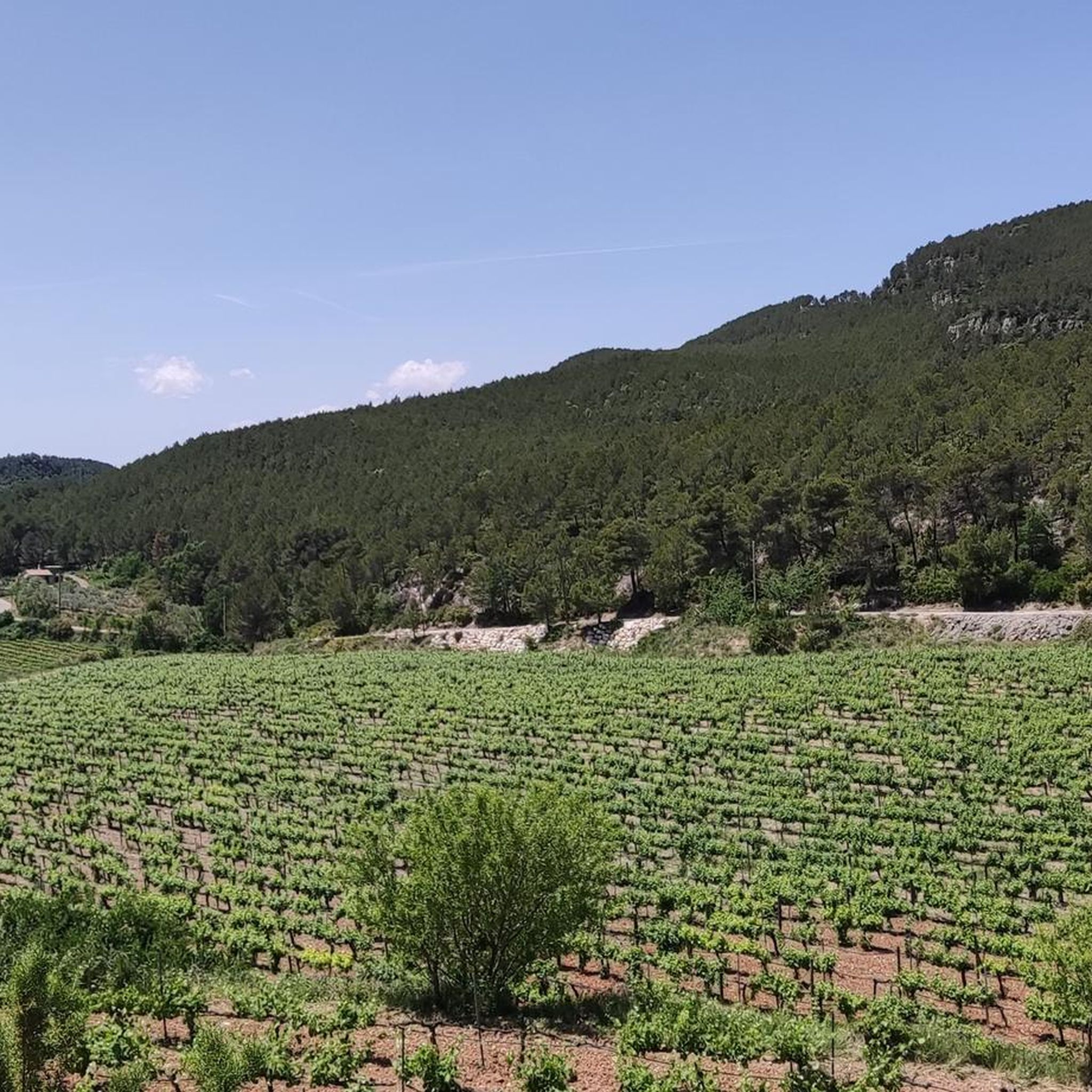
Aiguaviva, in the Montmell district, is a small village and at the same time a natural setting surrounded by vineyards, forests and old farmhouses. The town retains a peaceful rural atmosphere, with narrow streets, stone houses and the church of Sant Pere as its central point. On a MTB, getting to Aiguaviva means pedaling along dirt tracks and paths that alternate between demanding climbs and rapid descents between pine forests and farmland. It is a good place to stop, regain strength and enjoy the calm of a place where time seems to have stood still. In addition, paths leave from here that connect to other corners of Montmell, ideal for linking routes and discovering the mountain range from within.
0
0

Les Deus is a natural site of Sant Quintí de Medionai is a space where there are 23 sources of water in a beautiful area to take a break.
0
0

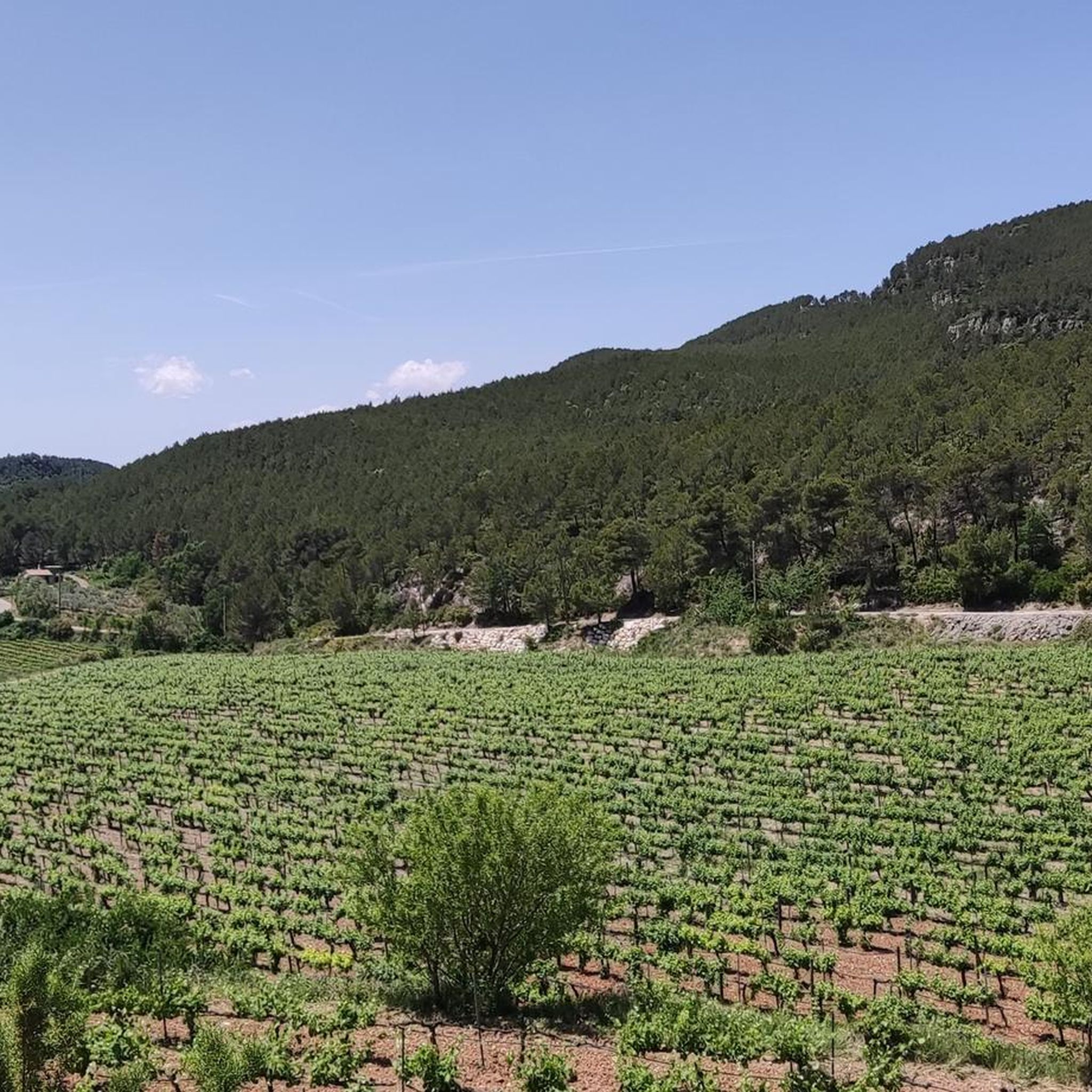
Lake Formigosa is located in the municipality of Querlo, gate of the New Houses of Formigosa and the Clota Fountain.
2
0

A natural area where you can enjoy lakes, pools, caves and waterfalls. Les Deus are a series of 23 fountains in a row - the water comes from a main source of the Carme Capellades aquifer. In high season, people take advantage of the lakes as a bathing area. On the highest part there is a restaurant and a bar with views and below there is a picnic area. There is also an adventure park where there is via ferrata etc.
1
0

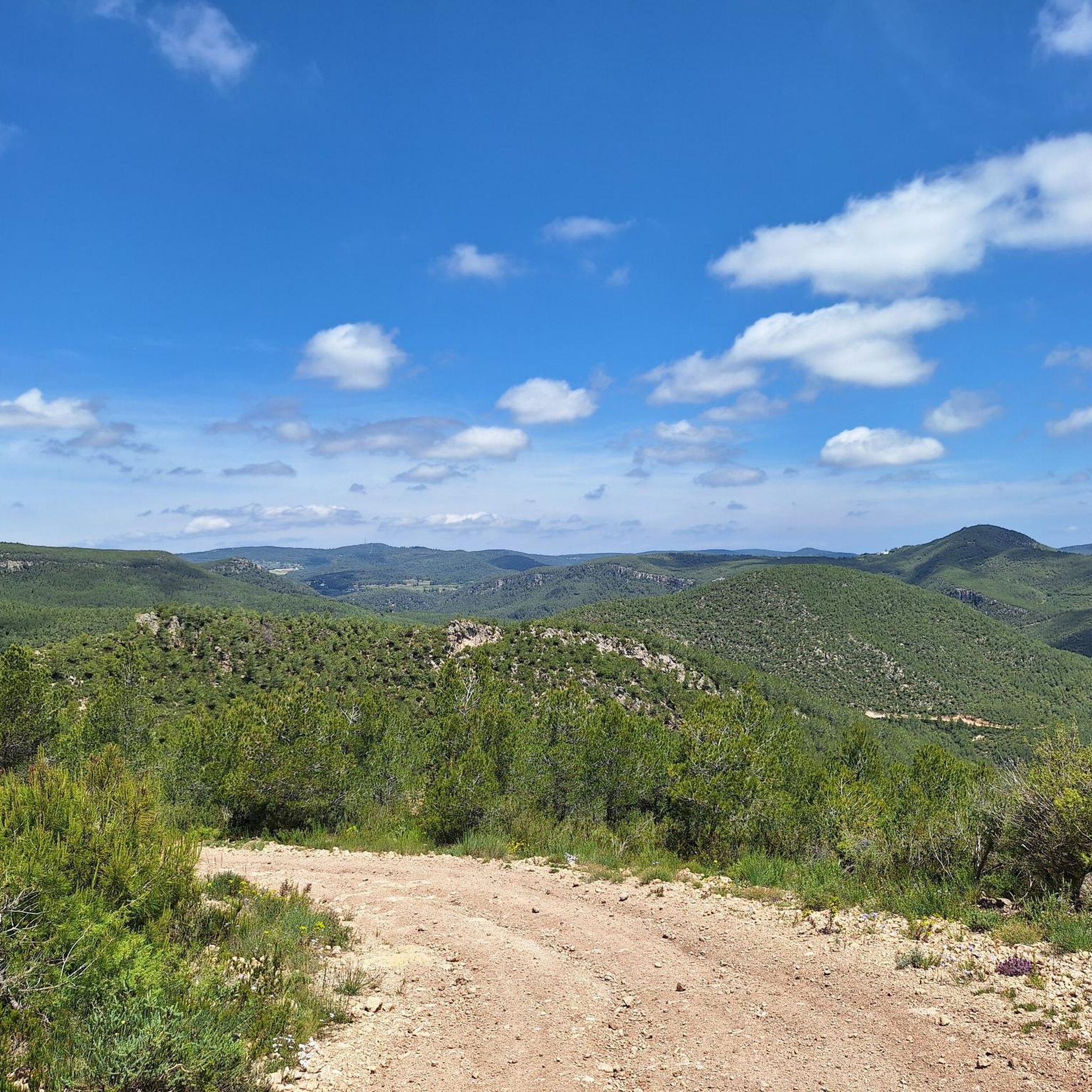
From this viewpoint we can see the largest lake in the Parc dels Talls. These lakes, known as "pèlags", have been formed by the phreatic flooding of old gypsum quarries, in an example of the renaturalization and recovery of a mining area. The area is very rich in diversity of flora and fauna.
1
0

The Pèlags of Vilobí del Penedès are a small natural place in Vilobí del Penedès, in the Alt Penedès region. This space is made up of the old gypsum quarries on the Vilobí hill. It is of great scenic beauty and great ecological and geological value. This is a very peculiar area, a wetland with the presence of many species of birds, including several protected. The Pèlags de Vilobí have the interesting feature that four different environmental spaces come together in the same area: rock, forestry, agriculture and water. [ The pelagics - also called the cuttings - appeared as a result of the gypsum extraction activity that dates back to Roman times and has been typical of Vilobí until 1993. Since it stopped being extracted stone, a natural space has been formed consisting of four pelagics. The concentration of runoff water has given rise to its characteristic crescent shape and the particular ecosystem that has developed in the environment. It has very interesting and very peculiar landscapes such as the quarries themselves, and a very peculiar fauna and flora. This microecosystem formed by the Vilobí pelagics contrasts sharply with the wine landscape of the Alt Penedès region. Wikiloc dixit
1
0

The "pelags" -also called the talls- appeared as a result of the gypsum extractive activity that dates back to Roman times and that has been typical of Vilobí until 1993. Since the extraction of stone, a natural space made up of four lagoons. The concentration of runoff water has originated its characteristic crescent shape and the particular ecosystem that has developed in the environment. It has different very interesting and very peculiar landscapes such as the quarries themselves, and very peculiar fauna and flora. This microecosystem formed by the "pelags" of Vilobí contrasts strongly with the wine-growing landscape of the Alt Penedès region.
1
0
Frequently Asked Questions
What are the most popular lakes and water bodies around Pontons?
The most popular water bodies in the region include the unique Gran Pèlag of Vilobí del Penedès, which formed from old gypsum quarries, and Les Deus Fountains, known for its natural pools and waterfalls. Visitors also enjoy Formigosa Lake, located near the New Houses of Formigosa.
Are there family-friendly activities available at the lakes near Pontons?
Yes, several spots are great for families. Les Deus Fountains offers natural pools for bathing, a picnic area, and an adventure park with activities like via ferrata. The Gran Pèlag of Vilobí del Penedès is also considered family-friendly, offering a unique natural environment for exploration.
What kind of natural features and wildlife can I expect to see at the lakes?
The region's lakes offer diverse natural features. The Gran Pèlag of Vilobí del Penedès is a wetland with a unique ecosystem, home to many bird species. The Foix Reservoir, though artificial, is an ecological reserve known for birdwatching, with species like teal and mallards. Les Deus Fountains features natural pools, caves, and waterfalls fed by an aquifer.
Are there opportunities for swimming in the lakes near Pontons?
Yes, Les Deus Fountains in Sant Quintí de Mediona is a popular spot for bathing in its natural pools, especially during high season. While the Foix Reservoir is primarily for nature observation, the natural pools at Les Deus are ideal for a refreshing dip.
What kind of walking or hiking trails are available around the lakes?
You can find various walking and hiking trails in the vicinity. For example, there are easy to moderate routes like the 'Camí les Dous, Sant Genís, Torrelles de Foix – Circular Route' or the 'Sanctuary of Foix and Pèlags del Foix Loop'. You can explore more options and their difficulty levels on the Hiking around Pontons guide.
When is the best time of year to visit the lakes near Pontons?
The region experiences dry summers, so spring and autumn are often ideal for visiting, offering pleasant temperatures for walking and exploring. If you plan to swim at Les Deus Fountains, the summer months are popular, but be prepared for more visitors.
Are there any historical or cultural landmarks near the lakes?
Yes, the Foix Reservoir, located near Castellet i la Gornal, offers picturesque views with the historic Castellet Castle overlooking the marsh. This provides a blend of natural beauty and historical context to your visit.
What makes the Gran Pèlag of Vilobí del Penedès unique?
The Gran Pèlag of Vilobí del Penedès is unique because it formed from old gypsum quarries, a result of extractive activity dating back to Roman times. This has created four crescent-shaped lagoons with a distinct ecosystem, contrasting sharply with the surrounding wine-growing landscape of Alt Penedès.
What is the Foix Reservoir, and what can I do there?
The Foix Reservoir is an artificial lake in the nearby municipality of Castellet i la Gornal. It's an important ecological reserve, particularly for birdwatching, with an observatory available for waterfowl. The area offers picturesque views, especially with Castellet Castle nearby, and is appreciated for its natural beauty and tranquility.
Are there other outdoor activities besides hiking near these lakes?
Absolutely! Besides hiking, you can find various outdoor activities. There are numerous running trails and gravel biking routes in the wider Pontons area, catering to different difficulty levels, from moderate to difficult.
Can I bring my dog to the lakes around Pontons?
While specific regulations for each lake may vary, many natural areas in the region are generally dog-friendly, especially for walks on trails. It's always recommended to keep dogs on a leash and clean up after them to preserve the natural environment for all visitors.
Are there any less crowded or 'hidden gem' lakes to discover?
While Les Deus Fountains can be popular, the Gran Pèlag of Vilobí del Penedès offers a unique and ecologically rich experience that might feel less conventional than typical swimming spots. Formigosa Lake is also a tranquil option for those seeking a quieter natural setting.
Most popular attractions around Pontons

Get inspired with the komoot mobile app


Explore more
Still not found your perfect lake around Pontons? Check out the guides of these regions to see even more beautiful places.
