Top 9 Castles around Perafort
Castles around Perafort are primarily represented by historical ruins and significant architectural sites, reflecting the region's past. This tranquil municipality in the Tarragonès region offers insights into medieval defensive structures and Roman heritage. Located near Tarragona city, Perafort provides access to various historical monuments and ancient fortifications. The area features a blend of ancient walls, towers, and Roman structures.
Best castles around Perafort
- The most popular castles is La Mora Tower, a historical site declared a cultural asset of…
Last updated: June 19, 2026
Castillo del Paborde
Highlight • Castle
Translated by Google •
Tip by

La Mora Tower
Highlight • Historical Site
Translated by Google •
Tip by

Sign up now to discover places like this
Get recommendations on the best single tracks, peaks, & plenty of other exciting outdoor places.
Sign up for free
Roman Walls of Tarragona
Highlight • Historical Site
Tip by

Torre del Pretorio of Tarragona
Highlight • Historical Site
Translated by Google •
Tip by

Amphitheatre and Wall of Tarragona
Highlight • Historical Site
Translated by Google •
Tip by

Sign up for free to discover even more castles around Perafort.
Sign up for free
Already have an account?
Start today with a free account
Your next adventure awaits.
Login or Signup

Tips from the Community

The city was founded by the Romans in 218 BC as Tarraco. During the Roman Empire, it was one of the most important centres of the Iberian Peninsula and the capital of one of the largest Roman provinces, Hispania Tarraconensis, which was named after it. Some Roman ruins can still be seen.
0
0

Great campsite with a gigantic view. Very well-stocked supermarket on the campsite. We bought a small picnic here and fortified ourselves for the journey home.
0
0
Uniquely beautiful hiking trail with great views of wonderful bays.
0
0

The Selva Castle was for centuries the stately residence of the prefects of Tarragona and the archbishops of the metropolis. It belonged to the Papordia of the archbishop of Tarragona, and was probably built at the end of the 12th century. It was a residence very frequented by the paborde, but it mainly served as a storehouse for nuts and tithes. In 1411 Pope Benedict XIII decreed the abolition of the pabordia and the Castle was administered directly by the Archbishop of Tarragona and in the s. In the 16th century, the building was expanded with residential buildings and an upper floor accessed by a staircase. The action of the Constituent Courts during the Biennium of 1822 ended, in fact, with the lordships. This work was complemented by the confiscation laws of the middle of the 19th century, and thus the Selva Castle would become the property or usufruct of the Town Council. Passing through various users after the ecclesiastical confiscation, the Castle, the town's largest heritage building had become a ruin that the Selvatans have lived with for decades. Finally, in a municipal economic boom, the City Council, entering the new millennium, decided to carry out an ambitious project such as that of restoring the monument and giving it a function of public use in accordance with its identity , a first-rate cultural facility.
0
0

Very nice view to Tarragona. Right next door is a nice campsite with shopping and catering options.
0
0

The Castillo de la Selva, also known as the Paborde castle, is located in the town of La Selva del Camp. There are also remains of the medieval wall. Its construction dates from the 12th century.
3
0

The wall of Tarragona is one of the first constructions of the Roman Empire in the Catalan territory after the town of Empúries (northern Catalonia). From this construction it became a key, military point in the south of the Mediterranean.
2
1
Paborde Castle, its construction dates back to the 12th century and was the residence of Paborde and later the Archbishop of Tarragona.
1
0
Frequently Asked Questions
What types of historical sites can I explore around Perafort?
Around Perafort, you can explore a mix of medieval ruins and significant Roman heritage sites. While Perafort itself features the ruins of the Castellet de Bofarull, the nearby city of Tarragona offers impressive Roman structures like the Amphitheatre and Wall of Tarragona and the Roman Walls of Tarragona, which are among the oldest Roman constructions outside Italy.
Are there any family-friendly historical sites near Perafort?
Yes, the Amphitheatre and Wall of Tarragona is categorized as family-friendly. Its expansive nature and historical significance make it an engaging visit for all ages, allowing families to explore ancient Roman history together.
What are some notable medieval ruins in the immediate vicinity of Perafort?
Within Perafort's municipal limits, the most notable medieval ruin is the Castellet de Bofarull, also known as Castell de Penallonga. While largely in ruins, it offers a glimpse into 12th to 16th-century defensive architecture and is unique for having up to three wells. You can find more historical context about it on Wikipedia.
Are there any significant religious or architectural monuments in Perafort?
Yes, the Església de Sant Pere in Perafort is considered one of the most important monuments in the municipality. This Baroque-style church features impressive architecture, including three naves, a hemispherical apse with gilded squinches, and frescoes depicting scenes from the life of Saint Peter. It's a cultural and architectural highlight for visitors. More details are available on Wikipedia.
What is the best time of year to visit the historical sites around Perafort?
The best time to visit the historical sites around Perafort is generally during the spring (April-June) and autumn (September-October) months. The weather is typically mild and pleasant, ideal for exploring outdoor ruins and walking around the ancient city of Tarragona. Summers can be very hot, and winters are cooler but still suitable for visits, especially if you prefer fewer crowds.
Can I find viewpoints near the historical sites in the Perafort region?
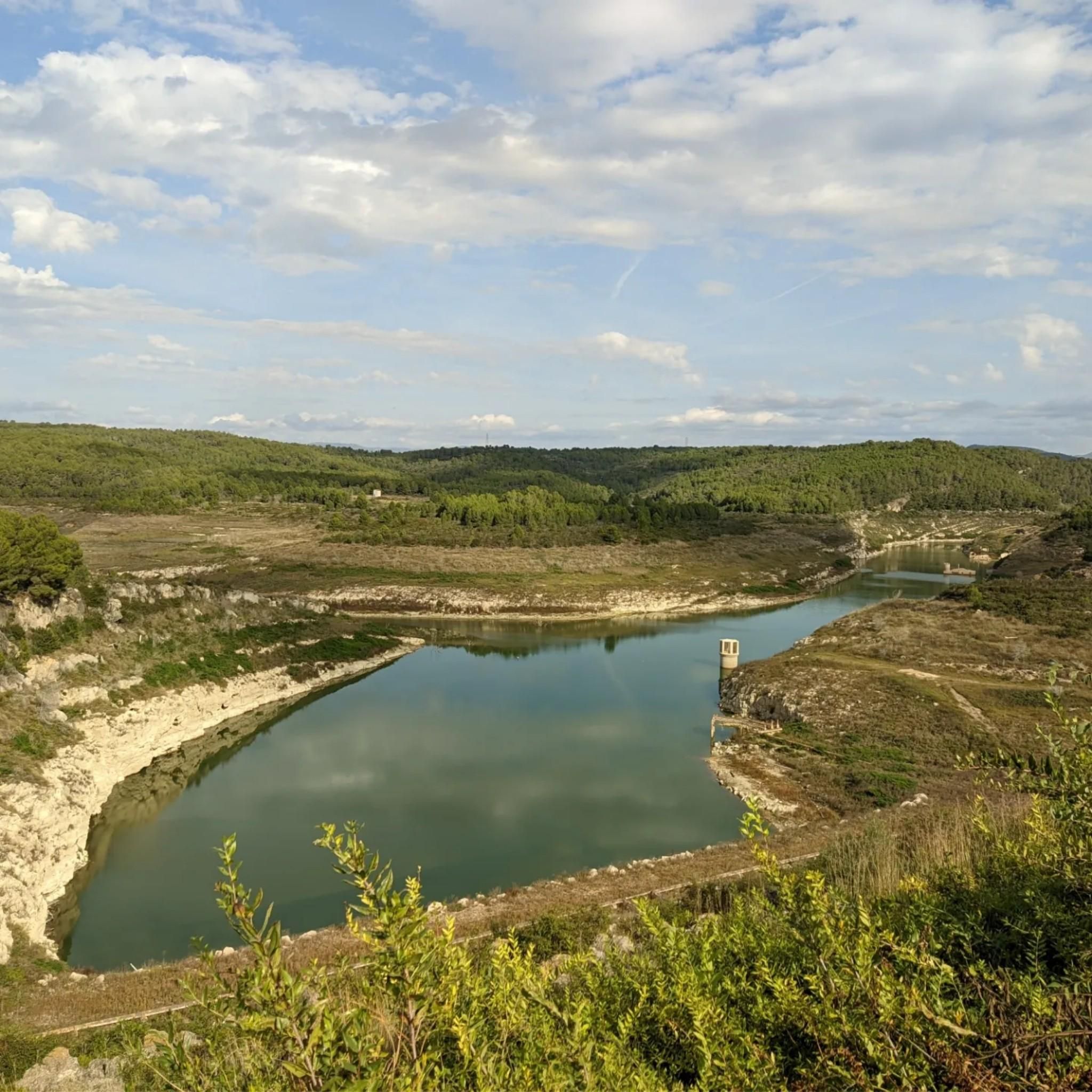
Yes, several historical sites also offer excellent viewpoints. For instance, La Mora Tower provides very nice views towards Tarragona. Additionally, the Torre del Pretorio of Tarragona offers a great view from above over the whole of Tarragona.
What outdoor activities can I do near these historical sites?
The region around Perafort offers various outdoor activities. You can find numerous road cycling routes, such as the 'Port de Mont-ral – Alt de la Mussara loop', or touring bicycle routes like the 'Platja de l'Arrabassada – Banya Lighthouse loop'. There are also running trails, including several loops around Vilallonga and El Morell. For more details and specific routes, you can explore the Road Cycling Routes around Perafort, Cycling around Perafort, and Running Trails around Perafort guides.
What is the historical significance of the Roman Walls of Tarragona?
The Roman Walls of Tarragona are incredibly significant as they are the oldest Roman construction still conserved outside Italy. Built in the 2nd century B.C., they originally spanned about 3,500 meters, with approximately 1,100 meters remaining today, bordering Tarragona's Old Quarter. They mark Tarraco's importance as a key Roman center.
Are there any castles or historical sites that are less known but worth visiting?
Beyond the prominent Roman sites, the Castillo del Paborde (also known as Castillo de la Selva) in La Selva del Camp is a 12th-century castle that was once the residence of the Paborde and later the Archbishop of Tarragona. It offers a glimpse into medieval history away from the more famous Roman attractions.
What do visitors enjoy most about the historical sites near Perafort?
Visitors frequently appreciate the rich historical context and the well-preserved Roman structures, particularly in Tarragona. The sheer scale of sites like the Amphitheatre and Wall of Tarragona and the Roman Walls of Tarragona leaves a lasting impression. The scenic views from places like La Mora Tower are also highly rated, offering a blend of history and natural beauty.
Is there an ancient abbey or church with historical importance in Perafort?
Historically, Perafort was home to the Abadía del Codony, a small construction dating back to the 14th century, which was once the only surviving trace of an ancient town's church, abbey, and cemetery. While it held significant historical value and was part of Catalonia's Architectural Heritage, it was unfortunately demolished in 2021. Therefore, there is little left for visitors to see today.
Are the historical sites around Perafort mostly ruins or restored structures?
The historical landscape around Perafort features a mix. Within Perafort itself, sites like the Castellet de Bofarull are largely ruins. However, in nearby Tarragona, many Roman structures like the Amphitheatre and Wall of Tarragona and the Roman Walls of Tarragona are remarkably well-preserved and maintained, offering a more complete picture of their original grandeur.
Most popular routes around Perafort
Most popular attractions around Perafort

Get inspired with the komoot mobile app


Explore more
Looking for the best castles somewhere else? Discover other guides around Perafort:
