The best walks and hikes around Perafort
4.4
(984)
6,923
hikers
356
hikes
Hiking around Perafort offers access to a diverse range of landscapes within the Tarragona province of Catalonia. The region features varied topography, including coastal areas, inland plains, and mountainous terrain. Notable natural features include the Roman Les Ferreres Aqueduct and coastal coves like Cala Roca Plana. The broader area also provides access to higher elevations and natural parks such as Serra de Montsant, characterized by chasms, caves, and gorges.
Best hiking trails around Perafort
- The most popular hiking route is…
Last updated: June 20, 2026
4.7
(13)
30
hikers
Easy hike. Great for any fitness level. Easily-accessible paths. Suitable for all skill levels.
4.3
(8)
36
hikers
9.40km
02:35
160m
160m
Moderate hike. Good fitness required. Easily-accessible paths. Suitable for all skill levels.

Sign up for free
4.6
(7)
24
hikers
6.30km
01:45
120m
120m
Easy hike. Great for any fitness level. Easily-accessible paths. Suitable for all skill levels.
4.2
(6)
20
hikers
8.99km
02:29
150m
150m
Moderate hike. Good fitness required. Easily-accessible paths. Suitable for all skill levels.
4.3
(4)
19
hikers
Easy hike. Great for any fitness level. Easily-accessible paths. Suitable for all skill levels.
Get access to more routes and recommendations from other explorers.
Sign up for free
Already have an account?
Our route recommendations are based on thousands of hikes, rides, and runs completed by other people on komoot.
Start today with a free account
Your next adventure awaits.
Login or Signup

Tips from the Community

The Romans and their ways
0
0

In the 1st century A.D., two long aqueducts were built to supply the city with water. The first, known as Aqua Augusta, was fed by the Gaià river and was approximately 50 km long. The second was fed by the Francolí river and was some 15 km long. The most spectacular surviving stretch belongs to the second aqueduct and consists of a 217-metre segment that stands 26 metres tall at its highest point and bridges a ravine. It was built from large ashlars stacked without mortar to form two tiers of arches. It is popularly known as the Pont del Diable (Devil’s Bridge) or the “Les Ferreres” Aqueduct.
0
0

It is worth stopping to see it and walk around and over it.
0
0

The aqueduct can be easily visited from a motorway parking lot
3
0

Great building, very well preserved. You can cross it at the top. It's definitely worth a visit 🤩
2
1
Super beautiful building. Very well preserved. Definitely worth a visit 🤩
2
0

Ancient Roman aqueduct from the 1st century, popular for idyllic hiking trails and picnic spots.
4
0

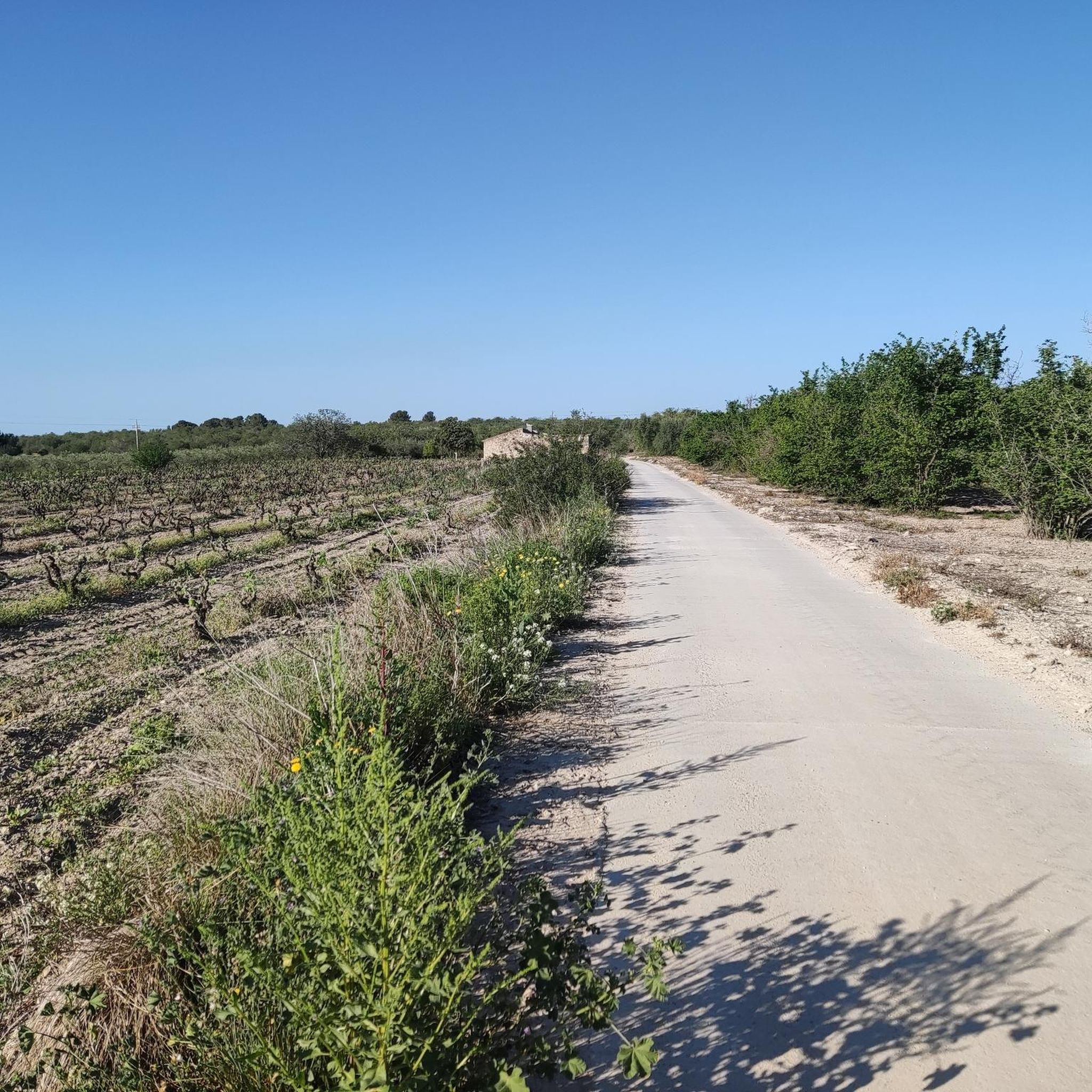
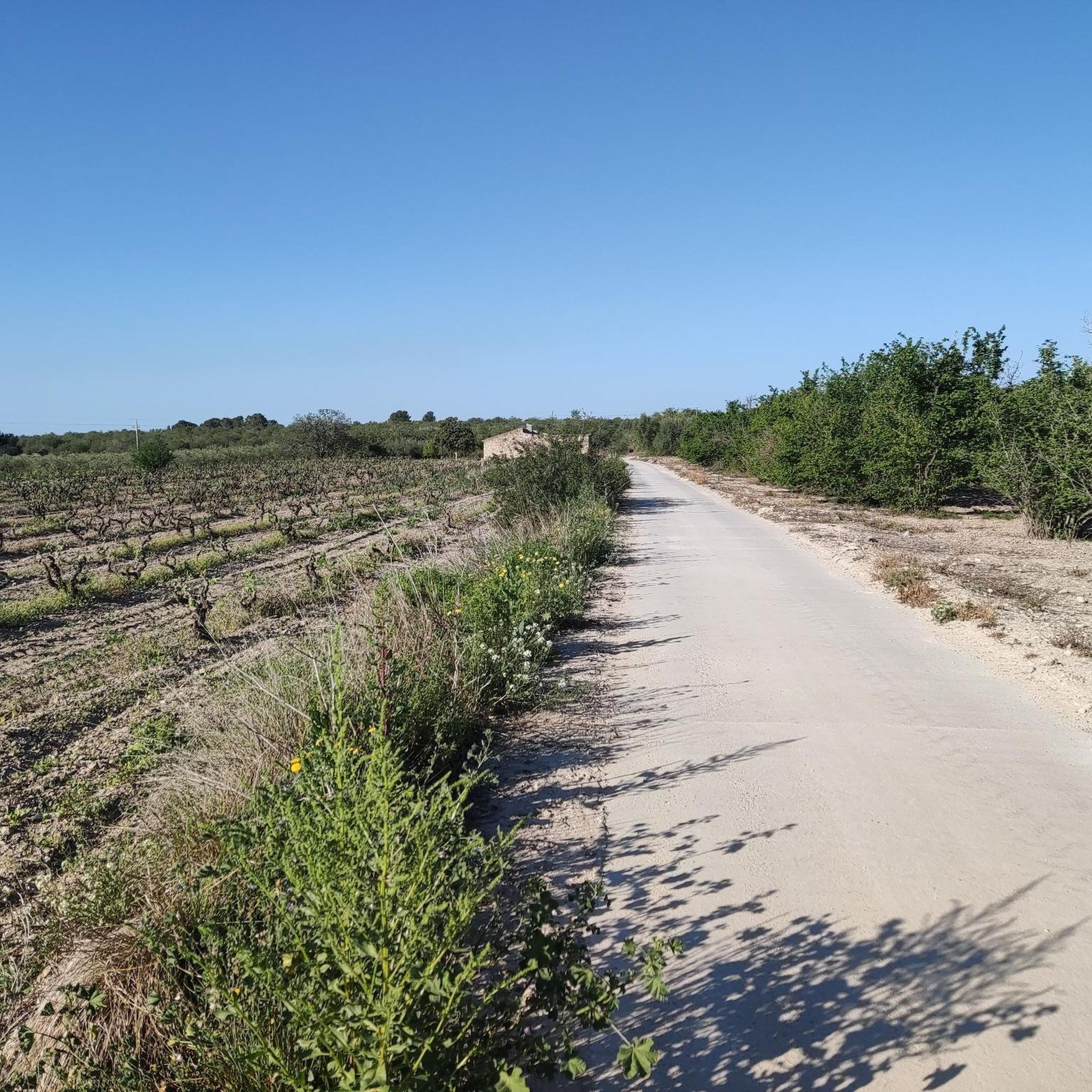
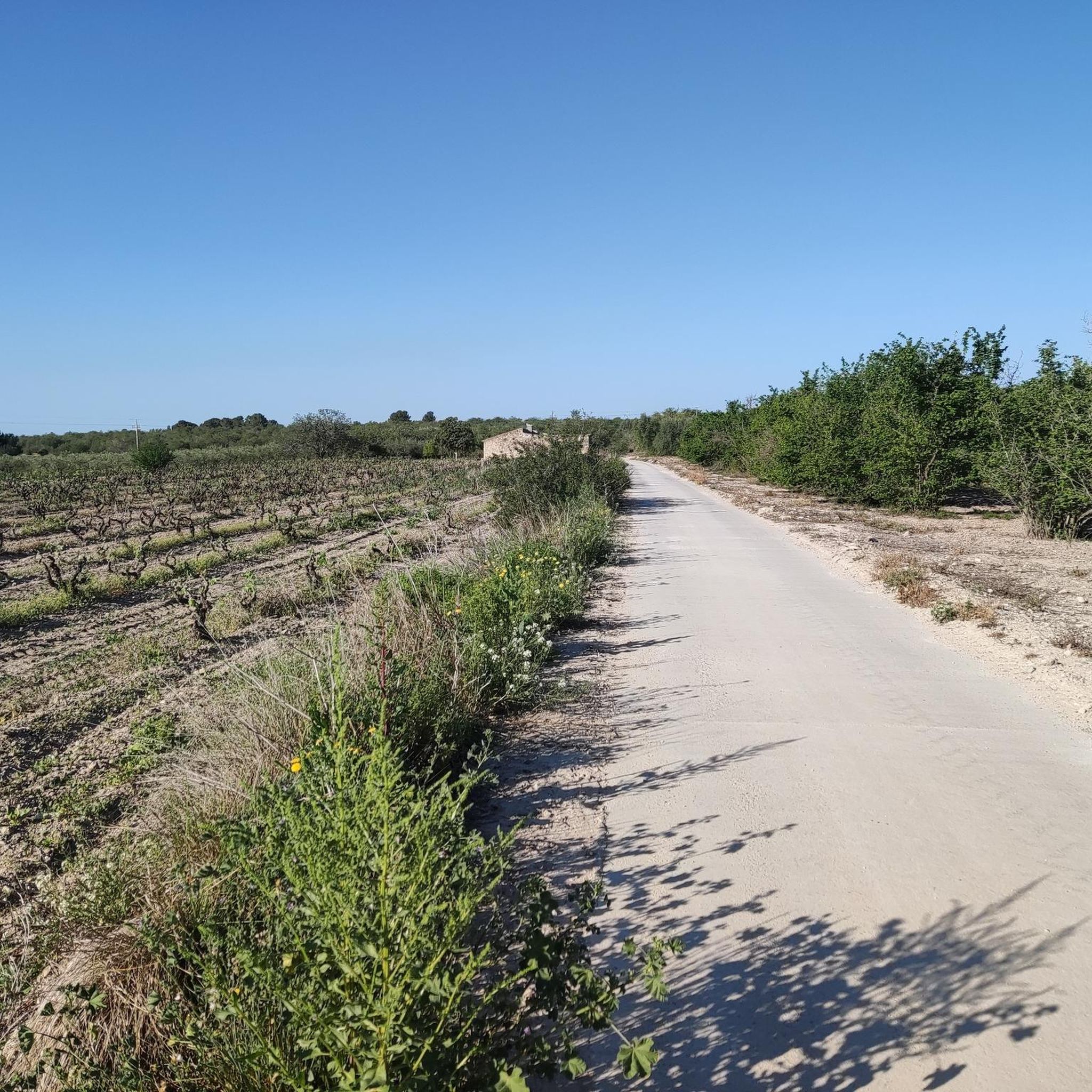
Old farmhouse that is close to the Devil's Bridge and that represented one of the most important estates in this area north of the city of Tarragona. It is currently in ruins.
1
0
Frequently Asked Questions
How many hiking trails are available around Perafort?
Perafort offers a wide selection of hiking opportunities, with nearly 370 routes recorded on komoot. These trails cater to various skill levels, including 169 easy, 180 moderate, and 17 difficult options.
What kind of terrain can I expect when hiking near Perafort?
The region around Perafort boasts diverse topography, ranging from coastal paths with spectacular sea views to inland plains and more challenging mountainous terrain. You can explore historical Roman structures, tranquil coves, and even access natural parks like Serra de Montsant with its rugged formations and gorges, or the unique landscapes of Delta de l'Ebre Natural Park.
Are there any family-friendly hiking options around Perafort?
Yes, Perafort and its surroundings offer many family-friendly trails. For example, the Les Ferreres Aqueduct – Ruins of Mas dels Arcs loop from Ferreres Aqueduct is an easy 3.77 km route that takes about an hour, perfect for a shorter outing. The coastal paths, such as the Camí de Ronda, also provide accessible options with scenic views suitable for families.
Can I find circular hiking routes in the Perafort area?
Absolutely. Many of the trails around Perafort are designed as circular routes, allowing you to start and end at the same point. A popular moderate option is the Les Ferreres Aqueduct – Ruins of Mas dels Arcs loop from els Pallaresos, covering 9.4 km. For a slightly shorter easy loop, consider the Ruins of Mas dels Arcs loop from Ferreres Aqueduct.
What historical landmarks can I see while hiking near Perafort?
The Perafort area is rich in history. A prominent feature is the impressive Les Ferreres Aqueduct (Devil's Bridge), a Roman aqueduct that can be incorporated into several walks. You might also encounter the Tarragona Roman Amphitheatre or the Cathedral of Tarragona in the broader region, offering a blend of historical sightseeing and outdoor activity.
Are there any natural features like waterfalls or unique geological formations to explore?
Yes, the region offers diverse natural features. While hiking, you might discover the Eagle's Nest Natural Pool and Waterfall. Further afield, the Serra de Montsant Natural Park is known for its impressive rocky formations, chasms, caves, and gorges carved by erosion, providing a dramatic backdrop for more challenging hikes.
What do other hikers say about the trails around Perafort?
The hiking trails around Perafort are highly regarded by the komoot community, with an average rating of 4.4 stars from over 880 reviews. Hikers often praise the diverse topography, the blend of historical Roman structures with natural beauty, and the variety of options available for different ability levels.
Are there any coastal walks or beaches accessible from Perafort?
While Perafort is inland, its strategic location provides convenient access to the coast. You can explore coastal paths like the Camí de Ronda, which offers spectacular sea views and leads to hidden coves and beaches. A notable spot is Cala Roca Plana, a beautiful natural setting that can be part of a scenic coastal walk.
What is the best time of year to go hiking in Perafort?
The Tarragona province, where Perafort is located, generally enjoys a Mediterranean climate. Spring and autumn are often ideal for hiking, with pleasant temperatures and lush landscapes. Summer can be warm, especially for more strenuous routes, making coastal walks or early morning/late afternoon hikes more comfortable. Winter offers cooler, crisp conditions, suitable for hiking without the summer heat.
Are there any longer, more challenging hikes available for experienced trekkers?
For experienced trekkers seeking a challenge, the broader region around Perafort offers access to mountainous areas like Serra de Montsant Natural Park and Parc Natural dels Ports. These parks feature rugged landscapes, significant elevation gains, and peaks like Roca Corbatera (1,163 m) or Mont Caro (1,447 m), providing demanding routes and panoramic views.
Can I find trails that combine natural beauty with cultural sites?
Yes, many routes in the Perafort area seamlessly blend natural beauty with cultural heritage. For instance, the Vegetal Tunnel of Reeds – Les Ferreres Aqueduct loop from Ferreres Aqueduct offers a moderate 11.68 km journey that combines natural elements with the historical aqueduct, allowing you to experience both aspects of the region.
Most popular attractions around Perafort

Get inspired with the komoot mobile app


Explore more
Browse the best Hikes in other regions.
