Top 12 Caves around Tongeren
Best caves around Tongeren offers a unique blend of historical underground sites and natural marl caves within Belgium's oldest city. While the immediate vicinity of Tongeren is known for its archaeological and historical underground attractions, the broader region features impressive natural cave systems. The landscape around Tongeren is characterized by its rich history and geological formations, including ancient marl quarries. Exploring these sites provides insight into the area's past and natural heritage.
Best caves around Tongeren
- The most popular caves…
Last updated: October 17, 2026
Marl Caves of Vechmael
Highlight • Cave
Translated by Google •
Tip by

Grootberg
Highlight • Cave
Translated by Google •
Tip by

Sign up now to discover places like this
Get recommendations on the best single tracks, peaks, & plenty of other exciting outdoor places.
Kanne Caves
Highlight • Cave
Marl, a sedimentary rock, was mined here. Mining in Kanne started before the 15th century. The villagers used …
Translated by Google •
Tip by

Grotto of the Immaculate Conception
Highlight • Religious Site
Translated by Google •
Tip by

Kanne Mushroom Farm
Highlight • Structure
The Dirk Jackers mushroom farm is the last active underground mushroom farm in the marl …
Translated by Google •
Tip by

Lourdes Grotto of Werm
Highlight • Religious Site
Translated by Google •
Tip by

Mathus Quarry Tunnel
Highlight • Cave
Translated by Google •
Tip by
Cannerberg Cave
Highlight • Cave
Showing Translation
Tip by
De Coolen Nature Reserve
Highlight • Cave
Translated by Google •
Tip by
Art Grotto
Highlight • Cave
Showing Translation
Tip by

Sign up for free to discover even more caves around Tongeren.
Already have an account?
Start today with a free account
Your next adventure awaits.
Popular around Tongeren
Belgium’s Hoge Kempen and Meuse Valley – Bram Tankink’s best rides
From Flanders to the Ardennes — GR 5 in Belgium
Three days through Belgian Limburg – art, heritage and views
Flanders’ Finest Hiking Routes
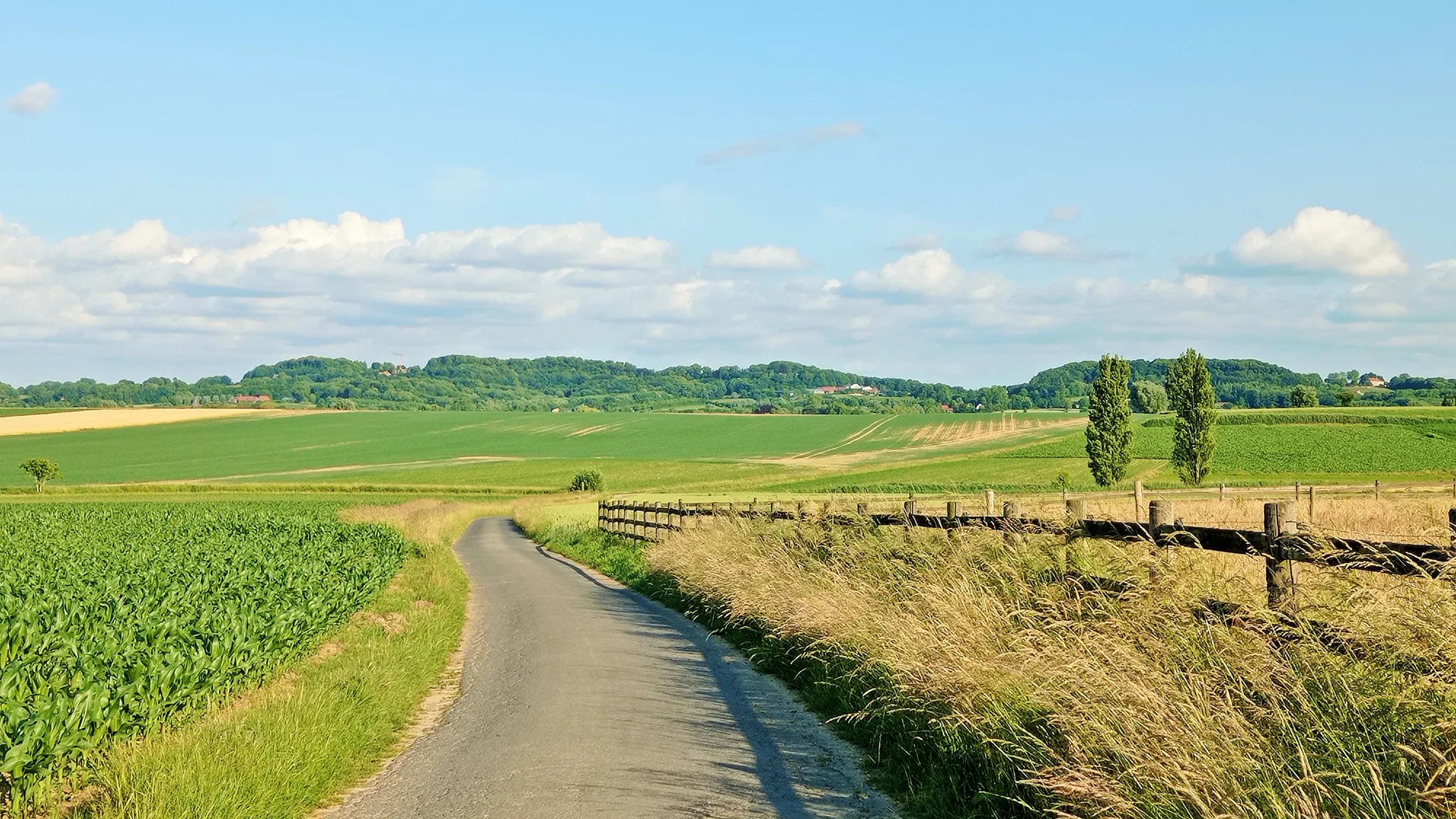
Seven-day Cycling tour through the South-Flemish hills – Hilly Route
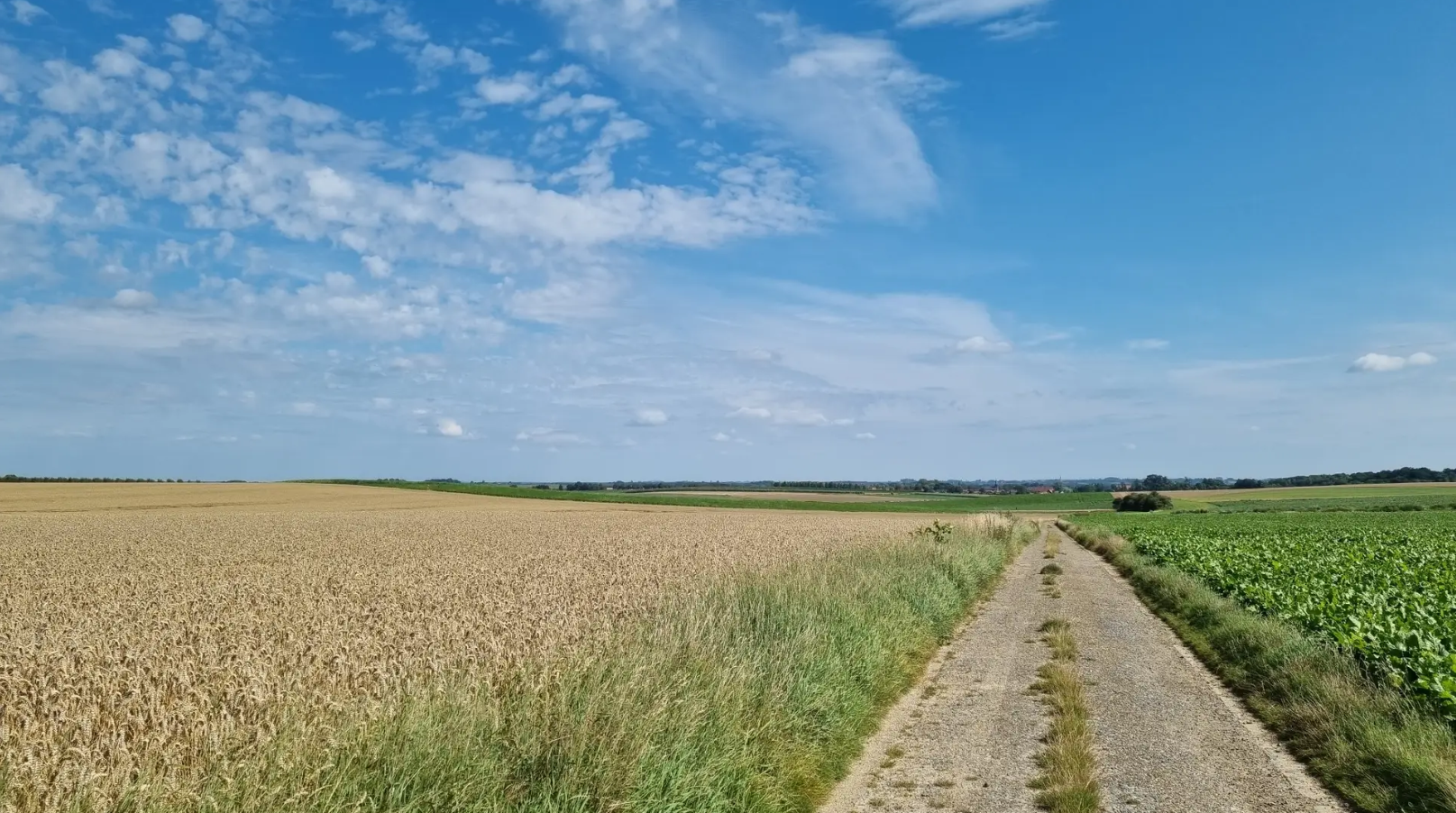
Bloesems, Forests and hidden Heritage – Streek-GR Haspengouw
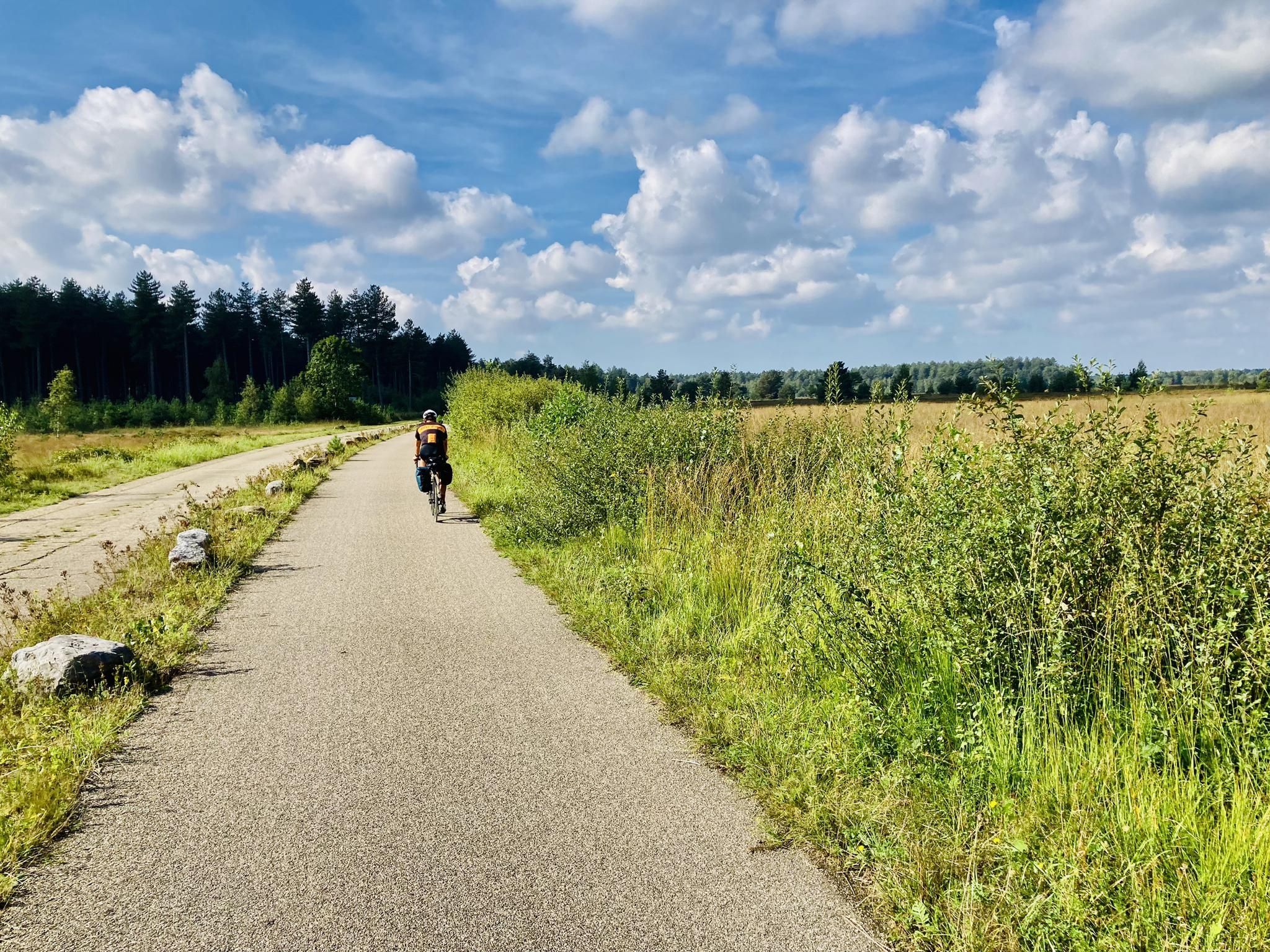
Explore the Kempen – a three-day cycling adventure on the Kempen Route
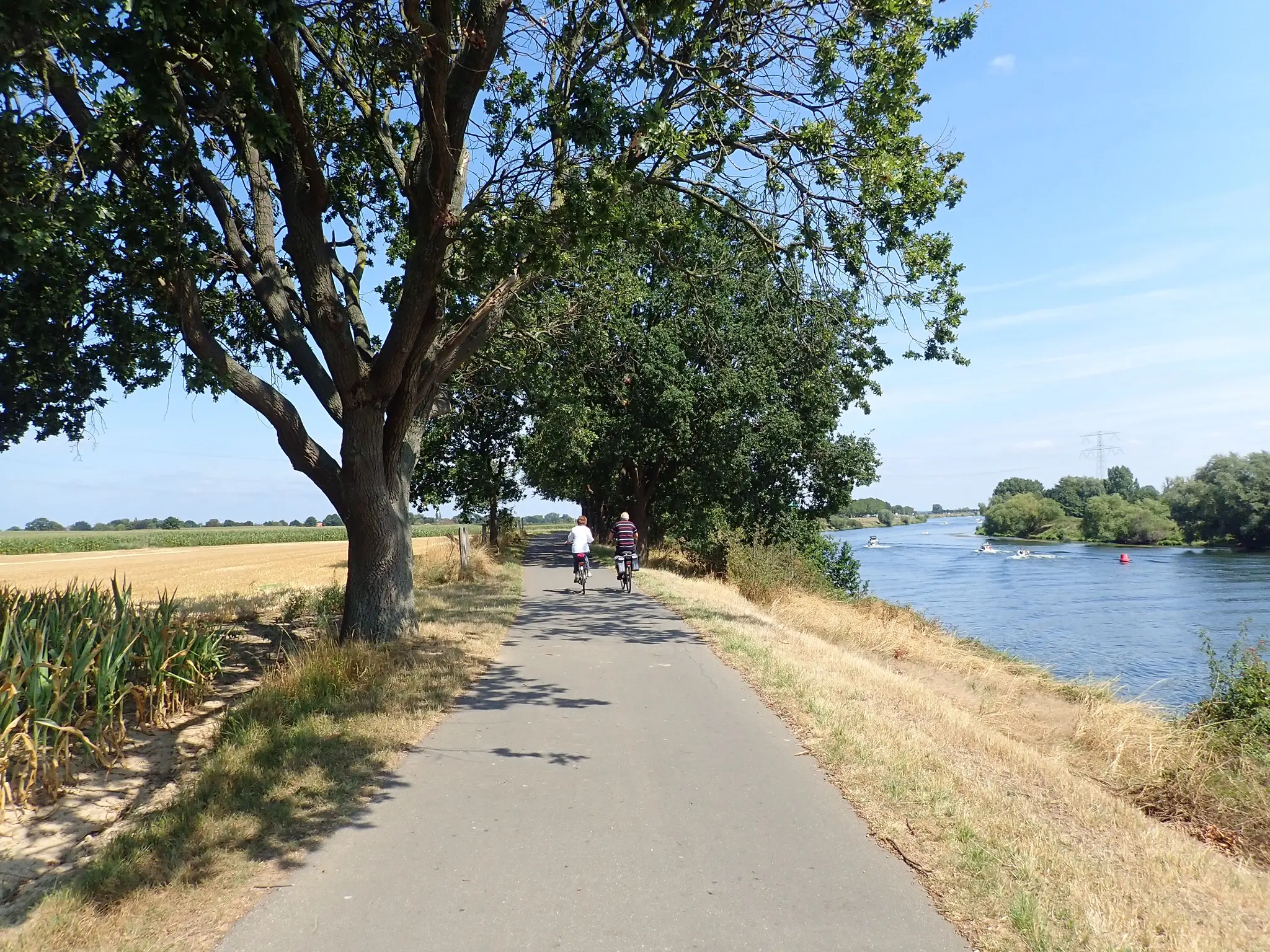
Follow the Meuse by Bike in two days - Maasroute
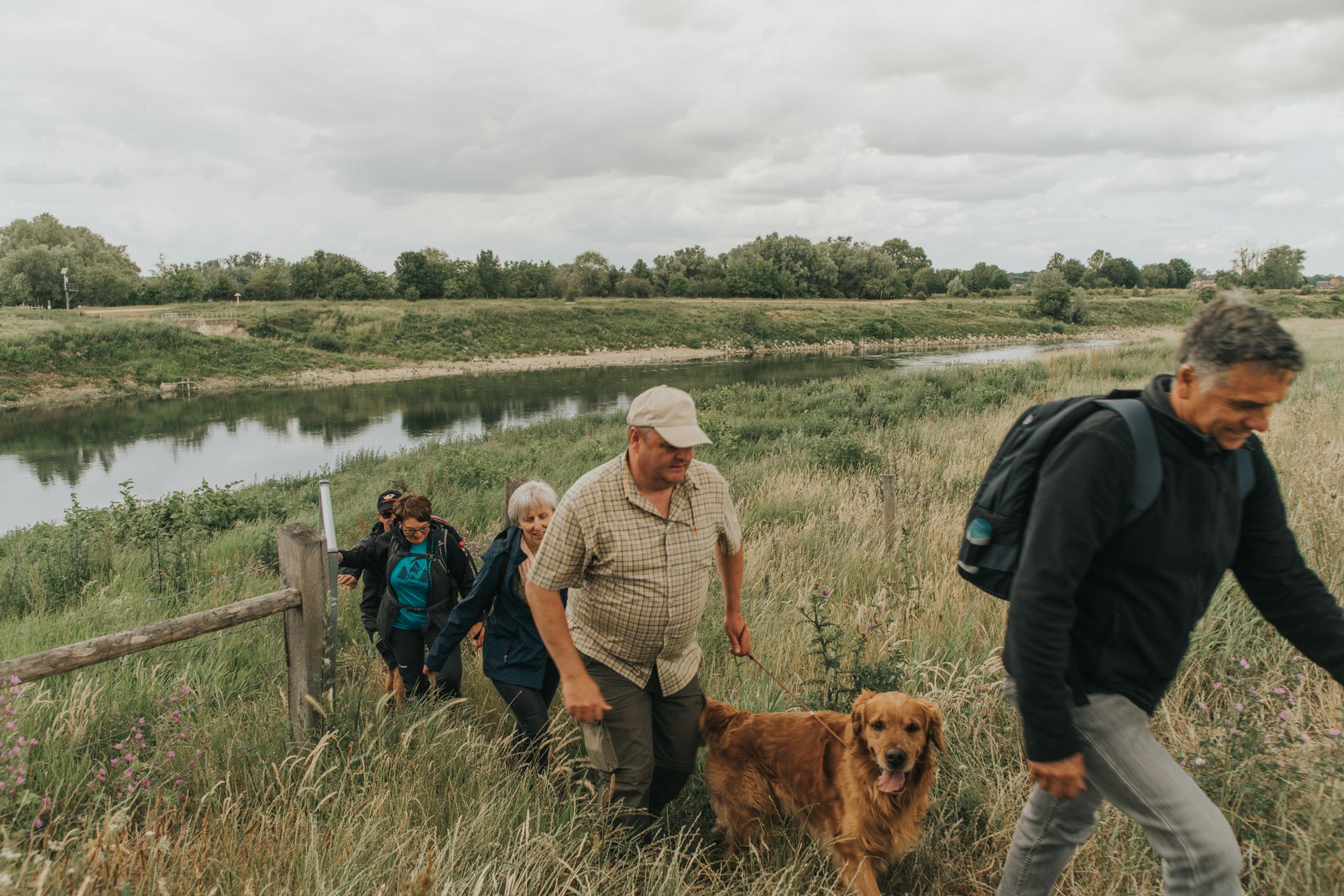
Discover the wild river - 6 hiking days in RivierPark Maasvallei (LAW)
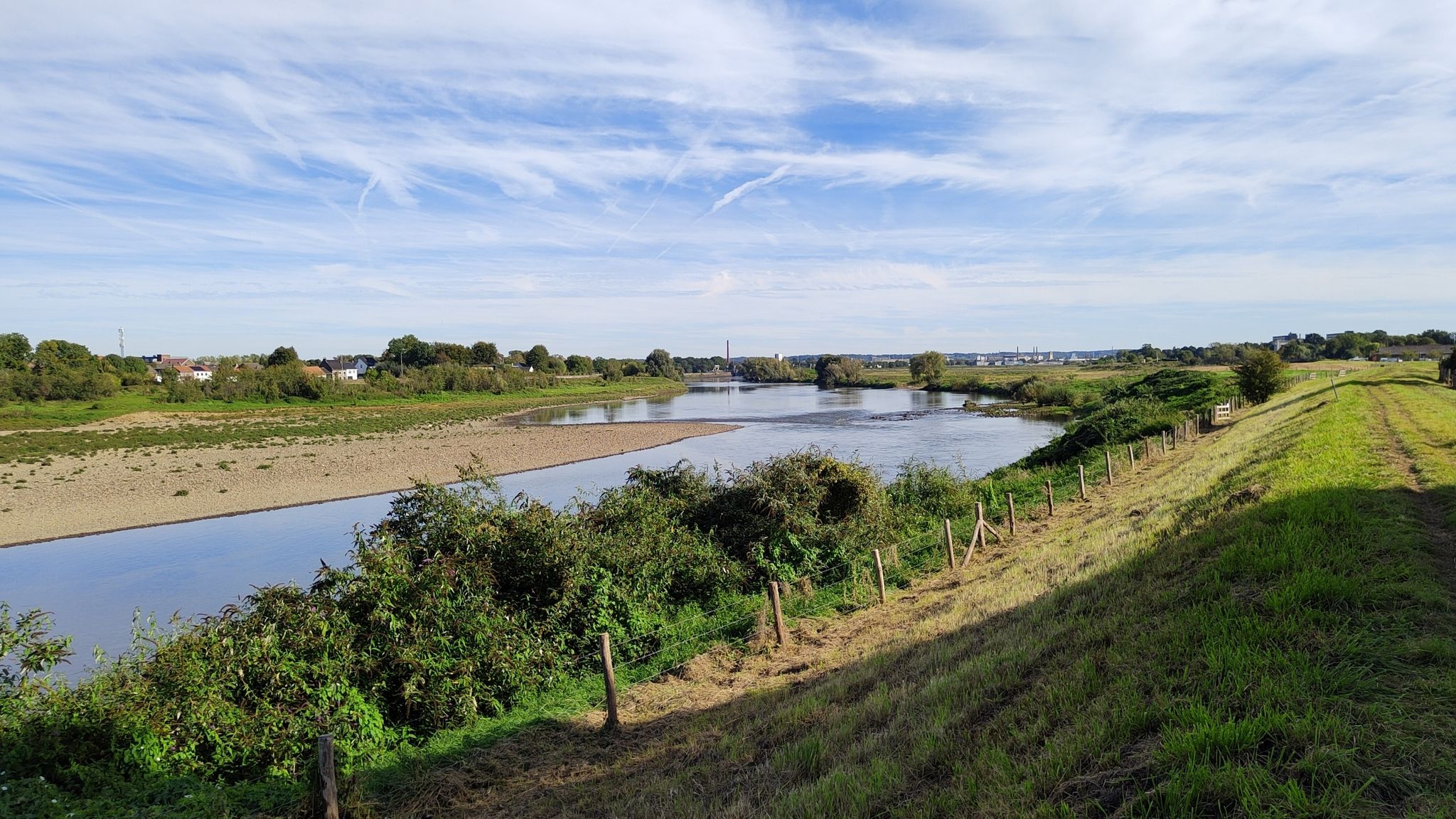
Discover the river nature – 6 hikes in RivierPark Maasvallei (LAW)
Other adventures around Tongeren


Tips from the Community

The Cannerberggroeve with its tunnel system in the Cannerberg has several entrances. From these entrances, marl has been extracted since the late Middle Ages. Somewhere, quite deep in the tunnel system, you will find a number of inscriptions from the 16th century. The oldest known even dates back to 1511, which means that the quarrying must have already started in the 15th century.
2
0

This grotto, which was created in the late 18th century as a decorative design element, is not a cave, but rather, like the Temple of Minerva and other 'Follies', part of the romantic garden architecture of the estate and served as a focal point and resting place for strollers in the park.
30
0

In Kanne, Belgium, near the Dutch border, there is a unique and historic mushroom farm. The Dirk Jackers mushroom farm is the last active underground mushroom farm in the marl caves of Kanne (Riemst), known as a traditional producer of chestnut mushrooms. The farm is located in the underground marl quarry (Avergat Quarry/Kanne Caves), which provides an ideal, natural climate for cultivation. Guided tours are offered, providing a unique behind-the-scenes look, learning about the history, and tasting the cave mushrooms. The mushrooms from these caves are recognized as a regional product. Contact/Visit: Location: Kanne Caves / Marl Quarry, Kanne. Information: Visits and tours can often be booked through local tourist information channels such as Visit Kanne. Note: It is advisable to book a tour in advance or check whether the caves are open to visitors.
0
0

The "Cycling Underground" project in Riemst was to create a unique 358-meter underground cycling experience through a marl quarry (Mathus quarry), which received its environmental permit in June 2025. The project was intended to connect the towpath along the Albert Canal between cycling junctions 557 in Vroenhoven and 402 in Kanne. However, in September 2025, Visit Limburg decided to discontinue the project due to insufficient local support: https://www.vrt.be/vrtnws/nl/2025/09/15/visit-limburg-trekt-stekker-uit-fietsen-onder-de-grond/ The municipality of Riemst is currently exploring how to continue the project independently: https://www.vrt.be/vrtnws/nl/2025/10/03/riemst-fietsen-onder-de-grond-tweede-kans/
6
0
The Grootberg is an underground marl quarry formed by the extraction of limestone, locally called marl. Marl consists almost entirely of fossil fragments of marine animals and was deposited approximately 66 million years ago in a shallow tropical sea during the Cretaceous geological period.
4
0
The marl caves of Heers are an important hibernation site for numerous bats, including the Bechstein's bat, the Notched Bat, and the Pond Bat. Bat-friendly barriers were installed at the entrances to the caves. In 2014, the Waterkuil was closed off with a steel gate, in which bat silhouettes serve as flight openings. This elegant barrier was designed by Heers artist Frans Vandueren. Initial winter counts already showed that the gate is having an effect.
2
0
The Lourdes grotto was built in 1946 during the celebration of the village's centennial. A prayer vigil is still held at the grotto every Thursday in May.
3
1
Frequently Asked Questions
What types of underground sites can I explore around Tongeren?
Around Tongeren, you can explore a unique blend of historical underground sites and natural marl caves. While the city itself is known for its archaeological and historical underground attractions, such as the Roman and Medieval excavations beneath the Basilica of Our Lady, the broader region features impressive natural cave systems. These include ancient marl quarries and religious grottoes.
Are there natural caves near Tongeren?
While Tongeren's immediate vicinity is more known for historical underground sites, the broader Belgian region, particularly the Ardennes, boasts several impressive natural cave systems. These include the famous Caves of Han-sur-Lesse, the Caves of Remouchamps with their underground boat trip, and the deep Caves of Hotton.
Which caves around Tongeren are significant for their history or geology?
The Marl Caves of Vechmael offer access to remains of a 90-million-year-old sea and are important bat hibernation sites. Grootberg is an entrance to the Avergat marl quarry, known for its historical use as a garage and its war past. Further afield, the Goyet Caves are recognized as an 'Exceptional Heritage of Wallonia' for their prehistoric significance, containing evidence of Ice-age animals and early human inhabitants.
Can I visit historical excavations in Tongeren?
Yes, Tongeren offers unique underground experiences that delve into its Roman and medieval past. You can explore a subterranean museum beneath the Basilica of Our Lady, which showcases layers of history, including Roman foundations from the 2nd and 3rd centuries and medieval structures.
Are there any family-friendly caves or grottoes in the area?
Yes, several grottoes around Tongeren are suitable for families. The Grotto of the Immaculate Conception and the Lourdes Grotto of Werm are peaceful, well-maintained religious sites with benches and flowers, offering a calm experience for all ages. For a more adventurous family outing, the Caves of Han-sur-Lesse offer a tram ride and a wildlife park alongside the cave exploration.
What unique features do the natural caves in the wider Belgian region offer?
The natural caves in the wider Belgian region offer diverse features. The Caves of Han-sur-Lesse are known for gigantic dripstone formations and an underground river. The Caves of Remouchamps feature a nearly kilometer-long boat trip along the underground Rubicon River. The Caves of Hotton are distinguished by their multi-level depths, delicate curtain formations, and preserved natural environment.
Are there hiking opportunities near the caves around Tongeren?
Yes, there are several hiking opportunities. You can find easy hikes around Tongeren, such as the Mechelse Heide Red Triangle Trail or the Vrijhern Hermit's Trail. For more options, explore the Easy hikes around Tongeren guide.
What other outdoor activities can I do near the caves?
Beyond exploring caves, the region around Tongeren offers excellent cycling opportunities. You can find various routes for road cycling and touring bicycles. Check out the Road Cycling Routes around Tongeren or the Cycling around Tongeren guides for detailed routes like the Hoge Kempen National Park Loop or the Blossom Trail.
What is the <a href="https://www.komoot.com/highlight/7478194" target="_blank" rel="noopener">Great Cave</a> near Tongeren?
The Great Cave is an artificial grotto created in the late 19th century as a replica of the grotto at Lourdes. It is a quiet place for contemplation, surrounded by greenery and featuring a statue of the Virgin Mary.
Can I visit the <a href="https://www.komoot.com/highlight/2811994" target="_blank" rel="noopener">Marl Caves of Vechmael</a>?
The Marl Caves of Vechmael are important hibernation sites for bats, so rest is requested. While the caves themselves are often closed to protect the bats, you can still get a good impression of these old marl caves from the outside, which feature artistic metal plates at their three entrances.
Are there any caves related to mushroom farming in the area?
Yes, the Kanne Mushroom Farm is an example of an underground site that was historically used for mushroom cultivation. These types of sites often repurpose old marl quarries or caves for their stable, cool, and humid conditions.
What is the best time to visit the caves in Belgium?
The best time to visit the natural caves in Belgium, especially those in the Ardennes, is generally during the warmer months from spring to autumn (April to October). This allows for comfortable exploration of the surrounding areas and wildlife parks often associated with the caves. However, many major cave systems are open year-round, with consistent temperatures inside regardless of the season.
Most popular routes around Tongeren
Most popular attractions around Tongeren

Get inspired with the komoot mobile app


Didn’t find what you were looking for?
Discover more caves around Tongeren region by region:
