The best city hikes and walks around Tongeren
4.5
(21759)
108,551
hikers
39
hikes
Urban hiking trails around Tongeren offer a blend of historical cityscapes and accessible natural features. The region, situated in the Belgian province of Limburg, is characterized by its varied topography, including gentle rolling hills and valleys. Trails often pass through orchards, woodlands, and along historical sites, providing diverse experiences within an urban setting. The area's well-developed network of paths caters to various fitness levels.
Best urban hiking trails around Tongeren
- The most popular urban hiking route is Statue of Ambiorix…
Last updated: June 30, 2026
4.2
(13)
123
hikers
Easy hike. Great for any fitness level. Easily-accessible paths. Suitable for all skill levels.
4.3
(18)
135
hikers
Easy hike. Great for any fitness level. Easily-accessible paths. Suitable for all skill levels.

Sign up for free
10
hikers
6.17km
01:35
30m
30m
Easy hike. Great for any fitness level. Easily-accessible paths. Suitable for all skill levels.
21
hikers
2.52km
00:39
10m
10m
Easy hike. Great for any fitness level. Easily-accessible paths. Suitable for all skill levels.
5.0
(1)
9
hikers
Moderate hike. Good fitness required. Easily-accessible paths. Suitable for all skill levels.
Get access to more routes and recommendations from other explorers.
Sign up for free
Already have an account?
Our route recommendations are based on thousands of hikes, rides, and runs completed by other people on komoot.
Start today with a free account
Your next adventure awaits.
Login or Signup
Popular around Tongeren
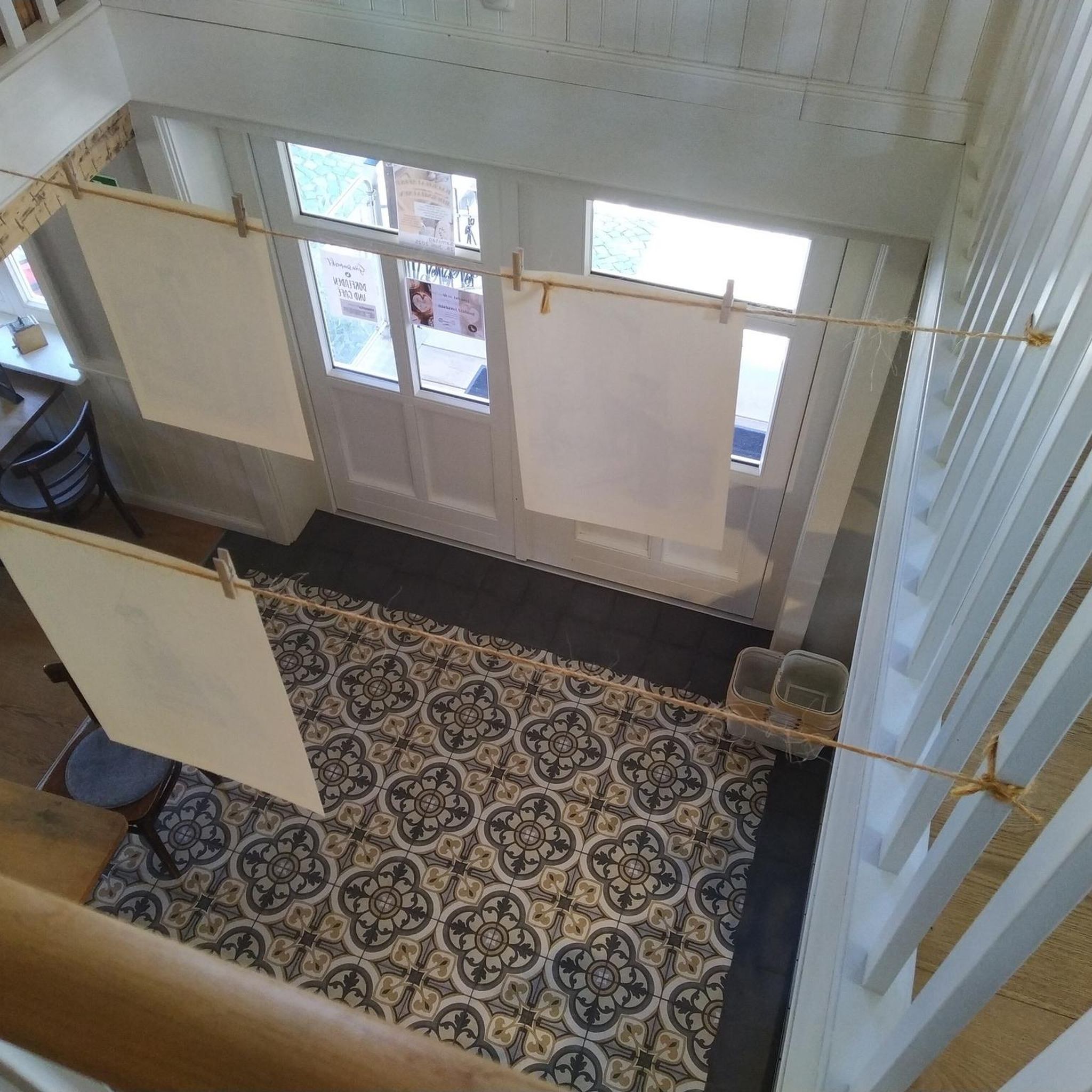
City hikes in Pietersembos
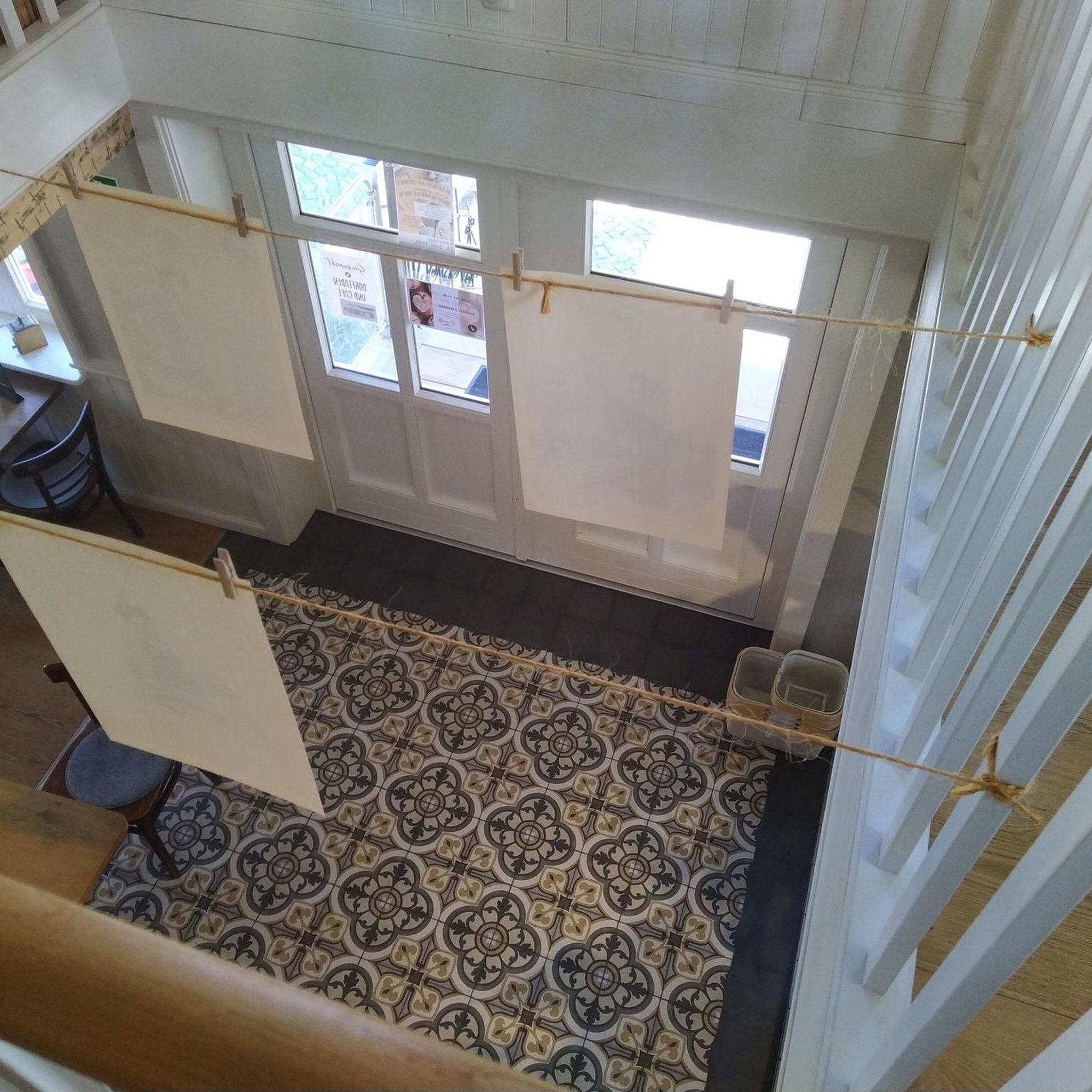
City hikes in Vlaams Natuurreservaat Vallei Van De Ziepbeek

City hikes in Vlaams Natuurreservaat Mechelse Heide

City hikes in Jongenbos

City hikes in Mechels Bos
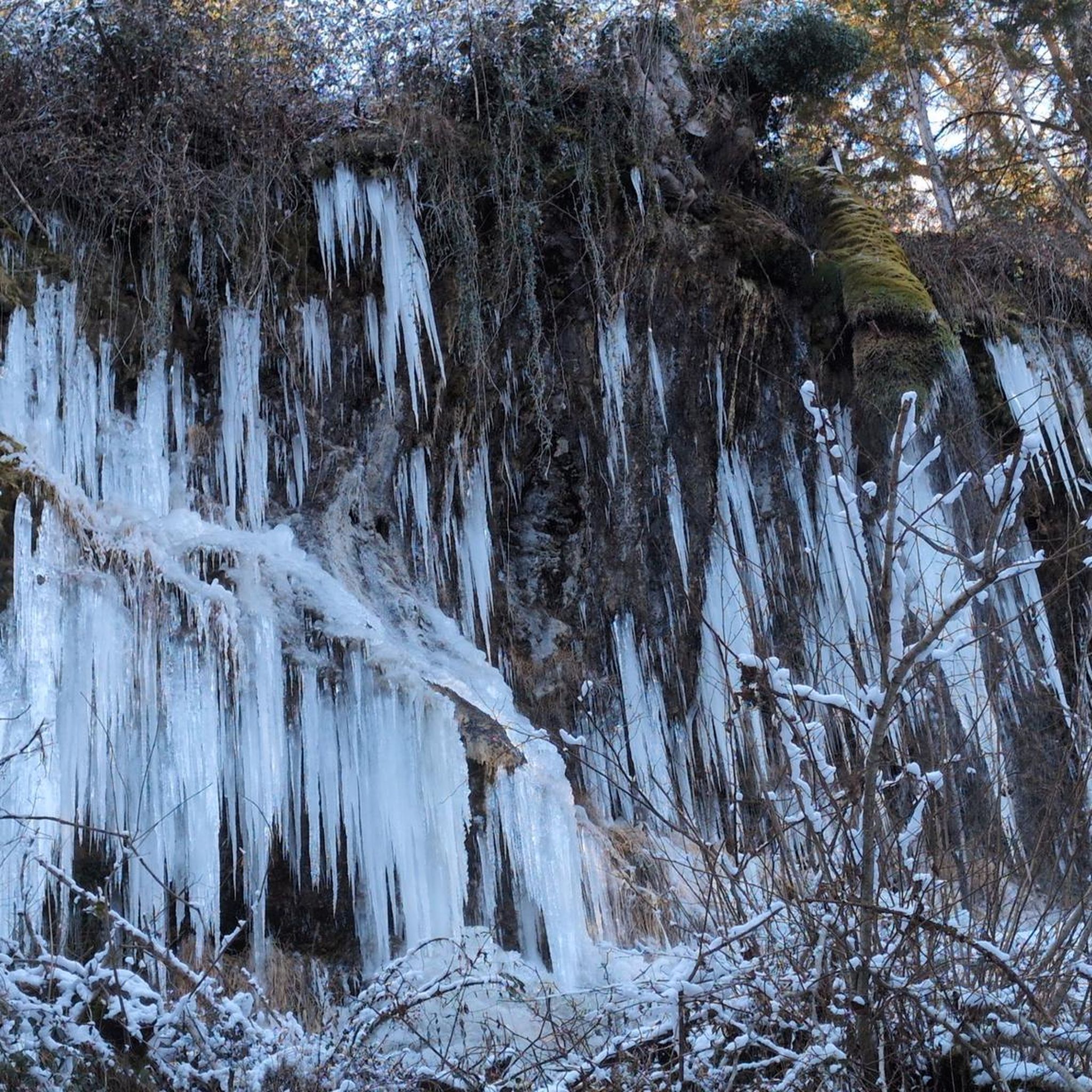
City hikes in Veursbos-Roodbos-Vossenaerde Bosreservaat
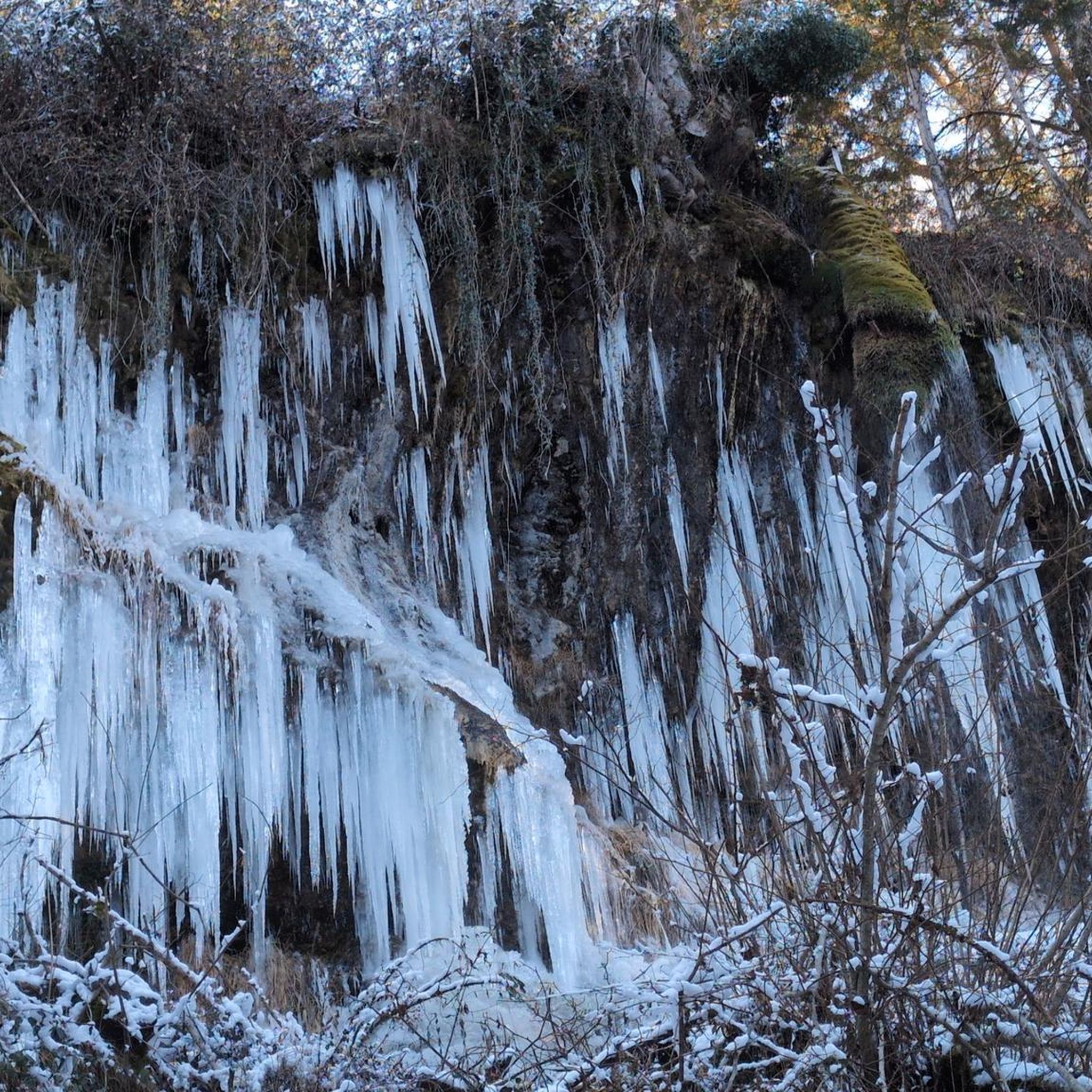
City hikes in Gulpvallei Met Omgeving
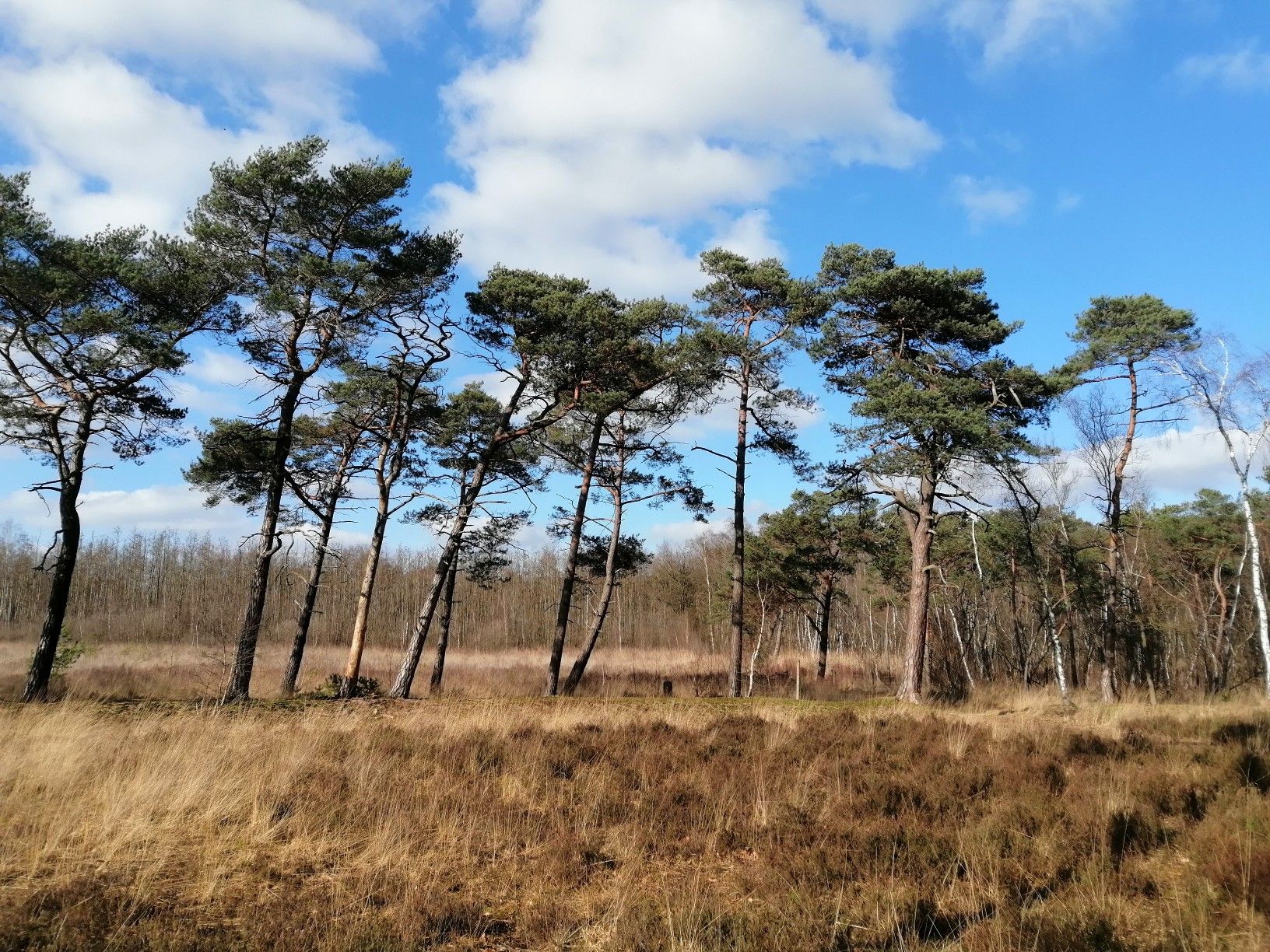
From Flanders to the Ardennes — GR 5 in Belgium
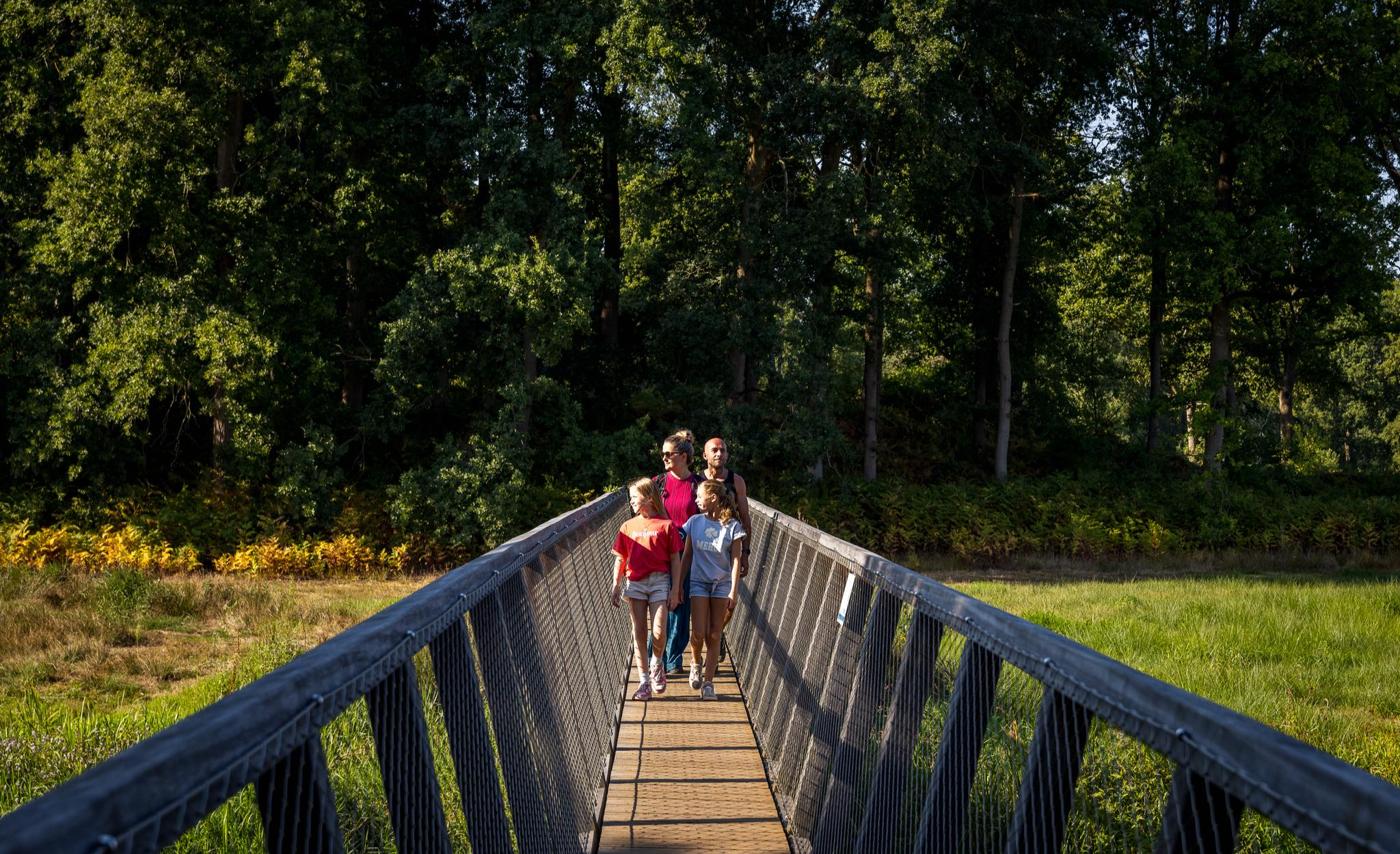
Flanders’ Finest Hiking Routes
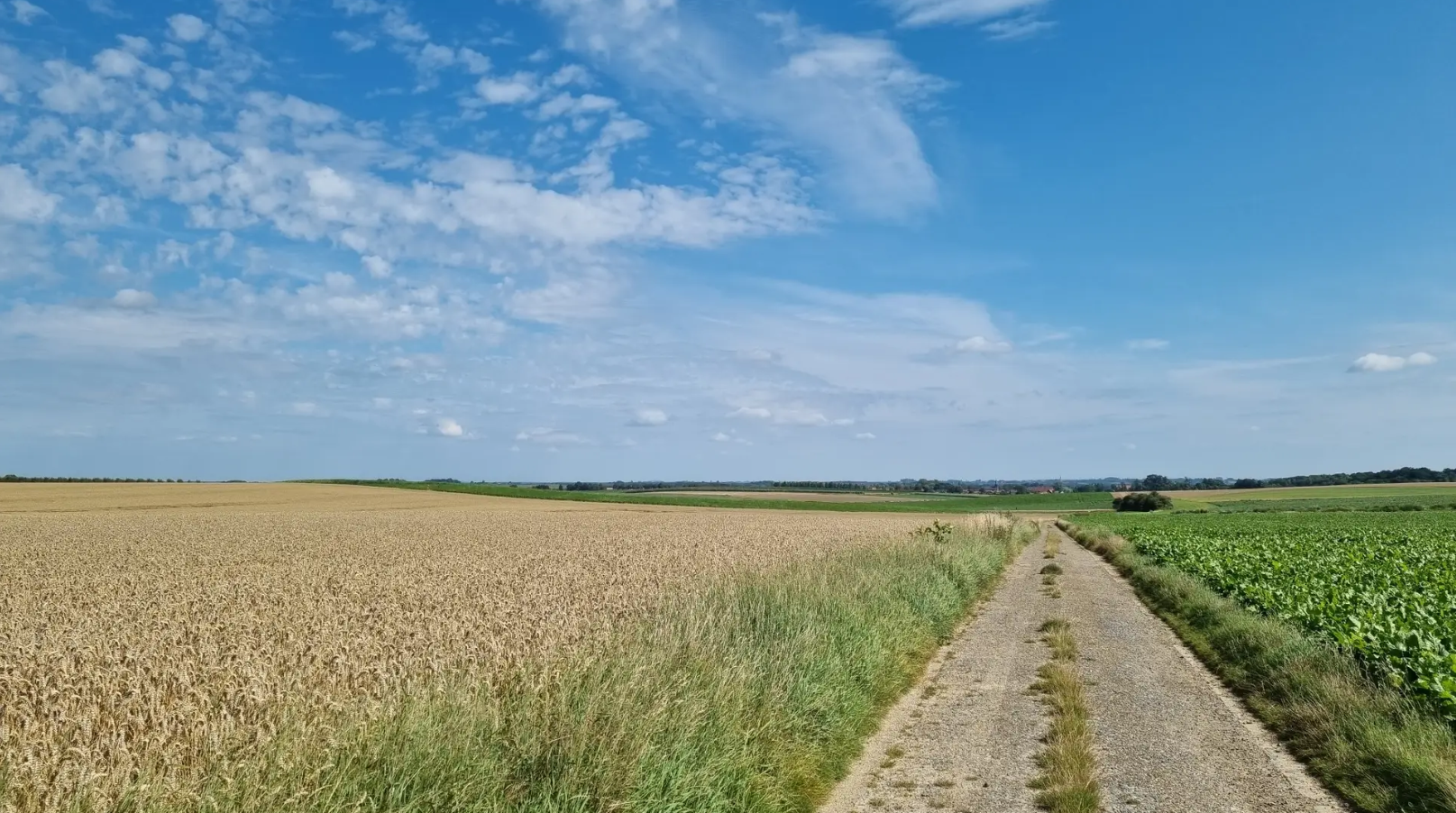
Bloesems, Forests and hidden Heritage – Streek-GR Haspengouw
Other adventures around Tongeren


Tips from the Community

Tongeren is the oldest city in Belgium. The city originates from a camp founded by Sabinus and Cotta, lieutenants of Julius Caesar, whose legions were massacred in 54 BC near Ambiorix, the leader of the Eburones. Sights include the basilica, the beguinage, the statue of Ambiorix, and the antique market that takes place every Sunday.
0
0

Anglers can indulge themselves here at 3 fishing ponds. For 2 of these ponds, you need a permit.
4
0
The Kimpel pond, located behind the tram bridge, was created by the extraction of clay for the Belisia tile factory in Zeepstraat.
4
0
Shonakunst, named after the eponymous ethnic group, emerged in the fifties. Numerous amateur sculptors earned a penny by selling sculptures to tourists. Gradually, an artistic elite emerged, which quickly found its way abroad. In the eighties and nineties, Zimbabwean sculpture became particularly popular in Western Europe. The best-known representative is Dominic Benhura. Already at the age of ten, he helped a cousin polish statues; barely two years later, he sold his first work. From Europe, it went to the United States, among other places, where he received rave reviews in the national press. A large part of his sculptures is carved from the extremely hard stone type springstone. His oeuvre is characterized by great playfulness and cheerfulness. A beautiful example of this can be found at the cultural center De Kimpel in Bilzen: a sculpture of playing children playing leapfrog.
4
1
The access to De Kimpel is literally and figuratively brightened up with this work by 'I AM EELCO', with strong color use and powerful lines, combined with many decorative elements. A beautiful mural in his typical surrealist pop-art style.
4
0
Within walking distance of the center of Bilzen lies the cultural and sports center De Kimpel. This center consists of both cultural and sports activities and a recently renovated city library. You can find the swimming pool, the Kattenberg hiking area, a nature park, fishing ponds, a playground, and a mountain bike and cycling route there.
4
0

The St. Maurice Church is one of the most distinctive and historically valuable buildings in the center of Bilzen (Limburg, Belgium). The church stands directly behind the town hall on the Markt square and, together with the town hall and the surrounding buildings, forms the historic heart of the city. The church's origins date back to the early Middle Ages: archaeological research shows that the choir rests on foundations dating from the 11th century, indicating that a church building existed on this site from very early times. From the 12th century onward, a Romanesque church developed here, of which only the choir survived when it was replaced by a Gothic structure in the 15th century. In 1636, the Gothic church was severely damaged when it was set on fire by Croatian troops. The only remaining parts were the choir and a few pillars of the nave. In the decades that followed, the church was rebuilt and expanded. Under the direction of architects such as Joseph Dumont and Mathieu Christiaens, the church acquired its current form in the 19th and early 20th centuries: a neo-Gothic hall church, typical of the Romantic revival of Gothic building traditions. A hall church is a church design in which the nave and aisles are more or less the same height, creating an impressive and open interior. St. Maurice's Church is one of the few hall churches in the region built of marlstone on a robust base of rubble and bluestone. The tower, complete in 1667, features striking Baroque elements.
1
1
The Secret Army Monument near Bilzen-Hoeselt is a war memorial and resistance memorial commemorating the work and sacrifices of the Belgian resistance movement, the Secret Army, during World War II. This monument is part of the Resistance Trail, a route through the Munsterbos forest and surrounding nature reserves where resistance fighters gathered in 1944, organized themselves, and were arrested or executed by the German occupiers in the days just before liberation. The Secret Army was one of the largest resistance groups in occupied Belgium during World War II. The movement consisted of civilians who went underground to coordinate resistance actions, provide assistance to the Allies, and sabotage operations against the German occupiers. Numerous members were active in the Limburg region, including groups organized around towns such as Bilzen, Genk, and Kortessem. The actual monument is located along the Resistance Trail near Hoelbeek in the Munsterbos area. Resistance fighters used this location as a safe haven, but some of them were arrested or executed around September 1944, just before the region was liberated. The memorial consists of a small chapel built in 1947 shortly after the war and commemorates the 51 members of the Secret Army who died in battles with the occupying forces while in captivity or during skirmishes in the final days of the war. Plaques bearing the names of these fallen resistance fighters are located on the chapel. The chapel and the monument along the Resistance Path are part of the architectural heritage and are officially recognized for their cultural-historical value: they bear witness to the resistance against the occupying forces and to the tragic events of the final year of the war. Every year, usually on the second Sunday of September, commemorations are held in memory of these resistance fighters, with family members, historians, and local visitors gathering to pay their respects. The monument isn't located in the heart of a city, but rather in the natural area around Hoelbeek and Munsterbos, so a visit is often combined with a walk along the Resistance Trail. The trail itself takes you along wooded paths, quiet lanes, and other war memorials, making it a historically and scenically significant route.
0
0
Frequently Asked Questions
How many urban hiking trails are available around Tongeren?
Our guide features over 40 urban hiking trails in and around Tongeren, catering to various preferences. Most of these, 42 to be exact, are rated as easy, making them accessible for many hikers.
What kind of landscapes can I expect on urban hikes in Tongeren?
Urban hikes in Tongeren offer a blend of historical cityscapes and natural beauty. You'll encounter diverse landscapes including the city's ancient walls and gates, as well as paths leading through nearby woodlands, pastures, and the scenic Haspengouw region known for its fruit orchards. The area's topography includes gentle rolling hills and valleys.
Are there any notable landmarks or attractions along the urban hiking routes?
Yes, Tongeren's urban trails often pass by significant historical sites and natural highlights. You can explore routes that take you past the Mechelse Heide — Lakes and Sand Dunes, or the impressive Reading Between the Lines (See-Through Church). The historic Eisden Coal Mine Headframes are also within reach, offering a glimpse into the region's industrial heritage.
What do other hikers enjoy most about urban hiking in Tongeren?
The komoot community highly rates the urban hiking experience in Tongeren, with an average score of 4.46 stars. Reviewers often praise the well-maintained paths, the rich historical context of the city, and the pleasant combination of urban exploration with accessible natural surroundings.
Are the urban hiking trails in Tongeren suitable for families with children?
Absolutely! Many of Tongeren's urban trails are easy and well-suited for families. Routes like the short Statue of Ambiorix – Tongeren Town Hall loop from Tongeren are perfect for a leisurely stroll with children, offering historical sights without being too strenuous.
Can I bring my dog on the urban hiking trails?
Yes, many urban hiking trails in Tongeren are dog-friendly. However, it's always recommended to keep your dog on a leash, especially in urban areas or nature reserves, and to check specific regulations for certain parks or protected areas like the Hoge Kempen National Park if your route ventures further afield.
What is the best time of year for urban hiking in Tongeren?
Tongeren offers enjoyable urban hiking year-round. Spring is particularly beautiful when the Haspengouw orchards are in bloom. Autumn provides stunning foliage, while summer allows for longer days to explore. Even in winter, the city's historical charm makes for atmospheric walks, though some paths might be muddy after rain.
Are there circular urban walking routes available?
Yes, many of the urban hiking routes in Tongeren are designed as circular loops, allowing you to start and end at the same point. For example, the Statue of Ambiorix – Moerenpoort City Gate loop from Tongeren is a great option for a circular walk through the city.
Where can I find parking near the urban hiking trails in Tongeren?
Tongeren offers various parking options within and around the city center, often close to the starting points of urban trails. For instance, the Free Parking De Motten – Moerenpoort City Gate loop from Tongeren starts near a convenient parking area, making it easy to access the trails.
How can I reach the urban hiking trails using public transport?
Tongeren is well-connected by public transport, making it accessible for urban hikers. The city's train station and bus stops are centrally located, providing easy access to many of the urban walking routes. You can plan your journey to arrive directly in the city center and begin your hike from there.
Are there cafes or pubs along the urban hiking routes in Tongeren?
Yes, as an urban center, Tongeren has numerous cafes, restaurants, and pubs where you can take a break and refuel during or after your hike. Many establishments are located within the city center, often directly on or near the walking paths, offering local specialties and refreshments.
What is the difficulty level of urban hikes in Tongeren?
The majority of urban hikes in Tongeren are rated as easy, with 42 out of 44 routes falling into this category. This means they are generally suitable for all fitness levels, involving minimal elevation gain and well-maintained paths. There are also 2 moderate routes for those seeking a slightly more challenging experience.
Most popular routes around Tongeren
Most popular attractions around Tongeren

Get inspired with the komoot mobile app


Didn’t find what you were looking for?
Check out more Hikes throughout Tongeren below and find the perfect route in your destination.
