Top 4 Gorges around Diest
Best canyons around Diest refers to the region's distinctive "hollow ways" or "sunken lanes," which are deep, eroded paths rather than traditional geological canyons. Located in the Hageland region, Diest features a landscape of rolling hills, forests, and heathland. These natural features provide varied terrain for outdoor activities, including hiking and cycling. The area's unique sunken lanes offer sheltered routes and notable natural beauty.
Best canyons around Diest
- The most popular canyons is Hollow Way, a trail and gorge…
Last updated: October 3, 2026
Hellestraat Sunken Lane
Highlight (Segment) • Gorge
Very popular with hikers and mountain bikers.
------------------------
Info from the Heemkring Molenstede:
(coming from the road next to the railway …
Translated by Google •
Tip by

Deepest Hollow Way of Limburg
Highlight • Gorge
Translated by Google •
Tip by

Sign up now to discover places like this
Get recommendations on the best single tracks, peaks, & plenty of other exciting outdoor places.
Hollow Lane of Schaffen
Highlight (Segment) • Gorge
Translated by Google •
Tip by

The shelter of a sunken lane
Highlight • Gorge
Translated by Google •
Tip by

Hellestraat Hollow Way Singletrack
Highlight (Segment) • Trail
Translated by Google •
Tip by

Start today with a free account
Your next adventure awaits.
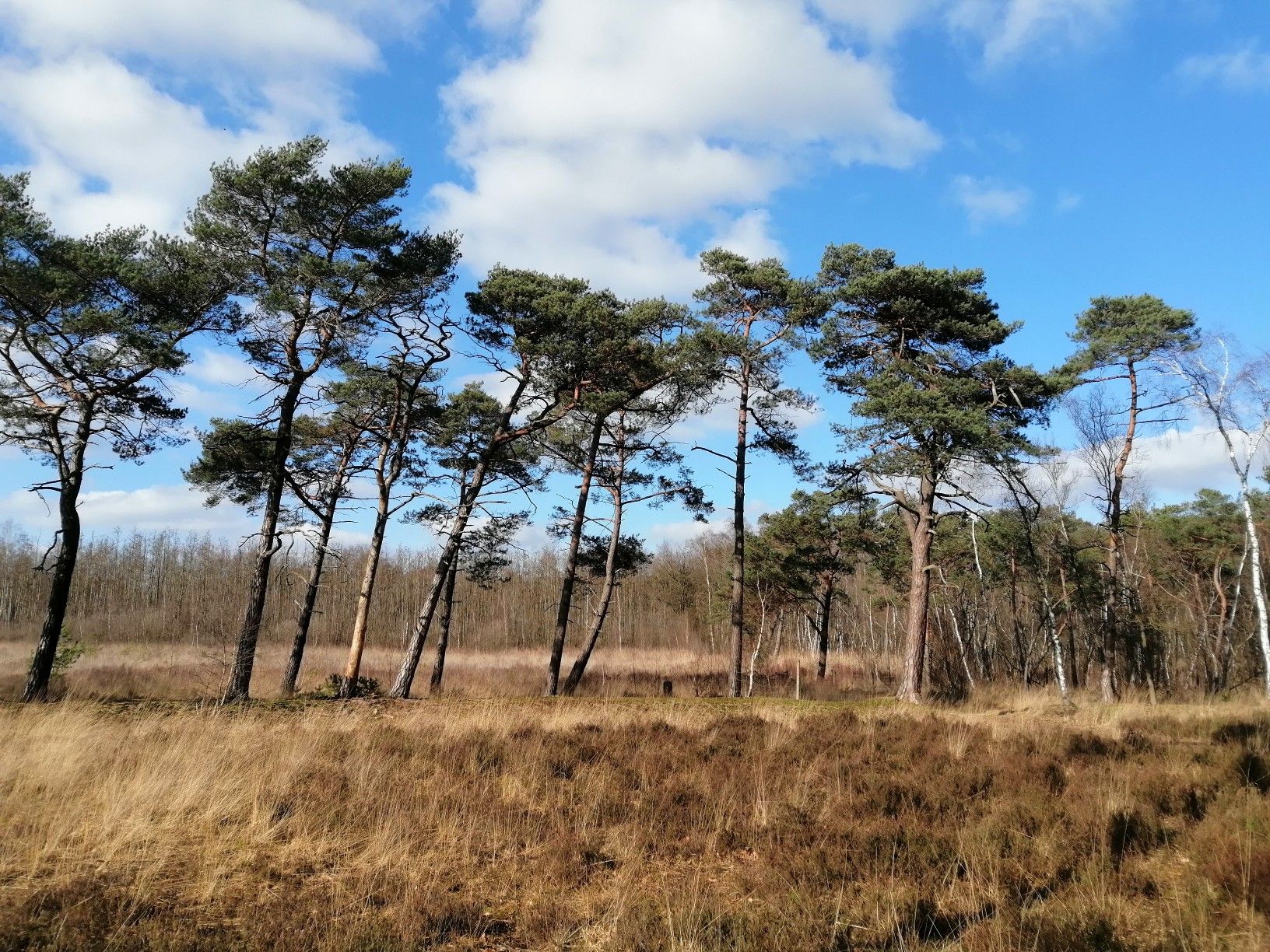
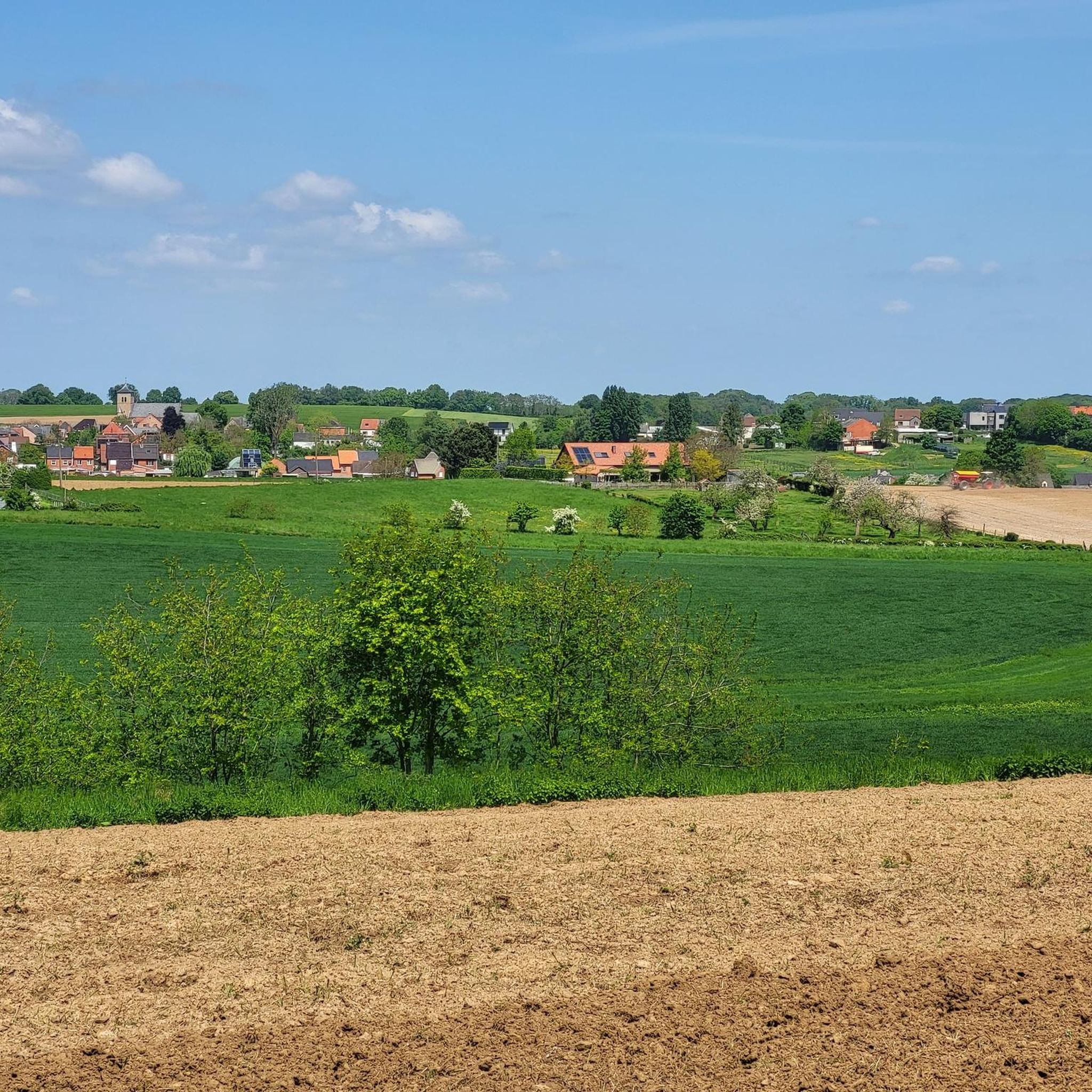
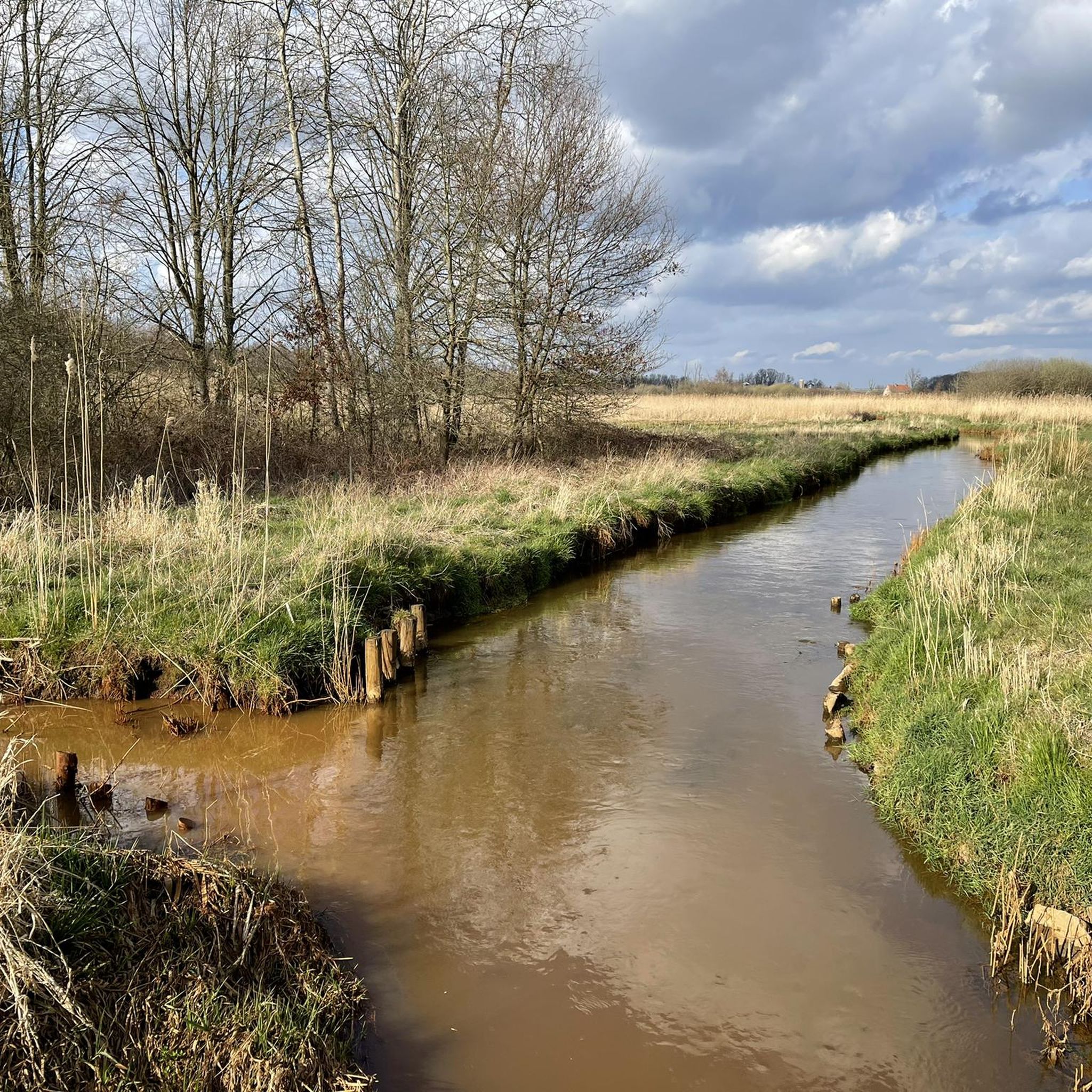



Tips from the Community

The deepest hollow way - not just of Limburg, but of Flanders - is located in Loksbergen and is no less than 12m deep. Due to erosion, the underlying iron sandstone has been exposed here. This rust-brown rock is characteristic of the Demer Valley and was already used in the Middle Ages as a building stone for numerous large and small structures. In places where this iron sandstone was easily accessible, the hill was excavated to mine building stone. The same happened in some hollow ways like this one in Loksbergen. Along the edges of the eroded gully, blocks of iron sandstone were quarried and then transported to a nearby construction site.
3
0

Nice single track through the sunken road that descends from grass forest to the railway. The sunken road is called the hellestraat.
0
0

Hollow road that runs from Grasbos down to the Demer valley.
0
0

There are two benches in beautiful places along this path. One of the "de Merode" landscape park type at the junction with the slow roads to the mill and a normal one in the bend a little further on where the road also becomes a little wider.
5
0
One of the beautiful slow roads in Schaffen that with an expansion of the offer in recent years of Schaffen really have made an even nicer walking village. It takes you along and to various crossings of walking junctions along tree plantations, a much deeper sunken road and many beautiful views over Schaffen. Completely agree with Marc.
6
0
Hollow roads (called deep streets here) only occur in hilly regions. They are typical for the loam region, but they can also be found in harder sandstone (such as here in Paal). They were created by man. They were used as a connecting road between farm and field and due to frequent use, loose sand was washed down the slope with every rain shower. In this way, the road was hollowed out deeper and deeper. A hollow road has a mild temperature, the wind has no effect on it. The silence is also noticeable during a walk in the shelter of a deep street.
4
0

Pleasant walk on a hollow overgrown path
2
0
Frequently Asked Questions
What kind of 'canyons' can I expect to find around Diest?
The 'canyons' around Diest are unique natural features known as 'hollow ways' or 'sunken lanes.' These are deep, eroded paths, not traditional geological canyons. They offer sheltered routes and distinctive natural beauty within the region's rolling hills, forests, and heathland.
What are some of the most popular hollow ways to explore near Diest?
Among the most popular hollow ways are Hollow Way, known since 1350 as a vineyard, and Hellestraat Sunken Lane, which is very popular with hikers and mountain bikers. Another beautiful option is the Hollow Lane of Schaffen, offering deeper paths and scenic views.
Are the hollow ways around Diest suitable for families or dog walking?
Yes, the hollow ways provide a unique walking experience. Their mild temperatures and noticeable silence make them pleasant for walks. While specific family or dog-friendly designations aren't provided, the general nature of these paths suggests they are suitable for leisurely strolls with family and dogs, provided dogs are kept on a leash where necessary.
What is the difficulty level of hiking the hollow ways in Diest?
The hollow ways are generally considered intermediate. They are paths eroded by frequent use in hilly regions, offering varied terrain. While they are not extremely challenging, they can involve gently rolling hills and some sections might be wetter, providing a refreshing experience on hot days.
What natural features can I observe while exploring the hollow ways?
You can observe diverse natural features such as forests, heathland, and the unique geological formations of the hollow ways themselves. For instance, Hollow Way forms a division between the Langenberg and the Cauwberg, with the left flank of the Holleweg being the highest point of the Langenberg at 60 meters. The region also features extensive forests, fens, marshes, and heathland, particularly near Averbode.
Are there any viewpoints along the hollow ways in Diest?
Yes, several hollow ways offer beautiful views. For example, the Hollow Lane of Schaffen provides many beautiful views over Schaffen. The Hollow Way also offers viewpoints, with some sections allowing views into smaller sunken roads.
What outdoor activities can I do near the hollow ways of Diest?
The region around Diest is excellent for various outdoor activities. Besides hiking the hollow ways, you can enjoy running, mountain biking, and road cycling. There are numerous routes exploring the local natural scenery, characterized by gently rolling hills, challenging climbs, and characteristic gravel sections. For more details on routes, you can explore Running Trails around Diest, MTB Trails around Diest, and Road Cycling Routes around Diest.
What is the best time of year to visit the hollow ways around Diest?
The hollow ways can be enjoyed year-round. They offer mild temperatures and shelter from the wind, making them pleasant even on hot days or during cooler seasons. In winter, the landscape takes on a different charm, though some paths might be wetter. Spring and autumn offer vibrant colors and comfortable hiking conditions.
Are there any historical or cultural insights related to the hollow ways?
Yes, the hollow ways have historical significance. For instance, the Hollow Way in Molenstede was known as a vineyard as early as 1350. These paths were often created by human use as connecting roads between farms and fields, with frequent use and rain washing away loose sand, hollowing them out over centuries.
Where can I find a particularly deep sunken lane in the Diest region?
For a notably deep sunken lane, consider visiting the Hollow Lane of Schaffen. This path is described as a much deeper sunken road, offering a distinct experience compared to others in the area.
What makes the hollow ways unique compared to other trails?
The hollow ways are unique due to their formation by erosion from frequent human use, rather than geological processes. This creates a distinct environment with mild temperatures, reduced wind, and a noticeable silence, offering a sheltered and immersive walking experience that differs from open trails or traditional canyons.
Most popular attractions around Diest

Get inspired with the komoot mobile app


Explore more
Already discovered everything in this region? See additional gorges around Diest for your next adventure:
