Top 7 Caves around Stavelot
Best caves around Stavelot are found within the broader Ardennes region, offering a diverse range of underground experiences. Stavelot, situated in the Belgian Ardennes, is known for its historical significance and natural landscapes, including the nearby Amblève valley. While the town itself features historical underground structures like abbey cellars, the surrounding area provides access to natural geological caves and man-made tunnels. This region presents opportunities to explore both natural formations and historical mining sites.
Best caves around Stavelot
- The most…
Last updated: June 30, 2026
Entrance to Lu Hayîre Slate Mine
Highlight • Cave
Translated by Google •
Tip by

Grotto of Our Lady of Lourdes in Solwaster
Highlight • Religious Site
Translated by Google •
Tip by

Sign up now to discover places like this
Get recommendations on the best single tracks, peaks, & plenty of other exciting outdoor places.
Sign up for free
Ancient Quarry and Abandoned Tunnel
Highlight • Structure
Translated by Google •
Tip by

The Malmedy Puddingstone
Highlight • Natural Monument
Translated by Google •
Tip by
Manhole of the Reinhardstein conduit
Highlight • Cave
Translated by Google •
Tip by
Sign up for free to discover even more caves around Stavelot.
Sign up for free
Already have an account?
Start today with a free account
Your next adventure awaits.
Login or Signup
Popular around Stavelot
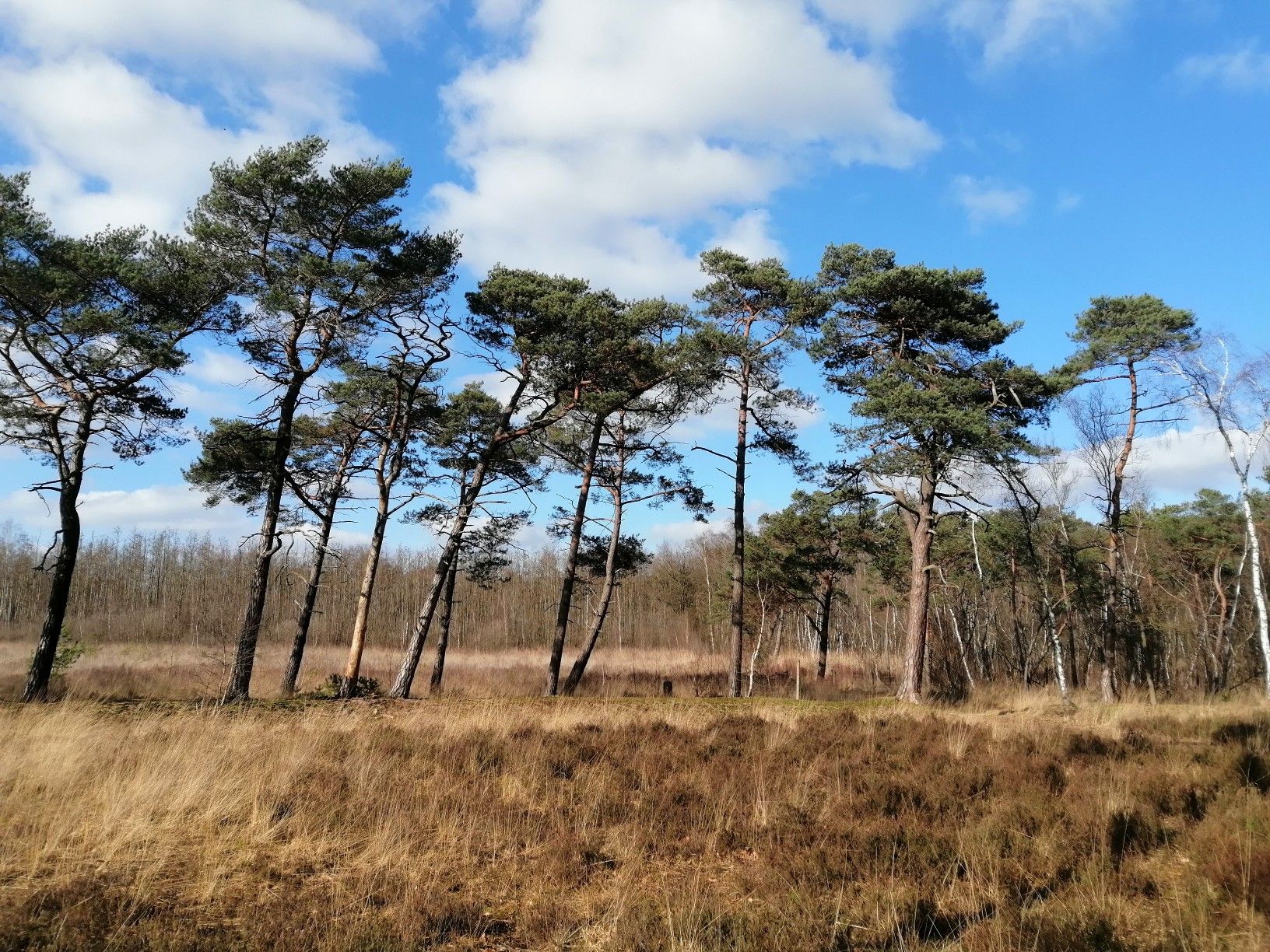
From Flanders to the Ardennes — GR 5 in Belgium
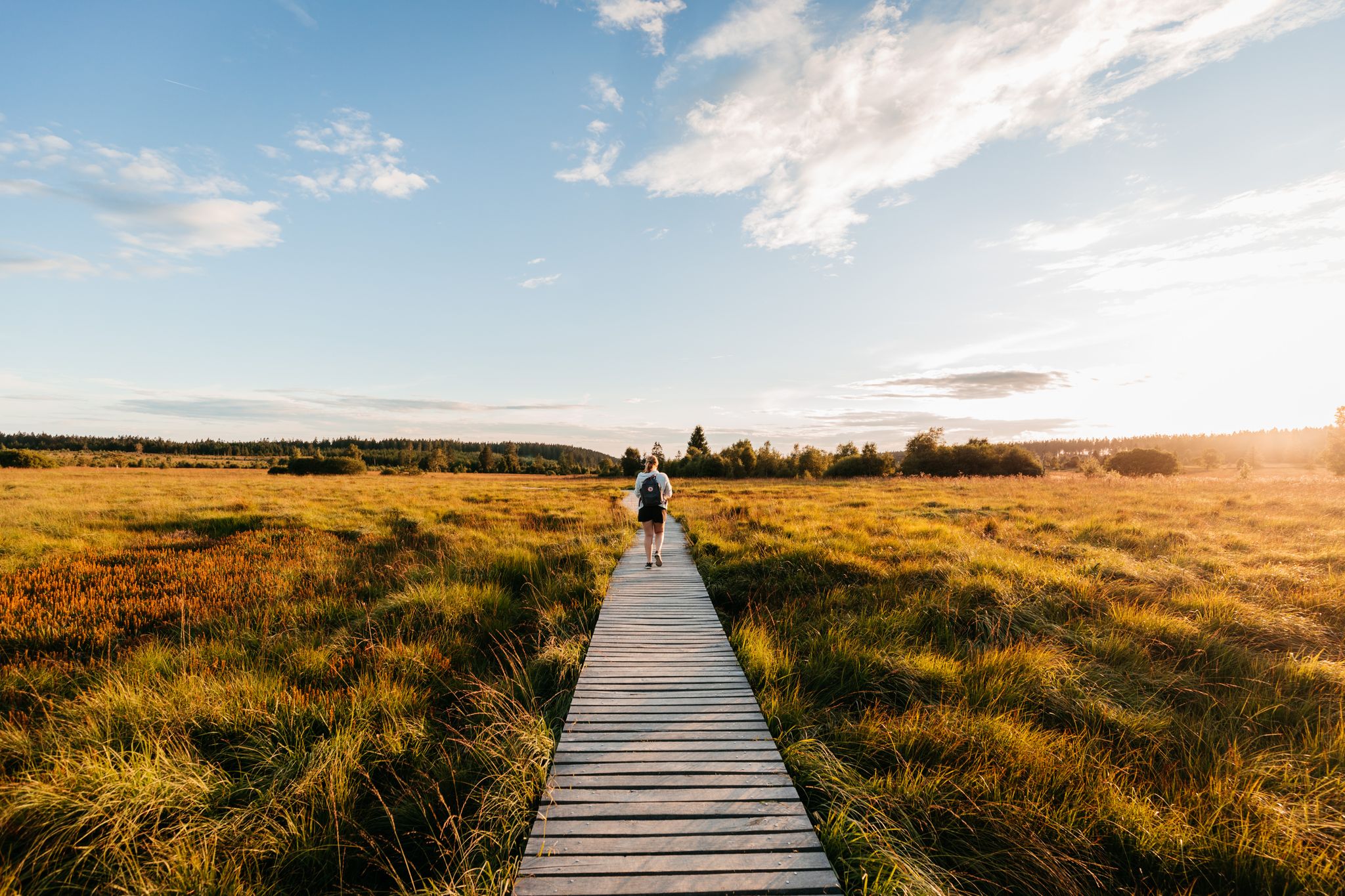
A waymarked trail all year round — Ultra Tour des Sources
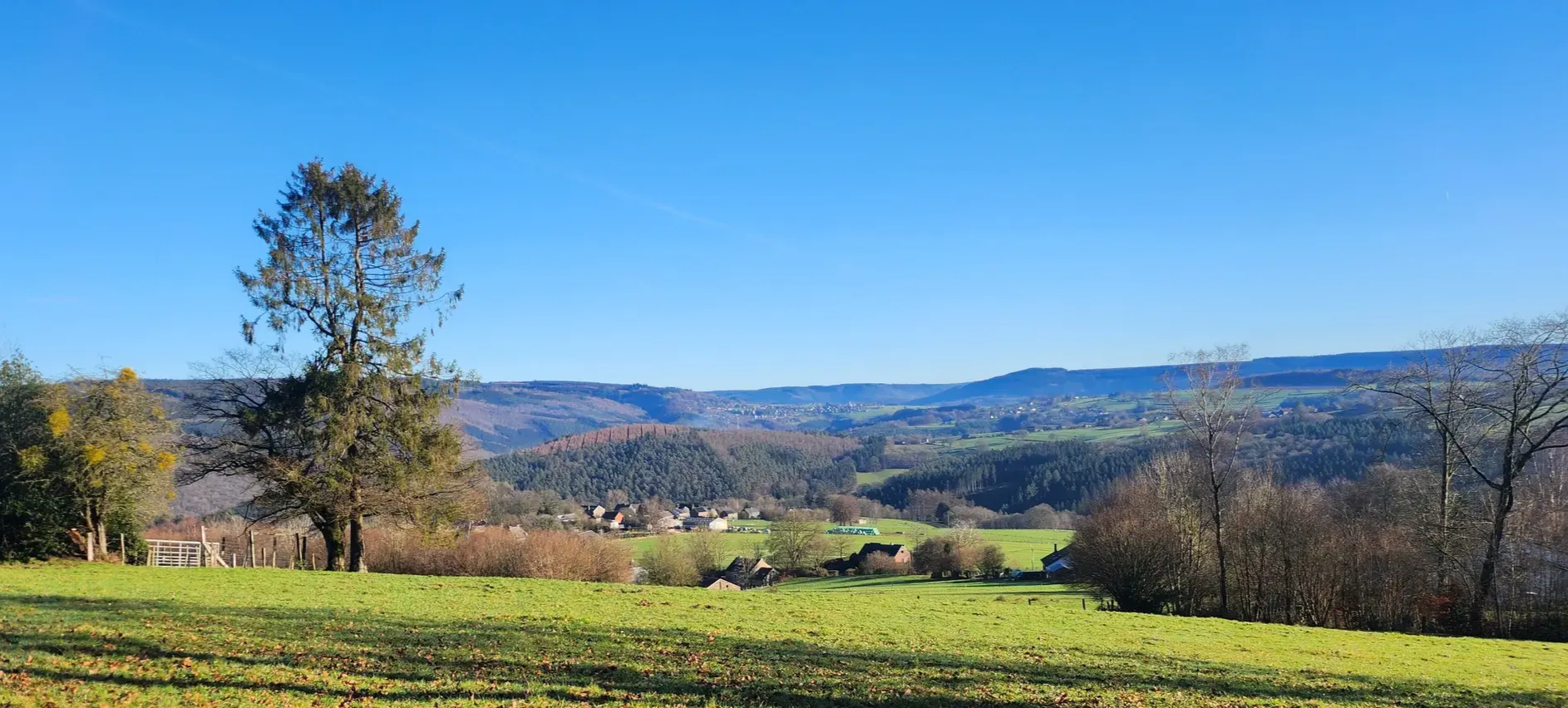
Unspoilt nature and wide views – hiking in Wallonia
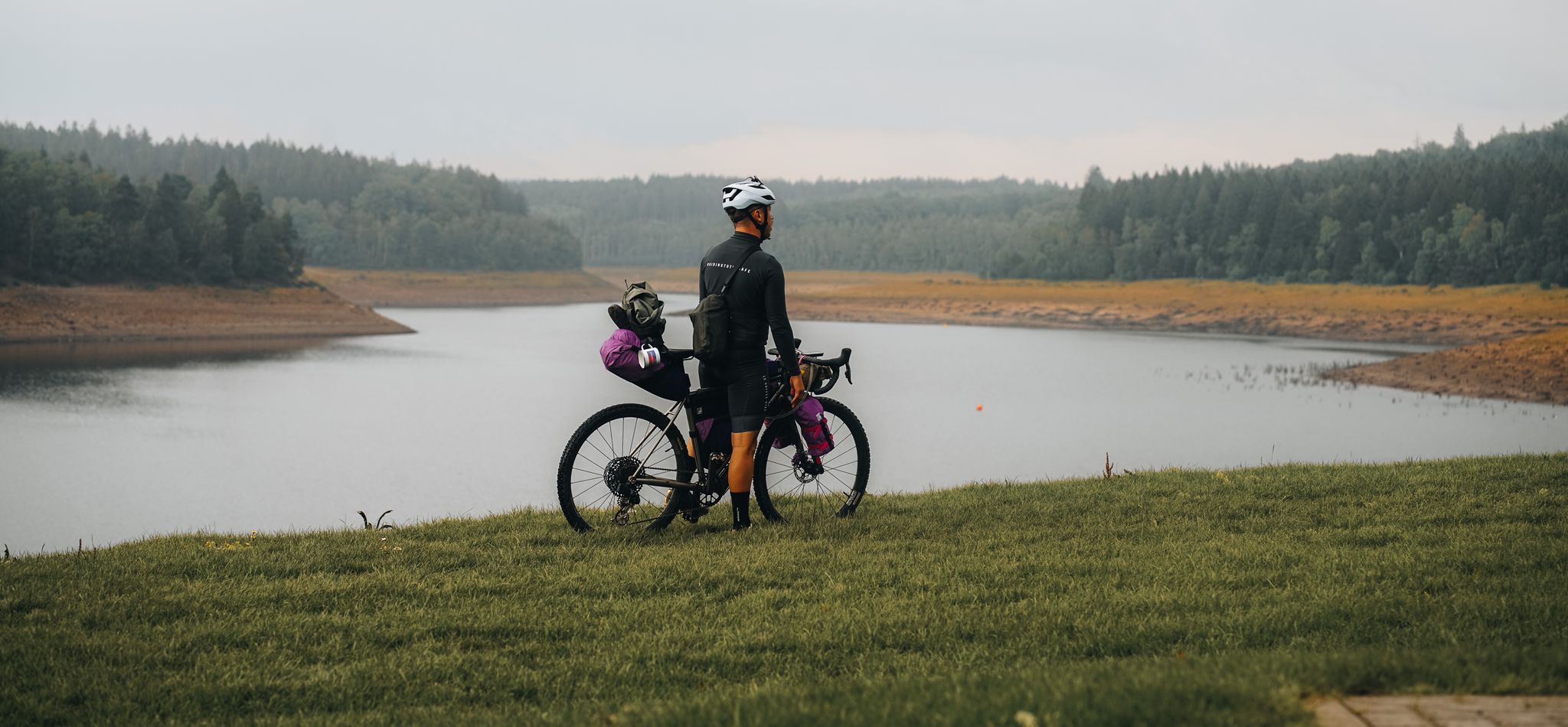
Bikepacking through the Eifel – The Reservoir Loop
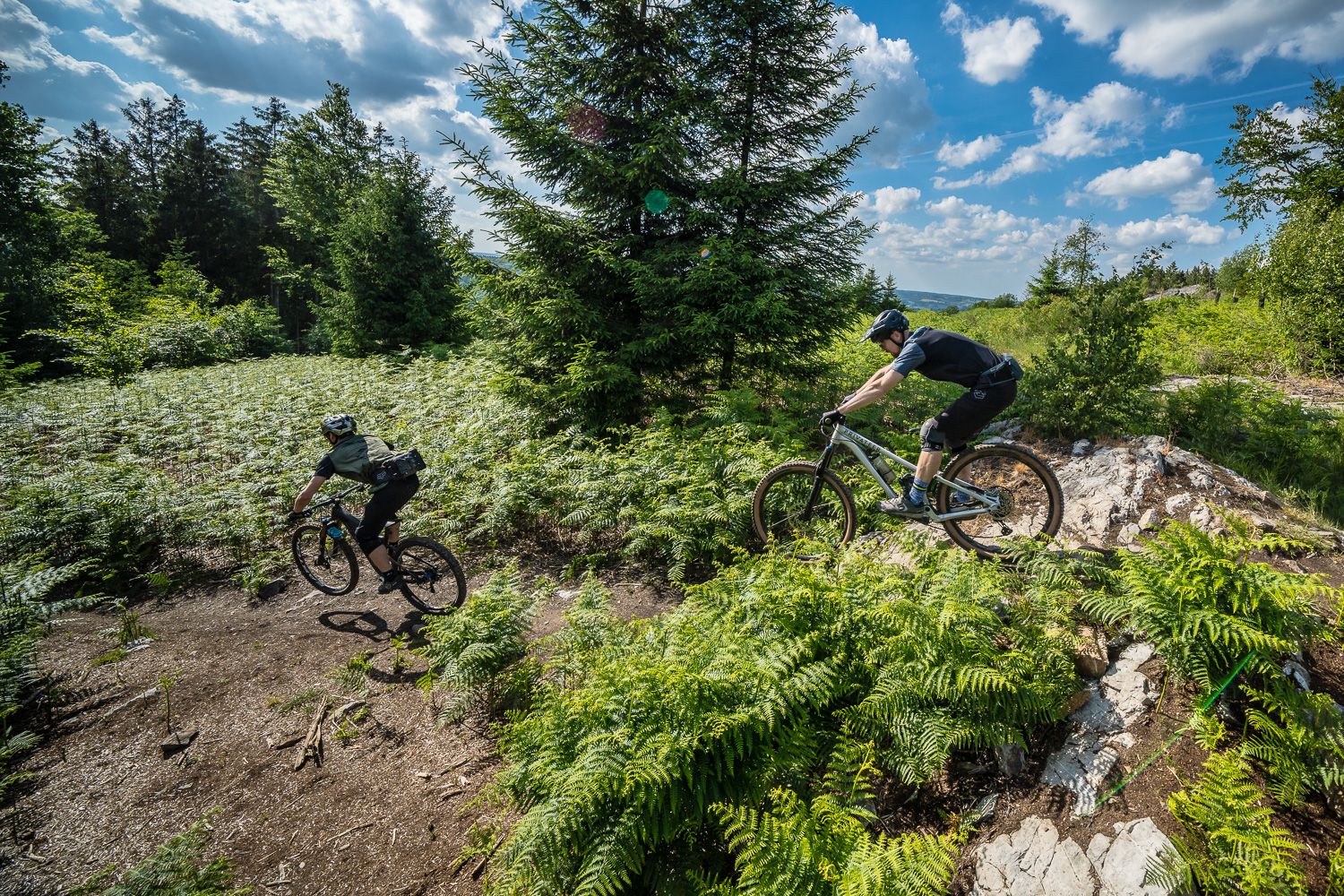
Fries and trails special in the Belgian Ardennes
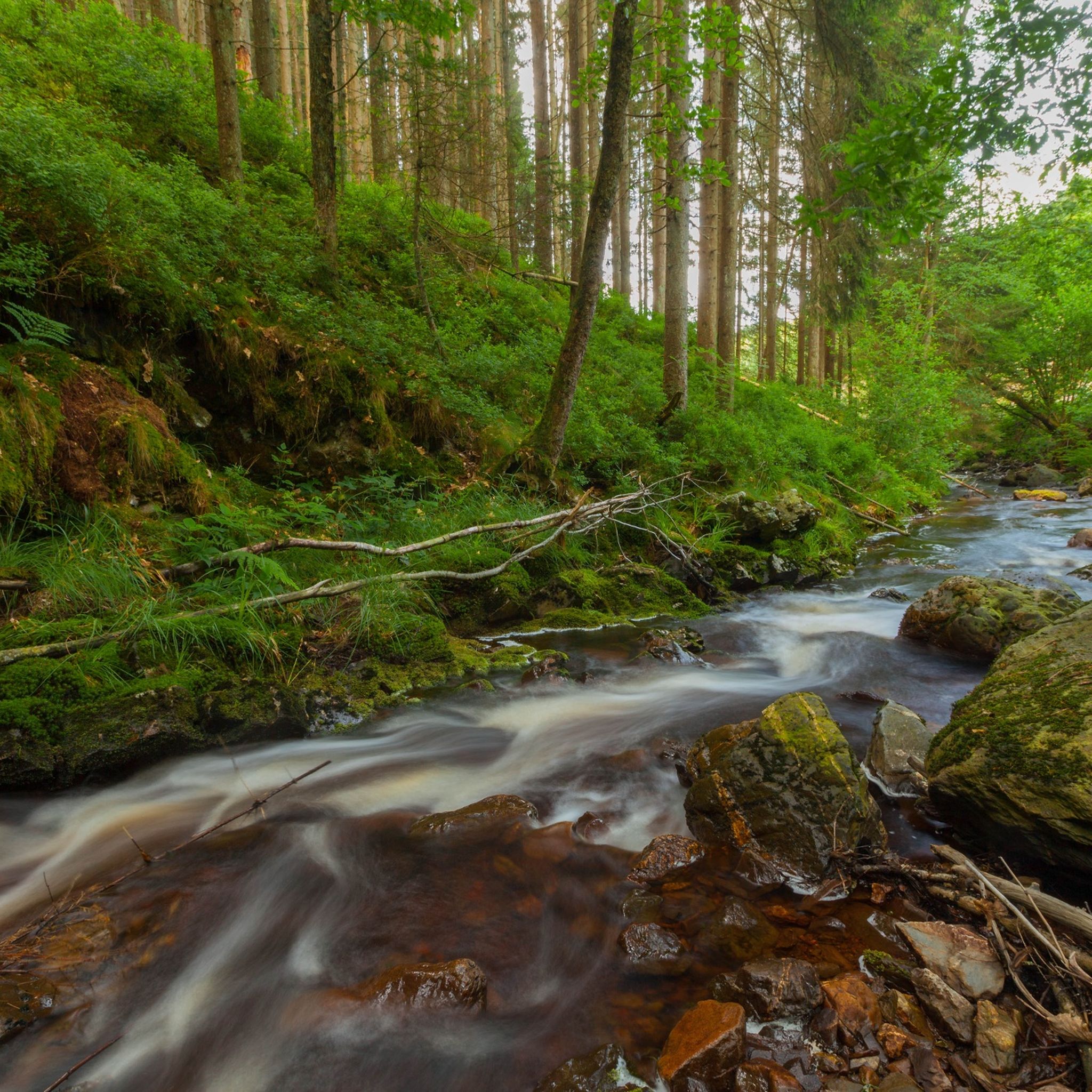
Hiking around Stavelot
Road Cycling Routes around Stavelot
Cycling around Stavelot
Running Trails around Stavelot
MTB Trails around Stavelot
Other adventures around Stavelot


Tips from the Community

The slate quarries of Cahay were located here. The slates of the ‘Pays de Salm’ have long been known and appreciated. For instance, in 1513, the people of Amberloup came here to fetch slates to build their church. A text from 1625 states that “use and the sun harden them to such an extent that the nails used to fasten them are affected by rust, while they (the slates) remain intact”. These very high-quality slates were initially mined in large open-pit mines, which left behind the large pits that we can still see in the landscape. From the second half of the 19th century, the extraction of slate took place via tunnels in the higher-quality layers of the “Thier des Carrières” mountain where you are standing now. The “waste” was dumped in heaps that were subsequently used for all kinds of works (roads, walls, etc.). The large slates with rounded edges are particularly well-known: these are the hérbins, always laid in diagonal lines. They can still be seen on the roofs of old houses in the Pays de Salm. After sawing, the phyllade (schist hardened by (underground) high pressure and temperatures) yielded material for billiard tables, window sills, etc. These slate quarries provided work for numerous laborers in our region. Some were highly specialized, such as the splitters who, after two to three years of practice, were capable of producing slates 3-4 mm thick. (Vielsalm Tourist Office)
11
0

Nowadays, a sign hangs on the (closed) gate: "Trou d'homme de la conduite Reinhardstein". So it is about a tunnel to/escape route from the nearby castle.
0
0

Situated in the quieter part of the valley. The higher paths are more frequented, rockier and more adventurous than this part. Definitely worth a visit!
1
0

there were very tame bunnies around when I was there, very cute
0
0

On a hot summer day you can cool off here - the refrigerator effect near the tunnel is impressive!
0
0

It is quite possible that this old slate tunnel serves as a quarters for bats in winter.
1
0

The Grotto of Our Lady of Lourdes in Solwaster is a spiritual place dedicated to the Virgin Mary. It is located in the Wallonia region of Belgium. The grotto was built in 1903 and is a replica of the famous Lourdes Grotto in France. It was built by believers to honor the apparitions of the Virgin Mary in Lourdes. The grotto attracts numerous pilgrims every year who come here to pray, light candles and have spiritual experiences. The grotto is embedded in the rock and features a statue of the Virgin Mary. The area is surrounded by trees and nature, creating a peaceful atmosphere. There is a spring near the grotto that is considered to have medicinal properties. Many people believe that the water has healing properties.
7
0

The Mother of God depicted and venerated here is the one from Lourdes. This well-known Marian pilgrimage site is located in the French Pyrenees and is visited by many people every year, including many sick people who hope for healing. The devotional image of the Mother of God has become widespread - not only in France - and believers have built Lourdes chapels and grottos everywhere. The church's memorial day for "Our Lady of Lourdes" is February 11th, the anniversary of the Marian apparition (1858), when the Mother of God appeared to 14-year-old Bernadette Soubirous in a rock grotto very close to Lourdes. Bernadette later became a nun and died at the age of just 35. On December 8th (the Feast of the Immaculate Conception of Mary) 1933, she was canonized by Pope Pius XI. The commemoration of the Madonna of Lourdes is also World Day of the Sick.
11
0
Frequently Asked Questions
What types of underground sites can I explore near Stavelot?
Near Stavelot, you can explore a mix of historical man-made underground sites and natural geological formations. These include old slate mines like the Entrance to Lu Hayîre Slate Mine, ancient quarries such as the Ancient Quarry and Abandoned Tunnel, and even religious grottoes like the Grotto of Our Lady of Lourdes in Solwaster. The region also features unique natural formations like the Malmedy Puddingstone.
Are there any natural show caves directly in Stavelot?
No, Stavelot itself does not host major natural show caves. The town is known for historical underground structures, such as abbey cellars. For natural geological caves, you'll need to venture into the broader Ardennes region, which is home to several impressive cave systems.
Which natural caves in the Ardennes are recommended for a visit from Stavelot?
For natural caves, consider visiting the Grottes de Remouchamps, known for their underground boat trip, or the Grottes de Hotton, often called the 'Caves of 1001 Nights' with vast galleries. The Grottes de Han offer immense formations and a wildlife park, while the Grotte de Comblain features an impressive abyss and ecological significance.
What unique geological features can I see in the caves around Stavelot?
One unique geological feature is the Malmedy Puddingstone, a rare rock formation where small pebbles are encased in red cement, resembling a compact dessert. In the broader Ardennes caves, you can find impressive stalagmites, stalactites, draperies, and even subterranean rivers.
Are there family-friendly caves or grottoes to visit near Stavelot?
Yes, several options are suitable for families. The Grotto of Our Lady of Lourdes in Solwaster is a peaceful, family-friendly religious site. For natural caves, the Grottes de Remouchamps and Grotte de Comblain offer guided tours designed to be engaging and educational for all ages. The Grottes de Han also provide a comprehensive nature experience with a wildlife park.
What historical underground sites can I explore near Stavelot?
The region is rich in historical underground sites. You can visit the Entrance to Lu Hayîre Slate Mine, where slate and coal were mined since 1773. Another significant site is the Ancient Quarry and Abandoned Tunnel, featuring former slate quarries of Cahay. The Manhole of the Reinhardstein conduit also represents a historical man-made tunnel.
How long do tours typically last at the major natural caves in the Ardennes?
Tour durations vary by cave. For example, the Grottes de Remouchamps tour lasts approximately 1 hour and 15 minutes, while the Grottes de Hotton guided tour is about an hour. The Grottes de Han offer a 'Discovery tour' of 1.25 hours or a more extensive 'Journey' of 2 hours.
What outdoor activities can I do near these caves?
The Stavelot region offers a variety of outdoor activities. You can find numerous running trails, including loops around Stavelot and the Coo Waterfall. For cycling enthusiasts, there are many road cycling routes and gravel biking routes that explore the natural landscapes and historical sites.
What is the typical temperature inside the natural caves in the Ardennes?
The natural caves in the Ardennes maintain a stable, cool temperature year-round. For instance, the Grottes de Hotton are consistently around 12°C, and the Grotte de Comblain maintains about 10°C. This makes them a refreshing escape during warmer months.
What do visitors enjoy most about the underground sites near Stavelot?
Visitors appreciate the historical significance of the man-made sites, such as the old slate mines and quarries, which offer a glimpse into the region's industrial past. The natural formations like the Malmedy Puddingstone are also highly regarded for their unique geological interest. The broader Ardennes caves are praised for their impressive scale, diverse formations, and unique experiences like underground boat trips.
Are there any caves near Stavelot that are important for wildlife?
Yes, the Grotte de Comblain (Cave of Comblain) is particularly significant for wildlife. It serves as an important hibernation site for several species of bats, and management measures are in place to protect these populations.
Can I visit the Grottes de Remouchamps from Stavelot?
Yes, the Grottes de Remouchamps are located in Aywaille, approximately 25 km south of Liège, and are a reasonable drive from Stavelot. They are well-known for their unique combination of a walking tour and the longest underground boat trip in Europe.
Most popular routes around Stavelot
Most popular attractions around Stavelot

Get inspired with the komoot mobile app


Explore more
Extend your search for the best caves by checking out these guides of the top ones around Stavelot:
