Top 10 Gorges around Lontzen
Best canyons around Lontzen are characterized by rolling hills, lush forests, and picturesque river valleys rather than dramatic gorges. The region features unique natural formations such as hollow ways, which are sunken paths eroded over centuries, offering trench-like experiences. Lontzen is also situated near the Hohes Venn-Eifel Nature Park, providing diverse terrain and scenic views. These natural features offer varied exploration opportunities for those seeking natural beauty and historical context.
Best canyons around Lontzen
- The most popular canyons is Hohnbach…
Last updated: June 30, 2026
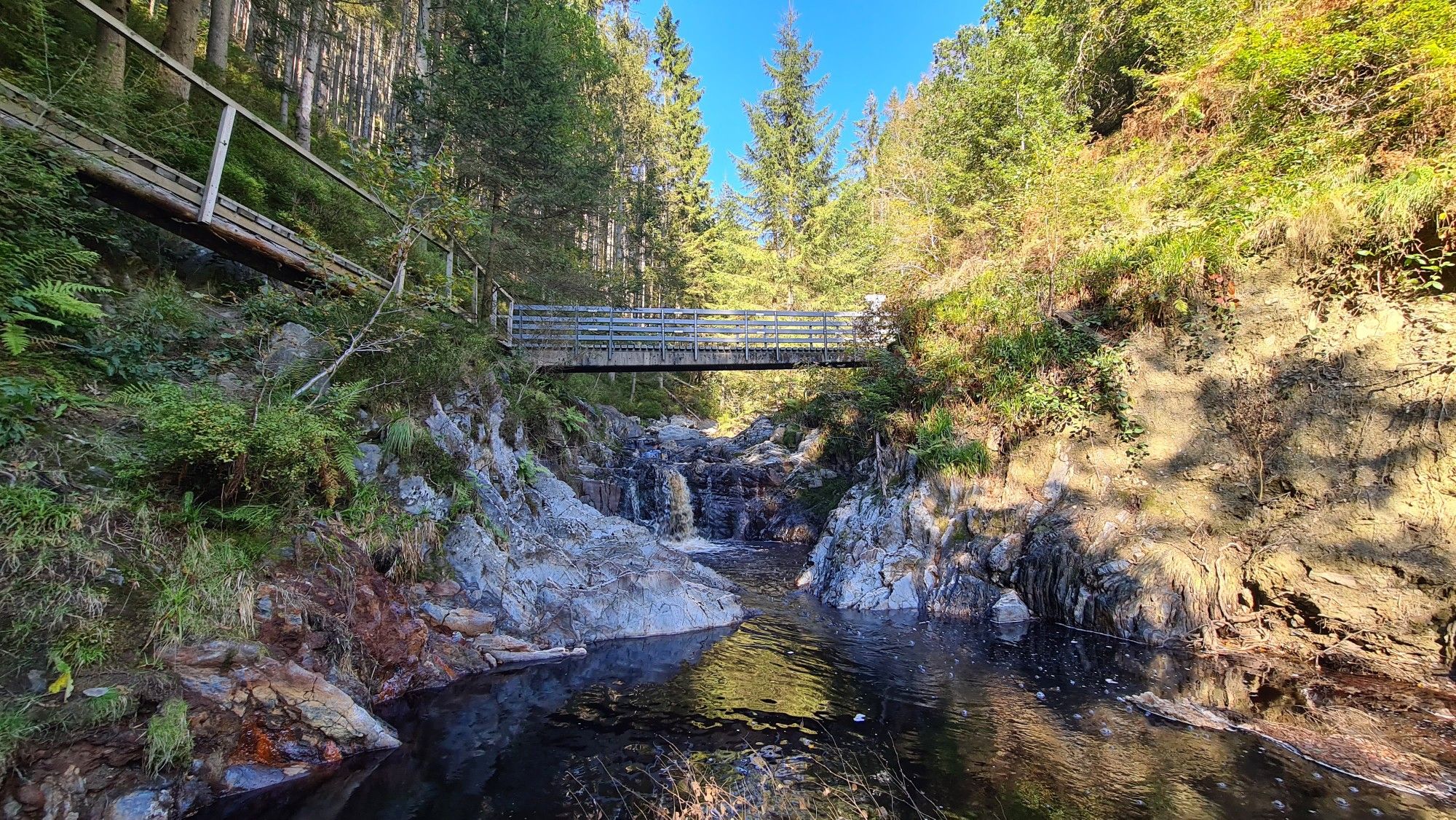
Hohnbach Valley
Highlight (Segment) • River
Translated by Google •
Tip by

Mine entrance and Geul sinkhole — Plombières Nature Reserve
Highlight • Cave
Translated by Google •
Tip by

Sign up now to discover places like this
Get recommendations on the best single tracks, peaks, & plenty of other exciting outdoor places.
Sign up for free
Unpaved trail through the Teuvenderberg forest reserve
Highlight (Segment) • Trail
Translated by Google •
Tip by

Iterbach Valley Near Kornelimünster
Highlight • River
The Iterbach rises in the Osthertogenwald, south of Raeren …
Translated by Google •
Tip by

Nutons' Cave
Highlight • Cave
According to legend, nutons are small …
Translated by Google •
Tip by

Sign up for free to discover even more gorges around Lontzen.
Sign up for free
Already have an account?
Start today with a free account
Your next adventure awaits.
Login or Signup
Popular around Lontzen



Tips from the Community

Great spot next to the path to discover.
2
0

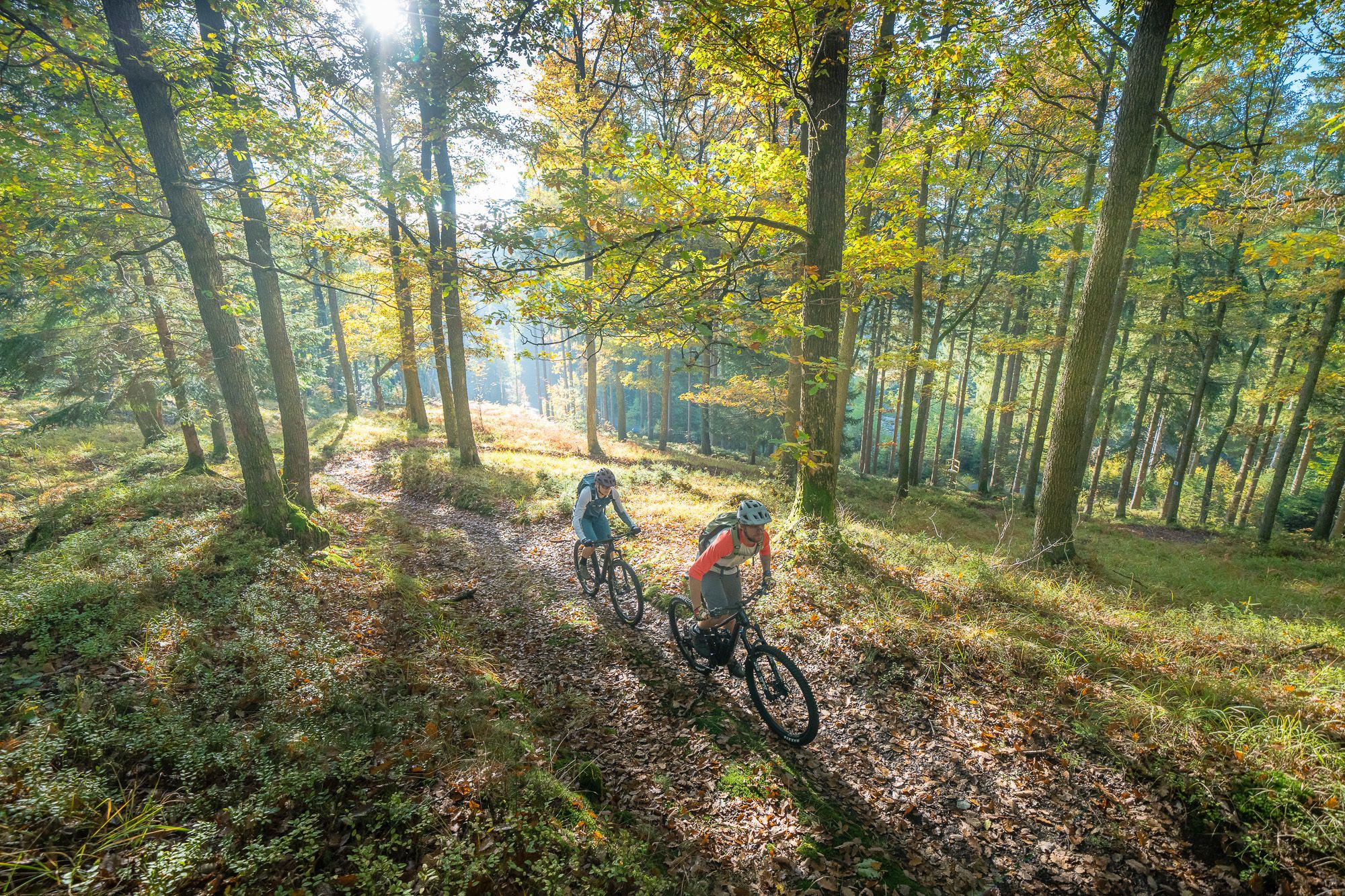
This scenic unpaved path winds through the Teuvenderberg forest reserve, offering a peaceful escape into nature. Surrounded by dense woodland, diverse flora, and the occasional wildlife sighting, the trail provides a tranquil setting for hikers and cyclists alike. The natural terrain, combined with the quiet atmosphere, makes it an ideal route to enjoy fresh air, forest sounds, and the feeling of being immersed in a protected natural landscape.
0
0

In the mid-19th century, flooding from the Göhl River posed a major threat to the mine in Bleyberg/Plombières: Water repeatedly penetrated the tunnels and claimed lives. To prevent this, a diversion of part of the river was requested and approved in 1861. By 1862, a tunnel several hundred meters long was built beneath the rock, keeping the Göhl away from the mine. The construction cost approximately 200,000 francs. The tunnel is a technical monument to mining engineering from an era when hazards were deliberately controlled while simultaneously harnessing hydropower. It demonstrates how work-related accidents were prevented while simultaneously harnessing resources.
54
0
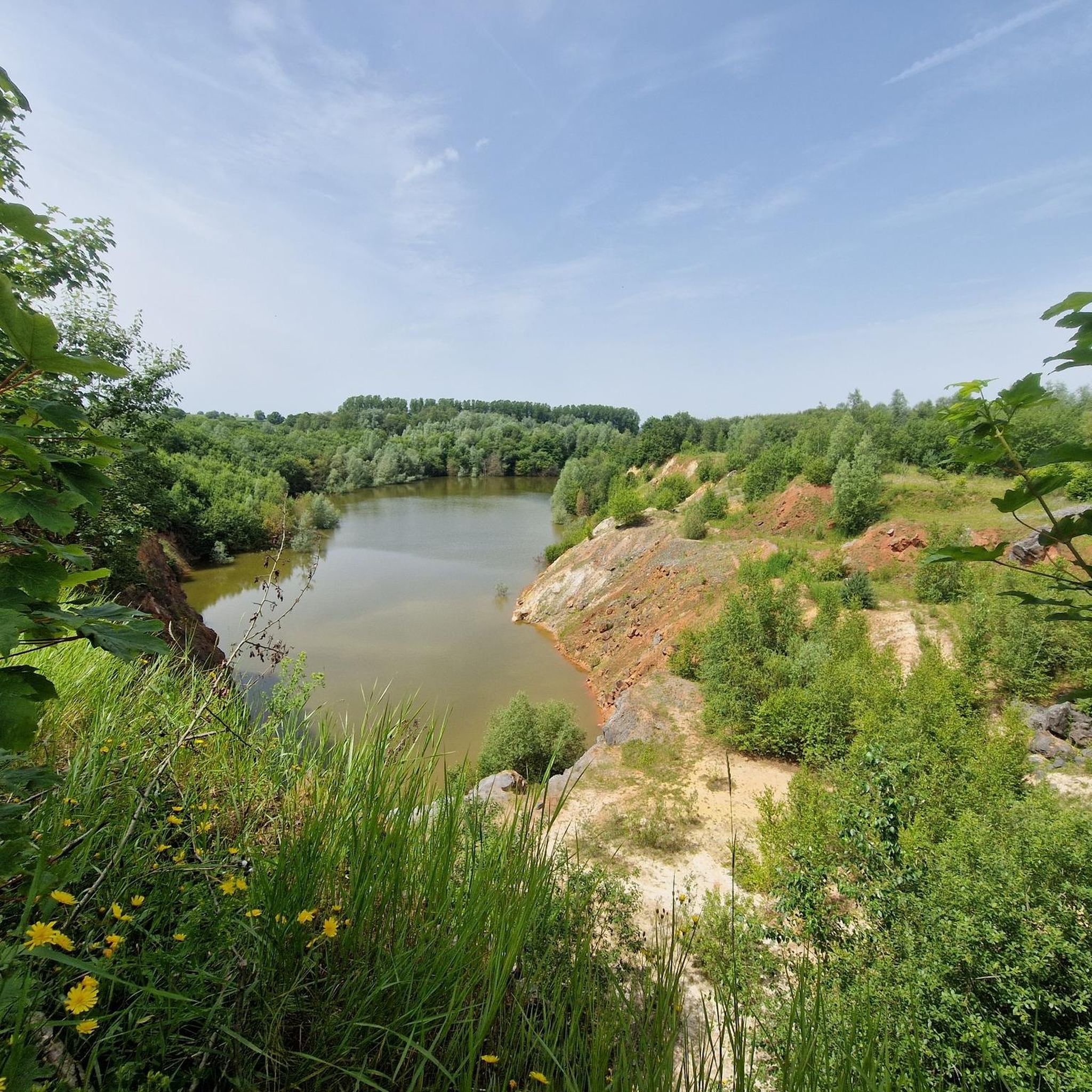
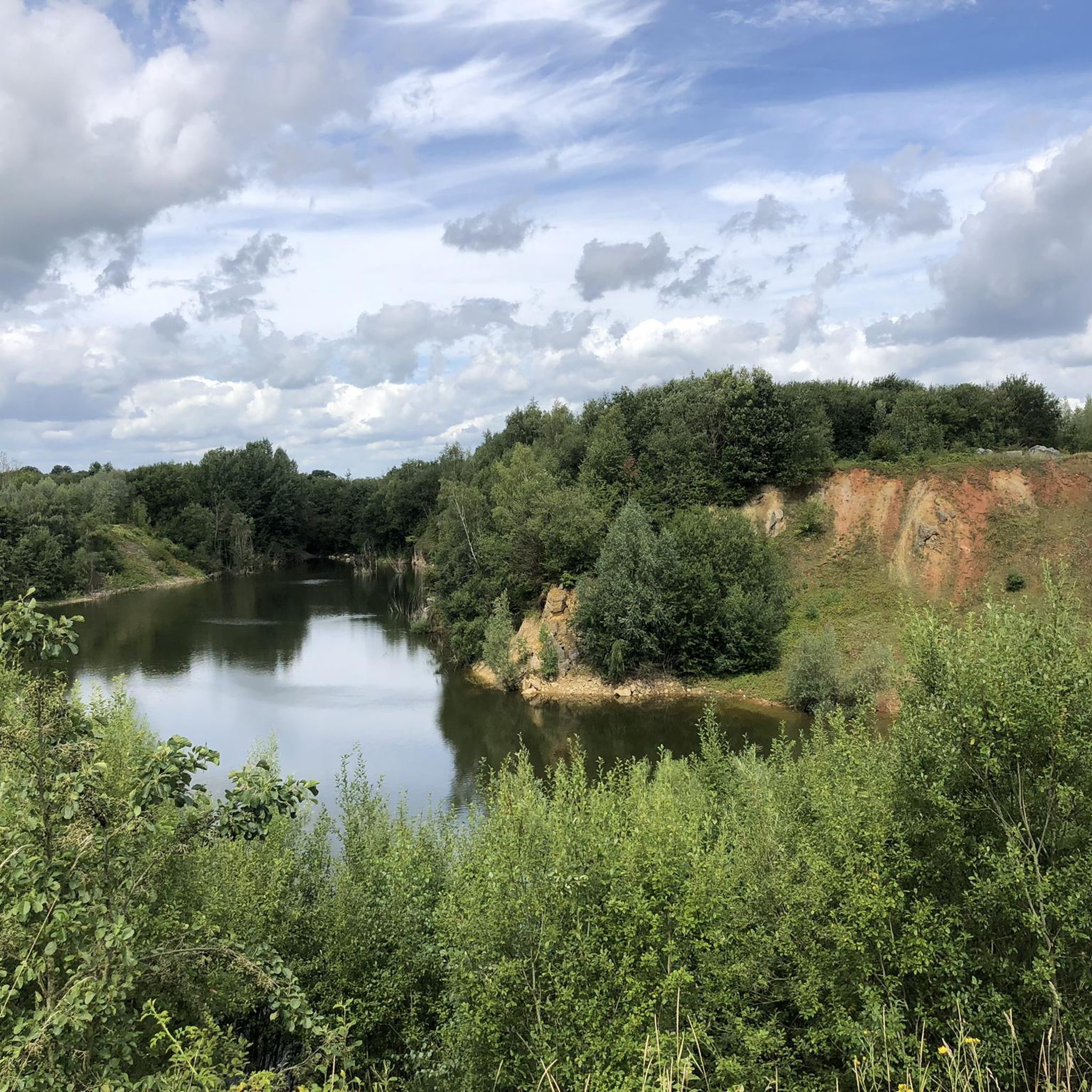
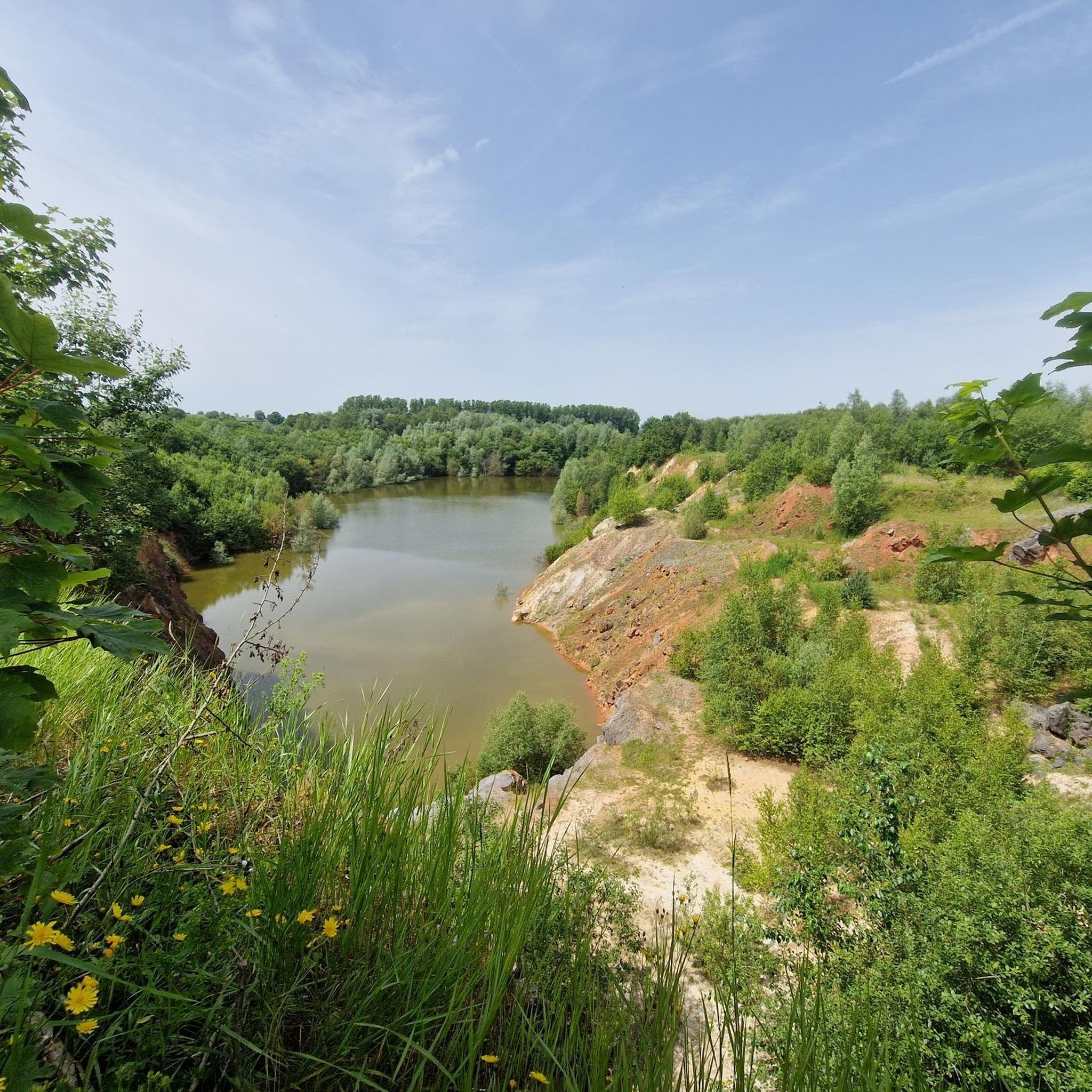
The site of the former Plombières mine is home to species-rich calcareous grassland meadows, now protected as a nature reserve. The exceptional flora and fauna of this area are due to the heavy metal-rich soils, particularly the presence of zinc in the subsurface. Among the natural meadow relics, visible traces of the former metal industry can still be found: – Walls from former foundry floors – Remains of old smelting furnaces – Stones from former industrial buildings A small stream meandering through the area further enriches the ecological diversity of this special place. The "Gueule" viewpoint, which offers a glimpse into a cave opening, is particularly impressive and worth a visit.
53
0

This cave is located on the left bank of the Ruisseau de Villers (La Pancherelle) and is located a little higher up along the hiking trail, in the forests of Saint-Jacques. The "nuton" (or lûton, nûton, gnome in Dutch) is a small creature from the folklore and popular beliefs of the French and Belgian Ardennes. The nuton has the same origins as the gnome, but according to local folklore, caves, caverns and underground passages make up most of its habitat, much like the dwarves of the Germanic world.
6
0

The stream valley is very calming and beautiful, and in summer cows roam there. Not recommended after heavy or long periods of rain, as the ground becomes very soft and muddy.
0
0

Beautiful area for walking with all the routes available.
1
0
From junction 83, this spectacular descent through the Teuvenderbos begins. The further you descend, the deeper the sunken road is cut.
3
0
Frequently Asked Questions
What kind of natural formations can I expect to find around Lontzen?
Around Lontzen, you'll discover a landscape of rolling hills, lush forests, and picturesque river valleys. Instead of dramatic, deep canyons, the region is known for unique natural features like hollow ways (sunken paths eroded over centuries), scenic stream valleys, and diverse terrain within the nearby Hohes Venn-Eifel Nature Park. These offer a tranquil and historically rich natural exploration experience.
What are some unique natural features to explore in the Lontzen area?
The Lontzen area is particularly known for its 'hollow ways' (Hohlwege), which are ancient, sunken paths that create trench-like formations. You can also explore picturesque river valleys such as the Rur River and the Lontzenerbach. The region's history of mining has also left its mark, with re-naturalized quarry sites hinting at interesting geological formations.
What is the <a href="https://www.komoot.com/highlight/117041" target="_blank" rel="noopener">Hohnbach Valley</a> known for?
The Hohnbach Valley is a popular river valley renowned for its vibrant yellow calamine violet and stunning daffodil meadows in spring. It offers diverse paths through forests and along the river, making it a beautiful and versatile area for walks. Visitors often highlight the absolute must-see daffodil meadows every spring.
Tell me more about the <a href="https://www.komoot.com/highlight/3393372" target="_blank" rel="noopener">Unpaved trail through the Teuvenderberg forest reserve</a>.
This trail features a deep sunken road, also known as a Holleweg, which is a natural waterway in the hill country. It offers a spectacular descent through the Teuvenderbos, with the path becoming deeper as you go. It's a unique natural experience, though in summer, it can be overgrown with nettles and blackberry bushes.
What can I expect when visiting the <a href="https://www.komoot.com/highlight/122563" target="_blank" rel="noopener">Iterbach Valley Near Kornelimünster</a>?
The Iterbach Valley Near Kornelimünster offers a calming natural setting with rich vegetation along the Iterbach river. It's a natural river valley that flows into the Inde, providing beautiful walks at any time of the year. In summer, you might even see cows roaming. Be aware that after heavy rain, the ground can become very soft and muddy.
Are there any caves or interesting geological formations to explore?
Yes, you can visit Nutons' Cave, located on the left bank of the Bilstain ru. According to local folklore, nutons are small, clever beings who carry out minor repair work for offerings left at their cave entrances. This cave is part of the rich folklore of the French and Belgian Ardennes.
What outdoor activities can I do near these natural areas in Lontzen?
The region around Lontzen offers a variety of outdoor activities. You can find numerous mountain hikes, MTB trails, and cycling routes. Popular options include the Göhl Tunnel – Vaalserberg Three-Country Point loop for mountain hiking, the Lontzen en boucle for MTB, and the Weser Reservoir loop for cycling.
Are there family-friendly options for exploring nature around Lontzen?
Yes, several natural areas around Lontzen are suitable for families. The Hohnbach Valley is considered family-friendly, offering beautiful paths through forests and along the river. The general landscape of rolling hills and accessible trails in the Hohes Venn-Eifel Nature Park also provides pleasant experiences for all ages.
When is the best time to visit the natural areas around Lontzen?
Spring is an excellent time to visit, especially to witness the spectacular daffodil meadows in the Hohnbach Valley. Generally, the natural areas are enjoyable throughout the year, with each season offering its unique charm. However, be mindful that some paths, like the Unpaved trail through the Teuvenderberg forest reserve, can be overgrown in summer, and river valleys might be muddy after heavy rain.
What do visitors enjoy the most about the natural areas around Lontzen?
Visitors frequently praise the beautiful and versatile paths, especially the stunning daffodil meadows in spring. The tranquil and calming atmosphere of the stream valleys, like the Iterbach Valley, is also highly appreciated. The unique experience of exploring the deep sunken roads and the rich natural beauty of the forests are often highlighted.
What kind of terrain and difficulty can I expect on trails around Lontzen?
The terrain around Lontzen primarily features rolling hills, lush forests, and picturesque river valleys. Trails can range from easy, gentle paths suitable for families to moderate routes with some elevation changes, especially in areas like the Hohes Venn-Eifel Nature Park. Some paths, particularly hollow ways, can be deeply cut and may become muddy or overgrown depending on the season.
Are there any historical aspects related to the landscape in Lontzen?
Yes, the landscape around Lontzen holds historical significance. The 'hollow ways' are ancient transport routes, eroded over centuries of use, offering a glimpse into the region's past. The history of mining for lead, zinc, and iron sulphides has also shaped parts of the area, with former quarries now re-naturalized, hinting at the geological forces and historical extraction that occurred here.
Most popular routes around Lontzen
Most popular attractions around Lontzen

Get inspired with the komoot mobile app


Explore more
Already discovered everything in this region? See additional gorges around Lontzen for your next adventure:
