The best running trails around Lontzen
4.1
(28)
525
runners
58
runs
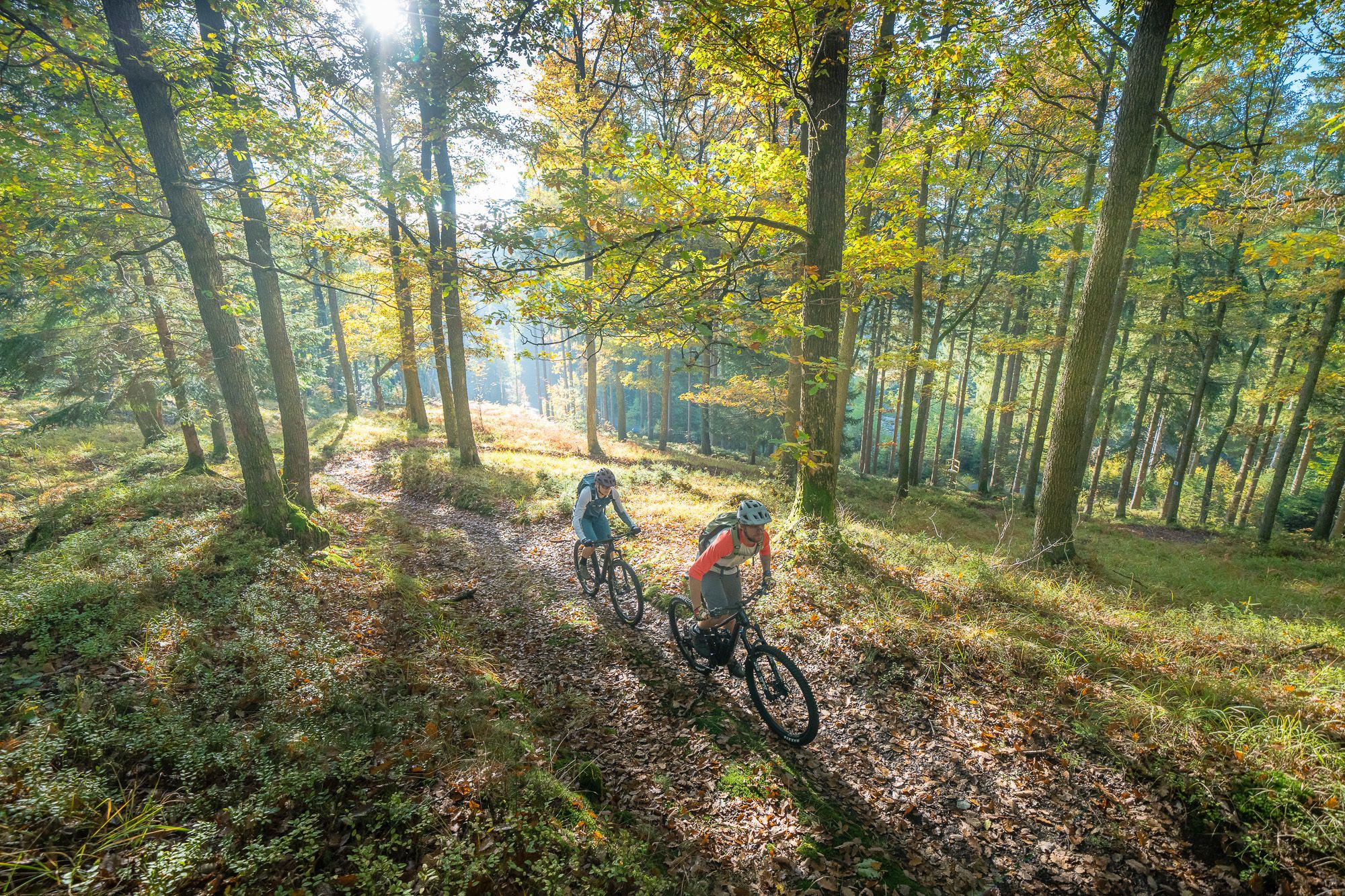
Jogging around Lontzen offers diverse natural landscapes, including unique hedgerow areas, gently rolling hills, and lush forests. The region acts as a transitional zone between the Belgian Ardennes and the Dutch Heuvelland, providing a varied topography of pastures and orchards. Valleys such as the Hohnbach Valley and Lontzenbach Valley contribute to immersive running experiences. Lontzen's proximity to the Hohes Venn-Eifel Nature Park further expands the range of available terrain for runners.
Best jogging routes around Lontzen
- The most popular jogging route is Yes loop from Welkenraedt, a 6.3 miles (10.1 km) trail that takes 1 hour 2 minutes to complete. This moderate route explores the local countryside.
- Another top favourite among local runners is Fischteich loop from Welkenraedt, a moderate 6.6 miles (10.6 km) path. This route guides runners through natural ponds and green spaces.
- Local runners also love the Old Railway Track Path – St. Hubertus Church Lontzen loop from Lontzen, a 4.0 miles (6.4 km) trail leading through historical sites and along a former railway line, often completed in about 43 minutes.
- Jogging around Lontzen is defined by hedgerow landscapes, rolling hills, and dense forests, with routes available for easy, moderate, and difficult ability levels.
- The routes in Lontzen are highly rated by the komoot community with an average score of 4.2 stars from over 20 reviews. More than 400 runners have used komoot to explore Lontzen's varied terrain.
Last updated: October 7, 2026
3.5
(2)
59
runners
10.4km
01:05
60m
60m
Moderate run. Good fitness required. Mostly paved surfaces. Suitable for all skill levels.
51
runners
10.6km
01:06
80m
80m
Moderate run. Good fitness required. Mostly paved surfaces. Suitable for all skill levels.

4.1
(7)
35
runners
Moderate run. Good fitness required. Mostly paved surfaces. Suitable for all skill levels.
21
runners
10.7km
01:11
130m
130m
Moderate run. Good fitness required. Mostly paved surfaces. Suitable for all skill levels.
4.0
(1)
15
runners
8.38km
00:52
70m
70m
Moderate run. Good fitness required. Mostly paved surfaces. Suitable for all skill levels.
Get access to more routes and recommendations from other explorers.
Already have an account?
Our route recommendations are based on thousands of hikes, rides, and runs completed by other people on komoot.
Start today with a free account
Your next adventure awaits.


Tips from the Community

According to legend, Emma was the daughter of Charlemagne and in love with Einhard, a confidant of the emperor. When she carried him through the snow one night to hide his footprints, her father discovered their secret relationship. In the 19th century, this legend was associated with the Eyneburg, which has since also been called Emmaburg.
1
0
Eyneburg, also called Emmaburg, is located on a wooded ridge above the Göhl valley. The noble family of Eyneberghe was first mentioned in documents in 1260. After a fire in 1640, the castle was renewed and extensively rebuilt from 1897 onwards. The name Eyneburg goes back to the noble family; the designation Emmaburg is based on a historically unproven legend about Emma, a daughter of Charlemagne.
1
0

Visually great, but unfortunately nothing seems to be going on here anymore. It would be nice if it were revived.
0
0

Herbesthal's town hall is located on Kirchstraße. The village has approximately 2,400 inhabitants but belongs to Welkenrath.
0
0

Beautiful natural stone church with a monumental nave in front of the entrance portal
0
0
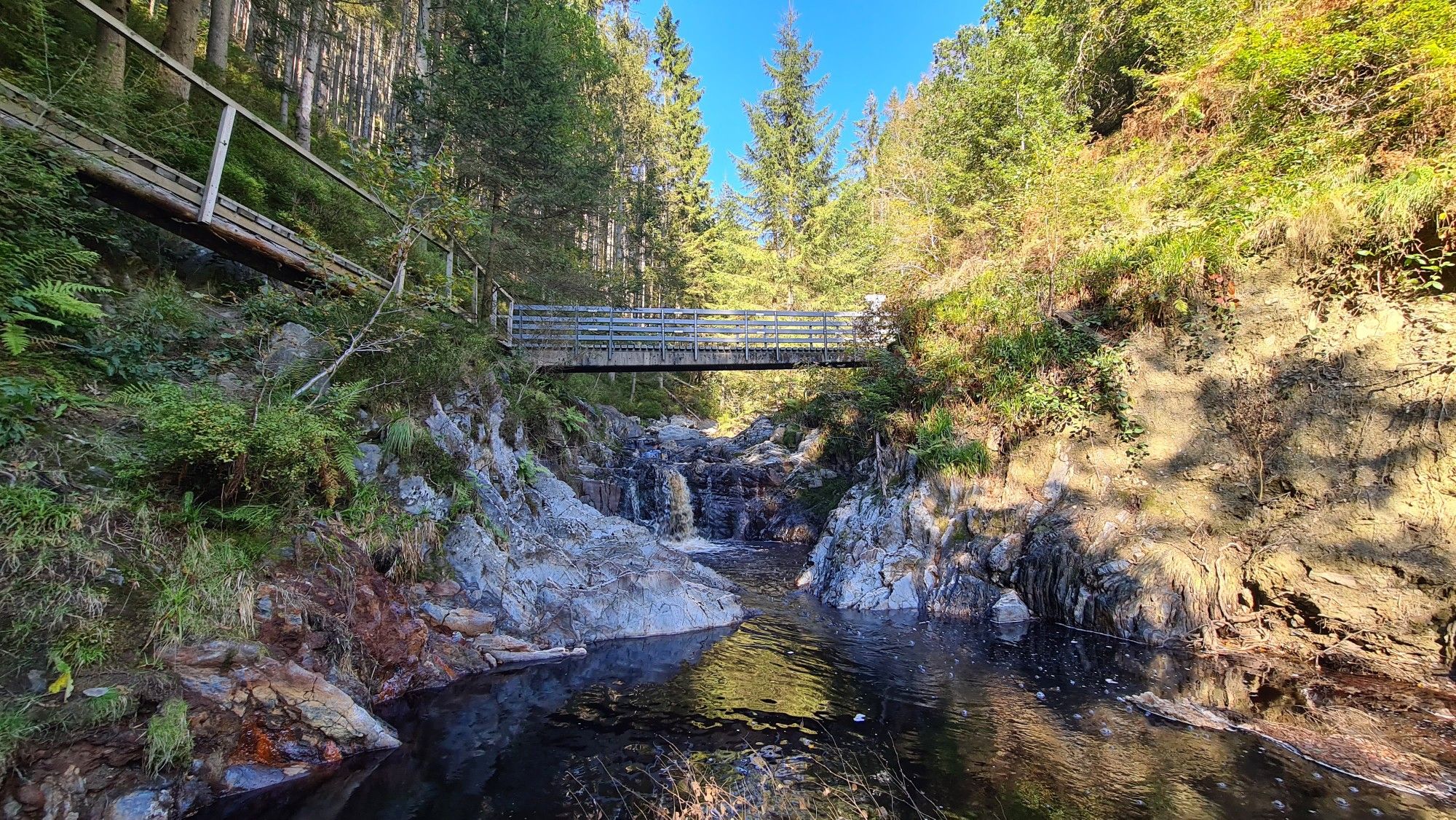
Stream that rises near Walhorn and runs through Astenet past Thor Castle
0
0

Saint Stephen (or Stefan, both spellings sometimes with the Latin ending "...us"), patron saint of the church in the Lontzen area, was one of the first seven deacons of the early Christian community in Jerusalem and the first martyr of early Christianity. The church commemorates him on the second day of Christmas, December 26. When Stephen, filled with the Holy Spirit, loudly proclaimed his vision of the open heavens: "And looking up into heaven, he saw the glory of God and Jesus standing at the right hand of God" (Acts 7:55), the people were so outraged that they drove him out of the city and stoned him.
0
0

St. Hubertus Church: Parish church of the Belgian town of Lontzen Due to its location above the road halfway up a hill, it towers over many of the village's houses. The present church was built between 1768 and 1770 according to a design by Joseph Moretti. A Gothic church had stood on this site since the end of the 14th century. The sacristy and the tower at the front are the work of the architect Wildt and were built in 1902 and 1910, respectively. The typical octagonal bell tower also dates from that period. The building was constructed of rubble stone. The interior of the church is very lavishly decorated and furnished: an altar from 1776, wood paneling from the 19th century, and partially gilded wall paintings from the early 20th century invite you to visit. The main altar dates from around 1850. The side altars date from around 1760 and are made of wood, some painted in marble and gilded in places. The communion rail dates from the end of the 18th century. Two confessionals date from around 1760 and are made of partially gilded oak. The church contains wall paintings from around 1907 and stucco depictions of God the Father from 1770. The church is surrounded by a cemetery, which is enclosed by a wall according to ancient tradition. Several grave crosses from the 16th century have been embedded in the wall. https://www.komoot.com/de-de/highlight/1067740 https://www.ostbelgien.eu/de/fiche/virtualtour/st-hubertus-pfarrkirche-lontzen St. Hubertus Church is part of the network of open churches. Between 1906 and 1908, the interior was decorated with Art Deco murals inspired by Romanesque-Byzantine art. The church's overall concept has been preserved, both decoratively and architecturally, and its furnishings are a testament to early 20th-century architecture. The church was completely restored in 2013. https://openchurches.eu/nl-be/gebouwen/saint-hubert-lontzen
1
0
Frequently Asked Questions
How many running routes are available in Lontzen?
Lontzen offers a wide selection of running routes, with over 50 options available on komoot. These routes cater to various fitness levels, including 2 easy, 51 moderate, and 5 difficult trails, ensuring there's something for every runner.
Are the running trails in Lontzen dog-friendly?
Lontzen's diverse natural landscapes, including its lush forests and scenic valleys, are generally welcoming for runners with dogs. While specific leash laws can vary, it's always recommended to keep your dog on a leash, especially in areas with wildlife or near agricultural land, to ensure a safe and enjoyable experience for everyone.
Are there any family-friendly running routes in Lontzen suitable for strollers?
Many of Lontzen's trails, particularly those utilizing former railway lines or well-maintained paths, can be suitable for families and strollers. The Old Railway Track Path – St. Hubertus Church Lontzen loop from Lontzen is a good example, offering a relatively flat and accessible surface through historical sites.
What kind of scenery can I expect on a run in Lontzen?
Lontzen offers a picturesque blend of unique hedgerow landscapes, gently rolling hills, and dense forests. You'll encounter scenic valleys like the Hohnbach Valley and Lontzenbach Valley, natural brooks, and traditional orchards. The region's position between the Belgian Ardennes and the Dutch Heuvelland provides a varied topography, often with panoramic views, especially from spots like the Lontzen viewpoint indicator.
Are there any running routes that pass by historical sites or landmarks?
Yes, Lontzen's running routes often integrate its rich history. For instance, the Old Railway Track Path – St. Hubertus Church Lontzen loop from Lontzen guides you past historical sites and the St. Hubertus Church. You can also find trails that pass by 18th-century farmsteads, the historic Lontzen Castle, and the St. Anna Chapel, all built from local grey stone.
Are there any running routes with waterfalls or significant natural features?
Yes, for a run featuring a natural waterfall, consider the Groetbach Waterfall loop from Walhorn. This route offers an immersive experience through the natural environment, including the waterfall. The region also features natural brooks and small ponds throughout its valleys.
What do other runners enjoy most about jogging in Lontzen?
The running routes in Lontzen are highly rated by the komoot community, with an average score of 4.2 stars from over 20 reviews. Runners often praise the diverse natural landscapes, the well-maintained trail network, and the variety of routes that cater to different fitness levels.
Are there any circular running routes in Lontzen?
Yes, Lontzen features numerous circular running routes. Many local trails, including those starting from the central Lindenplatz, are designed as loops. Examples include the Yes loop from Welkenraedt and the Fischteich loop from Welkenraedt, which guide you through the local countryside and green spaces.
Are there any running routes that offer views of castles?
Absolutely. The Eyneburg Castle – Hohnbach Valley loop from Lontzen is an excellent choice, allowing you to run through the scenic Hohnbach Valley and past the historic Eyneburg Castle. This provides a blend of natural beauty and historical exploration.
What is the terrain like for running in Lontzen?
Lontzen's terrain is quite varied, offering a mix of gently rolling hills, flat sections along former railway lines, and paths through dense forests and valleys. The region is known for its distinctive hedgerow landscapes and pastures, providing a pleasant and diverse running surface. You'll find routes suitable for different preferences, from relatively flat to those with more significant elevation changes.
Are there any specific considerations for running in Lontzen during different seasons?
Lontzen's trails are generally enjoyable year-round. In spring and summer, the hedgerows and forests are lush and green, offering beautiful scenery. Autumn brings vibrant colors to the trees. During wetter periods, some natural paths might become muddy, so appropriate footwear is advisable. The proximity to the Hohes Venn-Eifel Nature Park means you might experience cooler temperatures or even snow in winter, especially on higher ground.
Are there any running routes that are particularly good for spotting wildlife or enjoying nature?
The valleys such as the Hohnbach Valley and Lontzenbach Valley are rich in natural brooks, small ponds, and native trees like untrimmed willows, ash trees, and oaks, making them ideal for immersive nature runs. The region's abundant green spaces and forests provide opportunities to observe local flora and fauna, especially in quieter areas away from main roads.
Most popular routes around Lontzen
Most popular attractions around Lontzen

Get inspired with the komoot mobile app


Explore more
Browse the best Running Trails & Routes in other regions.
