Top 5 Castles around Villa Faraldi
Castles around Villa Faraldi offer a glimpse into the region's ancient roots and historical architecture. This picturesque village, nestled in the Ligurian hinterland, is characterized by its medieval village aesthetic rather than grand fortified castles. The area features well-preserved historical buildings and castle ruins that provide insight into the past. Visitors can explore various sites that reflect centuries of history and architectural development.
Best castles around Villa Faraldi
- The most popular castles is Castello di Andora, a castle on…
Last updated: June 30, 2026
Diano Castello
Highlight • Settlement
Translated by Google •
Tip by

Castello di Andora
Highlight • Castle
Translated by Google •
Tip by

Sign up now to discover places like this
Get recommendations on the best single tracks, peaks, & plenty of other exciting outdoor places.
Sign up for free
Bestagno Castle
Highlight • Castle
Translated by Google •
Tip by

Prelà Castle Ruins
Highlight • Castle
Translated by Google •
Tip by
Ancient Cobblestone Path and Ruins of Vasia Castle
Highlight • Castle
Translated by Google •
Tip by
Sign up for free to discover even more castles around Villa Faraldi.
Sign up for free
Already have an account?
Start today with a free account
Your next adventure awaits.
Login or Signup
Tips from the Community

Diano Castello is the most beautiful village in the valley. It still preserves its medieval nature. At the beginning of the village, note the fresco of the siege of the Dianese Valley by the Pisans.
0
0
The castle is built on masonry structures from various periods between the 12th and 14th centuries, which bear the signs of destruction by the Spanish in 1611. An ancient stronghold and the scene of fierce battles, it constitutes, at least in its original layout, an excellent example of medieval military architecture from the 12th century. The construction of the castle probably dates back to the first half of the 10th century.
0
0

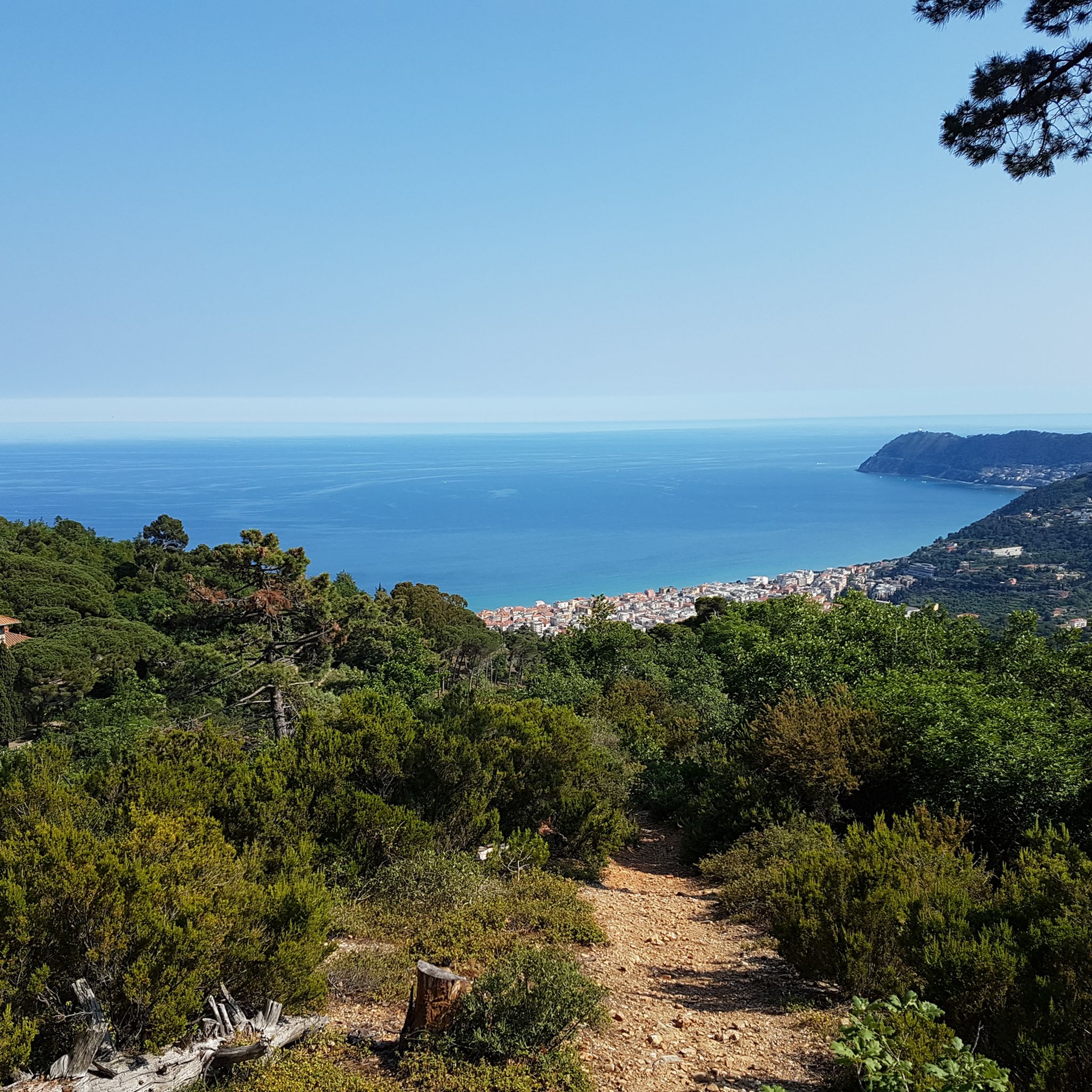
Wonderful View over Diano Marina and Cervo! With the bike, the car or the bus you can climb the hill. But it is definitely worth it👍
0
0
This trait Brevisismo has recently been redone as it once was, that is, with stones positioned cut and stuck together, without concrete. The result is one of the few occasions to see how the mule tracks used to be, when they were still well maintained, without weeds and years of neglect. In addition, from here you can take excellent photos of the town, the castle and towards Vasia PS: you can go down on foot, gravel or MTB
0
0
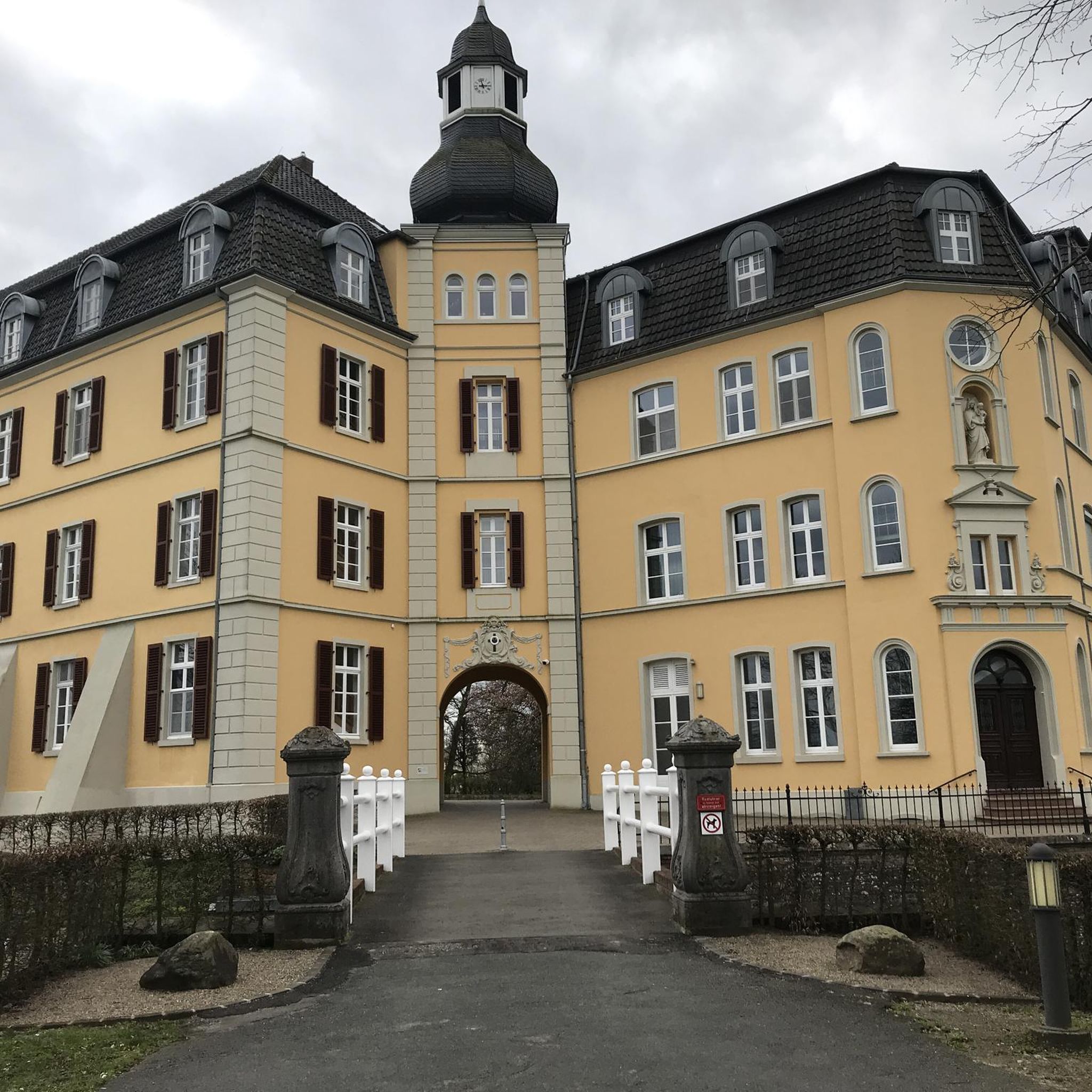
The village of Prela is now reduced to a few houses, a row of buildings almost entirely restored by foreign owners who understood the value of the country years ago. The houses are compressed between the ruins of the ancient castle and the church of SS. Giacomo and Nicolò, which closes the village downstream. This place took its name from the "petralata" that is the large stone on which the feudal lords had built the fortress several times destroyed and rebuilt. The castle, placed to guard the via Marenca, which connects with the via del Sale, was demolished after the last Genoese reconquest. Antonio Doria in 1340 destroyed the castle of Prela Soprana from the very foundations; the castle itself was later rebuilt further down on the rocky spur, where the remains of the four semicircular towers can still be seen today. The massive construction with huge irregular stone blocks, a wall and a contiguous tower, have some slits in the upper part and traces of internal stairs for the disengagement of the various floors and environments. The external tower was connected to the castle; according to popular tradition, the various "colombere" or watchtowers located in the surroundings were also connected by means of tunnels. Since the early 2000s it has been owned by a German private individual who is taking care of its restoration. The church at the end of the village, recently restored, stands on a mass of overlapping rocks segregated from each other so as to leave interstices and underground caves, which, pushing under the floor of the church, form a kind of impracticable and deep underground, within where until 1845 the dead were laid, through a hole in the center of the floor of the main nave. Inside there are decorations, stuccoes and a complete organ from around 1700. The church is the matrix of all the others in the valley (i.e. the one that first generated all the other churches, making new copies of the original sacred scriptures)
0
0

Nice village reachable from Diano Marina with an easy uphill road that is not too demanding
0
0

Diano Castello, a beautiful town also for evening visits to underground sources!
0
0

The Andora Castle is on an isolated hill in the historic village of Castello in the Ligurian municipality of Andora, in the province of Savona. Historically it is called Paraxo (Paraxu) and was the site of the first Andorean settlement. Today only the ruins of the walls and defense towers in the middle of the vegetation remain from the old complex from the 13th century. Source: Wikipedia
0
0
Frequently Asked Questions
What kind of historical sites can I expect to find around Villa Faraldi?
Villa Faraldi and its surrounding hamlets are characterized by a charming medieval village aesthetic, featuring well-preserved historical buildings, ancient houses, narrow alleyways, and the ruins of former fortifications. While not grand, fortified castles in the traditional sense, these sites offer a rich glimpse into the region's past. Notable examples include the Romanesque-origin Church of San Lorenzo, the Oratory of San Sebastiano, and the Baroque Church of Sant'Antonio Abate, all rich in art and history.
Are there any traditional fortified castles to visit near Villa Faraldi?
The area around Villa Faraldi is more known for its historical buildings and castle ruins rather than fully preserved, grand fortified castles. You can explore sites like Castello di Andora, where only the ruins of 13th-century walls and defense towers remain. Another significant ruin is Bestagno Castle, an ancient stronghold with masonry structures dating from the 12th to 14th centuries, showcasing medieval military architecture.
What are some of the most notable historical ruins or sites to explore?
Beyond the village's general medieval charm, key sites include the ruins of Castello di Andora, an important 13th-century site. You can also visit Bestagno Castle, an example of 12th-century military architecture. For a unique experience, explore the Ancient Cobblestone Path and Ruins of Vasia Castle, which offers views of the town and the castle ruins while walking on a beautifully restored mule track.
What historical churches or religious buildings are worth visiting in the area?
Several churches in the region are significant for their history and art. The Church of San Lorenzo in Villa Faraldi's historic center boasts Romanesque origins, a neoclassical facade, and valuable frescoes. The Oratory of San Sebastiano in Tovetto Faraldi is noted for its architecture and houses a statue of San Rocco. In Tovo Faraldi, the Baroque Church of Sant'Antonio Abate contains numerous artworks, including a 16th-century polyptych and a 13th-century baptismal font. The Church of the Transfiguration of Jesus in Riva Faraldi features a unique group of wooden statues.
Are there opportunities for hiking or walking near these historical sites?
Yes, the area around Villa Faraldi offers various hiking and walking opportunities. You can find routes like the 'Via della Transumanza' or trails that lead to panoramic views. For more detailed information on routes and their difficulty, you can explore the Hiking around Villa Faraldi guide, which includes options like the 'Panoramic View of Andora – Windsock Viewpoint loop'.
What outdoor activities can I do near the historical sites of Villa Faraldi?
Besides exploring the historical sites, you can enjoy various outdoor activities. The region is excellent for hiking, with numerous trails winding through olive groves and rolling hills. Cycling is also popular, with routes that take you through picturesque landscapes. For specific routes and their details, you can refer to the Hiking around Villa Faraldi, Running Trails around Villa Faraldi, and Cycling around Villa Faraldi guides.
What is the best time of year to visit Villa Faraldi for historical exploration?
The Ligurian climate generally offers mild winters and warm to hot summers. Spring (April-May) and Autumn (September-October) are often ideal for exploring historical sites and enjoying outdoor activities, as the weather is pleasant and the crowds are typically smaller than in peak summer. Summer (June-August) can be warm but is also a popular time, especially with the village's International Music and Theatre Festival.
Can I find any 'hidden gems' or less-known historical spots?
Beyond the main churches and castle ruins, the entire village of Villa Faraldi and its hamlets (Deglio Faraldi, Riva Faraldi, Tovetto, and Tovo) can be considered a hidden gem. Exploring the ancient houses, narrow alleyways (caruggi), and steep staircases reveals the typical medieval Ligurian village architecture. In Riva Faraldi, you can also find ancient mills and a beautiful medieval bridge near the Church of the Transfiguration of Jesus.
What makes the Doria Castle of Prelà interesting?
The Doria Castle of Prelà is an ancient castle ruin that once guarded the road towards the Via del Sale. Destroyed by the Spanish and never fully rebuilt, it offers a glimpse into the region's strategic past. Although restoration efforts have been paused, the site has been cleaned and made safe, allowing visitors to appreciate its historical significance.
Are there any scenic viewpoints near the historical sites?
Yes, many of the historical sites are situated in picturesque locations offering scenic views. For instance, the Ancient Cobblestone Path and Ruins of Vasia Castle provides excellent photo opportunities of the town and the castle. Additionally, many hiking routes in the area, such as those mentioned in the Hiking around Villa Faraldi guide, lead to panoramic vistas of the Ligurian hinterland and coastline.
What do visitors enjoy most about the historical experience in Villa Faraldi?
Visitors often appreciate the tranquil atmosphere, the authentic medieval village charm, and the opportunity to step back in time. The blend of Romanesque and Baroque architecture in the churches, the preserved historical elements like 13th-century baptismal fonts, and the overall sense of history embedded in the cobblestone streets and ancient buildings are frequently highlighted. The surrounding natural beauty, with olive groves and rolling hills, also enhances the experience.
Most popular routes around Villa Faraldi
Most popular attractions around Villa Faraldi

Get inspired with the komoot mobile app


Explore more
Looking for the best castles somewhere else? Discover other guides around Villa Faraldi:
