Top 5 Caves around Pagno
Best caves around Pagno are primarily found in the Cuneo region, offering a variety of geological and historical sites. The area features natural rock shelters, ancient quarries, and structures built into rock formations. These locations provide insights into local history and geology, often integrated with hiking routes. The landscape around Pagno is characterized by mountainous terrain and valleys, where such features are naturally occurring.
Best caves around Pagno
- The most popular caves is Balma Boves, a settlement that features…
Last updated: June 30, 2026
Balma Boves
Highlight • Settlement
Translated by Google •
Tip by

Pink Alabaster Caves of Busca
Highlight • Cave
Translated by Google •
Tip by

Sign up now to discover places like this
Get recommendations on the best single tracks, peaks, & plenty of other exciting outdoor places.
Sign up for free
Chapel of San Leonardo Under the Rock
Highlight • Religious Site
Translated by Google •
Tip by

The Camossere Quarry
Highlight • Structure
Translated by Google •
Tip by

route to access Alabaster quarries by bike
Highlight (Segment) • Cave
The other access (lower) involves portage on steps.
Translated by Google •
Tip by

Start today with a free account
Your next adventure awaits.
Login or Signup


Tips from the Community

It is definitely worth a visit, a truly special place.
0
0


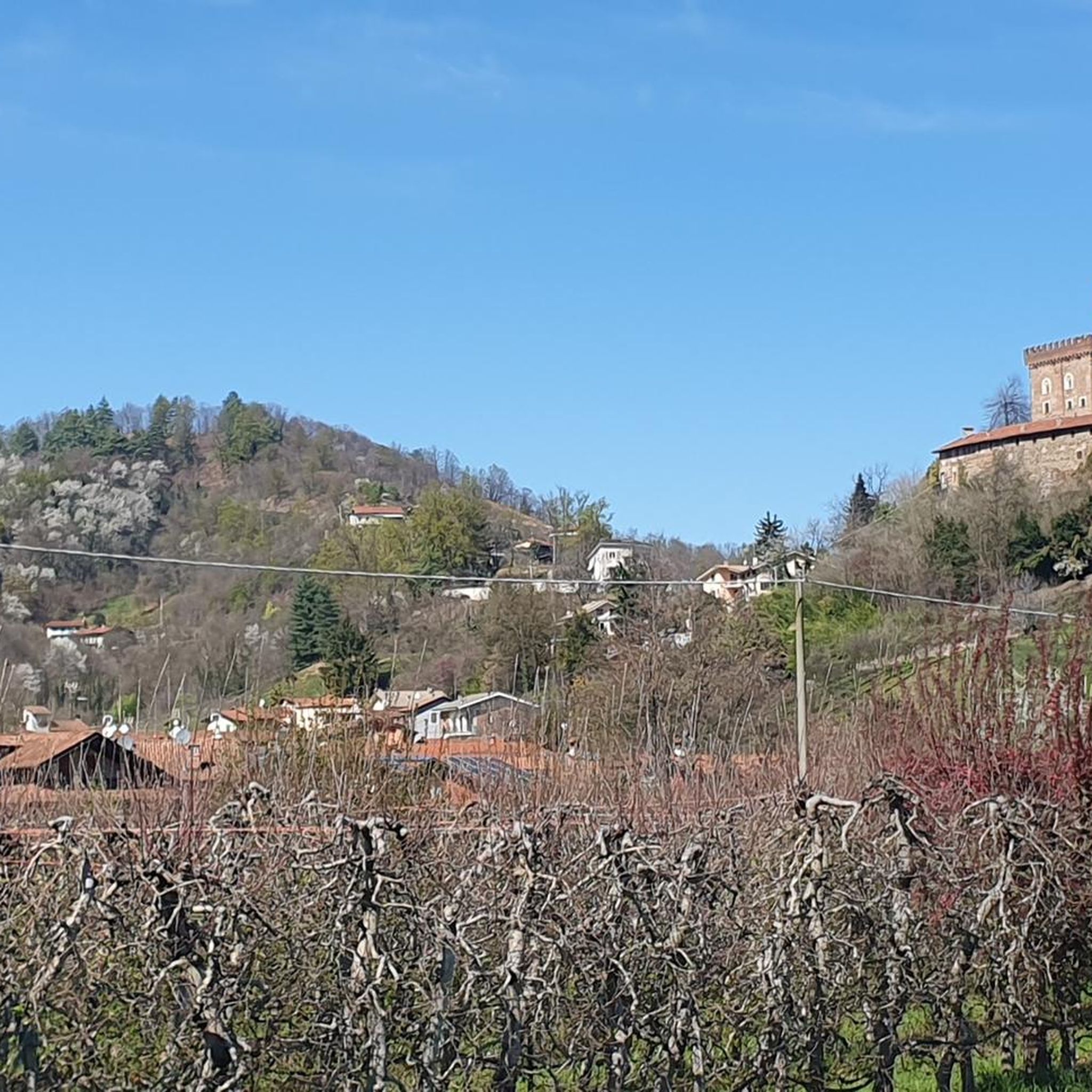
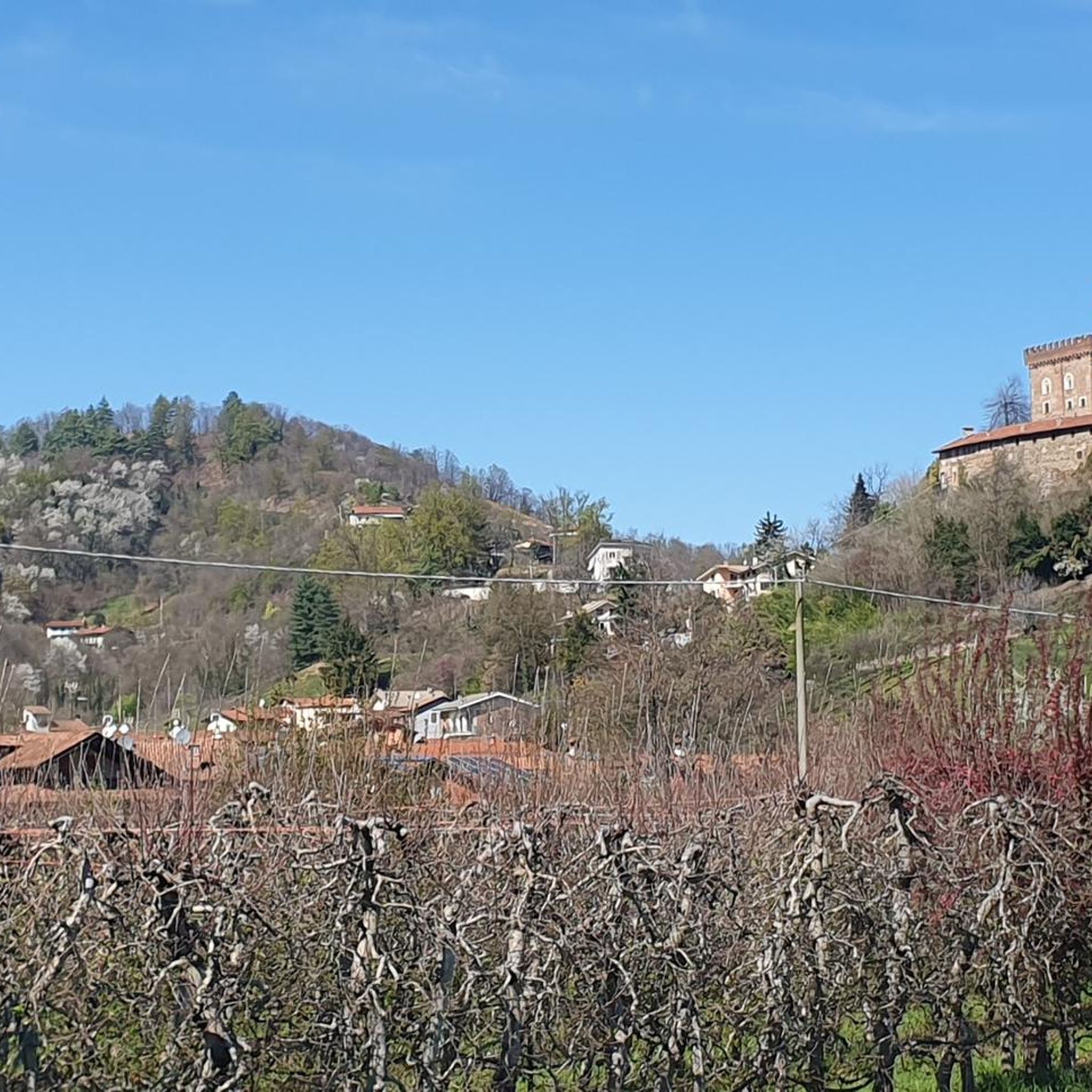
Even today you can see the excavations of the lime quarry. You can find an information panel that reports an episode narrated in 1883 by Aurelio Stella, professor of mineralogy at the Polytechnic of Turin, to the students during a visit to the Varaita Valley. In addition, you will find some interesting information and testimonies of a family about their life in the valley, between departures and returns through the woods.
1
0

Old quarry along the dirt road for costigliole
0
0
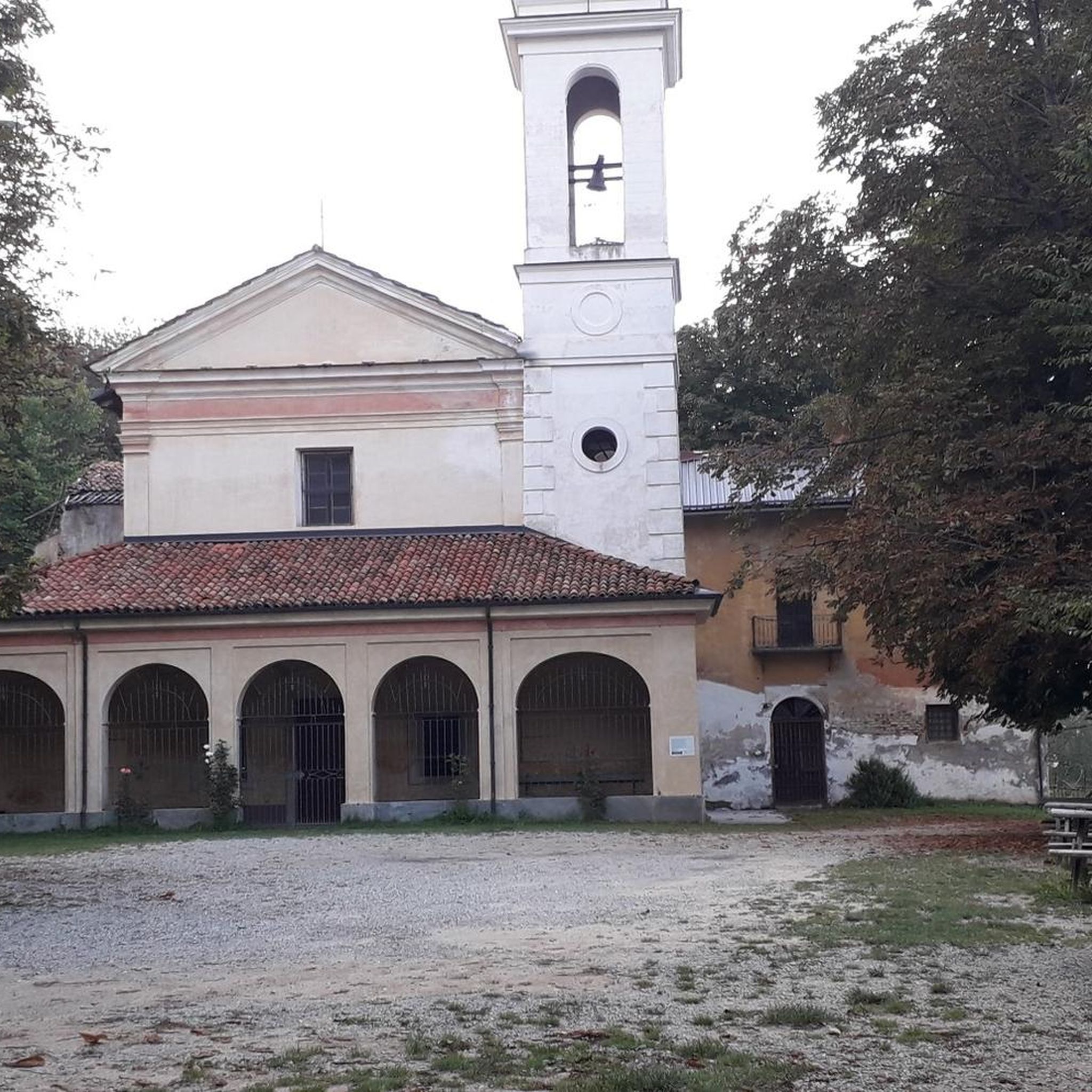
This chapel is particular built under the mountain as if to protect it and the bell tower was made further down the valley and this makes it a bit unique
0
0

Balma Boves is a small hamlet built under a huge rocky outcrop. It was inhabited until the early 1960s and is now a museum village. Dwellings, barns, stables, wells, ovens, chestnut dryers and tools bear witness to a time that was also called the "chestnut civilization".
2
0

Suggestive place, human settlement until the early 60s
0
0

Beautiful ... it deserves the walk suitable for everyone
0
0
Frequently Asked Questions
What types of caves and rock formations can I explore around Pagno?
Around Pagno, you'll find a variety of geological and historical sites. These include natural rock shelters, ancient quarries, and structures built directly into rock formations. For example, Balma Boves is an ancient village built under a large rock, while the Pink Alabaster Caves of Busca are former quarries. You can also visit the Chapel of San Leonardo Under the Rock, a 16th-century religious building integrated with the natural landscape.
Are there any family-friendly cave experiences near Pagno?
While the immediate Pagno area doesn't feature typical tourist caves with guided tours, sites like Balma Boves offer a unique historical experience. It's an ancient village built under a rock, which can be an interesting educational visit for families, showcasing past inhabitants' lives in a distinctive natural setting.
What historical sites related to caves can I visit in the Pagno area?
The region offers several historical sites integrated with rock formations. Balma Boves is an ancient settlement built under a rock. The Chapel of San Leonardo Under the Rock is a 16th-century religious building constructed directly into a rock formation. Additionally, The Camossere Quarry provides insight into historical lime extraction.
Are there any easily accessible caves for general tourists in Pagno?
The caves directly in or around Pagno are generally not set up for casual tourist visits. Many are more suited for experienced speleologists, requiring specialized equipment and knowledge, as is the case with the 'four caves of Castel Pagano'. The sites mentioned in the guide, such as Balma Boves, are more historical settlements or quarries rather than traditional walk-through caves.
What is the best time of year to visit the cave-related sites around Pagno?
The best time to visit the outdoor cave-related sites around Pagno, such as Balma Boves or the Pink Alabaster Caves of Busca, is typically during spring, summer, or early autumn. These seasons offer pleasant weather for exploring the outdoor trails and historical areas. Some sites, like the Chapel of San Leonardo Under the Rock, have specific climbing restrictions from February to August for peregrine falcon protection, so check local information if climbing is your interest.
What outdoor activities can I combine with a visit to the caves near Pagno?
The mountainous terrain and valleys around Pagno are ideal for various outdoor activities. You can find numerous routes for road cycling, mountain biking, and gravel biking. For example, there are many Road Cycling Routes around Pagno, MTB Trails around Pagno, and Gravel biking routes around Pagno that allow you to explore the scenic landscape and potentially pass by some of these unique rock formations.
Are there any specific geological features or formations to look out for?
Yes, the region is known for its unique geological characteristics. The Pink Alabaster Caves of Busca are notable for their red-colored earth in the surrounding environment, a result of the alabaster quarries. You'll also encounter various natural rock shelters and the distinctive way human settlements and structures, like Balma Boves, have adapted to the natural rock formations.
What do visitors enjoy most about the cave-related sites around Pagno?
Visitors particularly appreciate the historical depth and unique integration of human activity with nature. For instance, Balma Boves is highly recommended for its suggestive and particular visit to an ancient village built under a rock. The Chapel of San Leonardo Under the Rock is praised for its beautiful and suggestive setting, built directly into the mountain.
Can I find cafes or accommodation near the cave sites in Pagno?
While specific cafes or accommodations directly adjacent to every cave site might be limited, Pagno and the surrounding towns in the Cuneo region offer various options. It's advisable to check for services in the nearest villages or towns, such as Busca or Sanfront, which are typically a short drive from the highlighted locations like the Pink Alabaster Caves or Balma Boves.
Are there any hidden or less-known cave sites worth exploring for experienced adventurers?
For experienced speleologists, the region does offer more challenging exploration opportunities. The 'four caves of Castel Pagano' within the 'Voragine di Monte Castel Pagano' are known to speleological groups and require a first-level course in speleology due to challenging conditions like mud. These are not publicly accessible tourist sites but rather specialized exploration areas.
What should I wear when visiting the cave-related sites around Pagno?
For most of the sites, which involve outdoor exploration and walking, comfortable hiking shoes and appropriate clothing for the weather are recommended. If you plan to explore any of the more rugged or unofficial quarry areas, sturdy footwear with good grip is essential. For specialized caving, full speleological gear would be required, but these are not tourist attractions.
Most popular attractions around Pagno

Get inspired with the komoot mobile app


Explore more
Extend your search for the best caves by checking out these guides of the top ones around Pagno:
