Top 13 Castles around San Pietro Di Feletto
Castles around San Pietro Di Feletto are situated in a charming village in northeastern Italy, known for its historical fortifications. The area offers panoramic views of the surrounding countryside from its elevated positions. Visitors can explore remnants of ancient defensive structures and historical estates, providing insight into centuries of regional history. The landscape is characterized by hills, contributing to the strategic locations of these historical sites.
Best castles around San Pietro Di Feletto
- The most popular castles is San Salvatore…
Last updated: July 13, 2026
Castello di San Salvatore (Susegana)
Highlight • Castle
Translated by Google •
Tip by

View of Susegana
Highlight • Viewpoint
Translated by Google •
Tip by

Sign up now to discover places like this
Get recommendations on the best single tracks, peaks, & plenty of other exciting outdoor places.
Sign up for free
San Salvatore-Collalto
Highlight (Segment) • Castle
Translated by Google •
Tip by
Collalto Castle
Highlight • Castle
Translated by Google •
Tip by

Conegliano Castle
Highlight • Castle
Translated by Google •
Tip by
Sign up for free to discover even more castles around San Pietro Di Feletto.
Sign up for free
Already have an account?
Start today with a free account
Your next adventure awaits.
Login or Signup
Popular around San Pietro Di Feletto
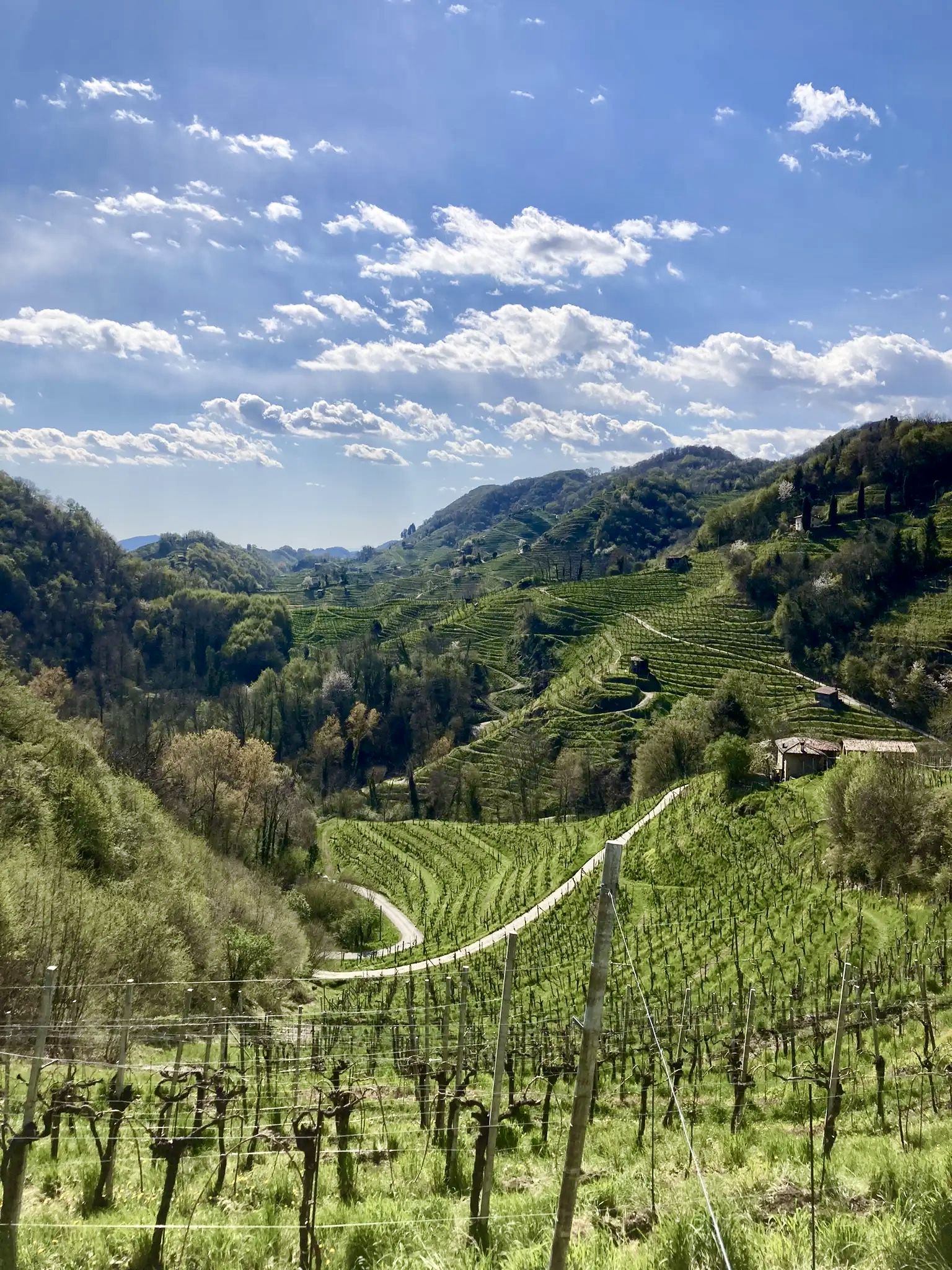
Bikepacking in Italy’s Prosecco hills – 5 days in Conegliano, Asolo and Valdobbiadene
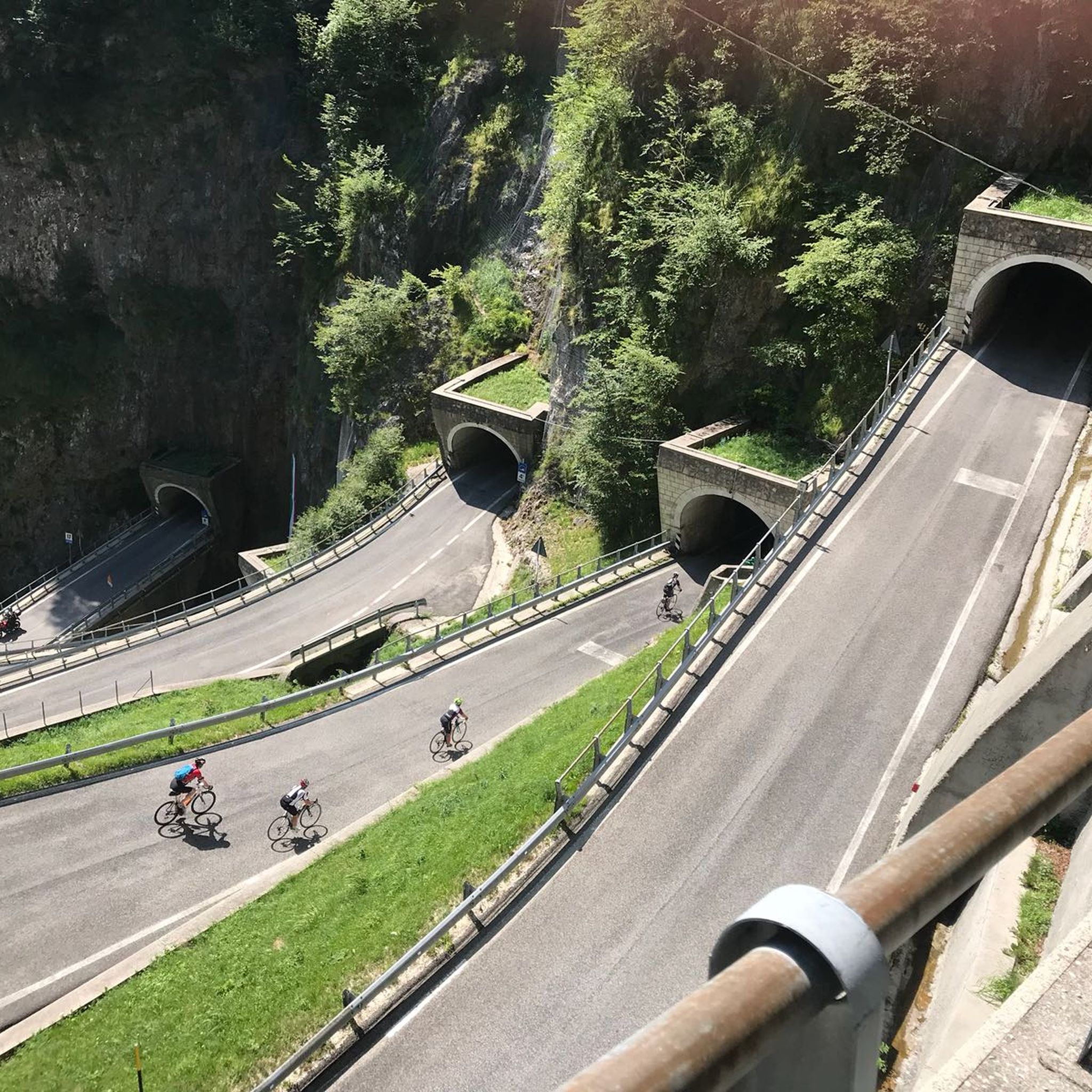
Road Cycling Routes around San Pietro Di Feletto
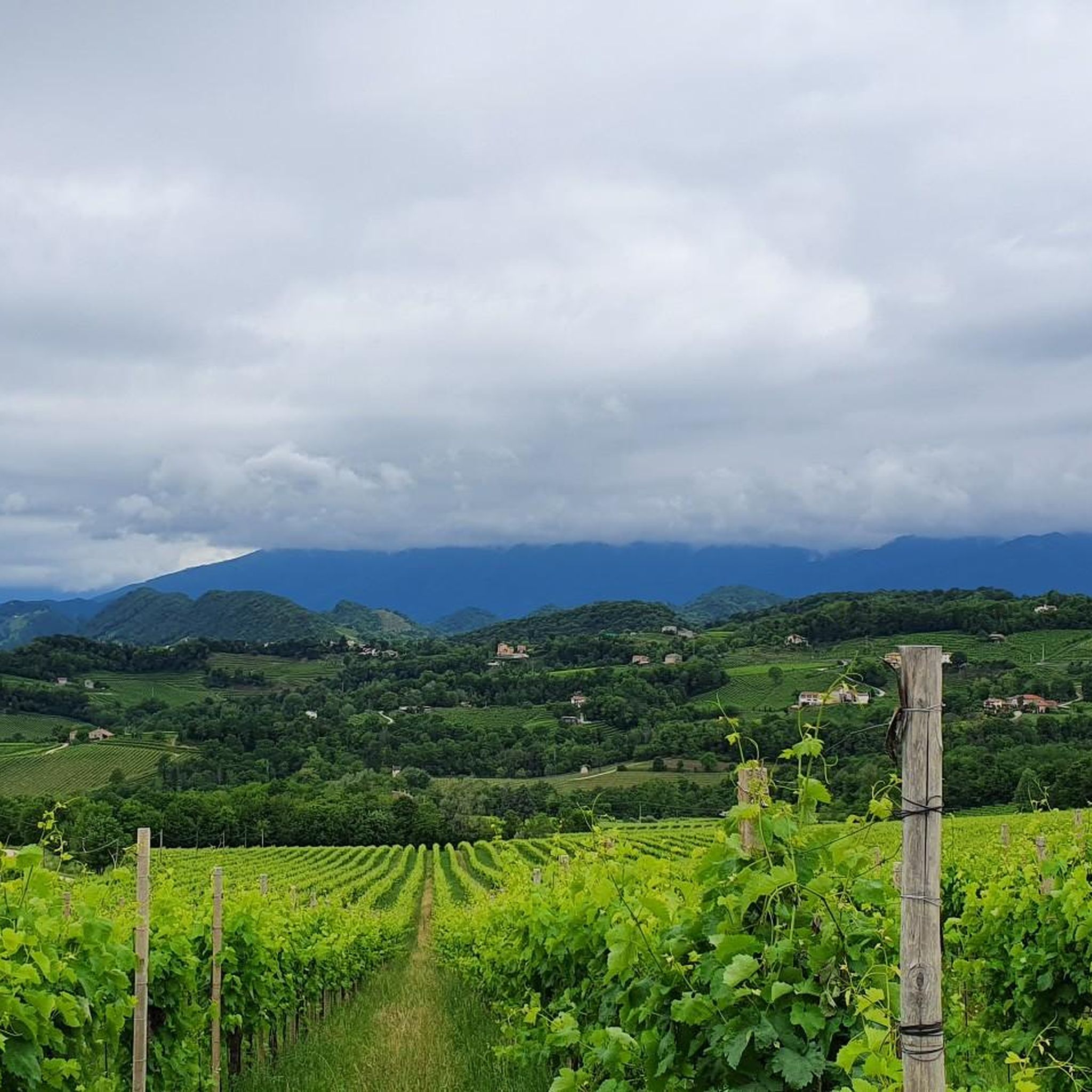
MTB Trails around San Pietro Di Feletto
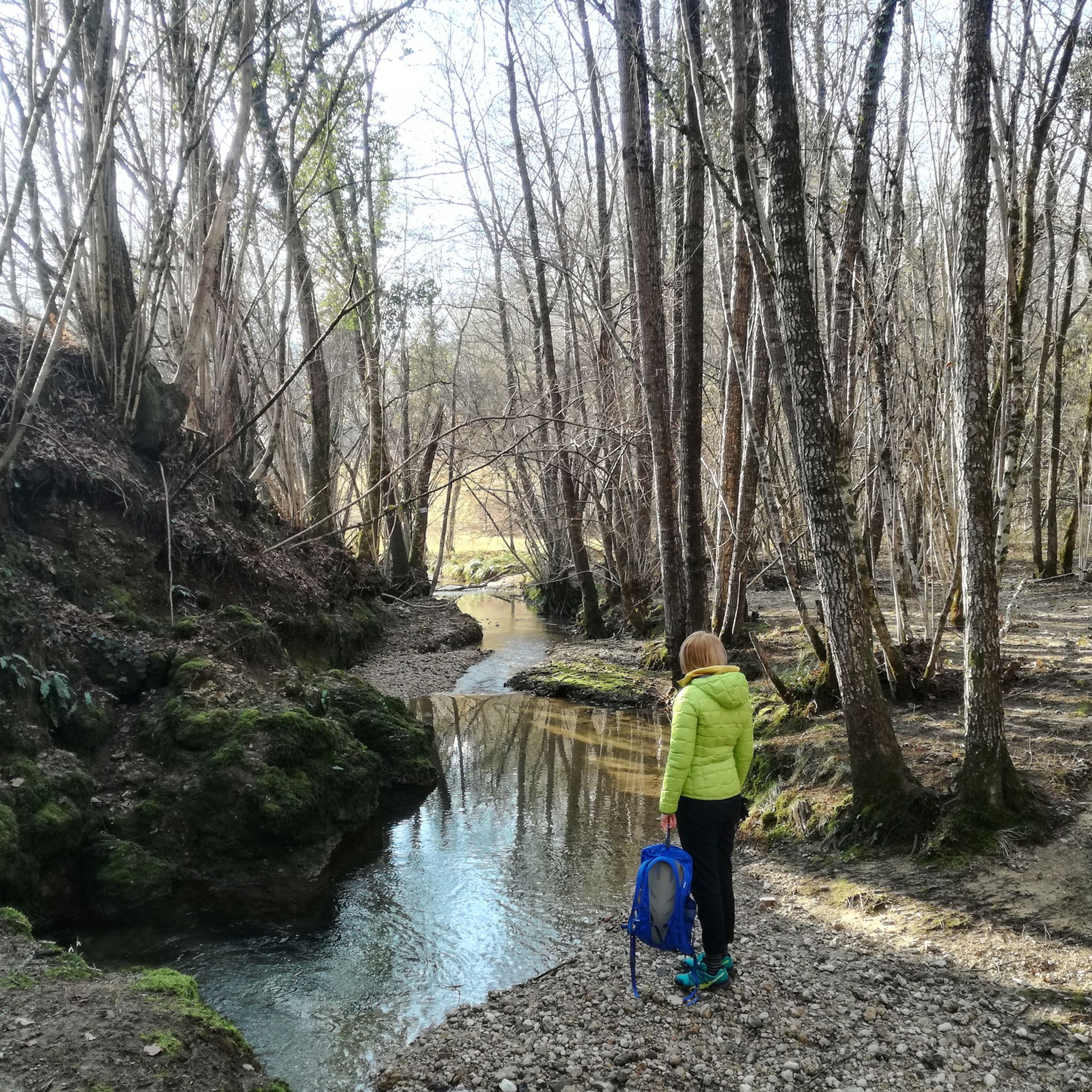
Hiking around San Pietro Di Feletto
Gravel biking around San Pietro Di Feletto
Cycling around San Pietro Di Feletto
Running Trails around San Pietro Di Feletto

Mountain Hikes around San Pietro Di Feletto
Other adventures around San Pietro Di Feletto

Tips from the Community

The Castle of Collalto is an ancient medieval manor founded in the 12th century by the noble family of the Counts of Collalto. Strategically positioned on a hill overlooking the Piave plain, the castle soon became the hub of a vast and powerful feud. Over the centuries, the structure transformed from a military fortress into a splendid noble residence, enriched with works of art including frescoes by Pordenone. Unfortunately, its crucial position on the front line during World War I led to its almost total destruction under bombardment. Today, of the glorious original complex, the evocative ruins remain, dominated by the imposing 12th-century master tower, the defensive walls, and the nearby church of San Giorgio, which bear witness to the millennial charm of one of the most important historical sites in the Marca Trevigiana.
1
0
Located on the summit of Colle di Giano, the Castle of Conegliano is the historical emblem of the city and a privileged sentinel over the Venetian plain. Of the ancient medieval complex, the strategic heart of the village since the 12th century, the Bell Tower stands out today, the only surviving element along with part of the walls and the Guard Tower. Inside, the Civic Museum houses a precious collection ranging from archaeological finds to important pictorial works. From the top of the tower, the view is breathtaking: on clear days, the gaze sweeps from the rooftops of the historic center, adorned by the frescoed facades of via XX Settembre, to the crests of the Prealps and the Prosecco vineyards. Reachable via charming cobbled streets or staircases immersed in greenery, the castle is not just a monument, but a meeting place where history blends with the beauty of the Treviso landscape.
0
0
The Castello di San Salvatore, which dominates the town of Susegana, is one of the most imposing late medieval fortifications in Italy and the symbol of the power of the Counts of Collalto. Built starting from the 13th century, it transformed over time into a lavish Renaissance residence, becoming a cultural center of international importance. Despite the very serious damage suffered during the Great War, when it was on the Piave front line, the castle has been carefully restored by the Collalto family. Today, it welcomes visitors with its crenellated walls and splendid hanging garden, offering a breathtaking view of the Prosecco hills and testifying to eight centuries of aristocratic history amidst art, battles, and excellent wine-making traditions.
0
0

The castle can be visited! Every first Wednesday of the month with prior online registration.
0
0

Conegliano Castle dominates the city from its hilltop position. The first document mentioning it dates back to 1016 AD, but the structure reached its maximum extension in the fourteenth century, thanks to the influence of the Scaligeri and Carraresi rulers.
0
0

Unfortunately it cannot be visited
0
0

Collalto Castle, a large architectural complex enclosed by a double wall with a drawbridge; inside part of the Mastio, the Palazzo Odoardo, the Cappella Vecchia, the church of Santa Croce with the Torre Grande, the Cavallerizza tower, various dwellings from different eras: rural annexes on the right, more imposing buildings on the left.
0
0

Frequently Asked Questions
What historical sites can I explore in San Pietro di Feletto?
San Pietro di Feletto is home to the historic Castello di Feletto, though largely in ruins, it offers a glimpse into centuries-old traditions and panoramic views. Nearby, you can also visit the Villa Brandolini d'Adda in Vistorta, known for its historical architecture and expansive, beautifully designed park, considered one of Italy's 'Grandi Giardini Italiani'.
Are there any castles with significant historical importance in the broader region?
Yes, the broader region features several historically significant castles. For instance, the San Salvatore Castle in Susegana, built in the 13th century, served as a defensive fortress and later a noble residence, offering panoramic views. Another notable site is Conegliano Castle, a medieval castle on Colle di Giano with strategic views of the city and surrounding area.
What kind of views can I expect from the castles in the area?
Many castles and historical sites in the region are strategically located on elevated positions, offering stunning panoramic views. From the remnants of Castello di Feletto, you can enjoy sweeping vistas of the surrounding countryside. Similarly, San Salvatore Castle and Conegliano Castle provide breathtaking views of the plains and the city below.
Are there family-friendly attractions among the castles or nearby?
While the Castello di Feletto offers historical exploration, the Villa Brandolini d'Adda with its extensive park and gardens can be a pleasant family outing. Additionally, the View of Susegana highlight, which includes the San Salvatore Castle, is categorized as family-friendly, suggesting accessible areas for all ages to enjoy the views and historical ambiance.
What outdoor activities can I do near these castles?
The area around San Pietro di Feletto offers various outdoor activities. You can find numerous hiking trails, including moderate loops like the 'Pieve of San Pietro di Feletto – Val Trippera loop'. For cyclists, there are road cycling routes, such as 'The Prosecco Hills - ring tour'. Running trails are also available, like the 'Muro di Ca' del Poggio loop'.
What is the best time of year to visit the castles and surrounding area?
The best time to visit the castles and enjoy the outdoor activities in San Pietro di Feletto is typically during the spring (April to June) and autumn (September to October). During these seasons, the weather is generally mild and pleasant for exploring historical sites and engaging in hiking or cycling, and the natural landscapes are particularly beautiful.
Can I find any unique natural features or gardens near the castles?
Yes, the Villa Brandolini d'Adda stands out for its expansive and meticulously designed park. This estate features spring-fed lakes, conifer and deciduous woods, a grove of giant sequoias, splendid rose gardens, and rare orchids, making it a significant natural and horticultural attraction in the region.
Are there any castles that are particularly well-preserved or restored?
While Castello di Feletto is largely in ruins, Castello di San Salvatore (Susegana), originally built between the 13th and 14th centuries, has undergone restoration after being damaged in World War I. Today, it functions as an elegant venue for events, showcasing its historical grandeur.
What do visitors appreciate most about the castles in this region?
Visitors frequently appreciate the historical ambiance and the stunning panoramic views offered by the castles. The imposing presence of structures like San Salvatore Castle and the imaginative journey back in time provided by the remnants of Castello di Feletto are often highlighted. The beautiful landscapes and the blend of history with nature are also highly valued.
How long should I plan for a visit to a castle in San Pietro di Feletto?
For sites like the Castello di Feletto, which is largely in ruins, a visit might take 1-2 hours to explore the remnants and enjoy the views. For larger estates like Villa Brandolini d'Adda, especially if you wish to explore its extensive gardens thoroughly, you might want to allocate 2-3 hours or more.
Are there any castles that are less crowded or offer a more tranquil experience?
While specific crowd levels can vary, exploring the ruins of Castello di Feletto might offer a more tranquil experience due to its less commercialized nature. The extensive park of Villa Brandolini d'Adda also provides ample space for a serene visit, allowing you to enjoy its natural beauty in peace.
What kind of architecture can I expect to see?
You can expect to see a range of architectural styles reflecting different historical periods. The Castello di Feletto showcases medieval defensive structures, even in its ruined state. The Villa Brandolini d'Adda, while not a traditional castle, features 19th-century villa architecture and a park with romantically inspired turrets. Other castles in the broader region, like Castello di San Salvatore, blend medieval fortress elements with later Renaissance additions.
Most popular routes around San Pietro Di Feletto
Most popular attractions around San Pietro Di Feletto

Get inspired with the komoot mobile app


Explore more
Looking for the best castles somewhere else? Discover other guides around San Pietro Di Feletto:
