The best gravel rides around San Pietro Di Feletto
4.4
(402)
5,237
riders
139
rides
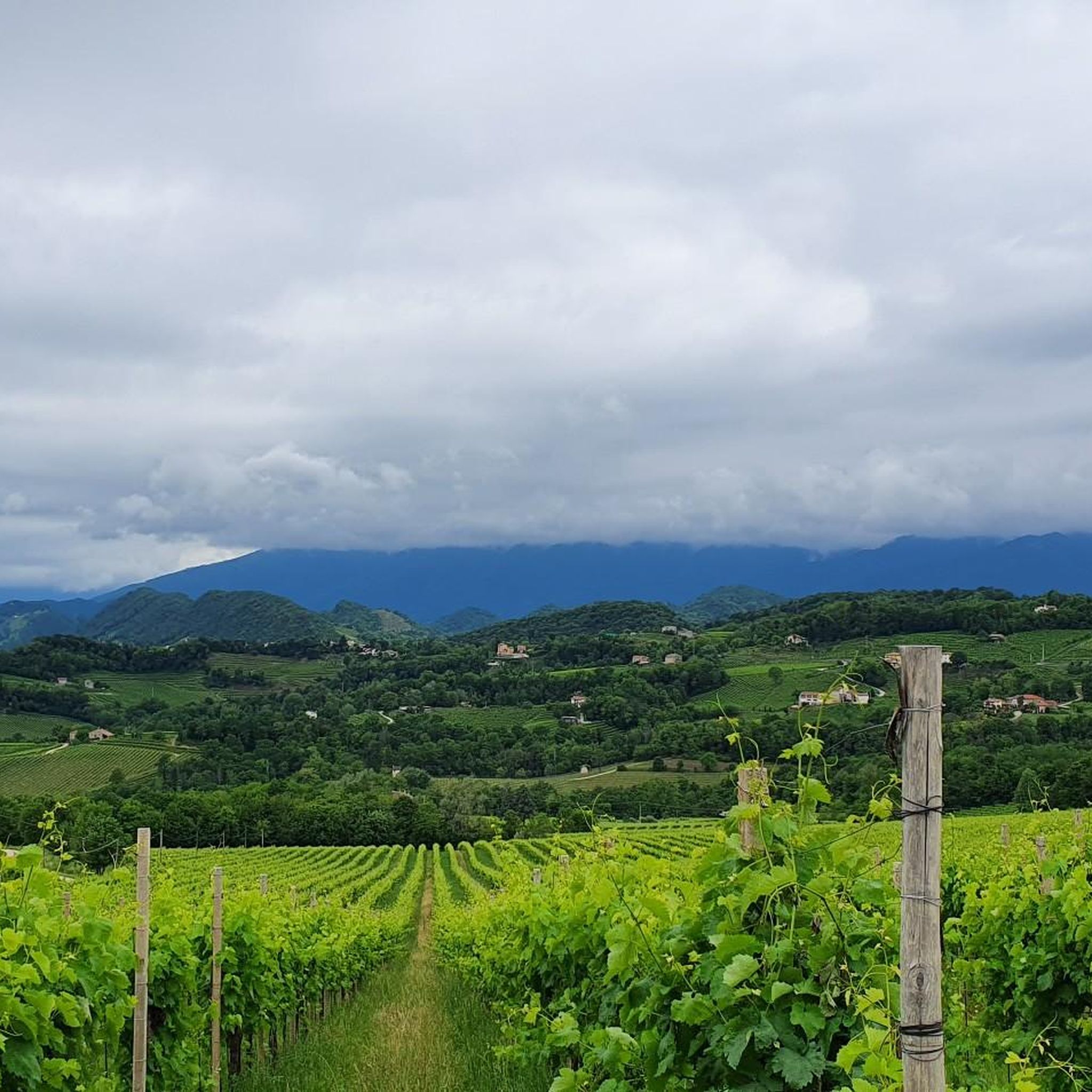
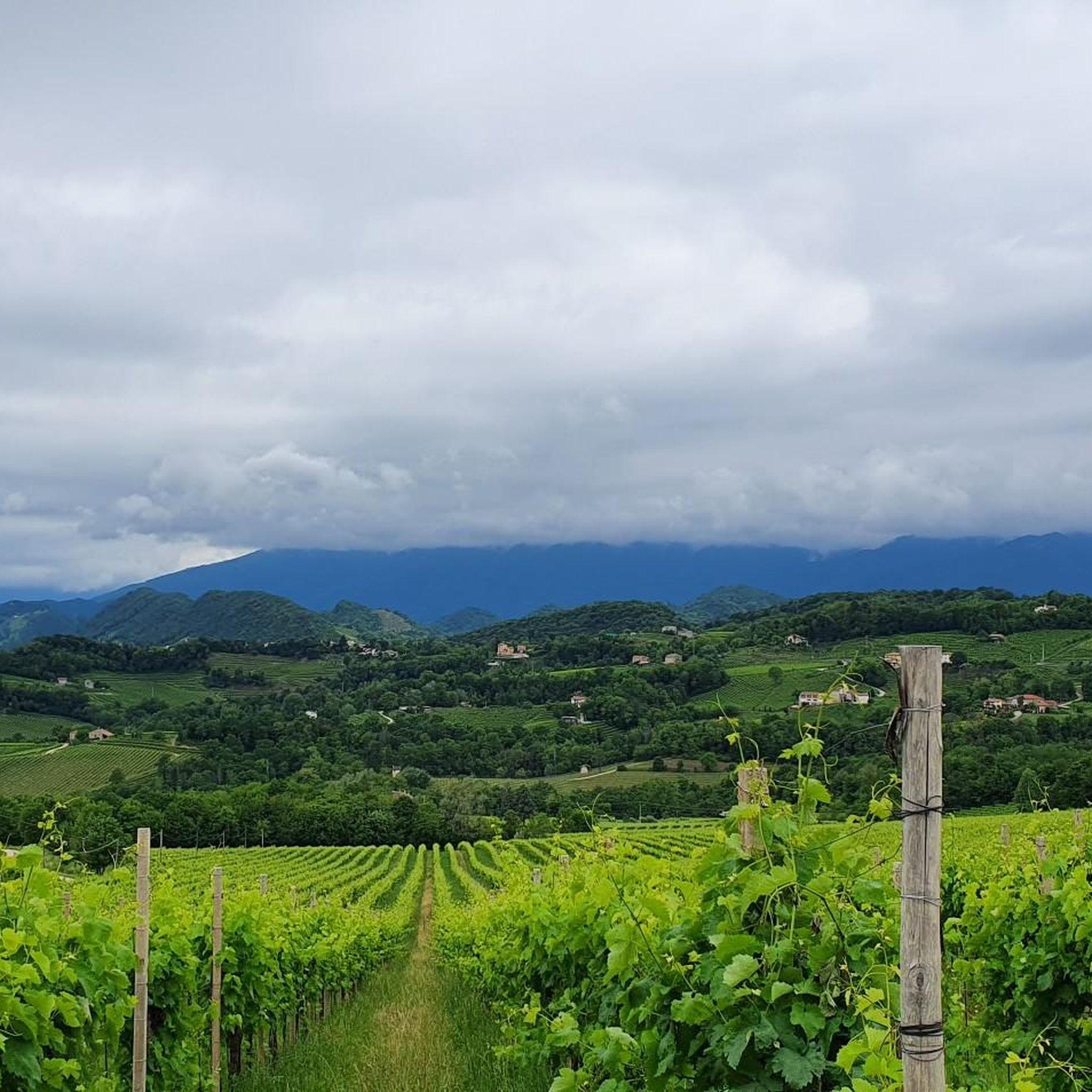
Gravel biking around San Pietro Di Feletto offers routes through the rolling terrain of the Prosecco Hills, characterized by vineyards, historic castles, and river valleys. The region features varied elevations, with trails often traversing agricultural landscapes and wooded sections. Gravel paths connect small villages and offer views across the Veneto countryside.
Best gravel bike trails around San Pietro Di Feletto
- The most popular gravel bike trail is Molinetto della Croda – Salita Mondragon loop from Conegliano, a 36.6 miles…
Last updated: July 8, 2026
5.0
(5)
116
riders
60.7km
04:17
1,010m
1,010m
Hard gravel ride. Very good fitness required. Mostly paved surfaces. Suitable for all skill levels.
4.5
(4)
81
riders
42.2km
02:49
650m
650m
Hard gravel ride. Very good fitness required. Mostly paved surfaces. Suitable for all skill levels.

Sign up for free
4.8
(4)
100
riders
56.3km
03:34
600m
600m
Hard gravel ride. Very good fitness required. Mostly paved surfaces. Suitable for all skill levels.
4.7
(6)
51
riders
42.2km
02:35
490m
490m
Hard gravel ride. Very good fitness required. Mostly paved surfaces. Suitable for all skill levels.
4.5
(6)
57
riders
42.9km
02:46
510m
510m
Hard gravel ride. Very good fitness required. Mostly paved surfaces. Suitable for all skill levels.
Get access to more routes and recommendations from other explorers.
Sign up for free
Already have an account?
Our route recommendations are based on thousands of hikes, rides, and runs completed by other people on komoot.
Start today with a free account
Your next adventure awaits.
Login or Signup
Popular around San Pietro Di Feletto
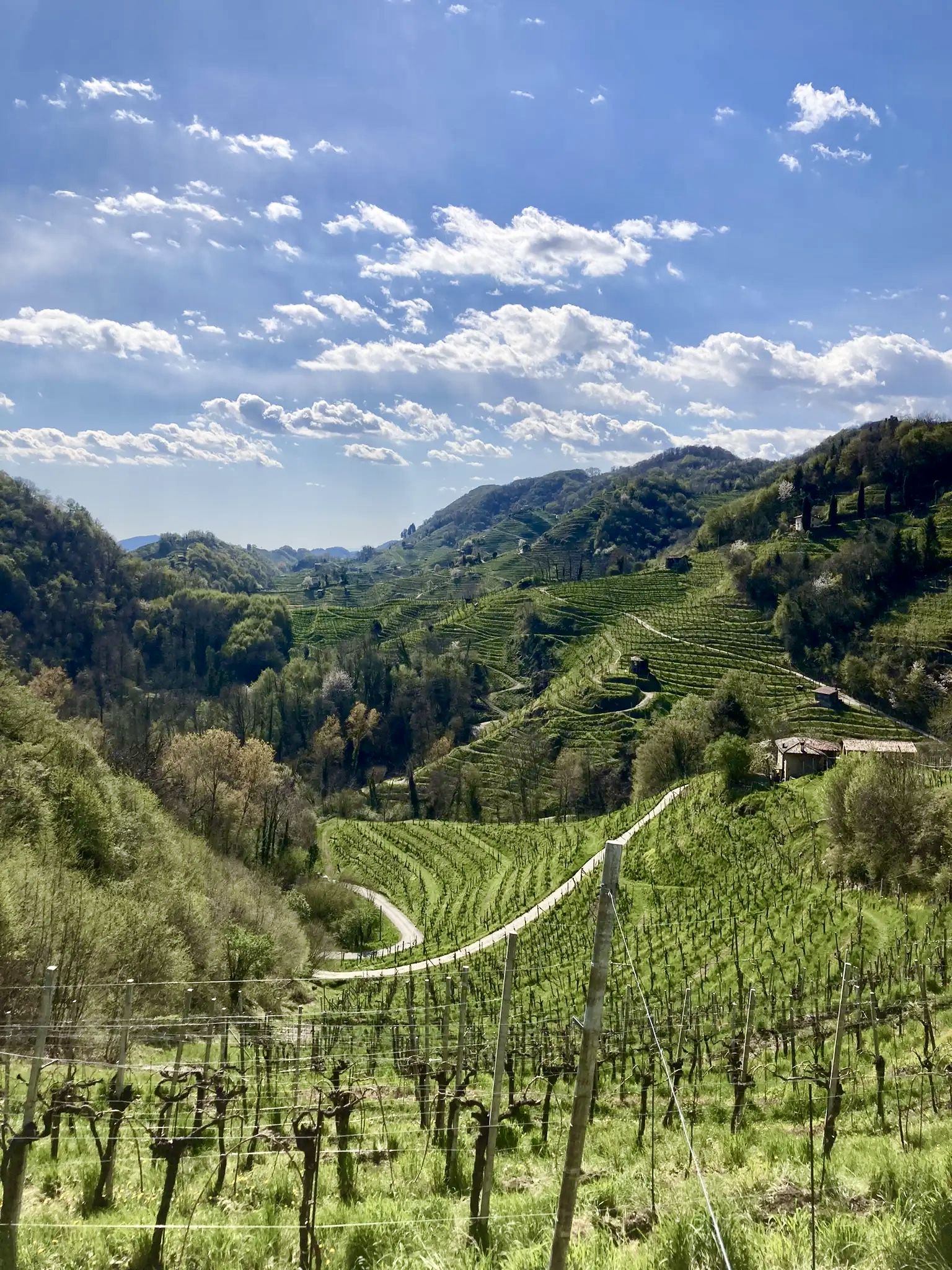
Bikepacking in Italy’s Prosecco hills – 5 days in Conegliano, Asolo and Valdobbiadene
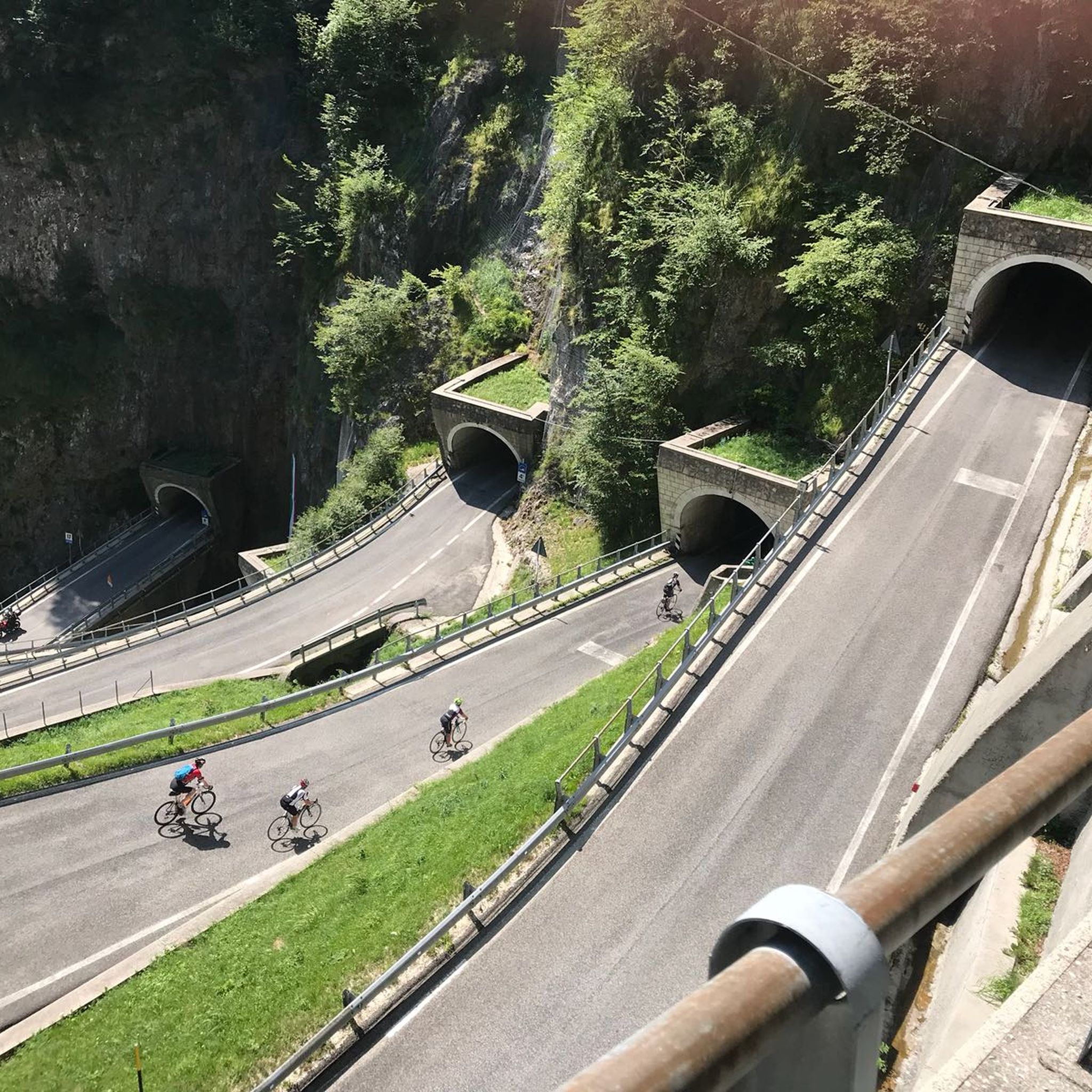
Road Cycling Routes around San Pietro Di Feletto
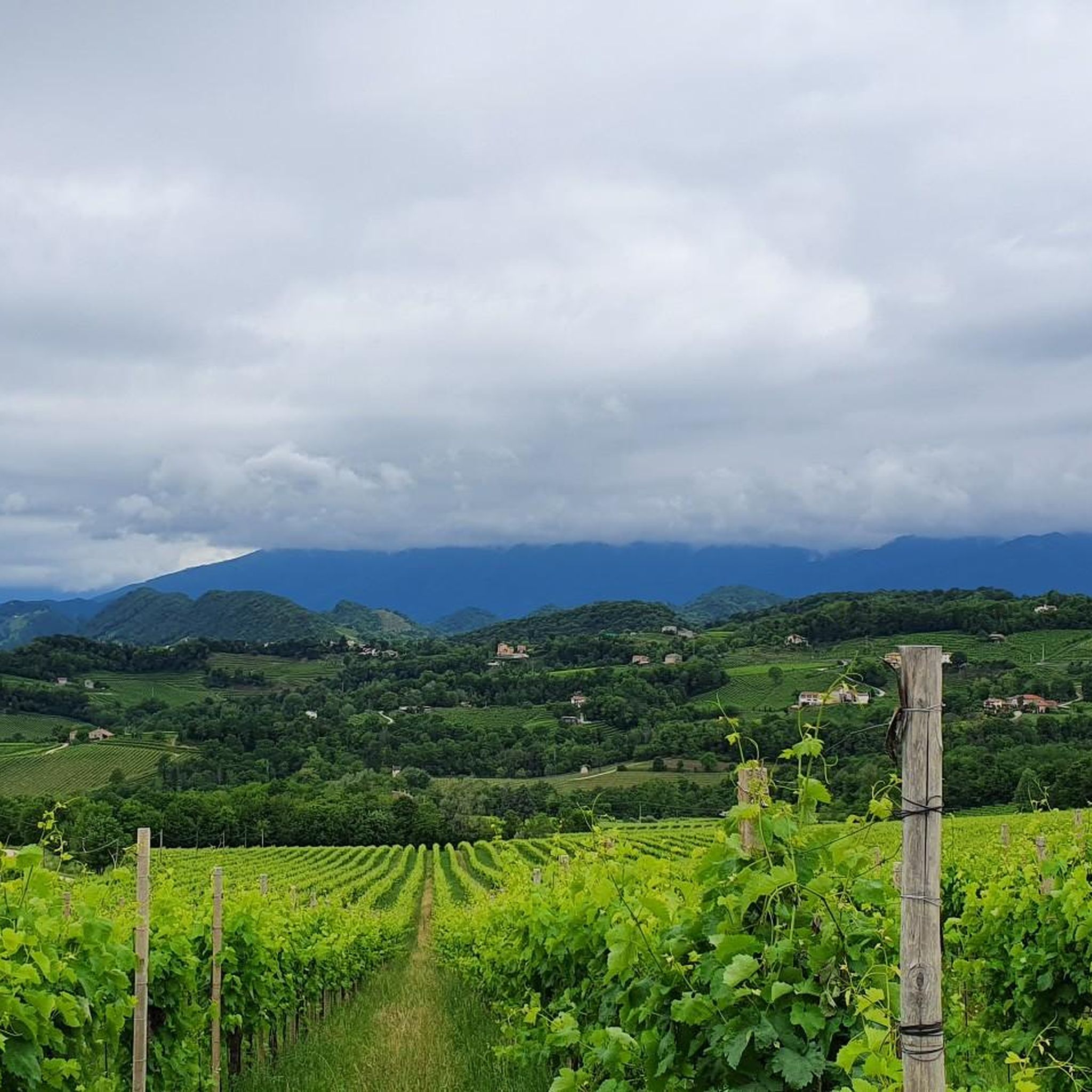
MTB Trails around San Pietro Di Feletto
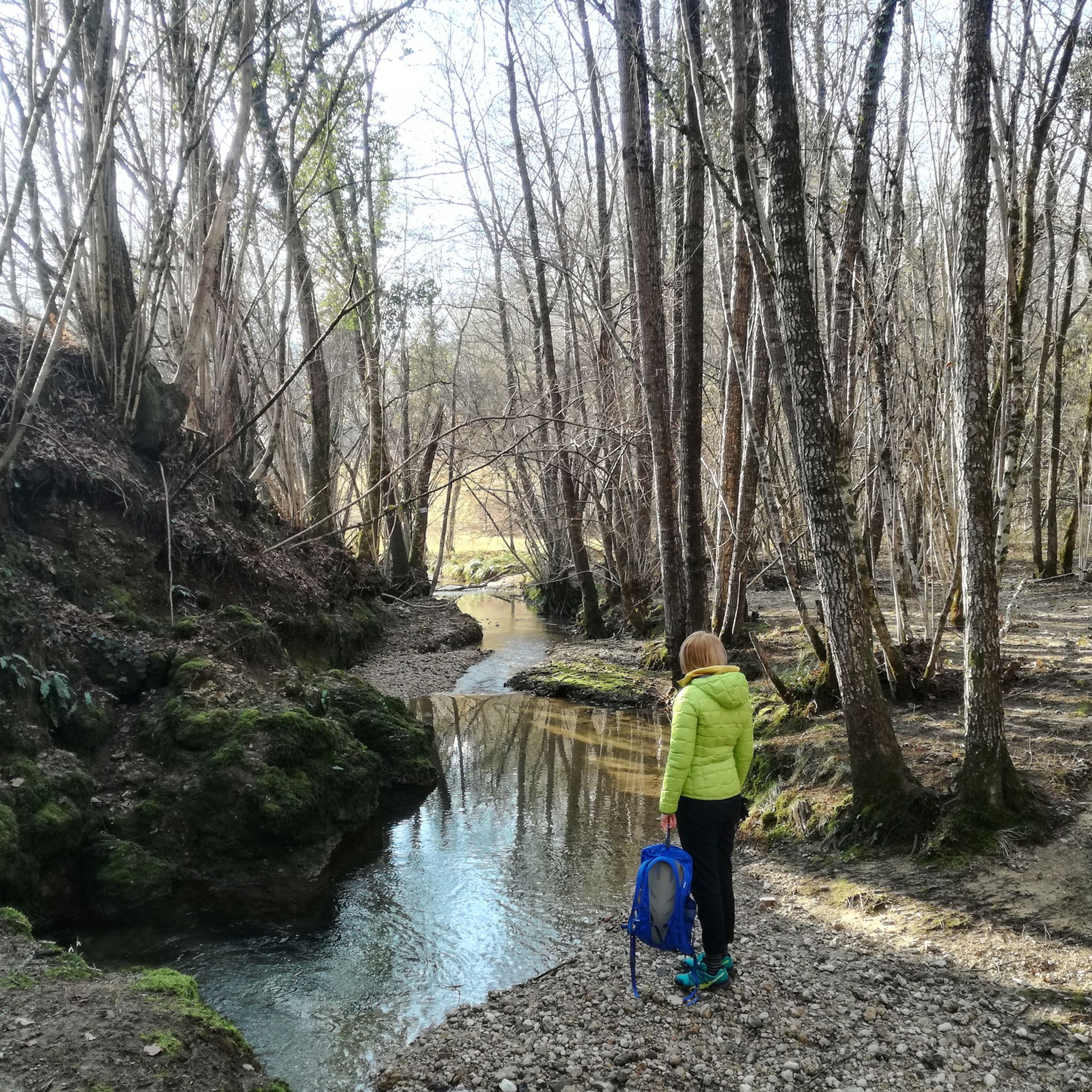
Hiking around San Pietro Di Feletto
Cycling around San Pietro Di Feletto
Running Trails around San Pietro Di Feletto

Mountain Hikes around San Pietro Di Feletto
Other adventures around San Pietro Di Feletto

Tips from the Community

The Castle of Collalto is an ancient medieval manor founded in the 12th century by the noble family of the Counts of Collalto. Strategically positioned on a hill overlooking the Piave plain, the castle soon became the hub of a vast and powerful feud. Over the centuries, the structure transformed from a military fortress into a splendid noble residence, enriched with works of art including frescoes by Pordenone. Unfortunately, its crucial position on the front line during World War I led to its almost total destruction under bombardment. Today, of the glorious original complex, the evocative ruins remain, dominated by the imposing 12th-century master tower, the defensive walls, and the nearby church of San Giorgio, which bear witness to the millennial charm of one of the most important historical sites in the Marca Trevigiana.
1
0
Located at the foot of the Treviso Prealps, the Abbey of Santa Maria di Follina is one of the greatest masterpieces of late Romanesque and Cistercian Gothic style in Italy. Originally founded by Benedictine monks and brought to its greatest splendor by the Cistercians in the 13th century, the abbey amazes with the harmony of its proportions and the spirituality it emanates. The true jewel of the complex is the cloister, completed in 1268: an architectural masterpiece where paired, single, or spiral-decorated columns support elegant arches, creating a unique play of light and shadow. Inside the church, the majestic altarpiece and the statue of the Madonna of the Sacred Chalice make the site a vibrant pilgrimage destination even today. A place where the art, silence, and history of the wool-making monks are inextricably intertwined.
0
0
The Abbey of Santa Maria is a masterpiece of Cistercian architecture and one of the most significant spiritual centers in the Veneto. Founded on a previous Benedictine settlement, the current structure dates back to the 13th century and impresses with the elegance of its Gothic-Romanesque style. The true jewel of the complex is the cloister: a perfect quadrilateral where paired columns, all different from each other in decoration and shape, create a unique play of light and shadow. Inside the basilica, the gable facade and the solemn naves lead the eye towards the altar, where the venerated statue of the Madonna del Sacro Calice is kept. This place emanates a sense of absolute peace, bearing witness to centuries of monastic labor and profound sacred art.
0
0
The Castello di San Salvatore, which dominates the town of Susegana, is one of the most imposing late medieval fortifications in Italy and the symbol of the power of the Counts of Collalto. Built starting from the 13th century, it transformed over time into a lavish Renaissance residence, becoming a cultural center of international importance. Despite the very serious damage suffered during the Great War, when it was on the Piave front line, the castle has been carefully restored by the Collalto family. Today, it welcomes visitors with its crenellated walls and splendid hanging garden, offering a breathtaking view of the Prosecco hills and testifying to eight centuries of aristocratic history amidst art, battles, and excellent wine-making traditions.
0
0

The castle can be visited! Every first Wednesday of the month with prior online registration.
0
0

The Castle of San Salvatore in Susegana, owned by the Collalto counts (privately owned), is an imposing medieval fortified complex, built in the second half of the 13th century as a strategic fortress. It later became a stately home and cultural center during the Renaissance, hosting artists such as Cima da Conegliano and writers such as Giovanni Della Casa. It suffered extensive damage during the First World War before being restored for special events.
0
0

Unfortunately it cannot be visited
0
0
The Revine lakes are of glacial origin. They formed after the retreat of the Piave Glacier, leaving a valley filled with a single lake. This lake was later divided into two bodies of water due to silting and land reclamation.
0
0
Frequently Asked Questions
How many gravel bike trails are available in San Pietro Di Feletto?
There are over 200 gravel bike trails around San Pietro Di Feletto, offering a wide variety of routes through the Prosecco Hills. This includes 11 easy, 72 moderate, and 132 difficult options, catering to all skill levels.
What is the typical terrain and elevation gain for gravel biking in San Pietro Di Feletto?
The region is characterized by rolling terrain, vineyard-covered hills, and river valleys. You can expect varied elevations, with trails often traversing agricultural landscapes and wooded sections. Many routes feature significant climbs, such as the Santo Stefano – Prosecco Hills loop from Conegliano, which includes over 2,100 meters of elevation gain.
Are there any family-friendly gravel bike routes in San Pietro Di Feletto?
While many routes in San Pietro Di Feletto are rated as difficult due to significant climbs, there are easier options available. Look for routes specifically marked as 'easy' in komoot, which typically feature less elevation and smoother paths suitable for families or beginners. These routes often explore the flatter sections of the river valleys or less steep vineyard roads.
What kind of views and landmarks can I expect along the gravel trails?
Gravel biking in San Pietro Di Feletto offers panoramic views of the Prosecco wine region, historic castles, and charming villages. You might pass by landmarks like the historic Molinetto della Croda, or enjoy vistas from the Terraced Vineyards of Rolle. The Collalto Castle – Le Mire Scenic Road loop from Conegliano, for instance, leads through historical areas and offers scenic roads.
Are there any routes that feature waterfalls or natural gorges?
Yes, the region has several natural attractions. The Waterfall on the Meschio River – Borgo Antico Climb loop from Conegliano is one such route that takes you past a waterfall. You can also explore highlights like the Gor della Cuna Waterfall and the Val Trippera gorge, which are accessible from various trails.
What is the best time of year for gravel biking in San Pietro Di Feletto?
The spring and autumn months generally offer the most pleasant conditions for gravel biking in San Pietro Di Feletto. During these seasons, the weather is typically mild, and the vineyards are either blooming or showcasing their vibrant autumn colors, enhancing the scenic beauty of the rides. Summer can be warm, while winter might bring colder temperatures and occasional rain.
Are there many loop routes available for gravel biking?
Yes, many of the gravel bike trails in San Pietro Di Feletto are designed as loops, allowing you to start and end at the same point. Examples include the Molinetto della Croda – Salita Mondragon loop from Conegliano and the Collalto Castle – San Salvatore Castle loop from Conegliano, providing convenient options for exploration.
What do other gravel bikers enjoy most about the trails in San Pietro Di Feletto?
The area is highly rated by the komoot community, with an average score of 4.5 stars from over 400 reviews. Reviewers often praise the diverse landscape, the well-maintained gravel paths through vineyards and forests, and the opportunity to discover historic sites and charming villages. The challenging climbs and rewarding panoramic views are also frequently highlighted.
Are there options for advanced gravel bikers seeking a challenge?
Absolutely. San Pietro Di Feletto offers numerous difficult routes for experienced gravel bikers. These trails often feature significant elevation gains and longer distances, traversing the more demanding sections of the Prosecco Hills. The Santo Stefano – Prosecco Hills loop from Conegliano, for example, is a challenging 123.4 km path with over 2,100 meters of ascent.
Can I find places to eat or drink along the gravel bike routes?
Given the region's focus on wine production and tourism, many routes will pass through or near small villages and towns where you can find cafes, trattorias, and wineries. These offer opportunities to refuel and experience local cuisine and Prosecco. It's always a good idea to check your chosen route for specific points of interest or towns along the way.
Is public transport available to access the gravel bike trails?
While specific public transport links directly to trailheads can vary, the main towns in the region, such as Conegliano, are generally well-connected by local bus services and train lines. From these hubs, you may be able to reach starting points for various gravel routes, though some remote sections might require a short ride or taxi.
Most popular routes around San Pietro Di Feletto
Most popular attractions around San Pietro Di Feletto

Get inspired with the komoot mobile app


Explore more
Browse the best Gravel rides in other regions.
