Top 6 Castles around Camposampiero
Best castles around Camposampiero are found in a region north of Padua, characterized by its medieval layout. The town itself features a notable feudal castle, Palazzo Tiso and the Civic Tower, which now serves as the municipal administration building. This area offers a rich blend of history and architecture, with several historical fortifications nearby. Visitors can explore structures dating back to the 11th century, providing a tangible connection to the region's past.
Best castles around Camposampiero
- The most popular castles…
Last updated: October 16, 2026
Villa Contarini
Highlight • Historical Site
Translated by Google •
Tip by

Castelfranco Veneto Castle
Highlight • Castle
Translated by Google •
Tip by
Sign up now to discover places like this
Get recommendations on the best single tracks, peaks, & plenty of other exciting outdoor places.
Stigliano Castle
Highlight • Castle
Over the centuries the complex passed through the hands of various owners. …
Translated by Google •
Tip by

Tempesta Fortress, Noale
Highlight • Castle
Showing Translation
Tip by

Historic Center of Noale
Highlight • Historical Site
Showing Translation
Tip by

Sign up for free to discover even more castles around Camposampiero.
Already have an account?
Start today with a free account
Your next adventure awaits.

Other adventures around Camposampiero

Tips from the Community

The historic center of Noale preserves the charm of an ancient fortified village, dominated by the remains of the Rocca dei Tempesta and surrounded by the waters of the Marzenego river. Strolling through the streets of the center, you will encounter historic buildings, arcades, and views of the waterway, in a landscape where medieval history intertwines with the daily life of the town.
1
0

La Rocca dei Tempesta is the monumental heart of Noale and one of the most fascinating medieval defensive structures in the Veneto. Built in the 12th century at the behest of the Tempesta family, the fortress stood on a strategic area, protected by an ingenious system of moats fed by the waters of the Marzenego river. The imposing brick structure, of which the majestic perimeter walls and corner towers remain today, retains the charm of a lowland castle. Although the interior is now a suggestive green meadow used for historical re-enactments such as the Palio, the remains still allow us to read the original layout of the noble residence. The Rocca represents a symbol of power and resistance, offering a unique setting where nature intertwines harmoniously with ancient medieval vestiges.
1
0

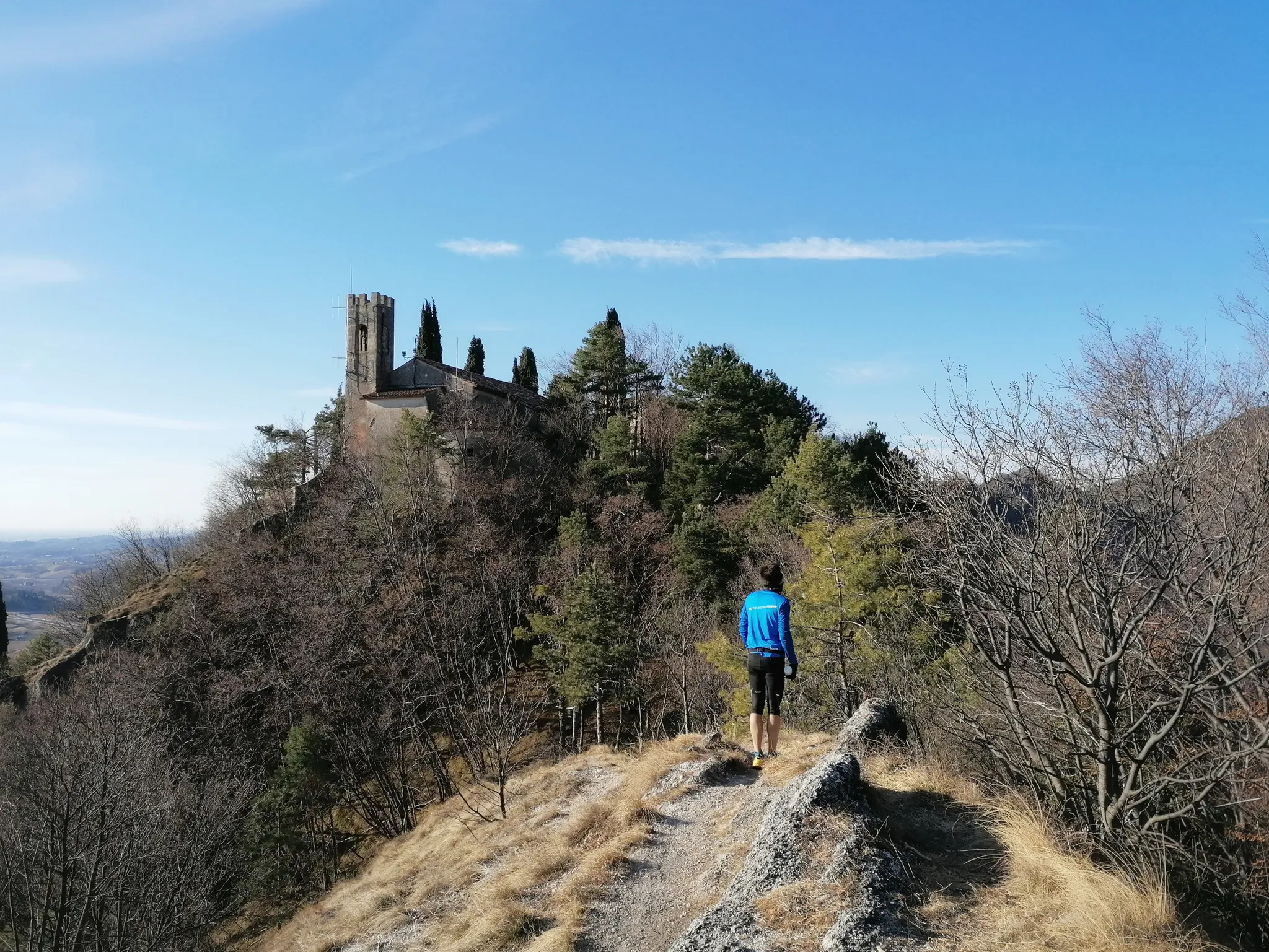
The medieval fortress of Stigliano was first mentioned in 1152 as a feudal property of the Bishop of Treviso. However, its origins may date back to Roman times due to its location in the "graticolato" area. In 1158, it was entrusted to the Tempesta family of Noale and then to the Teutonic Knight Aldobrandino da Superno. Built in a strategic position, alongside the Muson dei Sassi stream, it marked the border between the territories of Padua and Treviso. Therefore, it was the scene of numerous brutal battles until the end of the fourteenth century. It was here, however, that the disputes between the Carraresi and the Serenissima Republic of Venice began. It was the Venetians who finally conquered it in 1520, when it was sold to the Priuli family, who transformed it into a typical Venetian villa of the time. The entire complex then became the property of the Venier family, who further renovated it. Today, only the northeast corner tower remains of the original castle.
1
0

Good Beers Outside the Walls
0
0

Castelfranco is a town with a beautiful historic center with crenellated walls, unfortunately not passable. It is known for being the birthplace of the painter Giorgione, of whom it is possible to admire a palace altarpiece kept in the Cathedral.
0
0

Absolutely majestic! The villa and the gigantic square in front are beautiful!
4
0

Castelfranco Veneto beautiful walled village
1
0

The origins of the castle date back to Roman times, when the building was used as a fortification. Over the centuries the complex passed through the hands of various owners. In 1152 to the bishop of Treviso, from 1158 the Tempesta family were vassals and in January 1220, Count Guido ceded the rights to Aldevrandino da Superno. Built in a strategic position, on the border between the territories of Treviso and Padua, it was the scene of numerous battles. Conquered definitively by the Venetians in the seventeenth century, the complex passed to the Venier family who carried out renovations. After a long period of abandonment, recently, thanks to the renovation work by Paolo Bertan, the building has undergone further adaptations to be adapted into an accommodation facility https://www.villeveneteforyou.com/castelli/castello-di-stigliano/
2
0
Frequently Asked Questions
Which castles are most popular to visit around Camposampiero?
Visitors frequently enjoy Villa Contarini, built on the remains of an ancient castle and known for its cultural events and extensive park. Stigliano Castle, a medieval fortress with Roman origins, is also highly regarded for its historical significance. Another favorite is Castelfranco Veneto Castle, a well-preserved walled city offering insight into the region's heritage.
What is the main castle within Camposampiero itself?
Within Camposampiero, the most prominent castle is the feudal complex of Palazzo Tiso and the Civic Tower. Originally a fortified medieval castle from around 1085, it now houses the municipal administration. You can admire its distinct architecture and historical significance, including a 32-meter-high Civic Tower.
Are there other significant historical fortifications in the broader Camposampierese district?
Yes, beyond Camposampiero, the broader district features other notable historical fortifications. These include Stigliano Castle, Castelfranco Veneto Castle, and Tempesta Fortress in Noale. Each offers a unique glimpse into the region's rich medieval past.
Are the castles around Camposampiero suitable for families with children?
Many castles in the area are family-friendly. For example, Villa Contarini has a large park that families can explore. Castelfranco Veneto Castle, Stigliano Castle, and Tempesta Fortress, Noale are also listed as family-friendly, offering historical exploration for all ages.
What is the best time of year to visit the castles around Camposampiero?
The region's castles can be visited year-round. However, spring and autumn offer pleasant weather for exploring the outdoor areas and castle grounds. During these seasons, you can enjoy comfortable temperatures and often fewer crowds. Some castles, like Villa Contarini, host cultural events, which might influence your visit timing.
Are there walking or hiking routes near the castles around Camposampiero?
Yes, there are several routes for walking and running near the castles. For instance, you can find various running trails around Camposampiero, including the 'Santuario degli Antoniani loop' or the 'Tergolandia – Tergola Route loop'. You can explore these and more on the Running Trails around Camposampiero guide.
Can I find cycling routes near the castles?
Absolutely. The area around Camposampiero is well-suited for cycling. You can find numerous road cycling and touring bicycle routes. Examples include the 'Muson dei Sassi Cycle Path' or the 'Brenta Cycle Bridge – Villa Contarini loop'. For detailed routes, refer to the Road Cycling Routes around Camposampiero guide or the Cycling around Camposampiero guide.
What kind of terrain can I expect on trails near these castles?
The terrain around Camposampiero and its castles is generally flat, typical of the Veneto plain. Trails often follow rivers, canals, or old railway lines, such as the Treviso-Ostiglia Cycle Path. While most routes are easy to moderate, some longer cycling loops can be considered difficult due to distance, not significant elevation changes.
Are there good viewpoints or scenic spots near the castles?
The castles themselves often offer scenic views of the surrounding historical towns and countryside. For example, the walled city of Castelfranco Veneto Castle provides picturesque vistas from its ramparts. The parks associated with villas like Villa Contarini also offer beautiful landscapes.
How can I reach the castles around Camposampiero by public transport?
Camposampiero is accessible by train, making it a good starting point. From there, local buses or regional trains can connect you to nearby towns like Castelfranco Veneto or Noale, where their respective castles are located. For specific schedules and routes, it's best to check local transport websites.
Is parking available at the castles?
Parking availability varies by castle. For Palazzo Tiso in Camposampiero, parking can typically be found in nearby public areas within the town. Larger sites like Castelfranco Veneto Castle usually have designated parking outside the historic walls. It's advisable to check specific castle websites for detailed parking information before your visit.
What do visitors enjoy most about the castles around Camposampiero?
Visitors particularly appreciate the rich historical significance and architectural beauty of the castles. Many enjoy the well-preserved medieval structures, the blend of history with contemporary civic life, and the opportunity to connect with the region's past. The extensive parks, cultural events, and the charming old towns surrounding the castles are also frequently highlighted.
Most popular routes around Camposampiero
Most popular attractions around Camposampiero

Get inspired with the komoot mobile app


Explore more
Looking for the best castles somewhere else? Discover other guides around Camposampiero:
