Top 8 Castles around Davagna
Best castles around Davagna are found in the Metropolitan City of Genoa, a region known for its rich history and medieval architecture. While Davagna itself does not feature prominent castles, its location provides access to several significant historical sites nearby. The area is characterized by its mountainous terrain and historical fortifications that once defended the city of Genoa. These sites offer insights into the region's past and its strategic importance.
Best castles around Davagna
- The most popular castles is Forte…
Last updated: August 24, 2026
Forte Diamante
Highlight • Castle
Translated by Google •
Tip by

Spinola Palace (Palazzo Spinola di Pellicceria)
Highlight • Historical Site
Translated by Google •
Tip by

Sign up now to discover places like this
Get recommendations on the best single tracks, peaks, & plenty of other exciting outdoor places.
Sign up for free
Royal Palace of Genoa (Palazzo Reale di Genova)
Highlight • Castle
Translated by Google •
Tip by

Castello Bruzzo
Highlight • Castle
Translated by Google •
Tip by

Forte Fratello Minore
Highlight • Historical Site
It was part …
Translated by Google •
Tip by

Sign up for free to discover even more castles around Davagna.
Sign up for free
Already have an account?
Start today with a free account
Your next adventure awaits.
Login or Signup
Tips from the Community


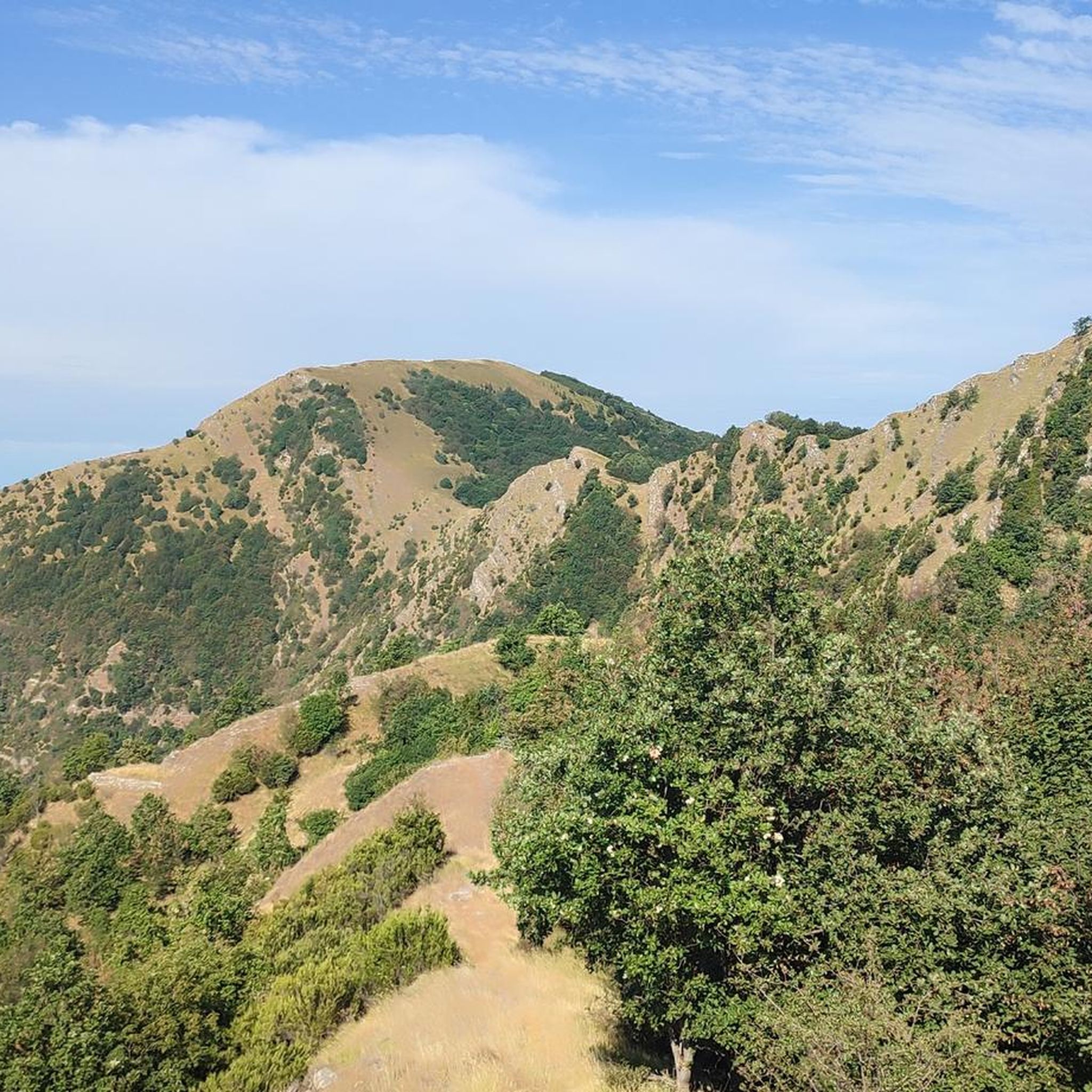
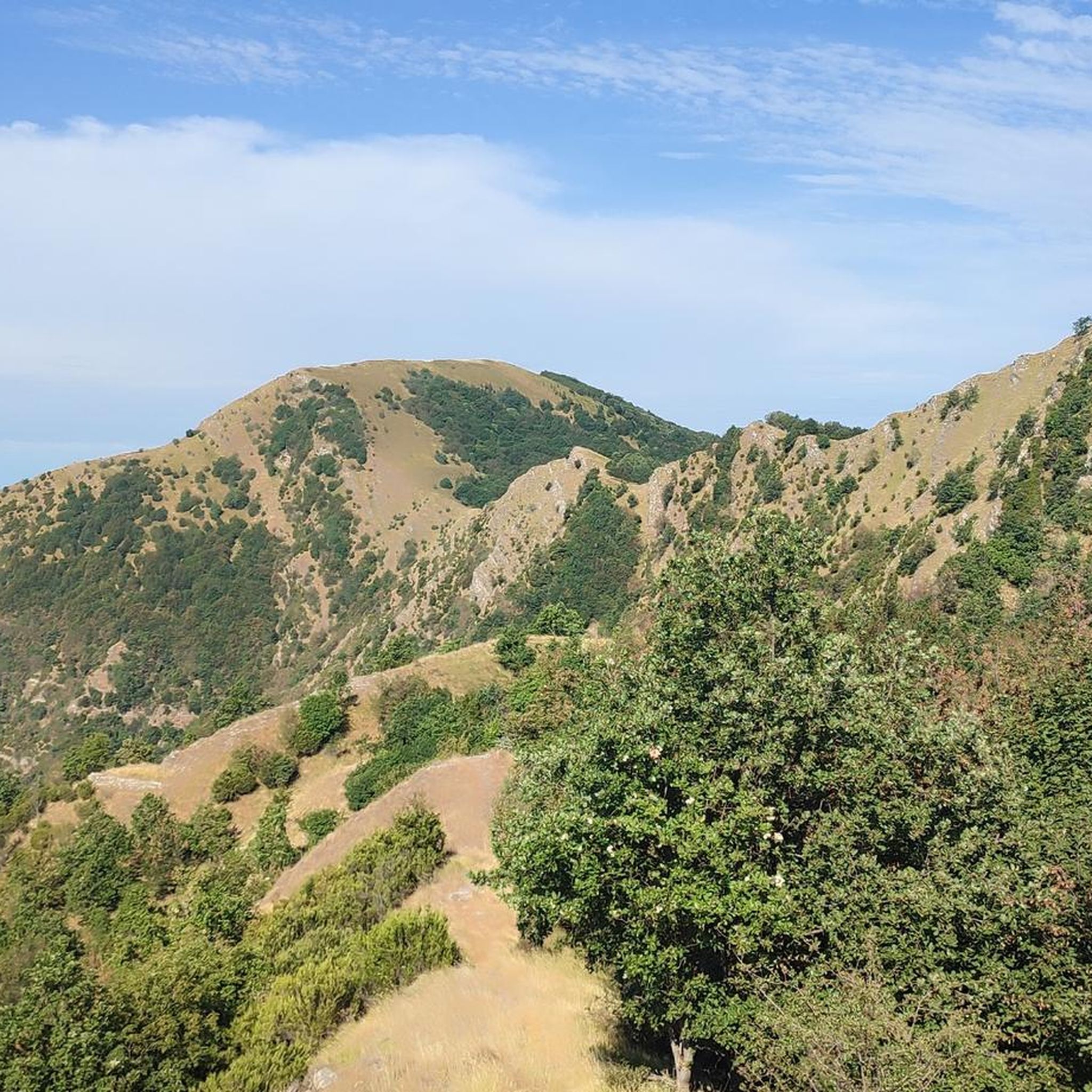
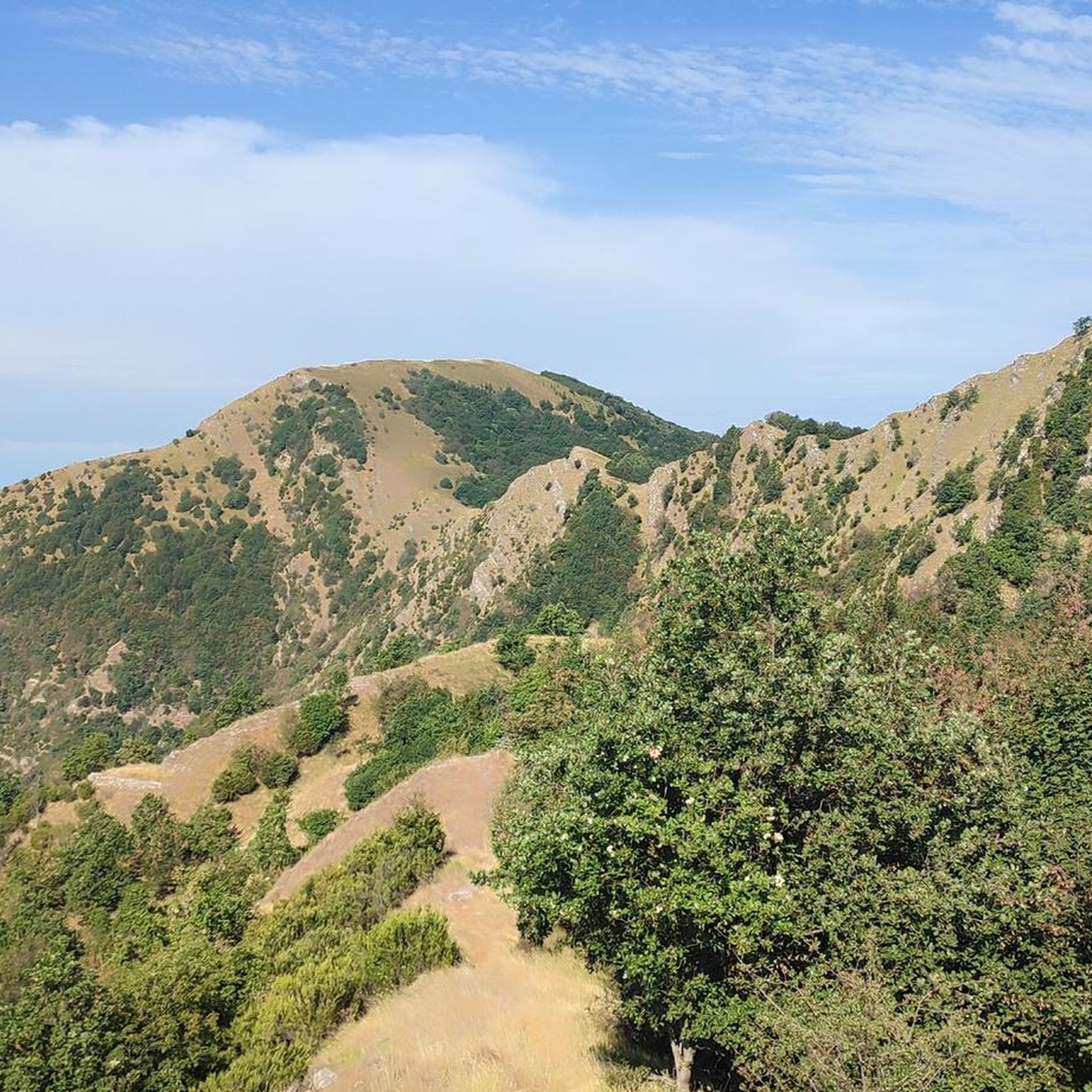
The highest of the forts in Genoa and the only one not in the city municipality, but in that of Sant'Olcese. Easily accessible from the Baita del Diamante (Trensasco), Camporsella or from the Parco del Peralto, it offers truly stunning views and sunsets.
0
0

Climbing to the fort from Trensasco.
0
0

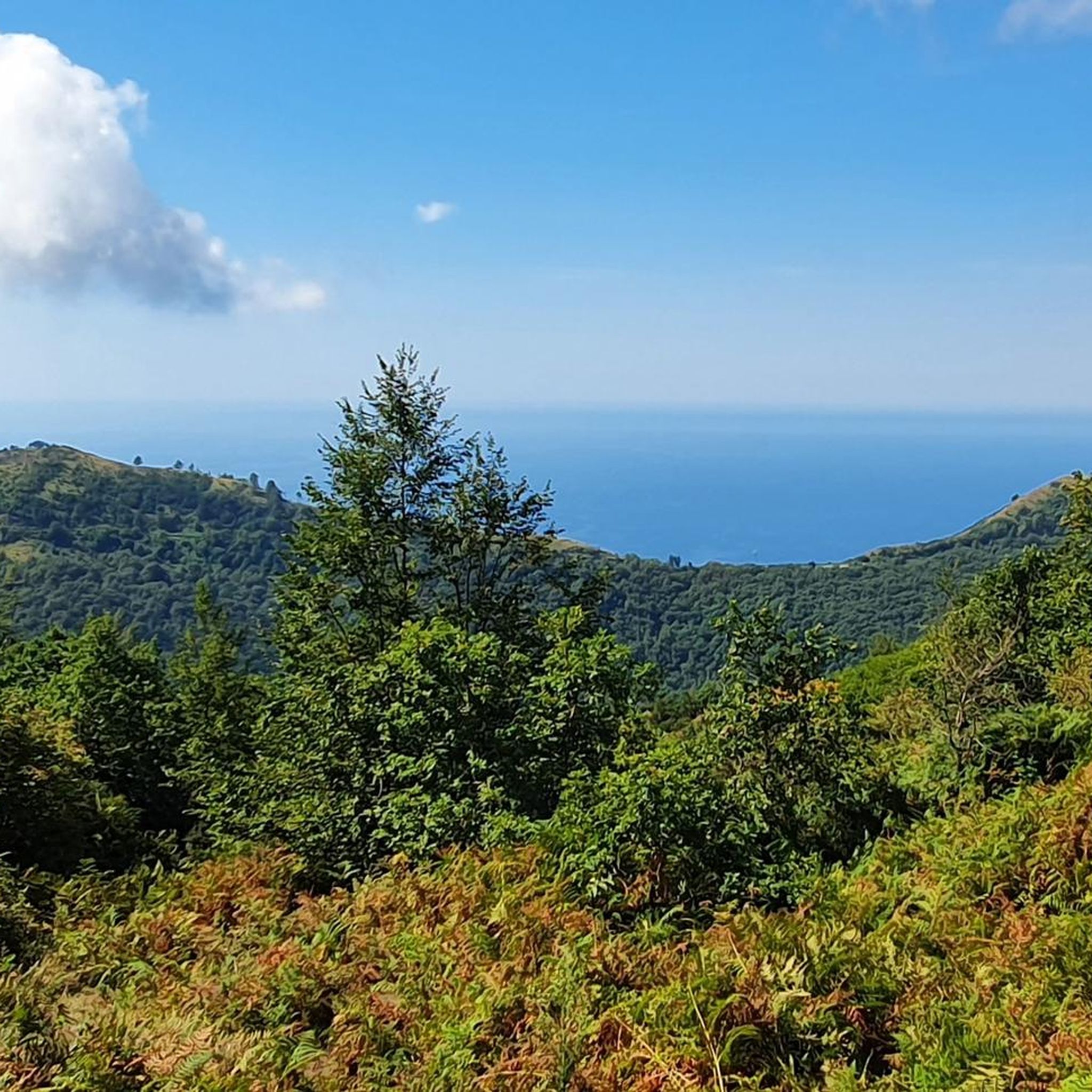
Stunning panorama and departure for the DH descent towards the start of the military road to the Diamond
0
0

Castello Bruzzo was commissioned by the engineer Pietro Micheli to the famous architect Gino Coppedè in 1904. The building consists of a central quadrangular block in the shape of a castle, with a high tower topped by a hipped roof, to which other buildings are added. The walls are in gray stone ashlar with brick inserts and decorative marble reliefs; there is a rich decoration in wrought iron (torch holders, rings, flagpole holders). The loggia to the south has vaults frescoed with allegories of the signs of the Zodiac, within panels with stylized floral motifs. The central hall, with a wooden coffered ceiling, is frescoed with grotesques, branches and trophies. Today it is often used for conferences and receptions.
1
0

The castle has largely preserved the original furniture from its long history. Genoese, Piedmontese and French furniture from the 17th to the 20th centuries can be seen in the halls.
4
0

The Royal Castle (Italian Palazzo Reale di Genova is a historic residence in the Italian city of Genoa. Its premises are now used as an art gallery. With its adjacent park, it is considered one of the most impressive museums in the city. The building is located in Via Balbi , not far from the university headquarters and the Genova Principe train station. The baroque building dates back to the 16th-17th centuries and has preserved its historical treasures, from the frescoes and stucco work to the paintings and furniture of that time.
1
0
Nestled in the heart of the historic center of Genoa, the Palazzo Spinola di Pellicceria shows us that the Rolli Palaces are not only located directly on the triumphant Strada Nuova, but are present throughout the entire city fabric, with their cultural assets of art and history. Built at the request of Francesco Grimaldi at the end of the 16th century, the palace was the seat of four extremely important families of the city: the Grimaldi family, the Pallavicino, the Doria and finally the Spinola; the last heirs of the family, Paolo and Franco Spinola. They handed over the Palazzo and all its collections to the State in 1958, thus making available to everyone a historical collection of paintings, among the most important in the city, allowing immersion in a refined and precious atmosphere, reflecting the excellent taste of the Genoa nobility ( the proud) determined.
1
0
Frequently Asked Questions
What historical fortifications can I visit near Davagna?
While Davagna itself doesn't have prominent castles, the surrounding Metropolitan City of Genoa offers several significant historical fortifications. You can explore Forte Diamante, which dominates the Parco delle Mura, or the well-preserved Fort Puin, open to visitors on Sundays. Another option is Fort Sperone, part of Genoa's 19th-century fortifications, offering extensive exploration.
Are there any medieval castles close to Davagna?
Yes, for a true medieval experience, consider visiting the Castello della Pietra in Vobbia, a municipality bordering Davagna. This extraordinary stone castle, dating back to at least the 13th century, is perched uniquely between two colossal mountains and offers guided tours. Another notable medieval site is the Castello Spinola in Campo Ligure, featuring a distinctive hexagonal structure from the 12th-13th centuries.
What are the most scenic castle viewpoints in the Davagna area?
Many of the forts around Genoa offer spectacular views. Forte Diamante is highly scenic and provides remarkable views of the surrounding mountains. Fort Sperone, located on Monte Peralto, offers control over both Val Bisagno and Val Polcevera, making its panoramic terrace a great spot for views. The tower of Castello Spinola in Campo Ligure also provides scenic vistas of the village and valleys.
Are there family-friendly castles or historical sites near Davagna?
Yes, the Royal Palace of Genoa is categorized as family-friendly and offers a glimpse into historical residences with preserved furniture and art. While not a traditional castle, it provides an engaging historical experience for all ages. For outdoor exploration, the forts like Fort Puin can be interesting for families, especially on Sundays when it's open.
What kind of historical sites can I find in the region besides castles?
Beyond traditional castles, the region boasts significant historical palaces. The Spinola Palace (Palazzo Spinola di Pellicceria) in Genoa's historic center is a prime example, showcasing a rich collection of art and history from four important Genoese families. The Royal Palace of Genoa also serves as an impressive art gallery with preserved 17th to 20th-century furnishings.
What outdoor activities can I do near these castles?
The area around Davagna and its nearby fortifications is excellent for outdoor activities. You can find numerous hiking routes, such as the 'Historic Aqueduct of Genoa Trail' or sections of the 'Alta Via dei Monti Liguri'. For mountain biking, there are trails like the 'Abandoned Village of Crosi' loop. Gravel biking options are also available, including routes that offer views over the Genoa Valley. You can explore more routes on the hiking guide for Davagna, the MTB trails guide, or the gravel biking guide.
Are there any castle ruins to explore near Davagna?
Yes, the Castello di Montoggio, located in the neighboring municipality of Montoggio, is largely in ruins but offers a fascinating glimpse into the region's past and the defensive structures once associated with the Malaspina and Fieschi families. It's a site for those interested in exploring historical remnants.
What are the opening hours for the castles and forts?
Opening hours vary by site. Fort Puin is currently managed by a volunteer association and is open every Sunday from 10:00 to 18:00, with free entry. Fort Sperone is abandoned and open to explore 24/7, though caution is advised. For Castello della Pietra, guided tours are available, and it's best to check their specific schedule. Palaces like the Spinola Palace and Royal Palace of Genoa have regular museum hours, which can be found on their official websites.
What do visitors enjoy most about the castles and forts in this region?
Visitors frequently appreciate the historical significance and the panoramic views offered by these sites. The unique architecture of places like Castello della Pietra and the extensive exploration opportunities at forts like Fort Sperone are often highlighted. Many also enjoy the integration of these historical sites into hiking routes, making them excellent waypoints for outdoor adventures.
Is it possible to reach these castles by public transport?
While some sites within Genoa, like the palaces, are accessible via city public transport, reaching the more remote castles and forts near Davagna, such as Castello della Pietra or Castello Spinola, often requires a combination of public transport and a walk, or private vehicle. It's advisable to check local bus schedules for specific municipalities like Vobbia or Campo Ligure and plan accordingly.
What is the best season to visit the castles around Davagna?
The best season to visit is generally spring or autumn. During these times, the weather is mild and pleasant for exploring outdoor fortifications and ruins, as well as for hiking the surrounding trails. Summer can be hot, especially for exposed sites, while winter might bring colder temperatures and potentially less accessible paths, particularly in higher elevations.
Are there any less crowded alternatives to the main forts?
If you're looking for a less crowded experience, exploring the ruins of Castello di Montoggio can offer a quieter historical immersion. Additionally, while Fort Sperone is a popular spot, its expansive and abandoned nature often allows for a sense of solitude during exploration, especially on weekdays.
Most popular attractions around Davagna

Get inspired with the komoot mobile app


Explore more
Looking for the best castles somewhere else? Discover other guides around Davagna:
