Top 4 Castles around Ronco Scrivia
Best castles around Ronco Scrivia offer a glimpse into the region's rich history and strategic importance in the upper Scrivia Valley. This area features remnants of medieval fortresses that once controlled vital communication routes. These historical sites provide a tangible connection to Ronco Scrivia's feudal past and the influence of powerful Genoese families. Exploring these castles allows for an understanding of the area's historical significance and architectural heritage.
Best castles around Ronco Scrivia
- The most popular castles is Castello della…
Last updated: June 30, 2026
Castello della Pietra
Highlight • Castle
Translated by Google •
Tip by

Tower of the Castle of Arquata
Highlight • Castle
Translated by Google •
Tip by

Sign up now to discover places like this
Get recommendations on the best single tracks, peaks, & plenty of other exciting outdoor places.
Sign up for free

Fieschi Castle of Savignone
Highlight • Castle
Translated by Google •
Tip by
Start today with a free account
Your next adventure awaits.
Login or Signup
Tips from the Community

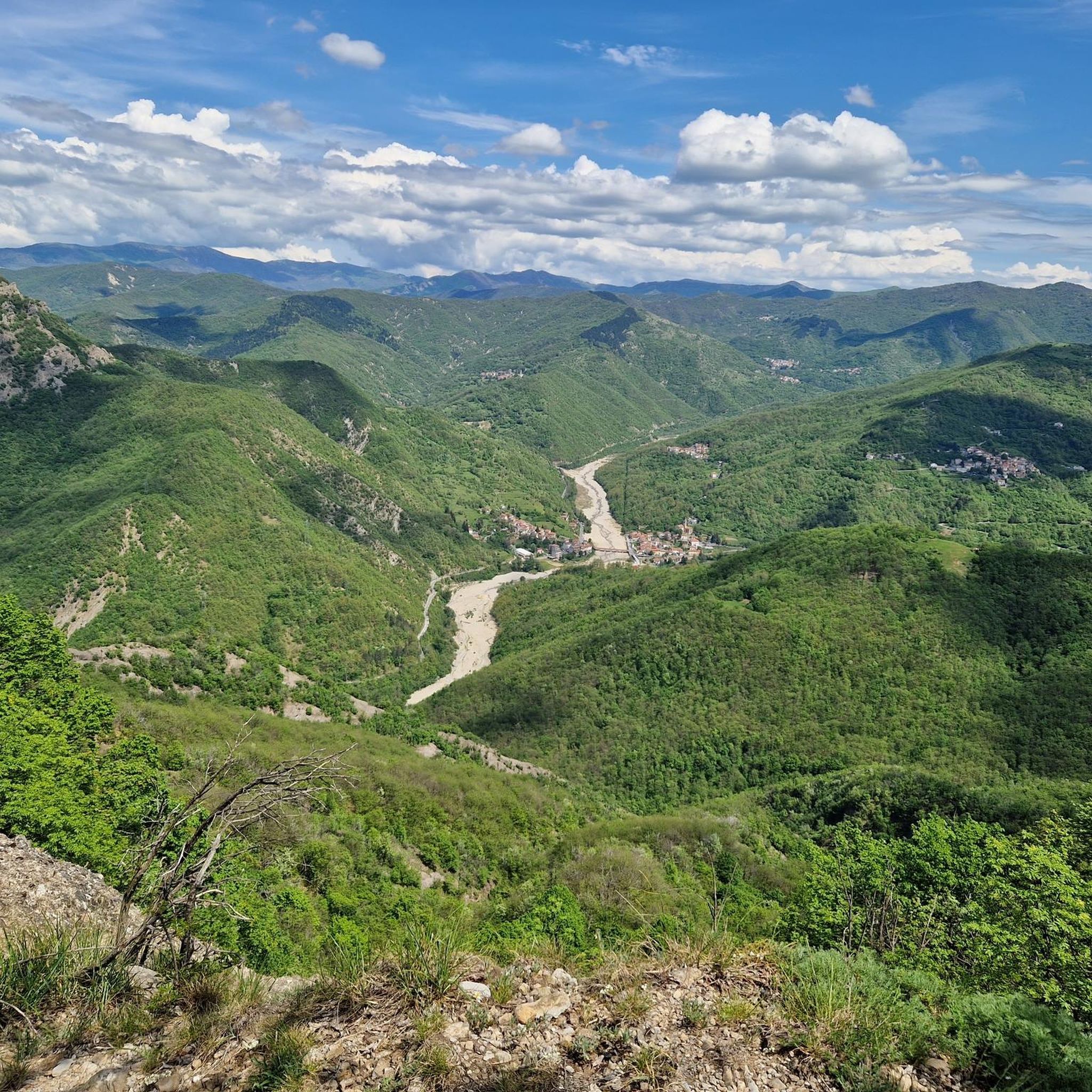
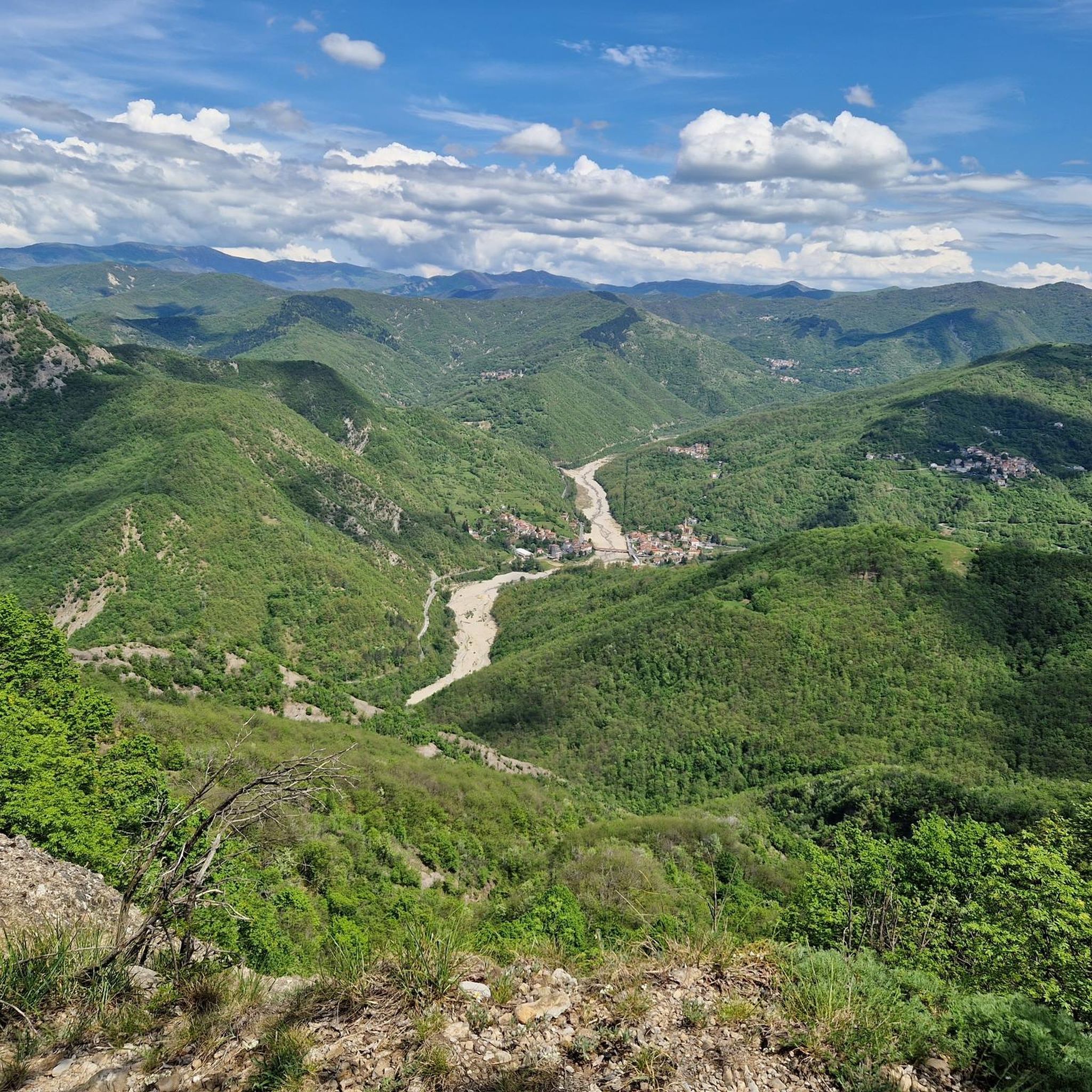
Whether you choose to climb from the parking lot below the castle (moderate difficulty, about 40 minutes on a well-marked path, steps, and a walkway) or follow the "Castellani's Path" from Vobbia (about two hours, including stops), the arrival near the castle is breathtaking! Spectacular, simply! This view is worth the effort (by car) to reach the tiny village of Vobbia, which, however, is located in an area rich in natural beauty! For information, visit this wonderful website: https://www.parcoantola.it/pagina.php?id=47
0
0

departure from Dario's bar (unfortunately we didn't meet him but the guy there was simply very kind) and collection of credentials
0
0

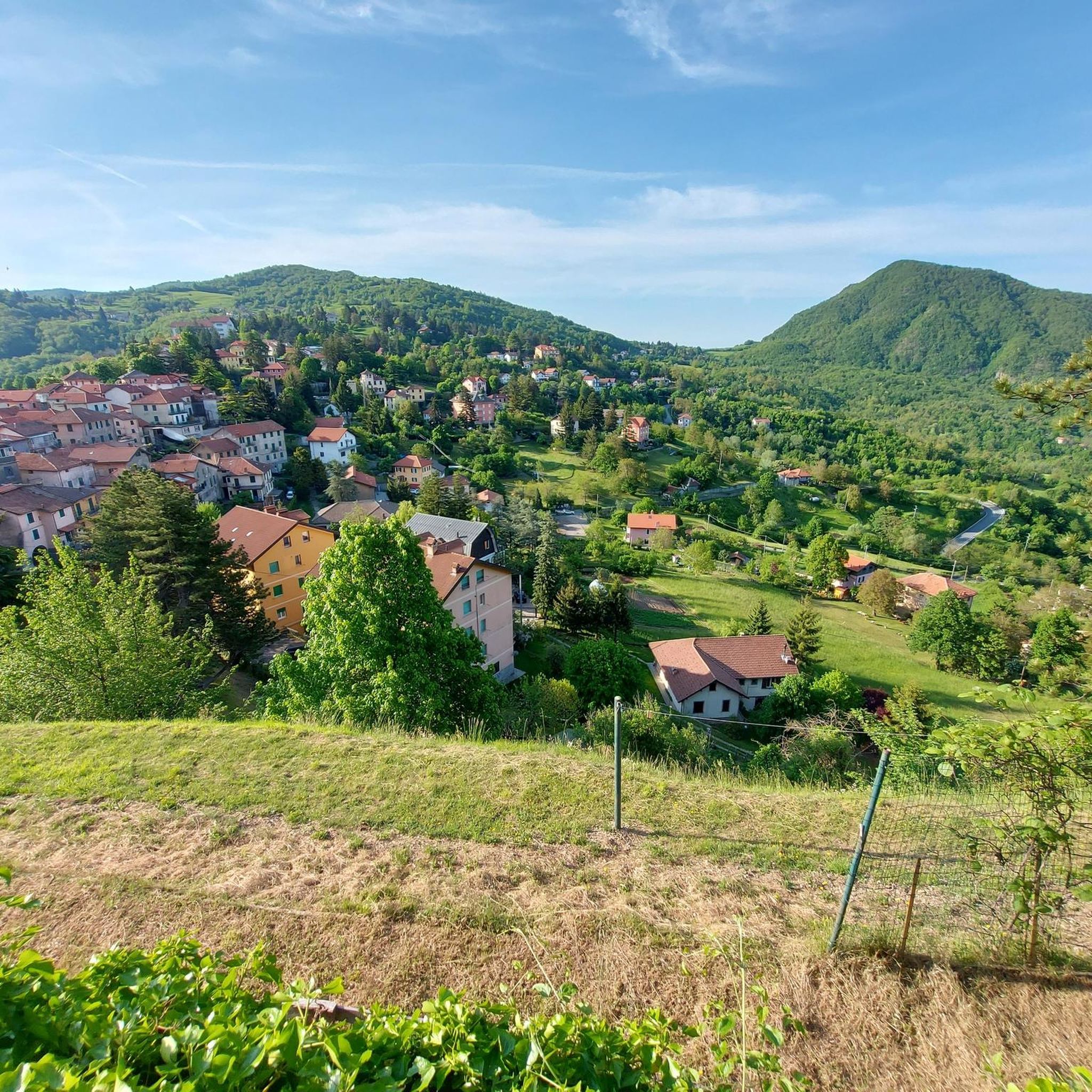
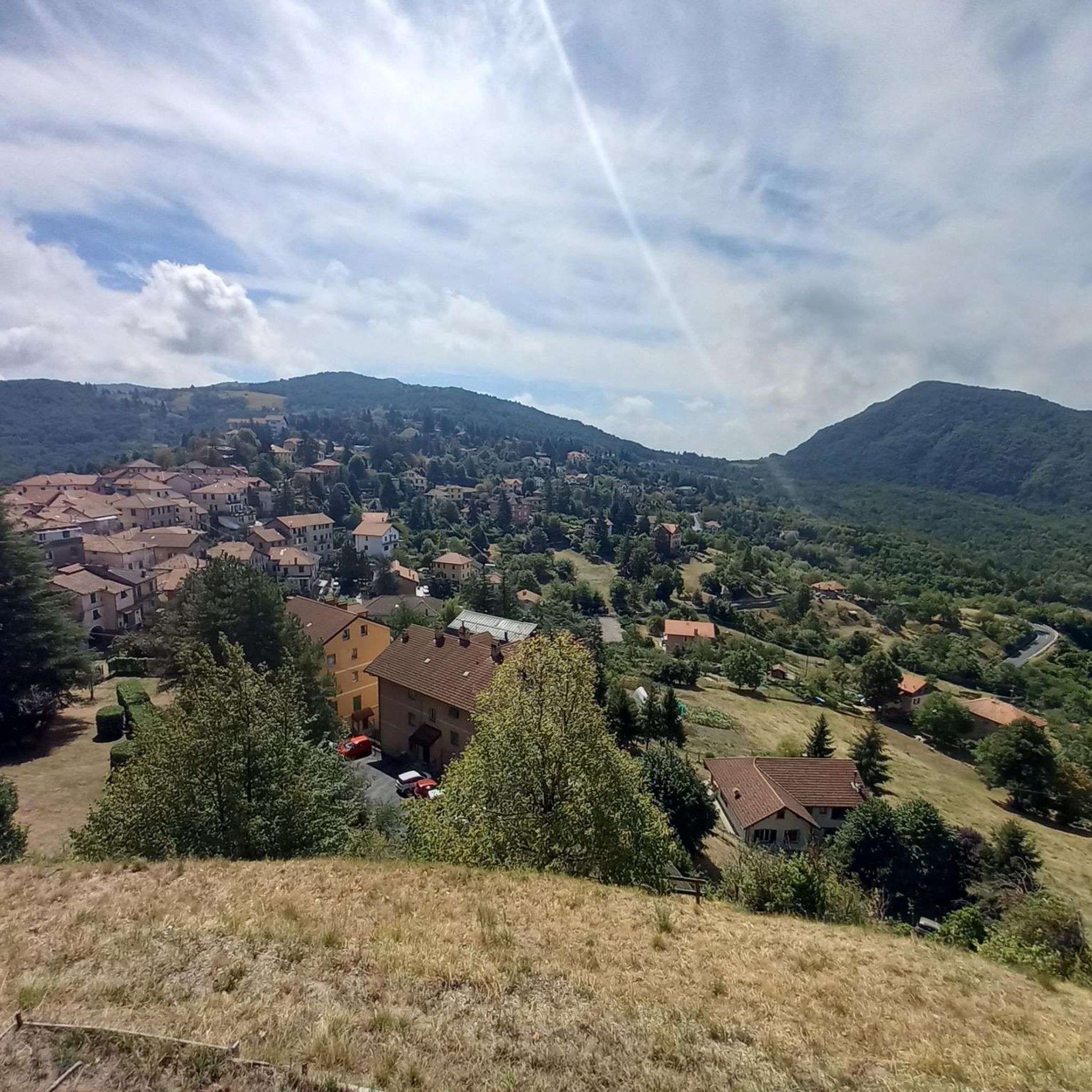
Castle with a turret and it is the element that immediately stands out. Perfectly renovated together with the surrounding mansions, it is a distinctive feature. American families who choose Borlasca for its tranquility and seek privacy often spend the summer there. But the trait d'union is evident, because it is a piece, the most recent, of a well-known story. On the website of the Isola del Cantone Cultural Center it is said that Giorgio Ruggerone wrote a book about Borlasca, published posthumously. The chapter on emigrants is of particular interest for obtaining some information on the castle with the turret: it is owned by the family of Angelo Sangiacomo, son of Domenico, a successful Californian entrepreneur.
0
0
Symbol of Arquata, it is located on a hill overlooking the valley, it is approximately 22 meters high and built in Montaldero stone. It was part of the Castle, of which a few ruins of the mighty walls that sloped down from the hill and surrounded the old village and part of the walls of the keep that surrounded it are still visible. The Castle of Arquata had considerable strategic importance, so much so that it was disputed between many cities, but above all by Genoa and Tortona. But when Tortona managed to definitively take over the village of Arquata, purchasing it in 1244, a condition of stability was reached. The castle was rebuilt with the elevation of a tower and a new village at the base of the hill, close to the ancient Via Postumia, all surrounded by defense walls. As time passes, the strategic importance of the castle with its tower diminishes, and as it is a predominantly military structure, it is gradually abandoned. As the centuries passed, the old, increasingly dilapidated tower was struck by lightning which made its static nature even worse. In fact, on the morning of October 29, 1933, lightning struck part of the eastern corner, throwing large stones a great distance away.
0
0

Nice observation point over the castle and one of the towers where you could once climb. Great for a souvenir photo. you must not suffer from vertigo, exposed sides and a small climb to the top must be done with care and suitable shoes.
0
0
Absolutely worth visiting, perhaps taking the longer, but simpler, Via dei Castellani from Vobbia. The castle, unique in its kind, is very well renovated and the guides explain the history beautifully.
0
0

The Castello della Pietra, an example of Ligurian defensive architecture, towers over the Vobbia gorge. Property of the della Pietra family until 1518, today it is offered to visitors restored, with interiors rich in history, hosting cultural events.
2
0
Frequently Asked Questions
What historical significance do the castles around Ronco Scrivia hold?
The castles in the Ronco Scrivia area, such as the Castello di Ronco Scrivia and Castello di Borgo Fornari, are remnants of a rich feudal past. They were strategically important, controlling vital communication routes in the upper Scrivia Valley and often served as strongholds or residences for powerful Genoese families like the Spinola family. Even in their ruined state, they offer a glimpse into centuries of Ligurian history and medieval military architecture.
Are there any well-preserved castles to visit near Ronco Scrivia?
Yes, Borlasca Castle is known for its well-preserved state and distinctive turret, along with renovated surrounding mansions. Another notable example is Castello della Pietra, which has been extensively restored through volunteer efforts, making its interiors accessible and rich in history.
What kind of outdoor activities can I do near these castles?
The region around Ronco Scrivia offers various outdoor activities. You can find numerous hiking trails, such as the 'From Ronco Scrivia to Rifugio Monte Reale' loop or 'Trail 502 through Rocche del Reopasso'. For more options, explore the hiking guide for Ronco Scrivia. There are also running and road cycling routes available.
Which castles offer good viewpoints or scenic surroundings?
Castello della Pietra is an excellent choice, as it towers dramatically over the Vobbia gorge, offering impressive views. The historical Castello di Monte Reale, though mostly disappeared, was once situated at 902 meters, providing expansive views of numerous surrounding fiefdoms, and the area still offers scenic vistas.
Are there any castles located within natural parks?
Yes, the Fieschi Castle of Savignone is located within the Antola Regional Natural Park. This offers visitors the opportunity to combine historical exploration with hiking routes on nearby mountains like Maggio, Suia, and Pianetto.
What is the best time of year to visit the castles around Ronco Scrivia?
The best time to visit is generally during spring or autumn when the weather is mild and pleasant for exploring the outdoor ruins and hiking trails. Summer can also be suitable, though it might be warmer. Winter visits are possible, but some trails might be more challenging, and certain facilities could have reduced hours.
Can I visit the ruins of the Castello di Ronco Scrivia?
Yes, you can visit the site of the ancient Castello di Ronco Scrivia. While only fragments of its squared stone walls remain visible today, it is worth visiting for those interested in medieval history and the feudal past of the region. It offers a tangible connection to the area's historical significance.
What makes the Tower of the Castle of Arquata significant?
The Tower of the Castle of Arquata is a symbol of Arquata, standing 22 meters high on a hill overlooking the valley. It was once part of a larger castle with considerable strategic importance, disputed between Genoa and Tortona. Although only some ruins remain, its history as a military structure and its prominent position make it a notable site.
Are there any easy walks or circular routes near the castles?
While specific 'easy walk' routes directly around each castle aren't detailed, the general area offers various hiking options. For example, the 'Hiking loop from Villavecchia' is a moderate 5.4 km route. You can explore the Ronco Scrivia hiking guide for routes that might suit your preference for an easy or circular walk.
What do visitors particularly enjoy about the castles in this region?
Visitors appreciate the unique architectural features, the rich historical context, and the efforts made to restore and make some castles accessible. For instance, the Castello della Pietra is highly praised for its renovation and the informative guides who explain its history beautifully. The blend of history and natural beauty, especially for castles within natural parks, is also a major draw.
Are there any castles that highlight medieval military architecture?
The Castello di Borgo Fornari is a significant example of feudal life and medieval military architecture in the Scrivia Valley. Its construction by the Spinola family in the 12th century, its semi-circular tower, and the use of different materials for its structure provide insights into the defensive strategies and building techniques of the era.
Most popular routes around Ronco Scrivia
Most popular attractions around Ronco Scrivia

Get inspired with the komoot mobile app


Explore more
Looking for the best castles somewhere else? Discover other guides around Ronco Scrivia:
