Top 5 Castles around Civitella Del Tronto
Best castles around Civitella Del Tronto are situated in a region characterized by its strategic historical position and varied terrain. The area features the Fortezza di Civitella del Tronto, a significant military architectural work perched at 600 meters above sea level. This location historically controlled the northern boundary between the Kingdom of Naples and the Kingdom of the Holy See. The surrounding landscape includes the Monti della Laga and the Tronto river valley.
Best castles around Civitella Del Tronto
- The…
Last updated: June 30, 2026
Civitella del Tronto Historic Town and Fortress
Highlight • Historical Site
Translated by Google •
Tip by

Castel Manfrino
Highlight • Castle
Translated by Google •
Tip by

Sign up now to discover places like this
Get recommendations on the best single tracks, peaks, & plenty of other exciting outdoor places.
Sign up for free
Fortress of Civitella del Tronto
Highlight (Segment) • Castle
Translated by Google •
Tip by

Pia Fortress
Highlight • Castle
Translated by Google •
Tip by

Castello Della Monica
Highlight • Castle
Translated by Google •
Tip by

Sign up for free to discover even more castles around Civitella Del Tronto.
Sign up for free
Already have an account?
Start today with a free account
Your next adventure awaits.
Login or Signup
Popular around Civitella Del Tronto
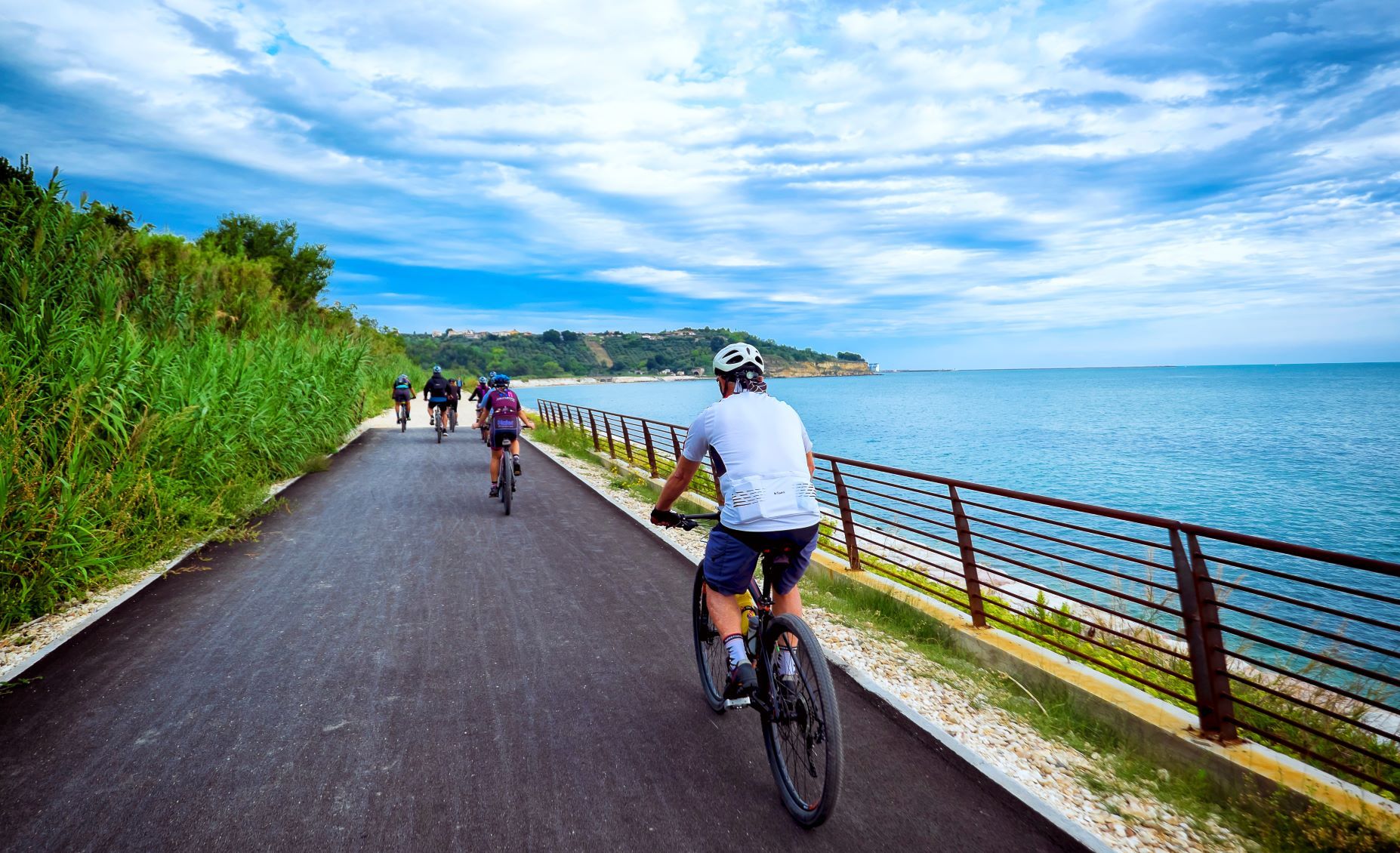
Between the Adriatic Sea and the Apennines — rides in Italy’s Abruzzo
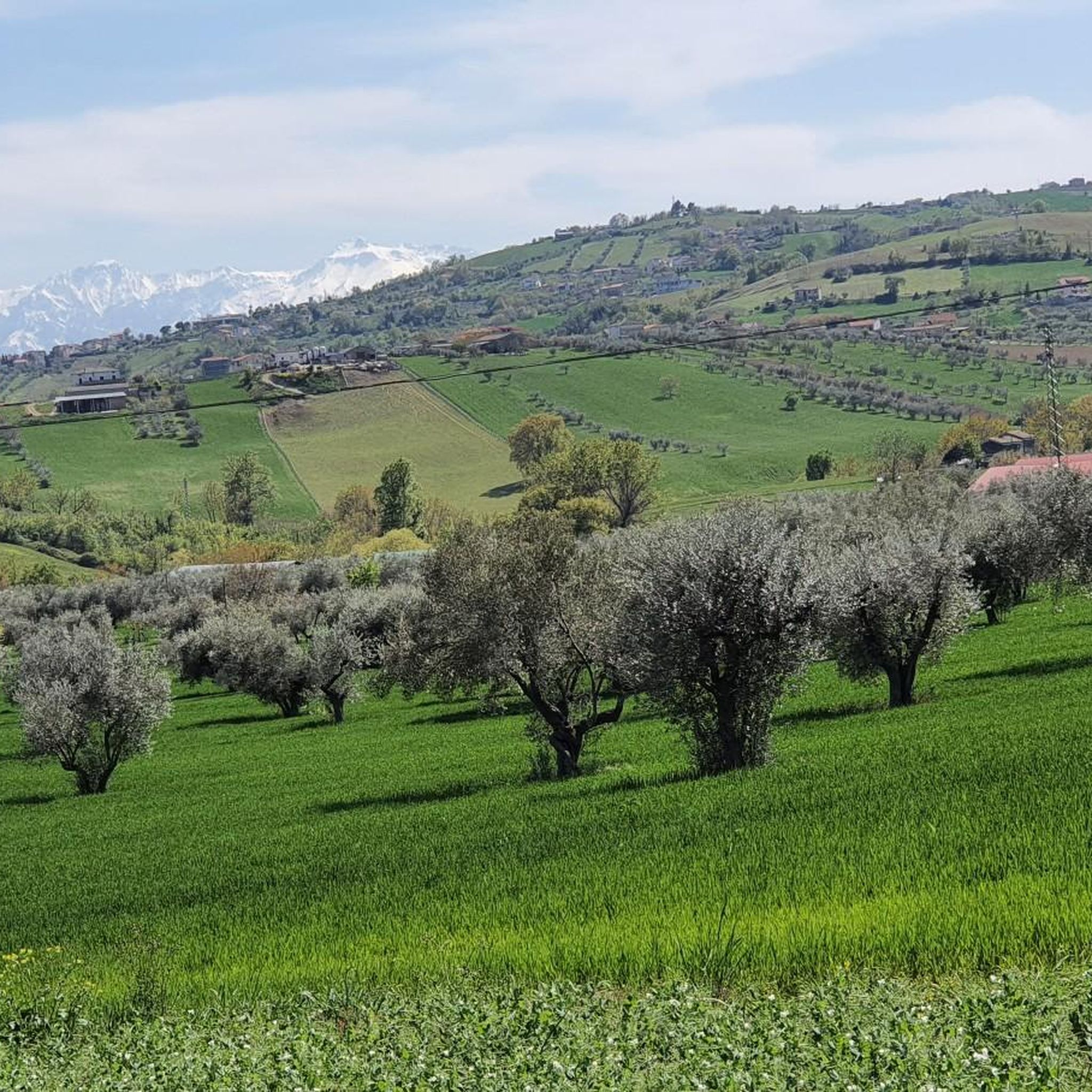
Hiking around Civitella Del Tronto
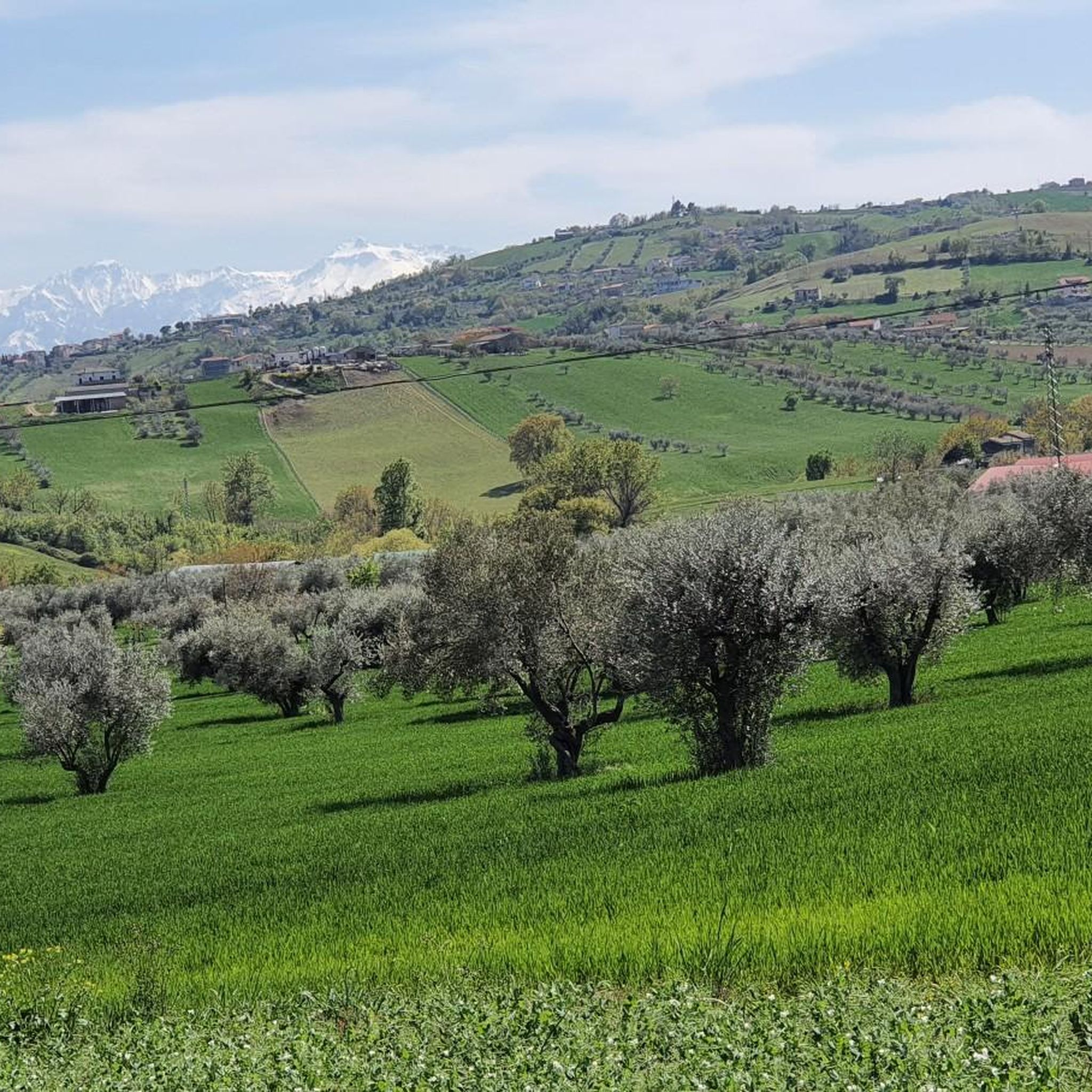
Cycling around Civitella Del Tronto
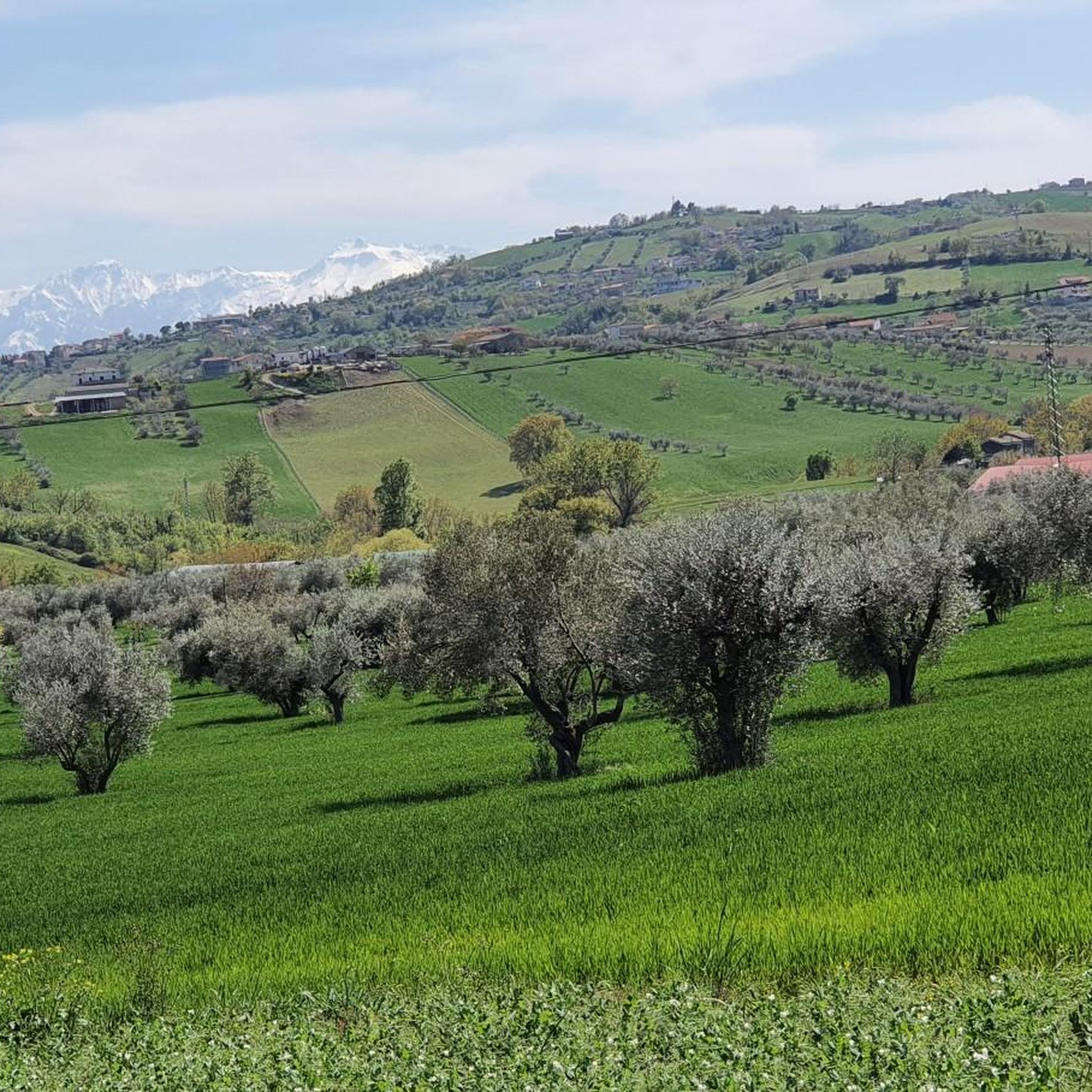
Road Cycling Routes around Civitella Del Tronto
MTB Trails around Civitella Del Tronto
Running Trails around Civitella Del Tronto

Gravel biking around Civitella Del Tronto
Other adventures around Civitella Del Tronto

Tips from the Community

The main defensive structure of Ascoli is located on the eastern peak of the Pelasgian Hill, which dominates the plain below. The Annunziata Hill has been an important place for the defense of the area since pre-Roman times. The current fortress was built on the remains and according to the design of the ancient Cassero, built by the Piceni. The hill still bears the symbolic name of Monte Cassero. Over the centuries, the fortress has been rebuilt several times. It was destroyed and rebuilt by the conquerors and continued to dominate the city until the fall of the Roman Empire. In 1349, it was restored by Galeotto Malatesta, who, together with the Malatesta fortress, made it one of the cornerstones of the rule over the city. The fortress acquired its current appearance thanks to Pope Pius IV, who ordered its renovation in 1560. Renovation work was carried out over the following five or six years. The building was seriously neglected and was used as a quarry for the extraction of building materials. In 1857 it was bought by the municipality of Ascoli and donated to the Agricultural School, until it was moved to the new headquarters in the 19th century.
0
0

The size of the Fortress is impressive.
0
0
The Della Monica Castle in Teramo was the home and studio of the artist Gennaro Della Monica (1836-1917), who began building it on the site of the ancient church of San Venanzio in 1889 following a neo-Gothic style.
1
0

Castello Della Monica is located outside the historic center of Teramo, in the Piazza Garibaldi area. The work of the artist Gennaro Della Monica has recently been restored (other works are still in progress) and can be visited. Today it is also used for exhibitions and events. https://www.comune.teramo.it/Amministrazione/luoghi/castello-della-monica/26-87.html
0
0
The Fortress of Civitella del Tronto, located 600 m. above sea level in a strategic position with respect to the old northern border of the Viceroyalty of Naples with the Papal State, it is one of the largest and most important military engineering works in Europe characterized by an elliptical shape with an extension of 25,000 m2 and a length of over 500 m . To find out more about the heroic act of 1861 http://www.fortezzadicivitella.it/index.php?option=com_content&view=article&id=102:fortezza-di-civitella-del-tronto&catid=38:informazioni&Itemid=122
0
0

very nice old town with - with "Italy's narrowest path" (La Ruetta)
0
0

On the border between Marche and Abruzzo, in the province of Teramo, located in the Gran Sasso and Monti della Laga National Park, stands the evocative Castel Manfrino, so called from the historical and popular tradition that connects the territory to the exploits of King Manfredi (1232-1266 ), last Swabian sovereign, natural son and successor of Frederick II and Bianca of the Lancia counts of Monferrato. A fortress commissioned by the Swabian King Manfredi to guard the borders between the Papal State and the Kingdom of Naples, it was therefore in a strategic position for sighting and control of traffic and therefore determined its centrality as a defensive position in the territory.
3
0

Castel Manfrino, built as an observation point, is located at 963 meters. From here you can see the peaks of the Montagna di Campli and the Montagna dei Fiori.
1
0
Frequently Asked Questions
What are the most significant castles to visit around Civitella del Tronto?
The most prominent is the Civitella del Tronto Historic Town and Fortress, one of Europe's largest military engineering works. Other notable sites include Castel Manfrino, a strategic observation point, and Pia Fortress, which served as a main defensive structure for Ascoli.
What is the historical significance of the Fortezza di Civitella del Tronto?
The Fortezza di Civitella del Tronto is a remarkable example of military architecture, strategically located at 600 meters above sea level. It played a crucial role in Italian history, notably as the last bastion of the Kingdom of the Two Sicilies to fall during the unification of Italy in 1861. Its design incorporates innovative Renaissance-era fortifications built to withstand artillery.
How much time should I allocate to visit the castles in this region?
For the Fortezza di Civitella del Tronto, you should plan at least 2-3 hours to explore its vast grounds, internal structures, and the Museum of Arms and Ancient Maps. Visiting other castles like Castel Manfrino might take an additional 2 hours, including the approach hike.
What outdoor activities can I combine with a castle visit?
The region around Civitella del Tronto offers various outdoor activities. You can find numerous cycling routes, such as the 'Civitella del Tronto — Ring tour' or 'Necropolis of Campovalano – Civitella del Tronto Fortress loop'. For running, trails like 'San Giacomo and the three caciare - ring tour' are available. Explore more options on the cycling, gravel biking, and running guide pages.
Where can I find panoramic viewpoints near the castles?
The Fortezza di Civitella del Tronto itself offers breathtaking panoramic views of the surrounding mountains, the old town, and even the Adriatic Sea on a clear day. Castel Manfrino, located at 963 meters, also provides excellent views of the Montagna di Campli and Montagna dei Fiori.
What is the best time of year to visit the castles around Civitella del Tronto?
Spring and autumn generally offer the most pleasant weather for exploring the castles and their surroundings, with mild temperatures and beautiful landscapes. Summer can be warm, but the higher elevation of the Fortezza can provide some relief. Winter visits are possible, but some facilities or access might be limited, and weather conditions can be unpredictable.
Are there family-friendly castles or activities for children?
The vast grounds of the Fortezza di Civitella del Tronto offer plenty of space for children to explore. The historical context and impressive architecture can be engaging for older children. Some events and educational activities related to the life of ancient inhabitants are occasionally organized at the fortress.
Can I bring my dog to the castles or nearby trails?
While regulations for specific castles may vary, many outdoor areas and trails around Civitella del Tronto are dog-friendly. Always keep your dog on a leash and clean up after them. It's advisable to check specific castle policies before visiting, as interior access might be restricted for pets.
Are there cafes or restaurants near the castles?
Yes, the historic town of Civitella del Tronto, adjacent to the Fortezza, has various cafes and restaurants where you can enjoy local cuisine and refreshments. For other castles, options might be found in nearby villages or towns.
What are the parking options when visiting the Fortezza di Civitella del Tronto?
There are parking areas available near the historic town of Civitella del Tronto, from which you can access the Fortezza. Due to the town's hilltop location and narrow streets, it's best to look for designated parking at the base or just outside the main historic center.
Are there any 'hidden gem' castles worth exploring?
While not strictly a 'hidden gem' in the sense of being unknown, the Castello Della Monica in Teramo offers a unique neo-Gothic architectural style, distinct from the military fortresses. It was the home and studio of artist Gennaro Della Monica and is now used for exhibitions and events, providing a different kind of castle experience.
Are there other historical sites besides castles in the area?
Yes, the region is rich in history. The Castorano Historic Town Center, for example, retains its medieval origins with parts of its castle walls, a crenellated tower, and ancient churches. It also hosts a Museum of Arts and Crafts of peasant civilization, offering insights into local heritage beyond just military history.
Are there guided tours available for the castles?
Guided tours are often available for the Fortezza di Civitella del Tronto, providing deeper insights into its history and architecture. It's recommended to check the official website of the Fortezza or local tourist information centers for current availability, schedules, and booking details.
Most popular routes around Civitella Del Tronto
Most popular attractions around Civitella Del Tronto

Get inspired with the komoot mobile app


Explore more
Looking for the best castles somewhere else? Discover other guides around Civitella Del Tronto:
