Top 8 Caves around Carrara
Best caves around Carrara are primarily the extensive marble quarries, which are often referred to as "marble caves" due to their impressive subterranean excavations. This region, famous for its pristine white marble, offers a unique blend of natural geology and centuries of human endeavor. The quarries form a surreal landscape within the Apuan Alps, providing a profound historical, cultural, and visual experience. Marble extraction in Carrara dates back to ancient Rome, with its material used in world-renowned art and architecture.
Best caves around Carrara
- The most popular caves is Henraux Marble Quarry, an other man-made site that was once an active marble quarry. It is now abandoned, offering a unique opportunity to explore a disused marble extraction area.
- Another must-see spot is Equi Terme Village, a settlement nestled under the Apuan Alps. Visitors can discover the famous Equi caves within the village, along with a river and local amenities.
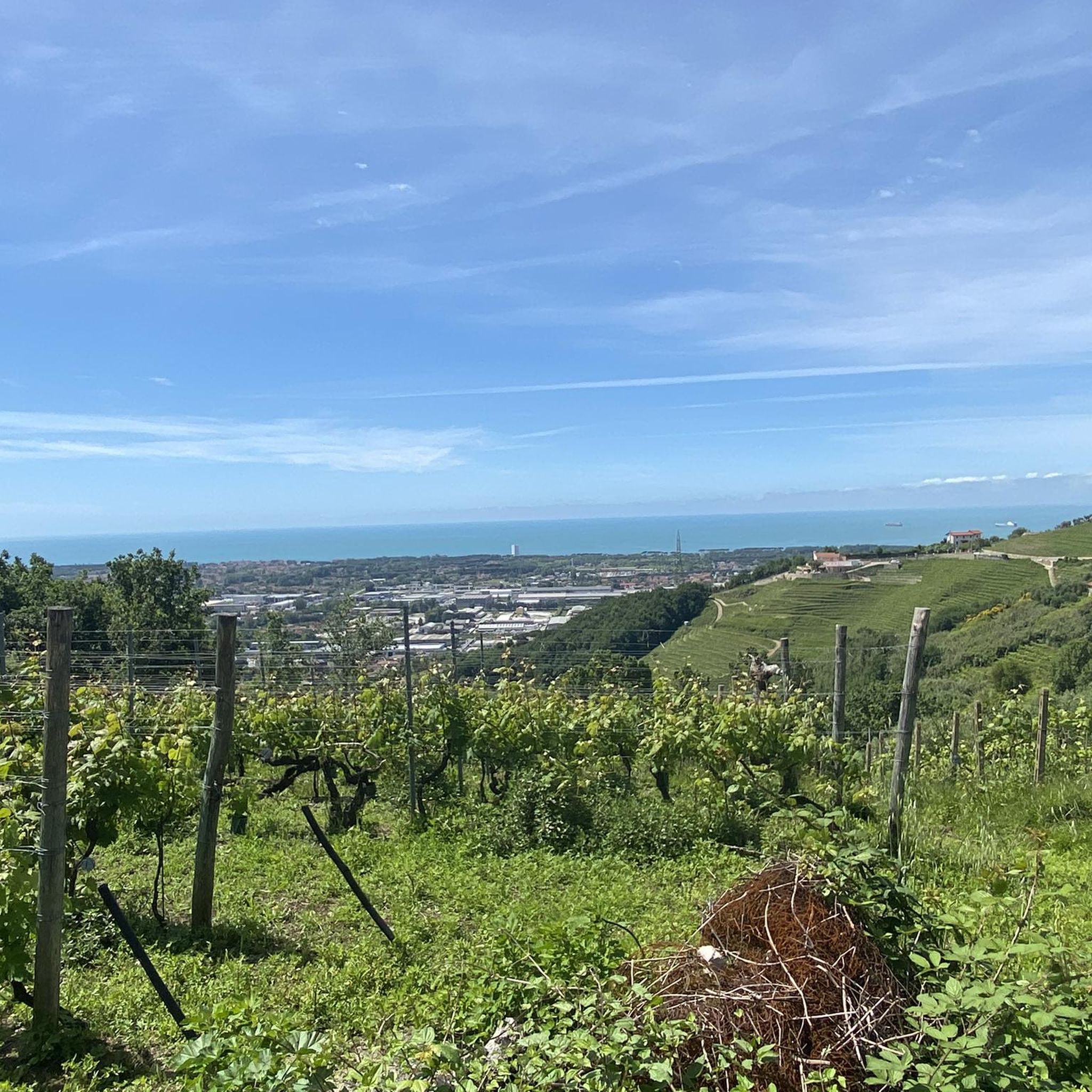
- Visitors also love View of the Carrara Marble Quarries from Colonnata, a viewpoint offering panoramic vistas. From here, the white marble quarries resemble snow-capped mountains, providing a striking visual experience.
- Carrara is known for its marble quarries and natural karst phenomena. Visitors can explore both man-made subterranean excavations and natural cave systems within the Apuan Alps.
- The caves around Carrara are appreciated by the komoot community, with 55 upvotes and 14 photos shared by users.
Last updated: May 2, 2026
Rocca di Tenerano
Highlight • Summit
On its slopes, towards the Val Saliceto, opens the Grotta della Tecchia or Tecchia di Tenerano.
The whole area of the Rocca is home to karst phenomena: the Rocca di Tenerano Complex. It has a total development of 5400 meters and a height difference of 573 with three main entrances. Speleologists are continuing their explorations and studies to connect other caves to the main complex.
The ascent to the summit is easy, along traces of the path, starting from a large wooden cross near the nearby Prati di Cardeto and the house of the same name where the paths 184 and 171/40 arrive. From the summit, the view of the sea, the Sagro, Pizzo d’Uccello and the Cresta Garnerone is truly splendid.
Translated by Google •
Tip by

Henraux Marble Quarry
Highlight • Structure
It is possible to visit it paying attention to the unprotected chasms of the inner perimeter of the extraction area.
Translated by Google •
Tip by

Sign up now to discover places like this
Get recommendations on the best single tracks, peaks, & plenty of other exciting outdoor places.
Sign up for free
Equi Terme Village
Highlight • Settlement
Translated by Google •
Tip by

View of the Carrara Marble Quarries from Colonnata
Highlight • Viewpoint
Translated by Google •
Tip by
Monte Folgorito WWII Radio Station Depot Cave
Highlight • Cave
Translated by Google •
Tip by
Sign up for free to discover even more caves around Carrara.
Sign up for free
Already have an account?
Start today with a free account
Your next adventure awaits.
Login or Signup
Tips from the Community


Impressive quarries, owner one of the most famous companies operating in the Apuan Alps. A disconcerting situation to say the least, the mountain literally eaten.
0
0
Stunning village nestled in a valley with steep slopes and the pizzo d'uccello in the background. Beautiful river and spa. Spectacular!
1
0

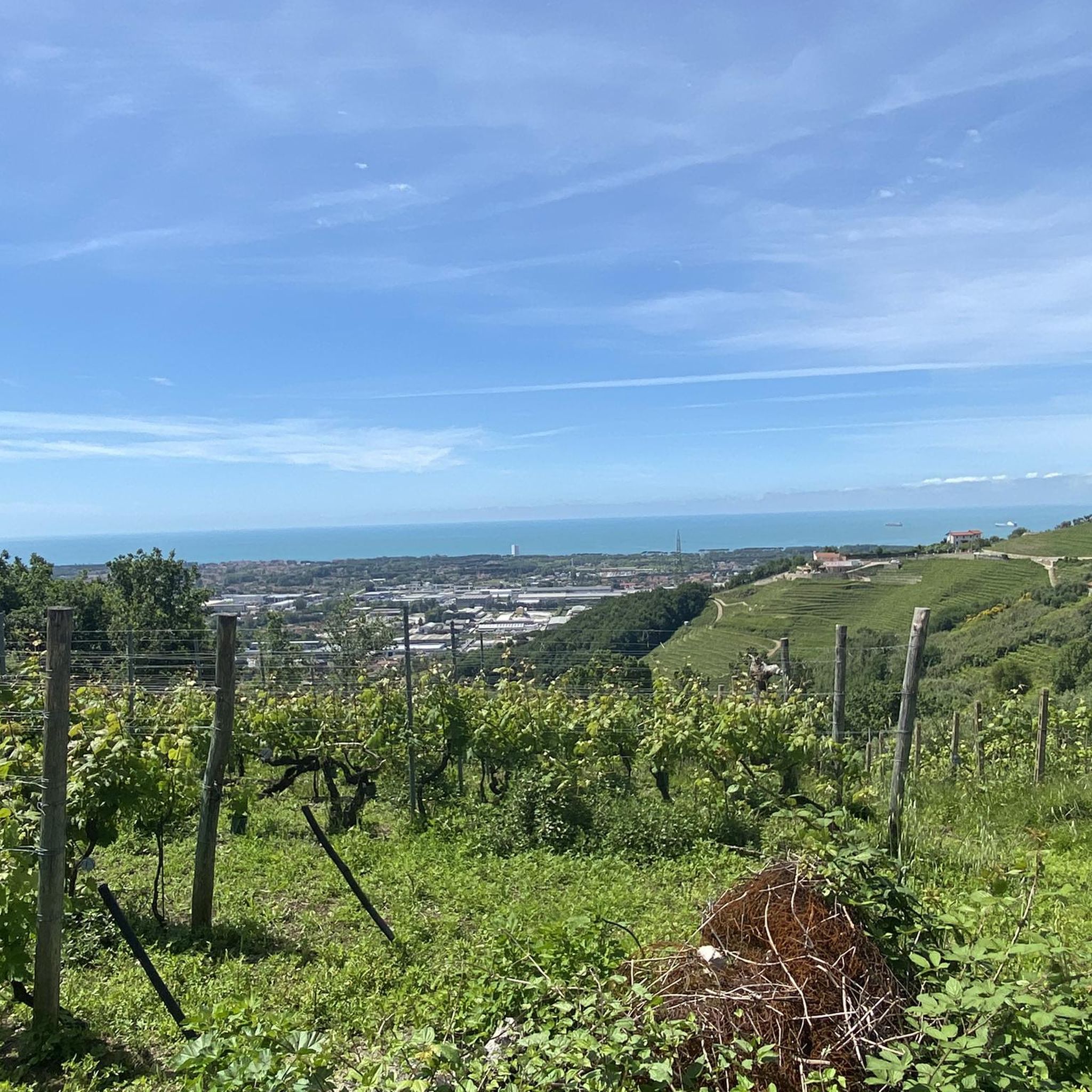
An attraction and a place with beautiful views on the route
0
0

Explore the village of Equi at the beginning or end of the trail! A village perched under the Apuan Alps, where you can stop along the river, discover the famous Equi caves, or have a snack in the local bars and restaurants!
1
0

A village known for its spas, but long forgotten, a pity because there would be the potential to return to life
0
0

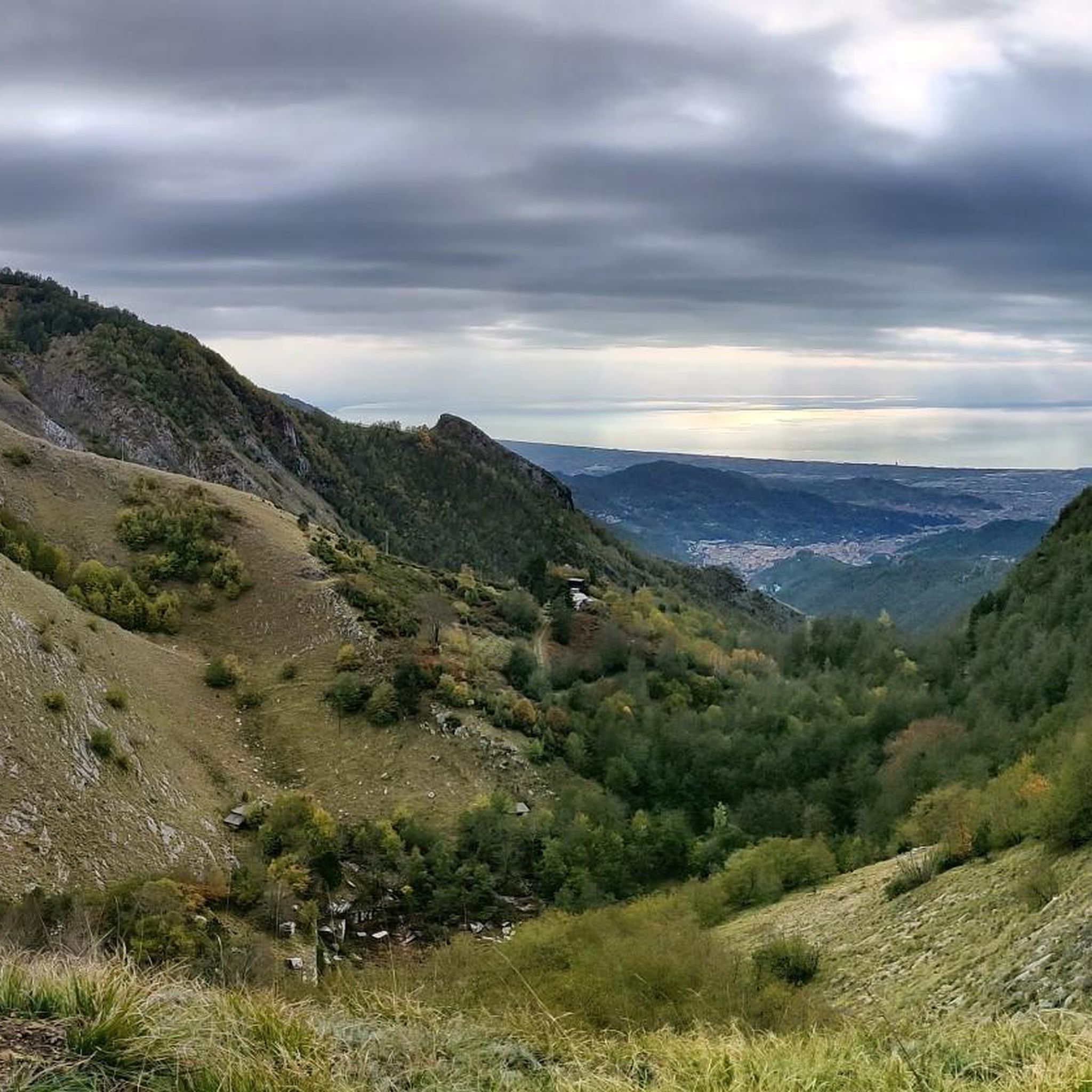
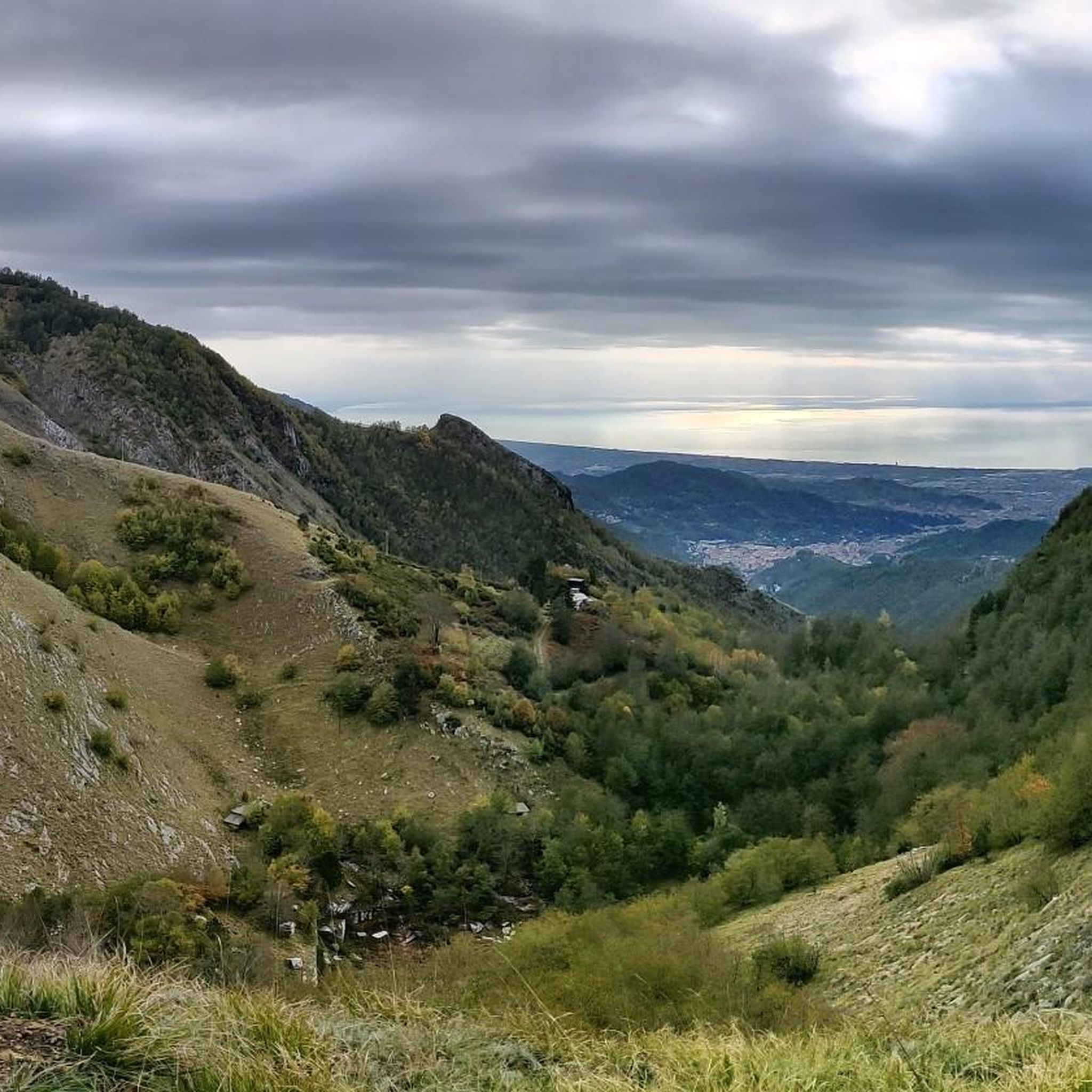
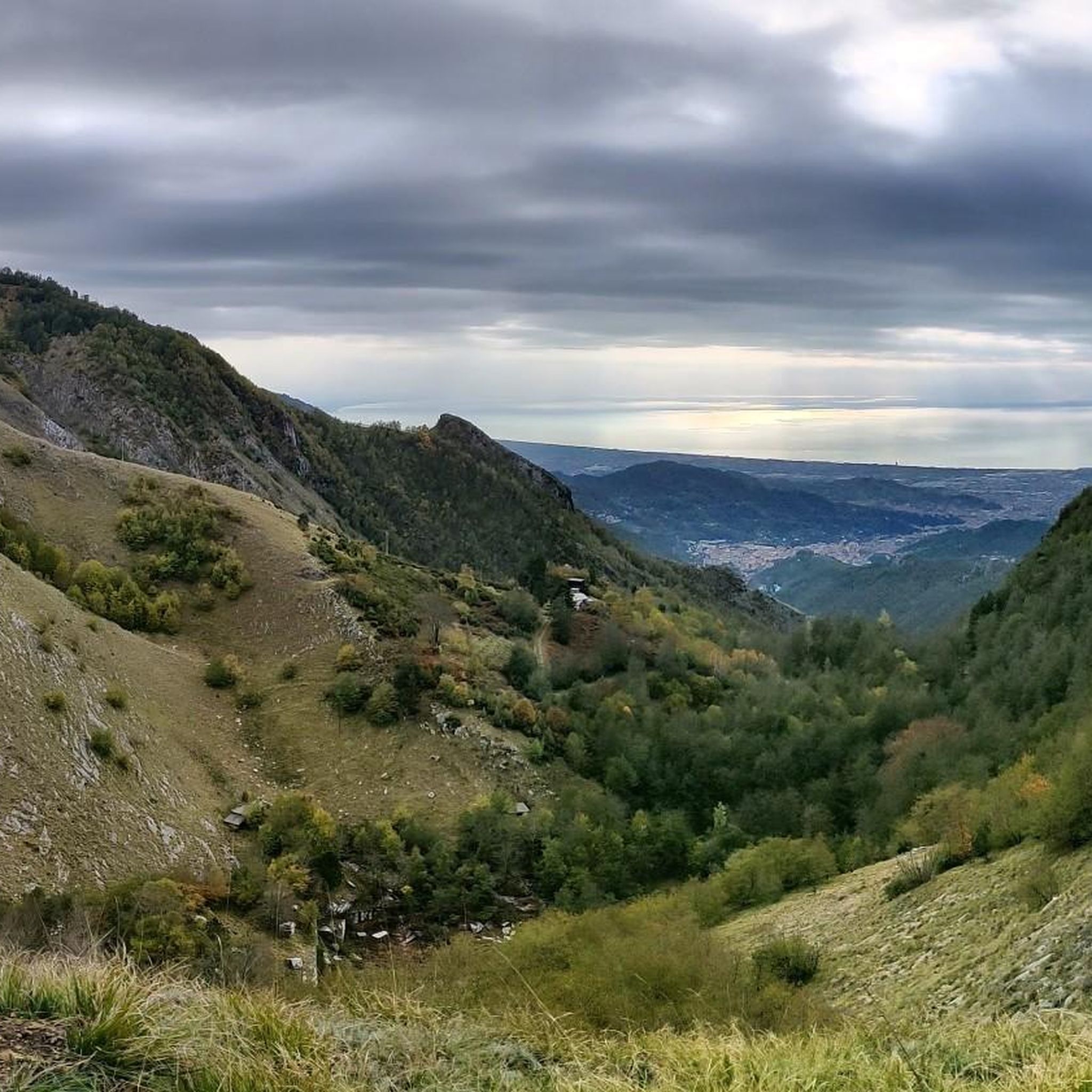
Modest relief (1206 meters) in the municipality of Fivizzano at the top of a ridge that develops in a south-easterly direction, clearly visible along the road to Campocecina. On its slopes, towards the Val Saliceto, opens the Grotta della Tecchia or Tecchia di Tenerano. The whole area of the Rocca is home to karst phenomena: the Rocca di Tenerano Complex. It has a total development of 5400 meters and a height difference of 573 with three main entrances. Speleologists are continuing their explorations and studies to connect other caves to the main complex. The ascent to the summit is easy, along traces of the path, starting from a large wooden cross near the nearby Prati di Cardeto and the house of the same name where the paths 184 and 171/40 arrive. From the summit, the view of the sea, the Sagro, Pizzo d’Uccello and the Cresta Garnerone is truly splendid.
4
0
In the last stretch to reach the summit of Monte Folgorito there is this small cave which during the Second World War was used as a deposit for the radio station.
1
0
Frequently Asked Questions
What makes the 'caves' around Carrara unique?
The 'caves' around Carrara are primarily extensive marble quarries, not traditional natural caves. They are a unique blend of natural geology and centuries of human endeavor, offering a fascinating glimpse into the world of marble extraction. These man-made excavations within the Apuan Alps have shaped a surreal landscape of white marble.
What historical significance do the Carrara marble quarries hold?
Marble extraction in Carrara dates back to ancient Rome, around the 2nd century BC. The marble from these quarries was used in world-renowned works of art and architecture, including the Pantheon, Trajan's Column, and Michelangelo's David. Visitors can learn about the evolution of extraction techniques from Roman times to the present.
Can I visit active marble quarries, and what is the experience like?
Yes, guided tours, often conducted in 4x4 vehicles, provide access to both active open-air and underground 'tunnel' quarries. You can witness the extraction process firsthand and experience the cool temperatures within. Some tours even provide protective gear like reflective vests and helmets for entry into the 'Cathedral of Marble' or other tunnel quarries.
Are there any natural caves or karst phenomena in the Carrara region?
While the famous 'caves' are marble quarries, the Apuan Alps region does feature natural karst phenomena. For example, the area around Rocca di Tenerano is home to the Grotta della Tecchia and the Rocca di Tenerano Complex, an extensive karst system explored by speleologists. The Equi Terme Village also features famous natural caves.
What are some notable marble quarry areas to visit near Carrara?
Among the most frequently visited extraction basins are Colonnata, Miseglia, and Torano. Fantiscritti is another significant area, home to a private museum dedicated to quarrying history. You can also visit the Henraux Marble Quarry, an abandoned site offering a unique exploration opportunity.
Are the Carrara marble quarries suitable for families?
Yes, many tours are family-friendly, offering an educational and visually striking experience. The View of the Carrara Marble Quarries from Colonnata is a particularly accessible viewpoint for all ages. Some tours may have age restrictions for entering underground sections, so it's best to check with individual tour operators.
What is the best time of year to explore the Carrara marble quarries?
The quarries can be visited year-round, but spring (April-May) and autumn (September-October) offer pleasant weather for tours and panoramic views. Summer can be hot, especially in open-air sections, while winter might see some quarry closures or limited access due to weather conditions at higher altitudes.
What should I wear when visiting the marble quarries?
Even in summer, temperatures inside the underground quarries can be cool, so bringing a light jacket is advisable. Comfortable, closed-toe shoes are recommended for walking on uneven terrain. If you plan to take a guided tour into the quarries, you may be provided with reflective vests and helmets.
Are there hiking or cycling routes near the Carrara marble quarries?
Yes, the Apuan Alps offer various outdoor activities. You can find numerous cycling routes, including the 'Aronte's Path: Carrara Marble Quarries Loop,' which provides a unique perspective of the area. For more options, explore Cycling around Carrara or Gravel biking around Carrara. Hiking trails are also available, such as those leading to Tambura Ridge, offering stunning views.
Where can I find panoramic views of the Carrara marble quarries?
The View of the Carrara Marble Quarries from Colonnata offers an excellent vantage point where the white marble quarries resemble snow-capped mountains. Off-road tours also take visitors up to 1,000 meters above sea level, providing panoramic views that can even reach the Mediterranean Sea.
What cultural experiences are related to the marble industry in Carrara?
Tours often delve into the history and traditions of the quarrymen, explaining the deep connection between Carrara, its master stonemasons, and the artists inspired by the material. Some tours include a tasting of Lardo di Colonnata, a traditional cured pork product historically associated with quarry workers. There are also museums dedicated to the history of marble extraction.
How long does a typical visit to the marble quarries take?
The duration of a visit varies depending on the tour. Many guided 4x4 tours into the quarries last between 1.5 to 3 hours. If you include a visit to a museum or a tasting, the experience could extend to half a day. It's best to check the specific tour itinerary for exact timings.
Are there any specific permits required to visit the quarries?
Generally, individual permits are not required for visitors joining organized tours. However, access to active quarries is restricted and only possible with authorized tour operators. If you plan to explore areas independently, especially off-road or in less frequented zones, it's crucial to be aware of private property and safety regulations. Always book through official channels for quarry access.
What amenities are available near the marble quarries, such as food?
The villages and towns surrounding the quarries, such as Colonnata and Equi Terme Village, offer local amenities including bars and restaurants. Colonnata is particularly famous for its Lardo di Colonnata, which you can often sample. Some tour operators may also include food tastings as part of their packages.
Most popular attractions around Carrara

Get inspired with the komoot mobile app


Explore more
Extend your search for the best caves by checking out these guides of the top ones around Carrara:
