Top 7 Castles around Garbagna Novarese
Castles around Garbagna Novarese offer a glimpse into the region's medieval past. The area is centered around the historical Castello di Garbagna, a notable structure that, despite its ruined state, provides insight into centuries of history. Situated on an elevated position above the village, the site offers panoramic views of the surrounding landscape. The tranquil, tree-filled spaces around the castle provide a setting for historical contemplation.
Best castles around Garbagna Novarese
- The most popular castles is Nibbiola Castle, a…
Last updated: July 13, 2026
Sforzesco Castle of Galliate
Highlight • Castle
Translated by Google •
Tip by

Visconti-Sforza Castle (Novara)
Highlight • Castle
Translated by Google •
Tip by

Sign up now to discover places like this
Get recommendations on the best single tracks, peaks, & plenty of other exciting outdoor places.
Sign up for free
Villanova, a small hamlet of Cassolnovo
Highlight • Settlement
Translated by Google •
Tip by

Nibbiola Castle
Highlight • Castle
Translated by Google •
Tip by

Monticello Village and Church
Highlight • Settlement
Translated by Google •
Tip by

Sign up for free to discover even more castles around Garbagna Novarese.
Sign up for free
Already have an account?
Start today with a free account
Your next adventure awaits.
Login or Signup

Tips from the Community

The Visconti-Sforza Castle of Novara is a castle located in the south-western border of the old center of Novara. It was erected on the former corner of the Roman and Middle Age walls that surrounded the city. The origin of the castle is connected to the transfer of Novara under the influence of Milan, taking place in the second half of the 13th century. In 1272 Francesco Della Torre (member of the family ruler of Milan), after taking over the city, ordered the construction of a fortification on the site belonged to the Tettoni family. In the 14th century, after the exchange of the ruling families from the Della Torre to the Visconti, the Lord of Milan Giovanni Visconti (1339-1354) paid again attention to Novara and had the castle built. The castle was strengthened by his successors Galeazzo II (1354-1378) and Gian Galeazzo (1378-1402). Works and repairs were done over the years by Francesco Sforza. His son, the duke Galeazzo Maria, carried out the major transformation of the building. https://en.wikipedia.org/wiki/Visconti-Sforza_Castle_(Novara)
0
0

Place of historical, cultural, architectural and tourist interest Via Giacomo Matteotti, 3, 28070 Nibbiola NO https://www.comune.nibbiola.no.it/it-it/vivere-il-comune/cosa-vedere/castello-dei-tornielli-sec-xvi-1508-1-7e9642c99f50bcd94c59251ea96c529b
1
0

Its construction began in 1476 on an ancient Visconti fortress, the works were interrupted due to the death of the Duke of Milan Galeazzo Maria Sforza. It was Ludovico Maria Sforza known as Il Moro who completed its construction in 1496.
0
0
Castello Sforzesco built between 1476 and 1496 It was Ludovico il Moro who completed the works after the death of Galeazzo Maria Sforza had blocked the works. built on an ancient Rocca Viscontea since the 12th century it had been a bulwark of the Duchy of Milan against attacks coming from the West.
0
0

Novara Castle is located in the city center
0
0

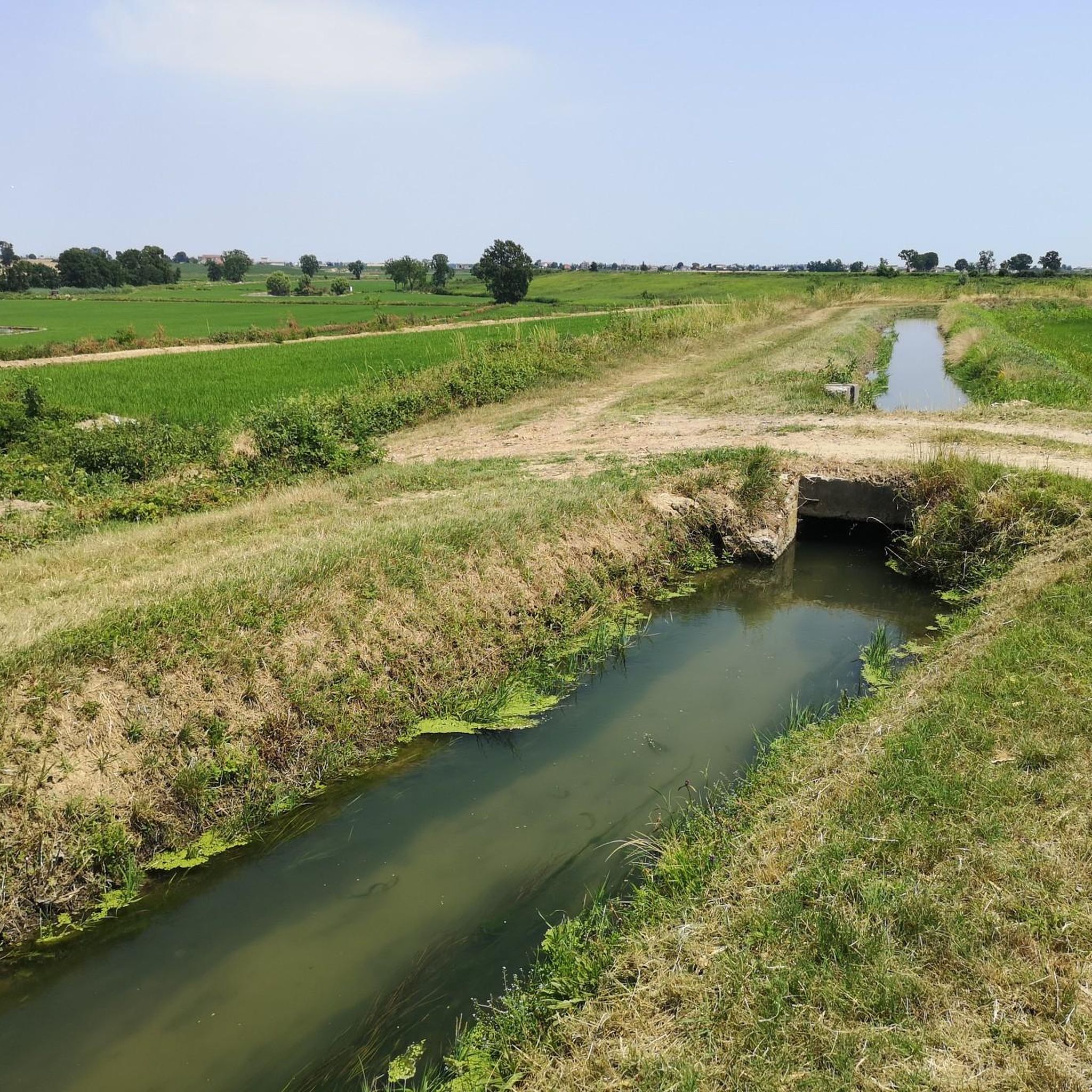
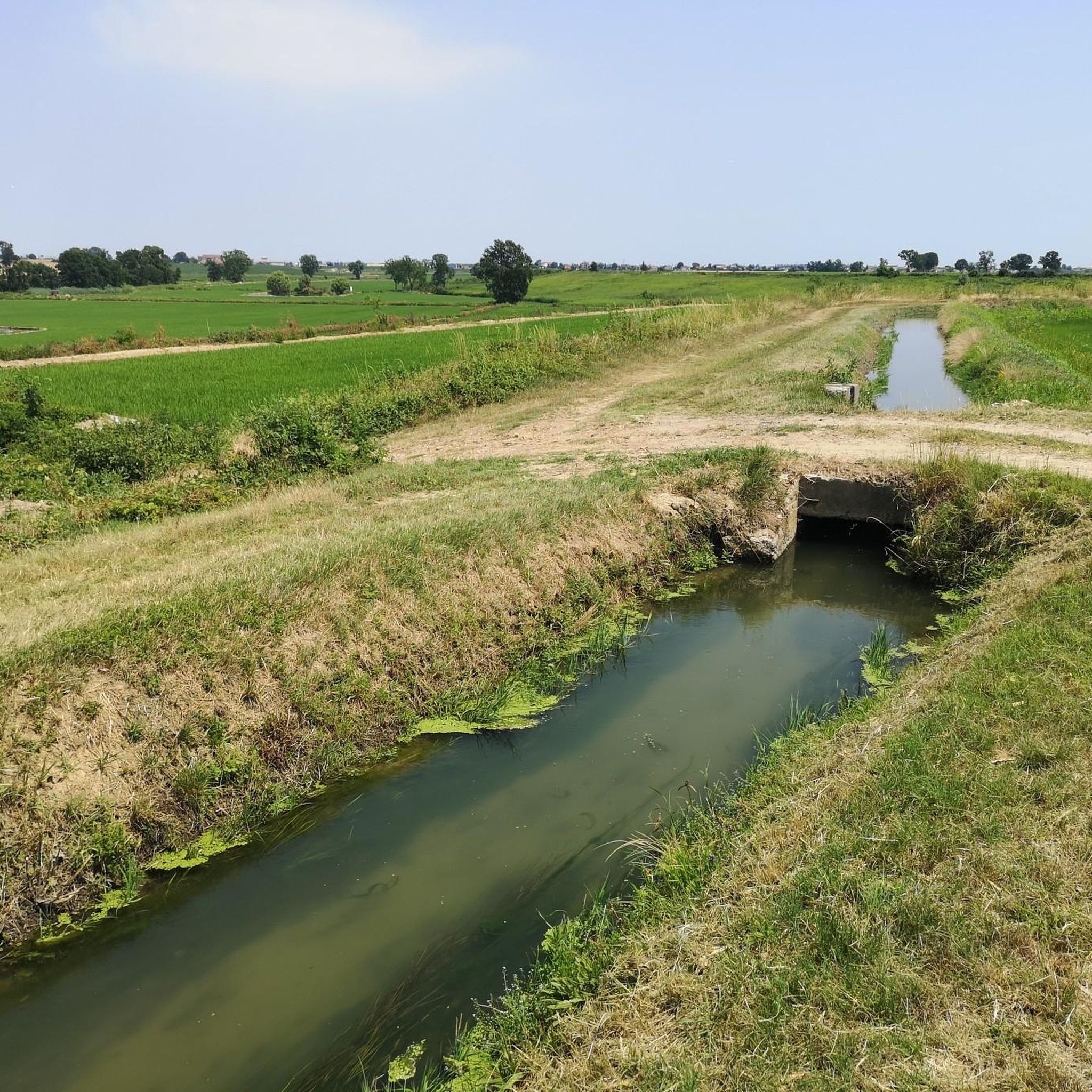
Small, very quiet hamlet, characterised by an ancient castle!
0
0
Once you reach Monticello, either by dirt road or by road, you can take a break right in front of the church and the old castle!!! In fact, we find a column for bike maintenance next to a fountain
0
0

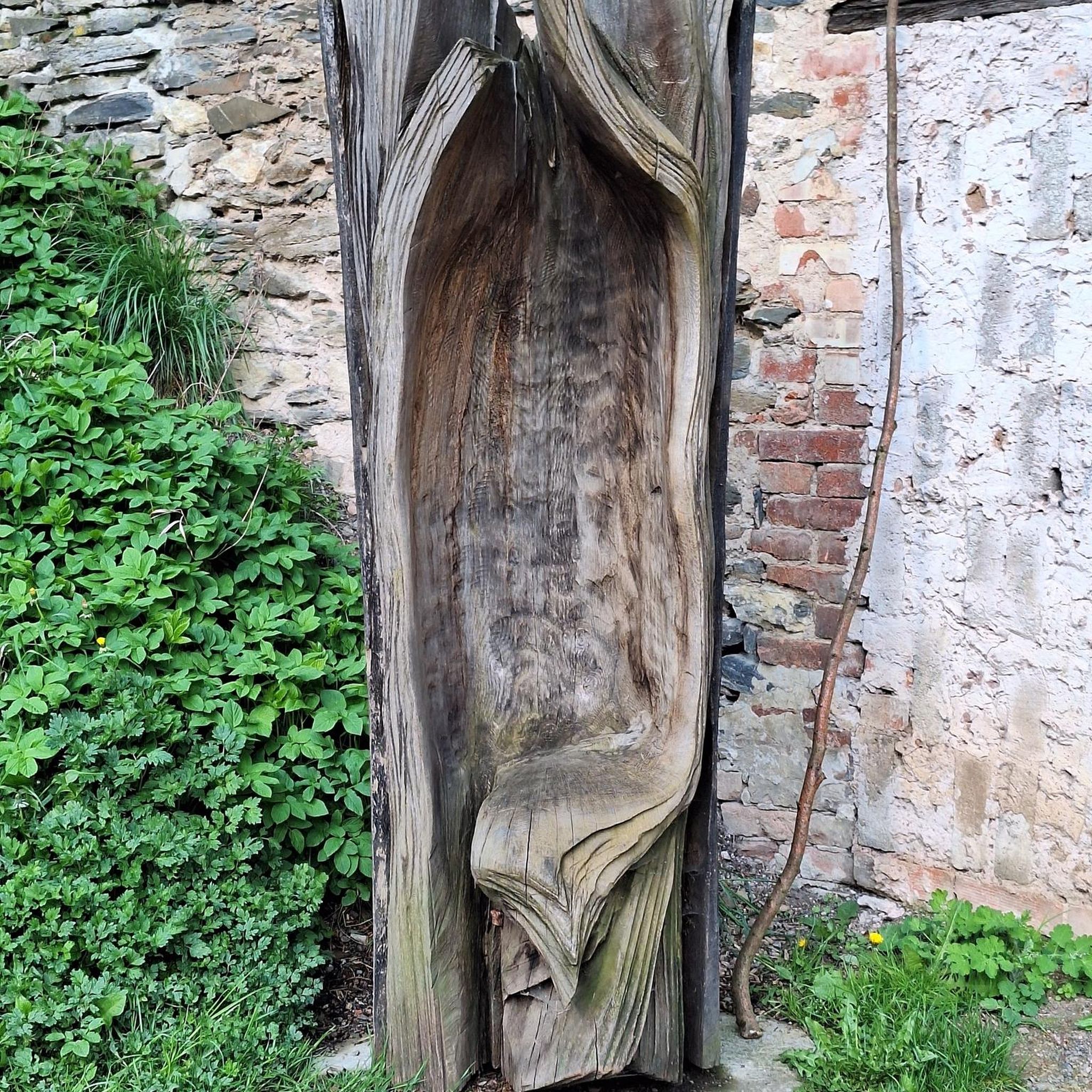
The Parish Church, dedicated to Saints Gervasio and Protasio, was consecrated by Bishop Carlo Bascapè on 6 May 1608, as evidenced by a plaque walled inside, to the left of the presbytery. Currently the facade has two niches with statues of the titular saints.
0
0
Frequently Asked Questions
What are some of the most significant castles to visit around Garbagna Novarese?
While the historical Castello di Garbagna offers a glimpse into the region's medieval past, other notable castles include Nibbiola Castle, which dates back to the 15th century and is now a private residence. You can also explore the Visconti-Sforza Castle in Novara, which serves as a museum complex, and the grand Sforzesco Castle of Galliate, known for its frescoed rooms and civic library.
What is the history of the Castello di Garbagna?
The Castello di Garbagna has origins dating back to the 9th century, with mentions in documents from that period. It was once a robust fortification, changing hands between prominent Novarese aristocratic families like the Da Muro and Cavallazzi. By the 15th century, with the advent of gunpowder, its defensive capabilities waned, and it fell into significant ruin, as documented in a 1479 report.
What can I expect to see at the Castello di Garbagna today?
Today, the Castello di Garbagna stands largely in ruins, but its remnants offer a deeply atmospheric experience. You can still observe parts of its defensive structures, including sections of the ancient city wall, a portal that once featured a drawbridge, and a distinctive square tower. Its elevated position above the village provides wonderful panoramic views, and the surrounding area is tranquil and tree-filled, perfect for historical contemplation.
Are there family-friendly activities or castles suitable for children in the area?
Many of the castles in the region, such as Sforzesco Castle of Galliate and Visconti-Sforza Castle (Novara), are considered family-friendly. Exploring the historical grounds and imagining medieval life can be an engaging experience for children. The village of Garbagna Novarese itself is also known for its 'Bella di Garbagna' cherry, offering a cultural and culinary dimension to a family visit.
What outdoor activities can I do near these castles?
The area around Garbagna Novarese offers various outdoor activities. You can find numerous cycling routes, including road cycling and touring bicycle options, with varying difficulty levels. For example, there are easy road cycling loops like the 'Historic Center of Tornaco – Barbavara Murals loop' or more challenging touring bicycle routes such as the 'Villanova Castle – Monticello Village and Church loop'. You can explore these and other routes on the Road Cycling Routes around Garbagna Novarese or Cycling around Garbagna Novarese guide pages.
Are there hiking or mountain biking trails near the castles?
Yes, there are mountain biking trails available. You can find routes like the 'Lago dell’Olmo, Tornaco – Gravel Road Between Rice Fields loop' which is moderately difficult, or easier options such as the 'Gravel Road Between Rice Fields loop from Novara'. For more details on these and other trails, visit the MTB Trails around Garbagna Novarese guide page.
What kind of terrain can I expect on routes around Garbagna Novarese?
The terrain around Garbagna Novarese varies. While some routes are easy and likely flat, others are moderate to difficult, suggesting a mix of paved roads, gravel paths, and potentially some elevation changes, especially around the elevated castle sites. The region is characterized by its agricultural landscape, including rice fields, which can be found on some cycling and MTB routes.
Are there any other historical settlements or points of interest nearby?
Yes, beyond the main castles, you can visit Villanova, a small hamlet of Cassolnovo, which features its own ancient castle where Ludovico il Moro is said to have been born. Another interesting spot is Monticello Village and Church, a small village just outside Novara with a historic parish church.
What is the best time of year to visit the castles in Garbagna Novarese?
The region generally offers pleasant weather for exploring during spring and autumn, when temperatures are mild and the natural scenery is vibrant. Summer can also be a good time, though it might be warmer. Visiting during these seasons allows for comfortable walks around the castle ruins and enjoyment of the panoramic views.
What do visitors enjoy most about the castles and area around Garbagna Novarese?
Visitors appreciate the historical significance and the tranquil atmosphere of the castle sites. The elevated position of the Castello di Garbagna provides beautiful panoramic views, and the surrounding tree-filled spaces are often described as very suggestive and serene. The blend of history, nature, and the charm of small hamlets like Villanova makes the area appealing for exploration.
Is there public transport available to reach the castles?
While specific public transport options directly to each castle may vary, Garbagna Novarese is a small municipality. For detailed information on reaching the area and specific sites, it's advisable to check local transport schedules. The Italia.it website might offer general travel information for the Piedmont region.
Are there any local culinary specialties to try in Garbagna Novarese?
Yes, Garbagna Novarese is particularly known for its 'Bella di Garbagna' cherry, which is recognized as a Slow Food presidium. This local specialty adds a unique cultural and culinary dimension to your visit, offering a taste of the region's agricultural heritage.
Most popular routes around Garbagna Novarese
Most popular attractions around Garbagna Novarese

Get inspired with the komoot mobile app


Explore more
Looking for the best castles somewhere else? Discover other guides around Garbagna Novarese:
