Top 6 Castles around Quarrata
Best castles around Quarrata offer a glimpse into the region's rich history and diverse architectural heritage. Located in Tuscany, Quarrata is surrounded by rolling hills and agricultural landscapes. The area features historical sites ranging from medieval defensive structures to grand villas. These locations provide opportunities to explore centuries of local culture and development.
Best castles around Quarrata
- The most popular castles is Emperor's Castle, a castle that was built between 1237 and 1247 for Emperor Frederick II. It is…
Last updated: June 30, 2026
Emperor's Castle
Highlight • Castle
On the site of today's …
Translated by Google •
Tip by

Viewpoint from the Rocca di Carmignano
Highlight • Viewpoint
Translated by Google •
Tip by

Sign up now to discover places like this
Get recommendations on the best single tracks, peaks, & plenty of other exciting outdoor places.
Sign up for free
Villa Smilea
Highlight • Castle
Translated by Google •
Tip by

Larciano Castle Tower
Highlight • Castle
Translated by Google •
Tip by

Cecina village (Larciano)
Highlight • Settlement
Translated by Google •
Tip by

Sign up for free to discover even more castles around Quarrata.
Sign up for free
Already have an account?
Start today with a free account
Your next adventure awaits.
Login or Signup
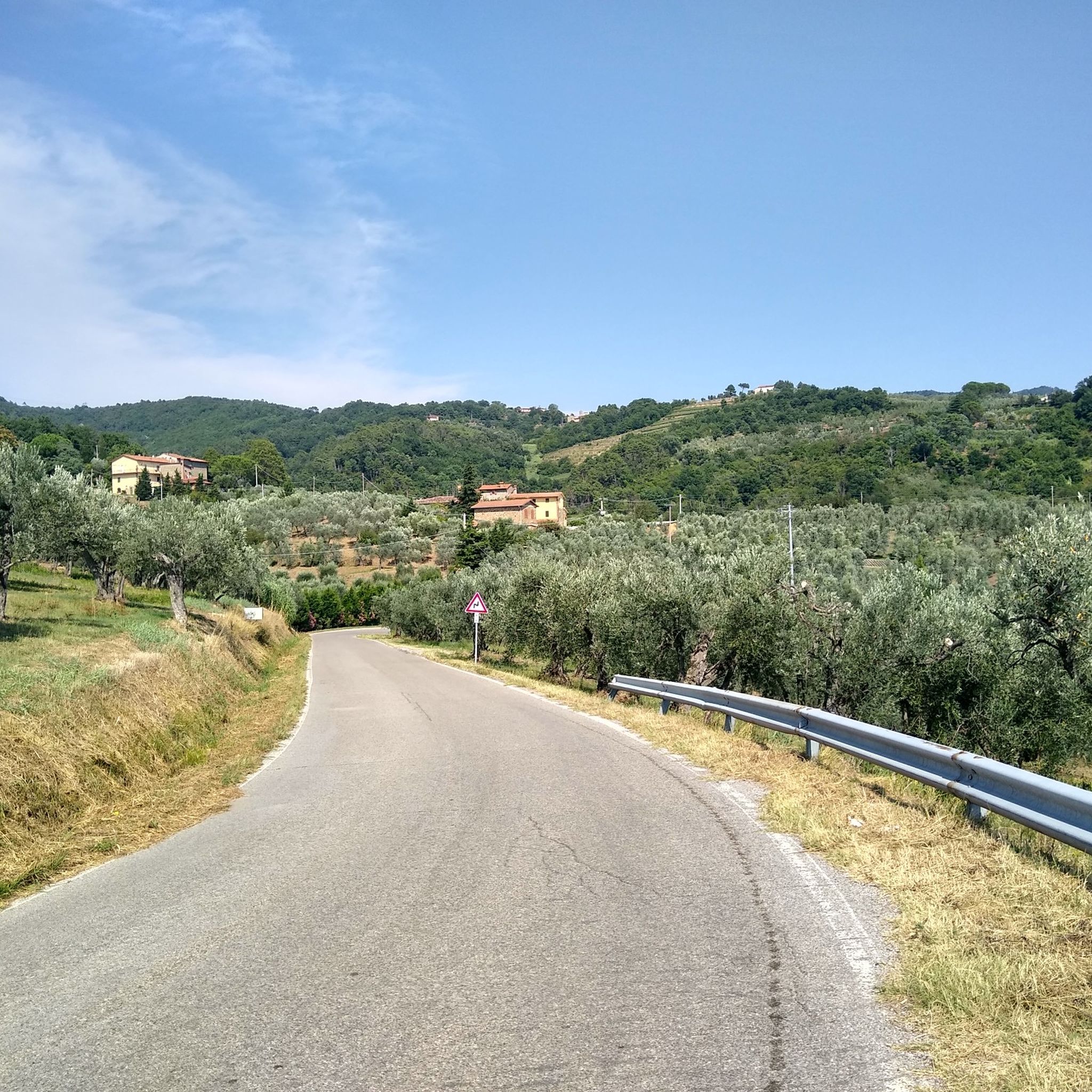
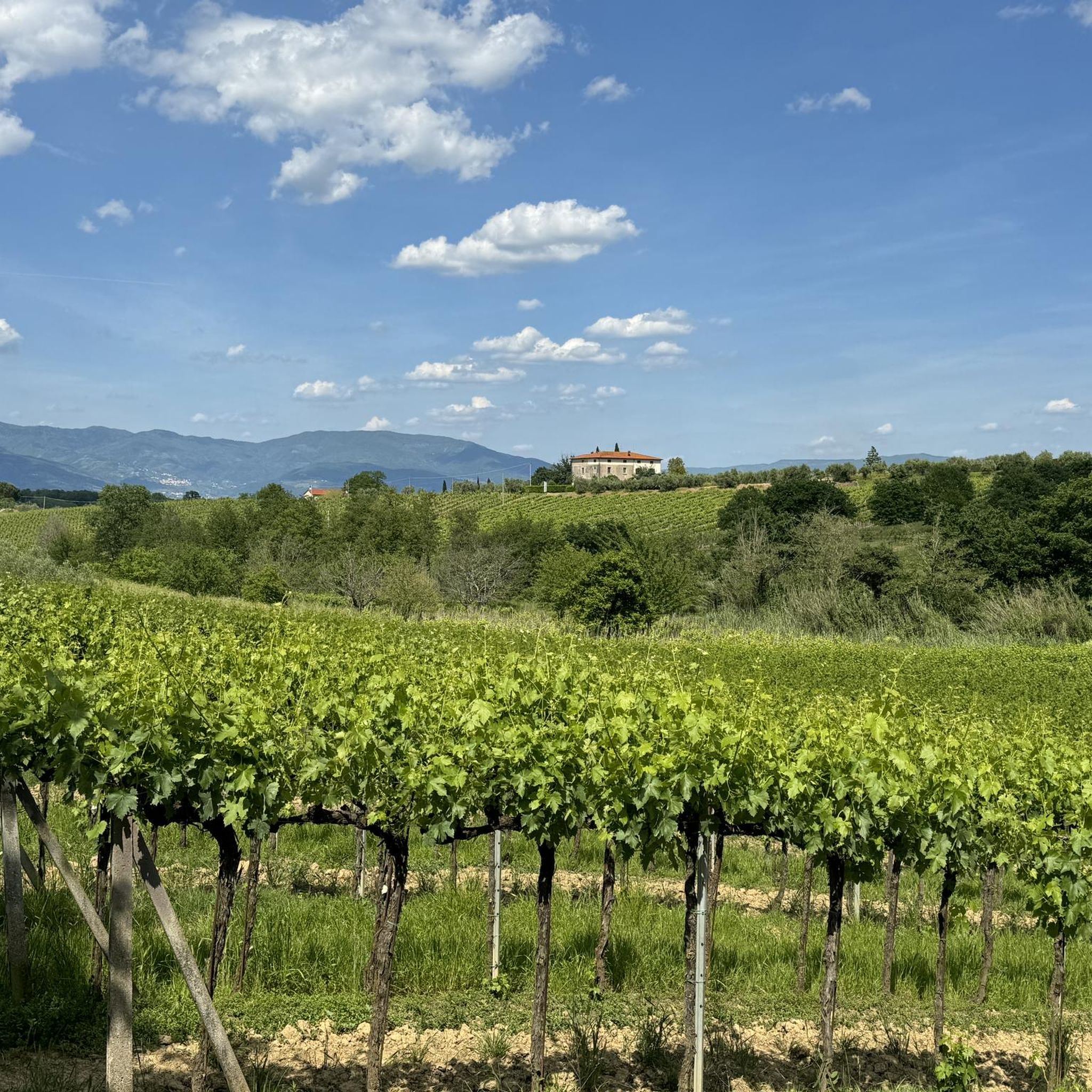
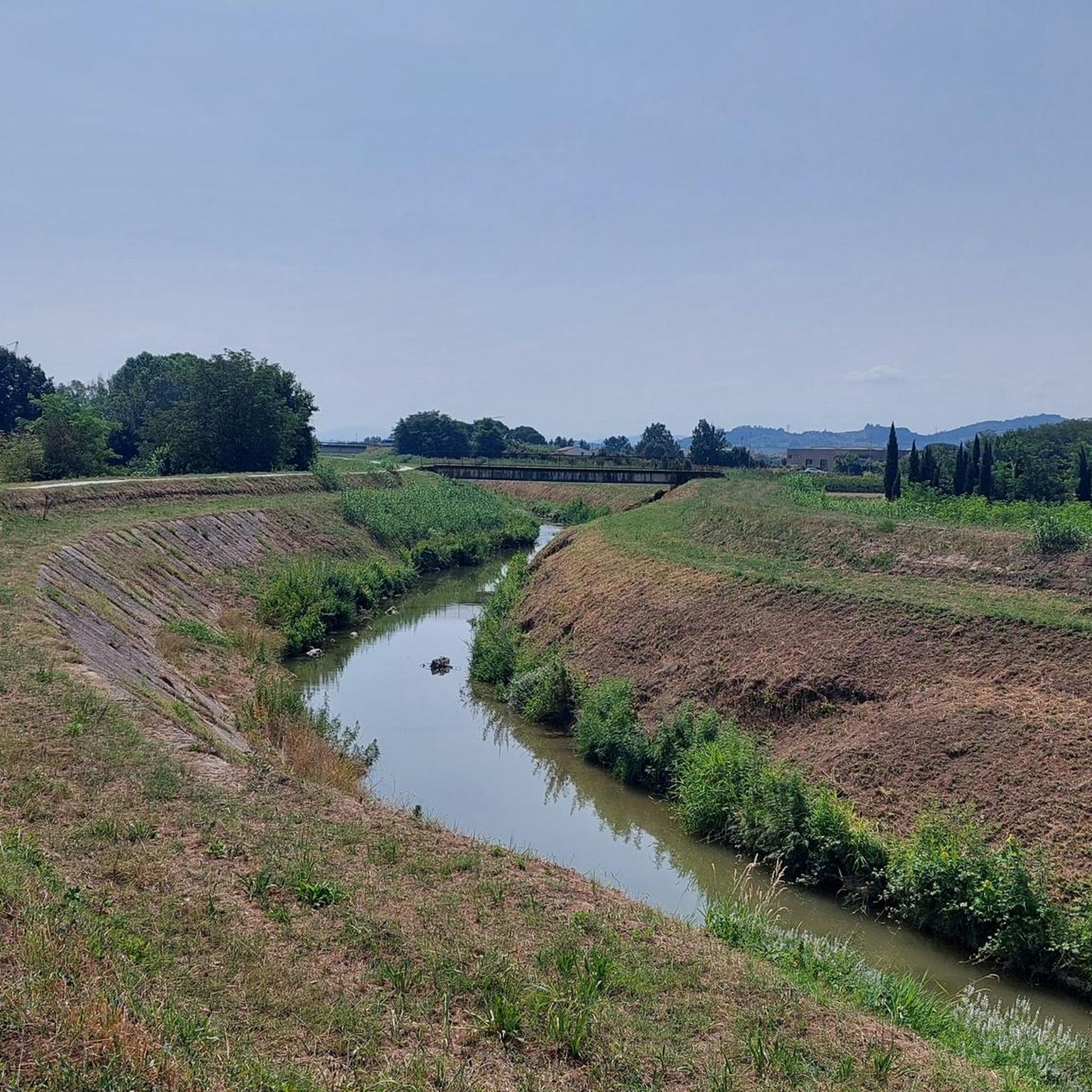
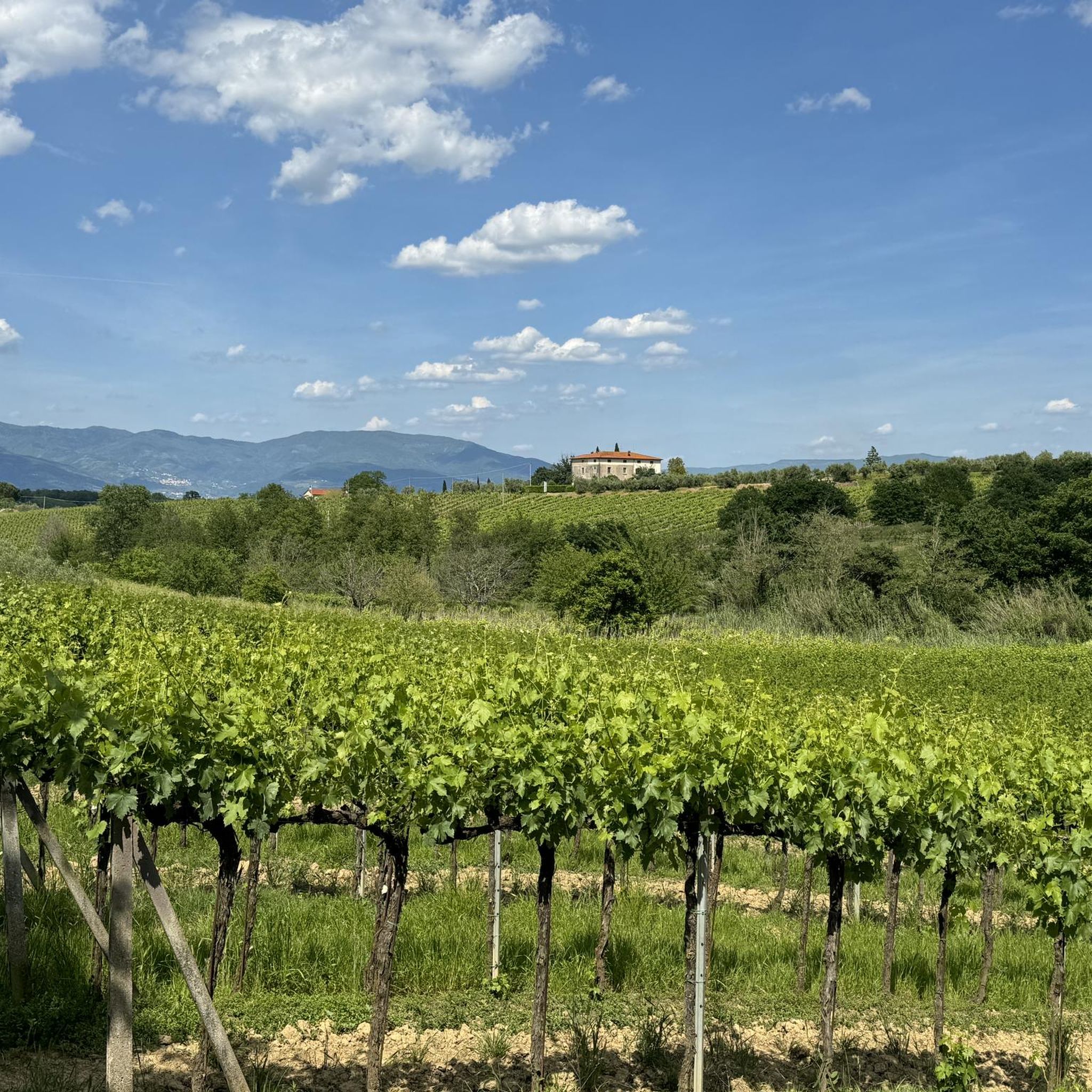

Tips from the Community

The Emperor's Castle (also known as the Fortress of Santa Barbara or Swabian Castle) is located in the historic center of Prato, in Piazza Santa Maria delle Carceri. It is the only example of Swabian (Frederickian) architecture in central-northern Italy, built between 1237 and 1248 by the architect Riccardo da Lentini at the behest of Emperor Frederick II of Swabia. The fortress served to guard the communication routes between Germany and southern Italy. Structure and Architecture: Square plan: the sides measure approximately 40 meters, with walls two and a half meters thick made of alberese stone. Eight towers: four main towers at the corners corresponding to the cardinal points and four central towers. Guelph battlements: the walls are decorated with classic swallowtail battlements. [1] Bichrome portal: the main entrance combines Gothic style with Romanesque-Tuscan elements, characterized by alternating bands of white and green marble and protected by two lions
0
0

The Rocca or Castle of Carmignano has dominated the village from above for over a thousand years: the bastion was in fact mentioned for the first time in the year 998, in a document by Otto III of Saxony which granted ownership to the bishop of Pistoia. The Rocca was the object of continuous battles between Pistoia, Florence and Prato, due to its strategic position in the political-military context of the Middle Ages: from up here, in fact, you can admire the entire plain between the three cities. After having resisted, in 1154, a siege conducted by troops from Prato and Florence, the castle was destroyed for the first time in 1228 by the Florentines. Having regained possession of Pistoia in 1242, the fortification was rebuilt and in the early fourteenth century sold again to Florence, which proceeded to demolish the fortress and the castle walls once again. After a new parenthesis in Pistoia (1315-1324) the castle returned to Florentine hands, only to be besieged and conquered by Castruccio Castracani, who made it his own stronghold until 1328, when it finally returned to Florence. The Rocca di Carmignano can be accessed via a pedestrian path (starting from the church of San Michele, where Pontormo's famous Visitation is kept) that climbs the hill full of olive trees, where you can enjoy a beautiful view of Montalbano. Few remains of the medieval walls around the Rocca remain, partly rebuilt as the Campano, with the bell tower and clock, while in the center stands a medieval tower, called the Maschio della Rocca. (www.visittuscany.com)
0
0

Beautiful, tranquil place that invites you to linger!👍
0
0

La Rocca above The village of Carmignano is worth a visit and not just for the view. From this fortress there were two arms that the Pistoiesi had placed and that "made the figs" towards Florence. For more information, consult the Divine Comedy.
0
0

Villa Castello Smilea stands at the entrance to the Agna valley along the Roman route of the Via Cassia Clodia. The building consists of two towers, one north and one south, and a lowered tower running along the north side.
4
0

Built on previous Roman settlements, the Castle was a possession of the Guidi Counts attested from the mid-10th century, then sold by them to the Municipality of Pistoia in 1225. Contested several times between the Pistoiesi and the Florentines until 1401 when Pistoia definitively submitted to Florence and Larciano became headquarters of one of the podesterias in which the administration of the territory was divided.
1
0

The Emperor's castle is located in Prato in Piazza delle Carceri. It is an example of Frederick architecture, built by order of Emperor Frederick II of Swabia, in the context of the struggle for dominance in Tuscany between the empire and the papacy which characterized the decades between the 1200s. Source: https://it.wikipedia.org/wiki/Castello_dell'Imperatore
1
0
It is the Roccadi Carmignano
0
0
Frequently Asked Questions
What is the most significant historical site directly within Quarrata related to castles?
The most significant site is Villa La Magia. While it evolved into a grand villa, its origins trace back to a 14th-century tower-house. It's now a UNESCO World Heritage site, recognized for its Medici history, architectural evolution, and unique blend of historical gardens with a contemporary art collection. You can find more details on VisitTuscany.
Are there any castles around Quarrata that offer panoramic views?
Yes, the Viewpoint from the Rocca di Carmignano is a historical site that provides a beautiful view of the plain. It's part of the Rocca di Carmignano, offering a scenic perspective of the surrounding area.
What kind of historical architecture can I expect to see at the castles near Quarrata?
You can experience diverse architectural styles. For instance, the Emperor's Castle in Prato is a unique example of Hohenstaufen architecture in northern and central Italy. Villa La Magia showcases an evolution from a 14th-century tower-house to a lavish Medici villa with Renaissance and Baroque elements.
Are there family-friendly castle visits around Quarrata?
Many of the historical sites, including those with castle origins, are suitable for families. The Emperor's Castle is listed as family-friendly, offering an engaging historical experience. Exploring the grounds and architecture of places like Villa La Magia, with its gardens and art, can also be enjoyable for all ages.
What outdoor activities can I do near these castles?
The region around Quarrata offers various outdoor activities. You can find numerous hiking trails, including moderate routes like the 'Church of Santa Lucia – Sant'Alluccio Tower loop'. There are also gravel biking routes and running trails that allow you to explore the scenic landscapes surrounding the historical sites.
Are there any castles that are less crowded or considered hidden gems?
While Villa La Magia is a UNESCO site, it offers a unique experience with its blend of history, art, and gardens, and might provide a more tranquil visit compared to more conventional castles. The Larciano Castle Tower is also described as a 'beautiful, tranquil place that invites you to linger,' suggesting a less crowded atmosphere.
What is the best time of year to visit the castles and historical sites around Quarrata?
Spring (April-May) and Autumn (September-October) are generally considered the best times to visit. The weather is pleasant for exploring historical sites and engaging in outdoor activities like hiking or cycling. These seasons avoid the intense heat of summer and the cooler, potentially wetter, winter months.
Can I find any historical villas that were once castles in the area?
Yes, Villa Smilea in Montale is a notable example. Built in the 15th century, it initially belonged to the powerful Panciatichi family and features two towers. Today, it serves as a cultural center and library, showcasing beautiful frescoes and well-kept rooms. Similarly, Villa La Magia evolved from a 14th-century tower-house into a magnificent Medici villa.
Are there any easy walking trails near the castles for beginners or casual strolls?
Yes, there are options for easier walks. For example, within the hiking guide for Quarrata, you can find routes like the 'Sant'Alluccio Tower – Montalbano Ridge Trails loop from Buriano,' which is rated as easy and offers a pleasant way to experience the local landscape.
What do visitors particularly enjoy about the castles and historical sites in this region?
Visitors appreciate the rich history and the diverse architectural heritage. The Emperor's Castle is noted for its unique Hohenstaufen architecture, while the Larciano Castle Tower is loved for its tranquil atmosphere. The scenic views from places like the Rocca di Carmignano are also highly praised.
Is there public transport available to reach these historical sites?
While specific public transport routes to every individual site can vary, Quarrata and nearby towns are generally served by local bus networks. For detailed information on reaching specific locations like Villa La Magia, it's advisable to check local transport schedules or the official websites like VisitTuscany for the most up-to-date travel advice.
Are there any historical settlements or villages with castle connections nearby?
Yes, the small village of Cecina (Larciano) is an interesting and ancient settlement. Also known as Castello di Cecina, it served as a southern defensive bulwark for the city of Pistoia, offering a glimpse into the region's historical fortifications.
Most popular routes around Quarrata
Most popular attractions around Quarrata

Get inspired with the komoot mobile app


Explore more
Looking for the best castles somewhere else? Discover other guides around Quarrata:
