Top 5 Castles around Ottati
Best castles around Ottati are found in a historically rich medieval village, situated within the Cilento, Vallo di Diano and Alburni National Park. The region is characterized by its mountainous terrain, offering elevated defensive positions and panoramic views. Ottati's past includes its destruction and rebuilding in the 13th century, highlighting the resilience of its early medieval settlements. These sites provide insight into the defensive arrangements and daily life of communities centuries ago.
Best castles around Ottati
- The most popular castles…
Last updated: June 30, 2026
Roccadaspide
Highlight • Castle
Translated by Google •
Tip by

Sicignano degli Alburni
Highlight • Settlement
Translated by Google •
Tip by

Sign up now to discover places like this
Get recommendations on the best single tracks, peaks, & plenty of other exciting outdoor places.
Sign up for free
Archaeological area of Sacco Vecchia
Highlight • Historical Site
Translated by Google •
Tip by
Historic Center of Postiglione
Highlight (Segment) • Historical Site
Translated by Google •
Tip by

Medieval Castle Tower
Highlight • Castle
Of the early fifteenth century plant there are certainly, beyond the corner tower …
Translated by Google •
Tip by

Start today with a free account
Your next adventure awaits.
Login or Signup
Tips from the Community

Suggestive structure in the old part
0
0

Unfortunately, it's currently impassable due to rockfall.
0
0

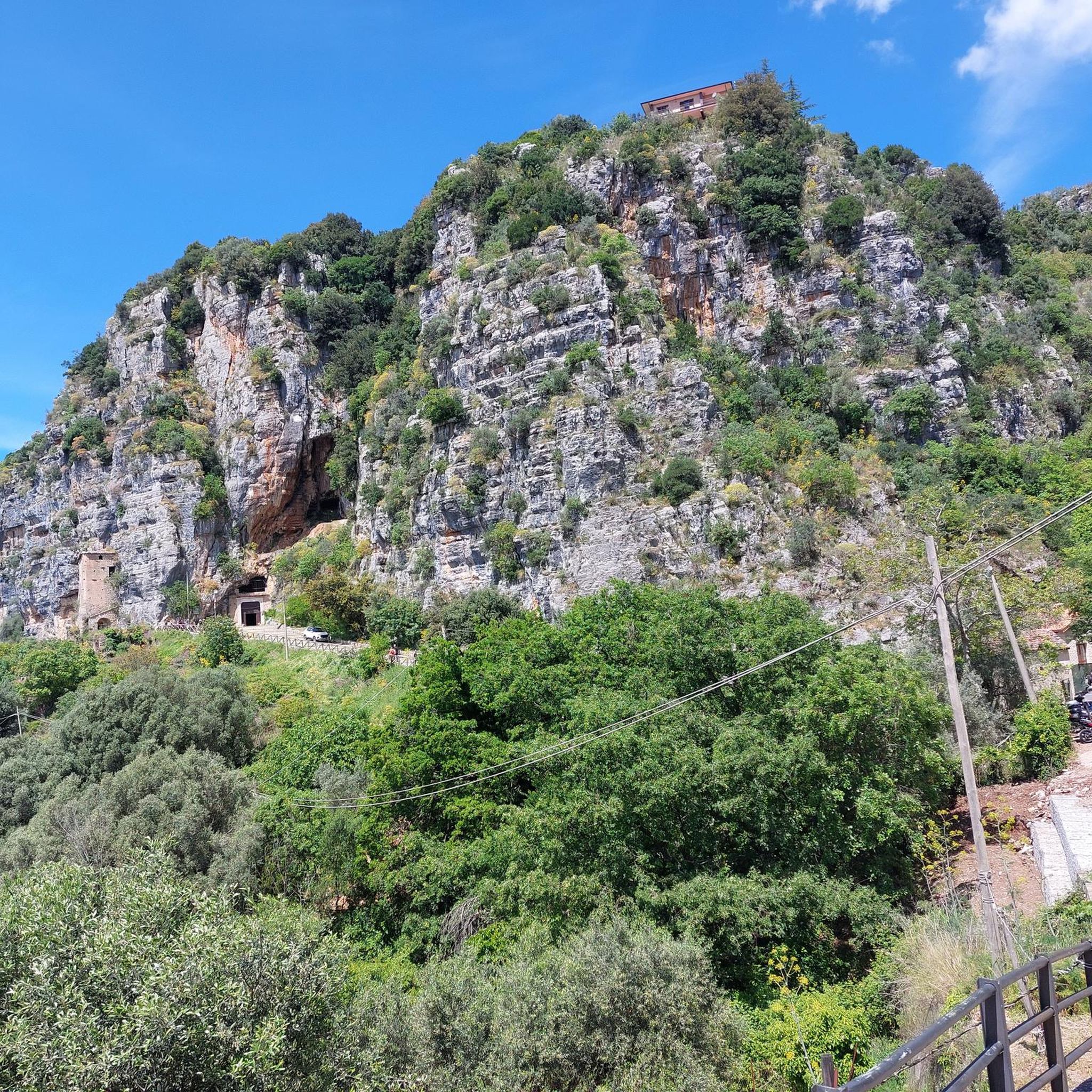
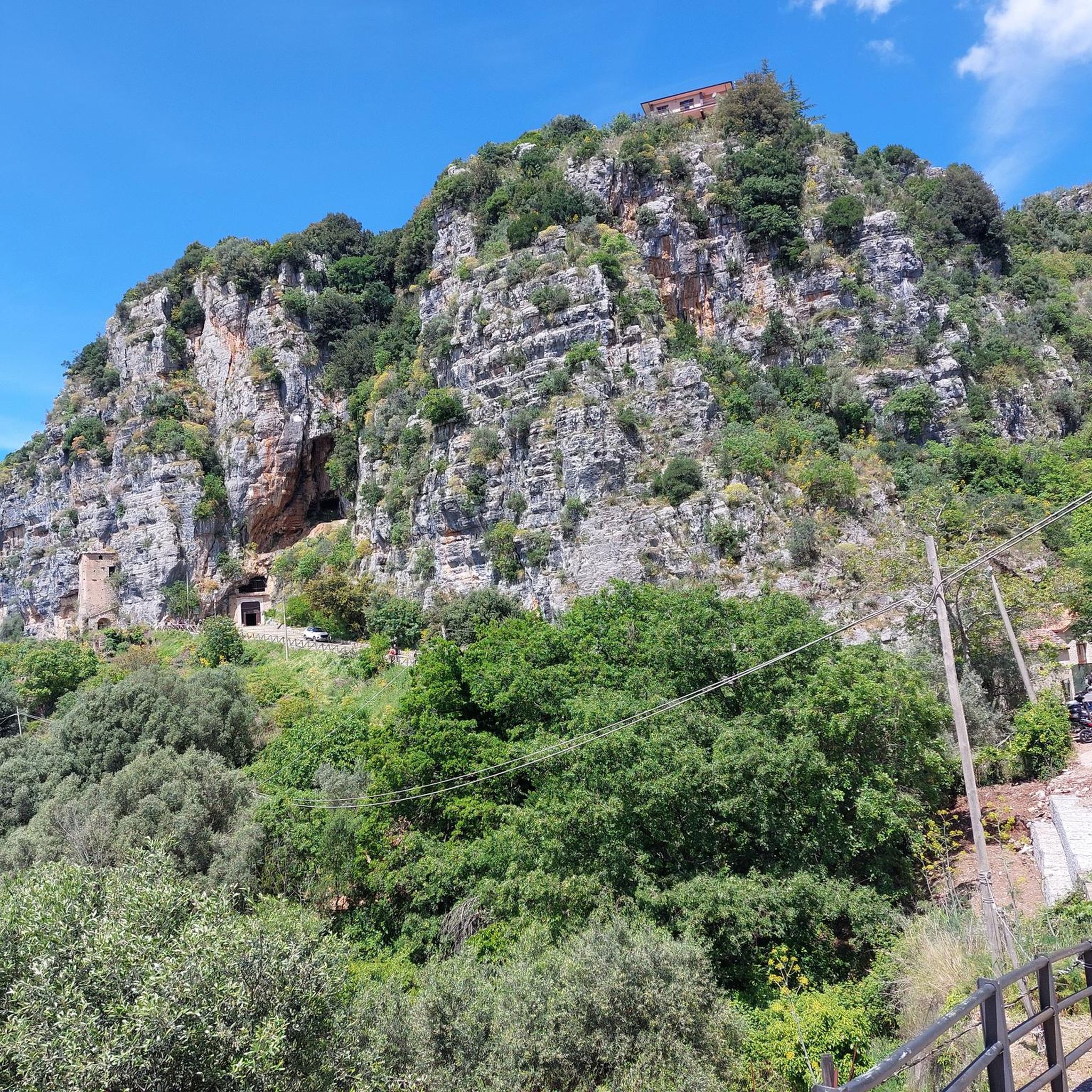
The ruins of Sacco Vecchia are an ancient Lombard village that once stood on the slopes of Mount Motola. The village was abandoned between the 9th and 11th centuries when its inhabitants moved further downstream, where they founded the current village of Sacco. Today there are the remains of the crenellated walls of the castle and of the church of San Nicola.
0
0

Sicignano degli Alburni is a small town in the province of Salerno. Part of the municipality is inserted within the boundaries of the Cilento, Vallo di Diano and Alburni National Park. Giusso Castle and the villages of Fontanella, Rupa and San Matteo still have many medieval features: a real leap into history!
3
0
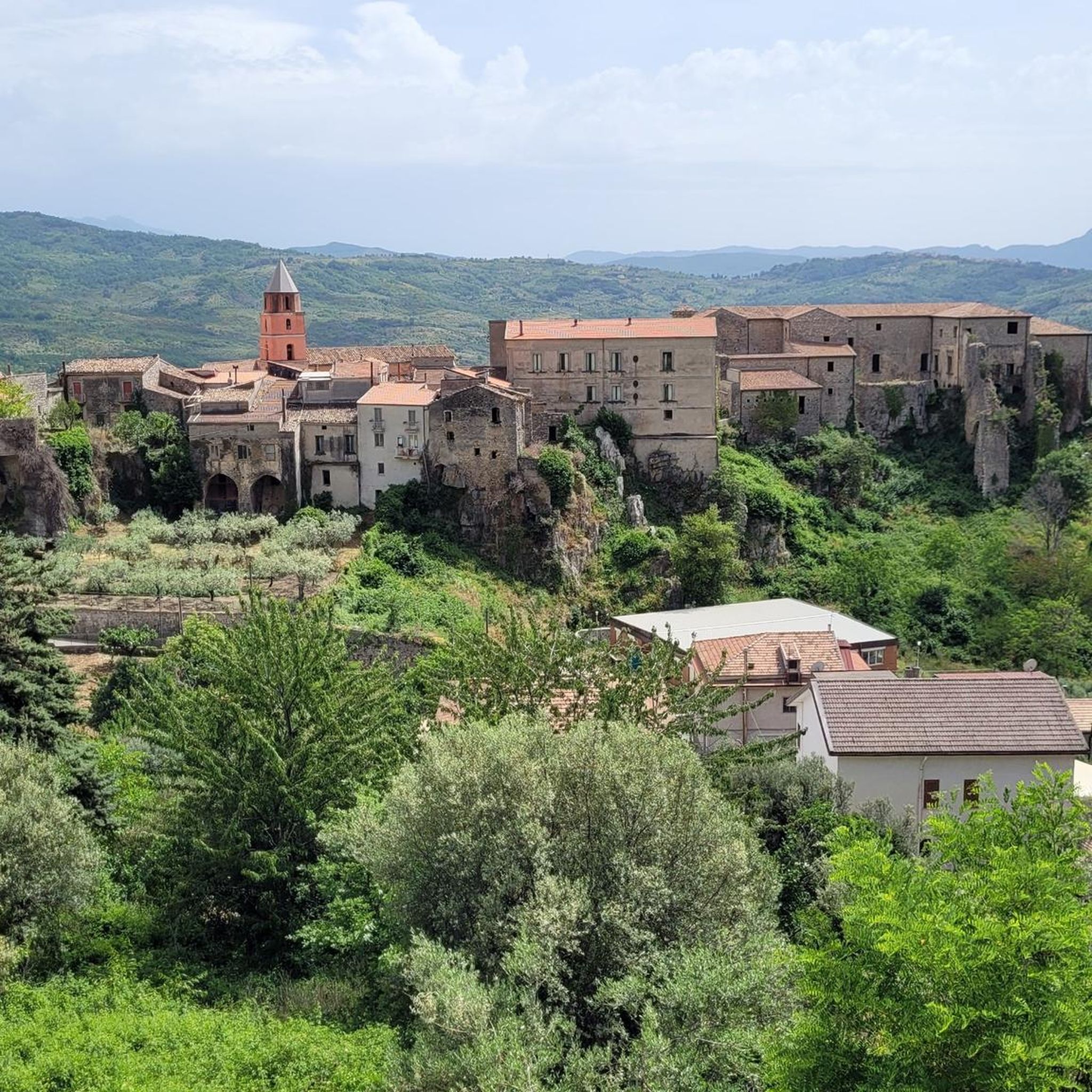
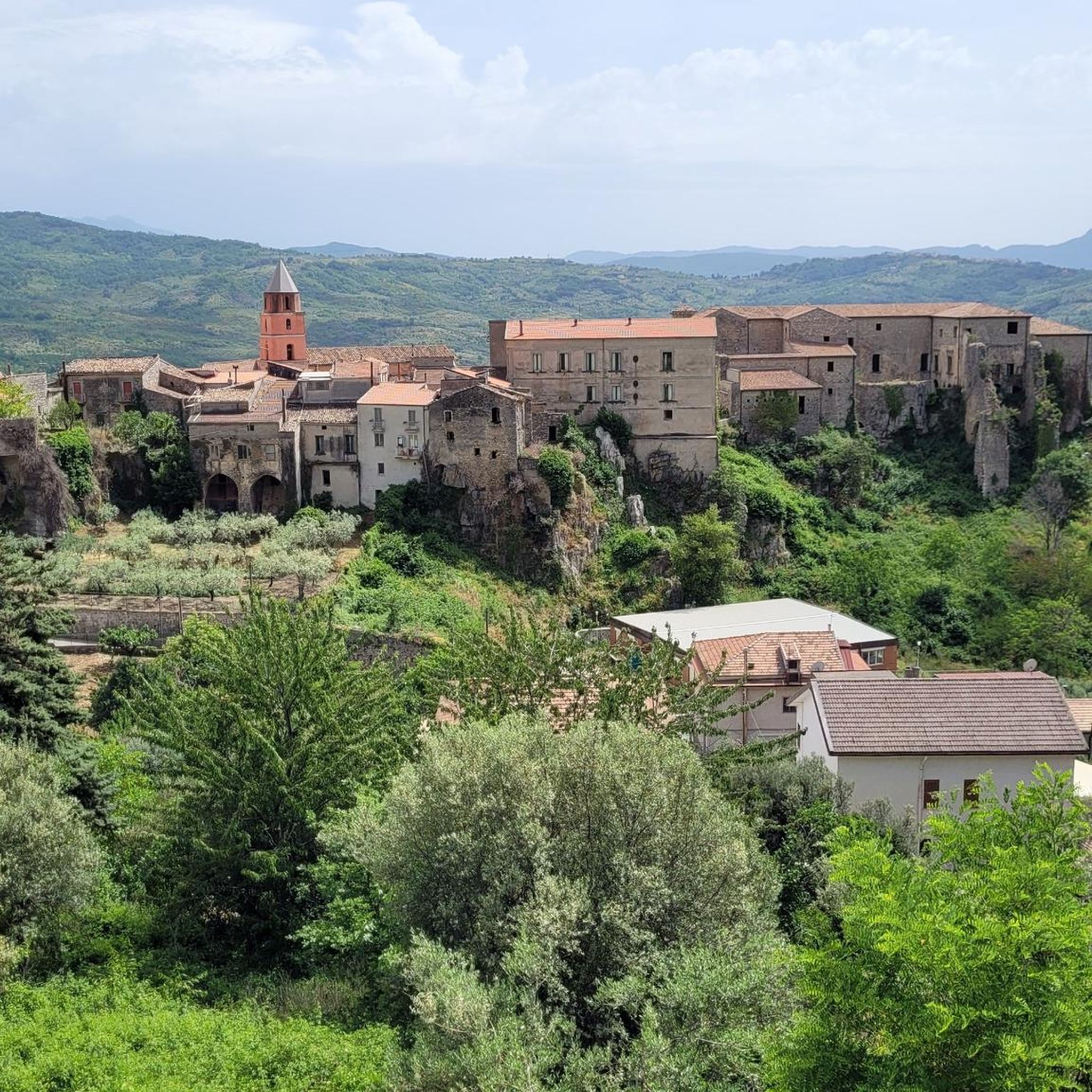
Roccadaspide is the main center of the Valle del Calore. In the panorama of the village perched on the hill, its castle certainly stands out, which dominates the entire valley.
2
0

A square tower is still visible of the ancient fortified structure, while the castle is being restored. Of the early fifteenth century plant there are certainly, beyond the corner tower with machicolations, the underground rooms, including two dungeons, barrel-covered and forming a single room separated by an arch, accessible by means of a flight of stairs from the first internal courtyard; equipped with windows that open at the end of deep ogival lunettes, they had to be used as prison cells, to be then adapted to other uses with the construction of a perimeter balcony, perhaps in the years remembered by a date painted at the entrance (1619 ).
0
0

Postiglione rises on the Alburni mountains and is part of the Cilento, Vallo di Diano and Alburni national park. The origins of Postiglione go back to the tenth century when the inhabitants of ancient Paestum, forced by the incursions of the Saracens and Turkish pirates, to abandon their land, took refuge in this place considered suitable for defense. It is possible to visit the Norman castle of the eleventh century; the parish church of San Giorgio (14th century), built in the Middle Ages; the Sanctuary of the Ss. Annunziata and monastery of the Carmelites dating back to the 16th century; the Chapel of San Rocco (17th century), was built by some survivors of a cholera epidemic in 1656 as a tribute to the Saint; the Chapel of San Vito (16th century), is the oldest chapel in the town.
4
0

Sicignano degli Alburni is an Italian town of 3,181 inhabitants in the province of Salerno in Campania. The municipal territory rises between the Tanagro valley and the Alburni Mountains, and is largely included in the Cilento and Vallo di Diano national park. https://it.wikipedia.org/wiki/Sicignano_degli_Alburni
3
1
Frequently Asked Questions
What kind of historical sites and castles can I explore around Ottati?
Around Ottati, you'll find a mix of medieval settlements, archaeological sites, and castles that offer a glimpse into the region's rich history. While Ottati itself features remnants of early medieval fortifications on Mount Civita, nearby towns boast more defined structures. For example, the village of Roccadaspide is known for its prominent castle dominating the valley, and Sicignano degli Alburni preserves many medieval features, including Giusso Castle.
Are there any castle ruins or archaeological areas worth visiting near Ottati?
Yes, the region offers significant archaeological sites. The Archaeological area of Sacco Vecchia features the ruins of an ancient Lombard village, including the remains of crenellated castle walls and a church. However, please note that this site is currently impassable due to rockfall. Additionally, the settlements on Mount Civita near Ottati provide insight into early medieval defensive structures.
Which castles or historical centers offer panoramic views?
Many of the historical sites and castles in the area are situated on elevated positions, offering scenic vistas. The castle in Roccadaspide, for instance, provides commanding views of the entire Valle del Calore. Similarly, the archaeological site on Mount Civita near Ottati, due to its elevated location, likely offers panoramic views of the surrounding landscape.
What outdoor activities can I combine with a visit to these castles?
The area around Ottati, being part of the Cilento, Vallo di Diano and Alburni National Park, is ideal for outdoor activities. You can find numerous hiking and cycling routes. For hiking, consider trails like the 'Sicignano degli Alburni and Sentiero Italia Loop' or routes around Monte Panormo. For cycling, options include 'La Via Silente: Monti Alburni Loop' or various road cycling routes. You can explore more options on the hiking guide or cycling guide for Ottati.
Are there family-friendly historical sites or castles in the Ottati region?
While specific 'family-friendly' designations aren't always available for these historical sites, exploring the medieval features of Sicignano degli Alburni or the Historic Center of Postiglione, with its Norman castle, can be an engaging experience for families interested in history. The villages themselves offer a chance to wander through ancient streets and imagine medieval life.
What is the best time of year to visit castles and historical sites around Ottati?
The best time to visit the castles and historical sites around Ottati is generally during the spring (April to June) and autumn (September to October). During these months, the weather is typically mild and pleasant, making it comfortable for exploring outdoor ruins and walking through historical villages. Summer can be quite hot, while winter might bring cooler temperatures and occasional rain.
Can I find a Norman castle in the area?
Yes, the Historic Center of Postiglione is home to an 11th-century Norman castle. Postiglione itself has origins dating back to the tenth century, founded by inhabitants of ancient Paestum seeking refuge, making it a site rich in history.
Are there any less crowded or 'hidden gem' historical sites near Ottati?
The archaeological sites and smaller medieval villages in the region, such as the settlements on Mount Civita or the ruins of Sacco Vecchia (when accessible), tend to be less crowded than more prominent tourist attractions. These offer a more intimate and reflective experience of the area's ancient past.
What kind of historical significance do these sites hold for the region?
These sites are crucial for understanding the region's resilience and development. They showcase how communities organized for defense in mountainous terrain, from early medieval settlements like those on Mount Civita to the rebuilding of villages after destruction, as seen in Ottati's own history. The castles and historical centers reflect centuries of feudal rule, strategic importance, and cultural evolution in the Cilento area.
What should I bring for a day trip to explore castles and historical sites?
For a day trip, it's advisable to wear comfortable walking shoes, as many sites involve uneven terrain or walking through old village streets. Bring water, especially during warmer months, and sun protection like a hat and sunscreen. A camera is also recommended to capture the scenic views and historical architecture.
Most popular attractions around Ottati

Get inspired with the komoot mobile app


Explore more
Looking for the best castles somewhere else? Discover other guides around Ottati:
