Top 7 Caves around Polla
Caves around Polla are situated in the province of Salerno, a region characterized by its karst landscapes and the Alburni Mountains. This area is known for its significant geological formations and historical sites, including numerous cave systems. The Vallo di Diano, where Polla is located, has been shaped by ancient geological processes, leading to the formation of extensive underground networks. These caves offer insights into both natural history and prehistoric human activity.
Best caves around Polla
- The most popular caves…
Last updated: June 16, 2026
Sant'Angelo a Fasanella
Highlight • Settlement
Translated by Google •
Tip by

The Cave of San Michele – UNESCO World Heritage Site
Highlight (Segment) • Cave
Translated by Google •
Tip by

Sign up now to discover places like this
Get recommendations on the best single tracks, peaks, & plenty of other exciting outdoor places.
Sign up for free
Church of Saint Michael the Archangel
Highlight • Religious Site
Translated by Google •
Tip by

Grotta Fra Gentile
Highlight • Cave
Translated by Google •
Tip by

Grotta di Pertosa-Auletta
Highlight • Cave
Translated by Google •
Tip by

Sign up for free to discover even more caves around Polla.
Sign up for free
Already have an account?
Start today with a free account
Your next adventure awaits.
Login or Signup
Tips from the Community

Fantastic sanctuary carved into the mountain
0
0

The Pertosa-Auletta Caves, also known as the Angel Caves, are one of the most fascinating speleological complexes in Campania, famous for their navigable underground river: the only one in Italy and one of the few in Europe. The cave system extends for over three kilometers beneath the Alburni Mountains, through immense chambers, ancient concretions, and natural light effects. For information on admission, guided tours, and opening hours, visit: https://fondazionemida.com/grotte-pertosa-auletta
1
0

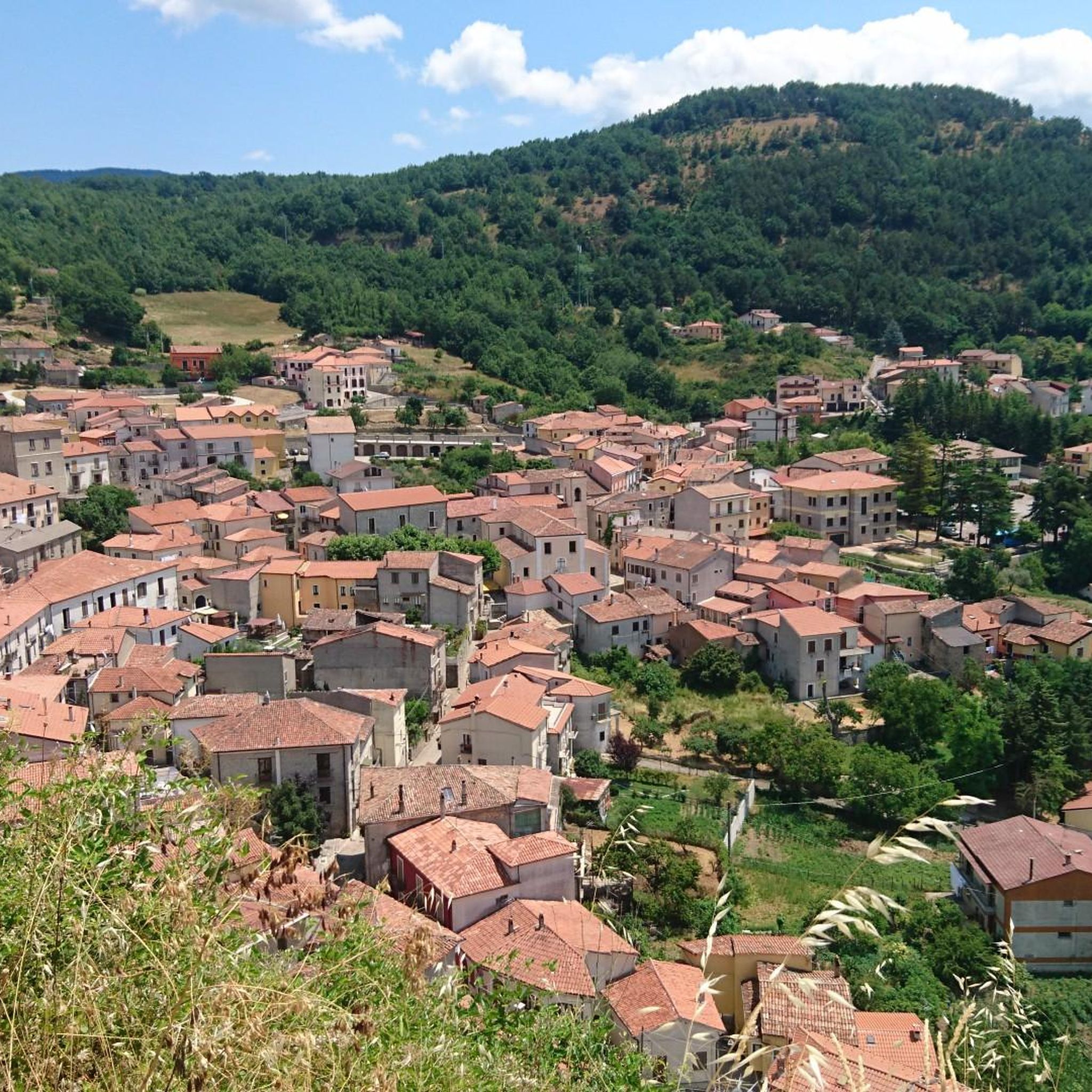
Absolutely worth a visit, a town that has remained authentic and is unfortunately depopulating, but which has so much to offer.
0
0
I was fortunate enough to meet Francesco from the Pro Loco tourist office (find the number outside the church, or ask in town), who guided us for about an hour to discover this sacred cave. An unexpected and truly worthwhile experience with several surprises, absolutely worth it.
0
0

Surrounded by dense beech woods, Sant'Angelo a Fasanella is a village located on the south-eastern slopes of the Alburni mountains. In addition to the spectacular surrounding nature, the Grotta di San Michele Arcangelo is not to be missed.
0
0

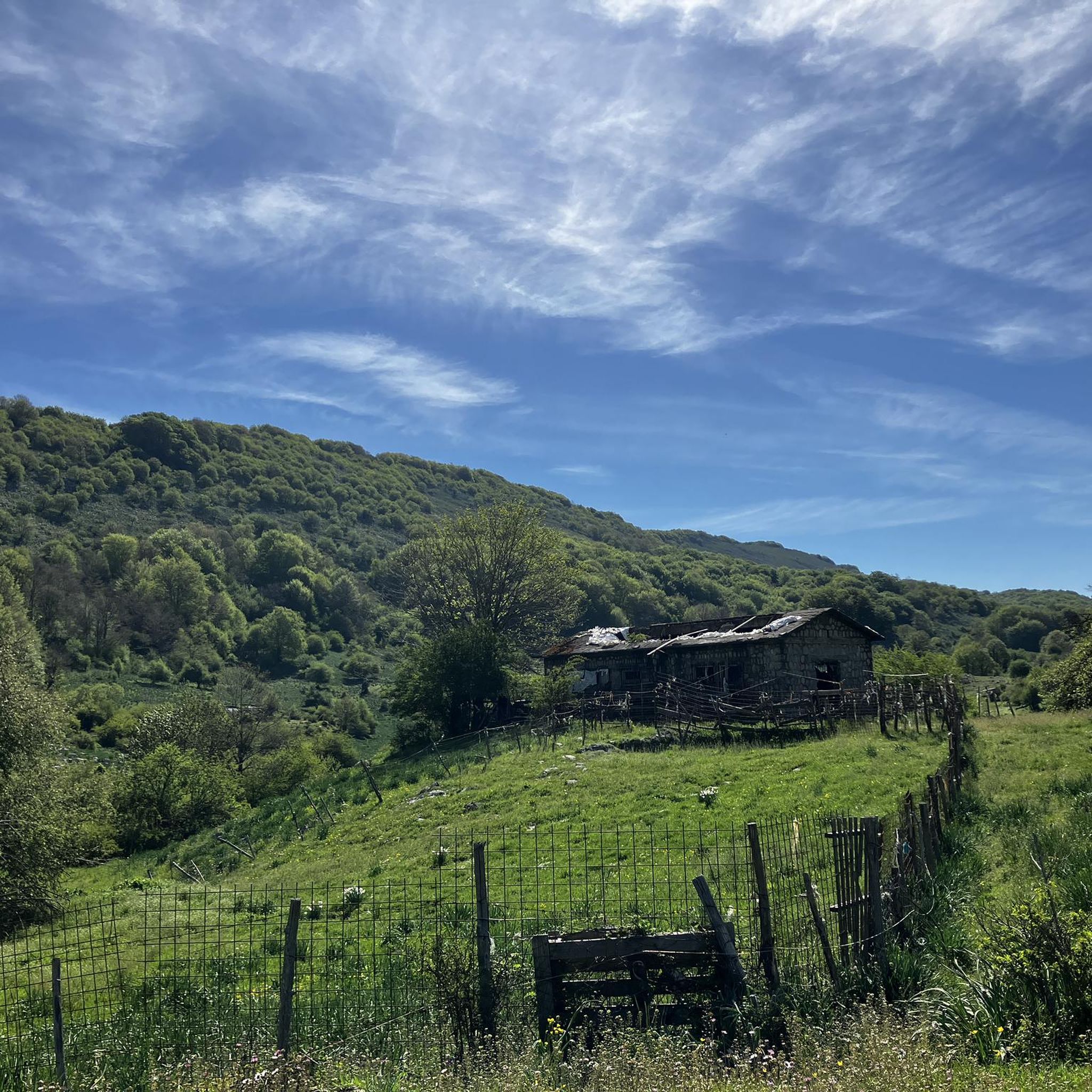
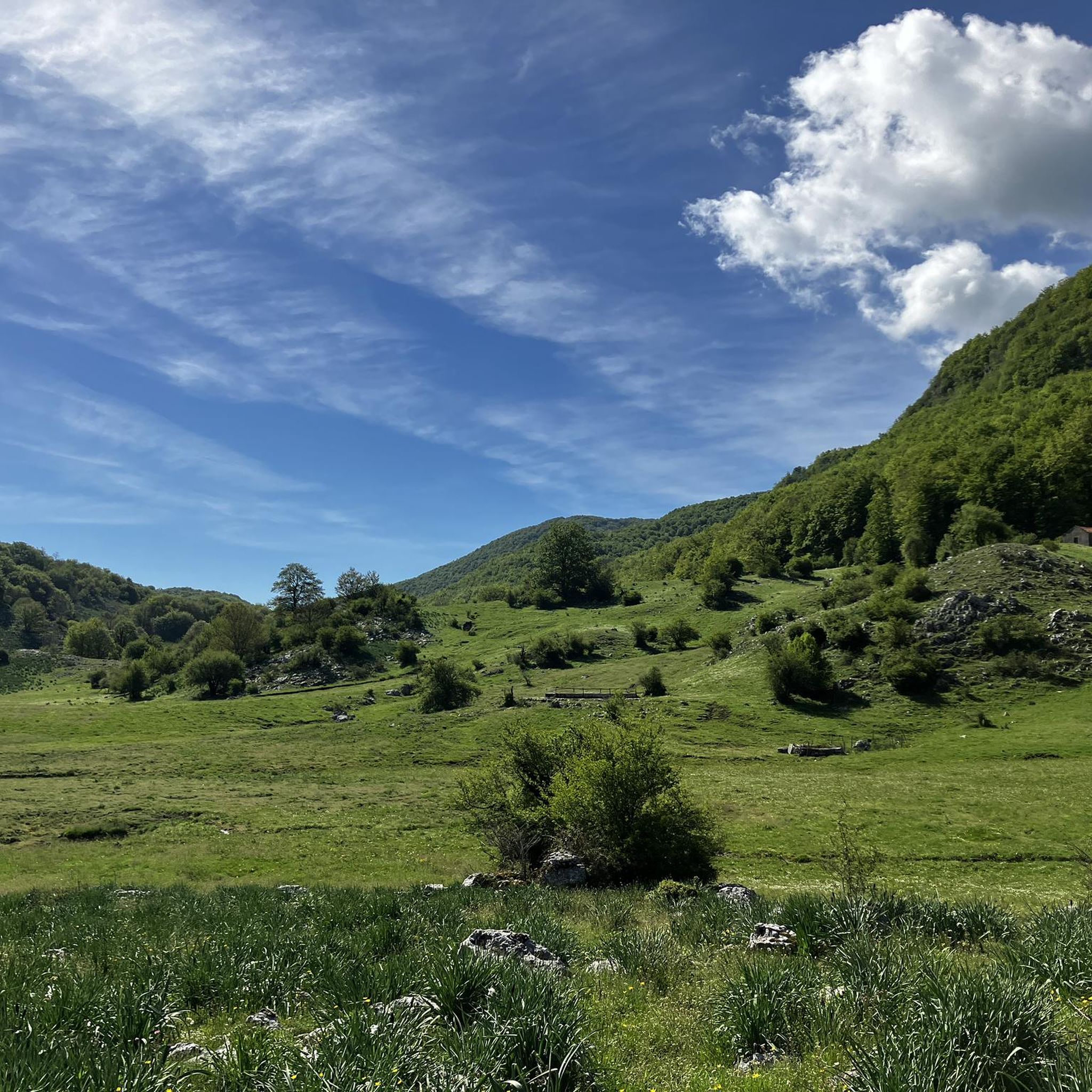
Karst sinkhole located in the territory of Petina, it is one of the many naturalistic attractions of the Alburni Mountains, in the National Park. The cave is more than 200 meters deep and it is necessary to have adequate speleological equipment. There is a picnic area outside.
1
0
A must-see in Sant'Angelo a Fasanella is the Church of San Michele Arcangelo, an ancient structure housed within a large cave. Among the stalactites and stalagmites are the Chapel of the Immaculate Conception, sculptures, 14th-century frescoes, and the marble statue of San Michele Arcangelo.
2
0

There is a picnic area in this shady spot. You couldn't go into the cave, we only saw a deep crevice in the rock that you couldn't climb down into.
3
0
Frequently Asked Questions
What unique natural features can I expect to see in the caves around Polla?
The caves in the Polla area, particularly the Grotta di Pertosa-Auletta, are renowned for their stunning stalactite and stalagmite formations, including a unique 'kiss' formation. This complex is also unique in Italy for its navigable underground river, the Negro River, offering boat tours through immense chambers. The Castelcivita Caves also feature diverse and striking limestone formations, such as 'La Pagoda' and the 'Principe di Piemonte's Room'.
Are there any caves with significant historical or archaeological importance near Polla?
Yes, several caves in the region hold significant historical and archaeological value. The Grotta di Polla itself is known for prehistoric remains, including Stone Age and Bronze Age artifacts. The Castelcivita Caves contain archaeological deposits indicating human presence dating back approximately 40,000 years. The Grotta di Pertosa-Auletta also boasts traces of habitation up to the Stone Age and a unique high-altitude pile dwelling settlement.
Which caves around Polla are suitable for families with children?
The Grotta di Pertosa-Auletta offers three safe and accessible tourist routes with guided tours suitable for all ages, including unique boat journeys on the underground river. The Castelcivita Caves also have a well-lit tourist route that is accessible and suitable for many visitors, with hard hats provided.
What kind of outdoor activities can I do near the caves around Polla?
The region around Polla offers various outdoor activities. You can find numerous hiking trails, including moderate routes like the Il Figliolo Loop Trail, and more challenging options. There are also extensive MTB trails and road cycling routes, particularly in the Alburni Mountains and the Vallo di Diano. For hiking, explore options like the Antece and Casone Aresta Loop via The Silent Way, detailed in the Hiking around Polla guide.
Are there any caves near Polla that are easily accessible?
The Grotta di Pertosa-Auletta offers three safe and accessible tourist routes with a new lighting system. The Castelcivita Caves also provide a well-lit tourist route that is accessible for many visitors. The Grotta di Polla itself, while archaeologically significant, has limited general tourist access and typically requires special events or prior arrangement.
What is the best time of year to visit the caves near Polla?
While caves maintain a relatively constant temperature year-round, the best time to visit the Polla region for overall outdoor activities and cave exploration is generally during the spring (April-June) and autumn (September-October) when the weather is mild and pleasant. This avoids the peak heat of summer and potential winter closures or colder conditions for surface activities.
Can I find guided tours for cave exploration in the Polla area?
Yes, guided tours are available for several cave systems. The Grotta di Pertosa-Auletta offers guided tours, including unique boat journeys. The Castelcivita Caves also provide guided experiences for their tourist routes. For the Church of San Michele Arcangelo, located within a large cave in Sant'Angelo a Fasanella, local guides from the Pro Loco tourist office can offer an insightful experience.
Where can I find information about opening hours and admission for the Pertosa-Auletta Caves?
For the most current information on admission, guided tours, and opening hours for the Pertosa-Auletta Caves, it is best to visit their official website. You can find a direct link to their information page in the tips section for Grotta di Pertosa-Auletta.
Are there any religious caves or cave churches in the Polla region?
Yes, the area features religious caves. The Cave of San Michele – UNESCO World Heritage Site is a historical cave and natural monument with an interesting church cave. Additionally, the Church of Saint Michael the Archangel in Sant'Angelo a Fasanella is an ancient structure housed within a large cave, featuring chapels, sculptures, and frescoes.
What are some of the more challenging or adventurous cave experiences available?
For those seeking a more adventurous experience, the Castelcivita Caves offer up to 3,000 meters of 'cave-amateur' paths beyond the tourist route. The Grotta Fra Gentile, a karst sinkhole in Petina, is over 200 meters deep and requires adequate speleological equipment for exploration. The Grotta di Pertosa-Auletta also offers speleorafting in its first section for a unique challenge.
Are there restaurants or accommodation options near the major cave attractions?
Yes, you can find restaurants and accommodation in the towns surrounding the major cave attractions. For instance, Pertosa, where the Pertosa-Auletta Caves are located, offers dining options. Similarly, Castelcivita and Sant'Angelo a Fasanella, near their respective caves, have local establishments. Polla itself also provides various amenities for visitors.
What makes the Sant'Angelo a Fasanella area notable for cave visitors?
Sant'Angelo a Fasanella is a village nestled on the south-eastern slopes of the Alburni mountains, surrounded by dense beech woods. It is home to the Grotta di San Michele Arcangelo, a significant church cave, and the Church of Saint Michael the Archangel, an ancient structure within a large cave, offering a blend of natural beauty and historical religious sites.
Most popular attractions around Polla

Get inspired with the komoot mobile app


Explore more
Extend your search for the best caves by checking out these guides of the top ones around Polla:
