Top 20 Waterfalls around Laghi
Best waterfalls around Laghi are found in various Italian lake regions, offering diverse natural landscapes. This area features numerous cascades, often nestled within dense forests or carved into rocky ravines. The geography includes both powerful torrential waterfalls and serene drops, providing varied experiences for explorers. These natural features contribute to the region's appeal for outdoor activities.
Best waterfalls around Laghi
- The most popular waterfalls is Hofentol Waterfall, a waterfall hidden in a rocky ravine. It is a spectacular thirty-meter…
Last updated: May 18, 2026
Former Italy–Austria Border Monument
Highlight • Monument
Translated by Google •
Tip by

Glass Cube and Brazzavalle Waterfall
Highlight • Waterfall
Translated by Google •
Tip by

Sign up now to discover places like this
Get recommendations on the best single tracks, peaks, & plenty of other exciting outdoor places.
Sign up for free
Hofentol Waterfall
Highlight • Waterfall
Translated by Google •
Tip by

Gorgo Santo
Highlight • Cave
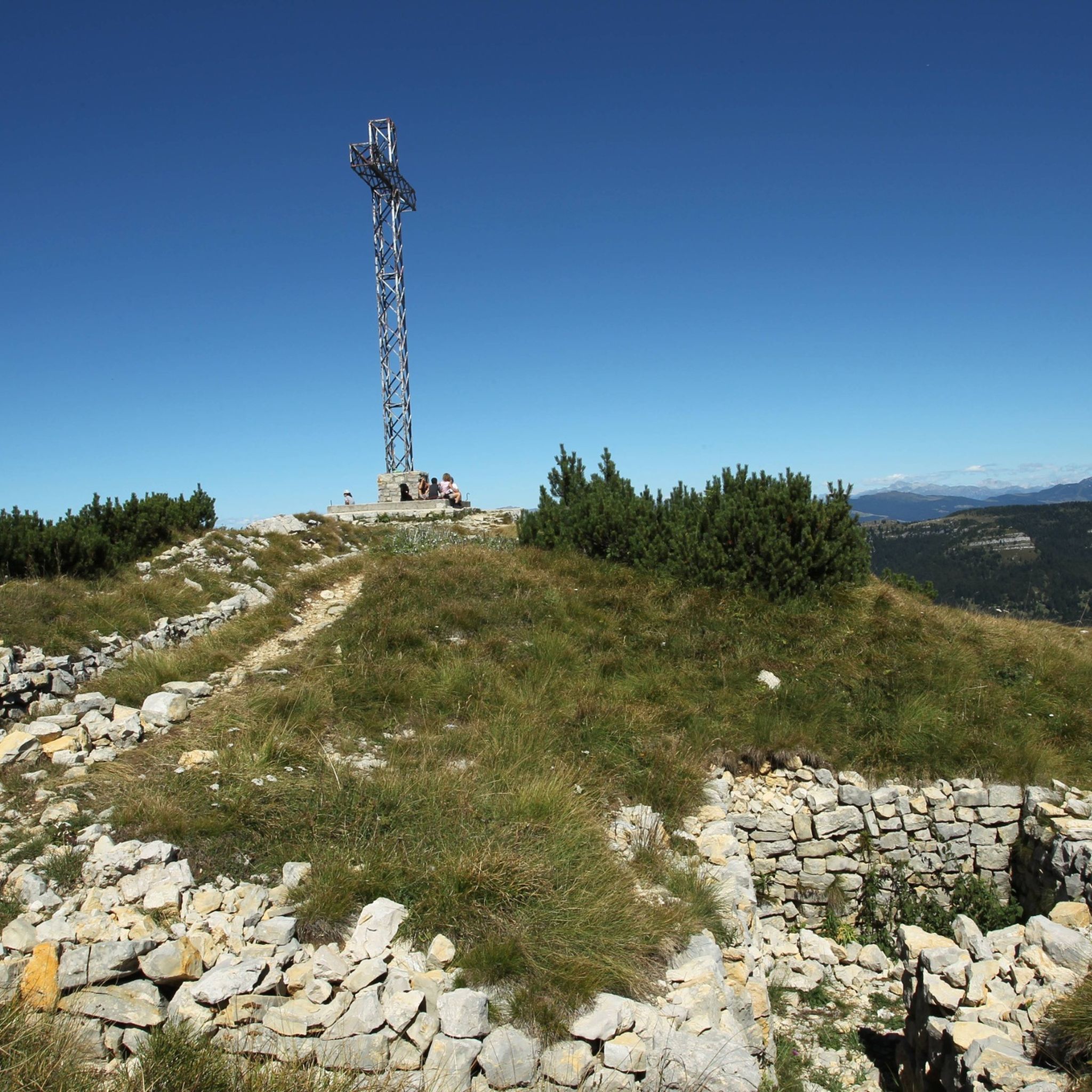
Rainwater and snow water are not retained by the Luserna Plateau due to the karst composition of the …
Translated by Google •
Tip by
Rio Mous Waterfalls
Highlight • Waterfall
Translated by Google •
Tip by

Sign up for free to discover even more waterfalls around Laghi.
Sign up for free
Already have an account?
Start today with a free account
Your next adventure awaits.
Login or Signup

Tips from the Community

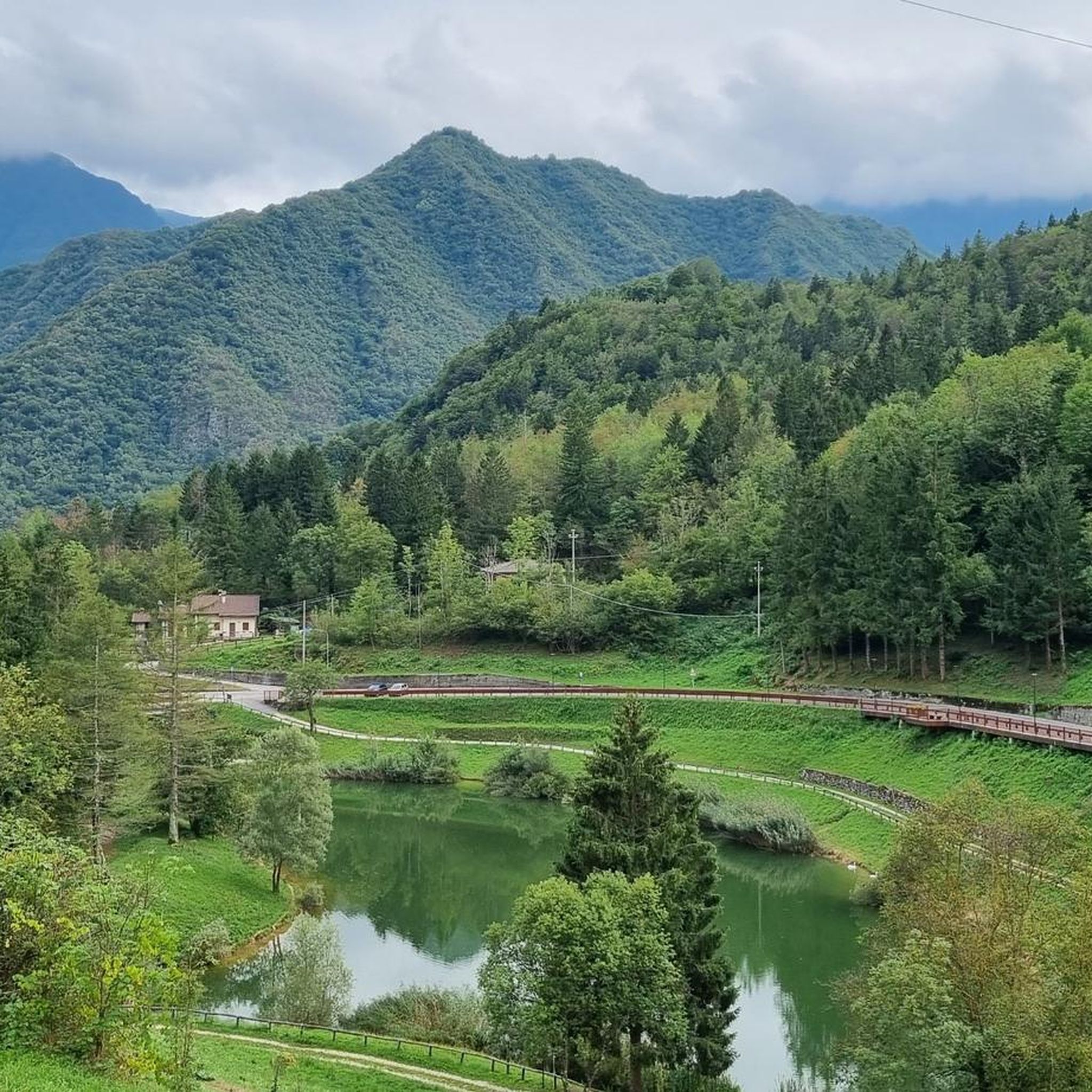
behind the small monument dedicated to the old border there is a place called IL GORGO it is an enchanting place with waterfalls and turquoise water
2
0

Not a particularly large waterfall, but visible from a characteristic shelter that overlooks the waterfall itself. It can be reached from Malga Prà via a path immersed in the woods. The trail is a bit challenging and has ropes in some places. Attention: the highlight is marked as mountain biking, but the waterfall can only be reached on foot!!!!
0
0

A foaming and thunderous waterfall cascades from the spring known as 'Gorgo Santo' (which can be visited a little further along, climbing the trail —> see related highlight). The small bridge actually spans two waterfalls, one upstream and one downstream. I recommend descending to the paved road below, on the border between the hamlets of Scalzeri and Longhi, for a spectacular view of the stream cascading through a series of rapid drops before flowing into the Astico River. I also recommend visiting this site after days of rain or when the snow has melted in the mountains, to see the water swollen and rushing!
0
0
The Rio Mous waterfalls are a series of cascades between the rocks and lush vegetation of the dense Gon Forest, along the picturesque trail connecting Folgaria to Guardia. The stream flows from Serrada to join the Rio Cavallo (Rosspach in Cimbrian). You cross a beautiful, ancient stone arch bridge, which can only be appreciated by venturing off-trail. Like any torrential waterfall, it's best seen after days of rain, to experience the full force of the water rather than the meagerness of a trickle.
0
0
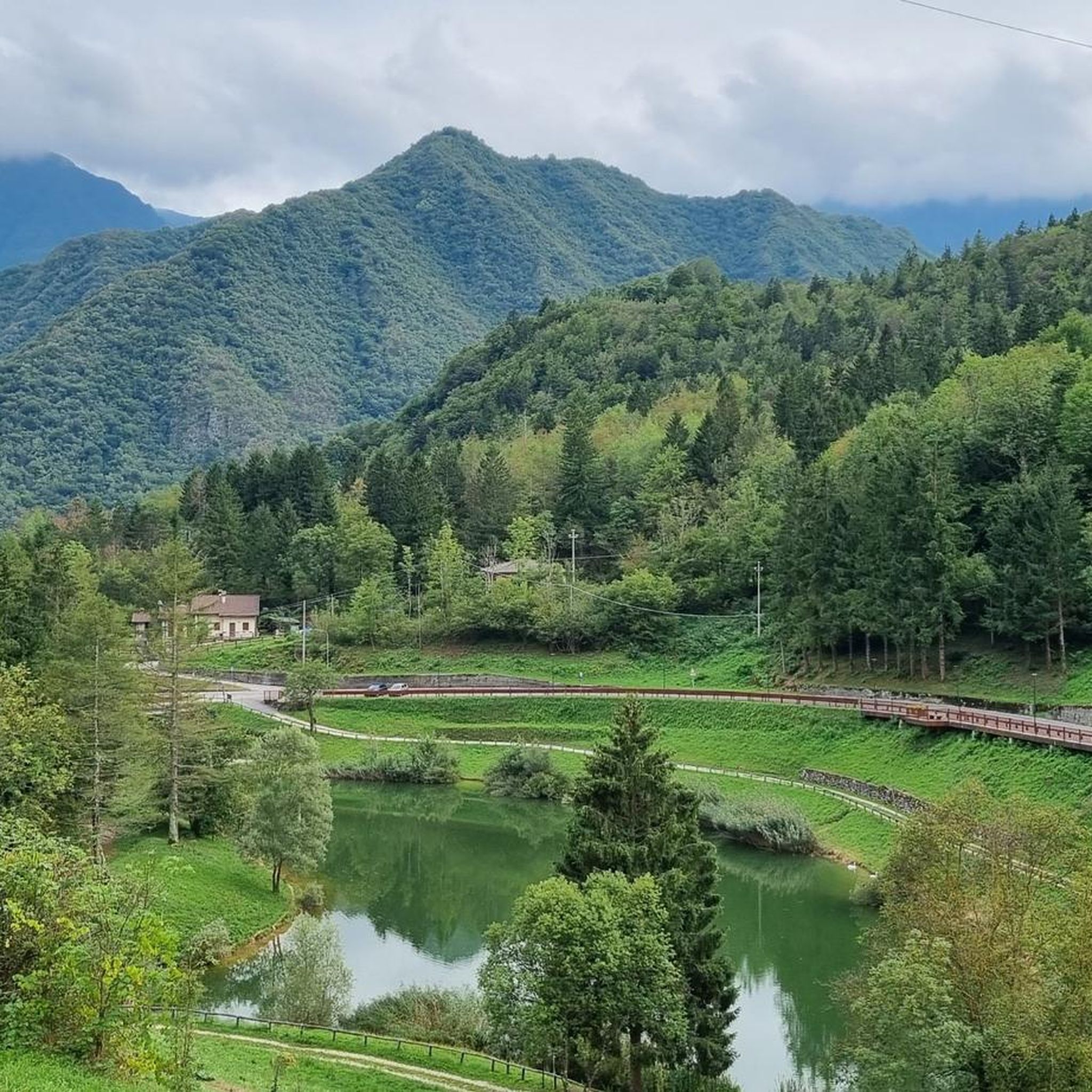
The Hofental Waterfall is a spectacular thirty-meter waterfall, hidden in a rocky ravine. Around the corner from the beautiful trail that runs through the Gon Forest, you'll be amazed by the rush of water cascading through lush greenery in summer, or by a spectacular frozen landscape in winter! Like any torrential waterfall, it's best visited after a rainy period, to avoid the risk of finding only a trickle flowing. https://www.alpecimbra.it/it/scopri-l-alpe-cimbra/natura-e-cultura/la-cascata-dell-ofentol/74-2245.html
1
0
Commemorative stone marking the former border between the Kingdom of Italy and the Austro-Hungarian Empire until the end of World War I. The border between the two states in the upper Astico Valley had a curious layout: from the hamlet of Busatti, upstream, to the village of Casotto, downstream, the territory to the left of the river was Austrian, while that to the right was Italian. Each citizen had its own route to travel this stretch of the valley, without having to cross the border: the Austrians had the current internal road, while the Italians had the current and parallel state road 350, which connects the Vicenza area to Trentino. At this point, just outside Casotto, the Torra stream marked the demarcation between the two states; the Braidi Bridge, guarded by a garrison, was an important passage for goods and people. With Italy's victory and the annexation of the unredeemed lands, it became the border between Trentino and Veneto. But in 1929, against the will of the inhabitants, a fascist decree imposed that Pedemonte and Casotto pass from the Province of Trento to that of Vicenza: the border between the two regions was moved further upstream, above the village of Lastebasse. An old photo illustrates a moment of conviviality and respect between Austrian customs officers and Italian Carabinieri, sitting at the same table. The original memorial stone is located in the Valdastico cemetery. https://www.freeforumzone.com/mobile/d/11171728/Valle-dell-Astico-e-le-due-strade-sul-confine-parallelo/discussione.aspx
0
0
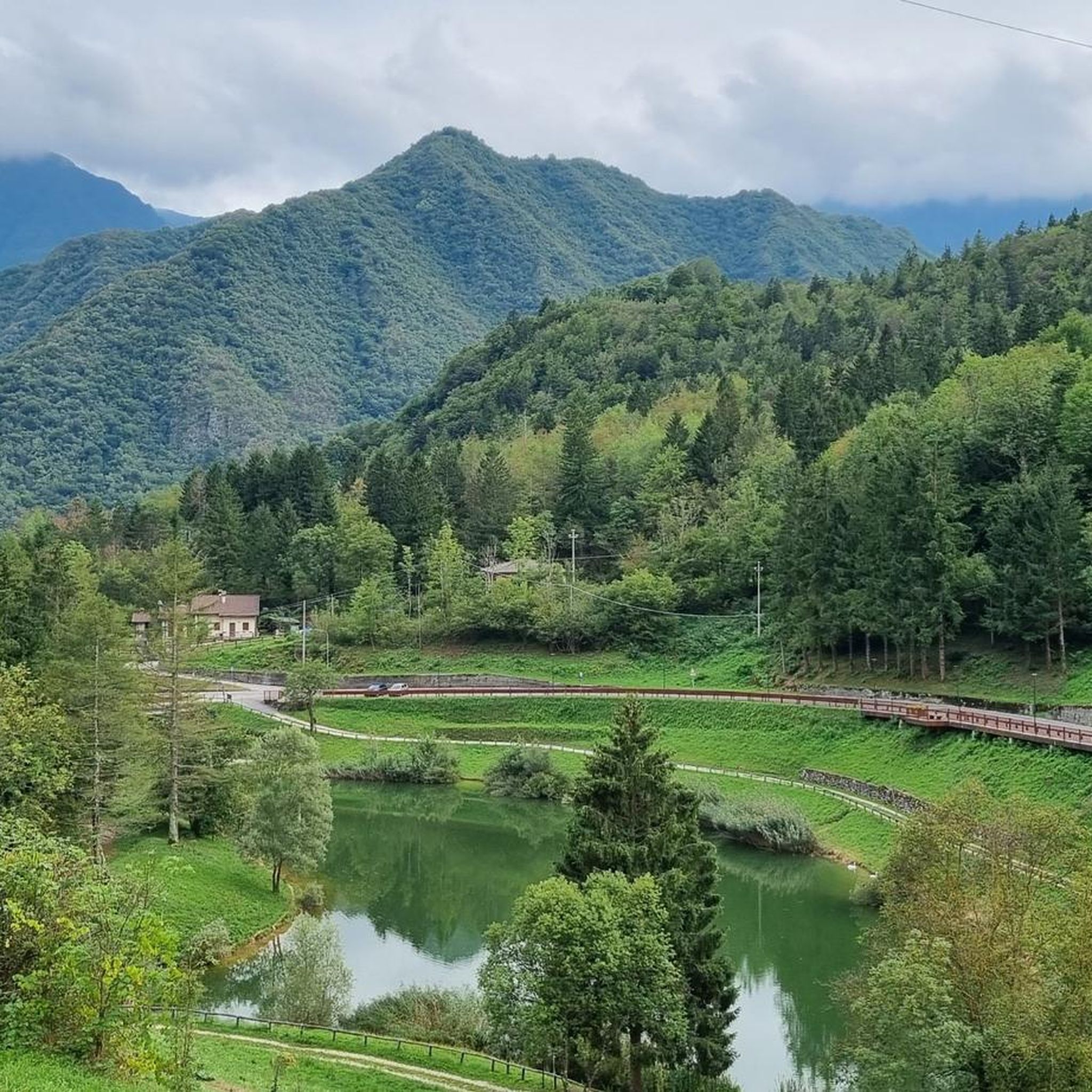
The Brazzavalle waterfall is a 30-meter drop from the Le Fratte stream, nestled in a picturesque and pristine environment, nestled and "hidden" among woods and rocks. Just above the waterfall, a suspended walkway has been installed, culminating in a transparent glass cube: from there, you can admire the cascading water, with the void beneath your feet; a dizzying and breathtaking sensation! The structure, called the "Glass Cube," opened in 2020, is 3 meters long and 80 cm wide. The EE trail that leads to the waterfall in about fifteen minutes can be slippery on wet ground, but ropes help with the more difficult sections.
0
0

The Brazzavalle Waterfall is a suggestive waterfall in the woods, about 30 meters high, in the Balasso area. Above the waterfall, at the jump, there is the Glass Cube, a cantilevered platform that allows you to admire the waterfall while observing the void below.
0
0
Frequently Asked Questions
What are some unique waterfall experiences around Laghi?
You can find unique experiences like the Glass Cube and Brazzavalle Waterfall, where a cantilevered platform offers a dizzying view of the 30-meter cascade. Another fascinating spot is Gorgo Santo, a spring with a rare karst phenomenon, where water emerges from different caves depending on rainfall, and is steeped in local legends.
Are there family-friendly waterfalls to visit around Laghi?
Yes, the area around the Former Italy–Austria Border Monument is considered family-friendly. Behind the monument, you'll discover 'IL GORGO,' an enchanting place with waterfalls and turquoise water, offering both historical significance and natural beauty.
What is the best time of year to visit the waterfalls around Laghi?
Many waterfalls in the Laghi region, such as Hofentol Waterfall and Rio Mous Waterfalls, are torrential. This means they are best visited after a period of rain or during spring snowmelt to see them at their full, powerful flow. In winter, some, like Hofentol, can offer a spectacular frozen landscape.
What kind of natural features can I expect to see near the waterfalls?
The waterfalls around Laghi are often nestled in diverse natural settings. You'll find them hidden in rocky ravines, surrounded by lush forests, or flowing into clear rivers. Some areas, like the Gorgo Santo, feature unique karst formations and natural springs, while others are part of picturesque trails with rich vegetation.
Are there any historical sites near the waterfalls?
Yes, the Former Italy–Austria Border Monument is a significant historical site that also features beautiful waterfalls. It offers a glimpse into the past while enjoying natural beauty. Additionally, the Gorgo Santo is associated with legends, including one about Pope Boniface IV blessing the whirlpool and another about Saint George defeating a dragon.
What outdoor activities can I do near the waterfalls around Laghi?
The Laghi region offers various outdoor activities. You can explore challenging running trails, embark on mountain biking adventures, or enjoy scenic cycling routes. Many waterfalls are accessible via hiking trails, such as the picturesque path connecting Folgaria to Guardia near the Rio Mous Waterfalls.
Are there any challenging waterfall hikes in the area?
Yes, the trail leading to the Glass Cube and Brazzavalle Waterfall is considered challenging (EE trail). It can be slippery on wet ground and features ropes in some sections to assist with more difficult parts, offering an adventurous experience for experienced hikers.
Where can I find waterfalls that are part of a larger trail system?
The Rio Mous Waterfalls are a series of cascades found along the picturesque trail connecting Folgaria to Guardia, within the dense Gon Forest. This allows you to combine waterfall viewing with a longer hike.
What are some other notable waterfalls in Italy's lake regions?
Beyond the immediate Laghi area, Italy's lake regions boast many impressive waterfalls. In Lombardy, near Lake Como, you can find the dramatic Orrido di Bellano and Orrido di Nesso. The Serio Falls in Val Seriana, near Laghi del Barbellino, are Italy's highest, with scheduled openings. Trentino offers the Palvico Waterfall near Lake Idro, popular for canyoning, and waterfalls in Val di Daone. Friuli-Venezia Giulia has a small waterfall at Laghi di Fusine, and Piedmont features the Goja del Pis Waterfall in Parco Naturale Laghi di Avigliana and the Stroppia Waterfalls in Maira Valley.
What should I wear when hiking to waterfalls around Laghi?
Given that many trails can be challenging and potentially slippery, especially after rain, it's advisable to wear appropriate hiking footwear with good grip. Layers of clothing are also recommended to adapt to changing weather conditions, and waterproof gear might be useful if visiting after rainfall to experience the waterfalls at their best.
Can I find information about waterfalls near Lake Idro?
Yes, near Lake Idro, you can explore several beautiful waterfalls. The Palvico Waterfall, standing 54 meters high, is notable for canyoning activities. Other refreshing spots include Ampola Waterfall and Gac Waterfall (Cascata Storo). For more details on visiting these, you can check resources like visitlakeidro.com.
What do visitors enjoy most about the waterfalls around Laghi?
Visitors frequently appreciate the spectacular views and the powerful rush of water, especially after rain. The unique natural settings, such as rocky ravines and lush forests, are often highlighted. The combination of natural beauty with historical elements, like the Former Italy–Austria Border Monument, also adds to the appeal.
Most popular routes around Laghi
Most popular attractions around Laghi

Get inspired with the komoot mobile app


Explore more
Happy to travel a little further afield? Then browse these guides for the best waterfalls around Laghi:
